
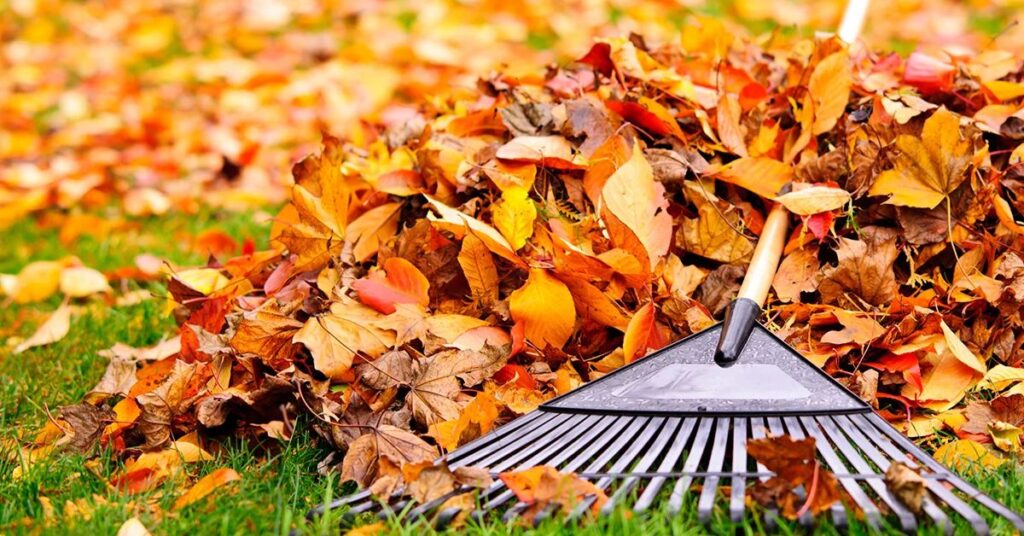
Every autumn, my yard gets buried under a blanket of fallen leaves, and for a long time, I treated them like waste—bagging them, tossing them, or dragging them to the curb. Then I realized something: these leaves aren’t just debris. They’re a free, natural resource that can feed my garden, protect my plants, and even save me time and money.
I’ve spent years experimenting with composting, mulching, and creating leaf mold, and I’ve seen firsthand how a simple pile of leaves can transform tired soil into rich, healthy ground ready to nurture vegetables, flowers, and shrubs. In this guide, I want to show you exactly how to turn those autumn leftovers into garden gold. We’ll cover practical steps, mistakes to avoid, and little tips that make the process simple and effective.
By the end, you’ll not only see leaves differently, you’ll feel excited every time they fall—because each one is an opportunity to improve your garden and give back to the soil.
Why Fallen Leaves Are Garden Gold
I used to think fallen leaves were just yard clutter—but over the years, I’ve discovered they’re actually a treasure trove for your garden. Leaves are what gardeners call “brown matter,” the carbon-rich ingredient that plants and soil life thrive on. When you use them correctly, they do more than just disappear into the soil—they actively nourish it.
Here’s why I consider them essential:
- Packed with minerals: Leaves contain calcium, magnesium, potassium, phosphorus, and other nutrients. In fact, some studies suggest they can be just as nutrient-rich, or even richer, than manure on a per‑weight basis. You’re literally giving your soil a natural multivitamin. Check out this guide on composting leaves from Penn State Extension for more details.
- Feed the soil ecosystem: Beneath those leaves, beneficial microbes and earthworms get busy breaking them down, turning simple leaf matter into rich humus. Over time, this improves soil structure—looser clay soils drain better, and sandy soils hold moisture more effectively.
- Boost long-term soil health: Every leaf you leave to compost or mulch becomes part of a cycle that strengthens your garden, reduces erosion, and keeps plants happy year after year.
Once you start seeing leaves this way, you’ll never look at a pile in your yard the same. They’re not waste—they’re a resource, waiting for you to put them to work.
Composting Fallen Leaves

If you’re ready to put those leaves to work, composting is one of the easiest and most effective ways. Here’s how I approach it:
- Mix browns and greens: Leaves are your carbon-rich “browns.” Combine them with nitrogen-rich “greens” like kitchen scraps, grass clippings, or coffee grounds for a balanced compost.
- Shred or chop first: I always shred my leaves before adding them. It reduces the volume, speeds up decomposition, and makes storage easier if you have a lot of leaves.
- Layer smartly: Build your compost in alternating layers—start with a few inches of leaves, then a thin layer of green material. Moisten lightly, and turn the pile every few weeks. By spring, you’ll have dark, crumbly compost ready to enrich your garden. During colder months, you might wonder how composting continues—if you want a step-by-step guide for cold-season composting, check out how to compost in winter for tips to keep your leaf pile active even in frost.
- Store what you don’t use: Not every leaf pile needs to go straight into compost. I often store shredded leaves in a dry bin or bag and add them gradually, so I never run out of organic matter when I need it most.
By treating leaves as an asset rather than a chore, you can create a cycle of nourishment that keeps coming back to your garden, season after season.
Using Leaves as Mulch
I’ve found that using leaves as mulch is one of the simplest ways to care for my garden without spending extra money. You don’t need fancy materials—just the leaves you’ve already gathered.
Here’s how I usually do it:
- Spread wisely: I scatter shredded—or sometimes whole—leaves over garden beds, around shrubs, trees, and vegetable patches. The key is not to smother plants; a thin, even layer works best.
- Benefits for your garden:
- Suppresses weeds naturally
- Retains soil moisture during dry spells
- Regulates soil temperature, keeping roots cooler in summer and warmer in winter
- Reduces erosion on slopes or exposed soil
- Slowly releases nutrients as the leaves break down
- Specific uses:
- Vegetable gardens: Leaf mulch can improve yields for root vegetables like carrots, onions, and pumpkins.
- Perennial beds or shrubs: Provides winter insulation and long-term soil improvement.
By seeing leaves this way, you turn a seasonal nuisance into a garden ally. For a detailed guide on how to use leaves as mulch in your vegetable garden, check out GrowVeg’s leaf mulch guide.
Bonus: Leaf Mold — The Under‑Used Soil Amendment
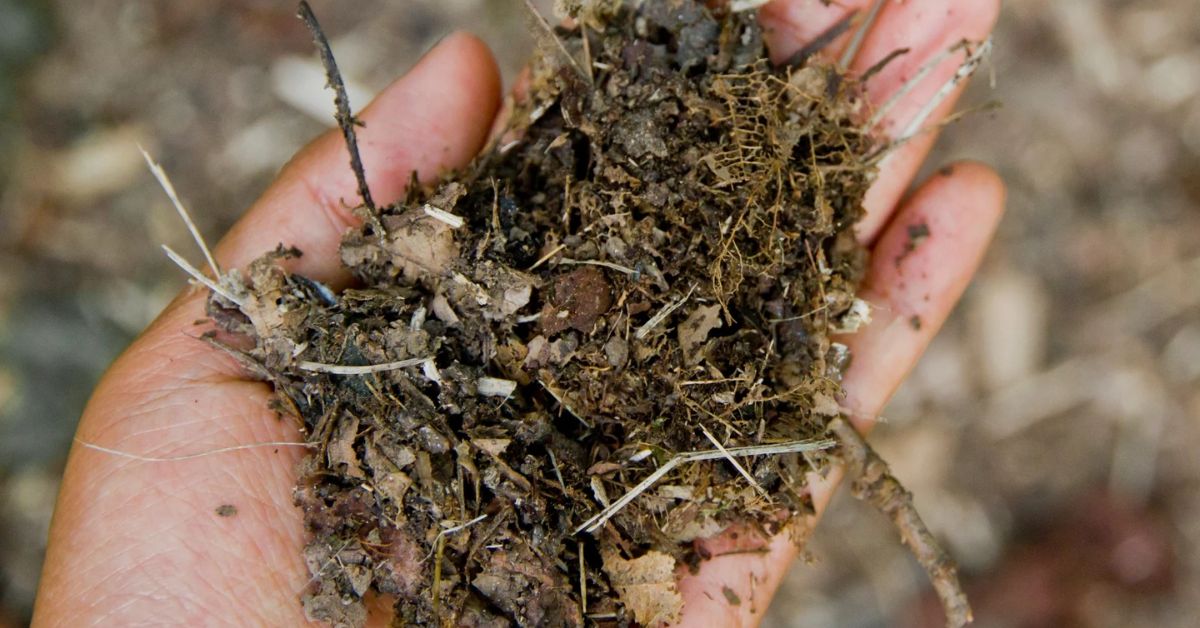
If you’re like me, sometimes you want a “set-and-forget” solution for enriching your soil. That’s where leaf mold comes in. It’s simply fully decomposed leaves—no green waste added—left to break down for 12–24 months into dark, crumbly, moisture-retentive organic matter.
Here’s what I do:
- How to make it: Pile leaves in a quiet corner of your yard or in a large bag. Keep them slightly damp, and optionally shred them to speed up decomposition. No turning is needed.
- Where to use it: Mix into flower beds, vegetable beds, container soils, or use as lawn top-dressing. It acts as a slow-release soil conditioner and improves water retention naturally.
Leaf mold is often overlooked, but once you start using it, it becomes a long-term soil enhancer without much effort.
Practical How-To Guide: Step‑by-Step for Gardeners
To make the most of your fallen leaves, I follow a simple, repeatable workflow:
- Rake or gather leaves: Or leave them in place if appropriate. Don’t just throw them away.
- Sort and decide purpose: Decide which leaves go to compost, which to mulch, and which to leaf mold.
- Shred or chop (optional but recommended): Speeds up composting and helps mulch break down faster.
- Build the compost pile: Alternate carbon-rich leaves with nitrogen-rich greens like kitchen scraps or grass clippings. Keep it moist and aerate occasionally.
- Apply mulch correctly: Avoid piling leaves too thickly around plant stems; spread a thin layer.
- Leaf mold corner: Pile leaves in a quiet spot, water occasionally, and wait 12–24 months.
- Use finished products wisely: Apply compost, leaf mold, or mulch to beds, lawns, and containers as needed.
Following this routine makes using fallen leaves manageable, practical, and highly beneficial for your garden all year round.
Important Considerations & Common Mistakes
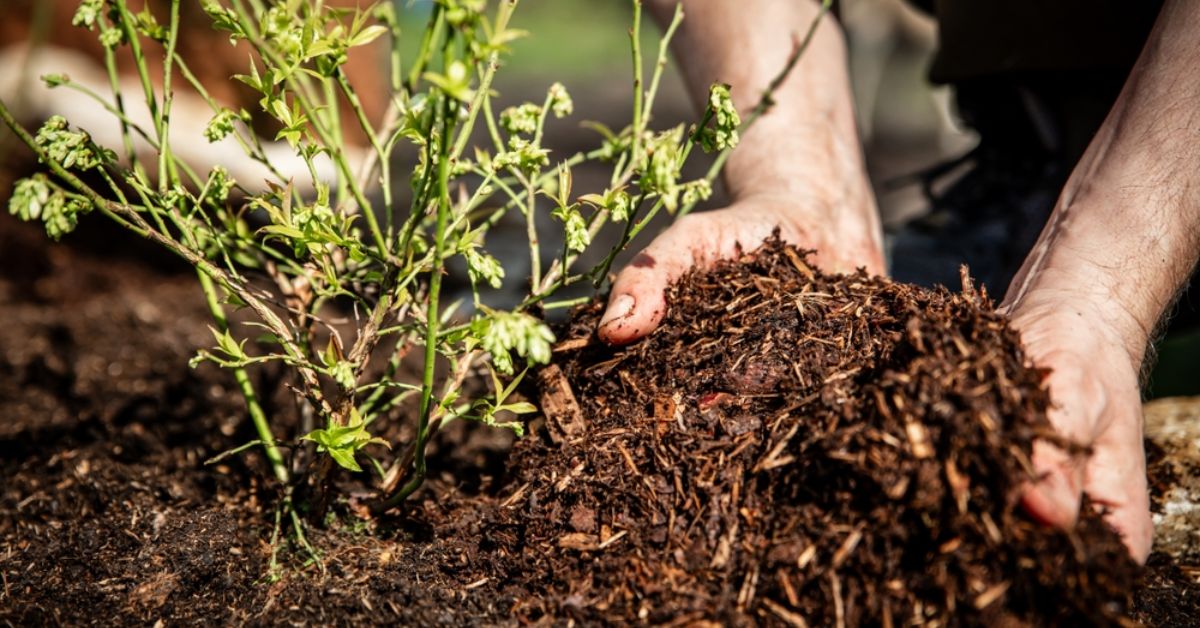
When I first started using leaves in my garden, I made more than a few mistakes. Over time, I learned that small missteps can undo all the benefits of leaf composting or mulching. Here’s what you should watch out for:
- Don’t over‑mulch: Piling leaves too thickly around plant stems or on your lawn can smother roots, block water, and reduce airflow. Thin, even layers work best.
- Shredded vs whole leaves: Shredding helps leaves decompose faster, but leaving some whole is good for wildlife. Many beneficial insects and small critters use leaf litter for shelter over winter.
- Balance your compost: Too many leaves without enough nitrogen-rich materials can slow decomposition. Microbes need a proper carbon-to-nitrogen ratio to turn leaves into rich compost efficiently.
- Know your leaf types: Some leaves, like those from Black Walnut trees, contain compounds that can inhibit plant growth. Compost them fully before applying to your beds to avoid issues.
Paying attention to these considerations keeps your leaf reuse safe and effective, and prevents the common problems that many guides fail to mention.
Enhancements & Pro Tips
Once you’ve mastered the basics, there are ways to make your leaf reuse even smarter and more sustainable. Here’s what I do:
- Combine with no‑dig or sheet‑mulching methods: I top-dress my garden beds with leaf-based mulch or compost rather than digging it in. This approach lets soil life do the work naturally, improving soil structure and fertility.
- Store shredded leaves for later: If you collect more leaves than you can use immediately, I keep them in dry bins or bags. This way, I always have mulch or compost ready when needed.
- Use leaf mulch for winter protection: Around perennials, root vegetables, or newly planted shrubs, leaves act like a natural blanket—cushioning roots, stabilizing moisture, and regulating temperature. For flowers, I also use techniques to frost-proof flowers so they survive harsh winter nights without damage.
- Support soil life and biodiversity: Leaving some leaf litter under shrubs or trees creates a habitat for beneficial insects, earthworms, and other critters. This encourages a healthier, balanced garden ecosystem.
For more practical guidance on maximizing leaf benefits while protecting soil and wildlife, check out this Horticulture Society guide on smart leaf management.
When Fallen Leaves Are Not Ideal — What to Avoid
Not all leaves are perfect for your garden, and knowing when not to use them can save you time and prevent problems. Here’s what I’ve learned:
- Allelopathic leaves: Some trees, like Black Walnut, produce leaves with chemicals that can inhibit plant growth. I always compost these fully before using them.
- Avoid thick, uncomposted layers: Piling whole leaves too thickly on lawns can smother grass, block sunlight, and trap moisture, which may lead to fungal problems.
- Watch for damp spots: If leaves are heavy or wet, don’t stack them in areas where water pools. Rot or moss can quickly develop.
Being mindful of these situations ensures your leaf reuse is safe, effective, and doesn’t unintentionally harm your garden.
Seasonal Planning & Workflow — Calendar-Based Approach
I like to follow a simple, seasonal workflow for leaf reuse. It keeps everything organized and ensures my garden benefits all year:
- Autumn: Gather and sort leaves. Shred or bag some, start a leaf-mold pile, and add a portion to the compost bin. When preparing your garden in late autumn, I follow some simple steps to improve soil health before winter sets in—you can see my full November soil steps for practical guidance on getting the most from your leaf mulch and compost.
- Late autumn / early winter: Apply a thin layer of mulch or leaf layer around garden beds, root crops, and perennials for insulation and moisture retention.
- Winter: Let leaf-mold piles age quietly. Minimal garden work—just monitor moisture occasionally.
- Early spring: Turn compost or leaf mold, mix into soil, and top-dress garden beds. Plant vegetables and flowers.
- Growing season: Use homemade compost or leaf mold as needed. Top up mulch around plants to maintain moisture and suppress weeds.
This schedule makes leaf management predictable and ensures you get the maximum benefit from every autumn’s harvest.
Quick Reference: What You Can Do With Fallen Leaves — At a Glance
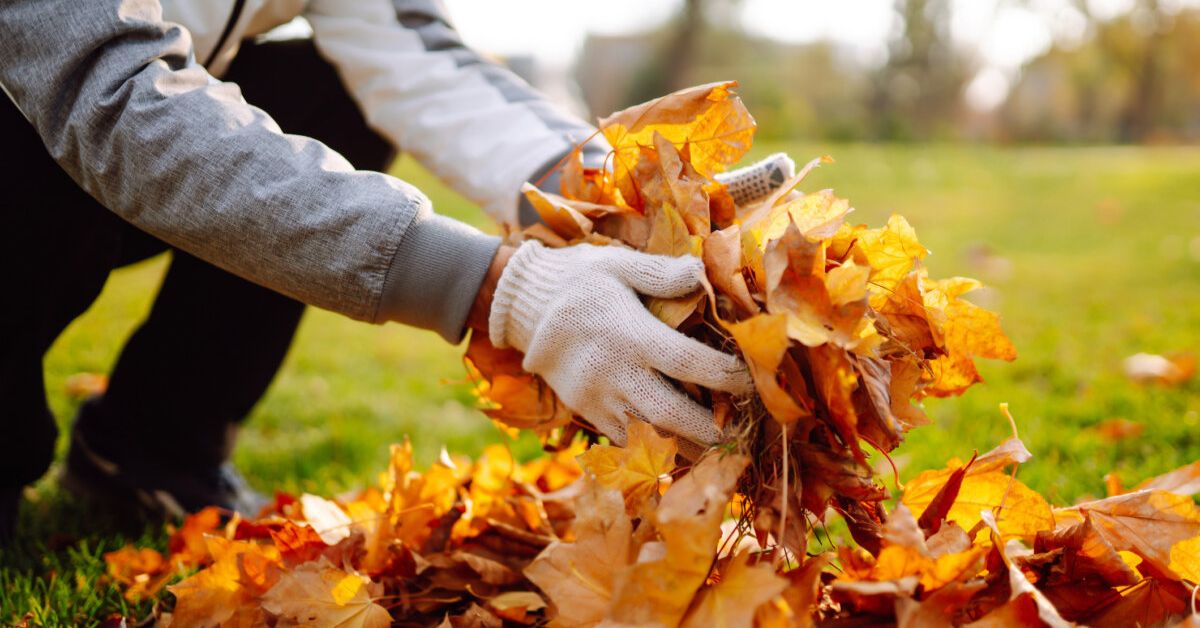
For readers who just want the essentials, here’s a handy cheat sheet:
- Compost (mixed with greens) → ready by spring
- Leaf mold → long-term soil conditioner
- Mulch around garden beds, vegetables, shrubs → suppresses weeds, retains moisture, insulates plants
- Top-dress lawns (shredded) → slow-release nutrition
- Store shredded leaves in bins/bags → ready-to-use whenever needed
This snapshot is perfect for skimming, while the detailed steps above guide you through every process.
Closing Thoughts & Responsible Gardening Reminder
I’ve learned that fallen leaves are far more valuable than I ever imagined. Treat them as a resource, not waste. Use them responsibly—avoid over-mulching, compost properly, and respect the delicate balance of soil life in your garden.
Gardening is a cycle: leaves that fall today feed the soil tomorrow, which in turn nourishes your plants season after season. Once you start seeing leaves this way, every autumn becomes an opportunity rather than a chore.
If you’ve tried using leaves in your garden—or have tips, questions, or stories to share—I’d love to hear from you! Drop a comment below or visit Plant Care Dairy to share your experience and connect with fellow gardeners. Your insights might inspire someone else to turn their leaf pile into garden gold.
Disclaimer: The information provided here is for educational and gardening purposes only. Results may vary depending on your local climate, soil type, and plant species. Always use caution and consult local gardening experts if needed.