
I still remember the first time I spotted tiny clusters of aphids on my rose plant. At first, I thought it was just dust sticking to the leaves—but within a week, the buds were curling, the stems looked weak, and a sticky residue covered the surface. That was my wake-up call: sap-sucking insects can take down a healthy plant faster than most of us realise.
If you’ve ever walked out to your garden and felt frustrated seeing yellowing leaves, black sooty mold, or stunted growth, you’re not alone. These pests—aphids, mealybugs, whiteflies, and their cousins—are silent thieves. They drain nutrients, spread plant diseases, and often go unnoticed until the damage feels overwhelming.
The good news? You don’t need to feel helpless. Protecting your plants isn’t about spraying harsh chemicals at every sign of trouble. It’s about knowing how to spot these insects early, using smarter, eco-friendly methods, and creating a garden environment that naturally keeps them under control.
Have you ever lost a plant to a pest infestation that seemed to come out of nowhere?
Why Sap-Sucking Insects Are a Major Threat to Plants
When I first started gardening, I used to think insects were just part of the natural cycle. A few bugs here and there—what’s the harm? But when I saw my basil leaves turning yellow and curling inwards, I realized how dangerous sap-sucking pests really are.
These insects don’t just nibble on leaves; they actually pierce plant tissues and suck out the sap, which is the lifeline carrying nutrients through the plant. Over time, this constant feeding weakens the plant’s immune system and leaves it vulnerable to other infections.
Some of the most common visible signs include:
- Yellowing leaves that look starved
- Curling or deformed leaf edges
- A sticky residue called honeydew, often leading to black sooty mold
- Slowed growth or weak stems that can’t support flowers or fruits
Think about your rose bush struggling to bloom or a houseplant that suddenly looks tired even though you’ve been watering it right. Chances are, sap-suckers are silently draining the energy your plant needs to thrive.
And here’s the hard truth: left unchecked, these pests can cause entire plants to wither and eventually die. That’s why understanding their impact isn’t just helpful—it’s essential if you want a healthy garden.
Common Types of Sap-Sucking Insects You Should Know
Over the years, I’ve learned that knowing your enemy is half the battle. These are the main sap-sucking culprits you’re most likely to face:
- Aphids – Tiny, soft-bodied insects that reproduce at lightning speed. One day you see a few; the next week, your stems are covered.
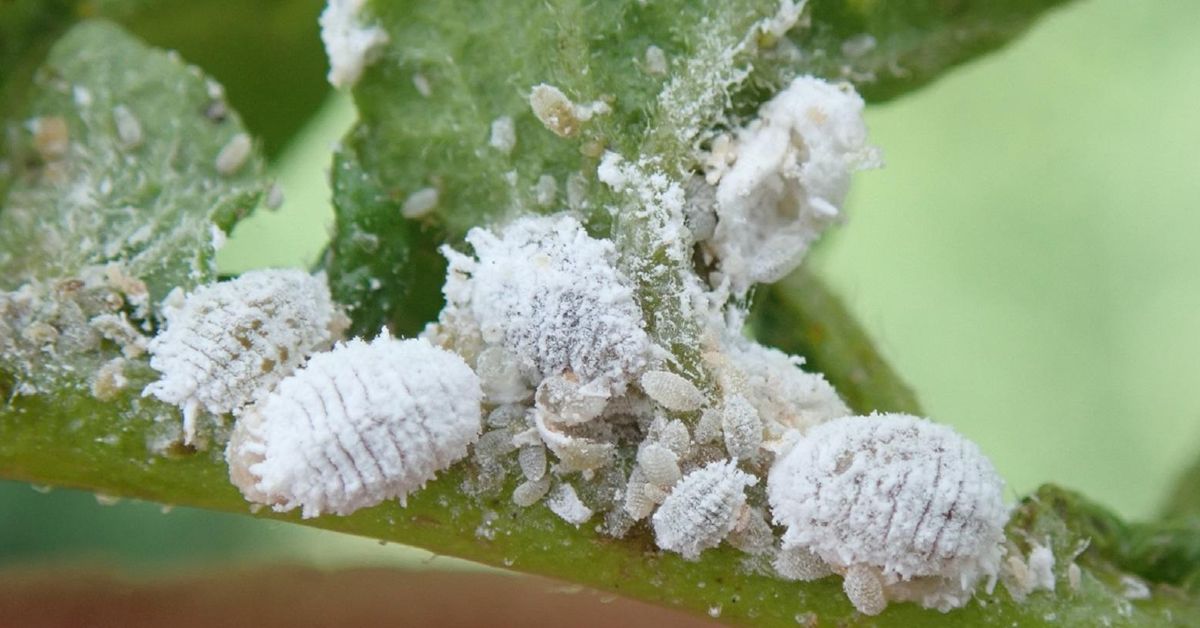
- Mealybugs – They look like bits of white cotton stuck to leaves and stems. Easy to miss at first, but once they spread, they become a nightmare.
- Whiteflies – Small, moth-like bugs that fly up in a cloud when you touch the plant. They weaken plants quickly and are notorious for spreading diseases.
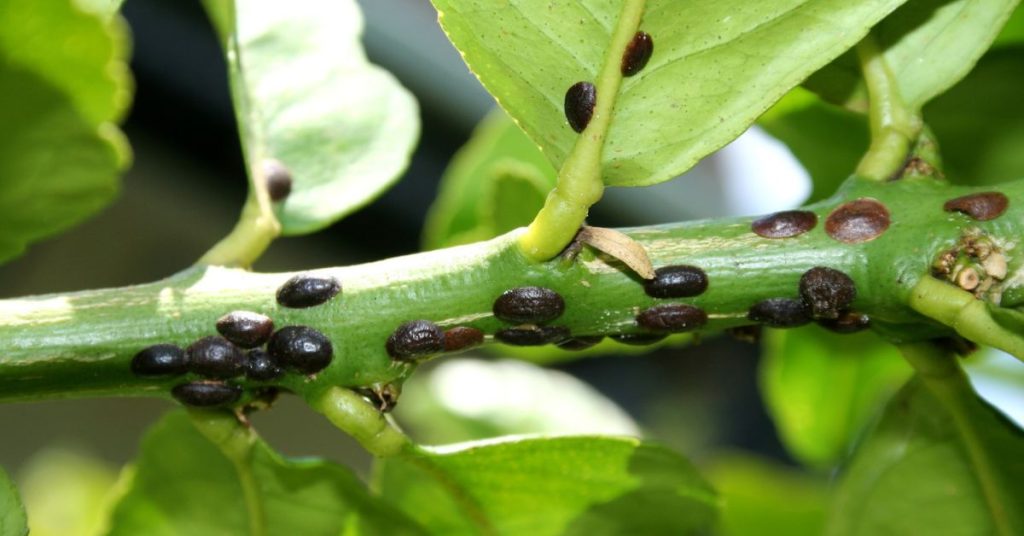
- Scale insects – Hard-shelled, oval pests that cling tightly to stems. They often go unnoticed until plants are already weakened.
- Thrips – Extremely small and hard to see, but the damage shows as silvery streaks or discolored patches on leaves.
Each of these pests works differently, but the outcome is the same: a plant that slowly loses its strength. If you’ve ever wondered why your plant looks weak even with the right care, sap-suckers are a likely cause.
According to Plantix, one of the leading digital platforms for plant health, early detection is key. The sooner you recognise which insect you’re dealing with, the faster you can act—and the better chance your plant has of surviving.
How Sap-Sucking Insects Damage Plants (Science-backed Insight)
I’ve seen healthy plants collapse in just weeks because of sap-suckers, and it isn’t just about lost leaves. These insects feed by piercing the plant’s vascular system and stealing nutrients straight from the sap. Over time, that constant feeding stunts growth, weakens the stem, and leaves the plant unable to produce strong flowers or fruits.
The damage doesn’t stop there. As they feed, many sap-suckers release a sticky liquid called honeydew. At first, it just looks messy, but soon you’ll notice black sooty mold growing on top of it. This fungus blocks sunlight from reaching the leaves, so even if the plant is alive, it can’t photosynthesise properly.
The most worrying part? Some sap-sucking insects actually spread viral diseases. According to research published on the National Library of Medicine (PMC), aphids are known carriers of plant viruses such as cucumber mosaic virus, which can devastate vegetable crops. A tomato or cucumber plant infected this way may never recover, no matter how much fertiliser or water you give it.
This is why treating sap-suckers isn’t optional—it’s about protecting the long-term health of your garden.
Natural Predators and Biological Controls (Eco-Friendly Methods)
When I first started battling these pests, I thought chemical sprays were the only solution. But over time, I realised nature already gives us powerful allies if we know how to use them.
Some of the best natural defenders are:
- Ladybugs – They can eat hundreds of aphids in a single day. If you’re wondering how to attract these beneficial insects, here’s a detailed guide on how to get ladybugs in your yard naturally.
- Lacewings – Their larvae are nicknamed “aphid lions” for a reason—they devour sap-suckers aggressively.
- Predatory wasps – Tiny but effective; they lay eggs inside pests like whiteflies, stopping infestations in their tracks.
- Beneficial nematodes – Invisible to the eye, but they target soil-dwelling pests and keep them under control.
In addition, simple eco-friendly treatments like Neem oil and insecticidal soap create a natural barrier without harming pollinators or beneficial insects.
By leaning on biological controls instead of chemicals, you build a healthier, more balanced garden where nature does most of the work for you.
DIY Home Remedies That Actually Work
Some of the most effective pest solutions don’t come from a store—they come from your own kitchen. I’ve relied on these simple fixes when infestations showed up overnight, and they work surprisingly well.
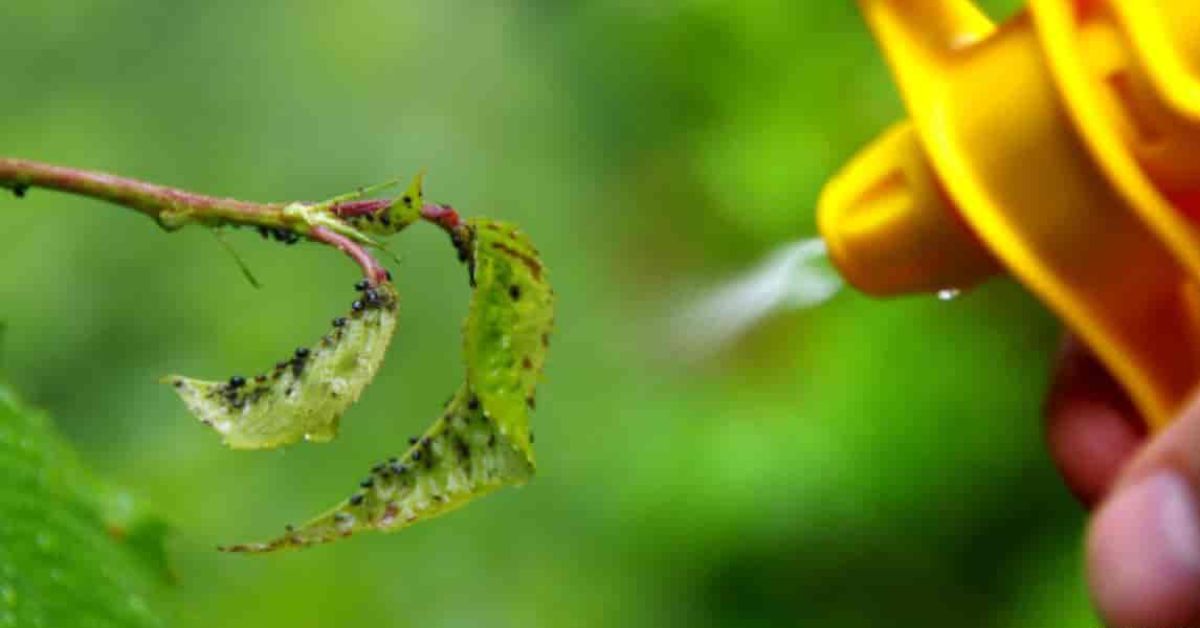
- Soap-water spray – Mix a few drops of mild dish soap with water and spray it directly on leaves. It breaks down the outer layer of soft-bodied pests like aphids and whiteflies, killing them quickly.
- Garlic-chili spray – A natural repellent. Blend garlic and chili with water, strain it, and spray on affected plants. The strong smell and compounds deter sap-suckers from feeding.
- Sticky traps – Hang yellow sticky cards near plants to catch whiteflies and fungus gnats. These traps are cheap and give you a quick idea of how severe the infestation is.
- Rubbing alcohol on cotton swabs – Dab directly onto mealybugs or scale insects. It dissolves their protective coating and dries them out. For other common pests, you can also try these DIY tricks to stop squash bugs from returning to your garden.
These remedies are not only budget-friendly but also safe for kids, pets, and pollinators.
Cultural and Preventive Practices to Keep Plants Safe
If you’ve ever fought an infestation, you know prevention is easier than treatment. A few small changes in your gardening habits can make plants far less attractive to sap-suckers:
- Crop rotation & intercropping – Rotating crops keeps pests from establishing long-term populations, while companion plants can deter insects naturally.
- Avoid over-fertilizing – Too much nitrogen encourages soft new growth, which aphids love. Keep fertilizer balanced. Sometimes, it’s not just sap-suckers—ants can also worsen infestations by protecting aphids in exchange for honeydew. You can manage them safely with these tips on getting rid of garden ants without harmful chemicals.
- Keep plants dust-free & pruned – Dust weakens leaves and makes them easy targets. Regular pruning improves circulation and plant strength.
- Proper spacing for airflow – Crowded plants invite humidity and pests. A little extra space can prevent major outbreaks.
Chemical Control—When to Use and When to Avoid
Sometimes, even with all the natural and cultural methods, pests don’t go away. That’s when gardeners reach for chemicals—but it should always be a last resort.
- Selective insecticides like pyrethrins or horticultural oils can help manage outbreaks without completely disrupting the ecosystem.
- Risks matter: harsh chemicals kill beneficial insects like bees and butterflies, which are crucial for pollination.
- Last-resort option: use them only when infestations threaten to kill the plant, and apply carefully following label instructions.
As noted by McGregor’s Gardening, chemicals can be effective, but long-term success always comes from combining natural, preventive, and cultural practices.
By keeping chemicals as your backup plan, you protect both your plants and the environment around them.
Long-Term Plant Health Strategies
When I first started gardening, I focused only on fighting pests when they showed up. Over time, I realized the real secret is building a garden that’s naturally less inviting to sap-suckers. Here are a few long-term strategies I’ve found invaluable:
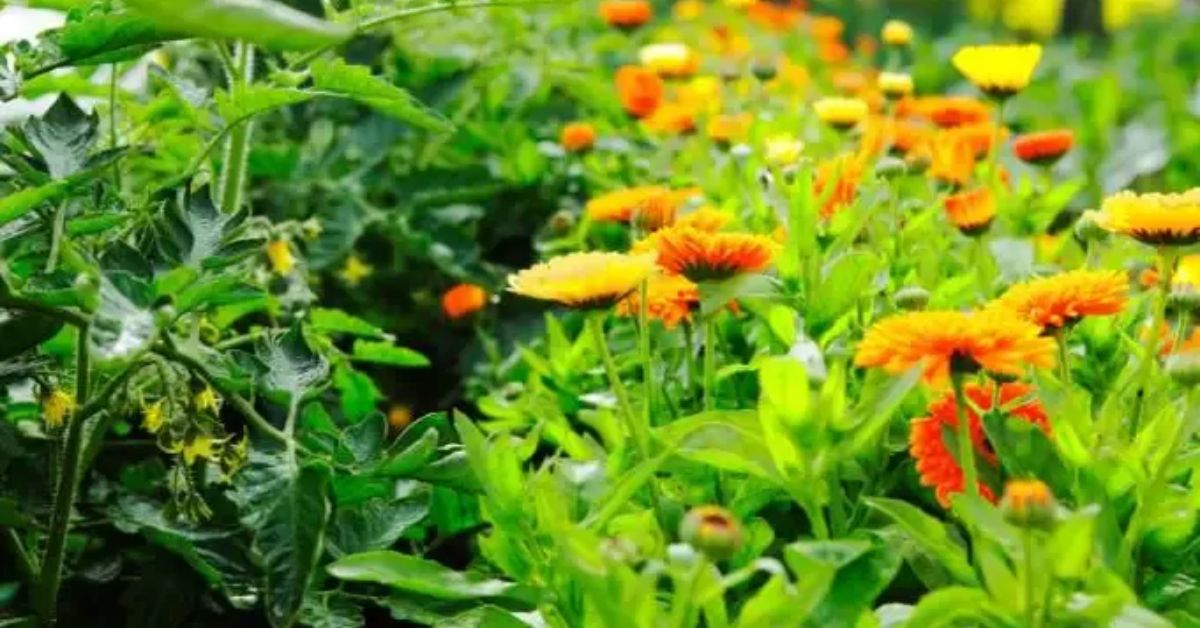
- Build biodiversity with companion planting – Mixing flowers, herbs, and vegetables creates balance. For example, marigolds help deter aphids, while basil can distract whiteflies.
- Choose resistant plant varieties – Many modern cultivars are bred to withstand common pests. Picking these varieties from the start saves you endless trouble later.
- Keep a monthly inspection habit – A five-minute check every few weeks often catches infestations before they explode. Look under leaves, along stems, and near new growth.
- Record and track infestations – Make notes on when pests appear. Over a few seasons, you’ll notice patterns tied to weather or growth stages, which makes prevention easier.
These habits aren’t quick fixes—they’re a sustainable framework that helps you stay one step ahead year after year.
Key Takeaways for Gardeners
If you don’t have time to remember everything, here’s the bottom line:
- Spot early signs like yellow leaves, curling edges, or sticky honeydew.
- Combine methods: natural predators, DIY sprays, and cultural practices work best together.
- Save chemicals as a last resort—they should never be your first move.
- Stay consistent with monitoring, because one missed week can mean a full-blown infestation.
This recap gives you a quick roadmap you can return to whenever you feel overwhelmed.
What’s your go-to method for dealing with sap-sucking insects? Share your tips in the comments and help fellow gardeners at PlantCareDairy.com!
Disclaimer: The information in this article is for general gardening knowledge only. Always test home remedies on a small part of the plant first, and follow product instructions carefully when using insecticides. For severe infestations, consult a local gardening expert or extension service.