

I’ve always found it fascinating that plants breathe without having lungs, noses, or even a face. If you stop and really look at your garden for a moment, it seems so still, so silent—yet every leaf is alive with invisible movement. Tiny pores called stomata are opening and closing, gases are flowing in and out, and water is quietly escaping into the air. The entire time, your greenery is carrying out the same life-sustaining process you and I rely on: taking in oxygen, releasing carbon dioxide, and balancing its survival with the environment around it.
The reason I’m sharing this with you isn’t just out of curiosity. When you understand how plants breathe, you begin to see why a wilted houseplant bounces back after a good watering, or why your vegetable patch thrives on a breezy day but struggles in stagnant, humid conditions. It’s not magic—it’s biology at work in plain sight. And once you know the mechanics, you can actually help your plants breathe better, stay healthier, and give more back to you in return.
So let me ask you this: the last time you watered your plants or walked through your garden, did you think about how they were breathing—or did it feel like something only humans do?
How Do Plants Breathe? (Unveiling Nature’s Quiet Respirators)
I know it sounds odd to say that plants “breathe,” especially when they don’t have lungs, a nose, or anything close to what you and I use for breathing. But if you look closely, every leaf is alive with invisible activity. Right now, as you read this, your garden plants are quietly taking in carbon dioxide, releasing oxygen, and balancing water loss with survival.
The amazing part? They do this through tiny openings you can’t even see with the naked eye. Once you understand how this works, you’ll notice why your houseplant perks up after watering or why a sunny day can make leaves look more vibrant. It’s not magic—it’s the way plants breathe, and it’s happening all around you.
Stomata—The Tiny Mouths of Leaves
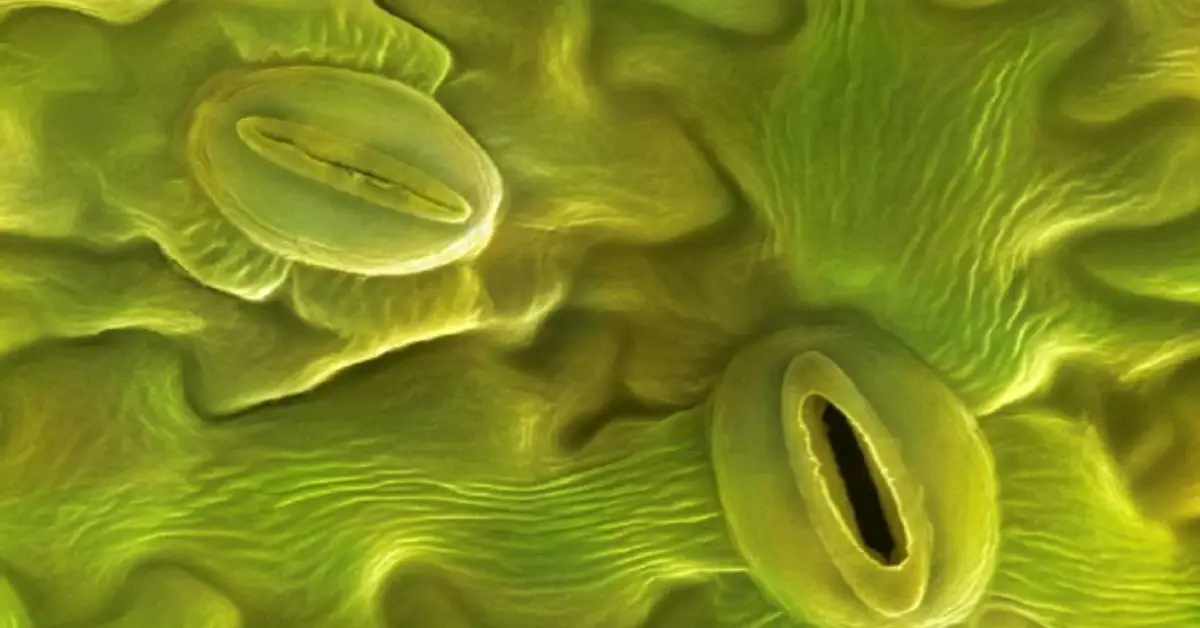
What Are Stomata & Guard Cells?
Think of stomata as little mouths scattered across a leaf’s surface. Each one is guarded by a pair of special cells—fittingly called guard cells—that control whether the “mouth” is open or closed. These stomata:
- Let carbon dioxide in (so plants can make food through photosynthesis)
- Release oxygen (the same oxygen you and I breathe)
- Lose water vapor in the process, which helps cool the plant and move water upward from the roots
To put it simply, stomata are the front door to a plant’s respiratory system. Without them, life as we know it wouldn’t exist.
How Do Stomata Open and Close?
Now here’s where it gets even more interesting. Stomata aren’t just fixed holes—they’re living gates that respond to the world around them. I like to imagine them as doormen deciding who comes in and out.
- In bright light, they usually open wide, welcoming in carbon dioxide for photosynthesis.
- At night or during drought, they often close to hold on to precious water.
- The movement is powered by changes in the guard cells—when these cells take in water, they swell and pull apart, creating an open pore; when they lose water, the pore shuts.
This constant adjustment is why your plants can survive shifts in weather, temperature, and even stress.
What Travels Through These Pores?
Every time stomata open, three key things happen:
- Carbon dioxide flows in → the raw ingredient for food-making
- Oxygen moves out → a by-product of photosynthesis that keeps us alive
- Water vapor escapes → a trade-off that helps regulate the plant’s temperature and keeps nutrients flowing upward
According to the Royal Horticultural Society (RHS), this gas exchange is what allows plants to stay alive while also keeping our atmosphere balanced.
So, the next time you see dew on a leaf or feel the air in your garden a little cooler, remember—it’s your plants breathing right beside you.
Day vs. Night—How Plants Breathe Around the Clock
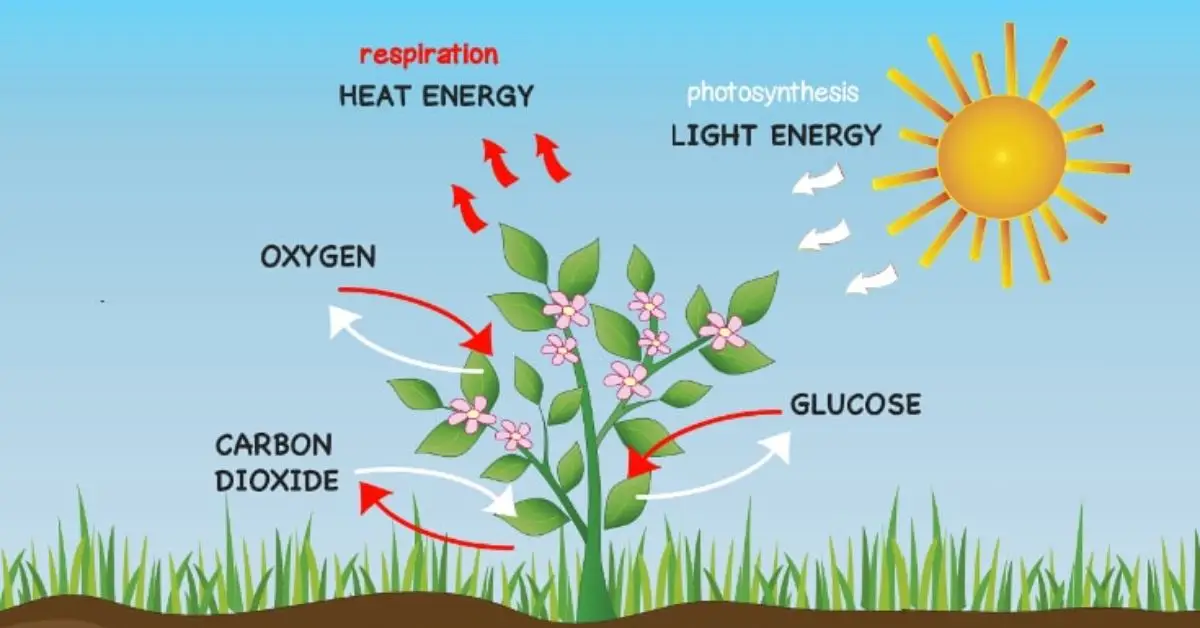
Daytime Life: Photosynthesis + Respiration
Here’s something many people miss—plants never stop breathing. Even when the sun is shining, they’re running two processes at once. Photosynthesis dominates because sunlight fuels it, pulling in carbon dioxide and pumping out oxygen. At the same time, respiration quietly carries on in the background, using oxygen to release energy from the sugars the plant has already made.
Think of it like this: during the day, plants are multitasking. They’re making food, storing energy, and breathing all at once. That’s why a garden feels so fresh in the morning—the leaves are buzzing with invisible exchanges that keep both plants and people alive.
Nighttime Respiration—What Really Happens in the Dark
A common myth is that plants “shut down” at night. They don’t. What changes is that photosynthesis stops without light, so respiration becomes the only show running. Plants take in oxygen and release carbon dioxide, just like animals.
If you’ve ever wondered why a closed greenhouse can feel stuffy after dark, this is why—plants are still breathing, just differently. Knowing this helps you understand your plants better, especially if you grow indoors where ventilation is limited.
CAM Plants—Night-time Breathing Strategy
Some desert plants, like cacti, have a unique trick called CAM metabolism. Instead of opening their stomata in the daytime, when heat would waste precious water, they open them at night to collect carbon dioxide. They store it until morning, then use sunlight to finish photosynthesis.
This adaptation is what allows them to survive in harsh, dry places. According to Wikipedia, CAM is one of nature’s smartest water-saving strategies.
Roots & Soil—Underground Breathing You Don’t See
Why Roots Need Oxygen Too
When we talk about plant breathing, most of us think only about leaves. But roots also need oxygen. They draw it from the tiny air pockets in healthy, well-structured soil. Without this underground oxygen, roots suffocate, growth slows, and the entire plant suffers.
This is why overwatering can be so damaging—it fills the soil’s air gaps with water, leaving roots gasping for breath. The Royal Horticultural Society explains that proper soil structure is just as important as nutrients for plant health.
Soil Aeration & Plant Health Tips for Gardeners
You can help your plants “breathe” underground by paying attention to soil care:
- Avoid compacted soil: Loosen it gently so air can flow.
- Water wisely: Let soil drain between waterings to keep oxygen available.
- Add organic matter: Compost improves structure and creates natural air pockets.
- Mulch carefully: It holds moisture but still allows gas exchange.
When you treat the soil as a living, breathing system, your plants reward you with stronger roots and healthier growth. Just like breathing, plants also have a hidden system for drinking. If you’ve ever wondered how water actually moves from roots all the way to the top leaves, our guide on how plants really drink water explains the fascinating journey.
The Hidden Costs—Transpiration & Water Trade-Offs
What’s Transpiration & Why It Happens
Every time a plant opens its stomata to breathe, there’s a hidden cost: water loss. This process is called transpiration, and it’s as natural as you and me sweating on a hot day. Water evaporates from the leaves, creating a pull that draws more water and nutrients upward from the roots.
It’s a clever system, but it also means plants are constantly trading off between taking in carbon dioxide and losing precious moisture. According to Wikipedia, this process accounts for nearly 10% of the Earth’s water cycle, proving just how powerful your garden’s “breathing” really is.
How Plants Balance Gas Exchange with Water Loss
What amazes me is how plants are always negotiating survival. They need to open their stomata to live, but each opening risks dehydration. So, they’ve developed smart balancing acts:
- Closing stomata during droughts to conserve water
- Opening wider in humid air where water loss is less risky
- Adjusting leaf size and thickness depending on the environment
- Developing waxy coatings on leaves to slow evaporation
For us gardeners, this balance explains why watering too often or too little throws plants into stress. By watching your plant’s leaves—drooping, curling, or crisping—you’re really seeing the cost of transpiration play out.
Environmental Factors That Control Plant “Breathing”
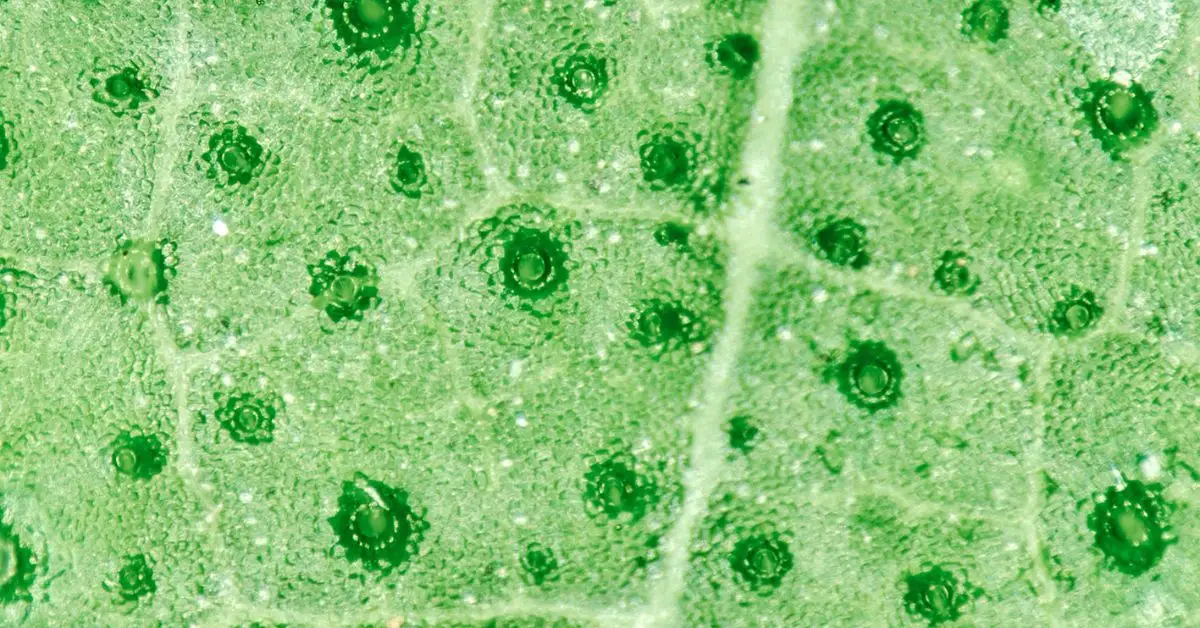
Light, Humidity, Temperature & CO₂—What Affects Stomatal Behavior?
If you’ve ever noticed your houseplant thriving near a sunny window but struggling in a dark corner, you’ve already seen environmental factors at work. Stomata respond to:
- Light: Bright light encourages them to open for photosynthesis.
- Humidity: Dry air makes them close to conserve water.
- Temperature: Extreme heat speeds up water loss, so stomata tighten.
- CO₂ levels: Higher levels can make stomata adjust their opening size.
This is why even moving a plant from one room to another can change how well it grows—it’s all about the “air conversation” happening through its stomata.
Interestingly, stomata don’t just react to light and water—they also respond to temperature. Scientists have found that plants send internal sugar signals when it gets too hot, a process we explored in how plants know it’s hot.
Evolutionary Tale: Why Stomata Became a Thing
Millions of years ago, when plants first left water and colonised land, they faced a massive challenge: how to exchange gases without drying out. That’s where stomata came in—tiny structures that let plants breathe while still keeping water loss under control.
It’s a reminder that every leaf in your garden carries a piece of evolutionary history. Each pore is the result of survival over millennia, allowing greenery to thrive in deserts, jungles, and even your living room. Breathing is just one way plants stay alive—survival also depends on defending themselves. You might be surprised by the clever strategies plants use, which we’ve covered in detail here: how plants protect themselves from pests and predators.
How to Help Your Garden Breathe Better
Soil Tips—Aeration, Mulch, Water Timing
If you want your plants to “breathe” with ease, start with the soil. Roots can only take in oxygen when the soil has enough air pockets, so think of the ground as your plant’s lungs. A few simple habits make a huge difference:
- Aerate the soil by loosening it with a fork—compacted soil suffocates roots.
- Use mulch wisely—it keeps the topsoil cool and moist but still lets gases flow.
- Time your watering—early morning or late evening is best; it reduces evaporation and gives plants space to breathe during the day.
These steps may sound small, but they directly affect how efficiently your plants exchange gases both above and below ground.
Best Practices for Leaf Health & Air Circulation
Leaves are where most of the breathing happens, and they need a clear, open environment. Here’s what works:
- Prune crowded growth so leaves don’t block each other’s air pathways.
- Give plants enough spacing in beds and pots—crowded leaves mean less airflow.
- Keep leaves clean—dust can clog stomata just like dirt blocks pores on skin.
By treating leaves with as much care as you do soil, you’re giving your plants the best chance to stay healthy and active.
Quick Facts + Myth Busters
- Myth: Plants only breathe at night
Truth: They respire 24/7; photosynthesis just masks it during the day. - Myth: Plants don’t need oxygen
Truth: Roots and leaves both use oxygen to survive. - Myth: Transpiration is a bad thing
Truth: It’s vital for cooling, nutrient flow, and survival. - Myth: Bigger leaves always mean better breathing
Truth: Leaf size is just one factor—stomatal density matters more.
These bite-sized facts are perfect to share with friends who think they know plant science—until they see the real story.
Conclusion
When you realise how plants breathe, your whole view of the garden changes. Those tiny pores on leaves and roots are more than biology—they’re lifelines connecting your plants to the air around them, and to you. By caring for the soil, keeping leaves healthy, and respecting their need for air, you’re not just growing greenery—you’re helping living organisms thrive.
Now I want to hear from you—have you ever noticed your plants “breathing” in ways you didn’t expect, like curling leaves on a hot day or fresh air in the garden after rain? Share your experiences in the comments below.
For more tips, guides, and deep dives into the secret life of plants, visit Plant Care Dairy and keep your garden thriving year-round.
Disclaimer: The information shared in this article is for educational and general gardening purposes only. It should not be taken as professional horticultural or scientific advice. Always consider your local climate, soil conditions, and specific plant needs before applying any tips.