
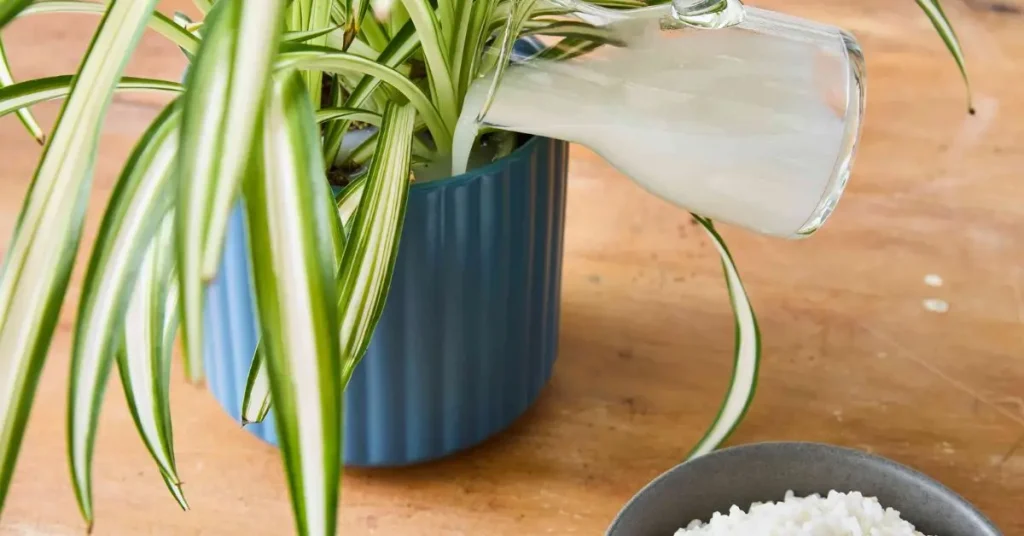
I used to pour rice water down the sink without thinking—until a friend swore her pothos perked up after a few careful trials. I tested it the way you would: small batches, simple steps, no shortcuts. The results weren’t “miracle fertiliser,” but they were real—healthier leaves, steadier growth, fewer dips between feeds.
Here’s the honest bit: rice water only helps when you use it right. It’s mild, it feeds soil life, and roots respond—but it can also invite mould or gnats if you overdo it. I’ll show you how to get the upside without the mess.
In this guide, I’ll walk you through exactly how to apply rice water—how to make it (and what to avoid), dilution that won’t stress houseplants, the best timing, and how often to use it. We’ll also cover which plants actually benefit, where to skip it (hello, succulents), and the signs you’re doing too much.
We’ll keep it practical and safe: never use salted water, don’t store it warm for days, and don’t replace your full feeding plan with it. Think of this as a gentle, almost-free boost you rotate into your routine for steady gains.
Before we dive in, tell me—have you tried rice water on any of your plants yet? What happened?
Why Gardeners Are Turning to Rice Water?
If you scroll through gardening Reddit threads or TikTok reels lately, you’ll notice one common “zero-waste hack” making waves—using rice water on plants. At first, it sounds almost too simple: instead of throwing away the cloudy water left after rinsing rice, you pour it into your pots or garden beds.
I’ll be honest—I was sceptical when I first came across those posts. But the buzz is hard to ignore. Gardeners are showing before-and-after pictures, claiming stronger leaves and faster growth within weeks. What makes it so appealing is that you and I already have it in our kitchens, it costs nothing extra, and it feels like a clever way to reuse something we’d normally waste.
The popularity isn’t just hype—it’s rooted in a mix of curiosity and a push toward more sustainable, low-cost gardening. And that’s why so many of us are giving it a try.
What Exactly Is Rice Water and Why It Works
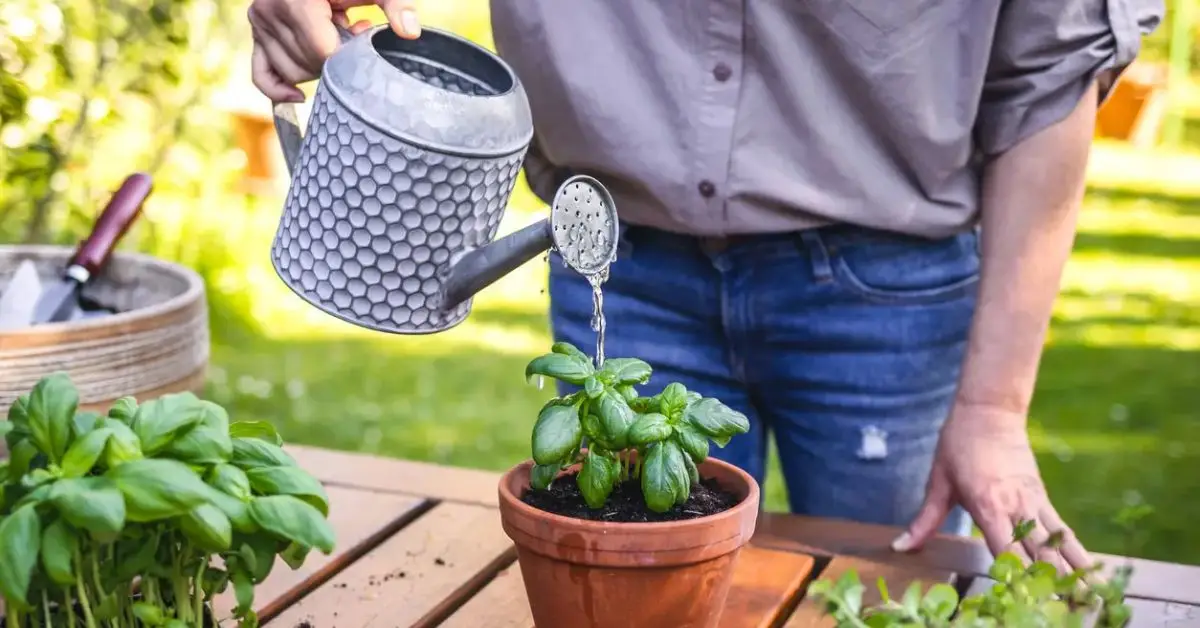
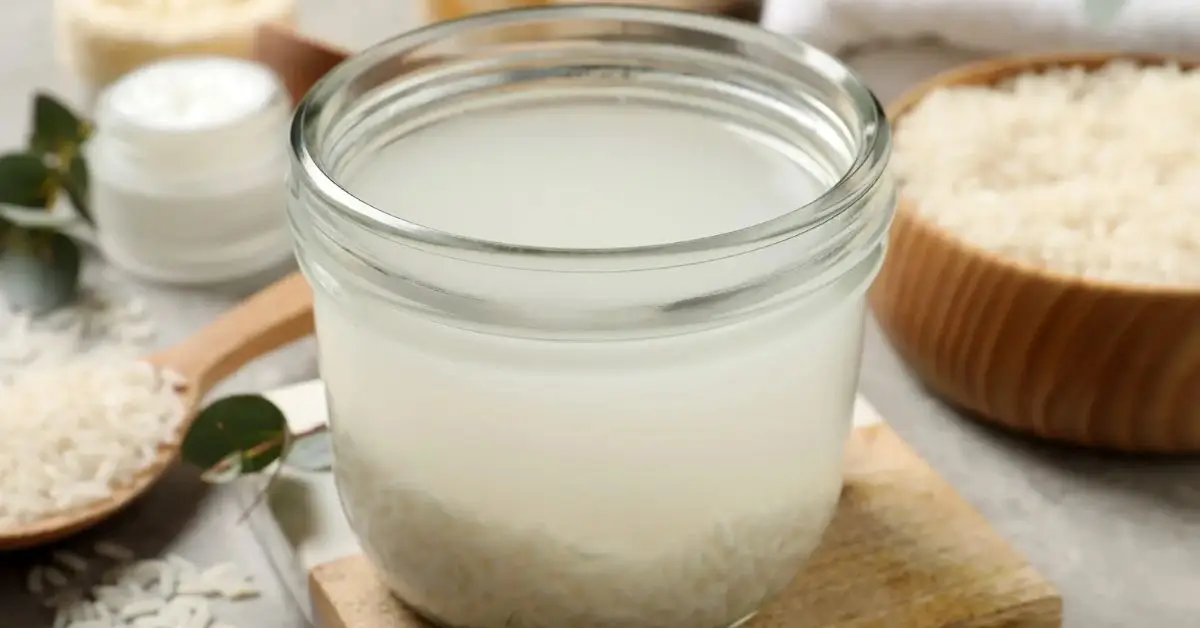
Now, before you or I jump on the trend, it helps to know why rice water has any effect at all. When rice is rinsed, tiny particles and nutrients leach into the water. That cloudy liquid is more than just starch—it carries a mix of plant-friendly elements.
Here’s what’s usually inside:
- Starch and carbohydrates – provide an easy energy source for beneficial soil microbes.
- Amino acids – small building blocks that help plants with overall growth and resilience.
- Minerals like potassium, phosphorus, and magnesium – nutrients your plants already need in small doses.
Think of rice water as a very gentle, diluted organic fertiliser. It’s nowhere near as concentrated as compost tea or fish emulsion, but that’s also why it’s safer to use more often. Plus, its mild acidity can help balance soil pH if you’re dealing with slightly alkaline conditions (common in tap water).
As explained by MyPlantIn, rice water nurtures both plants and the living organisms in the soil, making it an eco-friendly way to recycle what we usually throw away. Before you add rice water to your routine, it helps to know if your soil is already lacking key nutrients. A simple soil test can show you where deficiencies exist so you’ll understand whether rice water will actually make a difference.
It’s not magic water—it’s a light, nutrient-rich supplement. Used the right way, it gives your plants a little boost without the risks that come from heavy chemical fertilisers.
Benefits of Using Rice Water on Plants
When I first started testing rice water, I wasn’t expecting much. But the truth is, when used right, it does give your plants a lift. Here’s what makes it useful:
- Faster growth – the natural carbohydrates in rice water act like quick snacks for your plants, giving them a gentle boost without overwhelming them.
- Stronger root system – amino acids and minerals help roots branch out and hold better in soil.
- Soil microbe stimulation – those starches aren’t just for the plant; they feed the good microbes in your potting mix, which in turn keep the whole system healthier.
- Eco-friendly + waste reduction – instead of pouring rice water down the drain, you’re recycling it straight back into your garden.
Step-by-Step: How to Apply Rice Water Correctly
Here’s where the real difference happens—not just using rice water, but using it the right way. If you get the frequency or method wrong, it can backfire.
Method 1 – Direct Soil Watering
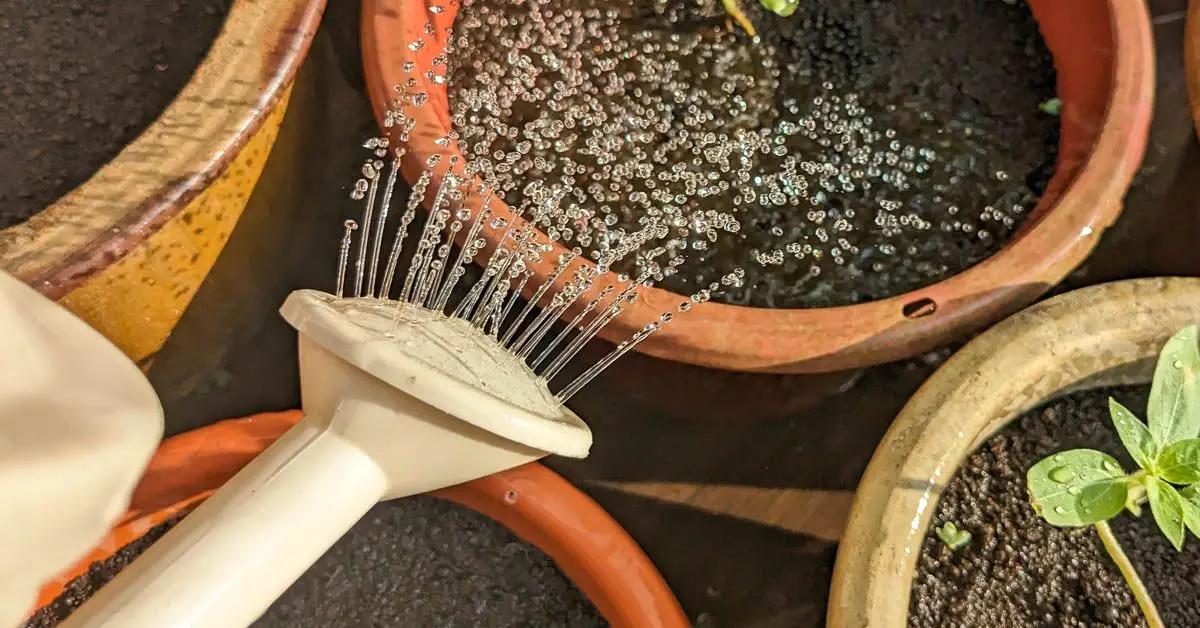
- Frequency: Once a week is plenty for most houseplants.
- Amount: Just enough to moisten the soil, not soak it.
- Best time of day: Early morning so the soil has time to dry before night. Getting the watering balance right is crucial—too much rice water can drown roots, too little won’t help. If you’re unsure, check out our guide on how to water houseplants correctly to avoid overwatering mistakes.
Method 2 – Foliar Spray
- Dilution ratio: Mix 1 part rice water with 3 parts clean water.
- How often: Every 10–14 days on hardy leafy plants. Avoid delicate or fuzzy-leafed varieties.
- Pro tip: Always spray in the morning so leaves dry out by evening.
Method 3 – Fermented Rice Water (Powerful but Risky)
- Quick recipe: Leave rice water in a jar for 2–3 days until it starts to sour slightly. Dilute before use.
- When to avoid: Skip this if you live in a humid area or already struggle with fungus gnats—fermented water can make it worse.
As explained in Vegega Gardening, choosing the right method depends on both your plant type and your environment. Start small, observe results, and then adjust.
Which Plants Benefit the Most?
Not every plant reacts the same way to rice water. Some thrive with the extra boost, while others may suffer if you overdo it. From my own trials and from what other gardeners share online, here’s a clear breakdown:
- Indoor plants – pothos, peace lily, and snake plant respond well to diluted rice water. They’re hardy, enjoy the extra carbohydrates, and bounce back quickly.
- Outdoor plants – flowering beauties like roses and hibiscus soak up the added nutrients, often showing stronger blooms.
- Edibles – tomatoes, chili plants, and leafy greens like spinach and lettuce grow sturdier with weekly rice water applications.
A word of caution: cactus and succulents don’t handle rice water well. Their roots are adapted to dry conditions, and the extra starch can cause rot if the soil stays damp. If you love your succulents, skip this hack for them.
Common Mistakes to Avoid
Rice water is gentle, but it’s not foolproof. I’ve seen many beginners make these mistakes, and the results can be messy:
- Overwatering – pouring rice water too often creates soggy soil, leading to fungus gnats or mould.
- Using salted rice water – this is a big no. If you’ve cooked rice with salt, that water can harm or even kill plants.
- Storing too long without fermentation – fresh rice water can spoil quickly. If it smells sour but wasn’t fermented intentionally, don’t use it.
A gardener once shared how mould spread across her peace lily soil after storing rice water for a week in a warm kitchen. That’s a reminder—you and I should always keep it fresh, or ferment it intentionally under control.
Sometimes overusing rice water can invite fungus gnats or other pests. In such cases, a safe fix is to use a homemade insecticide spray that protects your plants without chemicals.
Rice Water vs. Other Natural Fertilisers
Most guides skip this, but if you and I are serious about plant care, it’s worth comparing rice water with other easy home fertilisers. Each has its place:
- Banana peel tea – rich in potassium and phosphorus, great for flowering plants, but can attract fruit flies if not used quickly.
- Compost tea – more balanced nutrients and microbes, but takes effort to brew and can smell strong.
- Coffee grounds – add nitrogen and improve soil texture, though too much can make soil acidic.
- Rice water – lighter and safer for frequent use, but less nutrient-dense compared to the above.
As highlighted in Olle Gardens, rice water shines as a low-cost supplement rather than a full fertiliser replacement. Think of it as a steady sidekick, not the main meal.
Practical Tips to Maximise Results
By now, you know rice water can help—but small details make all the difference. Here are some tried-and-tested ways to get the best outcome:
- Use fresh rice water within 24 hours – after a day, it can start fermenting and attract pests unless you’ve prepared it intentionally as fermented rice water.
- Dilute for sensitive houseplants – plants like peace lilies and ferns prefer a lighter mix, so cut rice water with plain water to avoid stress.
- Alternate with normal watering – don’t make rice water your only routine. Use it once a week, then switch back to plain water to keep soil balanced.
These small adjustments help you avoid problems and make sure your plants see steady, healthy growth.
Final Takeaway for Gardeners
Rice water is a cost-free, eco-friendly boost for your plants. It isn’t a miracle solution, but when used properly, it supports growth, strengthens roots, and encourages healthier soil life.
Think of it as a supplement, not a replacement for balanced fertiliser. You’ll get the best results when you combine it with good soil, light, and care.
The best way forward? Experiment on a few plants, observe the changes, and note what works in your space. Every plant and environment is a little different—your results will guide you better than any single rule.
What about you? Have you ever tried rice water on your plants, and did you notice a difference? Share your experience in the comments—I’d love to hear how it worked for you.
For more practical plant care tips, guides, and experiments, visit Plant Care Dairy and explore resources built to help your garden thrive.
Disclaimer: Rice water can support plant growth, but results may vary depending on soil type, plant species, and environment. It should be used as a supplement, not a replacement for balanced fertilisers. Always avoid salted rice water and overuse, as these can harm plants. This information is for general gardening guidance only—experiment carefully and adjust based on your own results.