
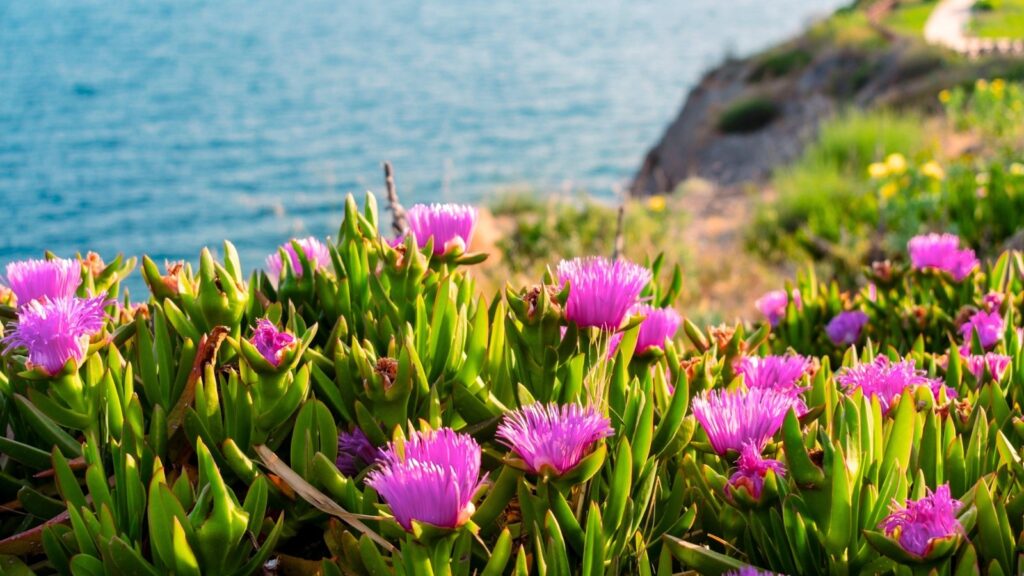
If you garden near the ocean, you already know the struggle is real. The sun is harsher, the wind is stronger, the soil is sandier, and the salt seems to sneak into everything. In this guide, I’ll cut through the confusion and show you exactly which flowers can handle it — and how to help them truly thrive.
By the end, you’ll know how to match the right coastal-tough flowers to your conditions, what traits to look for in plants, and how to plant and care for them so they don’t just survive, but actually bloom their heads off by the sea.
Understanding Coastal Garden Stress
Salt, Sun, Sand, and Wind: The Big Four Stressors
Coastal gardens look dreamy, but they’re tough on plants. You’re working with a unique mix of salt, intense sun, sandy soil, and constant wind.
- Salt in the air and soil: Salt can burn leaves, scorch new growth, and interfere with how roots absorb water.
- Blazing sun and reflected heat: Beaches often mean full exposure with very little shade, plus heat bouncing off sand, paving, or water.
- Sandy, fast-draining soil: Sandy soils usually hold little water and few nutrients, so plants dry out faster and need to be tougher from the start.
- Strong, drying winds: Wind tears at petals, snaps weak stems, and strips moisture from leaves and soil.
Not every flower can cope with that combination, which is why choosing the right plants matters more on the coast than almost anywhere else.
If you want a deeper look at how different species handle salt exposure and coastal extremes, this guide on salt-tolerant plants offers practical examples and growing insights that align well with seaside gardening challenges.
Why Ordinary Garden Flowers Struggle
Many classic cottage-garden flowers evolved in richer soils, milder climates, or sheltered spots. Put them in a salty, windswept bed, and they sulk — or die.
- Thin, tender leaves scorch and shrivel when exposed to salty spray.
- Shallow, delicate roots dry out quickly in sandy soil and can’t anchor plants against wind.
- Heavy, top-heavy stems snap in strong gusts or lean badly in soft sand.
Coastal gardening gets much easier when you stop trying to force fussy plants to behave and instead lean into species that naturally love these conditions.
My First Wind-Burned Border (And What It Taught Me)
When I planted my first seaside border, I treated it like a regular backyard bed. I tucked in roses, tender annuals, and a few shade-lovers “just to see.” Within a month, the leaves were burned, the stems were shredded, and the whole bed looked tired and stressed.
Once I switched to salt-tolerant flowers with tough, waxy or fuzzy foliage and deep roots, everything changed. Suddenly I had color from spring through fall, pollinators everywhere, and plants that didn’t need babying after every storm. That’s exactly the kind of plant palette we’ll build with the 15 flowers below.
What To Look For In Salt-Tolerant Flowers
Foliage Traits That Signal Toughness
If you’ve ever wondered how to tell at a glance whether a plant might work in a coastal garden, start with the foliage. I like to look for these traits:
- Waxy or leathery leaves: These help limit water loss and shield the plant from salt spray.
- Fuzzy or hairy foliage: Tiny hairs can trap moisture and deflect salt, making plants more drought- and salt-tolerant.
- Small, narrow leaves: Less leaf surface means less scorch and less stress in drying winds.
- Gray or silvery tones: These often reflect sunlight and handle intense radiation better than lush, dark-green leaves.
Many of the flowers in the list later share one or more of these foliage traits, which is a big reason they do so well by the sea.
Roots and Growth Habits That Hold Sand
Coastal soils are usually loose, sandy, and low in organic matter. That means you want flowers with root systems and growth habits that can cope.
- Deep, anchoring roots: These help stabilize dunes, slopes, and loose beds while improving drought resistance.
- Mat-forming groundcovers: Spreading plants knit the surface together and help prevent erosion.
- Clumping perennials with dense crowns: These can form a long-lasting structure that stands up to wind.
Several of the salt-loving flowers below work double-duty as erosion control while still delivering plenty of color. If you’re curious about the technical term for plants that naturally thrive in salty conditions, this quick explanation of what salt-loving plants are called helps connect these traits to the broader category they belong to.
Matching Plants to Your Coastal Microclimate
Even along one coastline, conditions can shift dramatically from yard to yard. I always recommend taking a week or two just to observe your space.
- Notice where the salt spray hits hardest: Beds closest to the ocean or exposed to onshore winds need the toughest plants.
- Track sun exposure: Some spots bake all day, while others get partial shade from buildings, fences, or dunes.
- Check how fast your soil drains: Water a patch deeply and see how quickly it dries; this will influence how drought-tolerant your plants must be.
Once you understand your microclimate, you can use the 15-plant list below like a menu, choosing flowers that truly match your site instead of fighting it.
15 Salt-Loving Flowers That Actually Thrive at the Beach
How To Use This Coastal Flower List
All 15 of these flowers can handle coastal conditions, but each has its own sweet spot. I like to mix groundcovers, mid-height perennials, and taller structural plants so the garden looks full and layered, not flat and patchy.
- Use low growers along the front of beds and on slopes or dunes.
- Place mid-height bloomers where you want strong, season-long color.
- Add taller shrubs and perennials for privacy, structure, and background color.
Quick At-a-Glance Conditions
Most of these flowers prefer:
- Sun: Full sun or at least 6 hours of direct light per day.
- Soil: Sandy, well-drained soil — many hate sitting in waterlogged spots.
- Water: Regular moisture when establishing, then relatively drought-tolerant.
Below, you’ll find mini profiles for each plant so you can pick what fits your zone, height needs, and style. Many of the toughest coastal species fall under the group known as halophytes, plants that have evolved to grow in high-salinity environments and adapt well to the conditions found along shorelines.
The 15 Best Coastal Flowers (With Mini Profiles)
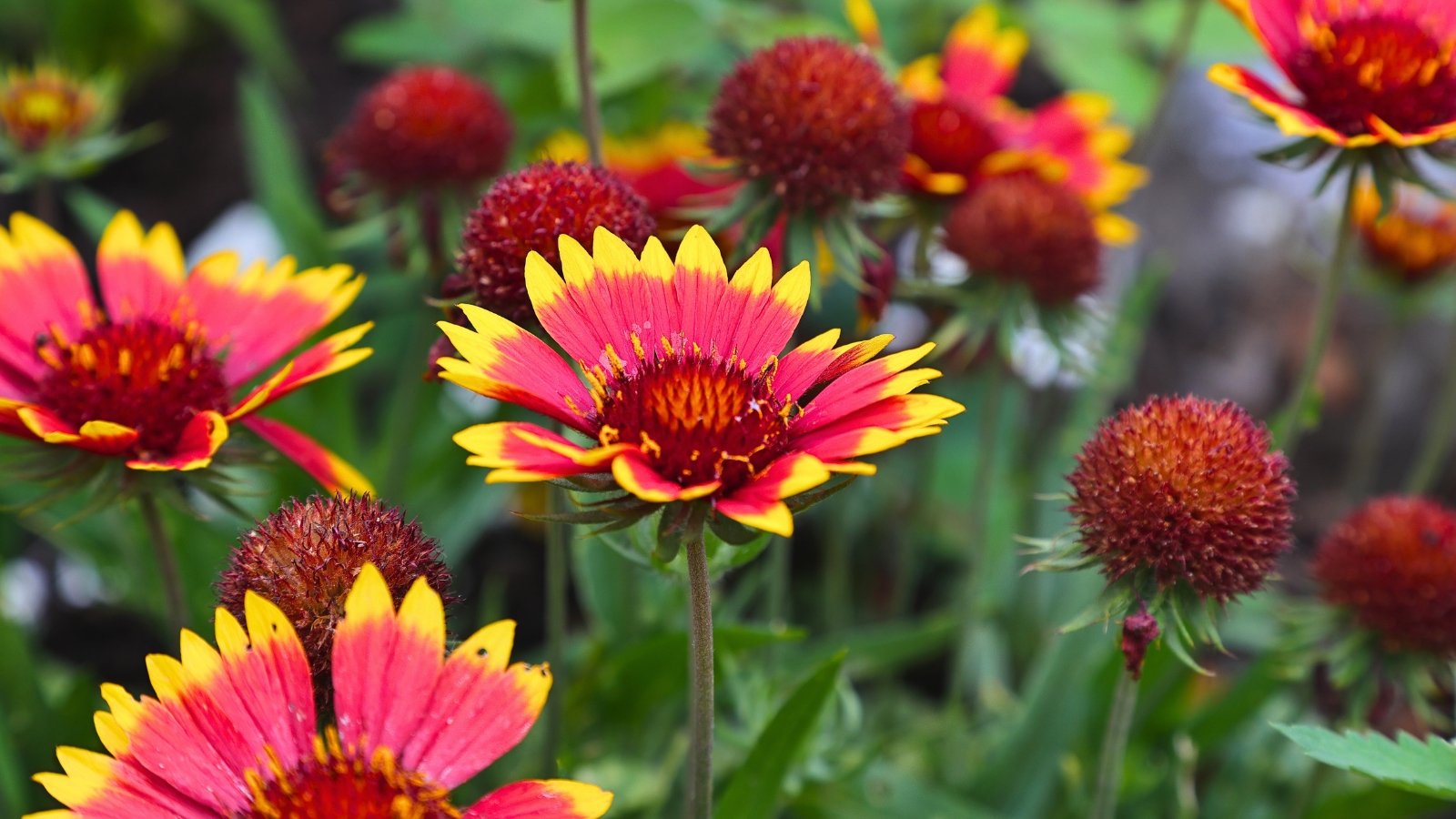
1. Blanket Flower (Gaillardia spp.) is one of my favorite coastal workhorses. It’s tough, resilient, and throws out bold red-and-gold daisy-like blooms for months.
- Sun: Full sun
- Height: 12″–24″
- Hardiness Zones: 3–10
Blanket flower thrives in hot, sandy, windy spots and doesn’t mind salty air. Its soft, slightly fuzzy leaves help it shrug off drought and light salt spray while forming a colorful “blanket” that pollinators adore.
2. Beach Sunflower (Helianthus debilis) is almost tailor-made for seaside gardens, especially along the Atlantic and Gulf coasts.
- Sun: Full sun
- Height: 1’–3′
- Hardiness Zones: 8–11
This mat-forming sunflower revels in salt, sand, heat, and wind, producing cheerful golden blooms nearly year-round in warm climates. Its coarse, slightly fuzzy foliage and deep, strong roots help stabilize dunes and prevent erosion.
3. Lantana (Lantana spp.) brings intense color and constant butterfly activity to coastal gardens with almost no fuss.
- Sun: Full sun
- Height: 1’–6′, depending on type
- Hardiness Zones: 8–11
It thrives in heat, drought, and sandy soils, and the aromatic, coarse leaves handle salt spray well. Choose non-invasive or native species instead of L. camara. Trailing types make excellent groundcovers, while upright forms work beautifully as small shrubs.

4. Sea Lavender (Limonium carolinianum), also known as statice, looks delicate but is remarkably tough in coastal settings.
- Sun: Full sun to partial shade
- Height: 6″–18″
- Hardiness Zones: 5–11
It tolerates salty air, sandy soil, and drought, yet produces airy sprays of papery flowers that are excellent fresh or dried. Its leathery foliage and sturdy stems hold up well in wind and give the garden a soft, cloud-like texture.

5. Gazania (Gazania rigens) is a bright little sun-lover from South Africa that feels right at home near the beach.
- Sun: Full sun
- Height: 6″–12″
- Hardiness Zones: 8–11
Its daisy-like flowers come in glowing shades of red, gold, orange, pink, and white. Gazania forms a low, spreading mat, and its silvery leaves reflect sun and resist salt, making it ideal for hot, exposed, sandy spots.
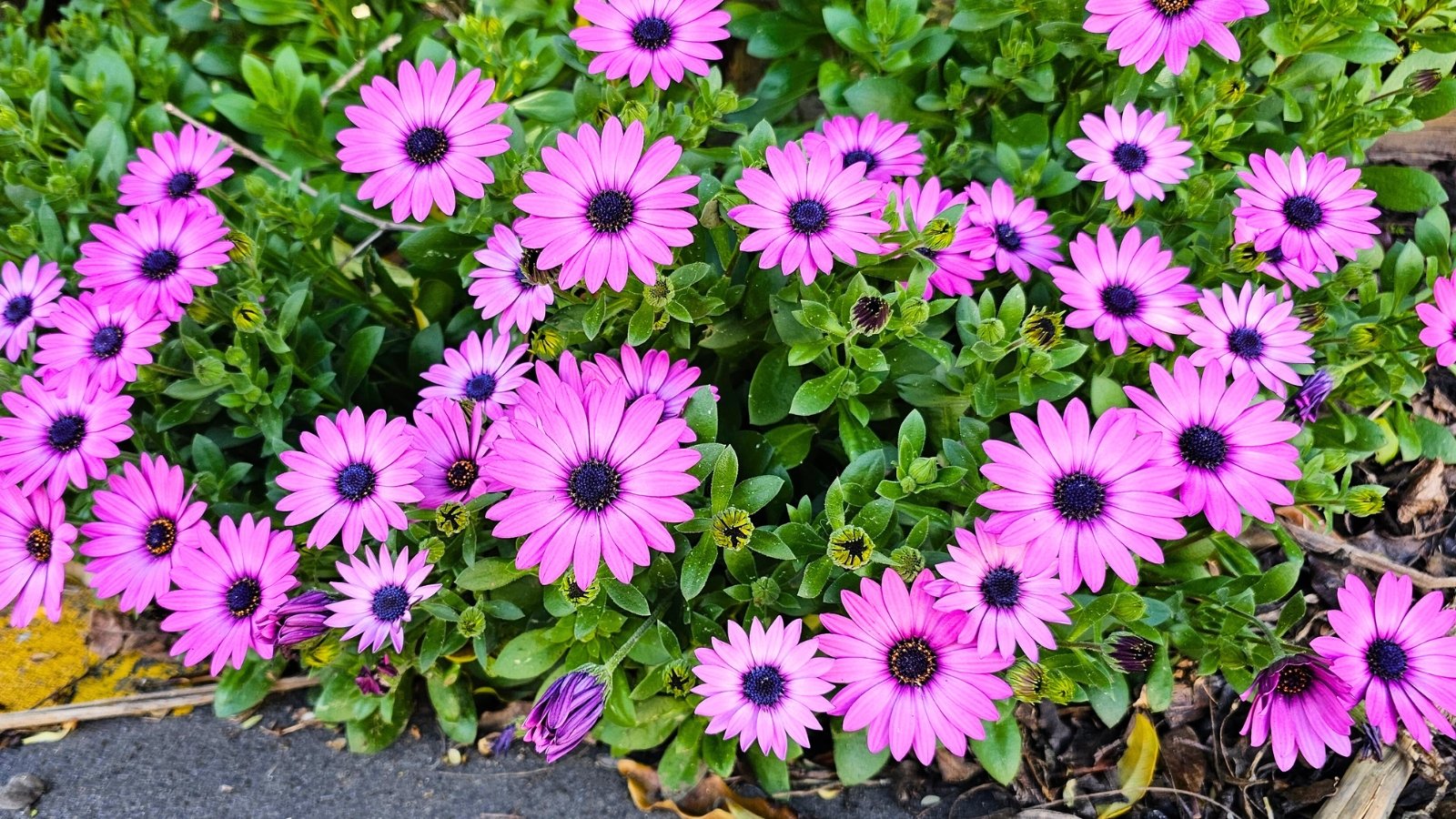
6. African Daisy (Osteospermum spp.) is another South African native that thrives in the sunny, well-drained soils common along the coast.
- Sun: Full sun
- Height: 8″–36″
- Hardiness Zones: 10–11 (often grown as an annual elsewhere)
These neat mounding or trailing plants are excellent for edges, slopes, and containers. Their large, colorful flowers appear in purple, yellow, orange, pink, and white, often with striking blue or violet centers.
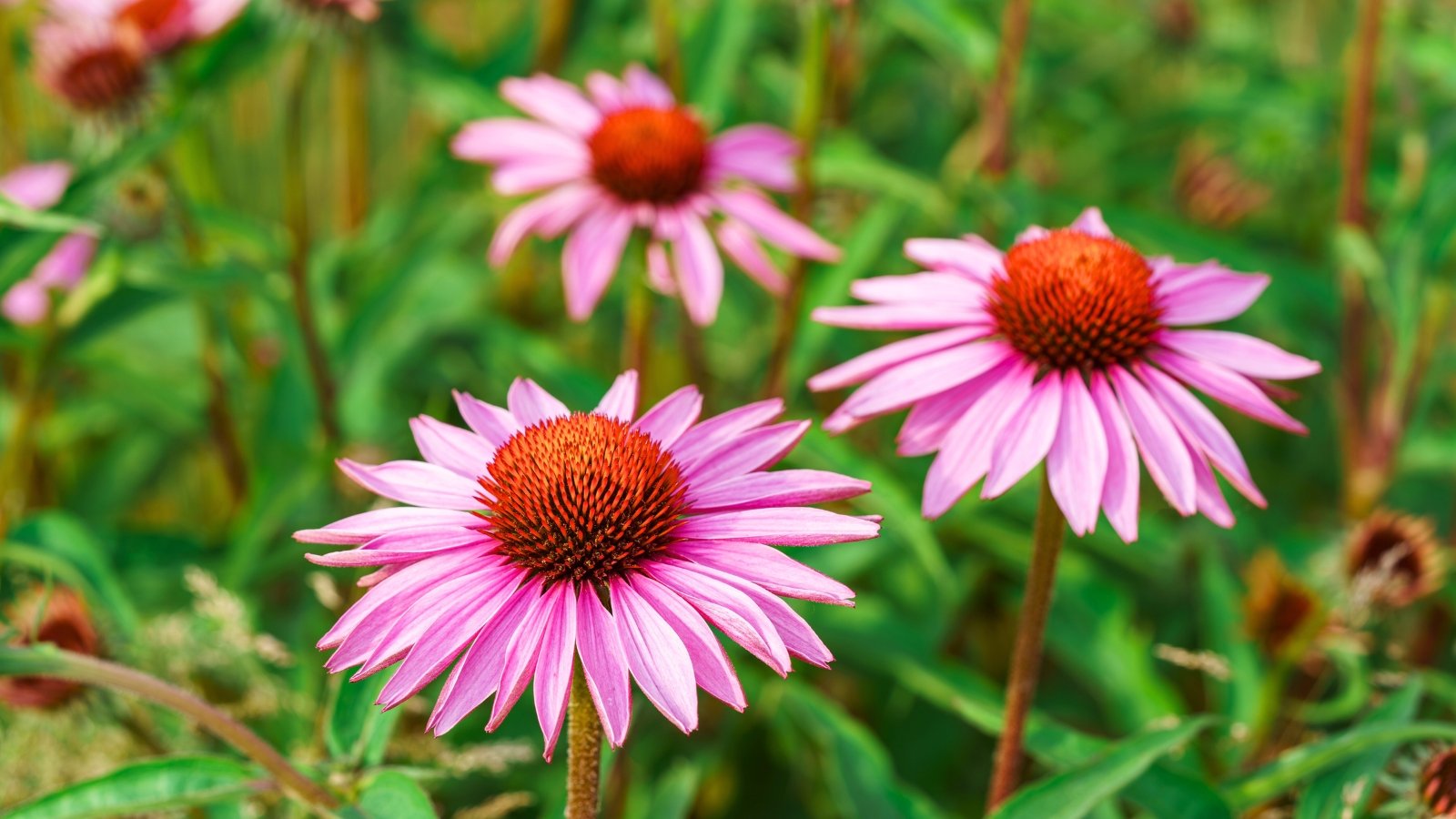
7. Coneflower (Echinacea spp.) may be a prairie native, but it adapts wonderfully to many coastal gardens.
- Sun: Full sun
- Height: 2’–5′
- Hardiness Zones: 3–9
Strong stems and tough foliage help coneflowers stand up to wind, heat, and moderate salt spray. They deliver bold color, attract pollinators, and provide autumn food for birds via their distinctive, seed-filled cones.

8. Daylily (Hemerocallis spp.) might surprise you as a coastal star, but it’s one of the most adaptable perennials you can plant by the sea.
- Sun: Full sun to partial shade
- Height: 1’–3′
- Hardiness Zones: 3–9
Daylilies handle sandy soils, salt, and strong winds with ease. Their dense root systems help stabilize slopes and dunes, and despite their elegant looks, they are surprisingly low-maintenance once established. Just be mindful of potentially invasive types in your region.
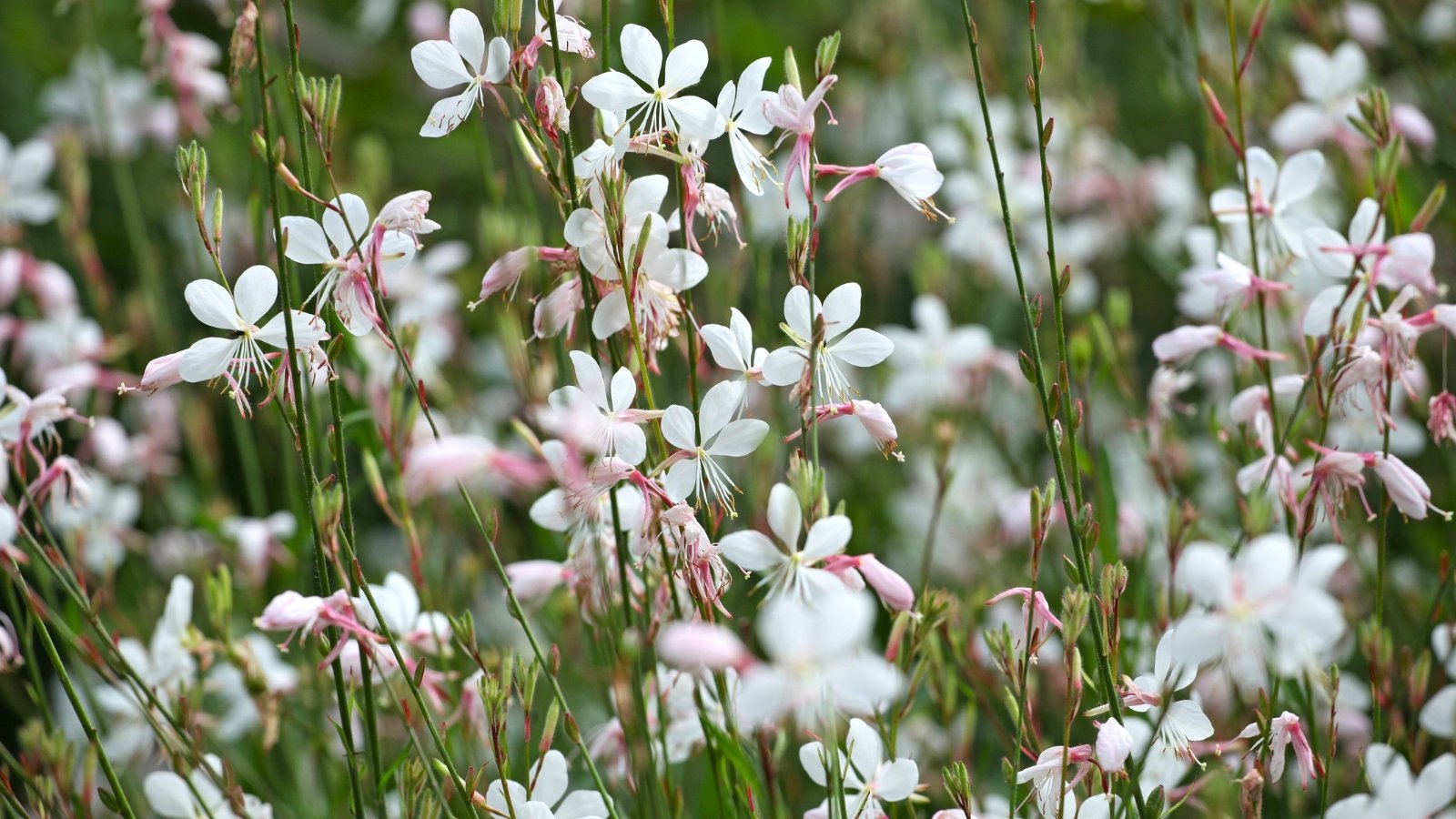
9. Gaura (Oenothera lindheimeri), often called whirling butterflies, adds soft movement and texture to breezy seaside beds.
- Sun: Full sun to partial shade
- Height: 2’–5′
- Hardiness Zones: 5–9
Long, flexible stems sway rather than snap in strong winds, and the delicate flowers appear for an extended season. Gaura copes well with heat, poor or sandy soil, and light salt spray while drawing in bees and butterflies.
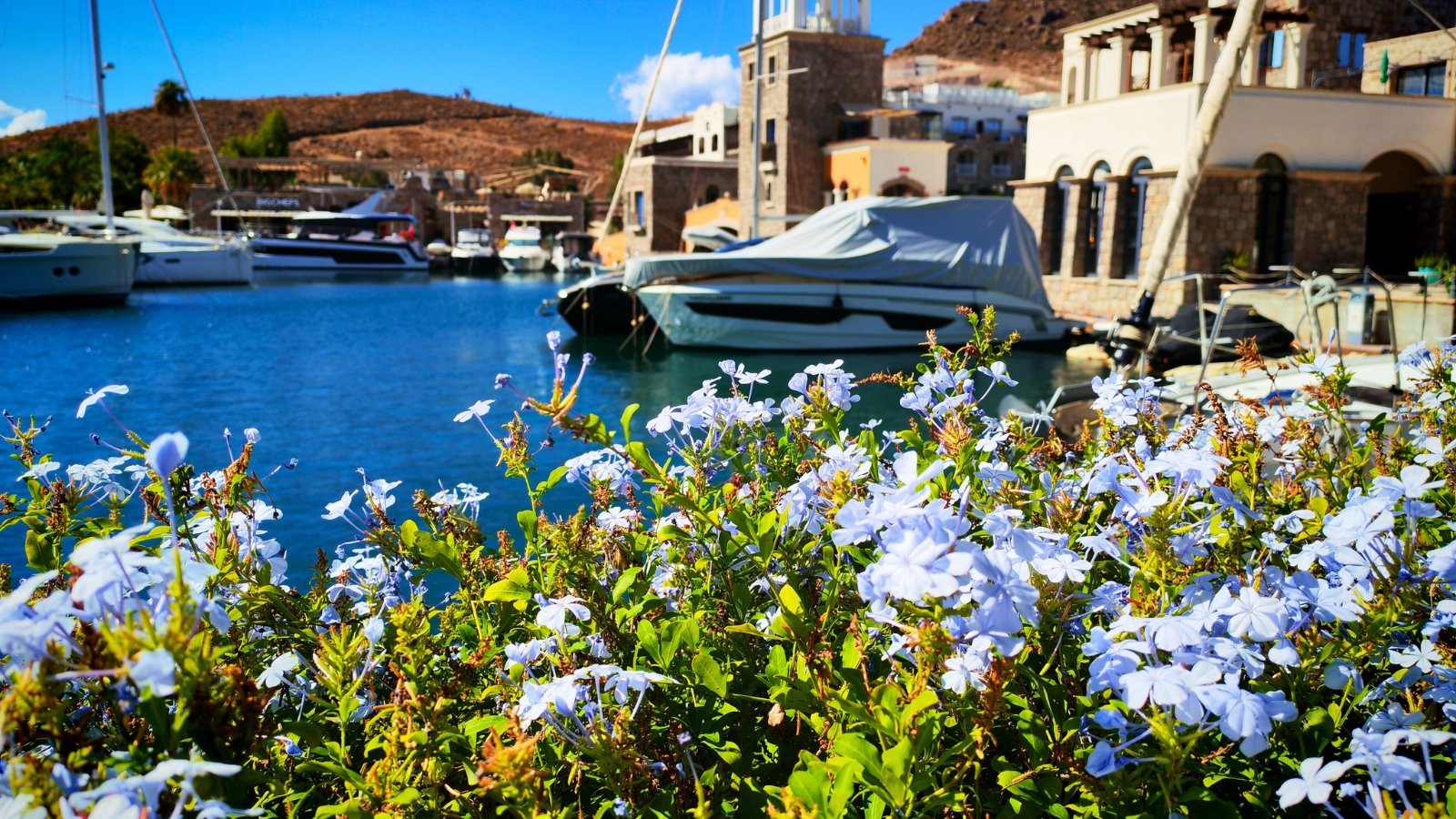
10. Plumbago (Plumbago auriculata) is a sun-loving shrub that feels completely at ease in warm, coastal regions.
- Sun: Full sun to partial shade
- Height: 3’–15′, depending on training
- Hardiness Zones: 9–11
This evergreen shrub produces clouds of pale blue flower clusters almost year-round in mild climates. Its relaxed form and soft color contrast beautifully with harsher coastal textures like rock, dune grass, and driftwood.

11. African Iris (Dietes spp.) offers a graceful, architectural presence that works perfectly in modern or natural coastal designs.
- Sun: Full sun to partial shade
- Height: 2’–4′
- Hardiness Zones: 9–11
Its sword-like leaves form large, grassy clumps that look good year-round. The intricate white, yellow, and lavender flowers appear generously, and the root system helps stabilize slopes and loose soil.

12. Society Garlic (Tulbaghia violacea) looks a bit like ornamental allium, but it brings its own unique charm to coastal beds.
- Sun: Full sun to partial shade
- Height: 12″–24″
- Hardiness Zones: 7–10
It has grassy leaves and clusters of starry lavender-pink blooms that appear over a long season. This evergreen perennial is exceptionally heat- and salt-tolerant, with dense roots that help hold soil and nectar-rich flowers that attract pollinators.

13. Portulaca (Portulaca grandiflora), or moss rose, is a fantastic low-growing succulent for the hottest, driest coastal spots.
- Sun: Full sun
- Height: 4″–8″
- Hardiness Zones: 2–11 (often grown as an annual)
It thrives in poor, sandy, well-drained soil and absolutely basks in heat and sun. Each plant can sport blooms in multiple bright colors, forming a vibrant ground-hugging carpet that shrugs off wind and salt spray.
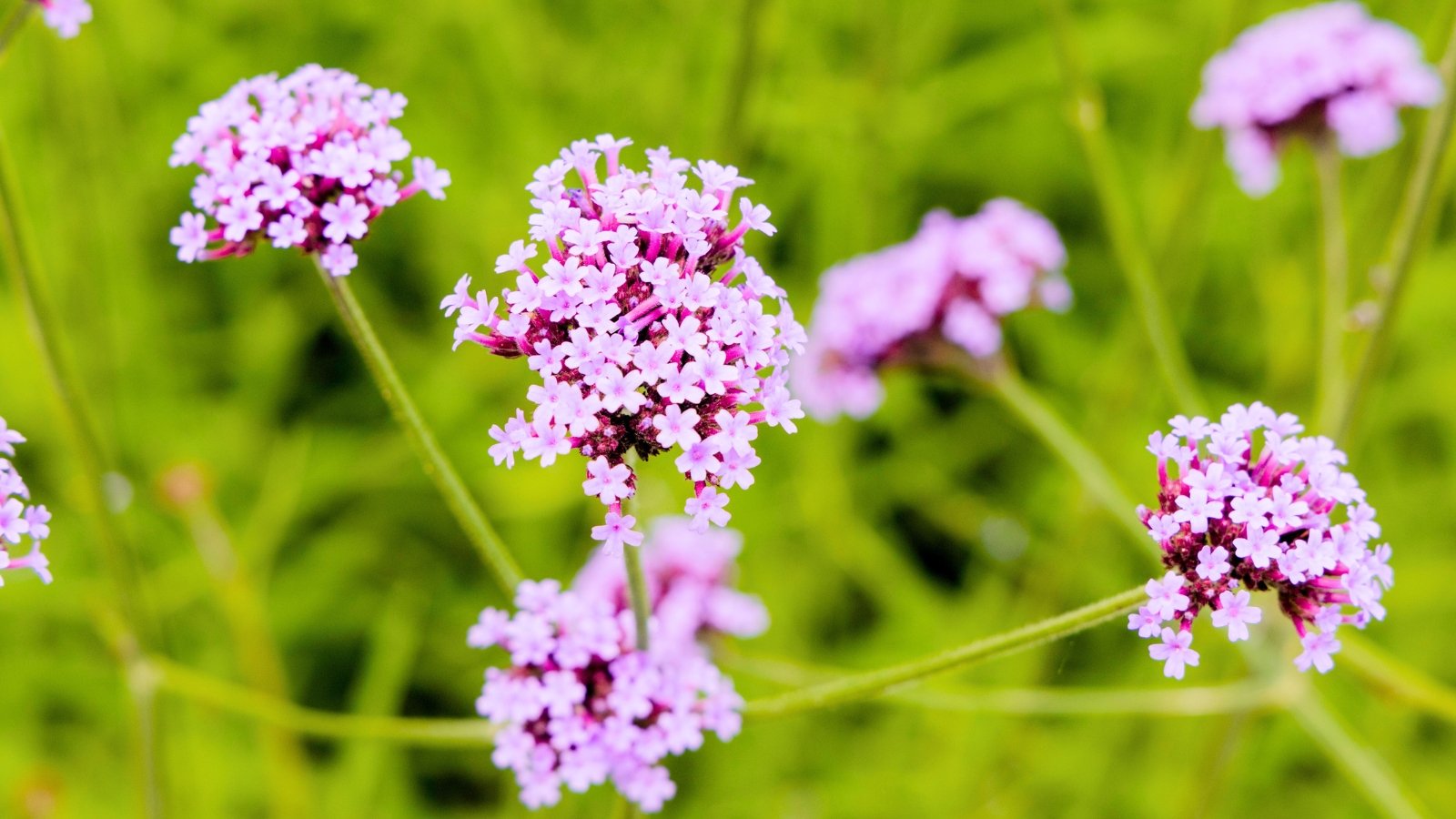
14. Verbena (Verbena spp.) is a versatile coastal choice, available in both trailing and upright forms that love sun and warmth.
- Sun: Full sun
- Height: 6″–3′, depending on type
- Hardiness Zones: 7–11
Trailing varieties are excellent for edging and hanging over walls, while taller types add airy color in mixed borders. Verbena flowers over a long season and provides loads of nectar for butterflies and bees, especially when deadheaded regularly.

15. Ice Plant (Delosperma spp.) is a low-growing succulent groundcover that shines in sunny, sandy coastal sites.
- Sun: Full sun
- Height: 2″–6″
- Hardiness Zones: 5–8
Its evergreen, fleshy foliage hugs the ground, resisting wind, while the starry, intensely colored flowers create a dazzling carpet. Once established, ice plant needs very little care and helps control erosion beautifully.
Planting and Caring for a Resilient Coastal Border
Preparing Sandy, Salty Soil
Even tough coastal flowers appreciate a good start. I don’t try to turn sand into rich loam, but I do give plants a little help.
- Add organic matter where you can: Mix compost into planting holes to improve water and nutrient holding without creating a soggy pocket. If you need a steady supply of compost for improving sandy beds, this guide on how to compost indoors shows simple ways to produce nutrient-rich material year-round.
- Ensure excellent drainage: These plants hate sitting in water; avoid low spots that stay wet after rain.
- Rinse extreme salt buildup: In very exposed areas, an occasional deep watering can help flush excess salt from the root zone.
Watering and Mulching By the Sea
Most of these flowers are drought-tolerant once established, but they still need smart watering in the beginning. If you’re building a space that supports bees and butterflies with minimal upkeep, this guide to a low-maintenance pollinator garden offers ideas that pair well with hardy coastal plantings.
- Water deeply, less often: Encourage roots to grow down, not hover near the surface.
- Use the right mulch: A light layer of gravel or coarse organic mulch helps conserve moisture and reduce sand blow, without smothering crowns.
- Watch new transplants closely: In the first few weeks, coastal wind can dry them out faster than you expect.
Feeding, Deadheading, and Dividing
Coastal-tough flowers are usually low-maintenance, but a bit of routine care keeps them blooming longer.
- Fertilize lightly: Use a slow-release or organic fertilizer once or twice a year; too much nitrogen can make plants floppy and weak.
- Deadhead for more blooms: Flowers like verbena, blanket flower, and coneflower respond well to regular deadheading.
- Divide clumps as needed: Daylilies, African iris, and similar perennials benefit from occasional division to stay vigorous.
Troubleshooting Coastal Flower Problems
Recognizing Salt Stress
Even salt-tolerant plants have limits. I watch for subtle signs of too much salt so I can act early.
- Brown, crispy leaf edges: Often starting on the windward side of the plant.
- Stunted new growth: Fresh leaves may emerge small, twisted, or distorted.
- Patchy dieback facing the ocean: The side closest to the water or prevailing winds may decline first.
If you see these symptoms, try shielding the plant with windbreaks, rinsing foliage after storms, or moving more sensitive varieties farther from direct spray.
Wind, Sand, and Sun Issues
Sometimes the problem isn’t salt alone, but the combination of wind, sand, and intense sun.
- Sandblasted leaves: Look for pitting or tearing on the windward side after major storms.
- Wilted plants in full sun: Even drought-tolerant flowers can droop if they’re newly planted or not yet rooted deeply.
- Broken stems: Tall, top-heavy varieties without support may snap in gusty sites.
Strategic planting helps: put the toughest, lowest growers at the front, and let them shield more delicate flowers behind them.
Seasonal Tune-Ups for Coastal Beds
I’ve found that a little seasonal maintenance keeps coastal gardens looking fresh without turning into a full-time job.
- Spring: Cut back dead growth, divide overgrown clumps, and top up mulch.
- Summer: Deadhead, spot-water new additions, and watch for stress during heat waves.
- Fall and winter: Remove storm-damaged stems and evaluate which plants handled the season best so you can plant more of those.
For gardeners growing hibiscus or other tender ornamentals near the coast, this step-by-step guide on how to cut back hibiscus in winter can help keep them healthy through colder months.
Final Coastal Garden Checklist
Quick Reference Table: Coastal Conditions and Flower Traits
Use this table as a snapshot when you’re planning or shopping. It highlights how different traits pair with harsh seaside spots.
| Coastal Challenge | Helpful Plant Traits | Good Flower Examples |
|---|---|---|
| Heavy salt spray close to the shore | Waxy, leathery, or fuzzy foliage; low, spreading habit | Blanket flower, beach sunflower, ice plant, portulaca |
| Dry, sandy slopes and erosion-prone areas | Deep or mat-forming roots; groundcover growth | Beach sunflower, gazania, verbena, ice plant |
| Hot, full-sun borders with reflected heat | Heat-loving, drought-tolerant perennials | Lantana, African daisy, coneflower, daylily |
| Need for structure and year-round presence | Evergreen foliage; shrub or clumping form | Plumbago, African iris, society garlic |
| Pollinator-friendly seaside plantings | Long blooming season; nectar-rich flowers | Gaura, verbena, lantana, blanket flower |
Printable-Style Coastal Flower Checklist
Before you buy a single plant, run through this quick checklist. I use a version of this every time I design or refresh a coastal bed.
- 1. Confirm your zone: Match each flower’s hardiness zone to your climate so perennials return reliably.
- 2. Map sun and wind exposure: Note which beds get all-day sun and the brunt of onshore winds.
- 3. Prioritize the toughest spots: Use the most salt- and wind-tolerant plants closest to the shore or exposed edges.
- 4. Mix heights and habits: Combine groundcovers (ice plant, portulaca), mid-height bloomers (gaura, African daisy), and structural plants (plumbago, African iris).
- 5. Improve soil just enough: Add compost to planting holes without overwatering or creating soggy pockets.
- 6. Water deeply while establishing: Then gradually taper off as plants root into the sand.
- 7. Plan gentle, seasonal maintenance: Deadhead, divide when needed, and replace underperformers with proven coastal stars.
When you approach coastal gardening with this kind of smart, observation-based mindset, you stop fighting the elements and start working with them. The 15 salt-loving flowers in this guide are a powerful toolbox — you just need to match the right plants to the right spots.
If you found this guide helpful or if you’ve discovered another bulletproof seaside flower, I’d love to hear about it. Head over to Plant Care Dairy and share your experience or questions in the comments so other coastal gardeners can learn from you too.
Disclaimer: The information in this article is for educational and general gardening purposes only. Always consider your local climate, soil conditions, and regional regulations (including invasive-species guidelines) before planting, and consult a local horticulture professional or extension service for advice tailored to your specific site.