
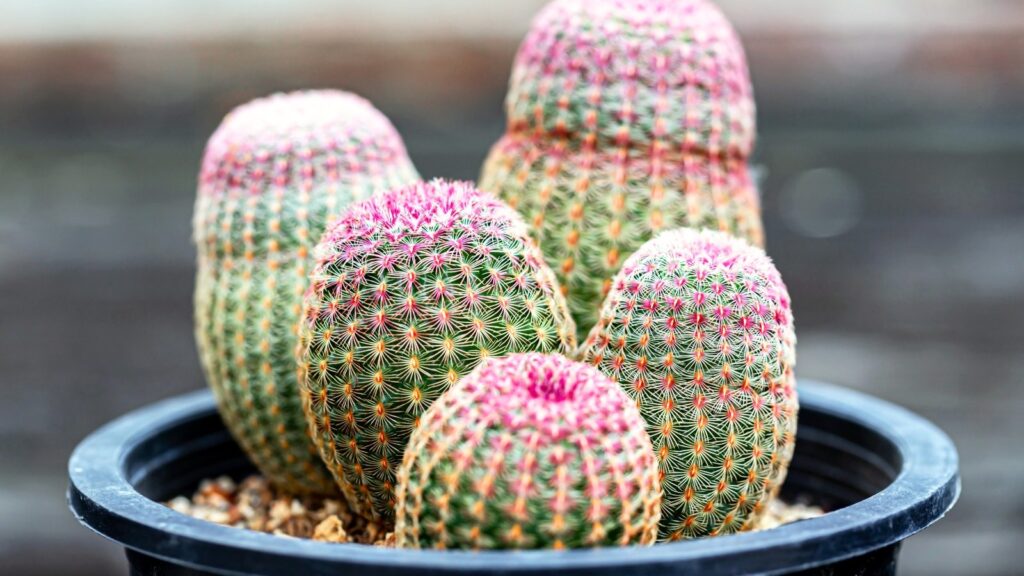
If you’ve ever brought home a small cactus thinking it would be “easy,” only to watch it sulk, wrinkle, or sit for years without a single flower, you’re not alone. The rainbow hedgehog cactus (Echinocereus rigidissimus) is stunning, but it still needs the right setup to truly thrive and bloom.
I wrote this guide to cut through the confusion and give you clear, actionable steps you can follow right away. By the end, you’ll know exactly how to match light, water, soil, and temperature to this plant’s desert roots so you can enjoy those huge magenta flowers instead of guesswork and disappointment.
When I first grew rainbow hedgehog cactus, I treated it like any other houseplant—tiny pot, regular sips of water, and a spot a few feet from the window. It survived, but it stretched, lost color, and never bloomed. Once I moved it into a sunny window, repotted into gritty soil, and started watering like a “flash flood, then drought,” it exploded with flowers the following spring. That simple shift is exactly what I’ll walk you through here.
Meet The Rainbow Hedgehog Cactus
Why This Little Cactus Is A Big Deal
Rainbow hedgehog cactus is a compact, columnar cactus that usually tops out around 6–12 inches tall and about 3 inches wide. That petite size makes it perfect for windowsills, desks, and small outdoor containers.
Here are a few quick facts I always keep in mind. If you want to see more images and an overview of rainbow hedgehog cactus, this resource provides essential care details.
- Botanical name: Echinocereus rigidissimus (often sold as var. rubrispinus)
- Family: Cactaceae
- Native range: Southwestern United States and northern Mexico
- Hardiness: USDA Zones 9–11 (must be protected from hard freezes)
- Light: Full sun outdoors; brightest possible window or grow light indoors
- Water needs: Low, with long dry periods between deep waterings
This species is so dependable and garden-worthy that it has earned the Royal Horticultural Society’s Award of Garden Merit, which is basically a stamp of approval that it performs well for many gardeners under typical conditions.
What Makes It Look Like A “Rainbow”
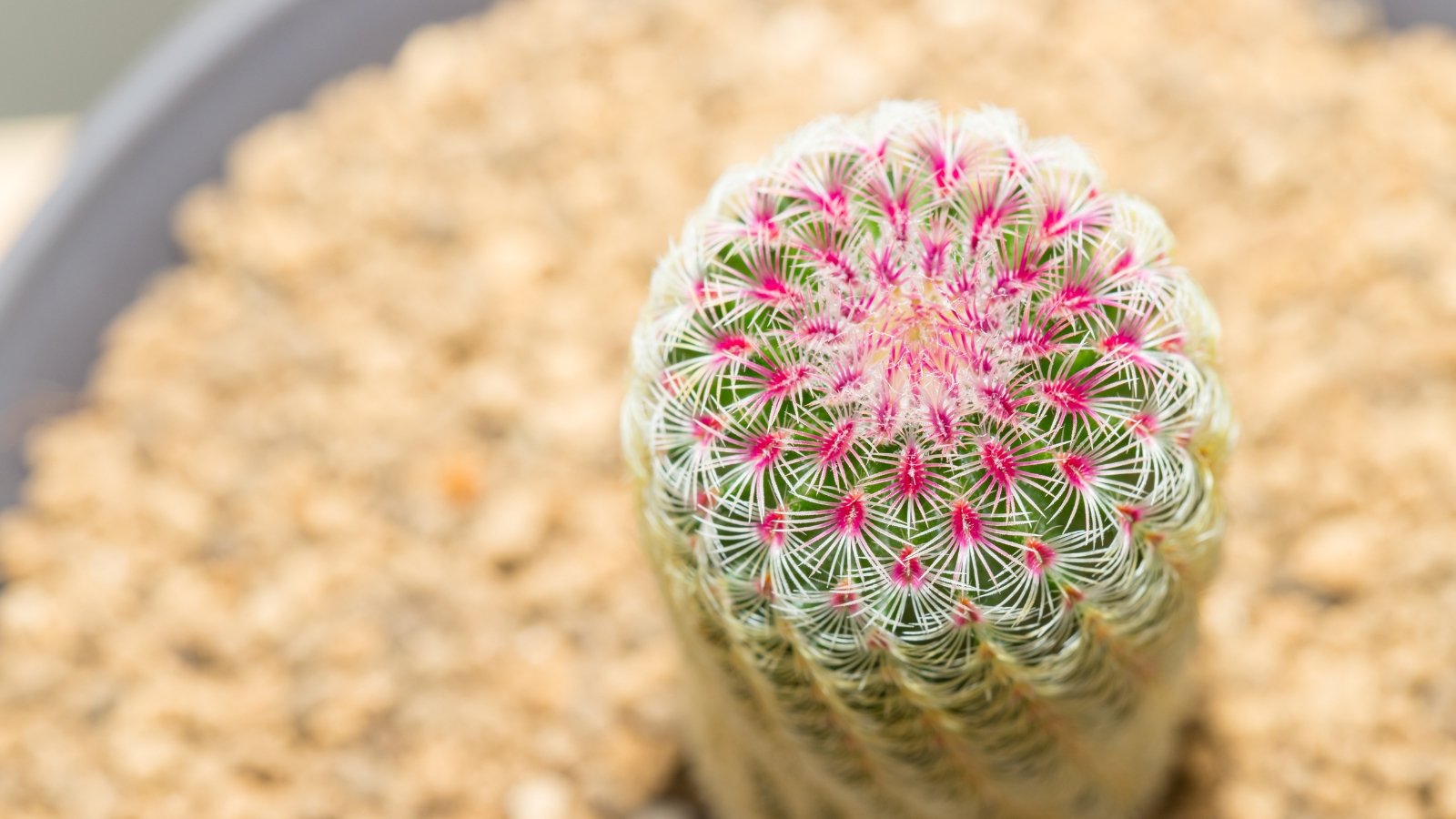
Unlike many cacti that are just plain green with generic spines, rainbow hedgehog wears its color like a striped sweater. The stem is neatly ribbed, and each rib is covered in tight clusters of fine spines.
Those spines form horizontal bands of color in soft cream, pine green, golden tones, and vivid reds or pinks. As new spines grow near the top, they often show off the brightest color, gradually fading as they age. In late spring, the plant takes things up a notch, producing large, funnel-shaped magenta flowers that can be almost as wide as the stem itself.
- Striped spines: Create the “rainbow” effect along the stem.
- Big blooms: Vivid pink or magenta flowers with golden centers, often several on a healthy plant.
- Edible fruits: Small, red to pink fruits that are sweet but tiny, more useful for wildlife than for your snack bowl.
Native Habitat And Hardiness
In the wild, rainbow hedgehog cactus grows in rugged desert landscapes of the southwestern U.S. and northern Mexico, including mountain ranges like the Chihuahua and Huachuca Mountains. You’ll find it on rocky hillsides, gravelly slopes, and dry grasslands.
Conditions in those habitats tell you almost everything you need to know about its care:
- Soil: Sandy or gravelly, with lightning-fast drainage and very little organic matter.
- Moisture: Long dry spells broken by occasional, intense rain events.
- Temperature: Hot days, cooler nights, and low humidity.
Outdoors, you can generally grow this plant in the ground in Zones 9–11, as long as winter stays relatively dry. In colder climates, it’s best kept in pots that spend summer outside and winter indoors.
Is Rainbow Hedgehog Cactus Right For You?

If you like plants that don’t need constant attention and you have at least one genuinely bright window or a grow light, this cactus can be a joy. It’s a great choice if you:
- Forget to water sometimes: It’s safer to neglect it a bit than to fuss over it daily.
- Love bold color in a small footprint: The striped spines and big blooms give a lot of impact per square inch.
- Can keep pets and kids safe: The spines are sharp and painful if grabbed, so this isn’t a “pet-friendly” plant.
If you’re okay with a slow, steady grower that rewards patience with spectacular flowers, rainbow hedgehog cactus is absolutely worth a spot in your collection.
Getting Planting Right From Day One
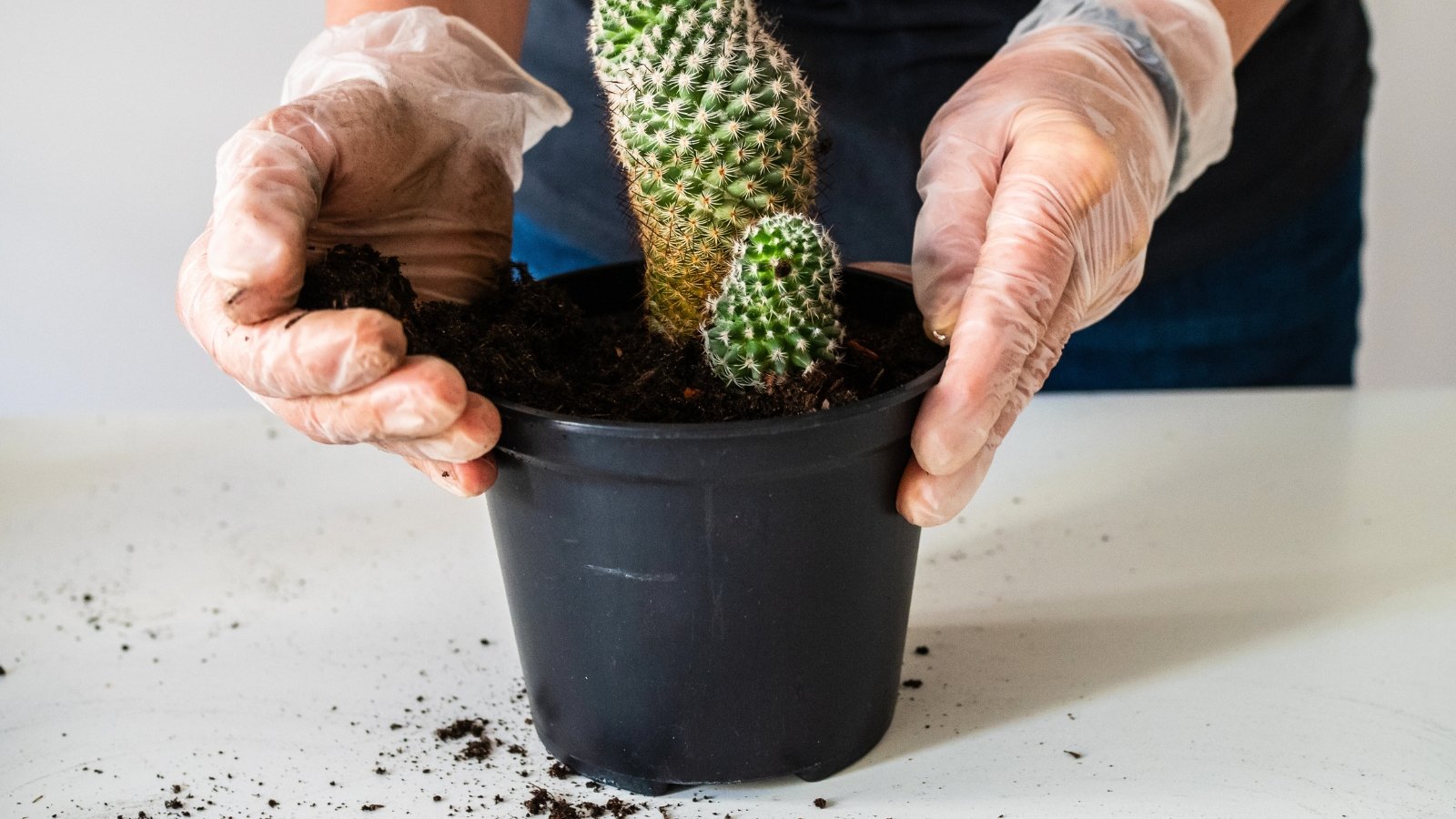
Choosing Pots Or Planting In The Ground

Most of us will grow rainbow hedgehog cactus in containers, even in warm climates. Pots make it easier to control watering, move the plant into the perfect light, and protect it from winter cold or excessive rain. If you enjoy growing compact plants, our guide on growing mini succulents indoors offers simple tips for soil, containers, and light that also help rainbow hedgehog cactus thrive. For those who want a detailed, step-by-step guide on rainbow hedgehog cactus care—including soil mixes, watering, and outdoor planting tips—you can check out this comprehensive guide here.
- Container material: Terra cotta or unglazed clay is ideal because it breathes and helps the soil dry faster.
- Drainage holes: Non-negotiable. This plant will not tolerate sitting in waterlogged soil.
- Size: Choose a pot just slightly wider than the root ball—too big and the extra soil stays wet for too long.
If you live in a mild, dry climate (Zones 9–11), you can plant rainbow hedgehog cactus directly into a raised, very well-drained bed or a rocky slope. Just be sure the site is sunny and never becomes a puddle in winter.
How To Transplant Without Stress

Transplanting a spiny cactus can feel intimidating, but if you prepare, it’s straightforward. I always time big moves for spring or early summer, when the plant is actively growing and recovers faster.
- 1. Pause watering: Stop watering for about a week before transplanting so the soil dries and the roots are less fragile.
- 2. Protect yourself and the plant: Use thick gloves, folded newspaper, or a towel to gently grip the stem.
- 3. Ease the plant out: Tip the pot on its side, squeeze the sides if it’s flexible, and slide the root ball out, supporting the base.
- 4. Inspect the roots: Gently brush off old soil. Trim away any black, mushy, or foul-smelling roots with sterile scissors—those are rotting.
- 5. Replant at the right level: Set the cactus so the root collar sits level with or just above the final soil surface to avoid rot.
First Watering And Establishment
One of the biggest mistakes I see is watering immediately after a transplant. Disturbed roots are easily damaged by excess moisture.
- Let it rest: After potting, leave the plant dry for 3–7 days so any tiny root wounds can callous.
- Give a gentle soak: Then water thoroughly until water flows from the drainage holes, and let all excess drain away.
- Return to a bright spot: Put it back into strong light, avoiding extreme midday heat for the first week or so.
When To Repot Your Cactus
Rainbow hedgehog cactus doesn’t need frequent repotting. I usually repot every 3–4 years or when I see roots circling the drainage holes or the plant clearly outgrowing the pot.
- Best time: Late spring or early summer, not while the plant is in bloom or fully dormant.
- One size up: Move to a pot only 1–2 inches wider than the old one.
- Refresh soil: Always use fresh, gritty cactus mix rather than reusing exhausted soil.
Light, Water, And Soil: The Daily Care Basics

Giving Your Cactus Enough Sun (But Not Too Much)

Light can make or break this plant. Outdoors, rainbow hedgehog cactus wants full sun—aim for at least six hours of strong light daily. Indoors, that usually means a south- or west-facing window with no big obstructions.
Watch the spines and stem for feedback:
- Good light: Compact shape, vivid striping, and firm, upright growth.
- Too little light: Stretching toward the window, faded color, and weak, elongated growth.
- Too much, too fast: Pale or brown patches on the sunny side, indicating sunburn—especially if you’ve just moved it outdoors.
If your home is dim, a full-spectrum grow light placed 8–12 inches above the plant for 10–12 hours a day can work wonders. Rotate the pot every couple of weeks so it doesn’t lean.
Watering Like A Desert Rainstorm
Think about how desert rains work: there are long dry spells, then a brief, intense soaking, and then it’s dry again. That’s the rhythm you want to mimic.
- Soak, then dry: Water deeply until water runs from the drainage holes, then let the soil dry out completely before watering again.
- Check, don’t guess: Use your finger or a moisture meter; the mix should be dry at least several inches down before you water.
- Winter slowdown: In cool, low-light months, the plant goes semi-dormant. Cut watering way back—sometimes once every 4–6 weeks is enough.
Overwatering is the number one killer of indoor cacti. If you’re unsure, it’s almost always safer to wait one more week than to water too soon. Just like Christmas cactus can drop buds if watered incorrectly, rainbow hedgehog cactus also shows stress if soil stays wet too long; for tips on preventing bud drop in indoor plants, check this guide.
Mixing The Right Gritty Soil

Standard potting soil holds far too much moisture for desert cacti. I’ve had the best results with a gritty, fast-draining mix that mimics rocky slopes.
- DIY blend: Mix 1 part coarse potting soil, 1 part coarse sand or fine gravel, and 1 part pumice or perlite.
- Store-bought cactus soil: Is a good starting point, but I still like to add extra grit or perlite to speed up drainage.
- pH and fertility: Slightly acidic to neutral and not too rich—this cactus doesn’t need a lot of organic matter.
The goal is for water to run through quickly and the pot to feel noticeably lighter just a day or two after watering.
Temperature, Humidity, And Fertilizer
Rainbow hedgehog cactus prefers warm days and cooler nights, just like its native desert. A daytime range of 70–90°F (21–32°C) with nights down to 50°F (10°C) keeps it happy. It can briefly handle temperatures as low as about 20°F (–7°C) if perfectly dry, but I don’t recommend testing that limit in a wet winter.
- Humidity: Low humidity and good air circulation reduce the risk of rot and fungus. Maintaining proper humidity and feeding lightly are crucial; for expert tips on caring for indoor plants like Christmas cactus, which face similar conditions, see this guide.
- Fertilizer: Optional but helpful for flowering. Use a diluted, balanced cactus fertilizer no more than once a month in spring and summer.
- No winter feeding: Skip fertilizer in fall and winter when the plant isn’t actively growing, or you risk burning the roots.
Remember: this plant is adapted to lean conditions. A bit of fertilizer is fine; constant heavy feeding is not.
Propagation: Seeds, Offsets, And Patience

Growing Rainbow Hedgehog From Seed
Starting rainbow hedgehog cactus from seed is slow but surprisingly fun. If you enjoy watching plants develop from tiny green specks into real cacti, this is incredibly rewarding.
- Get or collect seeds: Buy from a reputable supplier or collect from fully ripe red or pink fruits, then rinse and dry the seeds well.
- Use a fine, well-drained mix: A blend of seed-starting mix, sand, and a bit of pumice or perlite works nicely.
- Sow on the surface: These seeds need light to germinate, so press them gently into moist soil but don’t bury them.
- Cover for humidity: Use a clear lid or plastic wrap to hold in moisture and place in bright, indirect light.
Germination can take 2–8 weeks. The seedlings look like tiny green beads at first. Begin ventilating by lifting the cover daily once they appear, and wait 6–12 months before handling or repotting so you don’t damage their delicate roots.
Dividing Pups For Faster Results
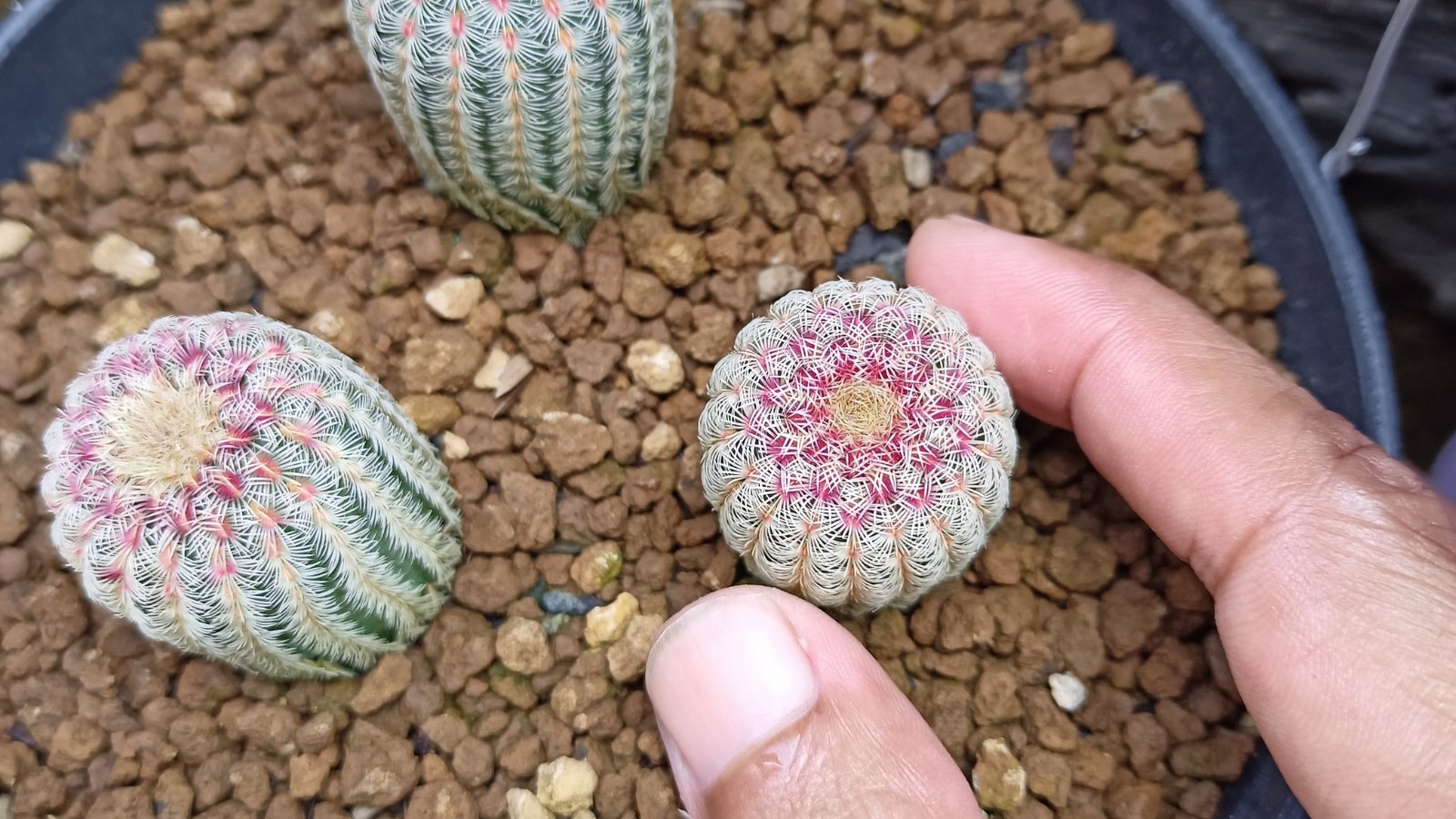
Although rainbow hedgehog cactus is often single-stemmed, mature plants sometimes form small pups (offsets) around the base. This is the quickest way to get new, flowering-size plants.
- Wait for size: Let pups reach about 1 inch (2.5 cm) tall and wide before removing them.
- Detach carefully: Use clean, sterilized scissors or twist gently with gloved fingers to separate the pup from the mother plant.
- Callous first: Place the offsets in a shaded, dry spot for several days so the cut surfaces can callous over.
- Pot in gritty mix: Plant the pup in a small pot with well-draining cactus soil and water sparingly until you see new growth.
For additional propagation tips, including step-by-step instructions for handling offsets and ensuring healthy growth, this guide offers practical advice.
With good care, an offset can reach blooming size in 1–3 years, which is much faster than raising a plant to maturity from seed.
How Fast Will Your Cactus Grow?

In ideal conditions, rainbow hedgehog cactus is still a slow to moderate grower. You might see a couple of centimeters of height each year once it’s established, with more energy going into spine color and flowering than sheer size.
- Year 1–2: Seedlings and young plants focus on building a strong root system and plump stem.
- Year 3–5: You’ll often see your first blooms on offsets or well-grown nursery plants.
- Long-term: With consistent care, the plant can live for many years and form clumps, especially outdoors in the ground.
Don’t be discouraged if your new plant doesn’t flower the first year in your care. Focus on getting light, water, and soil right, and the blooms will follow.
Common Problems And How To Fix Them

Catching Root Rot Early
Root rot usually comes from one thing: too much moisture for too long. Because the damage is underground, you often don’t notice until the stem starts to soften or discolor at the base.
- Early signs: Yellowing, wrinkling despite moist soil, or a plant that wobbles in the pot.
- Check the roots: Slide the plant out of the pot. Healthy roots are firm and pale; rotten ones are brown/black and mushy.
- Emergency fix: Trim off all rotten roots, dust cuts with sulfur or cinnamon, repot in fresh, dry cactus mix, and keep dry for a week or more.
Going forward, adjust your watering habits and make sure the pot and soil drain quickly.
Managing Mealybugs, Spider Mites, And Scale
Rainbow hedgehog cactus is fairly tough, but a few pests are persistent enough to bother it.
- Mealybugs: These look like tiny white cotton spots tucked into the spines. Dab them with a cotton swab dipped in 70% isopropyl alcohol diluted with water, and repeat weekly as needed.
- Spider mites: Too small to see easily, but they cause stippling, webbing, and a dull, dusty look. Rinse the plant with a strong stream of water and, if severe, use a miticide labeled for houseplants.
- Scale insects: These appear as small, hard bumps on the stem. Gently scrape them off with a toothpick or soft brush, then follow up with horticultural oil if the infestation is heavy.
Always isolate a plant with pests from your other houseplants until the problem is fully under control.
Stress From Light, Temperature, Or Water
Not every problem is a disease or pest. Sometimes the plant is simply reacting to environmental stress.
- Sunburn: Brown, crispy patches on the sunniest side usually appear after a sudden move into intense light. Acclimate gradually when moving outdoors.
- Stretching (etiolation): Pale, elongated growth means your plant needs more light. Move it closer to a bright window or add a grow light.
- Wrinkling: Slight wrinkles can mean it’s thirsty, but if the soil is wet, it may indicate root trouble instead of dryness.
When something looks off, I always ask three questions first: Is the light right? Is the soil draining well? Have I watered too often? Fixing those usually corrects the issue.
Your 7-Step Bloom-Boosting Checklist

7 Smart Tips To Keep Your Cactus Thriving
To pull everything together, here are 7 specific steps I rely on to keep rainbow hedgehog cactus healthy and willing to bloom.
- Choose a bright, sunny spot: Give your cactus at least six hours of strong light daily—south or west windows indoors, or full sun outdoors with a brief acclimation period.
- Use a gritty, fast-draining mix: Blend potting soil with equal parts sand and pumice or perlite so water runs through quickly and roots stay aerated.
- Water deeply, but infrequently: Soak the soil until water drains freely, then wait until the mix is completely dry—especially in winter—before watering again.
- Pick the right pot size and material: Choose a snug, terra-cotta pot with drainage holes so moisture doesn’t linger around the roots.
- Repot only when necessary: Refresh the soil every 3–4 years or when roots fill the pot, avoiding repotting while the plant is blooming.
- Feed lightly during active growth: In spring and summer, apply a diluted cactus fertilizer once a month to support flowering, and skip feeding completely in winter.
- Watch for pests and early warning signs: Check regularly for mealybugs and other insects, and respond quickly to soft spots, odd discoloration, or stretching.
If you follow these seven steps consistently, you’ll be miles ahead of most cactus owners—and your rainbow hedgehog will show it in color, health, and flowers.
Quick Reference Care Table
Here’s a simple at-a-glance summary you can refer back to when you’re not sure what your cactus needs.
| Care Factor | Ideal For Rainbow Hedgehog Cactus |
|---|---|
| Light | Full sun outdoors; brightest south or west window or grow light indoors |
| Watering | Deep soak, then allow soil to dry completely; drastically reduced watering in winter |
| Soil | Gritty cactus mix with sand and pumice/perlite; very fast drainage |
| Temperature | 50–90°F (10–32°C) preferred; brief tolerance to 20°F (–7°C) if dry |
| Fertilizer | Light, monthly feeding in spring and summer; none in fall and winter |
| Propagation | Seeds (slow) or offsets/pups (faster), with careful drying and gritty mix |
| Pests & Problems | Mealybugs, spider mites, scale, and root rot from poor drainage or overwatering |
Bring Your Rainbow Hedgehog Questions To The Community
Smart gardening isn’t about never making mistakes—it’s about noticing quickly, adjusting, and learning as you go. Rainbow hedgehog cactus rewards that mindset with color, character, and those unforgettable magenta blooms.
If you’re growing this plant (or thinking about it) and still have questions, I’d love for you to share your experience. Visit Plant Care Dairy and leave a comment with your setup, zone, and what’s working—or not working—for your cactus. Your observations might be exactly what another gardener needs.
Disclaimer: The information in this article is for general educational purposes only and may not account for every local climate or indoor condition. Always observe your own plants closely and consult a qualified professional for site-specific advice or serious pest and disease issues.