
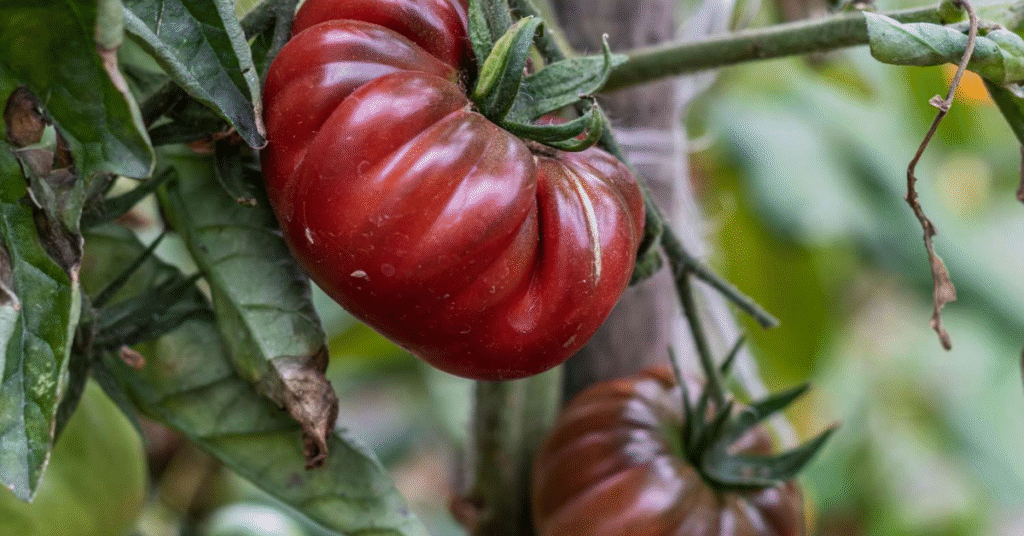
If you’ve ever bitten into a tomato that was more than just red and bland, you know the difference an heirloom can make. The Black Krim isn’t your ordinary garden tomato—it’s a Russian heirloom with a deep, dark maroon hue, a rich, slightly smoky flavor, and a history that stretches back to the Crimean Peninsula. I remember the first time I grew it in my backyard; the moment those fruits ripened, I understood why chefs and home gardeners alike rave about it.
You might be wondering why this tomato deserves a spot in your garden. Well, beyond its dramatic color and unique taste, it teaches patience, careful care, and a rewarding harvest that feels almost like winning a small victory every time you pluck a perfectly ripe fruit. In this guide, I’ll walk you through everything I’ve learned—from picking the right soil and planting seeds to nurturing your plants through pests, weather, and harvest. By the end, you’ll know exactly how to grow Black Krim tomatoes that taste as incredible as they look.
What Gardeners Want When They Search “Black Krim Tomato Care”
When you look up “Black Krim tomato care,” it’s usually because you want more than just a vague how-to. You want a roadmap to actually growing this heirloom successfully—planting at the right time, keeping it healthy through the season, and getting those perfectly ripe fruits. I’ve noticed that while most guides give you the basics, they often miss some critical details that can make or break your harvest.
Here’s what I think many gardeners are looking for but rarely find in one place:
- Regional nuances: How to grow Black Krim in hotter or more humid climates, or shorter growing seasons.
- Seed-saving tips: Preserving the heirloom traits without accidental cross-pollination.
- Defect troubleshooting: What to do when fruits crack, turn unevenly, or show color changes.
- Nutrient guidance: How to balance feeding for deep flavor and consistent growth.
- Advanced support techniques: Pruning, staking, and managing indeterminate vines for maximum yield.
This guide aims to fill those gaps. I’ll share what works in real gardens, including what I’ve learned from trial and error, so you can avoid the common mistakes that many articles skip. By the end, you’ll feel confident about giving your Black Krims the care they actually need.
Key Traits of Black Krim Tomatoes
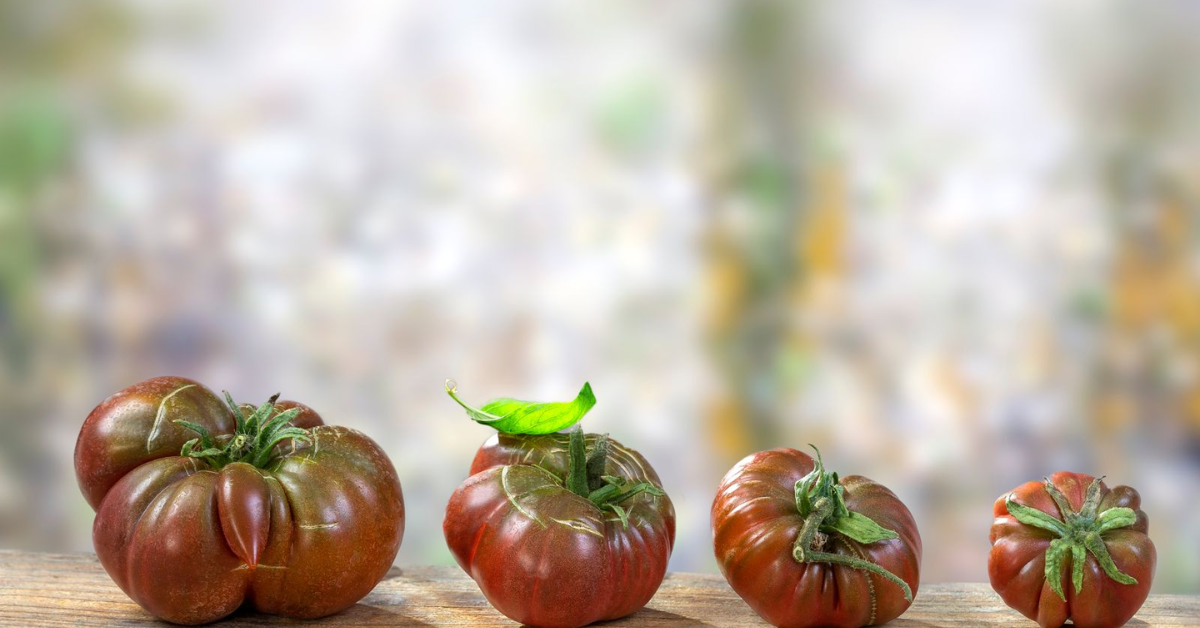
Before we dig into care routines, it’s important to understand what makes this tomato unique. Knowing its traits helps you anticipate challenges and maximize its flavor and yield.
Growth Habit, Size & Timing
- Indeterminate growth: Black Krim vines keep growing until frost, which means you need a plan for staking or caging.
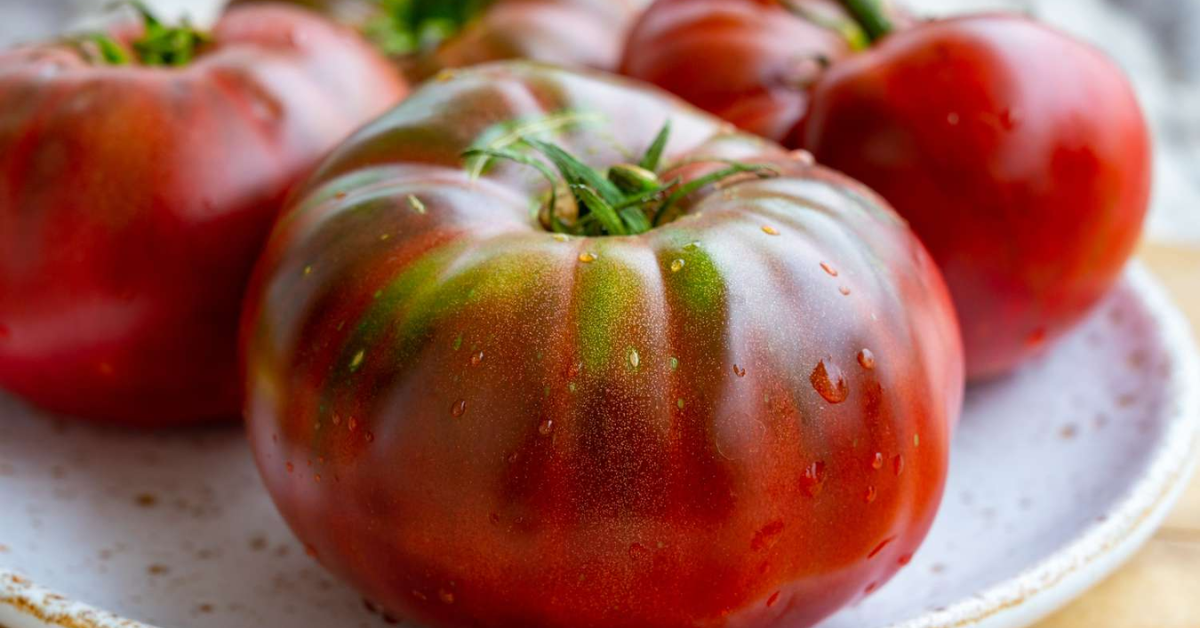
- Fruit size and shape: Expect flattened globe-shaped fruits, roughly 4–6 inches in diameter, with a dark maroon or black hue and subtle green shoulders. This size and form make them perfect for slicing or adding visual impact to salads.
- Timing: From seed to harvest, plan for a longer season compared to some hybrid tomatoes. I always start mine indoors to get a head start, especially if I’m gardening in cooler regions.
Flavour, Colour & Appeal
- Black Krim is a chef-favorite because of its intense, smoky-sweet flavor that stands out in sandwiches and salads.
- Its deep, almost black color isn’t just for show—it signals ripeness and the concentration of flavor.
- When you grow it well, it’s a fruit people actually notice and comment on, not just another tomato on the plate.
Weaknesses / Things to Watch
- Prone to cracking: Irregular watering can lead to splitting fruits.
- Cold sensitivity: Black Krim doesn’t like sudden frost or chilly nights early in the season.
- Lower disease resistance: Being an heirloom, it isn’t as robust as hybrids against common tomato diseases.
Knowing these traits helps you plan care in a way that protects your plants and encourages a bountiful harvest. For a deeper dive on planting and growth habits, I like to refer to the detailed Smart Gardener profile because it breaks down spacing, container suitability, and basic care essentials—all in one place.
Site Selection & Timing for Optimal Results
Getting the site and timing right for your Black Krim tomatoes is the single most important step for a strong harvest. I’ve seen too many gardeners get excited about seeds only to struggle because the plant wasn’t set up in the right spot. Here’s what I focus on:
Ideal Climate & Soil Conditions
- Soil pH: Keep it between 6.0 and 6.8 for optimal nutrient absorption.
- Soil temperature: Wait until the soil warms to at least 60°F (15.5°C) before transplanting—cold soil slows growth and increases stress.
- Sunlight: Full sun is a must. Your plants need at least 6–8 hours of direct sunlight each day to develop flavour and colour.
Planting in Different Regions
- Hot or humid climates? I adjust watering schedules and use shading techniques during peak afternoon heat.
- Shorter seasons? Starting seeds indoors gives your plants a head start so you can still harvest fully ripe fruits.
- Longer seasons? Keep an eye on indeterminate growth—long vines need sturdy support and occasional pruning.
Container vs In-Ground Options
- Black Krim does well in containers if you use large pots (at least 18 inches deep) with good drainage.
- For in-ground planting, pick well-draining, loamy soil and avoid spots that flood after rain.
Getting these decisions right makes the difference between a few sad fruits and a garden full of vibrant, rich-tasting tomatoes. For a detailed guide on soil, sun, and climate considerations, I like referring to The Spruce’s Black Krim Tomato Care guide because it gives practical, easy-to-follow advice for home gardeners.
From Seed to Transplant: Getting Started Right
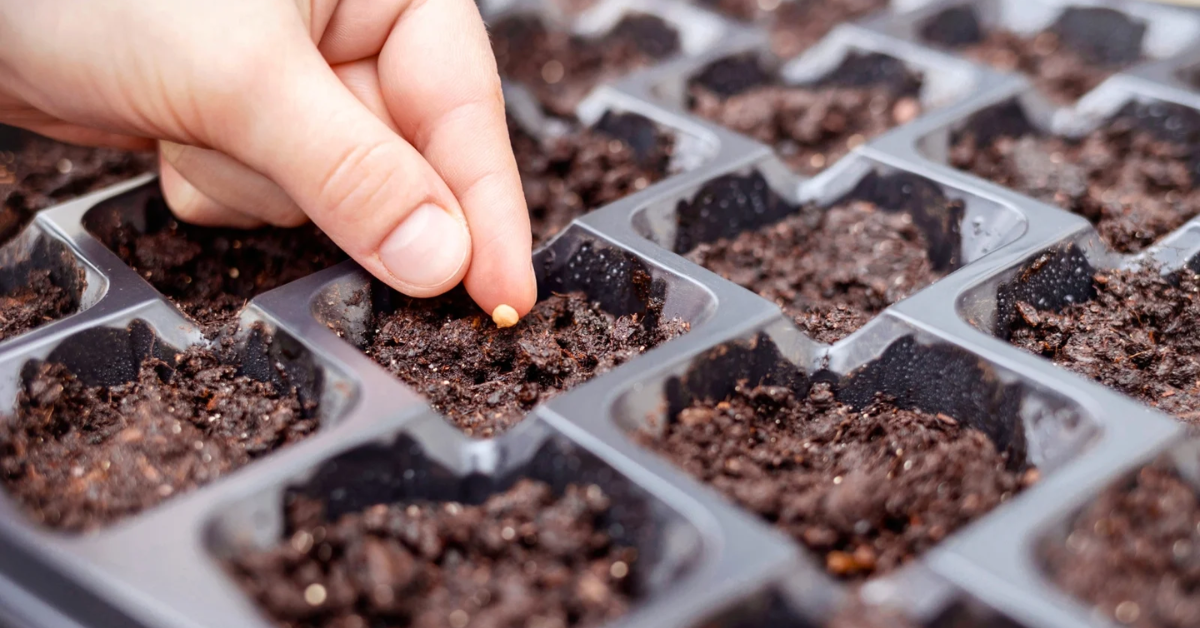
Starting off correctly sets the stage for everything that comes next. I always emphasize this part because mistakes here are hard to fix later.
Starting Seeds Indoors
- Plant seeds about ¼ inch deep in seed-starting mix.
- Keep the soil consistently warm and moist until germination—usually 5–10 days.
Transplanting & Spacing
- Give each indeterminate plant 3–5 feet of space to allow airflow and reduce disease risk.
- Always stake or cage plants at the time of transplant; waiting too long makes it difficult to support heavy vines later.
Soil Preparation & Amendments
- Use rich, loamy soil with high organic matter and good drainage.
- Pre-plant fertilization or a mix of compost ensures your seedlings start strong.
Planting Method
- Bury part of the stem when transplanting—Black Krim roots develop along buried stems, making the plant stronger.
- Trenching is another option if you’re planting multiple rows; it helps with root establishment and moisture retention.
Following these steps gives your Black Krim the best chance to thrive.
Feeding, Watering, Support & Pruning
Taking care of your Black Krim throughout the season is where your effort really pays off. I’ve learned that consistent attention here can make the difference between a few small fruits and a full, flavourful harvest.
Watering Schedule & Practices
- Water deeply and consistently. I try to keep the soil evenly moist to prevent blossom-end rot and cracking.
- Avoid letting the soil dry out completely or flood after rain—fluctuations stress the plant and affect fruit quality.
Fertiliser & Nutrient Needs
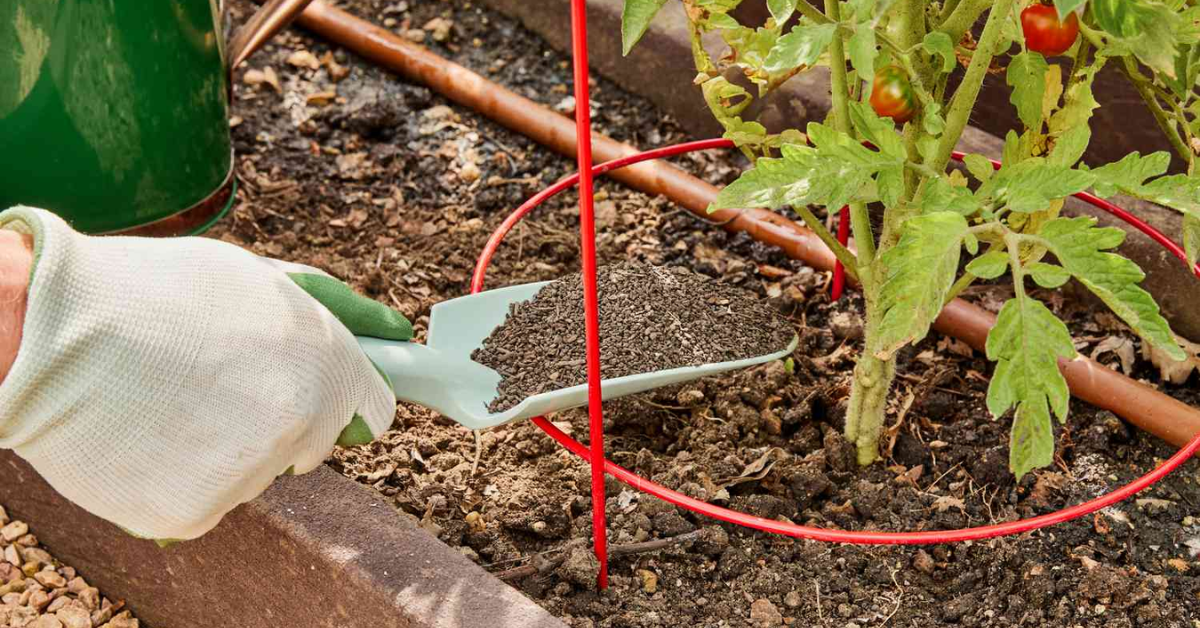
- Feed every 3–4 weeks using a potassium-rich fertilizer.
- Calcium is essential to prevent blossom-end rot, so I supplement if my soil is low.
Support Systems & Pruning
- Because Black Krim is an indeterminate vine, staking or caging is critical.
- I also prune suckers and lower leaves to improve airflow, reduce fungal risk, and focus energy on fruit production.
Mulching, Temperature & Humidity Control
- Mulching keeps roots cool and retains moisture, especially in hot or humid climates.
- I remove some foliage when leaves are too dense, which reduces fungal problems and heat stress.
- One Reddit gardener shared their experience growing Black Krim: “A lot of people cite Black Krim … so I expected it to be the hardiest … but it’s being super dramatic … leaves all curled … very impressive-looking transplants … then after planting out … they just get goofy.”
- This is a great reminder that Black Krim can behave unpredictably, so careful monitoring is key.
Common Problems and How to Fix Them
Even experienced gardeners hit snags with Black Krim. Knowing what to expect can save a lot of frustration.
Cracking / Splitting / Blossom-End Rot
- Occurs due to irregular watering or calcium deficiency. If you’ve ever wondered why tomatoes split and how to prevent it, this guide explains the causes and solutions clearly.
- I keep a watering log to avoid sudden dry/wet swings and add calcium if needed.
Diseases & Pests Specific to Black Krim
- Heirlooms like this are susceptible to Fusarium wilt and Verticillium wilt.
- Monitoring early and pruning affected leaves helps prevent spread.
Environmental Stress
- Extreme heat, insufficient sun, or container overheating can stress plants. If you notice purple leaves on your tomato plants, it’s often a sign of nutrient imbalance or stress.
- Adjust shade, move containers if possible, and monitor soil temperature.
Seed Saving & Cross-Pollination Issues
- Being an open-pollinated heirloom, Black Krim can cross with nearby tomato varieties.
- I recommend isolating plants or bagging flowers if you plan to save seeds.
When and How to Harvest Black Krim Tomatoes
Harvesting is the reward for all your effort. I’ve found that timing and handling make a huge difference in flavour and shelf life.
Signs of Ripeness
- Look for dark red or maroon fruits—a slight green shoulder is fine.
- Touch gently; ripe fruits feel firm but give slightly under pressure.
Best Practices for Harvesting & Storage
- Pick before over-ripening to prevent cracking. If you end up with green Black Krim tomatoes that need ripening, here are 5 easy and fast methods to help them turn perfectly ripe.
- Store in a cool, shaded spot if you’re not using immediately.
Culinary Uses & Flavour-Highlighting
- Black Krim’s flavour shines in salads, sandwiches, and artisanal dishes.
- I love slicing them raw; the smoky, sweet taste and dramatic colour elevate any meal.
Pros, Cons & Is It Right for You?
Before committing space in your garden, it helps to weigh the benefits and trade-offs. I always like to be upfront with myself (and with you) about what you can realistically expect.
Advantages
- Rich, smoky-sweet flavour that stands out in salads and sandwiches.
- Unique dark maroon colour adds a visual wow factor to your garden.
- Great for gardeners who enjoy trying heirlooms and experimenting with flavours.
Trade-Offs
- Being an heirloom, Black Krim has less disease resistance than many hybrids.
- Requires slightly more care: consistent watering, staking, and pruning.
- Fruits can crack if watering or temperature fluctuates.
- Needs a longer growing season—starting indoors may be necessary in cooler regions.
Fit for Different Gardener Types
- Perfect for flavour-seekers and garden enthusiasts who want something special.
- Not ideal for extremely small spaces or very short seasons unless you start seeds indoors.
- Helps you set realistic expectations so you don’t get frustrated halfway through the season.
Grower’s Cheat Sheet – What to Remember
Here’s a quick-reference checklist I personally use to keep my Black Krim healthy and productive:
- Planting: Start indoors 6–8 weeks before last frost; transplant after soil reaches 60°F.
- Light: Full sun, at least 6–8 hours per day.
- Spacing: 3–5 feet between indeterminate plants for airflow.
- Watering: Deep and consistent; avoid sudden dry/wet swings.
- Fertilising: Potassium-rich, add calcium to prevent blossom-end rot.
- Support: Stake or cage vines early; prune suckers and lower leaves.
- Troubleshooting: Watch for cracking, leaf curl, fungal issues, and environmental stress.
- Harvest: Dark maroon with slight green shoulders, firm to touch.
You could even make a small table matching your zone/climate to adjustments, like shading for hot regions or indoor starting for shorter seasons.
Get Started Growing Your Black Krim Tomato Today
If you’re ready to try your hand at this heirloom gem, start by selecting quality seeds and preparing your soil early. I always make a small plan for spacing, staking, and watering before planting—helps prevent common mistakes.
Growing Black Krim is about patience, observation, and a little experimentation. But once you taste those perfectly ripe fruits from your own garden, you’ll know the effort was worth it.
Ready to grow your Black Krim tomatoes? Start your seeds, prep your soil, and watch the magic unfold. Share your progress, tips, and questions in the comments below or on Plant Care Guide—let’s grow together!
Disclaimer: The information provided in this guide is for educational and gardening purposes only. Results may vary based on climate, soil, and growing conditions. Always use your own judgment when applying gardening techniques, and take necessary precautions for personal safety and plant health.