

If winter turns your beds into bare, brown patches, this guide cuts through the confusion and shows you exactly which plants keep the color coming when temperatures drop. I’ll walk you through what to plant, where to plant it, and the little tweaks that make a big difference in cold weather.
By the end, you’ll know how to match light, soil, zone, and timing to the right winter-blooming or winter-interest plants—so your garden looks alive when everyone else’s is asleep.
Why Winter Color Matters (And How to Get It Right)
Match Plants to Light, Soil, and Zone
I’ve learned the fastest wins come from choosing plants that actually want your conditions. Winter stars are tough, but they still need the right spot.
- Light: Many winter bloomers prefer full sun to partial shade. Shade lovers (like hellebores and cyclamen) shine beneath trees and tall shrubs.
- Soil: Winter rain and snow test drainage. Free-draining, fertile soil prevents rot (vital for bulbs and alpines like auricula).
- Zones: Prioritize plants rated for your USDA zone. Hardy standouts here range from Zone 2 to Zone 10. If you’re gardening in Zones 8–10, see our guide on what to plant this November for eight smart picks and how to get started.
- Mulch: A 2–3 inch compost mulch protects crowns, buffers temperature swings, and feeds soil life.
Timing Is Everything: Fall Planting to Spring Payoff
Winter performers need time to root in. I suggest planting shrubs and perennials in early fall and getting bulbs/corms in by mid-fall so they settle before serious freezes. If you’re looking for November-specific options, check out our guide on flower seeds you can plant in November to plan ahead for a colorful winter garden.
- Bulbs: Plant daffodils, snowdrops, tulips, crocus, and more in fall for late-winter to early-spring bloom. For more ideas on flowers that bloom even in frosty conditions, see Botanical Interests’ comprehensive list of Frost-Hardy Flowers.
- Perennials: Set mums and sages at least 8 weeks before first frost so roots establish.
- Containers: In cold zones, use frost-proof pots and raise them on pot feet for drainage.
My Quick Win Story
One December, I tucked a tray of pansies and a few hellebores beside my front path on a frosty afternoon. A week later, they shrugged off a light freeze and kept blooming for months. That small spot became my reminder: pick the right plants, then let them do the work.
Cold-Season Shrubs and Trees That Steal the Show
Fragrant Winter Bloomers

1. Andromeda (Pieris japonica) brings bell-shaped clusters bees adore and evergreen foliage that looks good year-round.
- Sun: Full sun to partial shade
- Height: 8–10’
- Zones: 4–8
- Why Grow It: Late-winter to early-spring bloom; varieties like ‘Mountain Fire’ and ‘Flaming Silver’ add fiery new growth and variegation.
- Pro Tip: Give it acidic, well-drained soil; mulch to keep roots cool and evenly moist.

2. Winter Daphne (Daphne odora) perfumes the path with intensely fragrant blooms on tidy evergreen shrubs.
- Sun: Full sun to partial shade
- Height: 3–6.5’
- Zones: 7–9
- Why Grow It: A compact, cold-hardy fragrance bomb for near entries and walkways.
- Pro Tip: Daphne hates disturbance—plant once in moist, free-draining soil, mulch lightly, and never pile mulch against the trunk.
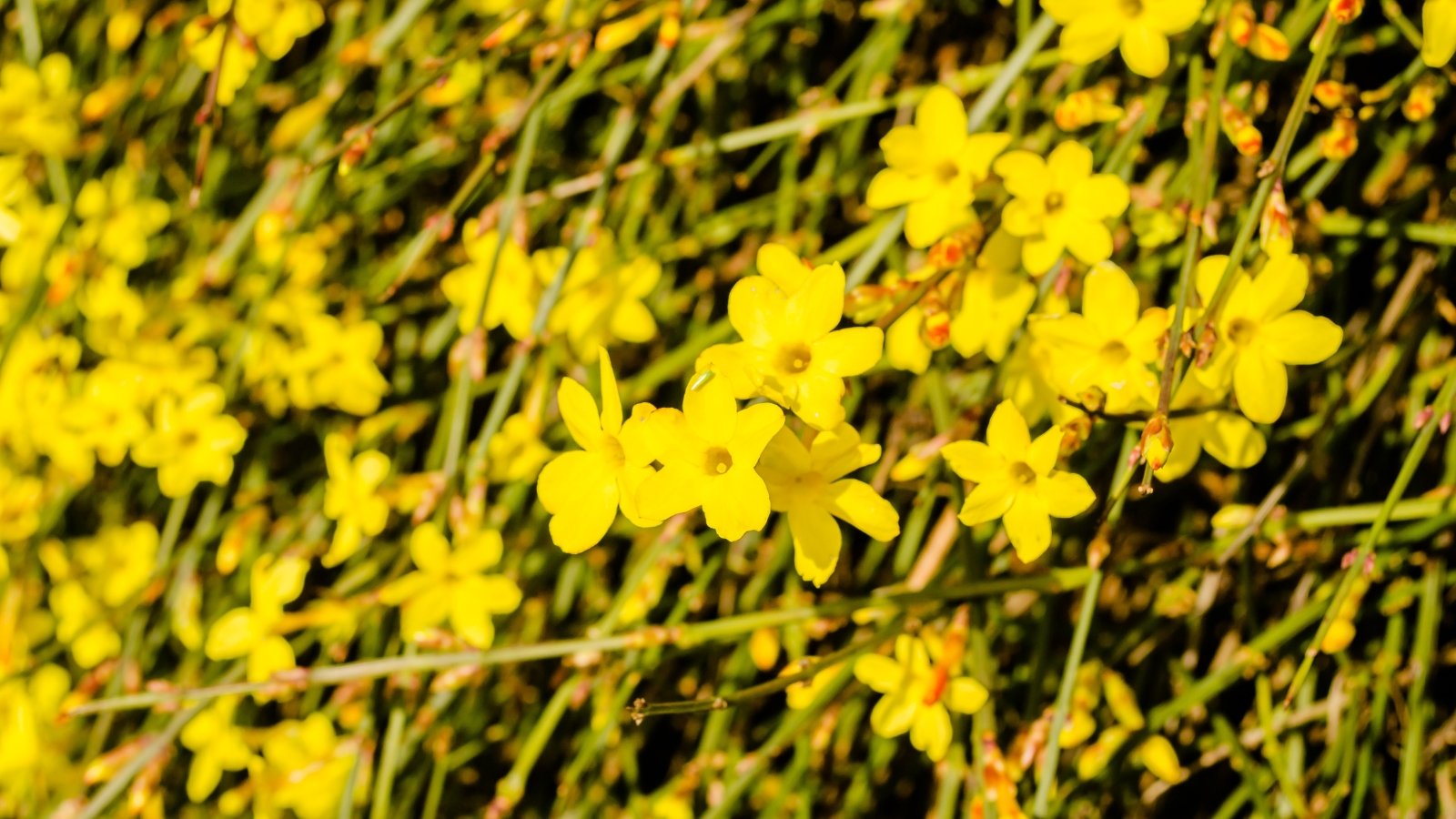
3. Winter Jasmine (Jasminum nudiflorum) throws cheerful yellow blooms on bare stems right through winter.
- Sun: Full sun to partial shade
- Height/Spread: 10–15’ (trainable)
- Zones: 6–10
- Why Grow It: Sprawling vine for trellises or banks; winter color when you need it most.
- Pro Tip: Prune after bloom, focusing on older stems; train young green stems up, not out.
Early-Bird Branch Color and Catkins

4. Forsythia (Forsythia spp.) erupts in yellow along bare branches before most shrubs wake up.
- Sun: Full sun to partial shade
- Height: 3–10’
- Zones: 5–8
- Why Grow It: Early spring bloom and fast growth for hedges, screens, or focal points.
- Pro Tip: Prune right after flowering to avoid cutting off next year’s buds.
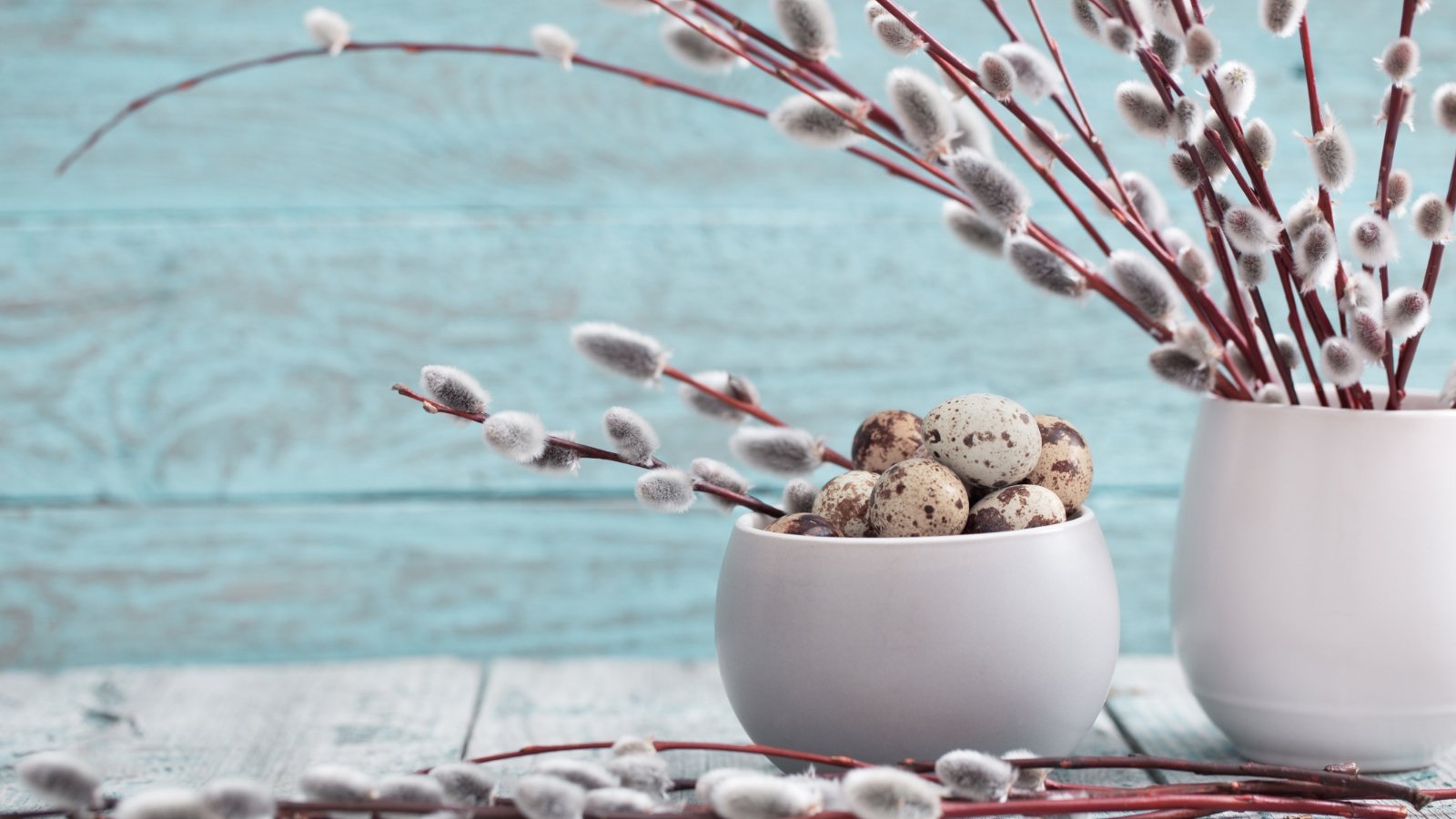
5. Pussy Willow (Salix spp.) shows silvery catkins that look like kitten paws, followed by frilly flowers.
- Sun: Full sun
- Height: 10–20’
- Zones: 2–7
- Why Grow It: Multi-season interest and wonderful cut branches for indoor display.
- Pro Tip: If you want catkins, choose a male plant; prune after bloom to manage size.

6. Ozark Witch Hazel (Hamamelis vernalis) offers frilly, fragrant winter flowers in yellow to orange-red.
- Sun: Full sun to partial shade
- Height: 6–16’
- Zones: 3–8
- Why Grow It: Native hardiness from the rugged Ozark Plateau and winter bloom on bare stems.
- Pro Tip: Prune after flowering; blooms form on one-year-old wood.
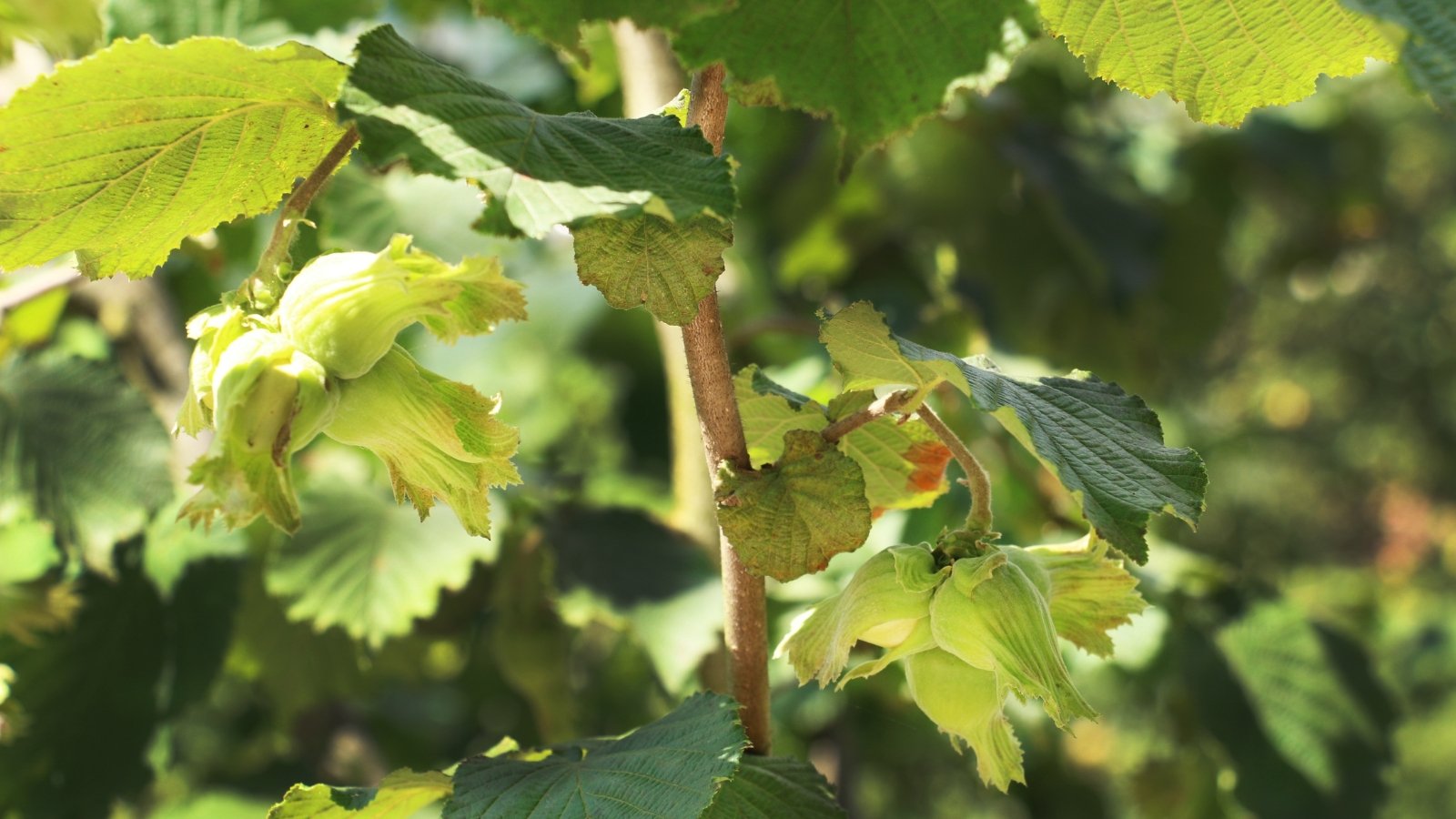
7. American Hazelnut (Corylus americana) dangles golden catkins late winter; tiny red female blooms are a hidden gem.
- Sun: Full sun to full shade
- Height: 9–12’
- Zones: 4–9
- Why Grow It: Native, wildlife-friendly shrub with catkin drama and edible nuts.
- Pro Tip: Site out of strong winds so catkins don’t desiccate before pollen release.
Evergreen Structure and Berries

8. Oregon Grape (Berberis aquifolium) is a PNW native with spiny, glossy leaves and astringently fragrant yellow blooms.
- Sun: Partial to full shade
- Height: 3–10’
- Zones: 5–8
- Why Grow It: Late-winter flowers for pollinators and blue berries for birds (great for jam when sweetened).
- Pro Tip: Plant as a tough understory evergreen where other shrubs struggle.
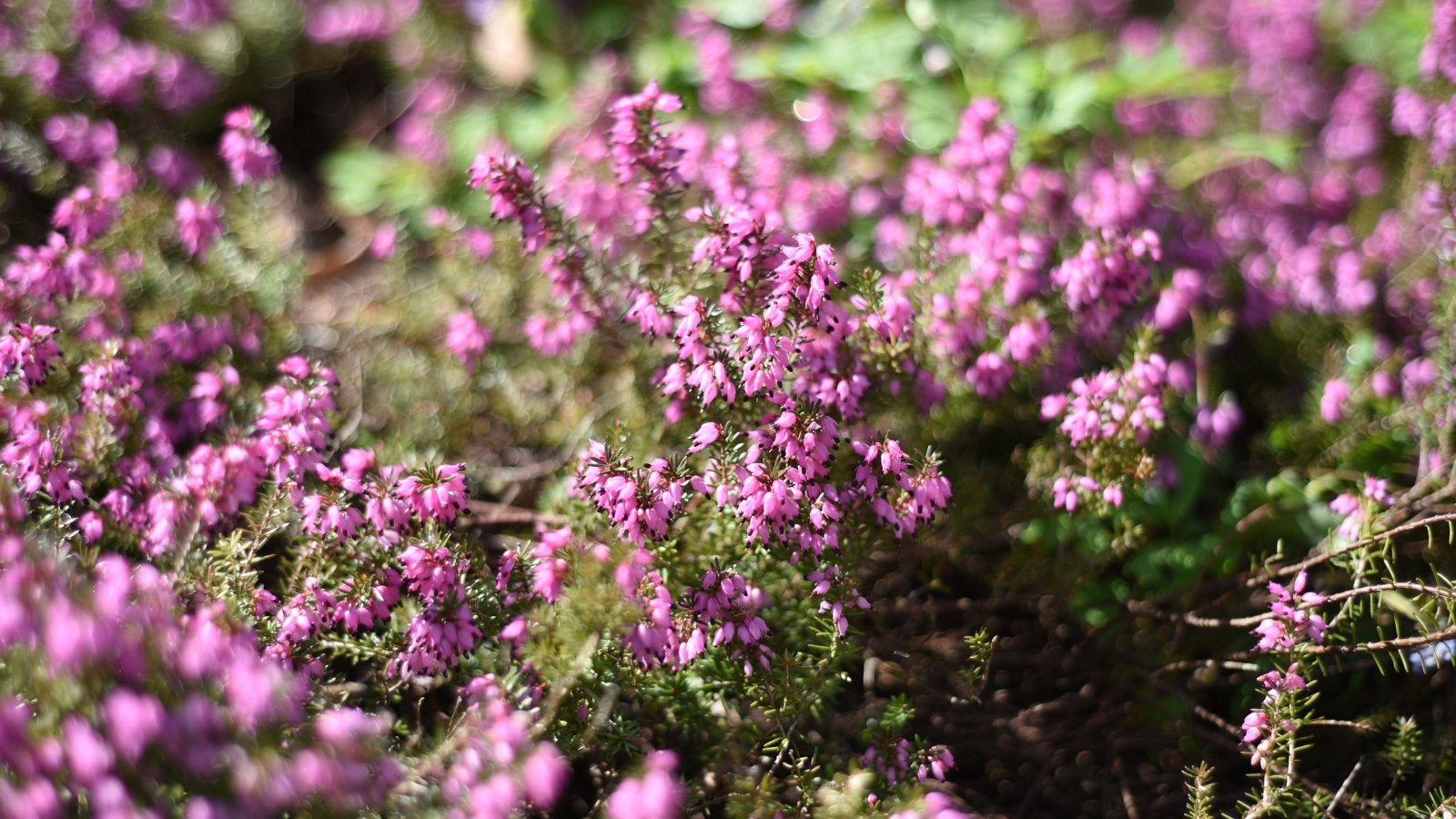
9. Winter Heath (Erica carnea) forms low, spreading carpets that bloom when snow is still on the ground.
- Sun: Full sun to partial shade
- Height: 6”–1’
- Zones: 7–9
- Why Grow It: Season-long color in pink, purple, or white; perfect for borders and slopes.
- Pro Tip: Lightly shear after bloom; avoid cutting deep into old wood.
Architectural Grasses for Year-Round Drama

10. Pampas Grass (Cortaderia selloana) holds its silky plumes through winter and makes free indoor decor.
- Sun: Full sun to partial shade
- Height: 6–12’
- Zones: 6–10
- Why Grow It: Wind-tossed winter texture and dramatic height in the landscape.
- Pro Tip: Check your state’s list—invasive in parts of the West; choose non-invasive alternatives where restricted.
Bulbs and Corms That Laugh at Frost
Plant in Fall for Late-Winter Cheer
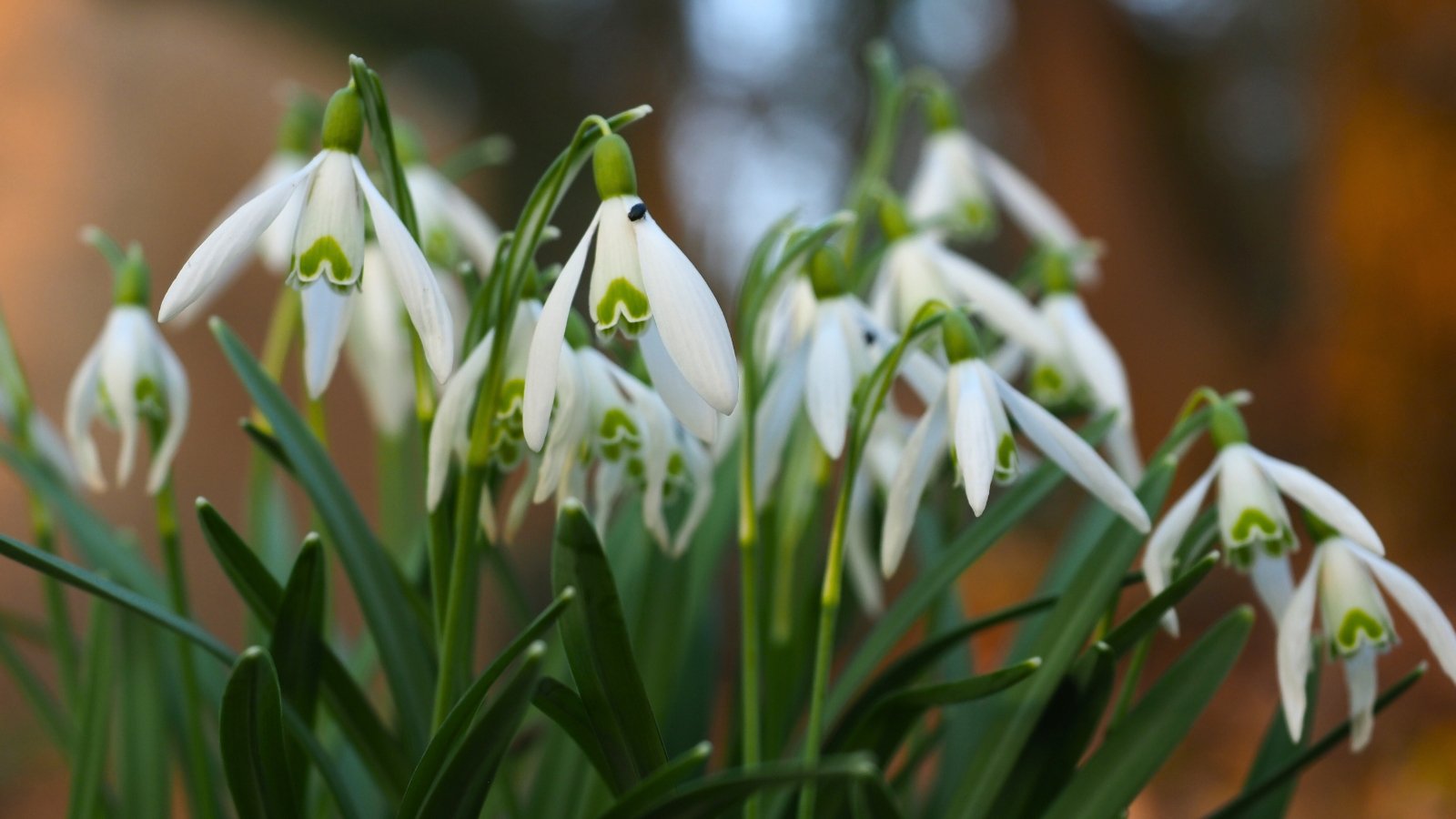
11. Snowdrop (Galanthus nivalis) is the classic first sign of spring, often pushing right through snow.
- Sun: Full sun to partial shade
- Height: 4–10”
- Zones: 3–9
- Why Grow It: Naturalizes beautifully under trees and in lawns.
- Pro Tip: Plant “in the green” or divide clumps after bloom to spread quickly.
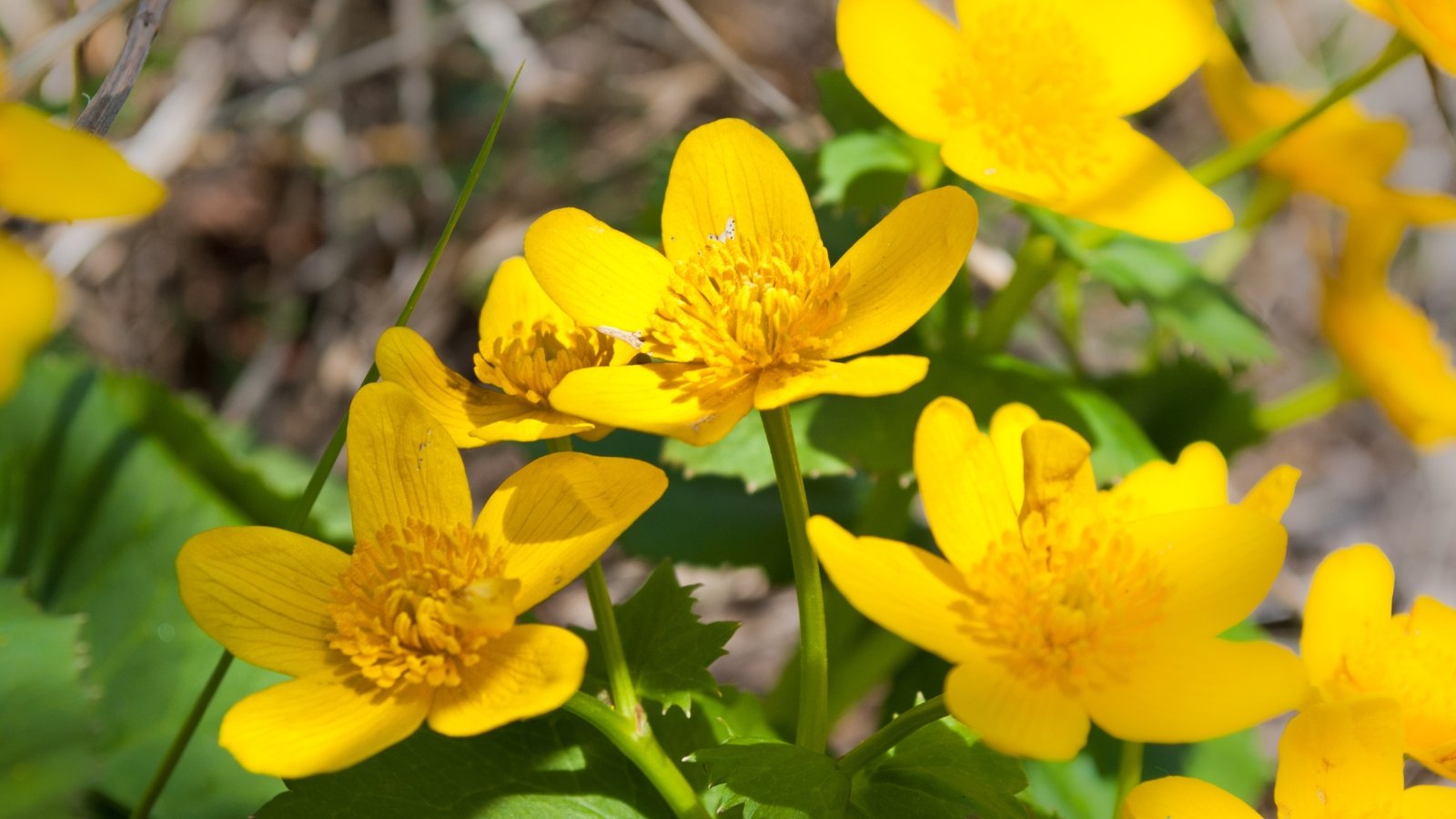
12. Winter Aconite (Eranthis hyemalis) dots the ground with glowing yellow cups in late winter.
- Sun: Full sun to partial shade
- Height: 3–6”
- Zones: 3–7
- Why Grow It: Early-season color that pairs beautifully with snowdrops.
- Pro Tip: Highly toxic; wear gloves and keep pets and kids away.

13. Crocus (Crocus spp.) brings purple, white, and yellow cups from cold-hardy corms; some even flower in fall.
- Sun: Full sun to partial shade
- Height: 2–6”
- Zones: 3–8
- Why Grow It: Late-winter bloom; fall-blooming saffron crocus offers edible stigmas.
- Pro Tip: Harvest saffron stigmas (deep orange threads) and dry gently for culinary use.
Early Spring Showstoppers
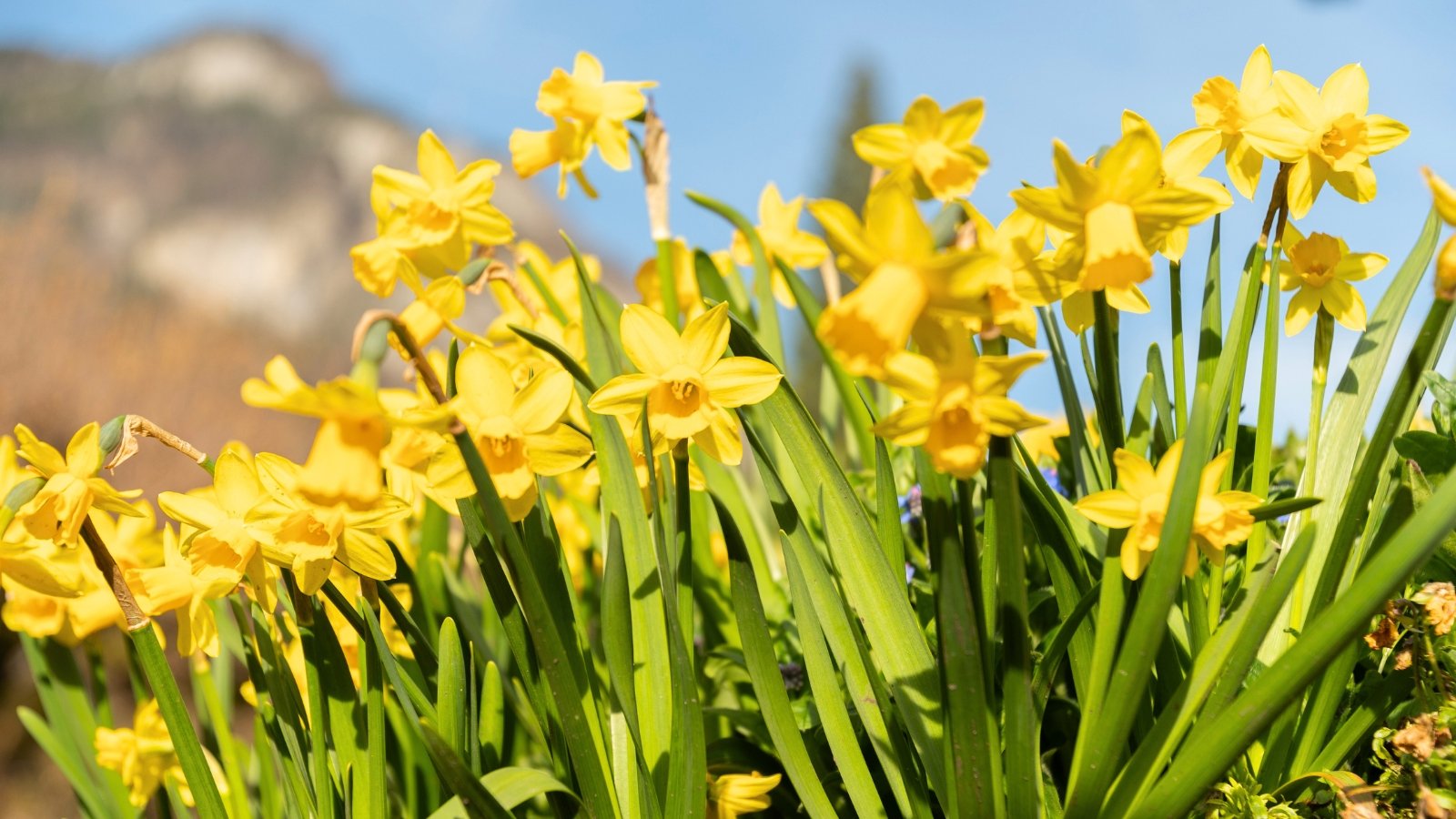
14. Daffodil (Narcissus spp.) thrives in cool months, then rests over summer—reliable and cheerful.
- Sun: Full sun to partial shade
- Height: 6”–2.5’
- Zones: 3–9
- Why Grow It: Species types naturalize better than some hybrids.
- Pro Tip: Let foliage die back naturally to feed bulbs for next year.
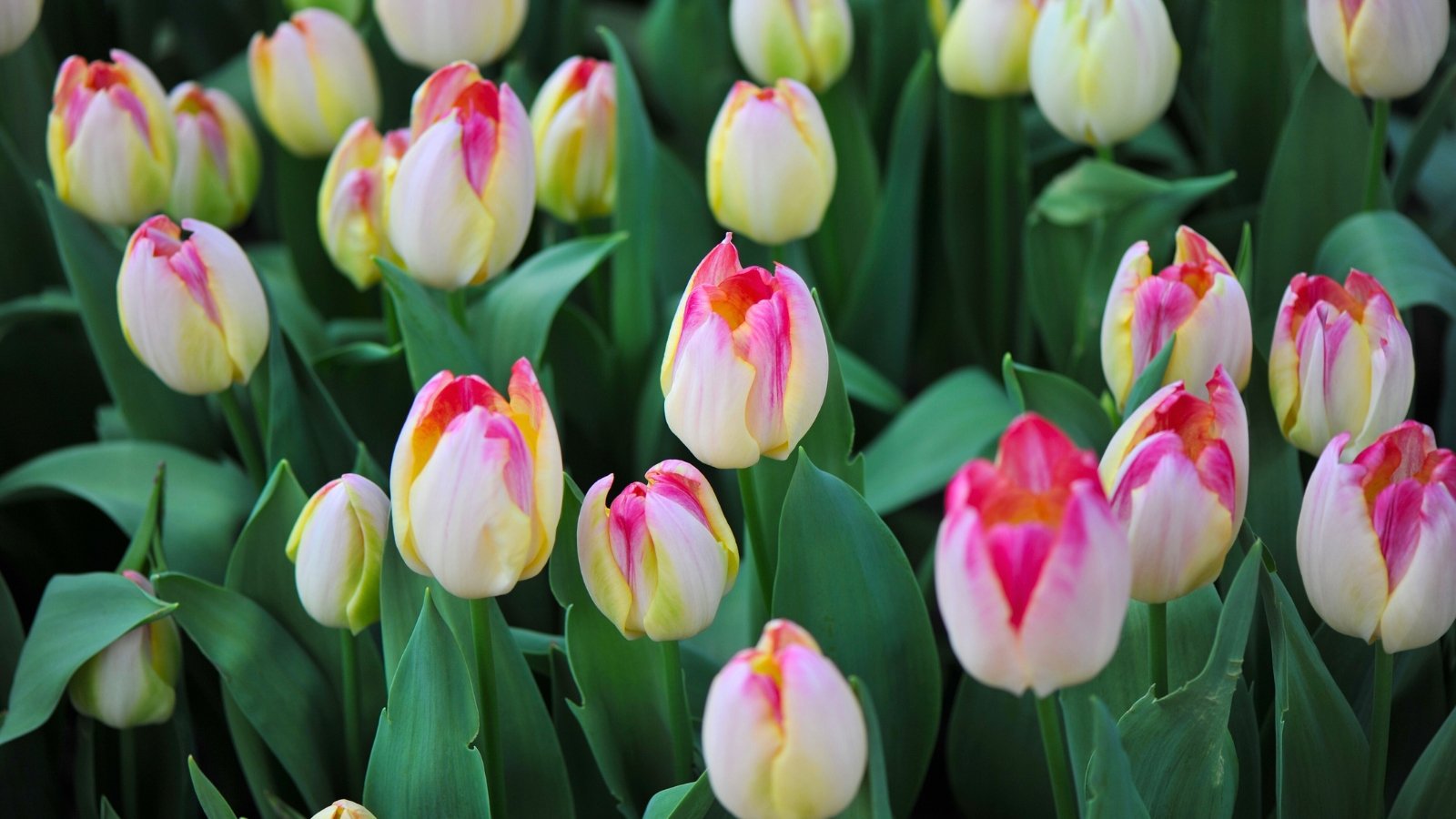
15. Tulip (Tulipa spp.) offers every color and form, from frilly to cup-shaped, and stands up to late storms.
- Sun: Full sun
- Height: 4”–2.5’
- Zones: 3–8
- Why Grow It: Unbeatable spring spectacle; best in rich, well-drained soil.
- Pro Tip: In warm climates, pre-chill bulbs in the fridge before planting.

16. Spring Snowflake (Leucojum vernum) looks like a bigger, later snowdrop—pure charm with fresh green leaves.
- Sun: Full sun to partial shade
- Height: 8”–1.5’
- Zones: 4–8
- Why Grow It: Lush clumps and elegant bells that bridge winter into spring.
- Pro Tip: Combine with snowdrops to create a glowing moon garden.
Tiny But Mighty Naturalizers
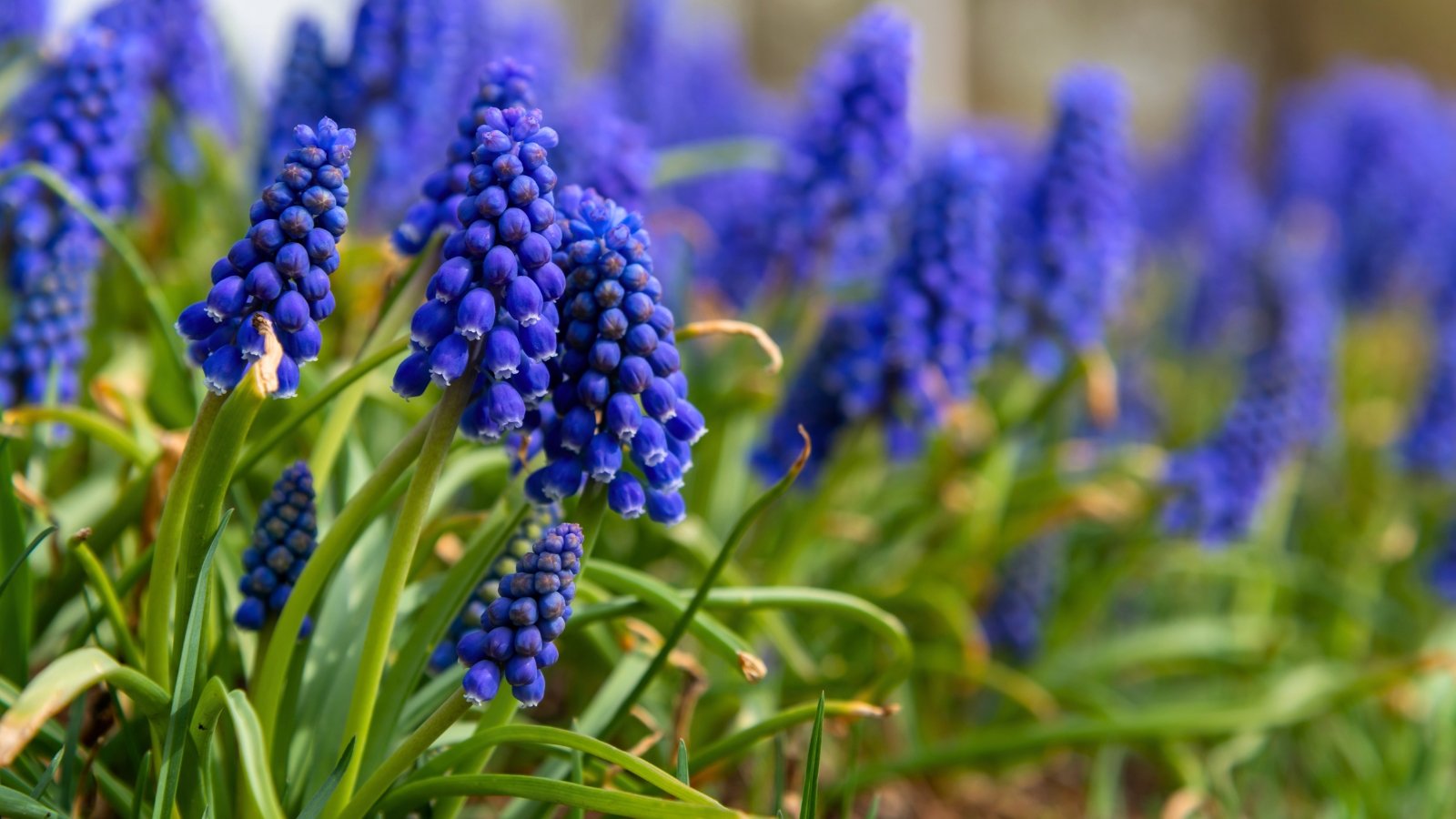
17. Muscari (Muscari spp.) forms ribbons of blue that return and multiply with minimal care.
- Sun: Full sun to partial shade
- Height: 6–9”
- Zones: 4–8
- Why Grow It: Naturalizes into generous clumps; blooms pair well with tulips and daffodils.
- Pro Tip: Only the flowers are edible; bulbs/leaves are toxic raw. Try infusing blooms in vinegar for dressings.
Saffron and Edible Blooms
- Crocus sativus (Saffron): Harvest stigmas at dawn, dry on paper, and store airtight.
- Muscari blooms: Use sparingly for tea or vinegar infusions; avoid all other plant parts.
- Safety first: Always confirm species and edibility before tasting garden flowers.
Cool-Season Perennials and Annuals for Beds and Pots
Fall-to-Winter Flower Machines
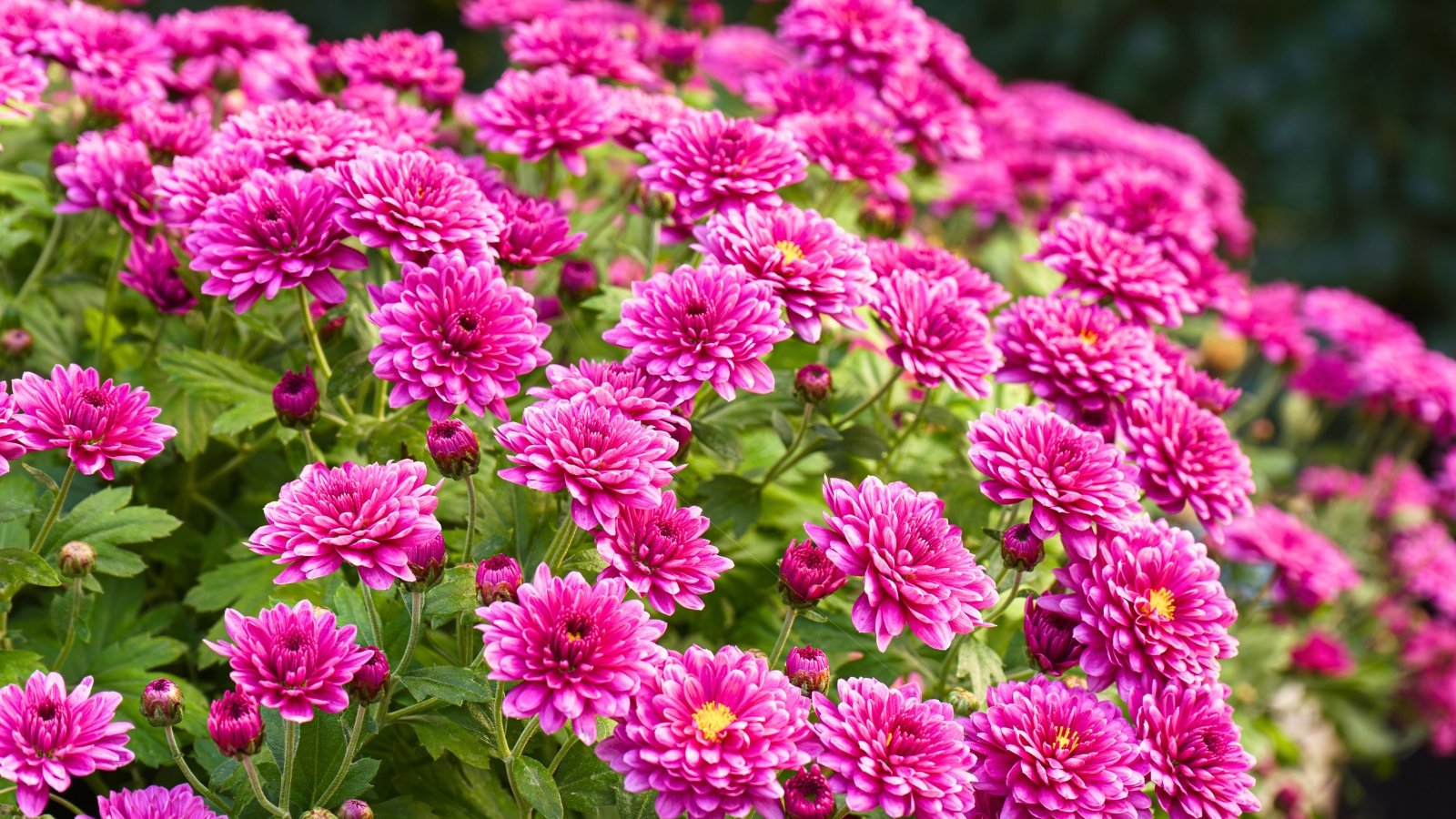
18. Chrysanthemum (Chrysanthemum spp.) delivers dense mounds of color in classic fall shades.
- Sun: Full sun to partial shade
- Height: 2–4’
- Zones: 3–9
- Why Grow It: Some cultivars bloom so heavily you can’t see the leaves.
- Pro Tip: For perennials, plant at least 2 months before first frost so they root in for winter.
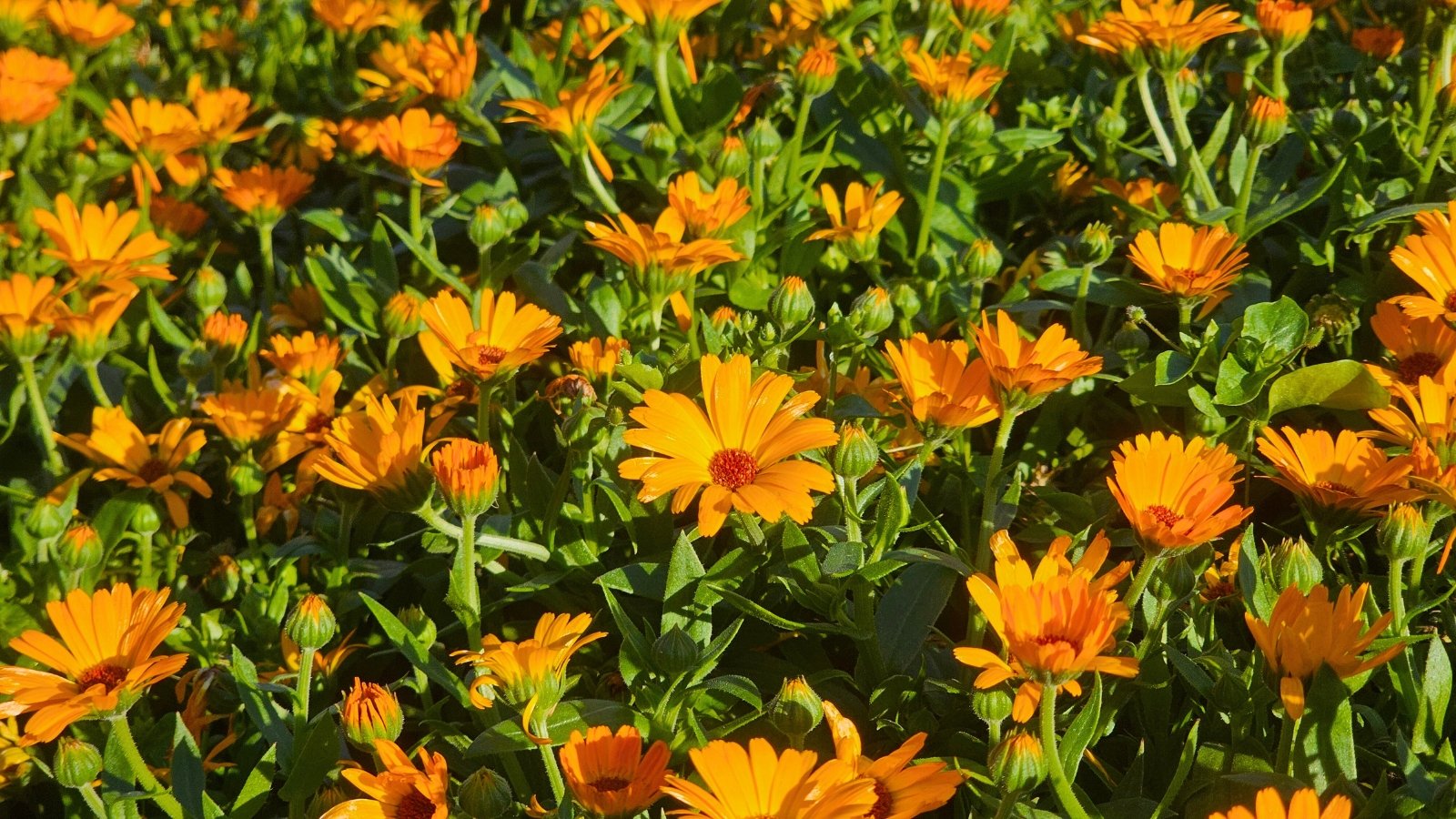
19. Calendula (Calendula officinalis) is frost-hardy, long-blooming, and its petals are edible.
- Sun: Full sun to partial shade
- Height: 1–2’
- Zones: 9–11 (cool-season annual elsewhere)
- Why Grow It: Bright fall/winter color; try pink-apricot ‘Zeolights’.
- Pro Tip: Mulch heavily before deep freezes to buffer soil and protect roots.
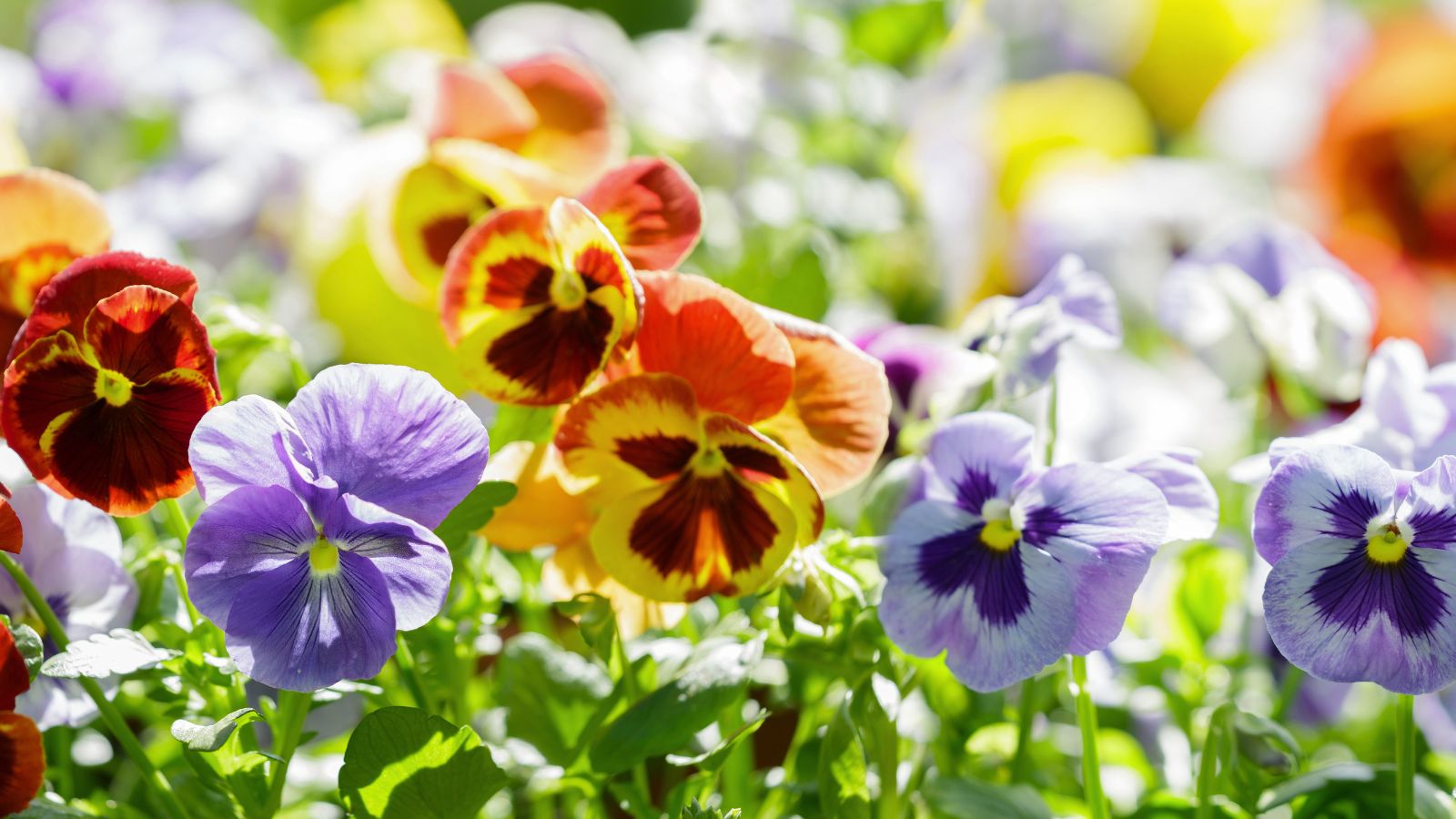
20. Pansy (Viola x wittrockiana) pops with painterly faces through frost and light freezes.
- Sun: Full sun to partial shade
- Height: 4–9”
- Zones: 6–10 (often used as a cool-season annual)
- Why Grow It: Instant color in containers and beds; perfect for entryways. For a full list of frost-tolerant annuals that thrive in cold weather, check out Costa Farms’ guide to 12 Annual Flowers That Can Take the Cold.
- Pro Tip: Protect from intense afternoon sun as weather warms.

21. Viola (Viola spp.) is even tougher than pansies, with many native options for four-season resilience.
- Sun: Full sun to full shade
- Height: 5–7”
- Zones: 1–10 (varies by species)
- Why Grow It: Low, cute-as-buttons color; many species thrive in partial shade.
- Pro Tip: In hot summers, give afternoon shade to extend life.
Shade-Loving Winter Beauties

22. Hellebore (Helleborus x hybridus) anchors shade gardens with long-lived, nodding blooms in moody hues.
- Sun: Partial to full shade
- Height: 1–2’
- Zones: 4–9
- Why Grow It: Evergreen foliage and winter blooms under trees and shrubs.
- Pro Tip: Loves rich, well-drained soil; avoid waterlogged sites.

23. Cyclamen (Cyclamen spp.) sends up pink or purple flowers before the leaves—dramatic and delightful.
- Sun: Partial to full shade
- Height: 4”–1’
- Zones: 4–11 (hardiness varies by species)
- Why Grow It: Eye-catching winter bloomers; try hardy C. hederifolium outdoors.
- Pro Tip: Keep Persian cyclamen indoors for reliable winter bloom on a cool windowsill.
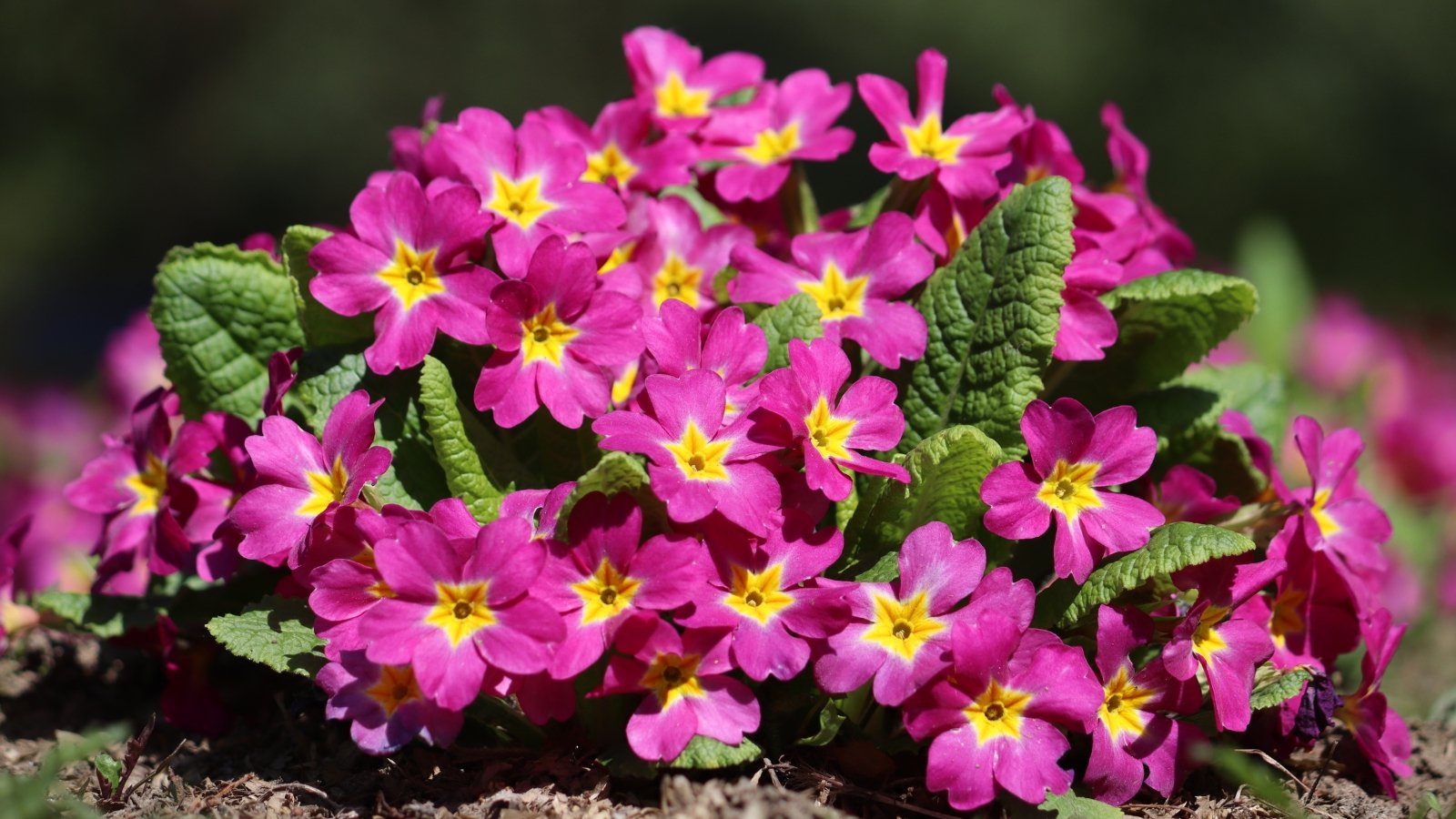
24. English Primrose (Primula vulgaris) is a classic for winter beds, with species tones and modern rainbow hybrids.
- Sun: Partial shade
- Height: 3–6”
- Zones: 4–8
- Why Grow It: Clumps return and expand; fantastic edging color.
- Pro Tip: Divide every 2–3 years to refresh vigor and multiply plants.
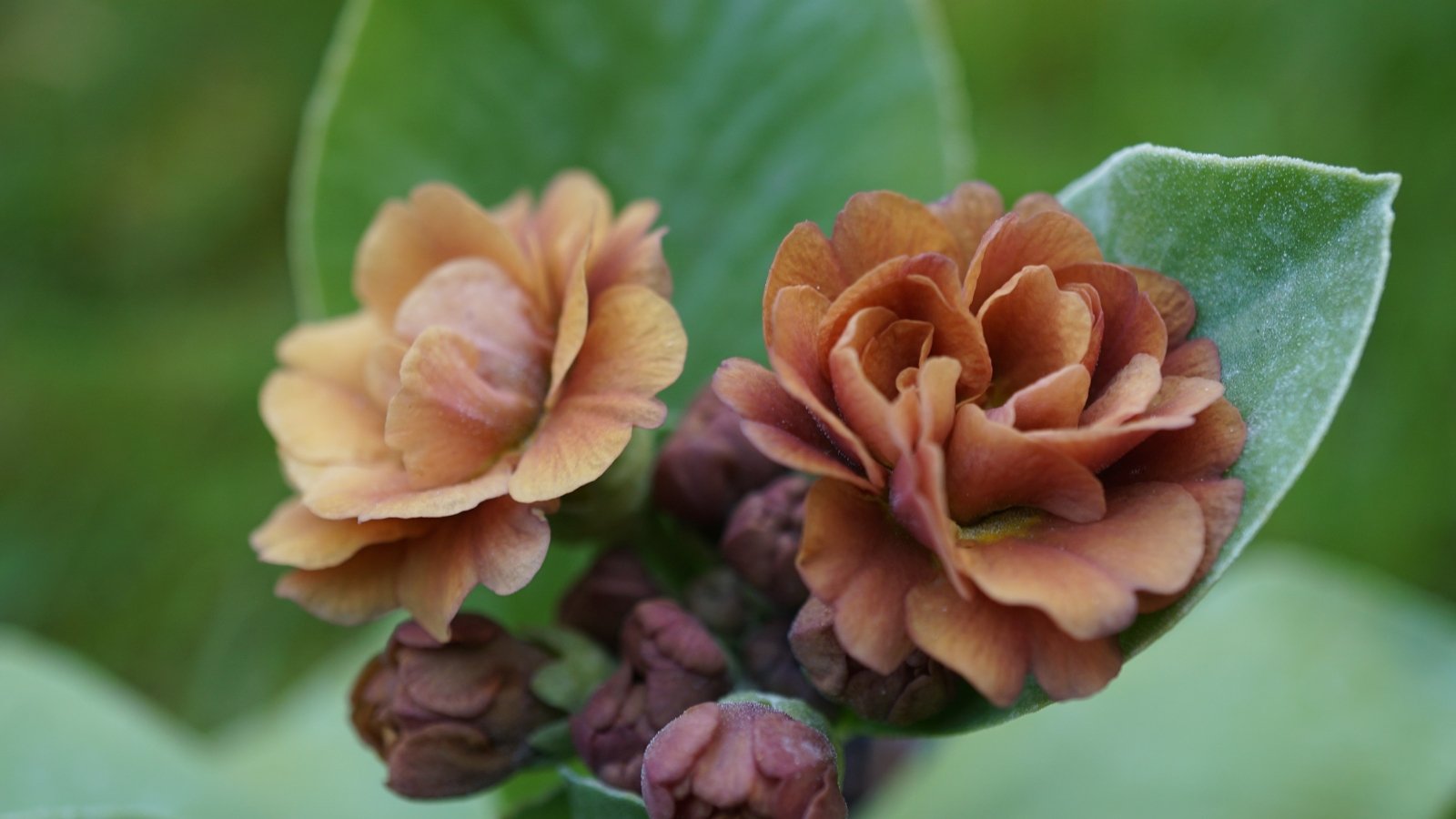
25. Mountain Cowslip (Primula auricula) is a charming alpine primula with exquisite blooms.
- Sun: Partial shade
- Height: 6–8”
- Zones: 2–9
- Why Grow It: Rare colors and neat rosettes suit rock gardens and containers.
- Pro Tip: Needs excellent drainage—think gritty, alpine mixes.
Dry, Tough, and Textured

26. Sedum ‘Autumn Joy’ (Hylotelephium spectabile) holds pink flower heads that age beautifully into winter.
- Sun: Full sun
- Height: 1.5–2’
- Zones: 3–10
- Why Grow It: Succulent foliage and long-lasting flower heads add structure.
- Pro Tip: Give it 6+ hours of sun so stems don’t flop.

27. Spurge ‘Ascot Rainbow’ (Euphorbia x martinii) unfurls quirky, lime-and-red bracts through the cool months.
- Sun: Full sun to partial shade
- Height: 1–3’
- Zones: 6–9
- Why Grow It: Four-season foliage and winter bloom interest.
- Pro Tip: Wear gloves when pruning; milky sap is toxic and irritating.
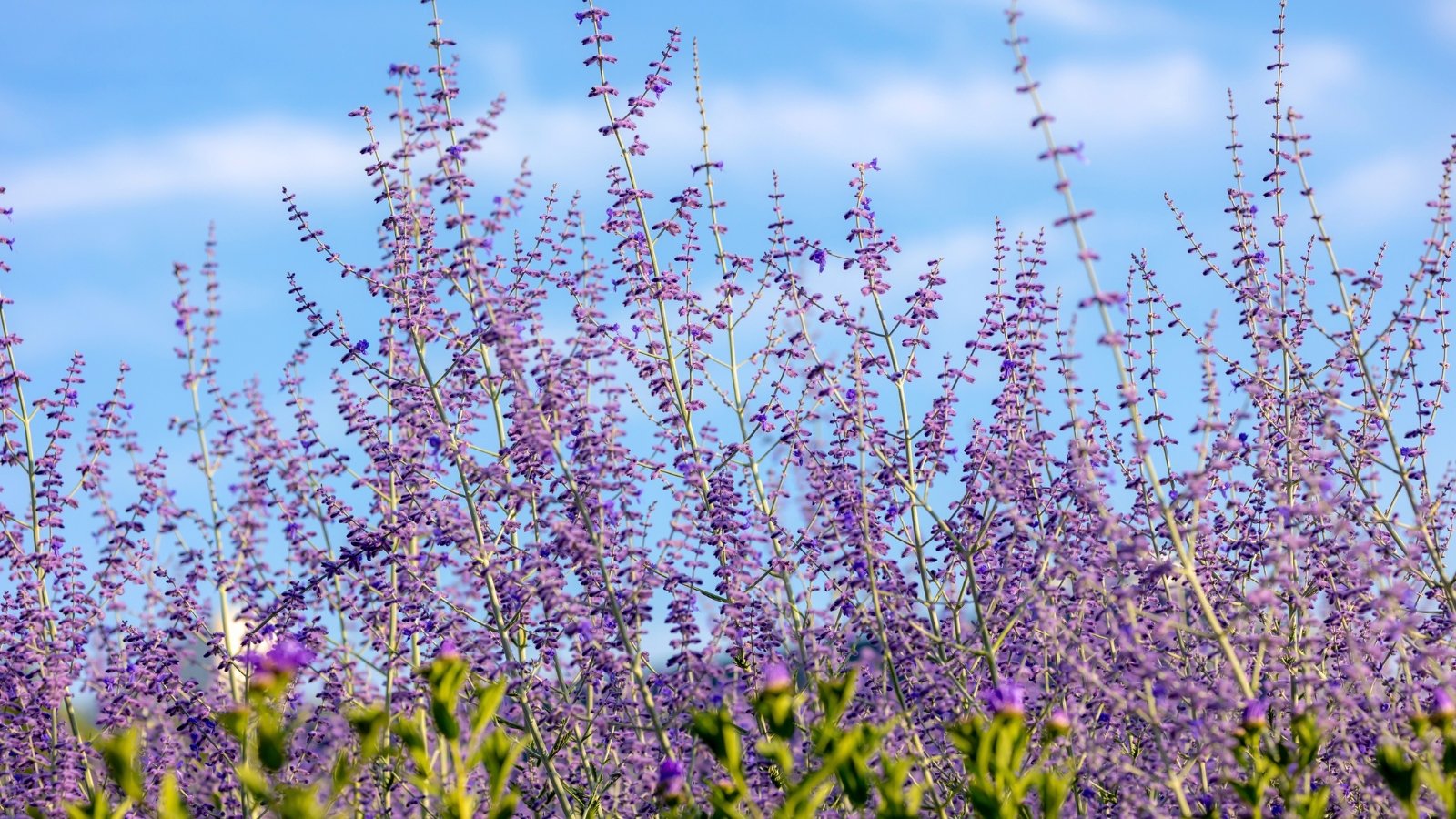
28. Russian Sage (Salvia yangii) perfumes the path and keeps airy lavender wands into winter.
- Sun: Full sun
- Height: 2–4’
- Zones: 5–9
- Why Grow It: Aromatic foliage and long bloom season; formerly known as Perovskia.
- Pro Tip: Cut back in early spring when new growth appears.
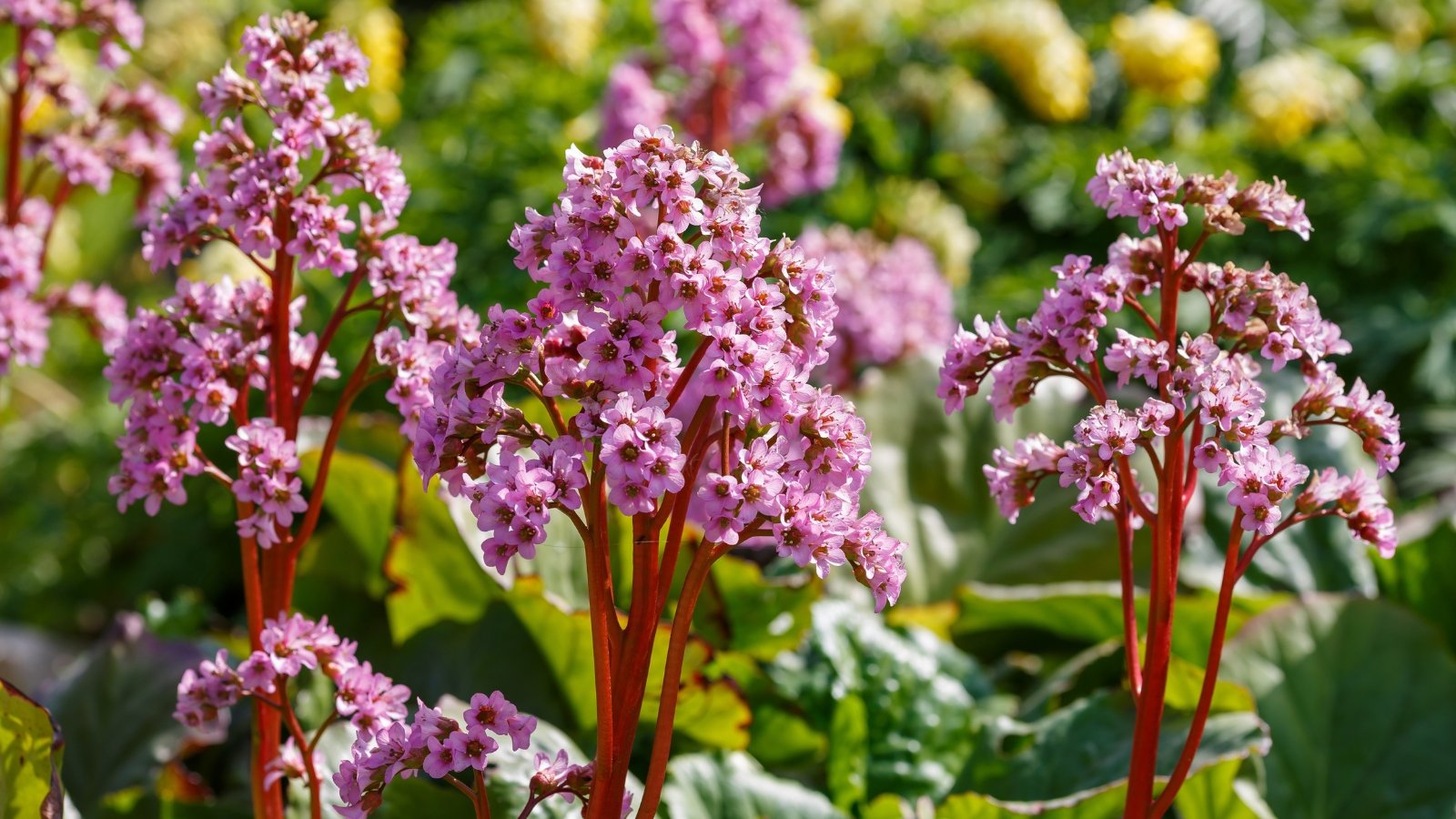
29. Pigsqueak (Bergenia crassifolia) earns its name—rub a leaf and it squeaks! Winter chill tints foliage red.
- Sun: Full sun to full shade
- Height: 1–1.5’
- Zones: 3–8
- Why Grow It: Evergreen leaves and pink blooms in late winter to spring.
- Pro Tip: Likes moisture but well-drained soil to avoid root rot.
Native Asters and Friends

30. American Aster (Symphiotrichum spp.) carries the garden from late fall into early winter, feeding birds with seedheads.
- Sun: Full sun to partial shade
- Height: 2–5’
- Zones: 3–9
- Why Grow It: Over 100+ species with broad color range; native vigor.
- Pro Tip: Buy asters labeled Symphiotrichum (perennial) rather than annual China asters.
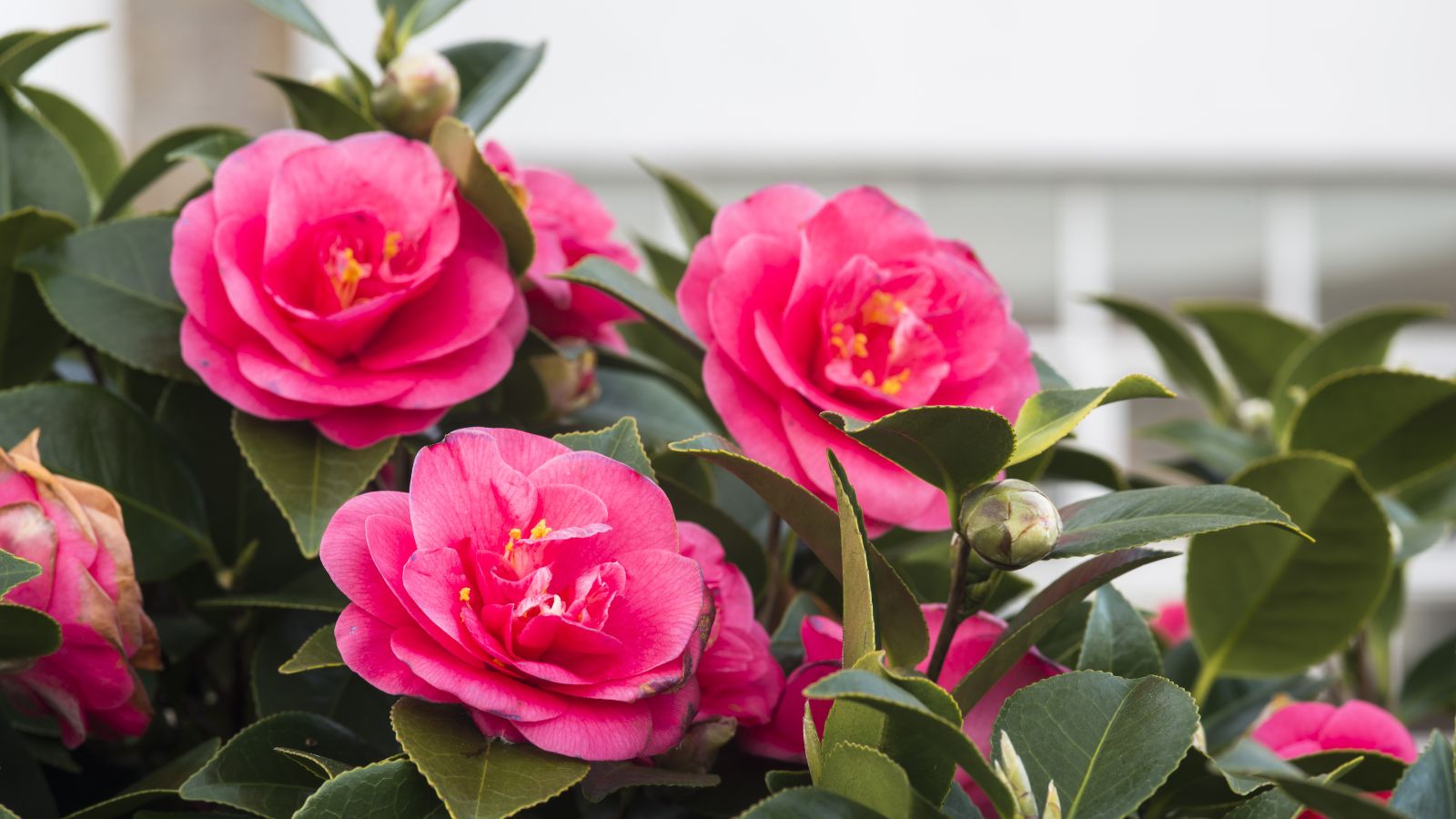
31. Tea-Oil Camellia (Camellia oleifera) is tougher than many camellias, but buds can still drop if stressed.
- Sun: Partial shade
- Height: 10–20’
- Zones: 6–9
- Why Grow It: Aromatic white, pink, or red blossoms; seeds are pressed for culinary oil.
- Pro Fix: Protect from freezing winds, water during winter dry spells, and avoid warm spells followed by sharp freezes (use burlap screens when needed).
Planting, Protection, and Care Playbook
Soil, Mulch, and Drainage
Winter success starts below-ground. Aim for well-drained soil amended with compost and cover exposed soil with 2–3 inches of mulch.
- Bulbs: Plant at 2–3x bulb height deep and water in well.
- Woody shrubs: Keep mulch a few inches away from trunks to prevent rot.
- Alpines: Use gritty mixes and sloped sites for drainage.
Watering and Fertilizing in the Cold
Plants still transpire in winter. Water deeply during dry spells when soil isn’t frozen, and go light on fertilizer.
- Containers: Check moisture weekly; cold winds desiccate faster than you think.
- Perennials: Feed with slow-release or compost in early spring, not late fall.
- Bulbs: Avoid heavy nitrogen; it pushes foliage at the expense of flowers.
Pruning Calendar That Saves Your Blooms
Prune on the wrong date and you cut off next year’s flowers. Follow the bloom-then-prune rule for old-wood bloomers.
- Forsythia & Witch Hazel: Prune right after flowering.
- Pussy Willow: Trim after catkins for height control.
- Russian Sage & Sedum: Clean up in early spring to retain winter structure.
Containers and Small-Space Strategies
Containers let you stage color where you actually see it—by doors and paths. For indoor container bloomers, learn how to get your Thanksgiving cactus to flower on time and brighten winter windowsills. Group pots for wind protection and visual mass. For gardeners seeking container-ready options, Shifting Roots offers Fearless Frost-Proof Flowers that stay vibrant throughout winter.
- Best In Pots: Pansy, viola, cyclamen, primrose, hellebore, and small bulbs like crocus and snowdrops.
- Drainage: Use frost-proof pots with big drainage holes and raised feet.
- Design: Mix thrillers (hellebores) with fillers (violas) and spillers (winter jasmine on a mini obelisk).
Fix-It Fast: Troubleshooting Winter Flowers
Frost Burn, Flop, or Rot
- Leaves burn after cold snaps: Add a winter mulch, use windbreaks, and water during thaw periods.
- Plants flop in snow/ice: Stake loosely in fall or let stems stand (sedum, grasses) for structure and wildlife habitat.
- Bulb rot: Improve drainage, raise beds, and avoid overwatering in cold, wet soil.
Pests and Pet Safety
- Toxic sap (spurge): Wear gloves; avoid skin/eye contact.
- Highly toxic plants (winter aconite): Keep out of reach of children and pets; wash hands after handling.
- Edible blue berries (Oregon grape): Tart but great for jelly with added sugar.
- Deer/rabbits: Choose tougher textures (hellebore, euphorbia) or protect with netting.
Quick-Start Checklist + Summary Table
- Pick your palette: Combine white (snowdrops), yellow (winter aconite, forsythia), and jewel tones (viola, hellebore).
- Stagger seasons: Fall bloom (some crocus) → winter bloom (witch hazel, jasmine) → early spring bulbs (daffodil, tulip).
- Layer heights: Trees/shrubs (camellia, witch hazel) + mid-perennials (hellebore, sedum) + edging bulbs (muscari, snowdrops).
- Mulch smart: 2–3 inches of compost; keep stems and trunks clear.
- Prune on time: Old-wood bloomers right after flowering; structural perennials in early spring.
| Zone | Top Winter Picks | Notes |
|---|---|---|
| 2–4 | Forsythia, Witch Hazel, Muscari, Snowdrop, Viola | Lean on ultra-hardy natives and bulbs; mulch deeply. |
| 5–6 | Hellebore, Andromeda, Pansy, Calendula, Russian Sage | Great balance of shrubs, perennials, and cool-season color. |
| 7–8 | Daphne, Camellia, Winter Jasmine, Primrose, Winter Heath | Protect buds from erratic warm/cold swings; prune post-bloom. |
| 9–10 | Calendula, Viola, Pansy, Pampas Grass | Cool-season annuals bloom for months; check invasiveness of grasses. |
Smart gardening mindset: Work with your winter, not against it—choose hardy plants for your zone, build healthy soil, mulch for protection, and prune on schedule. The result is a garden that’s alive with color, fragrance, and texture all winter long.
Have a winter-blooming favorite or a tip we missed? Join the conversation at Plant Care Dairy—drop your questions and photos in the comments so we can grow better together.
Disclaimer: Gardening outcomes vary by climate, site, and plant selection. Always verify plant hardiness for your USDA zone, check local invasive species guidelines, and confirm edibility/toxicity before handling or consuming any plant parts. Wear gloves when working with plants that exude irritating sap.