
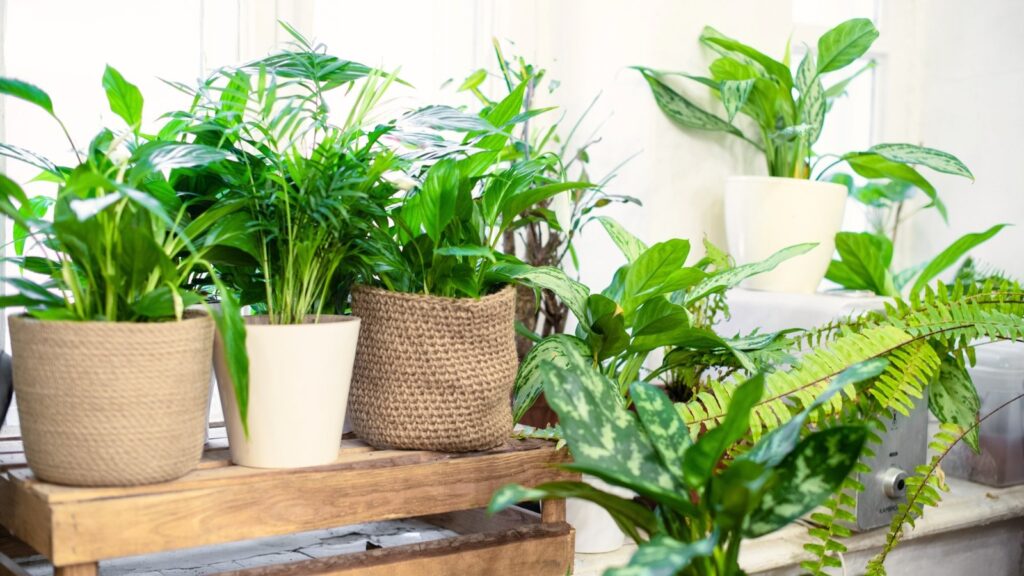
If you’ve ever priced out trendy houseplants, you know an indoor jungle can get expensive fast. I’ve learned that you don’t need rare plants or designer pots to get that lush, floor-to-ceiling green look you see on social media.
In this guide, I’ll walk you through 13 affordable, easy-to-find houseplants that grow quickly, fill space, and are forgiving if you’re not a perfect plant parent. You’ll also see how to mix heights, textures, and colors, plus a simple checklist and table you can reference when you’re planning your own budget-friendly jungle.
Think of this as your shortcut to a dense, vibrant indoor oasis — without draining your bank account or your energy.
Why Budget-Friendly Jungle Plants Make Sense

The Real Cost Of An Indoor Jungle
When you first get into houseplants, it’s tempting to chase rare varieties and limited-edition hybrids. I’ve done that, and I quickly realized expense usually tracks rarity, not beauty or usefulness.
For a true jungle look, you need volume and variety, not just a few pricey specimens. Cheap, common plants tend to be:
- Widely available: You’ll find them at grocery stores, garden centers, and big-box retailers.
- Fast-growing: They fill vertical and horizontal space quickly, which is exactly what you want.
- Easy to propagate: A few starter plants can become dozens with some cuttings and patience.
- More forgiving: Beginner mistakes with water or light are less likely to be fatal.
How I Filled a Room Without Emptying My Wallet
I once moved into a small, very plain apartment with huge windows and white walls. I wanted that jungle vibe immediately but didn’t have the budget for collector plants.
Instead, I started with a few pothos, spider plants, and palms from a discount rack and a big-box store. If you’re looking for more creative ways to design an indoor jungle without spending a fortune, check out this guide on creating lush indoor jungles for less. I propagated cuttings in water, tucked rooted babies into upcycled containers, and within a year, that blank room was overflowing with vines, ferns, and tall foliage — all for the cost of one “rare” plant I almost bought.
That experience taught me that smart plant choices and styling matter far more than price tags.
Quick-Growing Vs. Slow Collectors
If your goal is a jungle look, I suggest prioritizing plants that are:
- Large at maturity: Palms, money trees, and big-leaf plants fill vertical space and corners quickly.
- Trailing or climbing: Vines like pothos and philodendron soften shelves, windows, and high spots.
- Bushy fillers: Ferns, peace lilies, and patterned foliage plants make the mid- and lower levels look dense.
For a detailed list of affordable, fast-growing plants that help achieve that dense jungle look, this guide on cheap houseplants is incredibly helpful.
Slow-growing, rare plants can still be fun, but I treat them as “accent pieces.” The plants in this article are your workhorses for that instant-jungle backdrop.
Fast-Growing Vines And Trailers To Soften Every Edge
1. Golden Pothos (Epipremnum aureum)

Golden pothos is the quintessential cheap, easy, and almost impossible-to-kill houseplant. I see it everywhere plants are sold, and I’ve lost track of how many cuttings I’ve given away in jars of water.
- Botanical name: Epipremnum aureum
- Light: Bright indirect light; tolerates medium light. To make sure your indoor vines get the right light exposure, you can read more about ideal grow light duration for indoor plants.
- Height/length: 6–10+ feet of trailing or climbing vines
- Hardiness zones (outdoors): 10–12
I recommend golden pothos when you want fast, lush coverage on shelves, bookcases, and hanging baskets. Water when the top inch of soil is dry and feed lightly about once a month during active growth.
With a moss pole or trellis, it will climb; in a hanging pot, it will trail gracefully. Either way, it gives you that instant “jungle drape” for very little effort or money.
2. Spider Plant (Chlorophytum comosum)

A spider plant is another budget-friendly classic that practically grows more plants for you. With enough light, it sends out long arching stems studded with baby “spiders” you can root in water or soil.
- Botanical name: Chlorophytum comosum
- Light: Bright indirect, but tolerates medium light
- Height: 12–24 inches, with longer arching stems
- Hardiness zones (outdoors): 9–11
- Toxicity: Considered non-toxic to pets and people
I like spider plants in hanging baskets or on high shelves where their foliage can drape naturally. Keep the soil slightly moist but never soggy, and they’ll reward you with a constant stream of new plantlets.
They’re also known as good air-purifying plants, making them a smart choice for bedrooms, offices, and living rooms.
3. Heartleaf Philodendron (Philodendron hederaceum)

Heartleaf philodendron is one of my favorite cheap jungle plants. While some philodendrons can be pricey, this one is usually very affordable, easy to find, and incredibly forgiving.
- Botanical name: Philodendron hederaceum
- Light: Bright indirect light; partial to full shade tolerated
- Height/length: 2–6 feet of trailing vines
- Hardiness zones (outdoors): 11–12
Heartleaf philodendron grows quickly, with glossy, heart-shaped leaves that instantly read as “tropical.” I often tuck cuttings into mixed planters or along window ledges and let them spill down for a soft, layered look.
It prefers moderate watering but will tolerate a bit of neglect, bouncing back quickly once you resume care. If you’re new to vining plants, this one is a low-stress, high-impact choice.
Tall Statement Plants To Create That Jungle Canopy
4. Money Tree (Pachira aquatica)

A money tree is a classic budget-friendly statement plant that instantly adds height and a soft, leafy canopy. I love giving these as housewarming gifts because they symbolize luck and prosperity.
- Botanical name: Pachira aquatica
- Light: Bright indirect; tolerates medium light
- Height indoors: About 1–6 feet
- Hardiness zones (outdoors): 10–12
- Toxicity: Generally considered pet-friendly
Outdoors in warm climates, these can reach up to 60 feet, but indoors they stay compact enough for most rooms. They appreciate humidity, like most tropicals, so I often group them with other moisture-loving plants.
They do need a bit more attention than pothos or spider plants, but with consistent watering and good light, they’re long-lived and incredibly attractive.
5. Palm-Style Drama: Areca Palm & Cat Palm

If you want that instant “tropical vacation” feel, areca palms and cat palms deliver it on a budget. Their feathery fronds create movement and soft shadows that make a room feel alive.
- Areca Palm (Chrysalidocarpus lutescens)
- Light: Bright indirect light
- Height indoors: 6–30 feet with time
- Hardiness zones (outdoors): 10–11
- Toxicity: Non-toxic to pets and people
- Cat Palm (Chamaedorea cataractarum)
- Light: Bright indirect light
- Height indoors: 3–8 feet
- Hardiness zones (outdoors): 10–11
- Toxicity: Non-toxic to pets and people
Cat palms are steady growers that happily fill a bright corner without demanding constant attention. Arecas often grow faster and taller, perfect for creating that upper “canopy” layer of foliage.
Keep their soil lightly moist, avoid cold drafts, and they’ll reward you with lush fronds that instantly upgrade any space.
6. Architectural Foliage: Snake Plant (Dracaena trifasciata)

Snake plants are some of the cheapest, toughest, and lowest-maintenance houseplants I’ve grown. Their stiff, upright leaves add striking vertical lines that contrast beautifully with softer foliage.
- Botanical name: Dracaena trifasciata
- Light: Bright indirect preferred; tolerates lower light
- Height: 6 inches to 4 feet
- Hardiness zones (outdoors): 10–12
- Toxicity: Mildly toxic to pets if ingested
These plants have a succulent nature and prefer a bit of neglect. I water mine every two to three weeks at most, and the fastest way to kill one is to keep the soil soggy.
Snake plants also have air-purifying benefits, so I like using them in bedrooms and offices as sculptural accents.
7. Low-Fuss Dracaena (Dracaena spp.)

Dracaena species are great for adding height and style without adding effort. They’re widely available, usually inexpensive, and come in several variegated forms that add extra interest.
- Botanical name: Dracaena spp.
- Light: Bright indirect light; adaptable to a range of conditions
- Height: 2–10 feet indoors over time
- Hardiness zones (outdoors): 10–12
They’re slow growers but eventually form tall, tree-like plants that are perfect for flanking furniture or filling awkward corners. I appreciate that they don’t need frequent watering or fussing.
If you’re short on time but want that layered, multi-height jungle look, dracaena is a fantastic pillar plant to rely on.
Bushy Floor Fillers For Lush, Low-Level Greenery
8. Peace Lily (Spathiphyllum spp.)
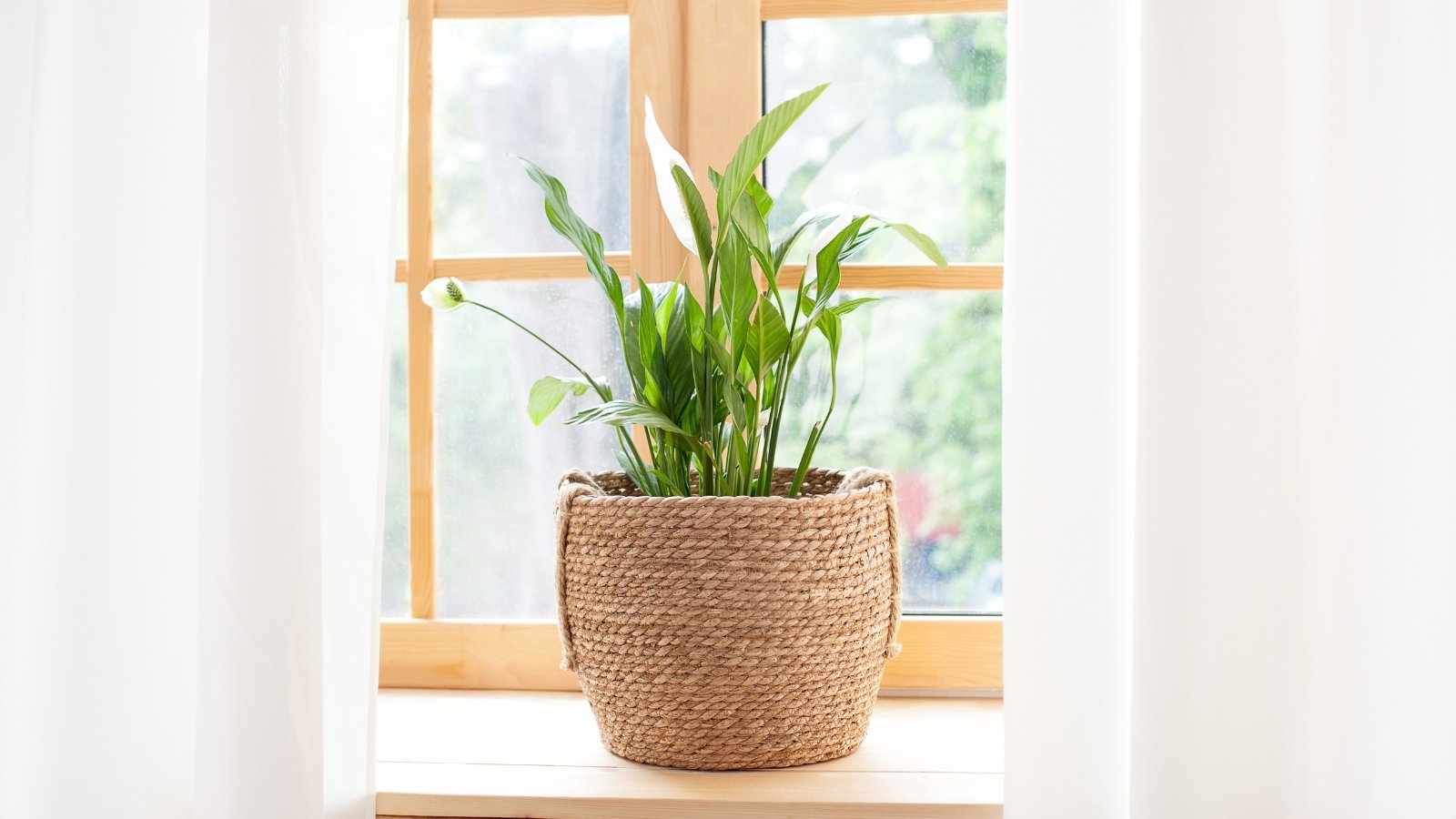
Peace lilies are classic, budget-friendly houseplants that instantly add a lush, deep green backdrop. Their large, glossy leaves and simple white blooms bring a calming, jungle-understory vibe to any room.
- Botanical name: Spathiphyllum spp.
- Light: Bright indirect for best growth; tolerates lower light
- Height: 1–3 feet
- Hardiness zones (outdoors): 10–12
- Toxicity: Toxic to pets and humans if ingested
They’ll survive in lower light, but flowering is best in brighter, indirect light. The flowers are actually white spathes surrounding a cream-colored spadix, and they look beautiful against the dark foliage.
Peace lilies are also great “communicator” plants — when they droop, they’re thirsty. A good watering perks them right back up, which makes them perfect if you’re still learning your watering rhythm.
9. Classic Boston Fern (Nephrolepis exaltata ‘Bostoniensis’)

The Boston fern is a tried-and-true jungle staple that doesn’t have to cost much. Even larger specimens are often surprisingly affordable.
- Botanical name: Nephrolepis exaltata ‘Bostoniensis’
- Light: Bright indirect light
- Height: 2–3 feet
- Hardiness zones (outdoors): 10–13
- Toxicity: Non-toxic to pets and people
For under ten dollars, you can often buy a fern that already looks full and dramatic. I love using Boston ferns to soften corners, stair landings, or empty spots under windows.
They like consistently moist (but not waterlogged) soil and moderate humidity. A simple humidity tray or grouping them with other plants is usually enough indoors.
10. Bold Leaves Of Dumbcane (Dieffenbachia spp.)

Dumbcane is one of those plants that looks far more expensive than it usually is. Its big, patterned leaves scream “tropical jungle” and quickly fill visual space.
- Botanical name: Dieffenbachia spp.
- Light: Bright indirect light
- Height: 3–6 feet
- Hardiness zones (outdoors): 10–12
- Toxicity: Toxic to humans and pets if ingested
Dumbcane prefers warm spots with moderate humidity and evenly moist, but not soggy, soil. Yellowing leaves are often a sign of overwatering, so I let the top layer of soil dry slightly between drinks.
All parts of the plant can cause intense mouth irritation and even temporary speech loss if chewed, which is how it got its common name. As long as you keep it away from curious pets and children, it’s a gorgeous, high-impact foliage plant.
11. Colorful Chinese Evergreen (Aglaonema spp.)

Chinese evergreen is one of my top recommendations for low-light jungle corners. It’s beautifully patterned, slow-growing, and tough enough to handle less-than-ideal conditions.
- Botanical name: Aglaonema spp.
- Light: Bright indirect, but thrives in moderate to low light
- Height: 1–3 feet
- Hardiness zones (outdoors): 10–11
These plants come in a range of colors and patterns, from silvery-green to pink-tinged varieties. I like tucking them into darker corners where fussier plants would sulk.
They need minimal watering and stay attractive for years, making them perfect for beginners or anyone who wants reliable color without constant attention.
Color Pops, Containers, and Smart Styling On a Budget
12. Croton (Codiaeum variegatum) For Instant Color
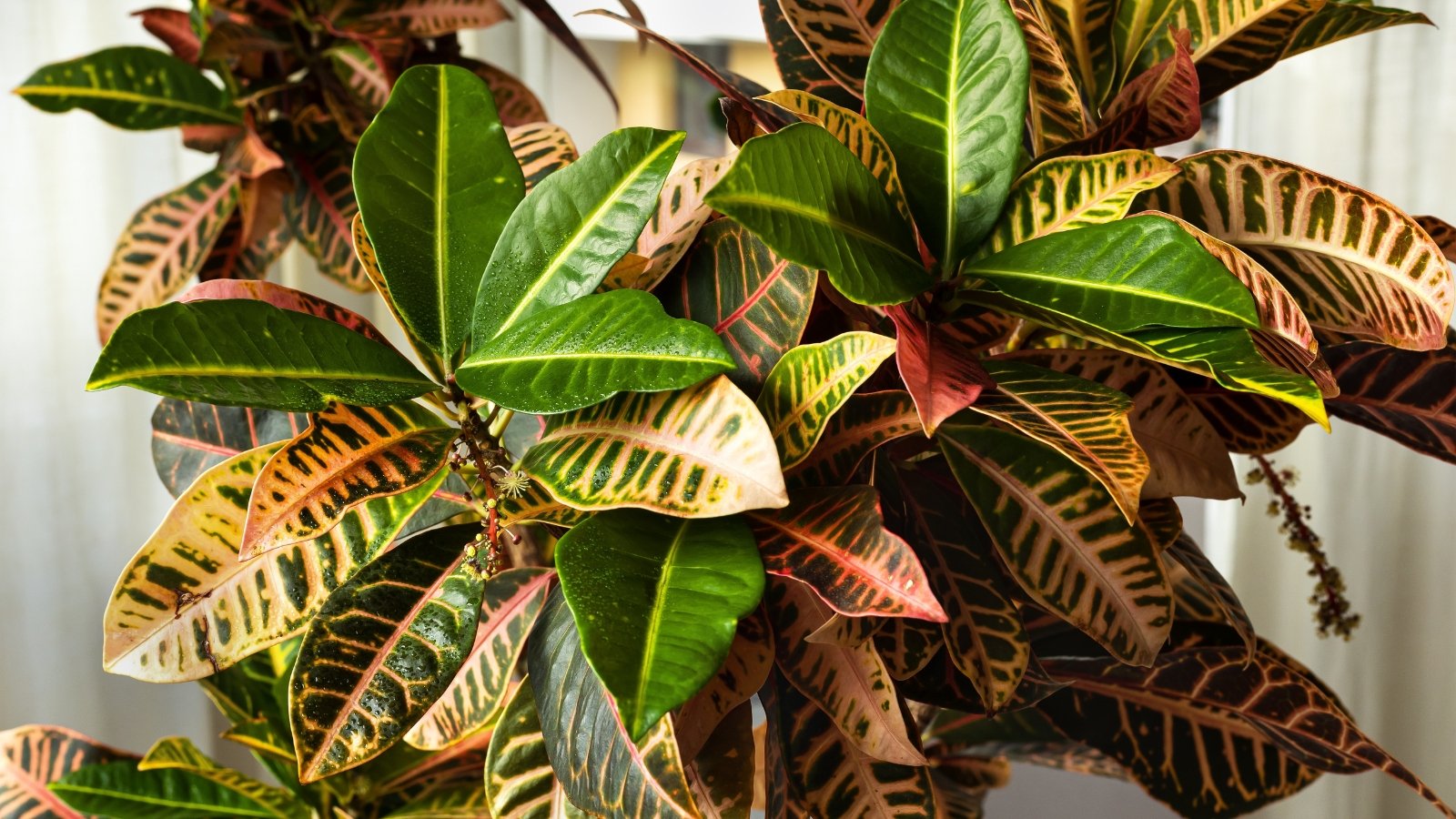
If your jungle is looking a bit too green, croton is your budget-friendly color bomb. Its leaves can show streaks and spots of red, orange, yellow, pink, and bronze.
- Botanical name: Codiaeum variegatum
- Light: Partial shade; more light intensifies color
- Height: 2–8 feet
- Hardiness zones (outdoors): 11–12
- Toxicity: Not pet safe; sap can irritate if touched or eaten
The more light crotons receive (without harsh midday sun), the brighter and more vivid their colors become. Too little light leads to dull, faded foliage.
They can be sensitive to sudden changes in environment and may drop leaves when moved, but with stable conditions they become bold, shrub-like anchors in your indoor jungle.
Using Thrifted Containers and Upcycled Pots
One of the sneaky expenses of an indoor jungle is pots. I rarely buy expensive containers anymore, because thrift stores, yard sales, and your own recycling bin are full of options.
- Thrifted bowls and mugs: Use them as outer cache pots with a plastic nursery pot inside.
- Food containers: Clean tins, tubs, and jars can be spray-painted or wrapped in jute for a cohesive look. These same creative containers work perfectly for edible plants too; for example, learn how to grow arugula indoors all year using small pots and limited space.
- Baskets: Line them with plastic or a nursery pot to create an instant boho vibe.
- Crates and boxes: Group several small pots inside a wooden crate for a mini “plant forest.”
Just make sure every plant has proper drainage, even if that means drilling holes in the inner pot or keeping plants in their nursery pots and dropping them into decorative containers.
Simple Layout Formula For a Full Jungle Look
When I’m styling a room, I use a simple formula so it always feels lush but not messy. You can adapt this to any space.
- Start with a canopy: Place tall plants like palms, money trees, and dracaenas in corners and behind furniture.
- Add mid-level fillers: Use peace lilies, Chinese evergreens, dumbcane, and ferns on stands, stools, and side tables.
- Layer vines and trailers: Let pothos, philodendrons, and spider plants cascade from shelves and hanging pots.
- Pop in color: Tuck a croton or two where you want strong contrast and visual energy.
Playing with height, texture, and leaf shape is what makes your jungle feel intentional rather than cluttered.
Propagation Tricks To Multiply Plants For Free
Once you have a few of these cheap houseplants, you can turn them into many more. I treat propagation as my built-in plant budget saver.
- Vines (pothos and philodendron): Take stem cuttings with at least one node, root them in water or moist soil, then pot up once they grow roots.
- Spider plants: Detach baby “spiders” and place them in soil or water until roots form.
- Clumping plants (ferns and palms): Occasionally divide larger clumps when repotting and pot the divisions separately.
I like to keep a few jars of cuttings on a bright windowsill, both as decor and as a steady source of new plants for myself and friends.
Quick Reference: Your Budget Jungle Checklist And Next Steps
Snapshot Table: Cheap Jungle Plants At a Glance
Use this quick table to match your space with the right plants and build your indoor jungle strategically. If you want more options to cover all your indoor jungle needs without breaking the bank, here’s a curated list of six affordable, high-impact plants that work beautifully.
| Plant | Light Preference | Approx. Height/Length | Pet Safety | Best Jungle Role |
|---|---|---|---|---|
| Golden Pothos | Bright indirect to medium | 6–10+ ft trailing | Generally considered toxic if ingested | Vining backdrop, shelves |
| Spider Plant | Bright indirect; tolerates medium | 12–24 in plus runners | Non-toxic | Hanging baskets, airier corners |
| Heartleaf Philodendron | Bright indirect to shade | 2–6 ft trailing | Toxic if ingested | Soft trailing accent |
| Money Tree | Bright indirect; medium | 1–6 ft | Pet-friendly | Tall focal point |
| Areca & Cat Palms | Bright indirect | 3–30 ft (varies) | Non-toxic | Canopy, corners |
| Snake Plant | Bright indirect; adaptable | 6 in–4 ft | Mildly toxic | Architectural accent |
| Dracaena | Bright indirect | 2–10 ft | May be toxic if chewed | Structural height |
| Peace Lily | Bright indirect; low light tolerant | 1–3 ft | Toxic | Mid-level filler, blooms |
| Boston Fern | Bright indirect | 2–3 ft | Non-toxic | Soft, bushy filler |
| Dumbcane | Bright indirect | 3–6 ft | Toxic | Bold foliage statement |
| Chinese Evergreen | Bright indirect to low | 1–3 ft | Use caution; can be irritating | Low-light color and pattern |
| Croton | Partial shade; bright for color | 2–8 ft | Toxic; sap irritating | Color pop focal point |
Final Smart-Gardening Reminders
Building an indoor jungle on a budget isn’t about buying everything at once. It’s about making smart, strategic choices and letting your plants grow into the space over time.
- Start with a few workhorse plants: Pothos, spider plants, palms, and ferns give you fast, lush coverage.
- Mix heights and textures: Combine tall plants, bushy fillers, and trailing vines for a layered look.
- Respect each plant’s light needs: Place low-light troopers in shadier spots and sun-lovers near bright windows. If you’re unsure whether your grow light counts as direct or indirect light for your plants, check out this detailed guide to get it right.
- Water thoughtfully, not on autopilot: Check the soil with your fingers and adjust based on the plant and season.
- Use propagation as your budget extender: Turn a few plants into many, and share extras with friends.
If you’re ready to start (or expand) your indoor jungle, pick two or three plants from this list that match your light and space, then build from there. I’d love to hear which ones you choose and how you style them.
Share your experiences, questions, and favorite budget plant finds in the comments on Plant Care Dairy so we can all keep learning and growing together.
Disclaimer: The information in this article is for general educational purposes only and is not a substitute for professional advice or diagnosis. Always research specific plant needs for your home, monitor pets and children around plants (especially toxic species), and consult local experts or certified professionals if you are unsure about plant safety, care, or suitability for your conditions.