

I’ve spent years experimenting with indoor plants, grow lights, and trying to get that perfect balance of light without scorching my leaves or leaving my plants leggy. And one question I see again and again is this: Is a grow light considered direct or indirect light for houseplants? It sounds simple, but once you dig in, it quickly gets confusing. You’ve got natural light definitions floating around, guides that barely touch on artificial light, and forums where everyone has a slightly different opinion.
In this article, I want to clear that up for you. I’ll break down exactly what “direct” and “indirect” mean, how grow lights fit into the picture, and practical ways to set up your light so your plants thrive. By the end, you’ll not only understand the terminology, but also know how to adjust your grow light for your specific plants—without guesswork or stress.
Have you ever set up a grow light and wondered if it’s too strong or too weak? Let’s tackle that together.
What “Direct” and “Indirect” Light Really Mean for Plants
I remember when I first started setting up my indoor plants, I was completely lost trying to figure out what “direct” and “indirect” light really meant. Everyone throws these terms around, but without context, it’s easy to overdo it or leave your plants struggling. Let’s clear that up.
Direct Light is basically an unobstructed view of the sun’s rays hitting your plant. Think of a sunny windowsill where the sun pours in for a few hours a day. This is the kind of light that gives your plants a boost, but too much can burn their leaves. In measurable terms, most houseplants consider over 1,000 foot‑candles for 4+ hours a day as direct light, according to UF/IFAS Gardening Solutions.
- Pros: Stimulates robust growth, vibrant leaf color, and flowering in high-light plants.
- Cons: Too much can cause leaf scorch, bleaching, or crispy tips.
Indirect or Bright Indirect Light is a gentler version: the sun reaches your plant indirectly, either filtered through sheer curtains, reflected off a wall, or shaded by other objects. Your plant still gets energy, but without the harsh impact of direct sunlight.
- Pros: Safer for low- to medium-light houseplants, encourages steady growth, reduces risk of burns.
- Cons: If too weak, plants may stretch or become leggy.
Why this distinction matters? Because too much direct light on a fern or peace lily can leave you with scorched leaves, while giving a succulent only “bright indirect” light might leave it reaching and stretching toward the sun. Knowing the difference is your first step to keeping your plants happy and healthy.
How Grow Lights Fit into the Picture

Now, let’s talk about grow lights. When I first brought LED lights into my apartment jungle, I wondered: “Am I giving my plants direct light, or is this indirect?” The answer isn’t as simple as you might think.
Types of Grow Lights:
- LEDs: Energy-efficient, low heat, and full-spectrum options mimic sunlight well.
- Fluorescent tubes: Great for seedlings or low-light plants, but intensity drops quickly over distance.
- HID (High-Intensity Discharge): Powerful lights for serious growers, but they generate heat and need careful positioning.
Here’s the key: grow lights aren’t sunlight. Their spectrum, intensity, and coverage are different. That’s why some authorities argue that calling a grow light “direct” or “indirect” isn’t technically accurate. But here’s where I think it becomes practical:
- If your LED or fluorescent light is very close and intense, it behaves more like direct sunlight for your plant.
- If it’s further away or lower wattage, it acts more like bright indirect light.
So yes—you can use grow lights to mimic either direct or indirect light, but placement, intensity, and duration are what make the difference.
Quick takeaway:
- High-intensity LED very close = direct-like conditions
- Moderate LED at a distance = bright indirect
- Low watt fixture or further away = low/medium light
This approach lets you tailor your grow light setup to your plant’s specific needs without risking burn or leggy growth.
Practical Guidelines: Setting Your Grow Light for Direct‑vs‑Indirect Behaviour
When I first set up my grow lights, I realized that knowing the type of light isn’t enough—you need to control how much and how close. Here’s what I’ve learned through trial, error, and some reliable plant guides.
Measuring Light Intensity & Distance
Understanding light intensity is key. Most indoor plant guides explain intensity in foot-candles or lux, which tells you how much usable light your plant receives. You don’t need fancy gear; a simple phone app or inexpensive light meter works perfectly.
Rule-of-thumb for placement:
- 6–12 inches from the plant: Mimics direct sunlight; intense and fast-growing conditions.
- 18–24+ inches from the plant: Simulates bright indirect light; safer for sensitive or low-light plants.
Even small adjustments of a few inches can change how your plant responds. Keep an eye on it and tweak as necessary.
Fixture Type & Spectrum Considerations
Not all grow lights are created equal:
- Full-spectrum LEDs: Closest to natural sunlight, ideal for all growth stages, and if you want to dive deeper into how red light affects plant growth, check out our detailed guide on Is Red Light Good for Plants? The Science You Need to Know.
- Basic LEDs: Fine for leafy greens or low-light houseplants, but may lack red/blue wavelengths for flowering or propagation.
- Heat output & coverage: Some lights get hot—keep distance in mind to avoid scorching leaves.
Choosing the right fixture can save a lot of frustration later.
Placement & Duration
Here’s what I do to ensure consistent results:
- Hours daily: Most houseplants thrive with 12–16 hours under artificial light.
- Distance & angle: Adjust based on plant type; closer for high-light plants, further for low-light.
- Shadow test: If the plant casts a sharp shadow, the light is intense; soft shadows indicate indirect-like light.
I often check my Reddit community to compare setups and confirm what “works in real life” (real-life grow light discussion).
Signs Your Plants Are Getting Too Much or Too Little Light
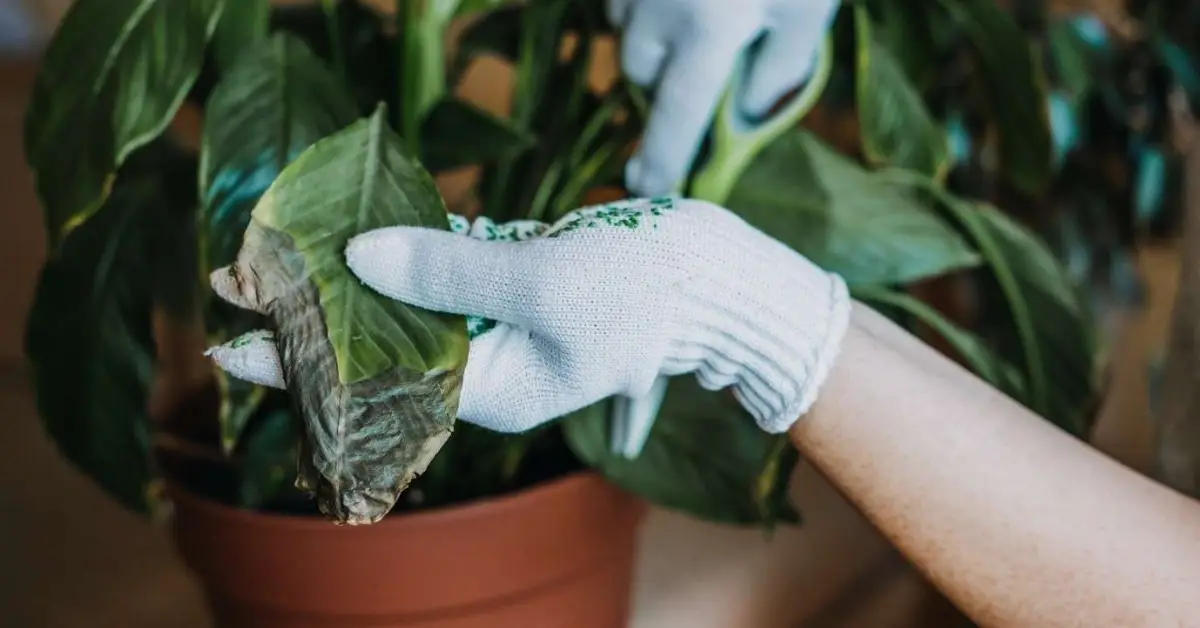
Keep an eye out for these visual cues:
Too much direct-type light:
- Burnt or bleached leaves
- Scorched leaf tips
Too little light:
- Leggy stems
- Slow, weak growth
These are your plant’s way of telling you to adjust the light or distance. If your plant shows signs of stress, like leggy stems or burnt tips, sometimes repotting can help it recover and adjust to a better light setup—our guide on How to Repot Indoor Plants Safely: Step‑by‑Step Guide walks you through the process without damaging your plant.
Customizing for Different Plant Types
Different plants need different approaches:
- High-light houseplants: Succulents, ficus, or flowering plants may need intense, close light. if you’re just starting with small indoor succulents, you can follow our step-by-step tips in How to Grow Mini Succulents Indoors: Easy Tips for Beginners to get them thriving under artificial light.
- Medium/low-light houseplants: Ferns, peace lilies, or shade-loving plants prefer moderate distance and softer illumination.
- Seasonal adjustments: In winter or north-facing rooms, you might rely on grow lights more heavily to supplement natural sunlight.
When to Use Grow Lights to Simulate Direct Light vs Indirect Light
Once you understand intensity and placement, it’s easier to decide what you’re trying to achieve.
Simulating Direct Light via Grow Light
Use this when:
- You have no sunny window
- Growing succulents or plants that require high light
- Propagation or flowering phases where maximum energy is needed
Simulating Bright Indirect Light
Use this when:
- Rooms are shady
- Plants prefer filtered or gentle light
- You’re supplementing weak natural light
Mistakes to Avoid
Even experienced plant owners slip up:
- Treating a grow light like full sun when the plant isn’t adapted
- Ignoring distance and duration; assuming all grow lights are equal
- Forgetting heat output, especially with older HID or fluorescent fixtures
Cost & Energy Considerations
Artificial light isn’t free. I always balance natural light + grow light:
- Let sun do as much work as possible
- Supplement with LED lights only when necessary
- Consider timers to save electricity and maintain consistent light cycles
For more guidance on determining the right light levels for your plants, I often refer to The Spruce’s guide on sunlight for houseplants. It’s a fantastic resource for understanding how to measure light and adjust your grow light setup effectively.
Myths & Misconceptions Answered

I’ve seen so many people get tripped up by assumptions about grow lights. Let’s clear up a few of the most common myths I encounter:
“Grow lights always count as direct light” – False. Not all grow lights have the same intensity or spectrum as sunlight. Just because a light is bright doesn’t mean it’s equivalent to direct sun.
“Any LED lamp will replace window light” – False. For a LED lamp to truly substitute for sunlight, it needs the right spectrum, intensity, and duration. Otherwise, your plants might struggle despite hours under a bright bulb.
“If it’s indoor, it’s indirect by default” – Misleading. If a grow light is very close and powerful, it can mimic direct-light conditions, even indoors. Your plant will “feel” that intensity, so placement still matters.
Quick Checklist & Decision Flow for Your Setup
Here’s a simple process I follow whenever I set up a grow light, and it’s easy for you to replicate:
- Identify your plant’s natural light requirement: high, medium, or low.
- Measure your natural window light using a lux meter, foot-candle app, or simple shadow observation.
- Choose grow light type and placement: LED, fluorescent, HID; decide distance and daily duration.
- Decide what you’re trying to replicate: direct-level or indirect-level light.
- Monitor your plant’s signals: burnt tips, leggy growth, pale leaves—and adjust accordingly.
Tips for consistent results:
- Use a timer for predictable light cycles.
- Rotate plants periodically for even growth.
- Combine natural and artificial light strategically to save energy.
This checklist is a handy reference for anyone who wants to skip the guesswork and see real results.
Final Thoughts & Best Practices
Here’s what I want you to take away:
- Grow lights can simulate either direct or indirect light depending on setup—distance, intensity, and duration are what really matter.
- Direct/indirect are terms rooted in sunlight, but they remain useful when planning your indoor lighting strategy.
- Always pay attention to your plant’s signals and adjust rather than setting a light and forgetting it.
I’d love to hear about your experiences: have you ever had a grow light setup that burned your plant or left it stretching? Drop your stories and questions in the comments below.
Also, for more in-depth guides, tips, and real-life examples of plant care, check out my website, Plant Care Dairy. You’ll find step-by-step instructions, product recommendations, and advice for keeping your indoor plants thriving all year round.
Disclaimer: The information in this article is for general plant care guidance. Individual plant needs may vary based on species, environment, and grow light setup. Always monitor your plants and adjust care accordingly.