
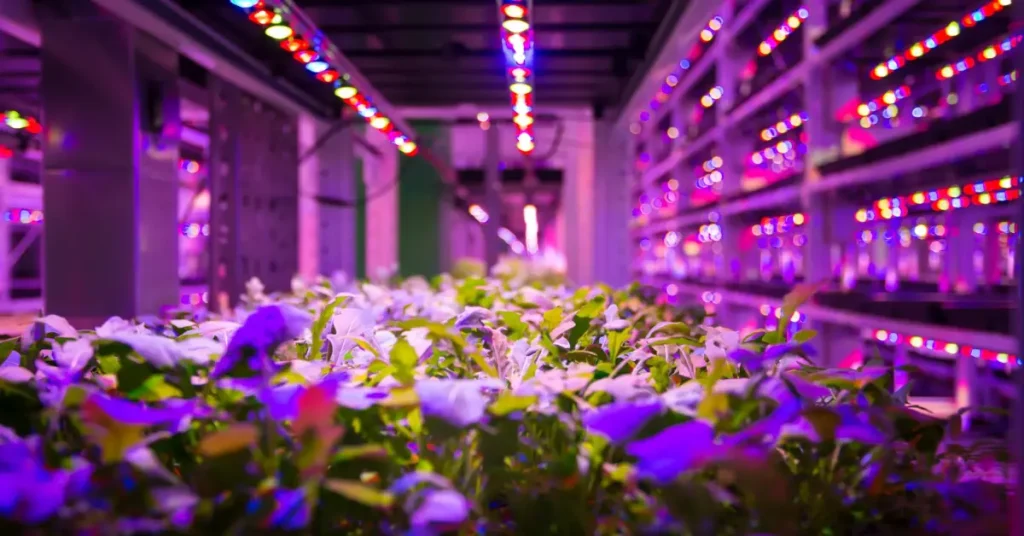
I still remember the first time I set up a small LED grow light over my kitchen herbs. It looked beautiful — that deep red glow felt almost magical, like I was giving my plants a secret superpower. But after a few weeks, I noticed something odd. The leaves were longer but thinner, and the stems looked stretched, almost weak. That’s when I started wondering — is red light actually good for plants, or just one of those things everyone repeats online?
If you’ve ever stood in a store aisle or scrolled through endless “best grow light” guides, you’ve probably seen the same claims: red light boosts flowering, helps photosynthesis, makes plants grow faster. Some of that is true — but not the whole story. The truth is, light isn’t just about brightness or colour. It’s about balance, timing, and the way different wavelengths work together inside a plant.
In this article, we’ll look at what science actually says about red light — how it interacts with plant biology, where it helps, where it backfires, and how you can use it wisely at home without turning your seedlings into leggy skyscrapers.
So, let’s start with the basics — what exactly is “red light,” and why does it have such a big reputation in the gardening world?
Understanding Light and Plants: Basics of Spectrum
When I first started growing indoors, I thought light was just light — as long as the plants looked green and happy, I assumed everything was fine. But over time, I learned that plants don’t see light the way we do. To them, every colour in the spectrum means something different — like a coded message that tells them when to grow, stretch, or flower.
The Light Spectrum and Photosynthetically Active Radiation (PAR)
Let’s start with the basics. Plants use only a specific slice of sunlight known as Photosynthetically Active Radiation, or PAR — the wavelengths between 400 and 700 nanometres (nm). This is the “sweet spot” where photosynthesis actually happens.
Think of it like this:
- Blue light (400–500 nm) drives strong leaf and stem development.
- Green light (500–600 nm) penetrates deeper into the canopy, helping lower leaves.
- Red light (600–700 nm) fuels flowering and overall growth energy.
When you and I look at white light, we see a mix of all colours blended together. But to a plant, that mix decides how it grows, what shape it takes, and even how much food it can make. The quality of light — not just the quantity — is what shapes a healthy plant. Light is just one part of a plant’s life system — the way it takes in air matters too. You can dive deeper into this in our post on how plants breathe and manage gases inside their leaves, which helps explain why balanced lighting and oxygen exchange go hand in hand.
Red Light Defined — Wavelengths, Role in Photosynthesis & Morphology
Now, let’s talk about red light itself. Red light sits roughly between 620 and 700 nm, and it’s one of the most efficient wavelengths for photosynthesis. That’s why many LED grow lights glow red — it directly fuels the plant’s energy engine, helping it convert carbon dioxide and water into sugars.
But red light also has another side: it controls morphology, or how a plant looks.
- It influences stem elongation — too much red, and stems can stretch too far.
- It signals flowering and fruiting, telling plants when to reproduce.
- It affects leaf expansion, making foliage broader when balanced correctly.
So, when we say red light “boosts growth,” what we really mean is — it boosts the signals that tell the plant to grow. But like any strong signal, if it’s out of balance, it can send mixed messages.
How Red Light Compares with Blue (and Other) Wavelengths
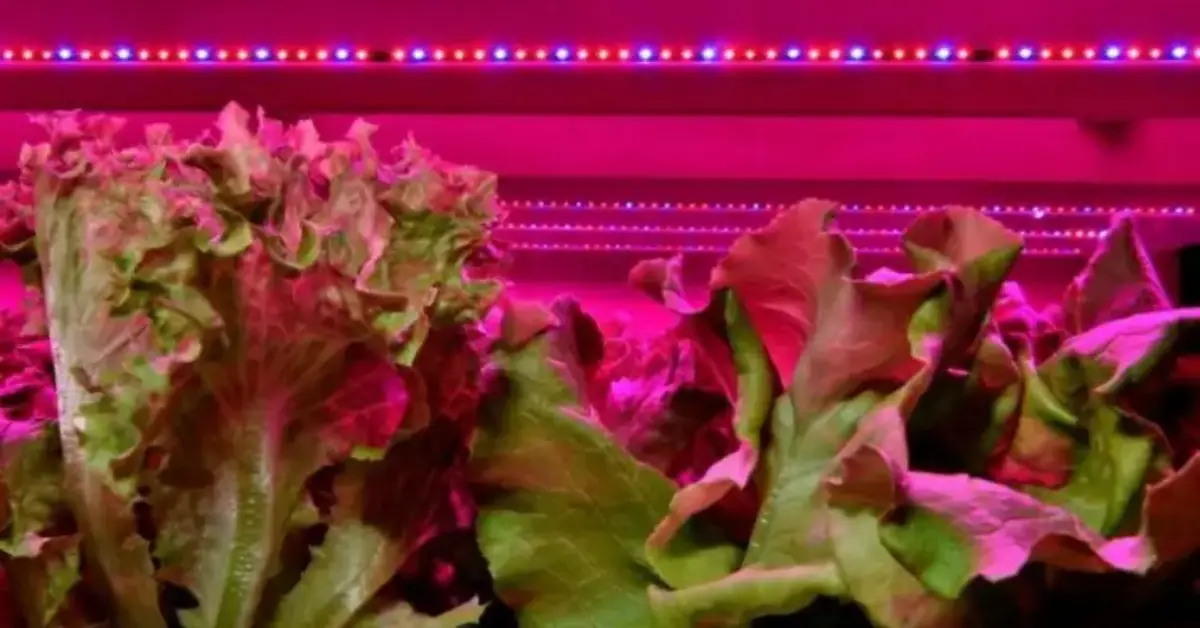
Here’s where most gardeners get confused. If red light is so great, why bother with blue or white at all? Because plants are like us — they need variety to stay healthy.
Studies published in Frontiers in Plant Science show that plants grown under only red light often develop weak, elongated stems. But when red and blue light are combined, photosynthesis improves, and plants become more compact and sturdy.
In simple terms:
- Red light = growth energy
- Blue light = structure and strength
- Together = balanced, natural plant health
So if you’re setting up your grow lights at home, don’t think of red light as a “shortcut” — think of it as one piece of the full spectrum puzzle. The magic happens when all colours work together, just like they do under real sunlight.
What Research Says: Red Light’s Effects on Plant Growth
When I first began reading about red light, I expected clear answers — something like, “Yes, it makes plants grow faster.” But the truth, as I soon discovered, is far more nuanced. Red light can be both powerful and limiting, depending on how you use it and what you combine it with.
Benefits of Red Light for Plants
Enhanced Photosynthetic Efficiency and Biomass Production
Red light plays a major role in helping plants turn energy into growth. Several studies show that when plants receive a balanced mix of red, blue, and white (RBW) lighting, they produce more leaves and thicker stems — a clear sign of increased biomass. It’s like giving your plant a steady, efficient energy supply instead of a burst of caffeine.
Here’s what happens under balanced red light:
- Photosynthesis becomes more efficient.
- Energy is channelled into stronger cell structure.
- Root development improves, supporting better nutrient uptake.
In one controlled trial, red-heavy light increased total plant mass and shoot size in lentils grown under RBW conditions — proving that the right wavelength blend helps plants grow faster without sacrificing quality.
Influence on Flowering, Fruiting and Morphology
Red light also affects how plants “behave.” It acts as a signal, telling them when to flower, branch, or stretch. You’ll often see it used in greenhouses to:
- Encourage flowering and fruit formation in tomatoes and peppers.
- Regulate stem elongation, producing taller plants when desired.
- Promote leaf expansion, allowing better light absorption.
This is why commercial growers often tweak red-light exposure during different stages — more during flowering, less during early vegetative growth. It’s like fine-tuning the plant’s daily rhythm instead of leaving it to guess.
Limitations and Caveats of Red Light Alone
Poor Development Under Monochromatic Red Light
I learned this the hard way: red light alone doesn’t always create strong, compact plants. Plants grown under red-only conditions developed thin leaves and stretched stems, resulting in weak, leggy growth. In short — red light without blue is like carbs without protein. It fills the plant’s energy needs but doesn’t build structure.
When Red Light May Reduce Photosynthetic Parameters
Even at the photosynthetic level, too much red light can reduce the plant’s ability to use carbon dioxide efficiently. Young seedlings grown under red-only LEDs often show slower development, paler leaves, and lower chlorophyll content. This means red light needs partners — especially blue and far-red — to unlock its full potential.
Optimal Combinations: Red + Blue, Red + Far-Red
Role of Far-Red (700+ nm) Light Interacting with Red Light
Recent research shows that adding far-red light (beyond 700 nm) can enhance canopy photosynthesis and increase yield when used in combination with red and blue. Think of it as the “depth enhancer” — helping light penetrate deeper into the plant canopy so lower leaves can join the process.
If you want to see how greenhouse growers are using far-red supplementation effectively, check out the summary shared by TCP Lighting.
Far-red doesn’t replace red light — it complements it, creating a richer, more natural spectrum closer to real sunlight.
What This Means for Gardeners & Growers: Practical Guidance

After testing multiple light setups at home and watching how plants respond, I’ve learned one thing — red light isn’t good or bad by itself. It’s all about context. Let’s translate the science into steps you can actually use.
When Red Light Is a Good Choice (and When It’s Not)
- Good for: Indoor seedlings that need an energy boost, greenhouse crops during flowering, or low-light spaces where natural sun is limited.
- Not ideal for: Early vegetative growth on its own, or when plants already get strong sunlight.
If your plants look spindly or pale, they’re probably asking for more blue or full-spectrum light.
How Much Red Light? Ratio, Duration, Intensity Considerations
80–90% red to 10–20% blue ratio produces compact, balanced plants. For home setups:
- Keep lights 12–18 inches above foliage.
- Run them 12–16 hours a day, adjusting for season.
- Use timer controls to simulate day–night rhythm.
This ratio ensures red provides energy while blue maintains shape and strength — a healthy middle ground backed by university findings. If you’re setting up your first indoor grow space, it might help to learn about modern soil-free methods too — check out our detailed guide on how to start a hydroponic garden at home to see how lighting, water, and nutrients work together for faster, cleaner growth.
Red Light Usage Scenarios
Seed Germination & Early Growth
A few minutes of red light exposure daily can improve seed germination rates and help young plants form stronger shoots. It’s like giving them a gentle push toward life.
Flowering / Fruiting Phase Enhancement
For flowering crops like tomatoes, peppers, and strawberries, red light during late growth can speed up blooming and enhance yield. Greenhouse studies published on Agritech Tomorrow highlight these benefits for commercial farms.
Mistakes to Avoid
Every new grower makes these mistakes at least once:
- Using only red light without any blue or far-red.
- Placing LEDs too close or too far from the canopy.
- Ignoring how different species react — lettuce and basil don’t need the same ratio.
Quick Checklist for Choosing / Deploying Red-Light Setups
Before you buy or adjust your grow lights, run through this:
- Choose wavelengths between 620–700 nm for red and 450–490 nm for blue.
- Keep 80–90% red + 10–20% blue balance.
- Add far-red (700–750 nm) if growing dense canopies.
- Maintain 12–16 hr cycles; avoid 24/7 lighting.
- Regularly inspect for stem stretch or leaf thinning.
If you follow these basics, red light becomes your ally, not your enemy — helping you grow healthier, fuller, and more productive plants year-round.
What We Still Don’t Fully Know About Red Light and Plant Growth
The more I’ve read about red light, the more I’ve realised — the story isn’t finished yet. We know it fuels photosynthesis, triggers flowering, and helps plants stretch toward light, but scientists and growers are still figuring out how much is too much and how it really behaves in the long run.
Different Plants, Different Needs
As explained in a detailed guide by Herbals NZ on the effects of red light in plant growth, not every plant responds to red light the same way. Some plants — like tomatoes and peppers — thrive under it, showing stronger flowering and fruiting. Others, such as leafy greens or herbs, may stretch too tall under similar conditions.
That’s because each species absorbs and reacts to wavelengths differently. Red light in the 660 nm range works best for photosynthesis, but small shifts — like moving closer to 630 nm or far-red 730 nm — can completely change the outcome. There’s no single “perfect” wavelength. You and I have to experiment based on what we’re growing and where.
Long-Term Effects Are Still a Mystery
While red light clearly improves growth and yield, there’s less clarity on what happens after months of exposure. Does it affect flavour, nutrient balance, or plant hormones? Red light influences phytochromes, the plant’s internal light sensors that control flowering and stress response — but the exact long-term effects remain under study.
I’ve seen this play out personally. Some of my red-light setups gave strong early results but produced weaker stems later. It’s a good reminder that light doesn’t work in isolation; plant metabolism keeps adapting over time.
Light Works Best in Context
Another big gap is how red light interacts with temperature, humidity, and CO₂. Even perfect light can’t fix an unstable environment. Red wavelengths drive photosynthesis, but plants still depend on warmth, nutrients, and water to turn that energy into actual growth. Since light alone can’t keep plants healthy, understanding how they absorb and move water is just as essential — our article on how plants really drink water explains the hidden process that keeps roots hydrated and leaves thriving.
In short — light is powerful, but it’s not magic. It’s part of a larger system, and that’s where most growers trip up.
The Evolving Science of Smart Lighting
Technology, though, is catching up. Modern LED systems can now blend red, blue, and far-red wavelengths to mimic natural daylight patterns. Full-spectrum evolution is pushing plant lighting into a new era — one where growers can fine-tune intensity and timing to suit each crop’s unique rhythm.
As research and LED technology evolve, we’ll keep learning how to make red light not just a tool for speed, but one for strength, resilience, and better plant quality.
Making the Right Call for Your Plants
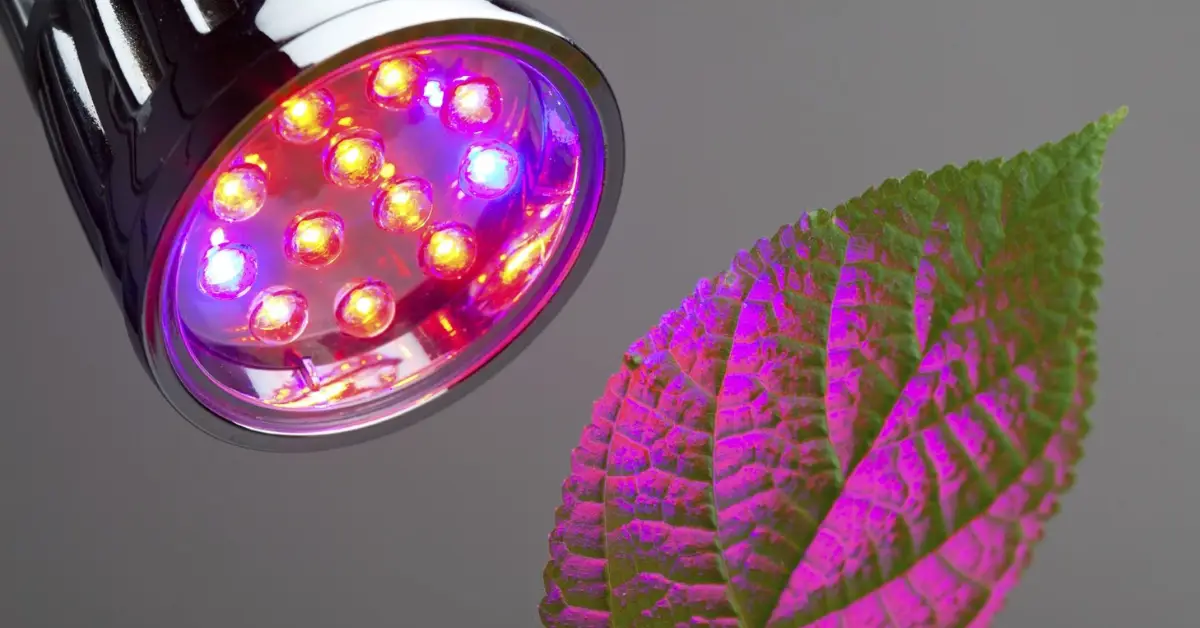
At this point, you’ve seen both sides of the story — how red light can power photosynthesis and flowering, but also how it can backfire when used alone. The real secret isn’t about choosing “red vs blue” — it’s about finding the right balance for your setup and watching how your plants respond over time.
Key Takeaways You Should Remember
Here’s a quick recap before you start adjusting your grow lights:
- Red light helps, but it’s not enough by itself — always pair it with blue or full-spectrum light for balanced growth.
- Keep your ratios right: around 80–90% red with 10–20% blue light gives healthy, compact plants.
- Adjust for plant type: fruiting plants love extra red; leafy greens prefer more blue.
- Environment matters: temperature, nutrients, and humidity make or break your results.
- Observe and adapt: every setup is different — what works in one room may fail in another.
Your Quick Decision Guide
If you’re wondering how much red light you actually need, here’s a simple rule of thumb:
- For seedlings indoors: Use a mix of red and blue LEDs with moderate intensity. Red fuels photosynthesis; blue keeps them compact and sturdy.
- For mature greenhouse crops: Increase red light during flowering and fruiting stages. Pair it with far-red (700+ nm) to boost yields.
- For houseplants or herbs: A soft red-blue blend or full-spectrum LED works best. Too much red will make them tall and thin — a common mistake among beginners.
Think of your lights as tools, not rules. A little experimentation is part of the fun.
Final Words: Experiment, Monitor, Adjust
Growing with red light is a bit like learning to cook — the ingredients stay the same, but how you combine them makes all the difference. Keep an eye on your plants:
- Are the stems stretching?
- Are the leaves thinning or darkening?
- Is growth fast but weak?
Each of these signs tells you what to tweak next — light distance, duration, or spectrum ratio. The best growers aren’t the ones who get it perfect the first time; they’re the ones who keep observing and adjusting.
If you’ve tried red light in your own garden, I’d love to hear how it went — share your experience in the comments below. And for more science-backed growing guides, practical tips, and plant-care stories, visit Plant Care Dairy — your daily source for smarter, greener gardening.
Disclaimer: The information in this article is based on current horticultural research and practical experience. Results may vary depending on plant species, light setup, and environmental conditions. Always monitor your plants and adjust settings as needed for the best results.