
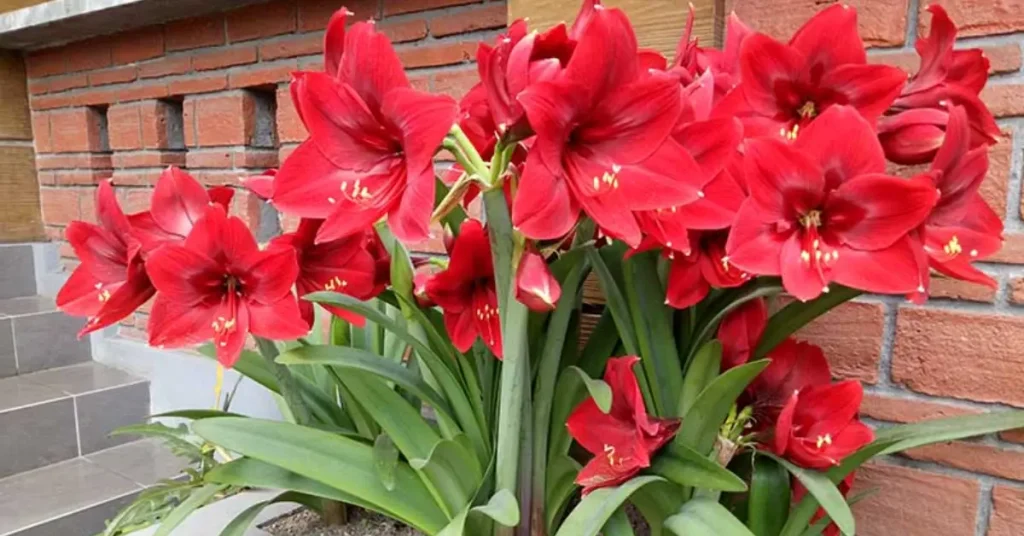
When I first wondered if my beautiful indoor amaryllis could thrive outside, I quickly realized it wasn’t as simple as just digging a hole in the garden. You see, these striking bulbs aren’t just holiday decorations—they’re tropical plants with very specific needs. Planting them outdoors can give you vibrant blooms year after year, but only if you understand the climate, soil, and care requirements.
In this guide, I’ll walk you through exactly when, where, and how to plant your amaryllis outside, sharing the tips I’ve learned from both gardening experts and hands-on experience, so you don’t end up with soggy bulbs or wilted flowers.
What is an Amaryllis (and Common Naming Issues)
When I first started growing amaryllis, I quickly ran into confusion over what exactly an “amaryllis” is. You might be familiar with the bright red bulbs we see during the holidays, but botanically, there’s a distinction that matters if you’re thinking about planting them outdoors.
- Hippeastrum vs Amaryllis: Most of the amaryllis we grow at home are actually Hippeastrum species. True Amaryllis are native to South Africa and rarely sold as holiday bulbs. This mix-up in naming can make it tricky to find the right growing instructions.
- Indoor vs Outdoor Types: The bulbs we bring inside for winter blooms are often smaller and bred for indoor growth. Outdoor garden types are generally larger and hardier, designed to thrive in warm climates. Knowing which type you have helps you avoid disappointment.
- Origin and Climate: Hippeastrum bulbs originally come from South America’s tropical regions. That means they love warm soil and consistent moisture, but they’re not naturally frost-tolerant. Understanding this is key before you decide to plant them outside.
By clarifying these points, you’ll save yourself some trial-and-error frustration and set your amaryllis up for success from the start.
Does Amaryllis Thrive Outdoors? Hardiness Zones & Conditions
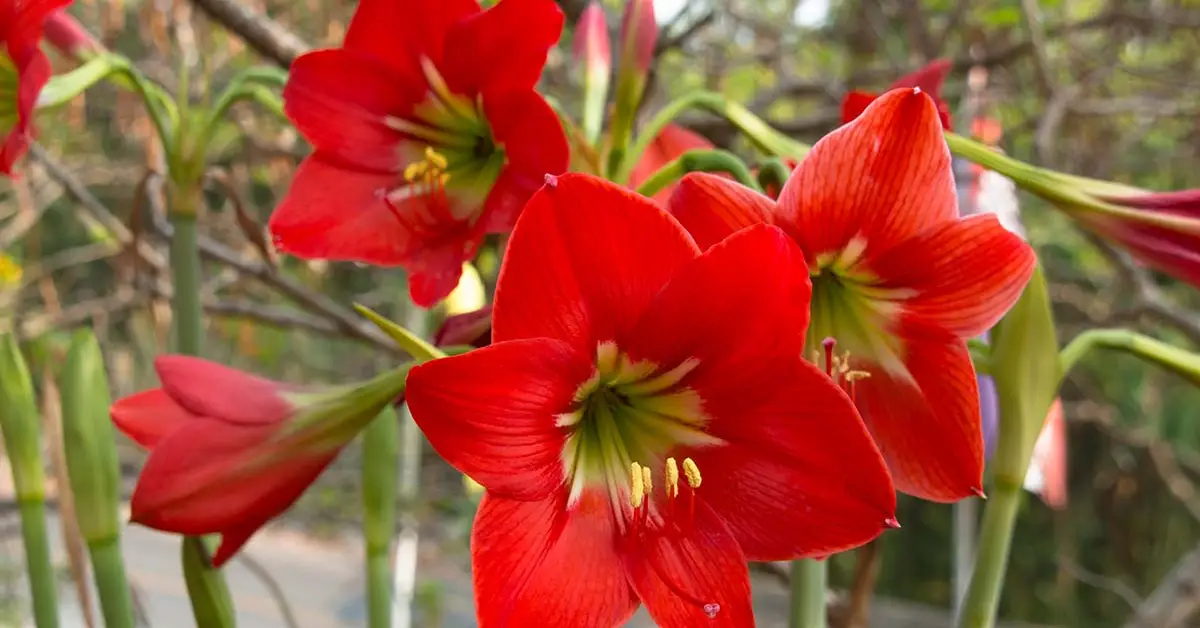
Now, let’s get to the heart of the question: can you actually plant your amaryllis outside? The answer depends largely on your USDA hardiness zone and local micro-climate. Here’s what I’ve learned:
- USDA Hardiness Zones: Amaryllis can thrive outdoors in warmer zones—generally zones 8 through 11. If your garden falls in this range, you can plant bulbs directly in the ground where they’ll enjoy consistent warmth and sunlight. For a more detailed guide on planting in suitable zones, I found this resource on growing amaryllis outdoors very helpful.
- Colder Zones: If you live in a cooler area, you’ll need to treat your amaryllis differently. I’ve personally brought bulbs indoors during frost periods, or grown them in containers I can move. This allows me to enjoy blooms each year without losing the bulb to cold damage.
- Micro-Climate & Site Conditions: Even within your zone, where you plant matters. I’ve noticed that bulbs planted in areas with afternoon shade fare better in hot climates, while morning sun with afternoon protection often prevents leaf scorch. Similarly, raised beds or well-draining soil spots help prevent bulb rot.
By checking your zone and assessing your garden’s micro-climates, you can make an informed decision about whether planting outdoors is realistic—and set yourself up for healthier, longer-lasting blooms.
Choosing the Right Site & Soil for Outdoor Planting
Once you know your amaryllis can survive outside, the next question is: where exactly should you plant it? I’ve learned that choosing the right spot and preparing the soil can make or break your blooms.
- Sunlight: Full Sun vs Part-Shade: Amaryllis love light, but in hotter climates, I’ve found they perform best with morning sun and afternoon shade. Too much direct midday sun can scorch leaves, while too little light slows flowering.
- Soil and Drainage Requirements: These bulbs hate sitting in soggy soil. I always look for well-draining spots or amend my garden beds with sand or compost. Raised beds are a great solution if your soil is heavy clay.
- Planting Depth and Spacing: I like to plant bulbs so that the top quarter of the bulb sits above the soil, giving it room to breathe and grow. Spacing them at least 6–8 inches apart prevents overcrowding and promotes healthy leaves and flowers.
- What If Your Soil Isn’t Ideal?: No perfect soil? No problem. I’ve used containers, pots, and raised beds to create the right conditions. Even a sunny patio corner can work wonders if drainage and light are right.
By getting these basics right, you’re setting your amaryllis up for success before the first leaf even emerges. Just like selecting the right site and soil is crucial for outdoor amaryllis, proper care and placement are equally important for indoor plants—I’ve found guides like how to grow and care for a money tree indoors helpful for understanding soil and light balance.
Step-by-Step: How to Plant Amaryllis Outdoors
Now that the site is ready, let’s get to the actual planting. I’ve found breaking it into clear steps saves both time and mistakes:
- When to Plant Outdoors (Timing): I plant my bulbs after the last frost in cooler zones, usually in spring. In frost-free regions, early winter or fall works well.
- Preparing the Bulb and Planting Process: Before planting, I sometimes soak the bulbs for a few hours to kickstart growth. If the bulbs have been indoors, I harden them off by slowly exposing them to outdoor conditions over a week.
- Initial Watering and Settling In: After planting, I water thoroughly, then let the soil settle. Overwatering at this stage can lead to rot, so I keep an eye on moisture.
- Acclimating Indoor-Grown Bulbs to Outdoor Conditions: If you’re moving forced holiday bulbs outdoors, gradual exposure helps prevent shock and keeps leaves strong. If you’re moving bulbs from indoors to outdoors, the process is similar to repotting houseplants carefully—following a step-by-step approach, like this guide on how to repot indoor plants safely, can help prevent stress and damage to your bulbs.
Following these steps makes the transition from indoor to outdoor much smoother, and your amaryllis will thank you with stronger growth and longer-lasting blooms.
Outdoor Care & Maintenance Throughout the Seasons
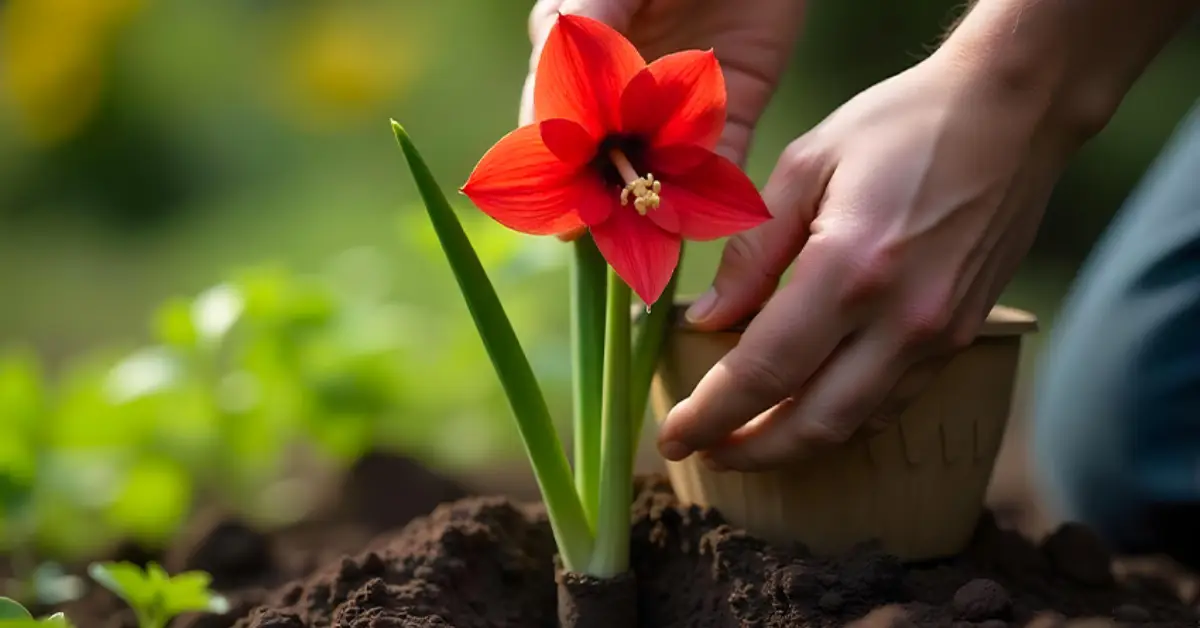
Planting is only the start. I’ve noticed that bulbs left outdoors need year-round care to thrive, and this is where many guides fall short.
- Watering and Fertilizing Schedule: I usually water when the top inch of soil dries out and feed monthly with a balanced fertilizer during the growing season. Proper nutrients ensure full, vibrant flowers.
- Leaf and Bloom Management: One thing I’ve learned is not to cut green leaves. They feed the bulb for next year’s bloom, so patience pays off. Many indoor-care articles miss this outdoor nuance.
- Dealing with Pests, Diseases, Overcrowding: Outdoors, bulbs can attract rodents or deer. I’ve found that planting in raised beds or adding protective mesh helps. For more tips on pest management and overall outdoor care, see Wayne’s guide to growing amaryllis bulbs.
- What to Do in Colder Weather Zones or Winter: In frost-prone areas, I dig up bulbs, pot them, and store them indoors or mulch heavily. This keeps them safe until next spring.
- How to Encourage Re-Bloom Year After Year Outdoors: Leaving spent blooms in place for a few weeks and continuing to care for leaves ensures bulbs store energy and return stronger next season.
With consistent care and attention, your outdoor amaryllis can reward you with vibrant flowers for years—something I’ve experienced firsthand.
Common Mistakes When Planting Amaryllis Outside & How to Avoid Them
If you’ve ever asked yourself, “Why didn’t my amaryllis survive outdoors?” you’re not alone. I’ve learned the hard way that small missteps can make a big difference. Here are the mistakes I see most often—and how you can avoid them:
- Overwatering / Poor Drainage Leading to Bulb Rot: I’ve noticed that soggy soil is the fastest way to kill a bulb. Always plant in well-draining soil, and if rain is heavy, consider raised beds or containers.
- Planting Too Deep or Too Shallow: I’ve made the mistake of burying bulbs completely—this delays or prevents flowering. Ideally, leave the top quarter of the bulb above soil. Planting too shallow can also dry out the bulb.
- Wrong Light Exposure (Too Much Midday Sun, Too Heavy Shade): Too much sun can scorch leaves, while too little prevents blooms. Observe your garden spots and adjust accordingly.
- Forgetting the Rest Period or Cutting Leaves Too Early: Some guides don’t stress this, but I’ve learned that green leaves feed the bulb for the next year. Always let leaves naturally die back before trimming.
- Hardiness Zone Mismatch: Planting in a zone where frost hits without protection is a common failure. If you live in colder areas, consider lifting bulbs or using containers that can be moved indoors.
Paying attention to these mistakes early can save you a lot of frustration and ensure your outdoor amaryllis thrives.
Special Scenarios: Container Planting, Forced Holiday Blooms & Cold-Climate Workarounds
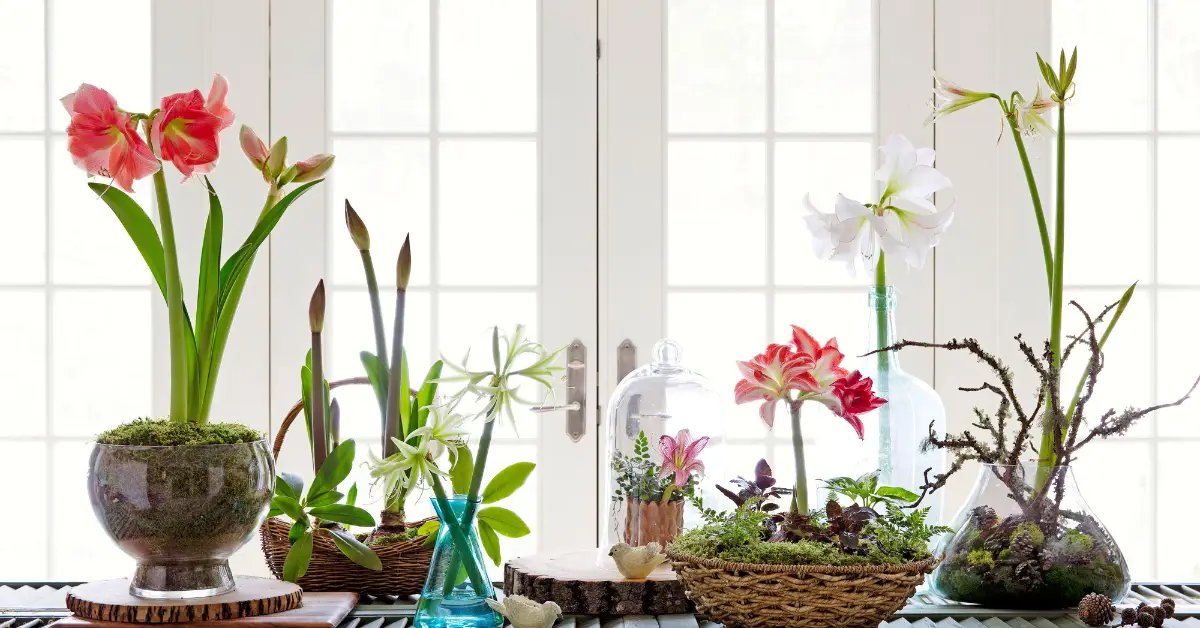
Sometimes, your garden conditions aren’t ideal, or you want to extend the life of indoor bulbs. I’ve found several workarounds that help you succeed even in tricky situations:
- Using Containers: When In-Ground Isn’t an Option: Containers allow you to control soil, drainage, and location. I often use large pots for my bulbs, which can be moved to follow sunlight or avoid frost.
- Transitioning Holiday Indoor Bulbs to the Garden: I gradually acclimate indoor bulbs to outdoor conditions over a week. This prevents shock and encourages healthy outdoor growth.
- Using Mulch or Covers in Marginal Zones: Mulching protects bulbs from temperature swings, and temporary covers shield them from unexpected frost.
- Growing in Colder Climates: Treat as Annual or Dig and Store Bulbs: If your winters are harsh, I either treat bulbs as annuals or lift and store them indoors. For a complete cold-climate care guide, see MSU Extension’s tips on growing amaryllis outdoors.
Even if you’re outside the “ideal” zone, these strategies let you enjoy amaryllis blooms safely and successfully. For container-grown amaryllis or bulbs moved indoors during winter, understanding proper watering is essential—this expert guide on how often to water container plants has been a lifesaver for me in keeping bulbs healthy without overwatering.
Final Thoughts & What to Do Next
After everything we’ve covered—from understanding your bulb to outdoor care—here’s a simple action plan I follow, and you can too:
- Check Your Zone: Make sure your garden matches the hardiness zones (8–11 for direct outdoor planting, or prepare containers/indoor storage for colder zones).
- Select the Best Site: Choose sunlight, drainage, and soil conditions carefully to maximize blooms.
- Plant Correctly: Mind planting depth, spacing, and initial watering to set bulbs up for success.
- Maintain Throughout the Seasons: Water, fertilize, and protect bulbs during winter; never cut leaves too early.
- Track and Adjust: Observe how your bulbs respond each year and tweak care as needed.
I’d love to hear from you! Have you tried planting amaryllis outdoors? Share your experiences or questions in the comments below.
And if you want more detailed guides like this one, check out my website, Plant Care Dairy, where I share expert tips, step-by-step planting advice, and seasonal care instructions for all your favorite plants.
Disclaimer: Plant care can vary depending on local climate, soil, and micro-environment. The tips in this guide are for general educational purposes. Always check with your local extension service or gardening expert for advice specific to your area.