

December arrives with plenty of festive expectations—and if your Christmas cactus is still stubbornly green and bud-free, you are not alone. This guide cuts through the confusion with simple, actionable steps you can start today to encourage flower buds, even if you got a late start this season.
By the end, you’ll know exactly how to match the right light, dark hours, temperature, and watering routine to your plant’s natural rhythm so buds form reliably. I’ll also share quick fixes, troubleshooting cues, and what to do if it’s truly too late for this year’s display.
Confession time: I once ignored my Schlumbergera until mid-December and wondered why nothing happened. After I committed to strict darkness, cooler nights, and a lighter watering hand, buds popped within a few weeks—and the show was worth the wait. If I can turn it around, so can you.
Why Buds Form: Photoperiod, Cool Nights, And Patience

Christmas cactus (Schlumbergera spp.) are photoperiodic, meaning they initiate blooming when days get shorter and nights stretch longer. In their native forest habitats, they experience dappled light and cool, steady nights—signals that it’s time to set buds.
Indoors, we can mimic those seasonal cues: long, uninterrupted darkness; bright but indirect daytime light; and a gentle dip in nighttime temperature. Get those right, and the plant will do the rest. For a detailed guide on encouraging buds and understanding why they form, see Epic Gardening’s article on Christmas cactus buds.
Short Days + Cool Nights: The Natural Signal
For reliable bud set, your plant needs 12–15 hours of complete darkness nightly for several weeks, accompanied by cooler nights around 50–55°F (10–12°C). Together, these two environmental prompts flip the plant’s internal switch from foliage mode to flower mode.
Timing Window: How Long Buds Take
Once you provide the right conditions, buds typically need 6–8 weeks to develop and open. Starting in early October is ideal, but even in December, you still have a realistic shot at late-season flowers—especially if you act consistently from now on. For tips on helping a Christmas cactus bloom even after its usual season, see Gardening Charlotte’s advice on out-of-season blooms.
Common Indoor Disruptors
- Stray Night Light: Streetlights, hall lamps, and TV glow can interrupt the darkness your plant counts on.
- Warm Nights: Constantly warm rooms keep plants in growth mode, not bloom mode.
- Overwatering: Soggy soil and stress can stall buds or cause them to drop.
- Frequent Moving: Changing locations repeatedly can shock plants right as buds initiate.
The 7 Proven Steps To Trigger Buds In December
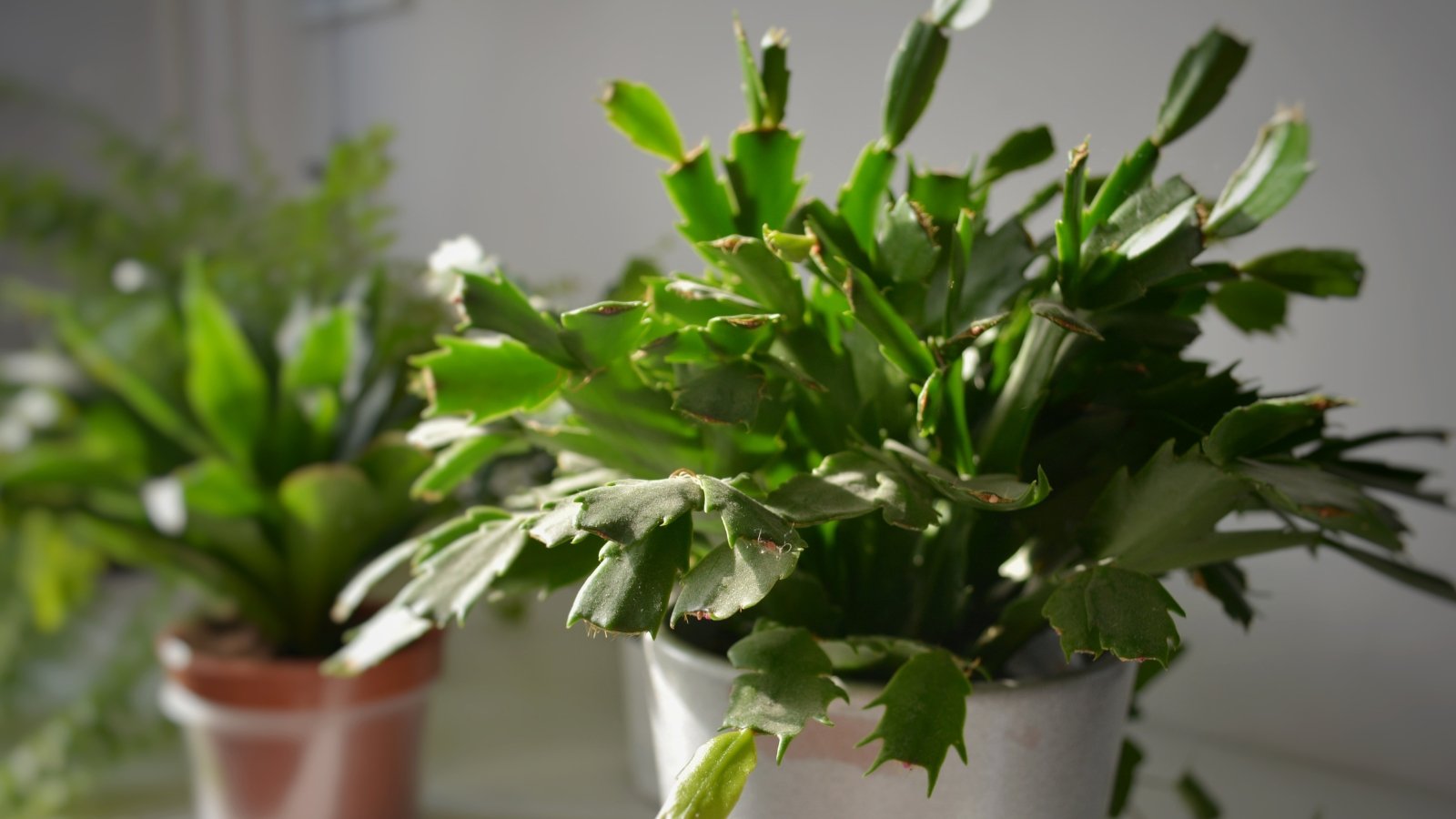
Here’s the short version you can put into practice today. Follow these in order and keep them consistent for at least six weeks.
- Set a Strict Darkness Schedule: Give 12–15 hours of uninterrupted darkness nightly.
- Provide Bright, Indirect Daylight: Aim for 8–10 hours of gentle light each day.
- Cool the Nights: Target 50–55°F (10–12°C) at night; keep days near 70°F (21°C).
- Water a Bit Less: Let the top half of the potting mix dry before watering.
- Keep Conditions Stable: Avoid drafts, vents, and frequent relocations.
- Pause Fertilizer: Don’t feed until after blooming finishes.
- Buy Budded if You’re Late: If time’s up, pick a plant covered in buds for an instant holiday display.
Control Darkness And Daylight
Light timing is the master switch for bloom. Darkness triggers buds; bright, indirect light fuels them.
Step 1: Lock In 12–15 Hours Of Darkness
Most bloom failures come from inconsistent darkness. Your cactus reads even faint light as extra “daytime” and delays bud set.
- Choose a Truly Dark Space: A spare bedroom, closet, or basement that’s pitch black at night works well.
- Cover If Needed: Use a breathable box or dark cloth each evening; remove it every morning for light.
- Be Consistent: Protect the schedule for at least six weeks; a few interruptions can reset the clock. For similar light and timing strategies for related species, see how to make your Thanksgiving cactus bloom on time.
Step 2: Give 8–10 Hours Of Bright, Indirect Light
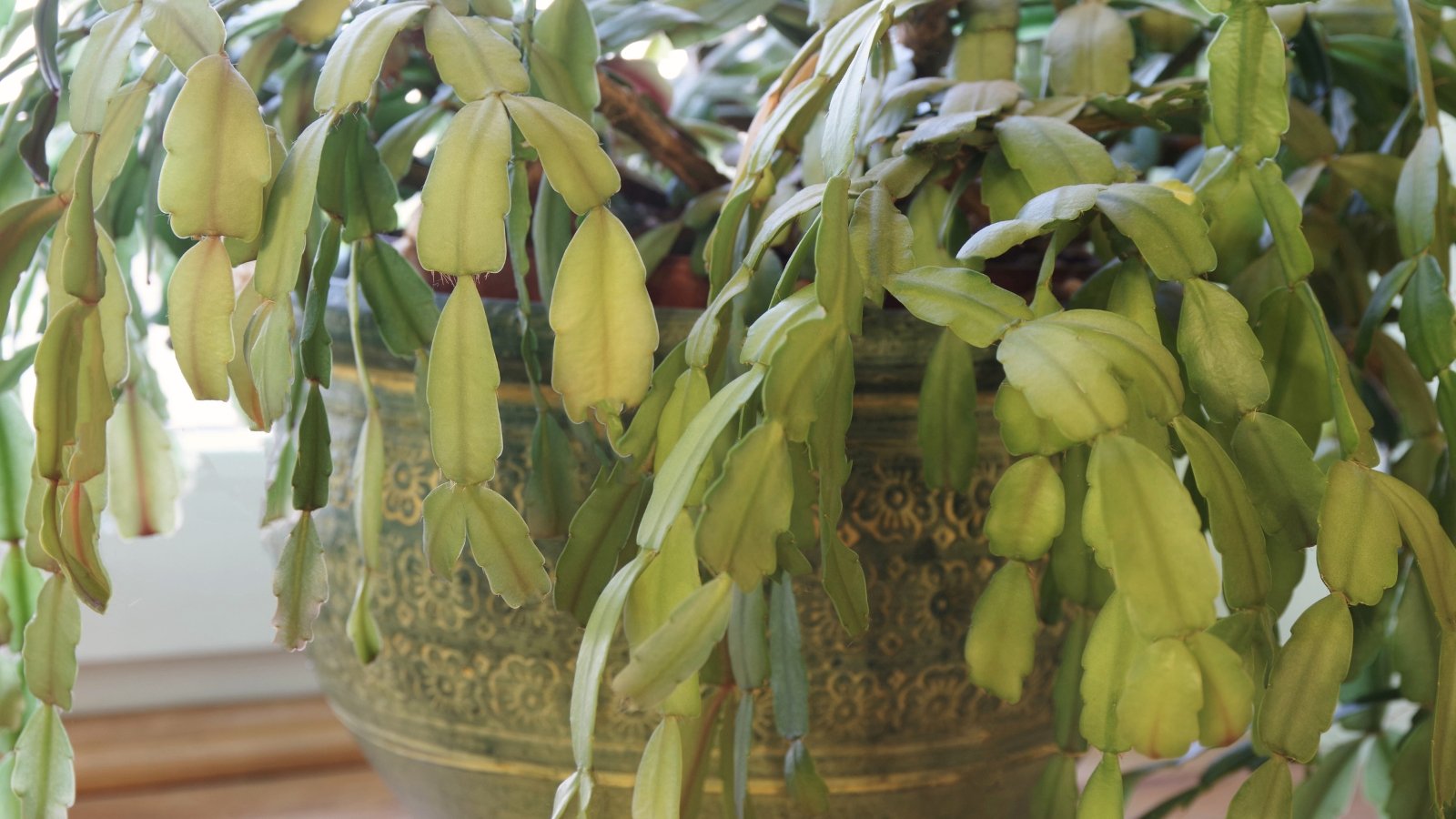
These are forest-edge plants that enjoy bright conditions without harsh midday rays. Think east windows, a few feet back from a south window, or filtered light through sheer curtains.
- Morning Light Wins: Gentle morning sun is ideal; rotate the pot weekly for even growth.
- Use Sheers or Distance: If all you have is a sunny window, move the pot back or diffuse the light.
- Keep the Pattern: Darkness at night, bright-but-gentle by day—repeat like clockwork.
Avoid Harsh Sun That Turns Segments Reddish

If segments start to flush red or purple, you’re likely giving too much direct sun or heat. Pull the plant back from the glass or add a sheer curtain, and resume your dark-night routine.
- Signs of Too Much Light: Reddish segments, limp texture, dry edges.
- Fast Fix: Shift to bright, indirect light and increase humidity modestly.
Use Cool Temperatures To Support Bud Set
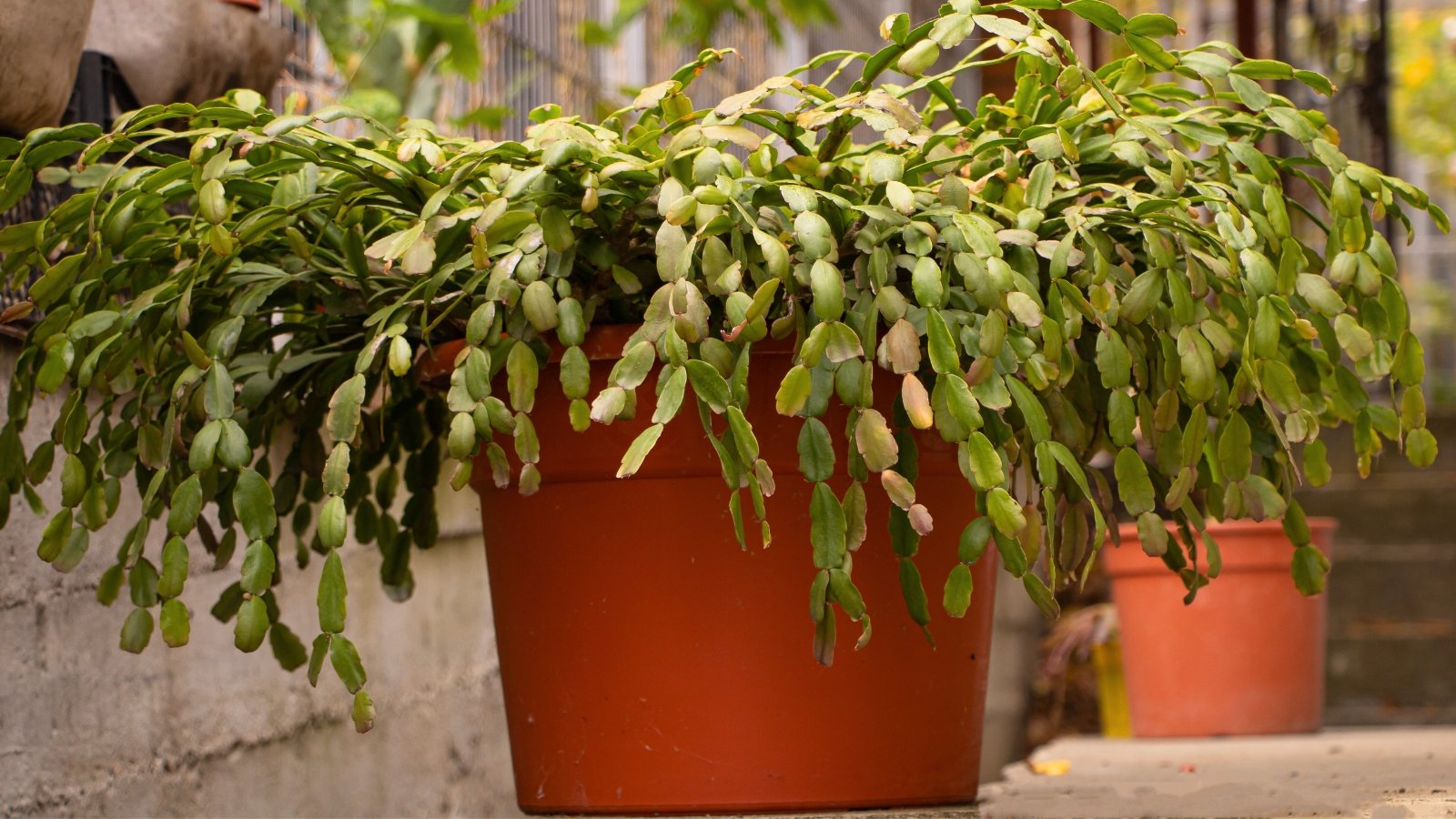
Temperature is the quiet partner to light timing. Slightly cooler nights reinforce the signal to form buds and help those buds hold.
Step 3: Night Targets, Daytime Comfort
- Night: Aim for 50–55°F (10–12°C) for several weeks.
- Day: Keep it around 68–72°F (20–22°C); plants stay comfortable and productive.
Find Naturally Cooler Spots Indoors
- Near Windows (But Not Touching Glass): Temperatures drop slightly at night—just keep foliage off cold panes.
- Closed Guest Rooms: Doors shut and vents partially closed can create the perfect nighttime dip.
- Basements: Many sit in the ideal 50s at night; pair with a grow light by day if it’s dim.
Temperature Mistakes To Avoid
- Chilly Drafts: Constant drafts can stress foliage and stall buds.
- Heater Vents: Hot air can dry tips and interrupt cool-night signals.
- Frosty Contact: Don’t let segments touch cold glass on frigid nights.
Watering And Low-Stress Care
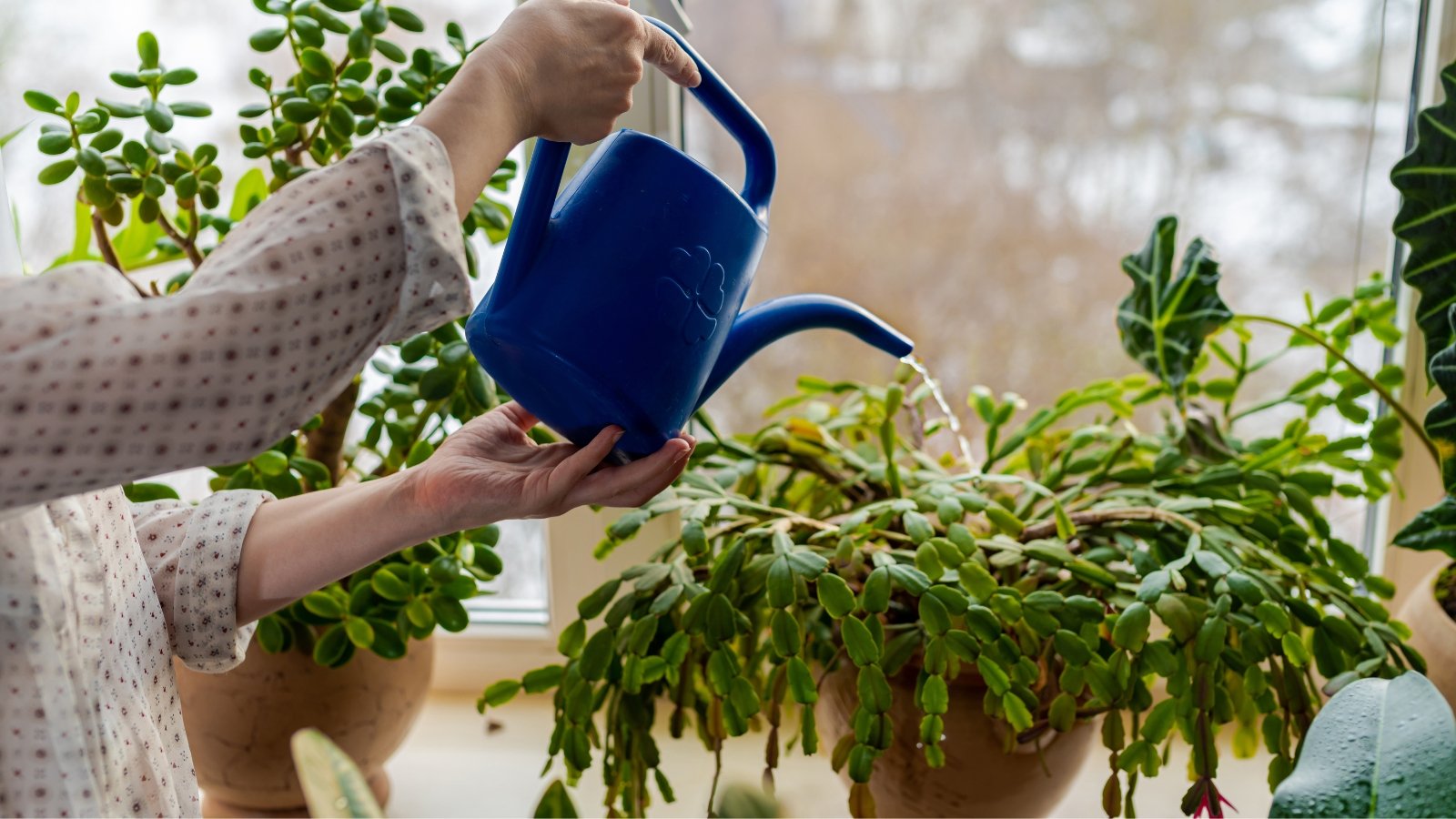
Schlumbergera aren’t desert cacti. They like even moisture—but during bud set, a touch of water restraint helps, while fussing does not.
Step 4: Reduce Watering Slightly
- Check the Top Half: Water only when the top 50% of the potting mix is dry.
- Use Room-Temp Water: Cold water + cold nights = stress and potential bud drop.
- Drain Well: Empty saucers promptly; soggy roots invite rot and lost buds. For more tips on preventing bud drop and keeping your plant blooming, see our guide on how to stop Christmas cactus bud drop.
- Right Mix Matters: A chunky, well-drained medium (orchid bark + perlite + peat/coir) keeps roots aerated.
Step 5: Set It And (Mostly) Forget It
- Pick a Spot and Commit: Resist relocating the plant during the 6–8 week bud period.
- Keep Air Gentle: Avoid heater blasts, opening/closing exterior doors, and strong fans.
- Don’t Prune Now: Save pruning or repotting for after the bloom cycle is over.
Step 6: Pause Fertilizer Until After Bloom
- Hold the Nutrients: Fertilizer now pushes leaf growth over blooms.
- Feed Later: After flowering, resume a balanced, dilute feed during active growth.
Quick Saves, Troubleshooting, And Next Moves

If you’re already deep into December and buds are MIA, don’t panic. You’ve got options for this season and next.
Step 7: Buy Budded Now, Plan For Next Year
- Choose Bud-Heavy Plants: Look for many firm, closed buds with only a few open blooms for the longest display. For additional techniques to encourage blooming and extend the flower display, see Southern Living’s guide on making Christmas cactus bloom.
- Transport Carefully: Protect from cold on the ride home; sudden chills can cause bud drop.
- Place Smartly: Bright, indirect light and steady temperatures keep the show going for weeks.
Troubleshooting: If Buds Aren’t Forming
- Night Light Leaks: Seal curtains, switch off hall lights, and cover the plant during the dark window.
- Warm Nights: Move to a cooler room or near a non-drafty window where temps dip to the 50s.
- Too Much Water: Let the mix dry halfway down; improve drainage and empty saucers.
- Direct Sun Stress: Red or purple tinge? Diffuse light and pull back from the glass.
- Impatience: Buds take 6–8 weeks once conditions are right—stick with your routine.
Conclusion: Work With The Season, Not Against It
Smart gardeners don’t fight the calendar—they copy nature’s rhythm. Short days, cool nights, steady light by day, restrained watering, and a calm setup are your blueprint for blooms. The moment you align with those cues, your Christmas cactus gets the message and starts building buds. Keep it simple, be consistent, and let the plant do what it’s built to do. For a complete care guide and expert tips on maintaining a thriving Christmas cactus, see how to care for a Christmas cactus – 5 expert tips.
Actionable Checklist And Summary Table
- Darkness: 12–15 hours nightly, no interruptions.
- Daylight: 8–10 hours bright, indirect light.
- Temperature: Nights 50–55°F (10–12°C); days ~70°F (21°C).
- Water: Allow top half to dry; room-temp water; drain well.
- Stability: Avoid drafts, vents, and frequent moves.
- Fertilizer: Pause until after flowering.
- Late Start: Buy a budded plant for instant color; plan your schedule for next year.
| Factor | Target For Buds | Common Mistake | Quick Fix |
|---|---|---|---|
| Night Darkness | 12–15 hours uninterrupted | Street/TV light leaks | Move rooms or cover plant nightly |
| Daytime Light | 8–10 hours bright, indirect | Direct midday sun | Sheer curtains or back from window |
| Temperature | 50–55°F nights; ~70°F days | Always warm nights | Cool guest room or near window (no drafts) |
| Watering | Top half dry between waterings | Soggy mix and full saucers | Drain thoroughly; lighten mix |
| Feeding | Pause until post-bloom | Fertilizing during bud set | Resume lightly after flowers fade |
| Timing | 6–8 weeks to bloom | Changing plan too soon | Stick to routine; be patient |
Have a question or a win to share? I’d love to hear it. Visit Plant Care Dairy and drop a comment—your experience might help another grower nail their holiday blooms.
Disclaimer: The guidance in this article is based on general horticultural practices and personal experience. Always consider your specific indoor conditions and monitor your plant’s responses, adjusting care as needed. Results can vary by environment, cultivar, and plant health.