
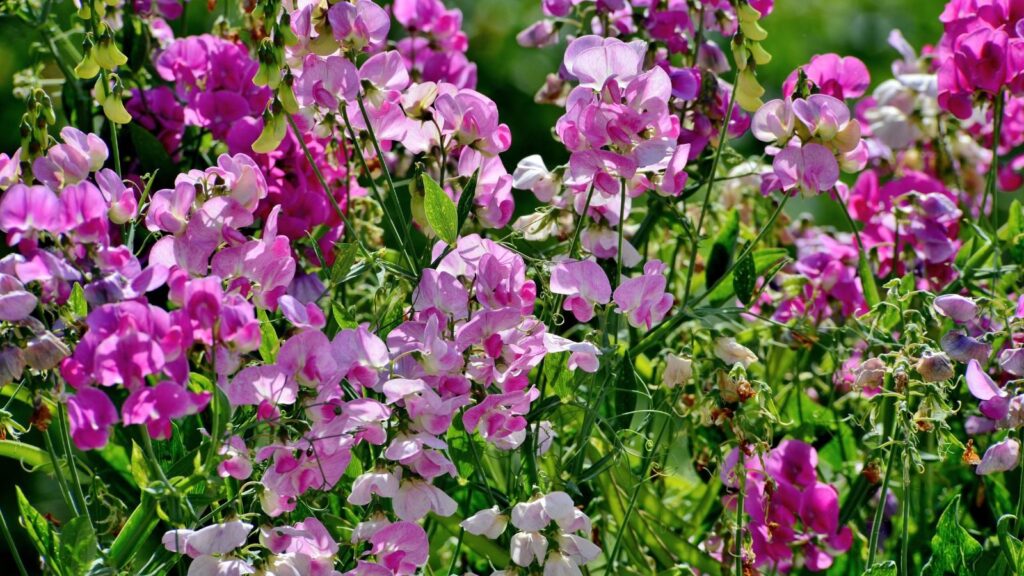
Cold soil, short days, and frost on the birdbath—December hardly screams “seed starting.” But here’s the truth: you can absolutely kick off a spectacular spring garden right now. In fact, some flowers need winter’s cold and moisture to wake up and germinate beautifully in spring.
In this guide, I’ll cut through the confusion and show you exactly which seeds to start outdoors vs. indoors, how to match timing to your climate, and the simple techniques—like cold stratification and scarification—that make all the difference. You’ll walk away with clear steps, realistic timelines, and a checklist you can print and use today.
Why Winter Sowing Works (And When to Start Indoors)
Cold, Moist Dormancy: Why It Boosts Germination
Many wildflower seeds evolved to rest through winter and sprout only after a cold, moist period breaks dormancy. December’s natural chill mimics that perfectly. For more ideas on what can go into the ground during early winter, this list of things you can still plant in December if your soil is workable offers practical options for different climates. If you want a clearer sense of how early cold conditions influence germination, this guide on whether you should sow seeds before it snows breaks down the timing in simple, practical terms.
The payoff is a strong spring flush with higher germination rates and tougher plants.
If you’re in a milder climate without regular freezes, you can simulate this with cold stratification: place seeds in a labeled bag with moist vermiculite or sand in the refrigerator for the recommended period, then sow. It’s simple, reliable, and works for many natives.
Scarification vs. Stratification: Know the Difference
Stratification equals “chill time”—cold and moisture to break dormancy. Scarification means nicking or sanding a hard seed coat so water can penetrate. Some seeds need one or the other; a few benefit from both. You’ll use stratification for plants like columbine and coneflower, and scarification for hard-coated seeds like lupine and sweet pea.
When in doubt, do a small trial: treat half of a batch and leave the other half untreated. Compare what emerges in spring so you learn what works best in your exact conditions.
A Quick Personal Note
I used to stash all my seed packets until March, then sprint through sowing as the weather warmed. My results were hit-or-miss. Once I started tossing the right seeds outside in December and raising others under lights, spring transformed—beds filled in faster, blooms lasted longer, and I spent less time rescuing stressed transplants.
Timing by Zone (Simple Rule of Thumb)
In most of North America, December is prime time to direct sow cold-stratified natives and start cool-season annuals indoors. If you garden in a warmer climate, this regional guide on what to plant in Zones 8–10 in November can help you adjust your winter sowing and indoor-starting schedule. If your winter is warm, use the fridge for stratification and adjust your indoor sowing schedule so seedlings are a few inches tall with multiple true leaves before transplanting.
Unsure of your last frost date? Check a trusted local source, then work backward using the weeks-to-start guidance below.
The 9 Flower Seeds to Start in December
Here’s your quick list of December winners. If you want an expanded look beyond these nine picks, this guide to flowers to sow in December highlights more varieties that handle winter conditions well.
The first five are ideal for direct sowing outdoors now; the final four are best to start indoors under grow lights.
- Columbine (Aquilegia spp.) — direct sow; needs cold, moist conditions.
- Lupine (Lupinus spp.) — direct sow; scarify hard coats.
- Purple Coneflower (Echinacea purpurea) — direct sow; benefits from winter chill.
- Milkweed (Asclepias spp.) — direct sow; essential for monarchs.
- Yarrow (Achillea millefolium) — direct sow; easy, tough native.
- Calendula (Calendula officinalis) — start indoors; needs darkness to germinate.
- Lavender (Lavandula spp.) — start indoors; slow, steady germinator.
- Delphinium (Delphinium spp.) — start indoors; provide support later.
- Sweet Pea (Lathyrus odoratus) — start indoors; soak or scarify.
1. Columbine (Aquilegia spp.) — Direct Sow

Sun: Full sun to partial shade | Height: 1–3′ | Zones: 3–8
Columbine’s ferny, semi-evergreen foliage and nectar-rich spring blooms are a hummingbird favorite. It’s shade-friendly and adaptable to many soils.
- How to sow: Scatter seeds on prepared soil in December so they get weeks of cold, moist exposure. Lightly press; do not bury deeply.
- Right spots: Eastern red columbine thrives under trees in moist to mesic (slightly dry) soil. Rocky Mountain columbine excels in rockier beds. Western columbine prefers rich, moist soil in dappled shade.
- Why now: Winter breaks dormancy and kick-starts strong spring germination.
2. Lupine (Lupinus spp.) — Direct Sow

Sun: Full sun | Height: 1–4′ | Zones: 4–8
Lupines shine where soil isn’t pampered. Their spires in blues, pinks, purples, and white add instant structure and drama.
- Scarify first: Nick the seed coat with a sharp knife or rub with fine sandpaper so water penetrates. Winter moisture will handle any soaking.
- How to sow: Direct sow scarified seeds in December in well-drained soil with full sun.
- Invasiveness note: Avoid planting Lupinus polyphyllus (bigleaf lupine) outside its Pacific Northwest native range; it’s notably invasive in the Northeastern U.S.
3. Purple Coneflower (Echinacea purpurea) — Direct Sow

Sun: Full sun to partial shade | Height: 3–4′ | Zones: 3–8
Echinacea is a pollinator powerhouse that tolerates a range of soils as long as drainage is good. December sowing lets winter supply the chill they like.
- How to sow: Broadcast on loosened soil; lightly cover or press in. Leave spent seedheads in fall to self-sow and feed birds.
- Herbal note: The processed roots are traditionally used for immune support; consult reliable sources and professionals before any medicinal use.
4. Milkweed (Asclepias spp.) — Direct Sow

Sun: Full sun | Height: 2–6′ | Zones: 3–10
If you want monarchs, you want milkweed. December surface-sowing leads to successive bloom waves from spring through fall.
- How to sow: Drop seeds on the soil surface and press in; do not bury deeply. Winter wet and cold provide ideal stratification.
- Wildlife value: Supports monarchs and a host of beneficial insects; the toxic sap discourages deer and rabbits.
- Grow native: With 100+ species across North America, choose one native to your ecoregion for best results.
5. Yarrow (Achillea millefolium) — Direct Sow

Sun: Full sun | Height: 1–3′ | Zones: 3–9
Yarrow is a tough native that fills tricky, dry spots and self-sows politely. It’s nearly effortless once established.
- How to sow: Sprinkle the dust-like seeds on the surface and press in; don’t bury. Expect easy adaptation to local conditions.
- Variety notes: The straight species blooms white; numerous cultivars expand the palette.
6. Calendula (Calendula officinalis) — Start Indoors

Sun: Full sun to partial shade | Height: 1–2′ | Zones: 2–11
Calendula is a cheery cool-season annual that sprouts quickly and transplants well. It’s perfect for bright spring edges and cutting patches.
- Germination: 7–14 days; needs darkness to sprout. Keep trays away from lights until you see green, then move under grow lights.
- When to sow: Start indoors in winter so you have sturdy rosettes by early spring.
- Pollinator tip: Single-petaled types are easier for pollinators; doubles are gorgeous. We love ‘Zeolights.’
7. Lavender (Lavandula spp.) — Start Indoors

Sun: Full sun to partial shade | Height: 1–3′ | Zones: 5–9
Despite the myths, lavender seeds don’t always require cold to germinate—they’re just slow. Once you grow your own, you may never buy starts again.
- Germination: 2–6+ weeks; be patient and keep evenly moist, not wet.
- When to sow: Start 10–12 weeks before your last frost. If that window is tight, simply nurture until seedlings are a few inches tall before transplanting.
- Medium: Use a gritty, well-drained mix and strong light after emergence.
8. Delphinium (Delphinium spp.) — Start Indoors

Sun: Full sun to partial shade | Height: 1–3′ (varies by type) | Zones: 3–9
True blue is rare in the garden, which makes delphiniums unforgettable. Some are perennial in range; others reseed generously.
- Germination: Typically 2–3 weeks.
- When to sow: Start 6–8 weeks before last frost. Provide support for taller varieties when you transplant.
- Where to grow: Happy in beds or large containers with consistent moisture and drainage.
9. Sweet Pea (Lathyrus odoratus) — Start Indoors

Sun: Full sun | Height: 3–8′ (with support) | Zones: 2–11
Sweet peas are classic cool-season climbers with an irresistible fragrance. Starting in December gives them time to bulk up before spring planting.
- Prep the seeds: Soak 12–24 hours or scarify lightly to speed uptake of moisture.
- Germination: 10–21 days. Grow on for 4–6 weeks in starter pots.
- Transplant timing: Move outdoors when soil is 55–65°F (13–18°C) and you can plant without risk of waterlogging.
Step-By-Step: Direct-Sow vs. Indoor Start
Direct-Sow Outdoors in Winter: 6 Steps
- 1. Pick the right site: Choose locations that match each plant’s sun and soil needs; prioritize well-draining soil.
- 2. Lightly prep the soil: Rake away debris and loosen the top inch; no heavy tilling needed for natives.
- 3. Seed placement: Surface-sow or barely cover seeds that need light. Press in gently to improve soil contact.
- 4. Mark your spots: Use labels or a map. Winter has a way of making seed beds look identical.
- 5. Let winter work: Cold and moisture provide natural stratification; avoid disturbing the bed.
- 6. Spring care: Thin seedlings for airflow and vigor; water deeply but infrequently once established.
Indoor Seed Starting Basics: 8 Steps
- 1. Use clean trays and mix: A sterile, fine-textured seed-starting mix prevents damping-off. If you’re interested in expanding your indoor setup beyond flowers, this guide on how to grow hydroponic lettuce at home shows how simple and flexible indoor food production can be.
- 2. Sow to the right depth: Tiny seeds like yarrow and columbine prefer the surface or a dusting; larger seeds like calendula can be lightly covered.
- 3. Control light: Keep calendula in darkness until emergence; others go under bright grow lights (14–16 hours/day).
- 4. Manage moisture: Bottom-water and keep the mix moist, not soggy; a humidity dome helps until sprouting.
- 5. Temperature matters: Most cool-season annuals germinate well at 60–70°F; avoid hot heat mats for lavender.
- 6. Feed lightly: Begin a diluted, balanced fertilizer after the first set of true leaves.
- 7. Pot up on time: Don’t allow roots to tangle; move to larger cells or pots as needed.
- 8. Harden off: Over 7–10 days, gradually introduce seedlings to outdoor sun and wind before transplanting.
Transplanting: Timing and Technique
- Cool-lovers first: Move calendula, sweet peas, and delphiniums out as soon as soil is workable and temps are in their comfort range.
- Support climbers and spires: Install trellises for sweet peas and stakes for delphiniums at planting.
- Water in well: Give a deep drink at transplant time, then mulch lightly to moderate soil temps.
Troubleshooting and Pro Tips
Slow or No Germination
- Missing chill: For columbine, coneflower, and milkweed, provide 4–8 weeks of cold, moist stratification if winters are mild.
- Hard seed coats: Lupine and sweet pea respond to scarification; without it, they may wait months.
- Soggy mix: Overwatering deprives seeds of oxygen; keep media lightly moist.
Damping-Off and Seedling Stress
- Sanitation first: Clean trays, sterile mix, and good airflow are your best defense.
- Light and distance: Keep grow lights 2–4″ above seedlings and raise as they grow to prevent legginess.
- Right-sized watering: Bottom-water and allow the surface to dry slightly between sessions.
Wildlife, Weather, and Invasiveness
- Protect young beds: A light row cover deters hungry birds and buffers wind.
- Choose natives: For milkweed and yarrow, pick species adapted to your ecoregion for resilience and habitat value.
- Avoid invasives: Skip Lupinus polyphyllus outside the Pacific Northwest, especially in the Northeast where it spreads aggressively.
Quick Reference and Final Checklist
Summary Table: What to Start, Where, and When
| Plant | Start Method | Cold/Scarification | Germination Window | Sun | Zones |
|---|---|---|---|---|---|
| Columbine (Aquilegia) | Direct Sow (Dec) | Cold strat helpful | Spring after winter chill | Full sun–Part shade | 3–8 |
| Lupine (Lupinus) | Direct Sow (Dec) | Scarify seeds | 2–4 weeks post-thaw | Full sun | 4–8 |
| Purple Coneflower (Echinacea) | Direct Sow (Dec) | Cold strat beneficial | Spring after chill | Full sun–Part shade | 3–8 |
| Milkweed (Asclepias) | Direct Sow (Dec) | Cold strat beneficial | Spring after chill | Full sun | 3–10 |
| Yarrow (Achillea) | Direct Sow (Dec) | Surface sow; press | Spring | Full sun | 3–9 |
| Calendula | Indoors (Winter) | Germinates in darkness | 7–14 days | Full sun–Part shade | 2–11 |
| Lavender (Lavandula) | Indoors (10–12 wks pre-frost) | No chill required; slow | 2–6+ weeks | Full sun–Part shade | 5–9 |
| Delphinium | Indoors (6–8 wks pre-frost) | None | 2–3 weeks | Full sun–Part shade | 3–9 |
| Sweet Pea (Lathyrus) | Indoors (Winter) | Soak or scarify | 10–21 days | Full sun | 2–11 |
For additional seasonal guidance, this overview of what to sow in December provides helpful comparisons that pair well with the checklist above.
One-Page Checklist
- Match method to plant: Direct sow natives needing chill; start cool-season annuals indoors.
- Prep smart: Loosen soil for outdoor beds; use sterile mix indoors.
- Mind the details: Scarify lupine and sweet peas; keep calendula in the dark to sprout.
- Label everything: Winter beds and seed trays all look alike in February.
- Harden off: Transition seedlings outdoors over 7–10 days to avoid shock.
- Think local: Choose species native to your ecoregion and follow your real last frost date.
Wrap-Up: A Smart December Sowing Mindset
Great gardening isn’t about doing everything at once in spring—it’s about doing the right things at the right time. December gives you two big wins: let nature cold-stratify your direct-sown natives, and get a jump on cool-season classics indoors so they’re ready to shine when the soil warms.
If this guide helped, I’d love to hear what you’re sowing. Drop a comment on Plant Care Dairy and share your zone, your wins, and your lessons learned—we grow better together.
Disclaimer: Gardening outcomes vary by climate, microclimate, and practice. Always verify invasive species status and local regulations before planting. Handle plants with toxic sap (e.g., milkweed) with care. Any herbal references are for educational purposes only and are not medical advice; consult qualified professionals before use.