

Winter can be brutal on container gardens, and not just for the plants. Pots themselves can crack, soil can freeze hard as bricks, and delicate roots can be damaged overnight. My goal here is simple: cut through the noise and give you actionable, no-fuss guidance to keep your outdoor planters insulated with items you likely already have at home.
In this guide, you’ll learn why containers struggle in cold weather, when to act, and exactly how to use eight common items to protect both pots and roots. I’ll also share practical placement tips, red flags to watch for, and a quick summary you can skim before a cold snap.
I learned the hard way. Last winter, I lost a favorite terracotta planter to a sharp freeze–thaw cycle after a warm day lulled me into skipping prep. Since then, I’ve relied on these eight tricks—tested during real cold snaps—to keep my planters cozy, my soil stable, and my roots alive.
Why Insulating Container Plants Matters
Pot Materials Crack Because Frozen Soil Expands
When the moisture in potting soil freezes, it expands. That expansion pushes outward on the container walls, which is especially rough on terracotta and ceramic pots. Those beautiful clay planters are porous, so water soaks in and magnifies stress as it freezes. Over a few deep freezes, the pot can hairline crack, then break outright.
Insulation helps buffer temperature swings and reduces the freeze pressure inside the planter. That means fewer stress fractures in the pot and a safer environment for roots.
Containers Get Colder Than Ground Soil
In the ground, soil temperature changes slowly. In containers, soil is exposed on all sides and loses heat fast, especially when wind strips warmth from the pot’s exterior. For more expert-backed advice, this guide on protecting outdoor planters from winter damage explains how insulation helps slow heat loss in containers. Roots in planters sit closer to cold air, cold pot walls, and sometimes frozen paving—triple exposure.
By insulating the pot walls and soil surface, you slow heat loss, hold more stable temps, and protect tender roots from hitting damaging lows overnight.
Freeze–Thaw Cycles Are The Real Enemy
Most planters don’t fail during a single deep freeze—they fail after repeated freeze–thaw cycles. Warm days soften the soil; cold nights refreeze it, expanding again and again. That cycling breaks down pot structure and root tissues over time.
Smart insulation strategies are designed to keep temps steadier, fighting the boom-and-bust cycle that does most of the damage.
Quick Prep: Timing, Water, And Drainage
Watering Right Before A Cold Snap
I often give planters a moderate watering 12–24 hours before a freeze. Moist (not soggy) soil holds heat better than dry soil. Research-based guidance from Iowa State University on how to protect plants from frost and freeze supports using proper soil moisture to reduce cold damage.
It’s like a battery for warmth. Just avoid waterlogging—frozen, saturated soil can suffocate roots and increase expansion pressure. For a detailed breakdown of safe cold-weather watering, see our guide on winter watering rules for plants.
Tip I use: If rain is coming right before a freeze, I move vulnerable pots under cover so I control moisture levels.
Elevate And Ensure Drainage
Before insulating, make sure your pots can drain freely. I like to raise containers on bricks or pot feet so water doesn’t pool under the base and refreeze into an icy puck. This also prevents the pot from bonding to frozen ground and cracking if nudged. Proper drainage matters in winter landscapes overall, as explained in our article on preventing snow mold in your lawn.
Good drainage keeps roots from sitting in wet, freezing conditions that compound stress.
Group Pots To Make A Microclimate
Cluster containers tight together and, if possible, near a sunny, wind-sheltered wall. This simple trick reduces wind exposure, shares warmth between pots, and creates a slightly warmer air layer around the cluster. I call it the “pot huddle.”
If you only insulate a few, make it the cold-sensitive evergreens and anything in terracotta.
When Burying Pots Makes Sense
In very cold zones, I’ve buried pots up to their rims in a spare bed for the winter. The surrounding soil acts as a natural insulator. It’s a great option for perennials and shrubs in containers you don’t plan to move until spring.
Mark locations clearly—come spring, you’ll want to lift them before roots wander.
Household Covers And Wraps: 1–4
1. Garbage Bags

They’re not glamorous, but plastic garbage bags can provide solid short-term insulation in a pinch. Slip the bag over the pot (or cut the bottom and sleeve it around), then secure above the soil line with twine. Leave the base clear so drainage isn’t blocked.
Because plastic isn’t breathable, I avoid wrapping foliage. If I must cover plant and pot together for an overnight emergency, I prop the bag away from leaves and vent during the day to prevent heat buildup and condensation.
- Best For: Short, sudden cold snaps and quick evening protection.
- Avoid: Sealing foliage tightly or trapping water at the base.
- Pro Tip: Double-layer the bag on the windward side for extra wind chill protection.
2. Burlap

I love burlap because it’s breathable, gentle on foliage, and surprisingly warm when layered. Start at the base, wrap around the pot, then continue up and over the plant like a loose sleeve. Tie with twine so it’s snug but not compressing stems.
Burlap blocks wind, slows radiant heat loss, and won’t trap excess moisture. You can find more container-specific winter protection methods in this guide on preventing freeze damage on outdoor container plants. It’s my go-to for shrubs, herbs, and pots I actually see from the window—because it looks nice, too.
- Best For: Both planter and plant coverage with safe airflow.
- Layering: Add a leaf mulch cap under the wrap for extra soil insulation.
- Style Bonus: Use natural twine or ribbon to secure for a tidy winter look.
3. Leaf Mulch

Protect the pot by protecting the soil. A thick cap of leaf mulch insulates the top layer, where root crowns and feeder roots are most vulnerable. I run dry leaves through the mower with a bag to shred them, then spread a 2–4 inch layer over the soil.
This slows freezing, buffers temperature swings, and—bonus—adds organic matter as it breaks down. Those shredded leaves can also be reused efficiently—our guide on how to compost in winter explains how to put them to work year-round.
Just pull mulch back from tender crowns to prevent rot.
- Best For: Any container needing soil-level insulation.
- Depth: 2–4 inches for winter; refresh after heavy winds.
- Free & Effective: One of the easiest, zero-cost upgrades you can make.
4. Blankets

Old blankets are excellent temporary covers for both plant and pot. Natural fibers breathe better than plastic, and a light-colored throw won’t absorb excess sun and overheat on mild days. Wrap the pot like a scarf and tie off with twine.
For extreme nights, I’ll double up blankets, then remove the outer layer in the morning to dry. Keep fabric off damp soil to avoid wicking moisture and freezing to the pot.
- Best For: Frosty nights and weekend cold snaps.
- Upgrade: Pair with burlap underneath for structure and airflow.
- Remember: Remove or vent on warm, sunny days to prevent condensation.
Heat Sinks, Barriers, And Placement: 5–8
5. Bricks Or Pavers
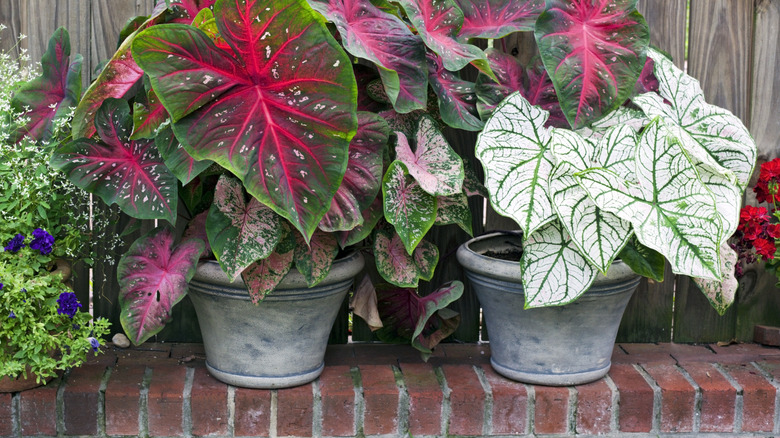
Bricks and pavers pull in warmth during the day and release it at night, acting as mini heat batteries. I set pots up on bricks to lift them off freezing ground and sometimes build a “brick collar” around the base to radiate warmth into the sides.
Even a couple of bricks under the pot dramatically improves drainage and temperature stability from the bottom up.
- Best For: Preventing frozen bases and improving root-zone temps.
- Day/Night Use: Let bricks warm in sun; cluster around pots at dusk.
- Safety: Ensure pots sit level so wind can’t tip them.
6. A Wall Or Fence

A sunny, wind-blocking wall or fence is a powerful, passive insulator. Brick, stone, and darker materials soak up the day’s heat and radiate it after sunset, while the structure shields plants from biting winds.
I slide my most tender containers tight against the warmest wall I have—the south-facing brick—then cluster additional pots around them for a compact microclimate.
- Best For: All container types, especially evergreens and terracotta.
- Placement: South or southwest exposures capture the most winter sun.
- Bonus: Add bricks at the base to amplify heat retention overnight.
7. Bubble Wrap

Bubble wrap traps insulating air around your pot. Wrap the container in one to two layers, securing with tape or twine. Leave the bottom open so water can drain and the pot can “breathe” from below. The plastic surface attracts solar warmth; the bubbles slow heat loss.
I avoid wrapping foliage because it restricts airflow. Instead, pair bubble wrap on the pot with a breathable top layer like burlap or a frost cloth over the plant itself.
- Best For: Pots that need extra sidewall insulation.
- Layering: Bubble wrap + burlap looks neater and adds UV protection.
- Watchouts: Vent on warm days; don’t trap wet leaves inside plastic.
8. Milk Jugs

Milk jugs serve double duty: as internal pressure buffers and external heat sinks. Bury an empty, capped jug under potting soil to absorb some of the expansion pressure when water freezes—this can reduce stress on fragile pots.
Fill other jugs with water (tint it darker with food coloring), let them warm in the sun, then ring your planters with the jugs at dusk. They’ll release heat through the night like big, gentle hand warmers.
- Best For: Fragile pots and overnight radiant warmth.
- Placement: Tight circle around the pot; remove for daytime reheating.
- Internal Use: One empty jug per medium planter is usually enough.
Troubleshooting And Safety
Signs Your Planters Are Too Cold
Cold stress often shows up as wilted or darkened foliage that doesn’t perk up by midday, soil that stays icy through the afternoon, or pots that “ping” and show hairline cracks. Evergreens may bronze, and root balls can feel like a solid block.
When I see these signs, I add sidewall insulation, increase mulch depth, and move pots to the warmest, most sheltered location I have.
What To Avoid With Plastic Coverings
Plastic is useful in emergencies, but avoid tightly sealed covers on sunny days. Trapped moisture + sun can cook foliage, even in winter. Always vent by day and re-secure at dusk. Never block the drainage holes or seal the base to the ground.
Also, don’t let plastic rub directly against tender leaves during freezes—contact points can suffer frost damage.
When To Upgrade To Frost Blankets Or Move Pots
If your forecast calls for multi-day highs below freezing, consider frost blankets over the foliage and burlap or bubble wrap on the pot. For long deep freezes, I move the most vulnerable planters into an unheated garage or porch where temps are buffered.
Think of the eight hacks here as your everyday toolkit; specialized gear and relocation are your backup plans for extended arctic blasts.
Summary Checklist And Quick Reference
8-Item Action Plan
- Garbage Bags: Sleeve the pot; secure above soil; leave drainage open; vent by day.
- Burlap: Wrap pot and plant loosely; tie with twine; breathable, reliable, neat.
- Leaf Mulch: Add 2–4 inches on top of soil; keep away from tender crowns.
- Blankets: Use for frost nights; remove or vent on sunny days.
- Bricks Or Pavers: Elevate pots and cluster warm bricks around bases at dusk.
- A Wall Or Fence: Cluster pots against a sunny, sheltered wall for a microclimate.
- Bubble Wrap: Wrap pot sides; pair with burlap; keep base open for drainage.
- Milk Jugs: Bury one empty jug to buffer expansion; ring warm, filled jugs at night.
Quick Reference Table
| Item | Primary Use | Airflow Safe For Foliage? | Best Pairing | Key Tip |
|---|---|---|---|---|
| Garbage Bags | Emergency pot wrap | No | Leaf mulch cap | Vent during daytime to prevent heat build-up |
| Burlap | Breathable pot + plant cover | Yes | Mulch, blankets | Wrap loosely; secure with twine |
| Leaf Mulch | Soil surface insulation | Yes | Burlap or plastic pot wrap | 2–4 inches; keep off crowns |
| Blankets | Temporary frost protection | Yes | Burlap underlayer | Remove or vent on sunny days |
| Bricks Or Pavers | Heat sink + elevation | Yes | Wall/fence microclimate | Warm bricks in sun; ring pots at dusk |
| A Wall Or Fence | Wind break + radiant warmth | Yes | Brick elevation + mulch | Choose sunny, dark materials if possible |
| Bubble Wrap | Sidewall insulation | No | Burlap outer wrap | Leave base open for drainage |
| Milk Jugs | Heat sink + pressure buffer | Yes | Wall/fence + mulch | Use dark water to absorb more heat |
Final Mindset And Call To Action
Smart winterizing is about steady temperatures, good airflow, and drainage. I think of these eight items as flexible tools I mix and match based on the weather: breathable wraps for regular cold, plastic only for emergencies, and heat sinks plus microclimates for the deepest chills. Start simple, observe after each cold snap, and adjust.
Have a trick that saved your pots last winter? I’d love to hear it. Share your experiences and questions in the comments on Plant Care Dairy—your tip might be exactly what another gardener needs this week.
Disclaimer: This article offers general gardening information for educational purposes. Always consider your local climate, plant hardiness, and manufacturer guidance for containers and coverings. Use heat sources and plastic materials responsibly, and never obstruct drainage.