
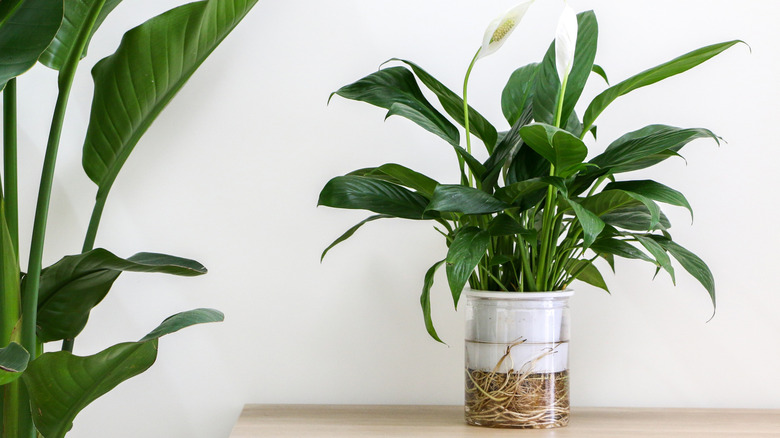
If you’ve ever wondered why a once-blooming peace lily stalls out, the answer is often in the feeding routine. My goal here is to cut through the noise and give you clear, actionable guidance so you can match the right fertilizer, timing, and technique to your plant’s real needs.
In this guide, you’ll learn how often to feed, what to use, and how to avoid common mistakes that lead to brown tips, salt build-up, and bloomless plants. I’ll share a simple schedule, dilution tips, and the exact signs your plant gives when it’s hungry—or overfed.
Quick story: I once inherited a peace lily that was gorgeous but stubbornly green—no blooms for months. When I adjusted the feeding to a gentle, six-week cadence in spring and summer and gave it a soil flush every few months, the blooms returned and stayed consistent. It was a reminder that peace lilies don’t need heavy meals—just the right snacks at the right time.
Why Fertilizing Peace Lilies Matters
Flowering Uses Extra Energy
Peace lilies (Spathiphyllum) are naturally modest feeders, but producing spathes and blooms is energy-expensive. General care guidance, including light and feeding balance, is also outlined in this peace lily care overview from Jomo Studio. Without periodic nutrients, plants prioritize foliage and skip the flowers.
- Blooming demands fuel: Phosphorus and potassium help build buds and support strong stems. Pennington’s guide on how to grow and care for a peace lily also explains how balanced nutrients support healthy flowering.
- Balanced nutrition prevents stalls: A steady trickle of nutrients keeps your plant from going into a leaf-only phase.
The Light-Feeder Personality Of Spathiphyllum
Unlike heavy-feeding houseplants, peace lilies do best with light, diluted feedings. Overfeeding causes more harm than good.
- Gentle, not generous: Full-strength fertilizer is usually too strong and can scorch roots.
- Match feeding to growth: Actively growing plants in spring and summer use nutrients most efficiently.
Clear Signs Your Peace Lily Needs Food
Watch your plant’s signals to fine-tune your schedule.
- Yellowing leaves (older first): Can indicate nutrient deficiency, especially if watering and light are on point. If yellowing continues despite proper feeding, this guide on why peace lily leaves turn yellow breaks down other common causes and fixes.
- Thin or slow growth: New leaves arrive small, and overall vigor is weak.
- Pale green spathes or no blooms: Insufficient nutrients can reduce spathe color and flower production.
The Right Way To Fertilize Your Peace Lily

Pick A Balanced, All-Purpose Formula
Choose a balanced, water-soluble fertilizer (e.g., 20-20-20). This recommendation aligns with fertilizer-specific advice shared by Greg in their guide to peace lily fertilizer, which emphasizes gentle, diluted feeding.
An all-purpose blend supports foliage, roots, and blooms evenly.
- Balanced is best: It’s reliable for peace lilies and reduces the risk of nutrient skew.
- Bloom boosters with caution: High-phosphorus products can help in moderation, but overuse risks salt build-up.
Follow A Seasonal Schedule
In their growing season, peace lilies appreciate a predictable rhythm. Most homes mimic a spring–summer growth spurt and a fall–winter rest.
- Spring–summer: Feed every six weeks during active growth. In low light, limit to two light feedings in this period.
- Late fall–winter: Hold the fertilizer. Plants are semi-dormant and don’t need extra nutrients.
Dial In Dilution And Application
Never use full strength on a peace lily. Instead, dilute to 1/4 to 1/2 strength and apply sparingly.
- Apply to moist root zones: If soil is bone-dry, pre-moisten lightly, then feed, and water after fertilizing to distribute nutrients.
- Flush salts: Every 3–6 months, run water through the soil until it drains freely to remove accumulated fertilizer salts.
- Watch leaf tips: Brown, crispy tips often signal fertilizer burn or salt accumulation.
The 7 Smart Rules For Feeding Success
Rules 1–2: Timing And Light
- Feed on a six-week cadence in spring–summer: This aligns with peak growth and prevents weak, bloomless stretches.
- Reduce feedings in low light: Dim rooms slow growth. Limit to two diluted feedings per growing season in low-light conditions.
Rules 3–4: Strength And Watering Technique
- Stick to 1/4–1/2 strength every time: Full-strength fertilizer can burn roots and tip foliage.
- Water after you fertilize: This helps spread nutrients evenly and prevents localized salt pockets.
Rules 5–7: Salts, Soil, And Seasonal Rest
- Flush the pot every 3–6 months: Leach built-up salts to keep roots healthy and leaf tips clean.
- Use a breathable, well-draining mix: A peat/coir mix with perlite or bark prevents soggy roots and improves nutrient uptake.
- Stop feeding in late fall and winter: Peace lilies rest then; fertilizer is unnecessary and can stress roots.
Troubleshooting: When Peace Lilies Don’t Bloom
Fertilizer-Related Causes
Feeding mistakes often show up as foliage issues before blooms disappear. Correct the routine first.
- Too much fertilizer: Brown tips, crusty soil, and leaves that curl or yellow quickly.
- Too little fertilizer: Weak growth, pale spathes, and long bloom gaps.
- Wrong formula: Foliage-only nutrients may keep leaves glossy but shortchange blooms.
Light And Water Mistakes
Nutrition won’t fix fundamental care gaps. For a full care reset beyond fertilizing, see our complete peace lily care guide. Ensure the basics are right to unlock flowering.
- Light too low: Peace lilies tolerate low light but bloom best in bright, indirect light.
- Overwatering: Constantly wet soil suffocates roots and blocks nutrient uptake.
- Underwatering: Droop and drought stress shut down blooming even if you’re feeding correctly.
Quick Fixes You Can Try This Week
Try these simple changes before overhauling your entire routine.
- Shift the plant closer to bright, filtered light: An east window or a few feet from a bright south window is ideal. Small placement changes like this are a key part of creating an affordable plant setup, as shared in our guide to building an indoor jungle on a budget.
- Refresh the top inch of soil: Replace tired, crusted mix to reduce salts and improve drainage.
- Reset to the six-week plan: Resume diluted feedings during spring–summer and monitor new growth.
Seasonal Playbook: Spring To Winter Feeding
Spring–Summer Boosters
This is your plant’s prime time. Support new leaves and blooms with steady, gentle nutrition.
- Every six weeks: Apply a 1/4–1/2 strength balanced, water-soluble fertilizer.
- Warm, humid rooms shine: Stable 65–80°F and moderate humidity improve nutrient uptake.
- Rinse the soil once mid-season: Leach salts with a thorough flush, then let excess water drain.
Fall Reset
Growth begins to slow, so let your peace lily wind down.
- Skip feeding by late fall: Let the plant rest; don’t push growth that won’t be sustained.
- One flush before winter: Clear salts so roots enter dormancy clean and unstressed.
- Adjust watering: Allow the top inch to dry before watering; cooler rooms need less water.
Winter Rest
Winter is for regrouping. No fertilizer is usually the right choice.
- No fertilizer: Save nutrients for the next active cycle.
- Brighten the light if possible: Short days benefit from a brighter spot or a small grow light.
- Watch for overwatering: Slower metabolism means water sits longer in the pot.
Quick FAQ And Pro Tips
Can You Overfeed A Peace Lily?
Yes. Peace lilies are sensitive to salts. Overfeeding leads to brown tips, yellowing, and stunted growth. If you’ve overdone it, flush the soil thoroughly and pause feeding until new growth looks healthy.
Do You Need A Bloom-Booster Fertilizer?
Not usually. A balanced 20-20-20 type fertilizer at low strength is reliable. If you try a bloom booster, use it sparingly and diluted, watching closely for salt build-up.
What About Low-Light Offices Or Rooms?
Feed less. In dim spaces, give only two diluted feedings in spring–summer. Emphasize light first—place near bright, indirect light for best results.
Repotting And Soil Choices
Peace lilies like a well-aerated, moisture-retentive mix (peat or coir with perlite/bark). Repot every 1–2 years, stepping up one pot size. Fresh soil often reduces fertilizer needs for a month or two.
Wrap-Up: Smart Peace Lily Feeding Mindset
Quick Reference Table
| Light Level | Feeding Frequency | Dilution | Key Notes |
|---|---|---|---|
| Bright, Indirect | Every 6 weeks (spring–summer) | 1/4–1/2 strength | Flush salts mid-season; water after fertilizing |
| Moderate | Every 6–8 weeks (spring–summer) | 1/4 strength | Monitor for yellowing or weak growth |
| Low Light | Twice per growing season | 1/4 strength | Prioritize brighter placement for blooms |
| Late Fall–Winter | Skip feeding | — | Let the plant rest and reduce watering |
7-Point Checklist
- Time it right: Feed every six weeks in spring–summer.
- Less in low light: Only two diluted feedings per growing season.
- Go gentle: Use 1/4–1/2 strength; never full-strength.
- Water after feeding: Helps distribute nutrients and prevents hot spots.
- Flush salts: Leach soil every 3–6 months.
- Mind the mix: Use well-draining, airy soil to protect roots.
- Rest in winter: Hold fertilizer until growth resumes.
Join The Conversation
I’d love to hear what’s working for your peace lily. Drop your questions, tweaks, or success stories in the comments on Plant Care Dairy—your experiences help the whole community grow smarter.
Disclaimer: The information in this article is for educational purposes and reflects general best practices for houseplants. Always consider your home’s specific light, temperature, and humidity conditions, and follow manufacturer directions for any product you use.