
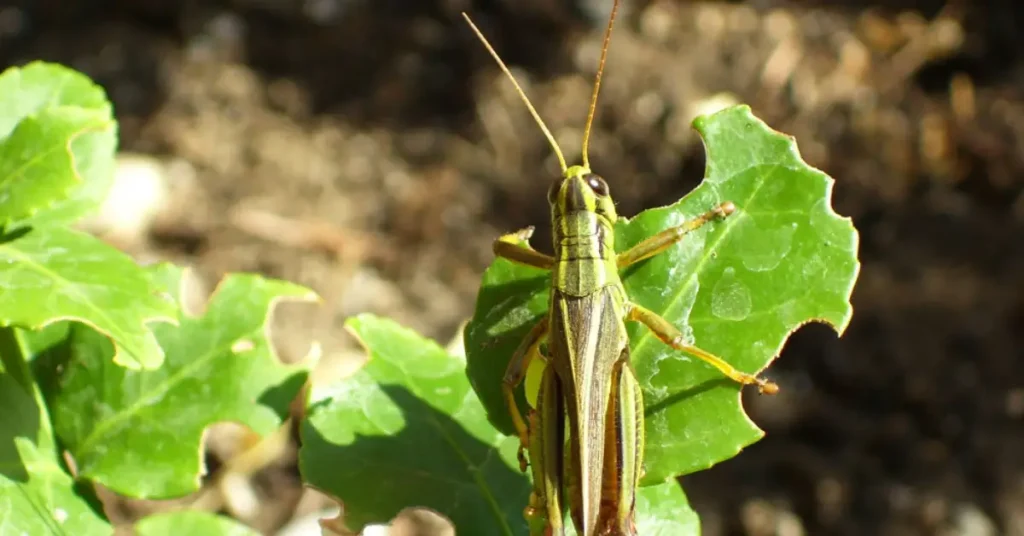
I still remember the summer when I walked into my garden and found dozens of grasshoppers hopping from one plant to another, leaving a trail of nibbled leaves behind. It was frustrating, not just because my vegetables were at risk, but because I didn’t want to spray chemicals that could harm the soil, pollinators, or my family. If you’ve faced this too, you know that grasshoppers can feel relentless.
But here’s the good news: you don’t have to reach for pesticides to protect your plants. Over the years, I’ve learned eco-friendly ways to keep these garden invaders in check—methods that are safe, effective, and surprisingly simple once you know the right approach. In this article, I’ll walk you through what actually works, what to watch out for, and how to set up your garden so grasshoppers think twice before making it their buffet.
Why grasshoppers are a serious threat to your garden
I’ve had mornings where I walked past my lettuce bed and realized entire leaves had vanished overnight. Grasshoppers aren’t just little nuisances—they can decimate your garden faster than you think if left unchecked. To really protect your plants, it helps to understand who you’re dealing with.
Grasshopper biology & lifecycle
Grasshoppers follow a lifecycle that makes timing your interventions critical:
- Eggs: Laid in soil during late summer; these can overwinter and hatch the next spring.
- Nymphs: Small, wingless versions of adults. They start feeding immediately and grow rapidly through several stages.
- Adults: Fully winged, able to hop and fly. They can travel into your garden from nearby fields or weedy edges.
Knowing this lifecycle means you can anticipate when your plants are most at risk. For example, young seedlings are prime targets for nymphs. I rely on guidance from trusted sources like Colorado State University Extension to time my preventive actions.
Typical damage patterns
You want to catch infestations before they get out of hand. Here’s what to look for:
- Leaf skeletonizing: Grasshoppers eat the soft parts of leaves, leaving the veins behind.
- Targeted crops: Vegetables like beans, lettuce, carrots, and cabbage are often the first to be eaten.
- Rapid spread: If you see damage in one section, check nearby beds—grasshoppers don’t stay put.
By recognizing these patterns early, you can act before entire crops are lost.
Why chemical-free methods matter
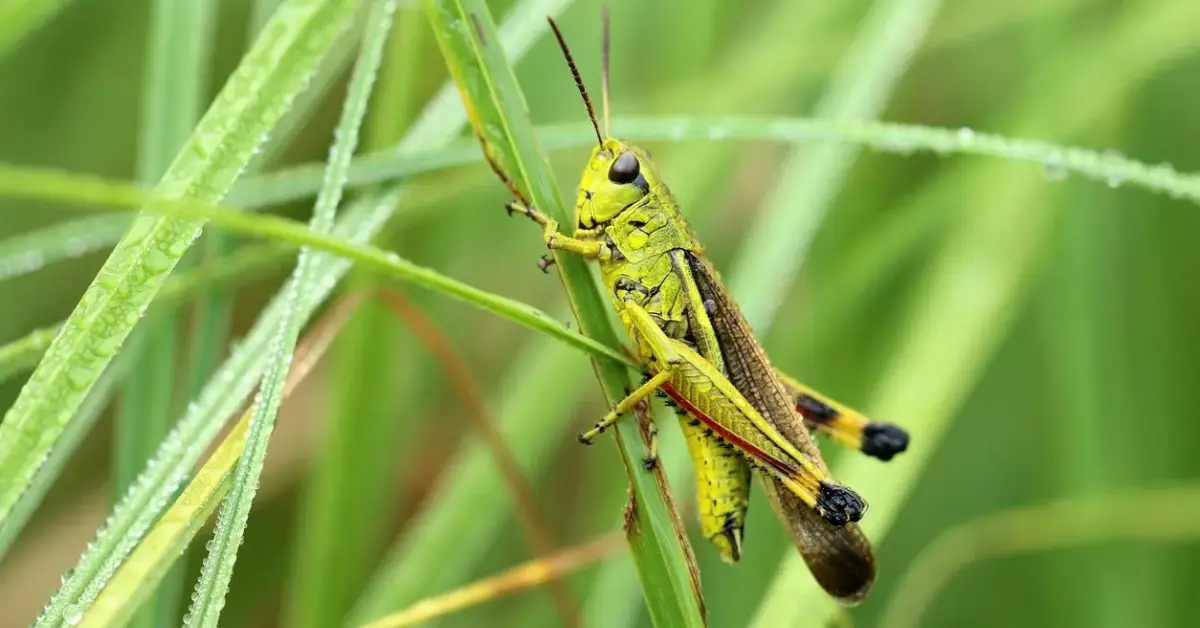
I won’t lie—sprays can seem easier. But think about it: every chemical you use can affect soil health, pollinators, and even the tiny beneficial insects that naturally keep pests in check. Using eco-friendly methods means you’re protecting your harvest and your garden’s ecosystem. Plus, it keeps your home-grown food safe for your family.
Gaps in common treatments
Many guides jump straight to chemical sprays, often skipping the basics:
- Preventing egg laying and nymph survival
- Removing preferred hiding spots like tall grasses or weeds
- Encouraging natural predators
This is where I realized a combined, chemical-free approach not only works—it’s sustainable. By addressing these gaps, you can stop infestations before they spiral out of control.
How to assess your grasshopper pressure before taking action
Before I throw myself into remedies, I like to figure out just how bad the situation is. You’ll save time and frustration if you know exactly what you’re up against.
Monitoring methods
You can monitor effectively with just your eyes and a little knowledge of their lifecycle:
- Look for egg pods in soil in early spring. These small clusters can tell you where new nymphs will appear. Just like spotting unusual egg clusters from pests, such as pink eggs from invasive snails, helps you act early, monitoring for grasshopper egg pods gives you a head start in protecting your plants.
- Watch for young nymphs, tiny but active, feeding on tender leaves.
- Track migration patterns: fields, pastures, or even abandoned lots nearby can be sources.
Doing this regularly has saved me from surprise infestations.
Identify hotspots
Not every corner of your garden is equally vulnerable. Pay attention to:
- Weedy edges around fences or paths
- Tall grasses where grasshoppers hide
- Adjacent pastures or empty lots that may be full of migrating adults
Once I map these hotspots, I can focus my preventive measures and avoid wasting time on areas that aren’t under threat.
Choosing target plants
Some plants are simply more attractive to grasshoppers. In my experience, and backed by research, these are the most vulnerable:
- Leafy greens: lettuce, spinach, kale
- Legumes: beans, peas
- Root crops: carrots, beets
- Young seedlings in general
By prioritizing these plants, I make sure my defenses are strongest where it counts.
Preventive garden design strategies (before grasshoppers arrive)
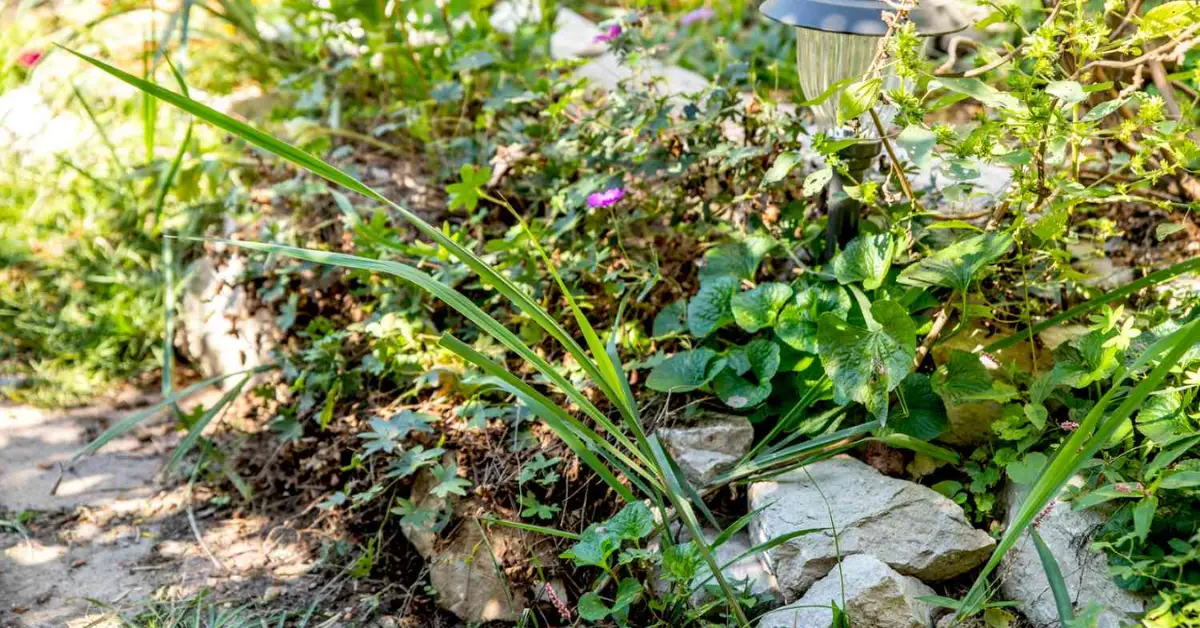
I’ve learned the hard way that prevention is always easier than dealing with a full-blown grasshopper invasion. With a little planning and some strategic choices, you can make your garden far less appealing to these pests before they even arrive.
Barrier and border tactics
One of my favorite approaches is creating physical and visual barriers:
- Trap crops: Plant a few rows of highly attractive plants (like alfalfa or clover) on the edge of your garden. Grasshoppers feed here first, letting you focus your control efforts in one spot.
- Green borders: Taller plants or hedges around vulnerable beds act as a visual and physical barrier.
- Physical screens: Fine mesh row covers or netting can protect seedlings and delicate plants without chemicals.
Using barriers early gives me peace of mind and reduces the pressure on the main crops.
Plant‑selection & companion planting
Some plants naturally repel grasshoppers, while others can lure them away. I always mix these into my garden:
- Repellent plants: Marigolds, nasturtiums, and cilantro seem to keep grasshoppers at bay.
- Trap plants: Sunflowers, clover, or sorghum can draw them away from veggies.
- Companion planting: Pairing crops cleverly—for example, beans near nasturtiums—can protect tender leaves. Choosing the right nutrients and avoiding harmful fertilizers can strengthen your plants’ natural defenses, making them less attractive to pests like grasshoppers (Never use this fertilizer on your plants).
This strategy creates a garden that works for you, rather than just against pests.
Habitat modification
A garden that’s clean and well‑managed is naturally less inviting:
- Remove tall weeds and grasses around your beds
- Keep garden edges tidy to reduce hiding spots
- Apply mulch to cover bare soil, which can limit egg-laying areas
Even small efforts in habitat management can prevent big infestations.
Timing your garden activity
Understanding grasshopper lifecycles lets you plan your planting:
- Pre-hatch tilling: Turning over soil in early spring can destroy eggs before they hatch
- Late planting: Waiting until nymphs have peaked reduces damage to seedlings
Timing has saved me more crops than I can count, and it’s completely natural.
Natural, chemical-free control methods when grasshoppers appear
Despite prevention, sometimes grasshoppers still make it in. I always keep a toolkit of chemical-free methods handy, so I can act quickly.
Manual & mechanical removal
- Hand-picking grasshoppers is surprisingly effective in small gardens
- Shaking plants gently or using screens to protect young seedlings prevents major feeding
- I keep a small jar and a routine: checking plants daily during peak nymph activity
Biological controls

Nature provides allies if you encourage them:
- Birds: Sparrows, wrens, and chickens love snacking on grasshoppers
- Beneficial insects: Praying mantises and certain beetles can help keep populations in check
Creating a garden that attracts predators is one of the most satisfying strategies.
Organic deterrents and treatments
I rely on a few tried-and-true, safe options:
- Neem oil: Sprayed on leaves, it disrupts feeding
- Diatomaceous earth: Dust around plant bases to damage exoskeletons
- Garlic or chili spray: Homemade recipes can make leaves unappealing. When experimenting with organic sprays, it’s important to know which household remedies are safe—like whether you can spray rubbing alcohol on plants without harming them.
Applying these carefully and consistently is key—I’ve seen excellent results over several seasons.
Using bait and microorganism control
For larger infestations, I’ve experimented with products like Nosema locustae, a natural microbe that targets grasshoppers. A few tips from experience:
- Apply early, before populations peak
- Avoid overreliance; it works best combined with other methods
This is one advanced method most beginner guides overlook, but it can be very effective when timed properly.
Physical traps & DIY methods
You don’t need fancy equipment to trap grasshoppers:
- Flour traps: Sprinkle flour lightly around seedlings to slow feeding (works best in early stages)
- DIY sticky boards or net traps: Catch small numbers before they spread
- Always use caution—these are supplementary methods, not full solutions
Integrating methods into a multi-layered approach
I’ve found that relying on one method rarely works long-term. Combining:
- Barriers
- Biological allies
- Manual removal
- Organic sprays
- Strategic timing
…creates a resilient, low-chemical garden ecosystem. The integrated approach follows the principles of Integrated Pest Management (IPM) and has kept my garden thriving year after year.
Specific tactics for different garden types & plants
Every garden is unique, and a one-size-fits-all approach rarely works. I always tailor my strategies depending on the type of garden I’m working with.
Vegetable gardens
Vegetables are usually the first targets for grasshoppers. In my experience, these crops need the most attention:
- Leafy greens: Lettuce, spinach, kale—tender leaves vanish fast
- Legumes: Beans and peas, especially when young
- Root crops: Carrots and beets—nymphs nibble foliage, slowing growth
I make sure to monitor these areas daily and use a combination of barriers, hand-picking, and organic sprays. For detailed crop-specific advice and lifecycle timing, the Oklahoma State University Extension provides excellent guidance.
Flower beds & ornamentals
Aesthetic plants aren’t just decorations—they’re part of your garden ecosystem. I’ve noticed:
- Grasshoppers eat tender flower petals and leaves, which may not kill the plant but ruin blooms
- Protecting ornamentals often requires physical barriers like netting or row covers
- Companion planting can also reduce pressure—adding repellent plants like marigolds around beds helps
Containers & balcony gardens
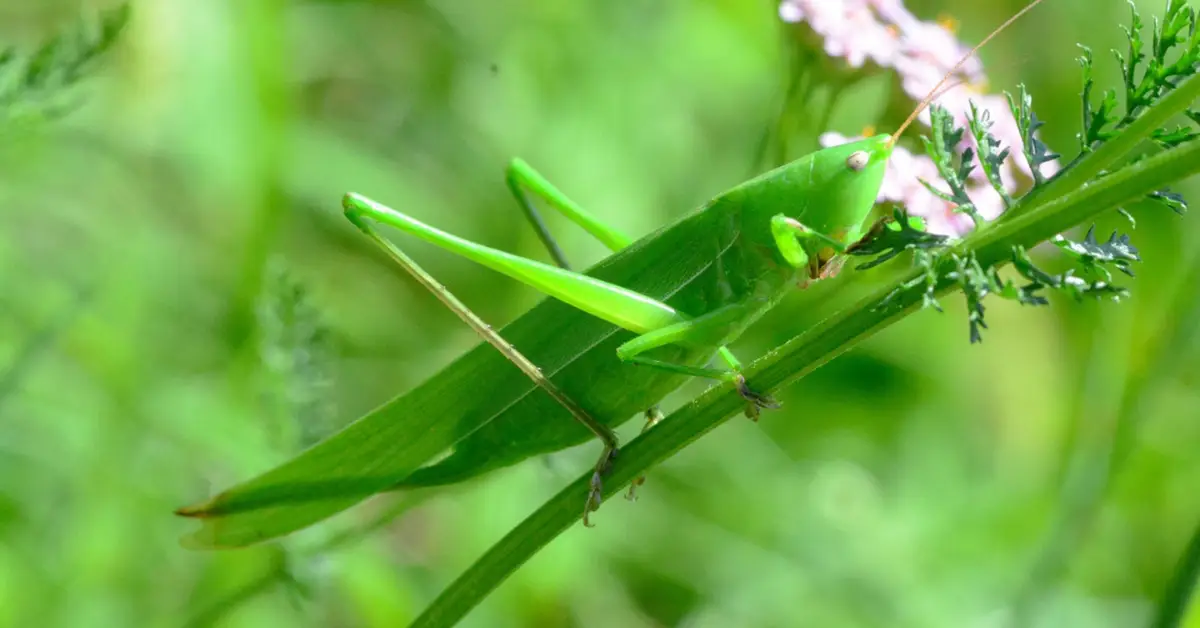
Small spaces have their own advantages and challenges:
- Limited soil means infestations can take over quickly
- Easy to cover with mesh or lightweight row covers
- I often move pots to less vulnerable areas or rotate them to reduce exposure
Large landscapes / rural edge gardens
Gardens near pastures or fields face higher invasion risk:
- Grasshoppers can travel long distances from nearby grasses
- Regular monitoring at edges and using trap crops or borders is essential
- Targeted interventions save labor and reduce crop loss
When eco‑friendly methods aren’t enough: escalation & caution
Even with the best prevention, sometimes grasshoppers overwhelm your garden. I always keep a realistic mindset and know when to step up my efforts.
Recognizing an outbreak vs normal feeding
- Minor feeding: isolated leaves or occasional damage
- Severe outbreak: entire rows of vegetables stripped overnight, adults visibly hopping around
- Acting early is critical; I learned the hard way that waiting can cost weeks of growth
Safe chemical-free escalation options
- Use stronger organic baits or concentrated neem sprays
- Expand border treatments or add extra trap crops
- Rotate manual removal efforts for maximum effect
When to consult professionals
- Large infestations near pastures or communal fields may require advice from extension agents
- Consulting experts if grasshoppers are widespread and adult populations are high
- They can guide eco-friendly yet effective interventions without unnecessary chemical use
Considerations of cost, labor, time, and sustainability
- Manual methods save chemicals but require daily effort
- Organic sprays are effective but may need multiple applications
- Balancing effort and ecological impact is key—I always weigh the benefits before committing to any method
Maintenance, monitoring & long‑term resilience
Grasshopper control isn’t a one-and-done task. I’ve found that long-term success comes from consistent monitoring and garden management.
Seasonal calendar: key checkpoints
- Early spring: Look for egg pods in soil
- Late spring/early summer: Watch for hatching nymphs
- Summer: Continue monitoring adults, check high-risk crops
- Late season: Prepare soil and borders for next year
Record-keeping & garden mapping
- Keep a simple notebook or digital map of hotspots and past damage
- Track what control methods worked best in each area
- This helps plan for the next season and reduces surprise infestations
Fostering beneficial ecosystems
- Encourage birds, chickens, and predatory insects
- Maintain healthy soil with mulch and compost
- Plant diverse species to create natural repellents and food chains
Review and refine
I always end the season by reviewing my garden:
- Which methods worked?
- Where did grasshoppers still get through?
- What can I improve next year?
This iterative approach ensures that each season is easier and more productive, and it keeps your garden naturally resilient.
Myth‑busting and common mistakes to avoid

Even experienced gardeners sometimes fall for common misconceptions about grasshoppers. I want to clear up the biggest myths I’ve seen:
“Grasshoppers only eat grass”
False. Many grasshoppers happily munch on shrubs, vegetables, and even ornamental flowers. Understanding this helps you monitor the right areas before damage spreads.
“Covering plants once is enough”
Not true. Grasshoppers are mobile and persistent. A single row cover or barrier will protect plants temporarily, but repeated checks and adjustments are necessary to prevent reinvasion.
“One spray kills everything”
Whether chemical or organic, one application rarely solves the problem. Timing, consistency, and combination strategies matter more than a single treatment.
Mistaking harmless grasshoppers for problem species
Some grasshoppers cause little harm, and others can devastate crops. Learning to identify the real culprits saves effort and prevents unnecessary interventions.
By avoiding these mistakes, you save time, effort, and frustration—and protect your garden more effectively.
Quick reference checklist & gear guide for the eco-conscious gardener
Here’s a practical toolkit I use and recommend for chemical-free grasshopper control:
Essential tools & supplies
- Row-cover fabric
- Neem oil mixture
- Diatomaceous earth
- Physical traps
- Bird feeders to attract predators
- Companion plants for repelling pests
- Boundary grasses or trap crops
Seasonal timeline
- Early spring: Inspect soil for egg pods, prep barriers
- Late spring/early summer: Monitor nymphs, hand-pick, and apply organic sprays
- Summer: Maintain barriers, encourage predators, spot-treat hotspots
- Late season: Clean garden edges, mulch, and plan next year’s layout
Troubleshooting table
| Symptom | Likely Cause | Eco-Friendly Action |
|---|---|---|
| Skeletonized leaves | Grasshopper feeding | Hand-pick, apply neem spray |
| Rapid leaf loss | Adult invasion | Deploy row covers, encourage birds |
| Repeated damage | Eggs or nymphs hiding nearby | Remove weeds, check soil, rotate trap crops |
This quick reference helps you act fast without second-guessing, keeping your garden protected all season.
Final thoughts: Fostering a garden that’s naturally resilient
Over the years, I’ve learned that grasshopper control isn’t just about stopping pests—it’s about building a garden that can thrive on its own. A few key takeaways:
- Prevention is better than cure: barriers, companion planting, and habitat management go a long way
- Monitor consistently: regular checks help catch problems before they escalate
- Combine strategies: hand-picking, organic sprays, and natural predators work best together
- Start small and iterate: even small gardens can become resilient with careful attention
I’d love to hear about your experiences! Have you tried any of these eco-friendly strategies? Or do you have a tip that worked wonders in your garden? Share your story in the comments below, and don’t forget to check out more practical guides and gardening advice on Plant Care Dairy to help your garden flourish season after season.
Disclaimer: The information provided in this article is for educational and informational purposes only. Results may vary depending on your garden, location, and conditions. Always use caution when applying any pest-control method, and consult local experts if you have concerns about large infestations.