
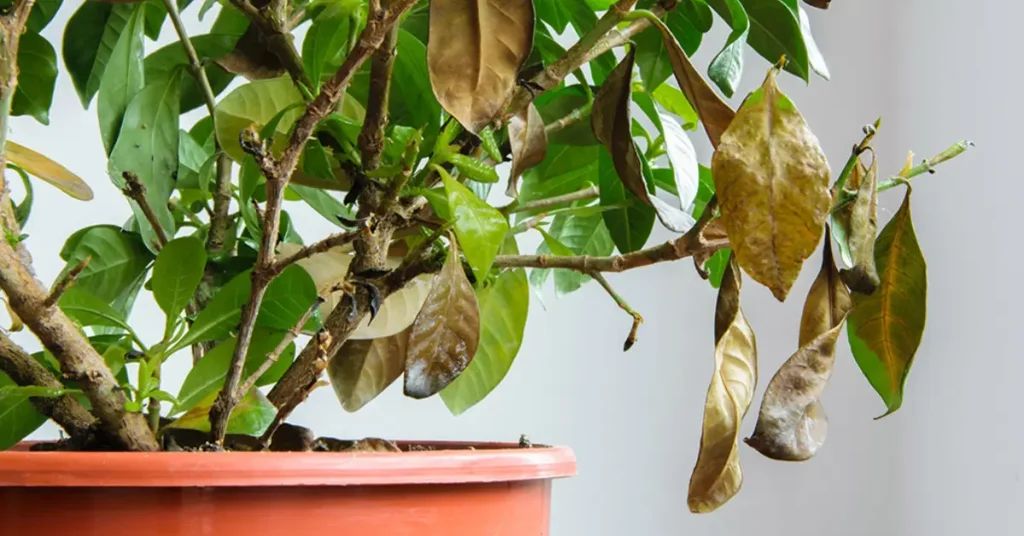
I’ve been there—you bring home a shiny new houseplant, give it a sunny spot, water it carefully, and yet, within weeks, its leaves start turning yellow or drooping. You wonder: “Why are my houseplants dying?” Trust me, it’s not just you, and it’s not always obvious. Most guides out there will list watering or light as the culprit, but the reality is often more complex. Overwatering, pests, low humidity, poor soil, even the stress of moving can silently sabotage your plants before you even notice.
In this article, I’ll walk you through the real reasons your houseplants struggle, what you can do to save them, and how to prevent these issues in the future. By the end, you’ll have a clear checklist, practical tips, and some insider tricks that most online guides completely miss. Let’s start by understanding what your plants are really trying to tell you—because once you know that, helping them thrive becomes so much easier.
Understanding the Real Search Intent
I get it—you’re staring at your drooping plant and feeling frustrated. You’re not just curious about why it’s dying; you want answers that actually work. You want to know how to stop the damage, revive your plant, and prevent the same mistakes from happening again. Most guides skim over this, but understanding the “why” behind your plant’s struggles is the first step to real success.
Think of it this way: every wilted leaf or yellowing tip is a signal. If you read it right, you can act quickly and save your plant before it’s too late.
Quick myth-busting
Before we dive into causes, let’s clear a few misconceptions that keep people spinning in circles:
- It’s not just about watering. While too much or too little water is common, it’s rarely the only culprit.
- All plants don’t need the same light. Some thrive in bright indirect light, others in shade. Moving a plant too quickly can shock it.
- Fertilizer isn’t always the answer. Overfeeding can be just as harmful as neglect.
By busting these myths early, we avoid chasing the wrong solutions and wasting time and energy on methods that won’t help.
Top 7 Common Causes Your Houseplant Is Dying

1. Overwatering (and root-rot)
Believe it or not, most indoor plants die from too much water rather than too little. Overwatering saturates the soil, suffocates roots, and leads to root-rot. Signs include:
- Yellowing leaves
- Mushy stems
- A musty smell from the soil
Quick fix:
- Check if your pot has proper drainage holes.
- Let the soil dry out before watering again.
- Trim any black or mushy roots.
Missouri Botanical Garden has a great guide on root rot and how to save plants.
2. Underwatering and drought stress
On the flip side, some plants struggle because they’re not getting enough water. To find the right watering schedule for your indoor plants, check out how often you should water container plants with expert tips to keep them healthy. Symptoms include:
- Crispy leaf edges
- Drooping leaves that perk up after watering
- Slower growth
Quick fix:
- Water consistently, based on the plant species and season.
- Use a moisture meter or stick your finger into the soil to test.
3. Inadequate or incorrect light
Light isn’t one-size-fits-all. Too little sunlight can make leaves pale and stems leggy, while too much direct sun can scorch them. To understand the exact requirements for your plant, check out how much sunlight indoor plants really need – low, medium, or bright light, so you can place it in the perfect spot.
Quick fix:
- Observe your plant for signs of sunburn or stretching.
- Adjust its location gradually to avoid shock.
4. Wrong pot/soil/poor drainage
Sometimes the problem isn’t water or light—it’s the environment you’re providing:
- Pots that are too small restrict root growth.
- Pots without drainage trap excess water.
- Old or compacted soil can suffocate roots.
Quick fix:
- Repot into a slightly larger container with well-draining soil.
- Add a layer of pebbles at the bottom if drainage is limited.
5. Humidity, temperature fluctuations & drafts

Houseplants evolved for stable environments. Low humidity, heaters, or sudden drafts can stress them out:
- Brown leaf tips
- Leaf drop
- Curling or wilting leaves
Quick fix:
- Use a humidity tray or room humidifier.
- Keep plants away from vents, heaters, or drafty windows.
6. Pests, diseases & hidden infestations
Even healthy-looking plants can hide tiny attackers. Spider mites, fungus gnats, or aphids can silently damage leaves and roots:
- Tiny webs or spots on leaves
- Wilting without obvious reason
- Sticky residue on leaves
Quick fix:
- Inspect plants regularly.
- Wash leaves and treat infestations early with natural or chemical controls as appropriate.
7. Nutrient issues / over-fertilising / lack of maintenance
Finally, plants need nutrients, but too much fertilizer can burn roots and stress your plant. Soil can also lose fertility over time:
- Leaf yellowing from lack of nutrients
- Salt build-up from overfertilization
- Stunted growth
Quick fix:
- Fertilize according to plant type and season.
- Repot with fresh soil every year or two.
Why So Many “Fixes” Fail – The Hidden Gaps
Misdiagnosing cause based on symptoms
I’ve seen it happen countless times—spots, yellow leaves, or drooping stems can mean completely different things depending on the plant and its environment. If you jump to the wrong conclusion, your “fix” might make the problem worse.
Tips to avoid misdiagnosis:
- Observe multiple symptoms together rather than reacting to just one.
- Take a photo and compare with reliable plant guides.
- Keep notes of recent watering, fertilizer, or light changes.
Ignoring the seasonal & environmental context
Many guides only talk about summer care, but winter is a whole different challenge. Indoor heating, low humidity, and shorter daylight can stress plants in ways people rarely anticipate.
What to watch for:
- Leaves curling or browning near heaters.
- Leggy growth due to low winter light.
- Sudden leaf drop after temperature changes.
Plant‑specific needs vs generic advice

Not every plant thrives the same way. A succulent and a fern may both droop, but for completely different reasons. Generic “one-size-fits-all” advice often fails.
My tip:
- Research your specific species’ light, water, and soil requirements.
- Adjust care routines instead of blindly following broad instructions.
New plant stress & purchase shock
Even healthy-looking nursery plants can arrive stressed. This is often called “purchase shock,” where the plant takes a few weeks to adjust to your home. The Guardian highlights that many supermarket plants appear healthy but die quickly because of this hidden stress.
How to help:
- Keep new plants in a stable, indirect-light location.
- Avoid heavy fertilizing or overwatering during the first few weeks.
- Inspect for pests or damaged roots immediately.
Step‑by‑Step Fix Guide: How to Save a Dying Houseplant
Step 1 – Stop doing what may be killing it
Before rushing to “fix” your plant, pause and identify what could be harming it:
- Stop fertilizing if overfeeding is possible.
- Check for signs of overwatering and let soil dry.
- Make sure the pot has proper drainage.
Step 2 – Diagnose: run the “checklist”
Give your plant a proper check-up so you know exactly what’s wrong:
- Soil moisture: dry, soggy, or just right?
- Root condition: mushy, blackened, or healthy?
- Light level: too dark or too intense?
- Signs of pests: webs, sticky residue, or tiny bugs?
- Pot size and drainage: is the root space sufficient?
Step 3 – Make the correction
Once you know the cause, take action immediately:
- Adjust watering schedule.
- Improve drainage or repot if needed.
- Move the plant to a better location with proper light.
- Clean leaves and treat any pest infestations.
Step 4 – Prevent relapse
Keeping your plant healthy is just as important as reviving it:
- Monitor humidity with a tray or small humidifier.
- Rotate pots occasionally for even growth.
- Set up a light schedule if natural light is insufficient.
- Inspect the plant regularly for early signs of stress.
Step 5 – When to repot or replace soil
Sometimes the problem is deeper than leaves—it’s the soil. Over time, soil loses nutrients and can even develop harmful salts.
Quick guide:
- Repot into fresh soil every 12–24 months. For detailed instructions, see our step-by-step guide on how to repot indoor plants safely, which covers soil selection, root trimming, and transplanting tips.
- Choose soil suitable for your plant type.
- Trim dead roots when repotting.
Quick Reference Table: Cause → Symptom → Fix
I know you don’t always have time to read long guides, so here’s a table you can glance at when your plant looks stressed. It makes diagnosis quick and actionable:
| Cause | Symptom | Quick Fix |
|---|---|---|
| Overwatering | Yellow/wilted leaves, soggy soil | Improve drainage, reduce watering, trim black roots |
| Underwatering | Crispy edges, drooping leaves | Water consistently, use a moisture meter |
| Low light | Leggy stems, pale leaves | Move closer to window, add grow light |
| Too much light | Scorched/burnt leaves | Move to indirect sunlight, shade during peak hours |
| Poor pot/soil | Stunted growth, water pooling | Repot with well-draining soil, check pot size |
| Low humidity | Brown leaf tips, curling leaves | Use a humidity tray, keep away from heaters |
| Pests/disease | Spots, webs, sticky residue | Clean leaves, treat with safe pesticide, isolate plant |
| Nutrient imbalance | Yellowing leaves, slow growth | Fertilize appropriately, replace old soil |
When to Let Go: Recognising a Plant Beyond Rescue
Sometimes, despite your best efforts, a plant is beyond saving. It’s not failure—it’s part of the process. Knowing when to let go saves you stress and helps you invest in healthier plants next.
Signs it’s time to say goodbye:
- Mushy, rotten roots throughout the plant
- Fungus spreading in the soil
- Zero new buds or leaves for months, despite consistent care
Accepting this can feel tough, but it also frees up space and energy for plants that actually thrive. Trust me—you’ll feel better knowing you tried everything and can start fresh.
Choosing the Right Plant For Your Space (So It Doesn’t Die Again)
Beginner-friendly plants that survive common mistakes
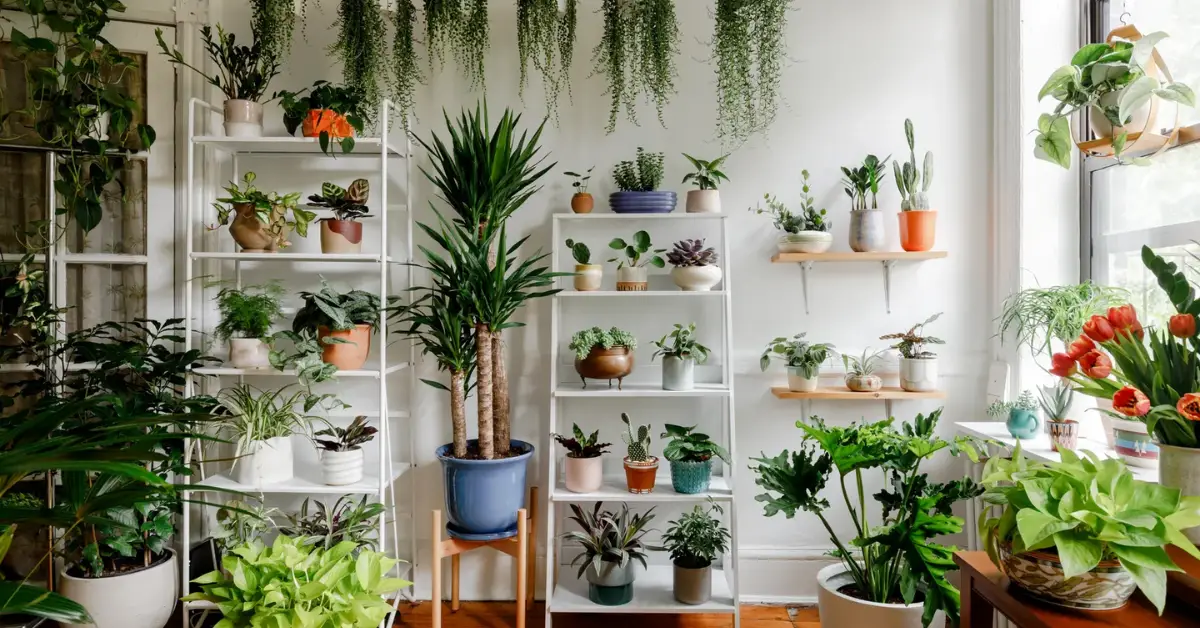
After seeing what went wrong, picking the right plant is key. Start with resilient options that can tolerate occasional mistakes:
- Snake Plant
- ZZ Plant
- Pothos
- Spider Plant
Good Housekeeping has a solid list of hardy houseplants for beginners.
Matching plant to light/humidity/maintenance level
Not all plants suit all environments. Think about:
- How much natural light your space gets
- Humidity levels in your home
- How much daily/weekly care you can realistically give
Matching the plant to your conditions drastically increases survival chances.
Healthy plant purchase checklist (at nursery or store)
When buying a new plant:
- Inspect leaves for pests or yellowing
- Check roots (avoid crowded or root-bound pots)
- Ask staff about watering history
- Choose a plant appropriate for your light/humidity conditions
Even a resilient plant can struggle if you pick one unsuitable for your home—prevention is always easier than rescue.
Final Thoughts & Next Steps
Looking after houseplants isn’t just about reacting to problems—it’s an ongoing process of observation, adjustment, and learning. Start by inspecting your plant with the checklist we’ve covered, make small changes, and don’t panic if something goes wrong.
Remember, even the most experienced plant owners have plants that struggle—it’s part of the journey. By acting early and understanding your plant’s needs, you can drastically improve its chances of thriving.
If you found these tips helpful, I’d love to hear from you:
Share your plant success (or struggles) in the comments below. Visit Plant Care Dairy for more detailed guides, step-by-step fixes, and real-life plant stories to keep your indoor garden thriving.
Your next thriving plant could just be a few simple adjustments away—so start today and see the difference!
Disclaimer: The tips in this article are for general guidance on houseplant care. Individual plants may have specific needs, and results can vary. For serious issues or rare plant species, consult a professional or specialist.