

Winter gardening can feel confusing when you’re new, but it doesn’t have to be. My aim here is simple: cut through the noise and give you the exact steps to keep your garden thriving (or resting well) when temperatures drop. You’ll learn how to match cold-season light and timing to the right plants, protect tender favorites, and decide when to push for a harvest versus when to let your garden sleep.
When I first started, I figured gardening ended at the first frost. Then I learned that winter gardens just operate under a different set of rules. Once I understood my limits—light, temperature, and timing—everything else fell into place. The five steps below are the method I wish I’d had on day one.
The 5 Smart Steps at a Glance
- Know Your Winter Limits: Frost dates, daylight shifts, and microclimates set the rules.
- Choose Cold-Loving Plants: Pick crops and ornamentals that thrive in short days and chilly air.
- Protect Sensitive Plants: Bring tender growers in, mulch roots, and use shelter wisely.
- Consider Season Extension: Cold frames, hoop houses, and greenhouses stretch your harvest window.
- Let It Sleep: Embrace winter interest, support wildlife, and time cleanup for spring.
Step 1: Know Your Winter Limits

Good gardeners respect parameters. In winter, frost dates, day length, and site conditions dictate what’s possible. Before you plant or protect anything, spend a little time observing your garden’s winter personality. You could also explore detailed guides on how to survive the coldest months in your garden, which offer more tips on mapping microclimates and frost dates. For example, this winter garden survival guide dives deep into winter-ready techniques.
Map Frost Dates, Zone, and Real Temperatures
- Find your first and last frost dates: They define your true cold window and how long unprotected plants can survive.
- Confirm your USDA or local hardiness zone: Your zone guides perennial survival and which annuals tolerate your lows.
- Track actual yard temps: A cheap thermometer reveals how patios, raised beds, and open soil differ by a few degrees.
- Note average nighttime lows: Many tender plants struggle once nights sit below 50°F (10°C).
Watch Winter Light and Microclimates
- Observe the sun’s lower angle: Structures and trees cast longer shadows; beds that were sunny in July may be shady in January.
- Mark warm and cold pockets: South-facing walls, brick, or stone store heat; low spots trap cold air and frost.
- Gauge day length: Short days slow growth; even hardy crops pause when light is scarce, then restart with increasing daylight.
Audit Space, Water, and Bed Types
- Inventory available beds: Raised beds warm earlier but dry faster; in-ground beds hold moisture and moderate swings.
- Check water access: Frozen spigots complicate irrigation; plan hoses or watering cans accordingly.
- List winter obstacles: Wind corridors, icy paths, and heavy snow loads influence what protections you can use.
Step 2: Choose Cold-Loving Plants
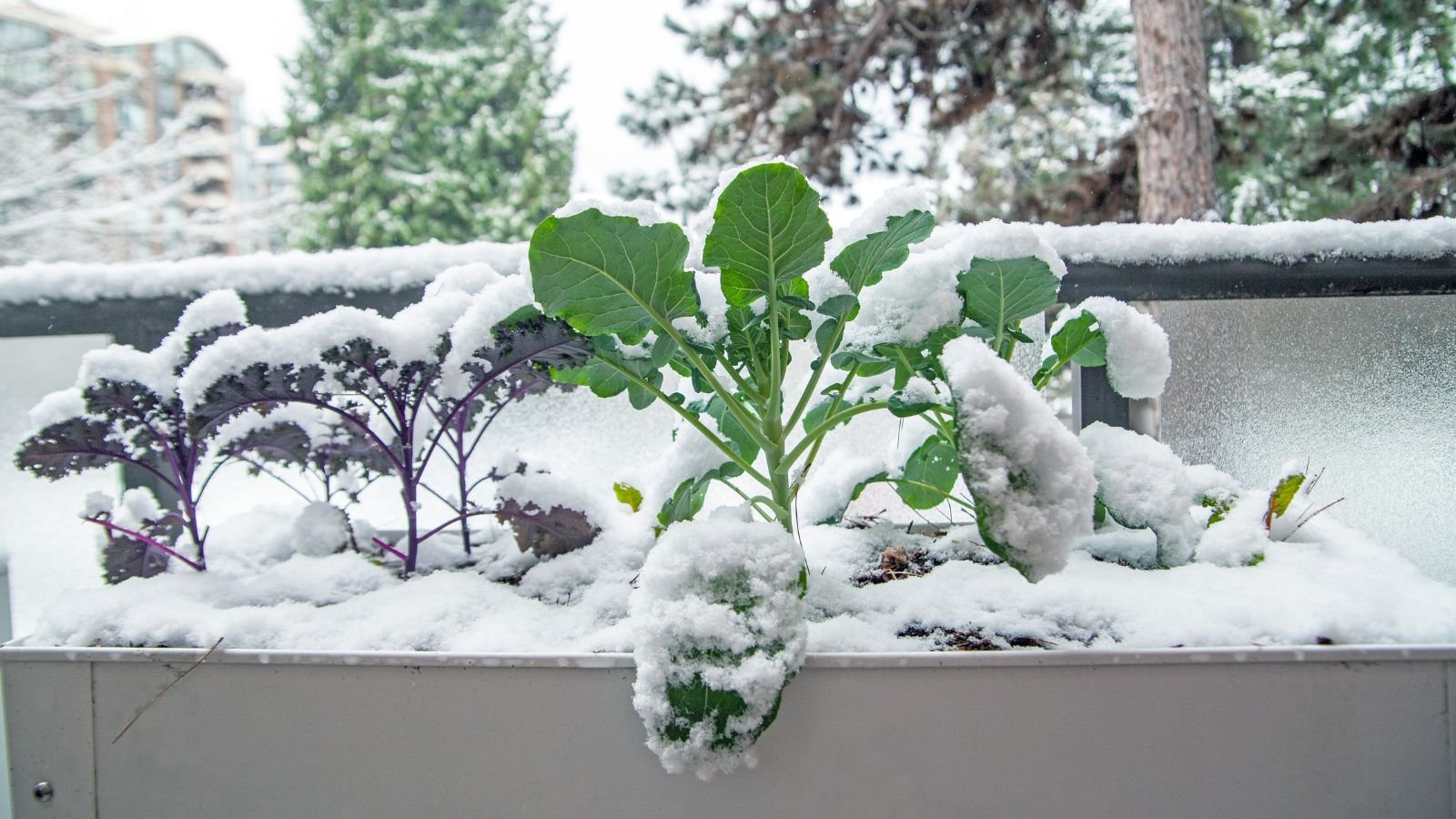
One of my earliest mistakes was forcing warm-season crops into late fall. They languished under short days and folded at the first real chill. I’ve had far better results picking cold-ready edibles and ornamentals matched to my actual winter conditions. If you want a full planting schedule and suggestions for what to grow and when during winter, this ultimate guide to winter gardening provides excellent, month-by-month recommendations.
Best Edibles for Chilly Conditions
- Brassicas: Cabbage, kale, collards, Brussels sprouts, and broccoli tolerate frost and get sweeter after a chill.
- Hardy greens: Spinach, mâche (corn salad), arugula, tokyo bekana, tatsoi, and mustard greens thrive in cool weather.
- Roots and alliums: Carrots, beets, turnips, radishes, rutabagas, leeks, and green onions handle cold soil well.
- Cold-tolerant herbs: Parsley, chives, and thyme often persist with light protection.
Ornamentals That Shine in Winter
- Cool-season bloomers: Violas and pansies are famously cold-hardy and flower through frosty spells.
- Winter bulbs: Snowdrops, crocus, and early daffodils pop when little else is awake. Learn the best timing and mulching strategies for spring bulbs in our article on when to plant and mulch spring bulbs.
- Structure and seed heads: Coneflowers, sedums, and ornamental grasses bring sculptural “winter interest.”
- Cold-friendly fruit: Many fruit trees require winter chill to set fruit properly the following season.
Timing: Planting Windows That Work
- Stagger sowing in late summer to fall: Give crops time to size up before deep winter; they’ll hold in the cold.
- Leverage winter sowing for spring: Seed hardy annuals in vented containers outdoors so chill and moisture trigger natural germination.
- Respect the “Persephone period”: When day length sinks near 10 hours, growth slows; plan to harvest what’s already sized up.
Step 3: Protect Sensitive Plants
Some plants simply won’t tolerate cold nights and short days. I’ve learned not to gamble with tender favorites—move, mulch, or shelter them before damage sets in.
Bring Tender Tropicals and Houseplants In
- Act before nights hit 50°F (10°C): For tropicals and warmth lovers, pot them up and move them into a garage, greenhouse, or indoors.
- Quarantine briefly indoors: Reduce pest “hitchhikers” by isolating new arrivals for a week and checking leaves and soil.
- Adjust light and water: Provide bright light and water less; houseplants consume less in cool, dim conditions.
Mulch to Protect the Root Zone
- Apply 2–3 inches of organic mulch: Shredded leaves, straw, or bark buffer freeze-thaw cycles and feed soil as they break down. For detailed guidance on making the most of fallen leaves as mulch and compost, check out how to use fallen leaves in your garden.
- Cover crowns for borderline perennials: A loose mulch collar protects buds without smothering stems.
- Top off raised beds: They lose heat faster; mulch moderates extremes and reduces heaving.
Use Shelter and Timing to Your Advantage
- Choose the most protected spots: Tuck pots near south-facing walls and out of prevailing winds.
- Deploy frost cloth before a cold snap: Cover plants in late afternoon to trap retained heat overnight.
- Water ahead of hard freezes: Moist soil holds heat better than dry soil, reducing root stress.
Step 4: Consider Season Extension
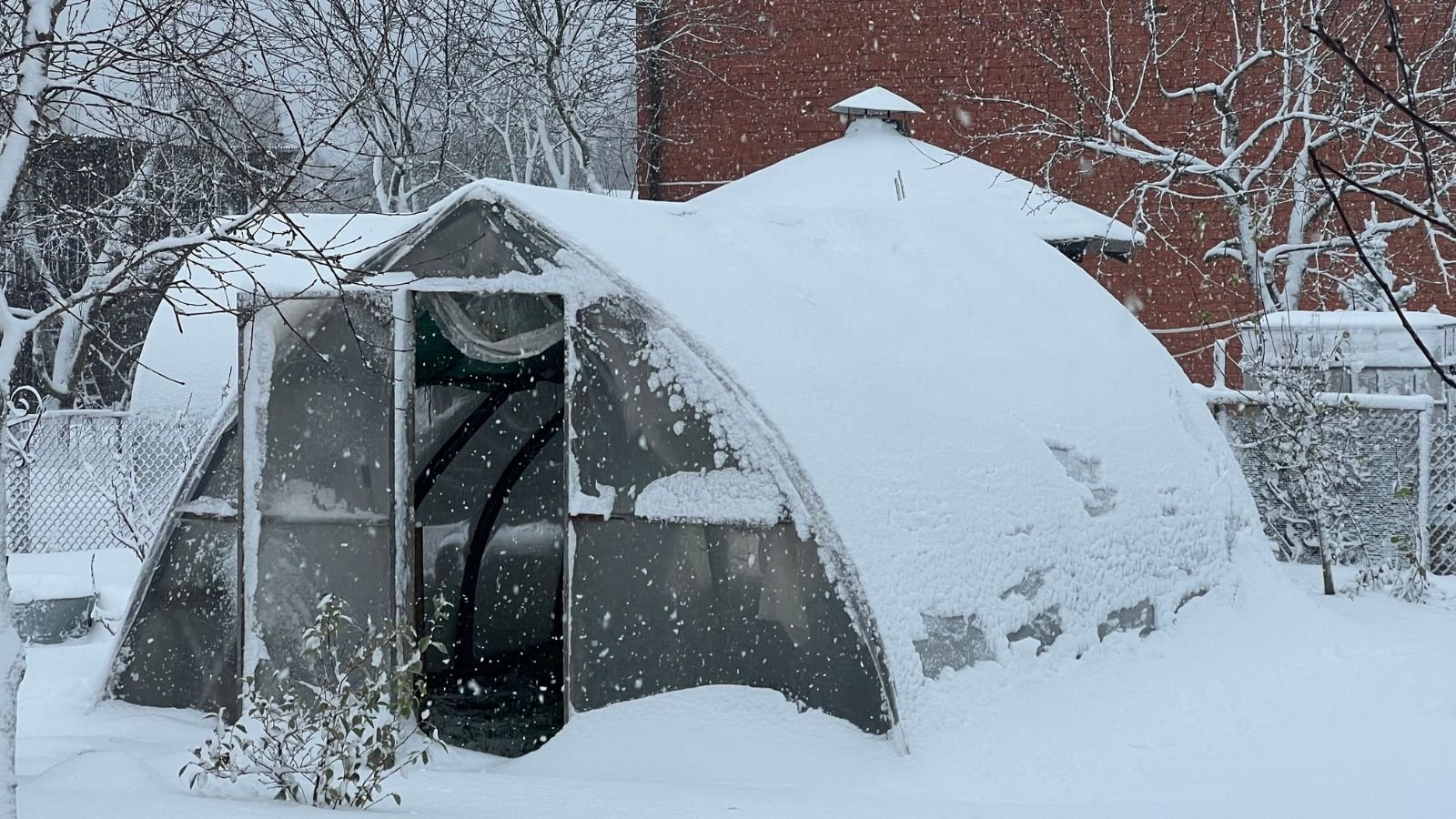
If you want to keep harvesting or experimenting, season extenders are your best friends. Even simple setups can provide 10°F of protection, and a sunny day inside a covered tunnel can feel like a different season. For more ideas on keeping your plants thriving in December and beyond, including creative ways to use greenhouses and cold frames, Architectural Digest India’s winter gardening guide is a great resource.
Cold Frames, Hoop Houses, and Frost Cloth: What Each Does

- Cold frames: Offer up to 10°F of protection; great for hardy greens, seedlings, and hardening off plants.
- Hoop houses with greenhouse plastic: In direct sun they can raise internal temps by as much as 50°F over ambient.
- Frost cloth/row cover: Adds a few degrees of protection and reduces wind desiccation; double layers help during snaps.
- Low tunnels: Affordable arches plus plastic or fabric that you can vent on warm afternoons to prevent overheating.
Indoor and Controlled-Climate Growing
- Greenhouses and grow rooms: With heat and lights, you can cruise through subfreezing temps while plants stay productive.
- Supplemental lighting: LED grow lights close the short-day gap; aim for 12–14 hours for leafy greens indoors.
- Watch humidity and airflow: Vent to prevent fungal issues; small fans help in enclosed spaces.
Simple, Low-Lift Extenders
- Pop-up covers and cloches: Quick to place before a frost; ideal for single plants or small clusters.
- Mulch plus fabric: A mulch layer topped with row cover shields roots and leaves without heavy infrastructure.
- Winter sowing to jump-start spring: Sow hardy seeds in lidded containers outdoors so nature manages chilling and timing.
Step 5: Let It Sleep

The most restorative winter strategy is often to do less. When you leave perennials standing, preserve seed heads, and minimize disturbance, you support beneficial insects and birds while setting your garden up for a strong spring.
Why “Winter Interest” Matters
- Structure in low light: Frosted grasses and coneflower seed heads glow in slanting winter sun.
- Natural cycles at work: Many perennials brown gracefully, insulating crowns and protecting soil.
- Beauty with purpose: You get sculptural forms plus microhabitats for overwintering life.
Support Wildlife and Natural Reseeding
- Leave seed heads: Birds and small mammals forage when other food is scarce.
- Encourage self-sowing: Cold and moisture help certain annual seeds break dormancy for spring germination.
- Layer leaves where appropriate: Rake them into beds to mulch and shelter beneficial insects; shred if mats form. If you want step-by-step instructions on composting during the colder months, visit our guide on how to compost in winter.
Smart Cleanup and Pruning Timing
- Remove diseased material promptly: Bag and toss to avoid overwintering pathogens.
- Delay heavy cutbacks: Wait until late winter/early spring to prune most perennials and ornamentals for wildlife value.
- Prune fruit trees just before spring: Late winter pruning shapes structure and channels energy into new growth.
Conclusion: The Smart Winter Gardening Mindset
Winter gardening isn’t about fighting the season—it’s about gardening with it. Once you know your limits, choose plants that like the cold, protect the tender, and strategically extend the season, you’ll stop guessing and start growing with confidence.
I’ve learned to read my garden’s cues and make thoughtful moves, not frantic ones. Do that, and you’ll harvest more in winter and walk into spring with healthier soil, happier plants, and far less stress.
Quick Reference: Winter Garden Summary Table
| Parameter | What to Check | Action to Take |
|---|---|---|
| Frost Dates & Zone | First/last frost; USDA zone | Plan planting and protection windows around actual lows |
| Day Length & Light | Sun angle, shadows, 10-hour day threshold | Size crops before deep winter; add light indoors |
| Microclimates | South walls, wind corridors, low dips | Site tender plants in warm pockets; shield from wind |
| Soil & Moisture | Drainage, mulch depth, freeze–thaw | Mulch 2–3 inches; water before hard freezes |
| Crop Selection | Cold-hardy edibles and ornamentals | Choose brassicas, hardy greens, roots, violas, bulbs |
| Protection | Cold frames, tunnels, frost cloth | Add 4–10°F protection; vent on sunny days |
| Indoors/Greenhouse | Temp, humidity, airflow, light | Supplement lights; monitor heat and ventilation |
| Wildlife Support | Seed heads, leaf cover | Leave perennials standing; mulch with leaves |
Your Winter Gardening Checklist
- Confirm frost dates and zone: Write them on your calendar to anchor all winter decisions.
- Track microclimates for two weeks: Note warm walls, frost pockets, and wind paths.
- Choose five cold-hardy crops: Start with spinach, kale, carrots, leeks, and parsley.
- Schedule late-summer/fall sowings: Aim to size up plants before the darkest weeks.
- Prep protection gear: Gather mulch, frost cloth, low-tunnel hoops, and clamps.
- Rescue tender plants on time: Move tropicals inside before nights sit below 50°F (10°C).
- Vent covers on sunny days: Prevent overheating in cold frames and tunnels.
- Leave seed heads where safe: Feed birds and support beneficial insects.
- Remove only diseased debris: Bag and trash it; compost the rest if hot composting.
- Plan late-winter pruning: Shape fruit trees and cut back perennials as spring nears.
If you found these tips helpful, share your winter wins and questions in the comments. For more practical guides and plant-by-plant advice, visit Plant Care Dairy—and let us know what you want to learn next!
Disclaimer: This article is for educational purposes only. Always consider your local climate, microclimates, and plant tags, and consult regional resources or extension services for recommendations specific to your area.