

Every fall, I notice my roses start to whisper that the season’s changing. The blooms fade a little faster, the leaves take on a tired look, and the air around the garden feels different — softer, cooler, quieter. That’s when I know it’s time to shift from admiring to caring. Autumn isn’t about giving up on your roses; it’s about helping them rest and rebuild for what’s coming next.
I’ve learned over the years that roses don’t really “die back” in autumn — they prepare. The energy moves underground, roots strengthen, and everything you do now decides how healthy those first buds will be in spring. The mistake many gardeners make is stopping attention too soon — pruning too hard, feeding too late, or ignoring pests just because blooms are fading.
In this guide, I’ll walk you through the simple, smart steps that keep your roses thriving long after summer ends. You’ll learn what to cut, what to feed, and how to protect them before frost sets in — all based on what’s actually worked in real gardens like yours.
So before we dig in, tell me this — what’s one thing about your roses you wish you could fix before winter hits?
Assessing Rose Health Before Seasonal Prep
Before I even touch my pruning shears, I always take a quiet walk around the garden and really look at my roses. Autumn is the perfect time for a little health check-up — it helps you decide what each plant actually needs before winter arrives. Think of it like tuning a car before a long trip: you don’t want to carry small problems into the next season.
Spotting Common Autumn Issues
You can tell a lot about a rose’s health just by watching how it finishes the year. Here’s what I keep an eye on:
- Yellowing leaves usually mean the plant’s winding down — but if you see blotches or a lace-like pattern, check for pests.
- Black spots that spread fast across leaves are a classic fungal sign. Pluck and discard those leaves immediately.
- Powdery mildew looks like a dusting of flour on leaves and stems — often caused by damp, cool evenings with poor airflow.
If any stems look brown, shrivelled, or unusually soft, those are the ones I mark for cutting later. And if you’re unsure, remember what experts at the Royal Horticultural Society often suggest — focus first on removing diseased or damaged growth before you shape anything.
When you walk through your garden, trust your gut. A healthy rose looks alert even when blooms are gone: stems are firm, and leaves still carry some life. If one looks dull or lifeless, that’s your cue to step in early.
Pruning Roses in Autumn (Technique & Timing)

I used to dread pruning, thinking I’d ruin my plants with one wrong cut. But once I understood the timing and purpose, it became one of my favourite fall rituals. Pruning isn’t punishment — it’s preparation. It’s how you help your roses face cold months with strength, not stress.
When to Prune
Timing depends a lot on your climate:
- Mild regions: Prune lightly in late September, before consistent frost sets in.
- Colder areas: Wait until late October or just after the first light frost — that signals the plant to rest naturally.
- If you prune too early, new growth can appear and then freeze, weakening the plant.
The goal is to balance protection with recovery — trimming enough to tidy and prevent wind damage, but not so much that you shock the rose before dormancy.
How to Prune
When I prune, I follow a simple rule: clean, minimal, intentional cuts.
Here’s my checklist:
- Remove deadwood first — anything dry, cracked, or dark brown.
- Shape for airflow by thinning crowded stems; this helps prevent fungus later.
- Leave strong canes that look green and flexible — those are your spring bloomers in waiting.
- Always cut at a 45-degree angle just above an outward-facing bud; it keeps water from sitting on the cut.
Light pruning in autumn sets the stage, and you can always refine shapes more deeply in spring. Heavy pruning now can expose fresh tissue to frost damage.
Tools and Hygiene
The secret weapon of every healthy rose garden isn’t just timing — it’s clean tools. I wipe my pruners with rubbing alcohol between plants, especially if I’ve cut diseased branches. One infected blade can undo all your careful work.
Before you start:
- Sharpen blades for smooth, clean cuts.
- Keep a small bucket of diluted bleach or alcohol nearby for quick dips.
- Dispose of trimmings — don’t compost diseased leaves or stems.
And as an old gardener once told me, “Never prune after the frost sets — it shocks the plant.” Trust that wisdom. A little patience now gives your roses a much calmer winter and a stronger spring ahead.
Feeding and Fertilizing Strategy
Every autumn, I see gardeners rushing to squeeze in one last round of fertilizer—but that’s actually when you should start slowing down. Roses don’t need energy for new growth now; they need strength for survival. Feeding them the wrong nutrients too late in the season can confuse the plant, making it push out soft shoots that the first frost will destroy.
The Right Time to Stop Feeding
I usually stop all nitrogen-based feeds by mid-autumn. Nitrogen encourages leafy growth, and that’s the last thing your roses need right now. Instead, this is the moment to switch gears.
Here’s what works for me:
- Pause nitrogen around early to mid-October (or earlier if frost comes sooner).
- Shift to potassium-rich fertilizers — potassium helps harden stems, boost root health, and improve winter resistance.
- If you’re using a general-purpose feed, check that the N-P-K ratio has low N and higher K values (something like 3-5-7).
For gardeners looking to extend feeding routines to other plants, check out our list of top plants to fertilize in fall for a healthier garden — it’s a great seasonal guide that complements your rose care.
According to guidance from the University of Illinois Extension, potassium plays a key role in strengthening plant cell walls and improving tolerance to stress — exactly what roses need before dormancy sets in.
Compost & Organic Mulch Layering
Once feeding is done, I move on to the soil. This is the real “meal” your roses rely on all winter long.
Here’s my go-to autumn formula:
- Add a thin layer of composted organic matter around the base — about two inches thick. Avoid using fresh leaves or grass clippings; they can trap moisture and rot.
- On top, spread mulch (2–3 inches) to lock in warmth and moisture. I often mix shredded bark with old compost—it protects roots without suffocating them.
- Keep mulch an inch away from the stem to prevent mold.
Think of it as tucking your roses in with a natural blanket before the long winter nap. If you’re already planning your spring bloomers while tending to your roses, you’ll love our guide on how to grow daffodils — a complete beginner’s guide; they’re one of the easiest flowers to start alongside your autumn garden prep.
Watering Schedule and Moisture Management
Watering in autumn is all about balance — too much, and you risk rot; too little, and the roots dry before freezing. It took me a few seasons to get this right, but once you understand how your soil holds moisture, it becomes second nature.
Frequency & Timing
Here’s what works best for me:
- Water in the morning, so leaves dry before nightfall.
- Continue watering until the ground begins to freeze.
- Give a deep soak every 10–14 days leading up to winter, especially if you’ve had dry weather.
I’ve noticed that a single deep watering helps more than frequent light sprinkles — it encourages roots to grow deeper, where soil temperatures stay more stable.
Avoiding Waterlogging
Roses hate sitting in soggy soil, especially in cold months. If you’re in a rainy area, try these tricks:
- Raise the bed slightly or improve drainage by adding coarse sand or compost.
- Make sure your mulch isn’t too thick — it should hold warmth but still allow airflow.
- Avoid overwatering after heavy rain; check the soil a few inches down first.
If your soil feels cold and sticky, it’s telling you to pause. The goal is to keep roots moist, not muddy.
Protecting Roses from Frost and Winter Damage
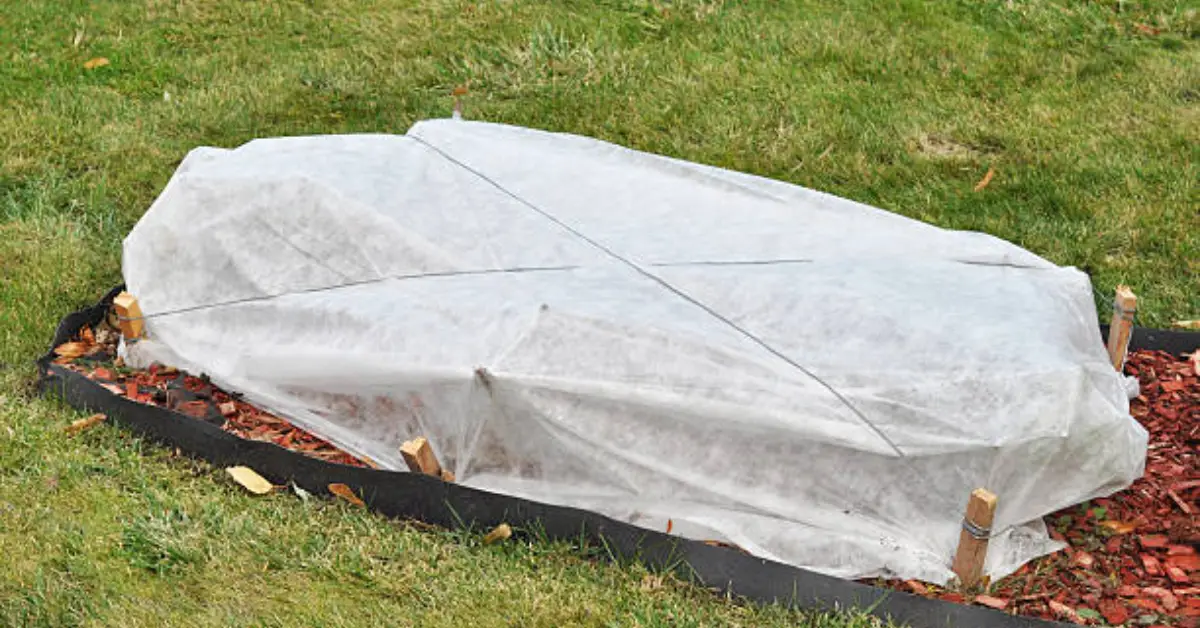
Every year, the same question pops up on gardening forums — “Should I cover my roses yet?” The answer depends on where you live, but my rule is simple: start protecting when nights consistently drop below 32°F (0°C). Roses can handle cool weather, but sudden freezes can split stems and damage grafts if they’re not insulated properly.
Insulating the Base
Before I cover anything, I start from the ground up:
- Mound 6–8 inches of soil or compost over the graft union (that little bump near the base).
- Add a layer of straw, shredded bark, or dry leaves on top for insulation.
- Avoid compacting the mound — it should stay fluffy so air can move through.
This extra cushion keeps the roots warm and protects against sudden temperature swings.
Covering and Wrapping
Once the base is secure, I move on to the canes:
- In windy or frost-heavy regions, I gently wrap the bushes with burlap or use breathable rose cones.
- Make sure covers don’t trap moisture — that’s worse than the cold itself.
- Avoid using plastic sheets or bags; they collect condensation, which freezes and damages stems.
When you’re done, your roses should look snug but not smothered — think cozy scarf, not plastic wrap.
And when you pull those covers off in spring, you’ll thank yourself for every layer of care you gave them now.
Cleaning, Pest Control, and Disease Prevention
By the time late autumn rolls in, I always remind myself — a clean garden is a healthy garden. You can feed, prune, and mulch perfectly, but if disease spores or pests are left behind, they’ll undo all that work when spring returns.
Post-Bloom Cleanup Checklist
Fall cleanup isn’t just about tidiness — it’s protection. Here’s what I do every year before frost hits:
- Clear all fallen leaves from around the base. Black spot spores and mildew often overwinter there.
- Cut off any remaining blooms or mushy petals — they can harbor mold.
- Dispose of diseased foliage — never compost it. Burn it or bin it instead.
- Check under leaves and near mulch for tiny insects or eggs that might hatch in spring.
A quick cleanup now saves you from fighting bigger battles later.
Preventive Sprays
Once everything’s cleared, I move to prevention mode. I usually spray my roses once before dormancy — it’s like giving them an immune boost before winter sleep.
Here’s what works best:
- Neem oil spray: great for deterring aphids, mites, and small larvae.
- Sulphur spray: helps suppress fungal diseases like mildew and rust.
- Homemade mix: 1 tsp baking soda + mild soap in 1 litre of water (for light fungal prevention).
According to the American Rose Society, applying a final protective spray before winter is one of the most effective ways to reduce early-season disease outbreaks in spring.
The key is consistency — one last treatment before temperatures drop below 45°F (7°C) keeps your roses safer until spring warmth returns.
Preparing Potted & Climbing Roses
Over the years, I’ve realized that potted and climbing roses have their own autumn needs. They’re often the first to suffer in frost and wind, but with a few adjustments, they’ll bounce back beautifully.
For Container Roses
Potted roses are more exposed since their roots sit above ground. Here’s how I protect them:
- Move pots near a sheltered wall or corner — the house radiates a little warmth that helps buffer frost.
- Raise pots on bricks or pot feet to improve drainage and stop roots from freezing in trapped water.
- Wrap pots with hessian or burlap if you expect deep frost — it insulates without sealing moisture.
- Keep watering lightly until soil starts to harden — never let them go bone dry.
For Climbing Roses
Climbing roses can catch every gust of wind, so I give them a little extra attention:
- Loosen the ties slightly so canes don’t snap in strong winds.
- Add mulch around the root base — about 3 inches thick.
- If your trellis is metal, check for rust or loose fittings before winter storms hit.
- For very tall climbers, I sometimes bend the canes gently and tie them lower — it reduces wind stress and keeps the plant flexible.
These small steps keep your climbers safe and your containers thriving when the cold really sets in.
Autumn Rose Care Myths vs. Facts
After years of gardening (and scrolling through forums), I’ve seen some myths that just won’t die. Let’s clear a few up:
- Myth: “You must cut all leaves before frost.”
Fact: Don’t strip leaves completely — a few healthy ones help the plant store energy for spring. - Myth: “Roses can’t be watered in late autumn.”
Fact: You can and should water lightly until soil starts to freeze — dry roots are more likely to suffer frost damage. - Myth: “Mulching too early causes rot.”
Fact: Only if mulch is piled too close to the stem. Proper spacing lets air flow and prevents mold.
Breaking these myths helps your garden thrive while everyone else wonders why their roses look tired next year.
Seasonal Rose Care Calendar (September–November)
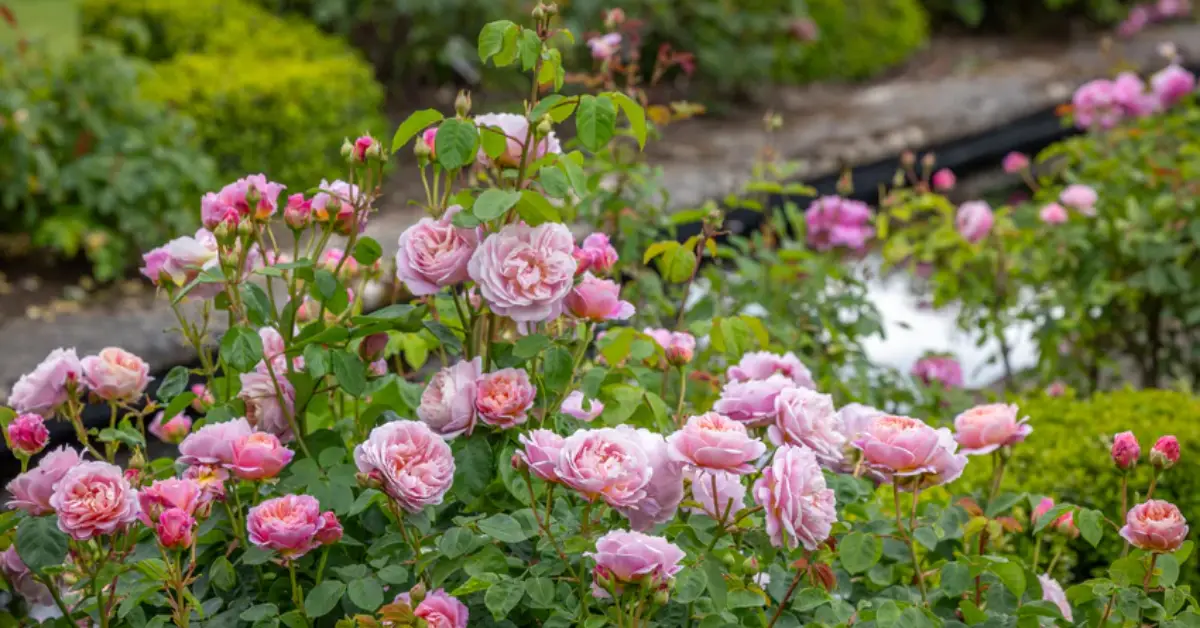
I keep a simple seasonal checklist taped inside my garden shed. It keeps me on track when the weather starts to turn and life gets busy.
Here’s my go-to autumn rhythm:
September
- Stop all nitrogen-heavy feeding.
- Inspect foliage for black spots or mildew.
- Start reducing watering frequency slightly.
October
- Lightly prune and shape your roses.
- Add compost and mulch around the base.
- Apply a preventive spray to control pests and disease.
While you’re tending your roses in October, it’s also the perfect time to explore what grows best in October — easy plants for beginners and busy gardeners to keep your garden lively through the cooler days.
November
- Cover and insulate the base before frost.
- Move potted roses to sheltered areas.
- Loosen ties on climbers to prevent wind damage.
I’ve followed this pattern for years, and every spring, the reward is the same — strong, lush growth and those first deep, fragrant blooms. Autumn care isn’t a chore; it’s your promise to next year’s garden.
Conclusion: Setting Your Roses Up for a Restful Winter
By the time autumn wraps up, your roses should feel calm, secure, and ready to rest. Everything you’ve done — the pruning, feeding, cleaning, and protecting — becomes an investment in how beautifully they’ll wake up next spring. I’ve learned that roses remember care; when you give them steady attention now, they repay you with stronger stems, richer colours, and longer-lasting blooms later.
So, before winter fully settles in, take one last walk through your garden. Check the mulch, tighten a loose tie, or brush off a few fallen leaves. These quiet end-of-season moments are where real gardening happens — patient, grounded, and full of quiet hope.
What about you? How do you prepare your roses for the colder months? I’d love to hear your autumn routines or little tricks that have worked for you — share them in the comments below!
And if you want more practical, down-to-earth gardening advice like this, visit Plant Care Dairy — where every plant story starts with real experience and honest care.
Disclaimer: The advice shared in this article is based on personal gardening experience and general horticultural guidance. Always consider your local climate and soil conditions before applying any specific rose care methods.