
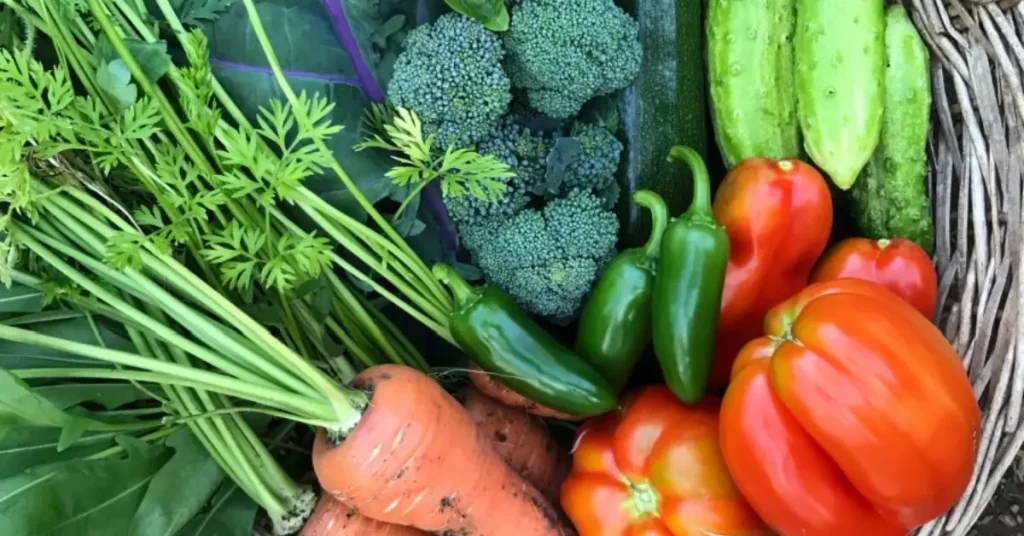
I love October in the garden. Cool mornings, warm soil, and that quiet feeling that the hard summer rush is over. If you’ve been meaning to start—or restart—this is the month where a few smart choices can do a lot, even if you’re busy or brand-new to it.
Here’s my promise: I’ll help you cut through the noise and figure out what grows best in October without overthinking it. We’ll stick to forgiving plants, quick wins, and simple steps that don’t need daily babysitting.
I’m not going to pretend every climate is the same. Your first frost date, sunlight, and microclimate matter. But there are reliable, low-effort options that perform across most regions, and I’ll flag the tweaks you might need.
Why now? Pests slow down, soil still holds warmth, and roots settle in before winter. Greens can sprint to harvest, bulbs bank spring color, and hardy herbs tick along with almost no fuss.
If your schedule is tight, I’ve got you. Think containers near the door, a small raised bed, or a single sunny strip. Give me two short sessions this week and I’ll show you how to set up plants that repay you for months, not days.
We’ll start with fast salads and sturdy roots, add a couple of no-drama herbs, and tuck in bulbs for a payoff when you need it most. Ready to make October work for you instead of the other way around?
Why October Is a Great Time to Plant (and What Limits You Face)
Every October, I notice the same quiet shift in the garden—the rush of summer fades, the light softens, and the soil feels steady underfoot. It’s one of those months that gives you a second chance to plant smarter, not harder.
The days are cooler, which means less evaporation and gentler conditions for young plants. At the same time, the soil still holds enough warmth to encourage root growth before winter hits. That combination—cool air and warm soil—is nature’s invitation to start again.
But let’s be honest: October isn’t without limits. Depending on where you live, frost can creep in earlier than you expect, and daylight hours are shrinking fast. That means every planting decision should balance timing, location, and plant type.
Here’s how I think about it:
- Watch your frost dates. If your area freezes early, stick with cold-tolerant greens or use simple row covers.
- Use the soil warmth. Late-season planting works because the ground holds heat longer than air—perfect for rooting cuttings and bulbs.
- Fewer pests, fewer problems. As the temperature drops, so does insect activity. You’ll spend less time fighting aphids and caterpillars.
- Less competition, more space. Beds are often empty after summer harvests—ideal for cool-weather crops or cover planting.
In short, October rewards you for paying attention. If you plant with the season instead of against it, you’ll set yourself up for smoother growth and a garden that quietly keeps producing while everyone else packs up their tools.
Understanding What Plants Actually Grow Best in October

Here’s the secret most gardening lists miss: not everything can or should be planted in October, but the ones that do thrive now make your life easy. Think of this month as the handover between growing seasons—the moment to plant what enjoys mild weather, not heat.
I like to group October-friendly plants into four simple categories. Each one fits a different type of gardener, from beginners to the always-busy ones who just want something green that won’t quit.
1. Cool-Season Vegetables and Greens
These are your low-stress, high-reward plants. They germinate fast and love the chill.
- Spinach, kale, and lettuce for quick salads
- Radishes and turnips if you want small harvests before frost
- Broccoli and cabbage in milder regions
(Tip: check your local planting guide on Gardeners’ World — for climate-specific options.)
2. Bulbs and Spring-Flowering Beauties
Planting bulbs in October feels like burying promises. You won’t see results now, but come spring, they’ll explode with color.
- Tulips, daffodils, and hyacinths for early bloom
- Alliums for long stems and easy maintenance
3. Herbs and Perennials
Hardy herbs like thyme, rosemary, and sage settle in beautifully this month. They anchor your garden through winter and save you from buying supermarket bundles later.
4. Quick Crops, Microgreens, and Container Greens
Perfect if space or time is tight.
- Sow lettuce, mustard greens, or micro-mixes in pots near your kitchen door.
- They sprout fast, stay tender, and don’t need daily attention.
If you love growing compact crops, you’ll also enjoy trying legumes this season — here’s a simple guide on how to plant peas and beans in fall that pairs well with your October garden.
If you choose wisely, October becomes more than just a transition month—it’s a chance to grow things that ask for less but give back plenty.
Best Vegetables & Greens to Sow or Transplant in October
If you’ve been waiting for a calm season to start growing your own food, October is your window. The heat has backed off, pests are minimal, and the soil is still friendly enough for seeds to sprout fast. Whether you’ve got a small balcony or a corner of the yard, this month gives you a list of vegetables that thrive with minimal effort — perfect for beginners or anyone short on time.
Here’s what I’ve learned to plant now for quick wins and steady harvests:
1. Leafy Greens (Fast and Forgiving)
When in doubt, start with leaves. Spinach, lettuce, kale, and mustard greens are almost foolproof. They germinate quickly, don’t need deep soil, and grow well even in partial sun. You can pick a few leaves at a time instead of waiting for a full harvest — the classic “cut-and-come-again” trick that keeps salads fresh for weeks.
2. Root & Bulb Vegetables
If you love earthy, sweet flavors, October is your moment to tuck radishes, beets, onions, and garlic into the ground. Radishes mature in just three to four weeks, while beets and onions quietly develop through winter. Garlic, in particular, rewards patience — plant it once, forget it, and it’ll be ready by early summer.
Green onions are another quick, low-maintenance crop to tuck into containers — learn how to grow green onions easily in small spaces for a steady harvest all winter.
3. Brassicas (For Milder Climates)
In areas where frost isn’t harsh, go for cabbage, cauliflower, or broccoli. They enjoy cool air and moist soil but dislike sudden freezes. If you’re unsure, start them in containers first, then move them out once temperatures settle.
And if you’d like to focus on one of the easiest and most rewarding brassicas, this step-by-step guide on how to grow cabbage in your garden covers everything from soil prep to harvest timing.
4. Microgreens & Salad Mixes
Don’t have space for a garden? You don’t need one. Sow microgreens — mustard, arugula, or cress — in shallow trays on your windowsill. They sprout within days and add a burst of nutrition to every meal.
If you want more region-specific vegetable ideas, The Spruce offers practical lists that adapt well to different growing zones.
The key is to start small, keep the soil slightly moist, and enjoy the process. October gardening isn’t about perfection — it’s about getting your hands in the soil before winter sets in.
Bulbs, Flowers & Perennials to Plant in October for Spring / Winter Beauty

While veggies keep your kitchen happy, a few flowers and perennials will make your garden look alive through the cold months ahead. October is the perfect time to plant for beauty you won’t see immediately — but you’ll thank yourself come spring.
1. Spring Bulbs (Little Time, Big Reward)
Tulips, daffodils, hyacinths, and alliums all love being planted when the soil is cool but not frozen. Plant them 3–4 inches deep in well-draining soil, pointy side up, and forget about them. By March or April, you’ll get color before most plants even wake up.
2. Hardy Perennials
If you want plants that return year after year, go for sturdy ones like astilbe, sedum, or hydrangea. These settle in quietly during the cooler season and burst with new life in spring. Even a few well-placed perennials can make your garden look thought-out, not accidental.
3. Annuals for Mild Winters
In areas where winters aren’t too harsh, pansies, violas, and snapdragons keep color alive. They’re resilient, low maintenance, and thrive when everything else slows down.
According to Homes & Gardens, autumn planting helps roots establish before frost hits, giving you stronger blooms and earlier color when spring arrives.
So while everyone else is packing up for winter, you’ll be planting the seeds (literally) for your garden’s best early show next year.
Herbs & Medicinal / Culinary Plants You Can Start in October
If you’ve ever wanted a small kitchen garden that keeps giving through winter, October is the perfect month to start your herbs. The soil is still warm enough for roots to establish, and cooler air means less stress on new plants. Whether you’re looking for culinary flavor or a little home remedy shelf, this is where you can get both.
I always say herbs are the best gateway for busy or first-time gardeners — they don’t demand much space or attention, and they make you feel like a pro within weeks.
Here are some solid choices to plant now:
- Rosemary, sage, thyme, oregano, and lavender — all hardy perennials that can handle cooler weather. Once established, they’ll stay with you for years.
- Parsley, coriander, and dill — quick-growing annuals that thrive in mild autumn temperatures.
- Mint and chives — perfect for containers so they don’t take over the garden.
A simple rule? Plant hardy herbs outdoors and keep tender ones near the kitchen window. Give them 5–6 hours of sunlight and good drainage — they’ll reward you with fresh leaves long after other plants shut down for the season.
These small herbs will carry your cooking (and your mood) through winter — and you’ll never go back to store-bought bunches again.
Tips for Busy Gardeners: Low-Maintenance Strategies & Time-Savers
Let’s be real — not everyone has hours to spend in the garden every weekend. But you don’t need to. If you’re short on time, the trick is to work smarter, not longer. October is actually forgiving for people like us — cooler weather and slower growth mean less watering, fewer pests, and fewer weeds.
Here’s what works best for keeping things low-stress:
- Use containers or raised beds. They save space, control weeds, and help you manage soil quality. Plus, you can move them if frost threatens.
- Sow in blocks instead of rows. It saves space and makes weeding or watering faster. I plant spinach and lettuce in square patches — less fuss, more greens.
- Mulch everything. A light cover of straw or leaves locks in warmth and moisture while cutting watering time in half.
- Cover plants when needed. Simple row covers or old bedsheets can protect tender greens from frost overnight.
- Water deep, not often. A good soak once or twice a week beats daily splashing.
- Feed once a month. A slow-release organic fertilizer or compost tea keeps things healthy without any schedule stress.
Think of it this way: the less you intervene, the more your plants adapt. Gardening isn’t about control — it’s about setting up the right system and letting nature handle the rest.
Common Mistakes & How to Avoid Them in October Planting

Even seasoned gardeners mess up in October — the month feels calm, but it hides a few traps. If you want your late-season garden to succeed, here’s what to watch out for:
- Overplanting: It’s tempting to fill every empty space, but plants still need airflow and room to grow. Cramming them in invites rot and mildew.
- Ignoring frost dates: Always check your local frost forecast. One cold snap can undo weeks of effort. Keep row covers or old sheets handy.
- Planting too late: Once the soil cools completely, roots stop developing. Don’t wait till the last week of October — start early to give them time.
- Skipping soil prep: After summer harvests, soil often loses nutrients. A handful of compost or aged manure before planting makes a huge difference.
- Poor drainage: If water pools after rain, raise your beds or loosen compacted soil. Roots hate sitting in cold, soggy ground.
Mistakes in October are easy to make — and even easier to prevent. The goal isn’t to chase perfection; it’s to stay a few steps ahead of the season.
Quick-Win Checklist & Month-by-Month Planner
Before you grab your gloves, here’s a quick checklist to make sure your October planting goes smoothly. This is the list I follow every year — simple, realistic, and built for people who don’t have all day to fuss around in the garden.
October Tasks:
- Prepare beds or containers with compost and loosened soil.
- Sow cool-season greens like spinach, kale, and mustard.
- Plant garlic, onions, and bulbs for spring color.
- Add mulch around young plants to lock in warmth.
- Keep frost covers or garden fleece handy for cold snaps.
- Start herbs like rosemary or thyme in pots near sunlight.
- Water deeply once or twice a week, depending on rainfall.
November to December Tasks:
- Thin seedlings if they look crowded.
- Add a light layer of compost or mulch mid-season.
- Harvest quick crops like radishes and baby greens.
- Move tender herbs indoors before hard frost.
- Check drainage to prevent roots from sitting in water.
January to February Prep:
- Review what thrived (and what didn’t).
- Order seeds early for the next round.
- Refresh soil in containers before spring planting.
- Plan companion plants for your strongest performers.
This small, steady rhythm keeps your garden active year-round. You don’t need to overhaul everything each season — just keep showing up in small ways, and the garden pays you back in big ones.
What Next? What to Watch, Adjust & Expand
You’ve done the planting — now it’s about staying curious. October gardens don’t need constant attention, but they do reward observation. Here’s what I suggest focusing on next:
- Track growth: Jot down how long each plant takes to germinate. This helps you fine-tune timing next year.
- Adjust as you go: If frost hits early, add a layer of mulch or move containers under shelter. Flexibility keeps plants alive.
- Try succession planting: Every 2–3 weeks, sow another round of fast crops like lettuce or radish for steady harvests.
- Expand smartly: Use this year’s results to decide what to grow more of. Did kale thrive? Try a new variety next season.
- Compost wisely: Recycle plant waste back into the soil — October is a great time to start a small compost bin.
Gardening is less about perfection and more about paying attention. Each season teaches you what works — and what to let go of.
If you’ve learned something new or have your own October planting tricks, share your experiences in the comments below — I’d love to hear what’s growing in your space.
And if you want more practical, season-by-season gardening guides, visit Plant Care Dairy for fresh insights, easy tips, and real advice from gardeners who’ve been exactly where you are.
Disclaimer: The gardening advice shared here is based on general seasonal patterns and personal experience. Always check your local climate, frost dates, and soil conditions before planting. Results may vary depending on region and weather changes.