

Every gardener I know has that moment when you’re watering your plants and something clicks — you realize the real work isn’t just happening in the leaves or the soil you can see. It’s happening underneath, in a hidden world that never sleeps. Worms churn through old roots, microbes break down compost, and insects trade pollen like currency. This quiet chain of life — the garden food chain — is what keeps everything alive.
When I first started gardening, I focused on fertilizers and watering schedules, convinced that plant health was all about how much attention I gave them. But over time, I learned that the healthiest gardens almost take care of themselves — because the ecosystem beneath them is doing the heavy lifting. Once you start understanding how energy flows from soil to seed to pollinator to predator, you stop trying to control your garden and start learning how to support it.
In this guide, I’ll show you how this natural food web actually keeps your plants thriving — and how small, practical choices like leaving fallen leaves or planting native flowers can help nature do what it does best. Because the secret to a living, self-sustaining garden isn’t adding more products — it’s learning how to work with the chain that’s already keeping everything alive.
What about you — have you ever noticed the hidden life happening under your garden soil?
The Four Main Levels of the Garden Food Web
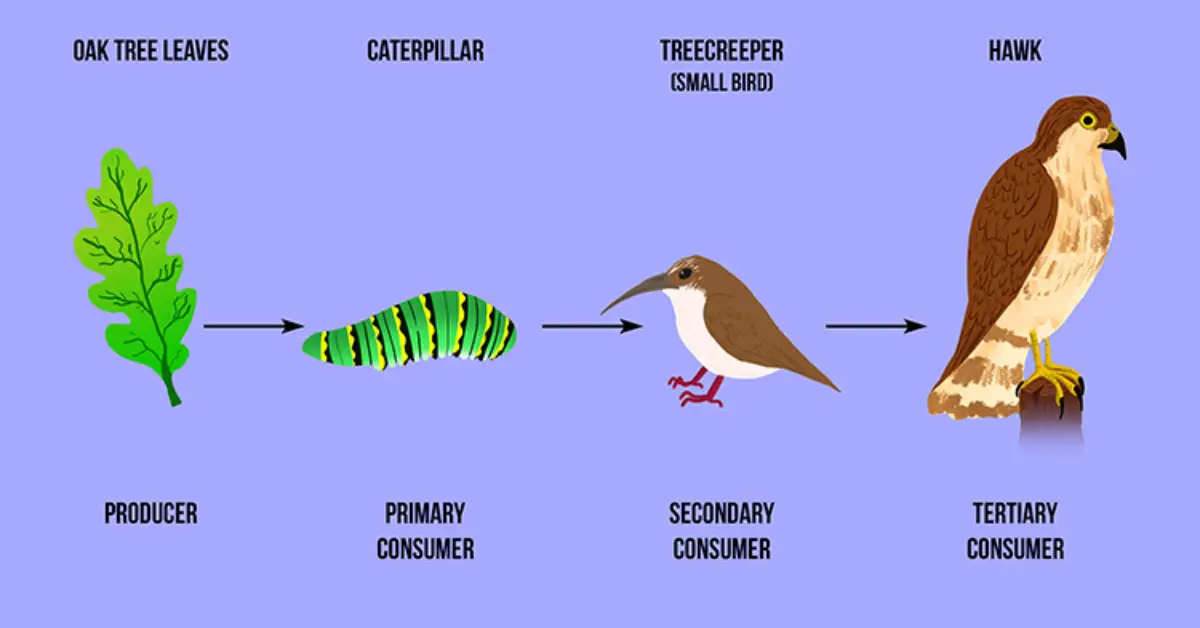
When you really start looking at your garden, it’s amazing how every living thing has a role to play. You and I might see just plants, soil, and maybe a few bugs, but underneath that surface, there’s a whole network quietly trading energy and nutrients — a food chain that keeps the entire system running. Once you understand it, you stop seeing your garden as a collection of plants and start seeing it as a living, breathing community.
Here’s the simple way I like to break it down — the garden food web has four main levels, and each one depends on the others:
- Producers – These are your plants, flowers, trees, and grasses. They use sunlight to create energy through photosynthesis, forming the base of the entire system. Without them, nothing else can survive. Plants are more than just the starting point of the food chain — they’re complex systems that rely on every part, from roots to flowers, to keep energy flowing. If you’d like to understand how each part of a plant supports life, check out our detailed guide on the essential parts of plants.
- Consumers – Think of insects, snails, and birds. They feed on plants (and sometimes each other), transferring that stored energy up the chain.
- Decomposers – Fungi, bacteria, and worms break down dead matter — leaves, roots, and waste — and return nutrients back to the soil.
- Predators – Frogs, birds, and ladybugs keep the balance by controlling populations of pests, making sure no single species takes over.
It all works in a continuous loop — Sun → Plant → Caterpillar → Bird → Decomposer → Soil → Plant. Every arrow in that chain means energy moving through the system, keeping life going.
When I first read an article on Treehugger, what struck me was how much of this cycle happens without our help — or even our notice. We often try to “fix” our gardens with sprays or fertilizers, not realizing we’re interrupting a process that’s been working perfectly long before us.
If you take one thing from this, let it be this: every time you protect one link in the chain — a bee, a worm, a patch of moss — you’re helping the whole system stay strong. Once you see your garden this way, you’ll never look at a caterpillar or a patch of soil the same again.
How Each Level Supports Plant Health
If you’ve ever dug into your garden and caught that earthy smell after a rain, you’ve already met the most important workers your plants will ever have — the invisible ones. Down there, beneath the roots, millions of tiny organisms are constantly feeding, breaking down, and rebuilding the soil. They’re the foundation of everything, quietly keeping your plants alive without ever asking for credit.
The Microbial Underground (bacteria, fungi)
This is where the real magic happens. Soil bacteria and fungi turn fallen leaves, compost, and organic matter into nutrients your plants can actually use. Some fungi, called mycorrhizal fungi, even form partnerships with plant roots — they extend microscopic threads into the soil, pulling in water and minerals that roots alone could never reach. In return, the plant gives them sugars from photosynthesis. It’s a perfect trade.
The energy exchange between roots and microbes also depends on how efficiently plants take in air and release it through their leaves and stems — a process that often goes unnoticed. You can explore more about this in our in-depth guide on how plants breathe and support your garden’s greenery.
When you add organic compost instead of chemical fertilizer, you’re feeding this hidden community — and in return, they’ll feed your plants for free. According to a report by Colorado State University’s Landscape for Life, soil organisms are what make soil “alive,” constantly cycling nutrients through this underground web.
- Feed your microbes with compost, not chemicals.
- Avoid over-tilling — it destroys fungal networks.
- Keep the soil covered with mulch to protect their habitat.
Once you start treating soil like a living thing, everything above it gets stronger.
The Insect Connection (pollinators & decomposers)
Above ground, insects carry the story forward. Bees, butterflies, and even flies move pollen from one bloom to another, making sure your tomatoes fruit and your flowers seed. Meanwhile, decomposers like beetles and ants clean up the leftovers, turning dead material into rich organic matter.
I used to dread finding bugs on my plants — now I look closer before reacting. Sometimes, what looks like damage is actually nature doing its job. A few chewed leaves often mean the ecosystem is healthy, not broken.
Quick tip:
- Attract pollinators with native flowers.
- Leave small piles of leaves or twigs for decomposers to thrive.
Top Predators Keep Balance
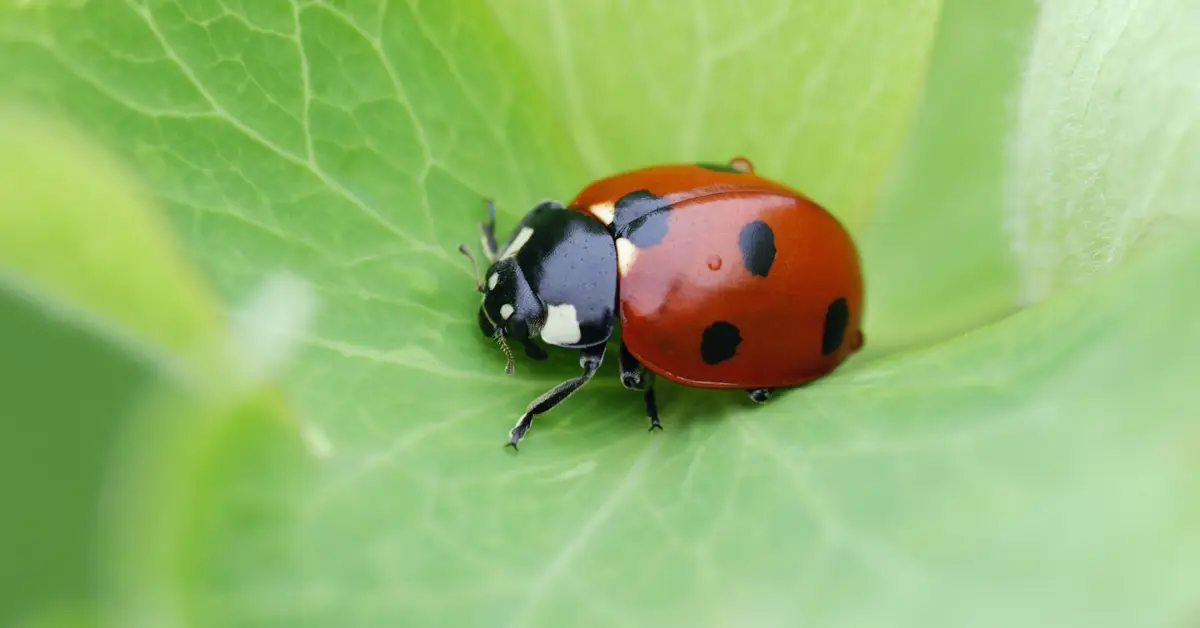
At the top of this tiny food web are the creatures that quietly manage pest populations for you — ladybugs, spiders, frogs, and birds. Each of them plays pest control without chemicals or sprays. A single ladybug can eat dozens of aphids in one day, and a small bird family can clear out hundreds of caterpillars in a week.
If you hang birdhouses or leave small water spots around your garden, you’re not just decorating — you’re inviting the cleanup crew that keeps everything balanced. Without these predators, pests explode and the system collapses.
When you think about it, your garden isn’t just a collection of plants — it’s an economy of life where everyone contributes. Once you see those connections, it’s hard not to feel a bit of awe every time you step outside.
Building Your Garden’s Own Food Web
Simple Actions to Strengthen Nature’s Support System
Once you understand how everything in the garden is connected, the next step is learning how to work with nature instead of against it. The good news? You don’t need fancy tools or expensive products. The best ways to strengthen your garden’s food web are simple, low-cost, and often just about letting nature do what it already does best.
Add Organic Matter, Not Chemicals
Your garden’s life starts and ends with what’s in the soil. Every handful of compost, mulch, or leaf litter you add becomes food for billions of microbes, fungi, and decomposers. When they thrive, your plants thrive too. Chemical fertilizers might give fast results, but they strip the soil of its natural balance over time.
Healthy soil doesn’t just feed your plants — it helps them absorb and transport moisture more efficiently through their roots. To dive deeper into this process, check out our practical breakdown on how plants really drink water.
A layer of homemade compost or even shredded leaves is enough to feed your garden for months. According to a feature from BBC Future, allowing nature to handle feeding, cleaning, and even mild pest control can lead to stronger plants and richer soil ecosystems in the long run.
Quick tips:
- Compost kitchen waste instead of throwing it away.
- Use grass clippings or straw as natural mulch.
- Avoid synthetic fertilizers that harm soil microbes.
Plant Diversity Is Key
Nature doesn’t do monoculture — and your garden shouldn’t either. When you interplant flowers, herbs, and vegetables, you’re building a living defense system. Some plants attract pollinators, others repel pests, and together they create a stronger, more resilient space.
For example:
- Marigolds deter nematodes and attract beneficial insects.
- Basil near tomatoes enhances flavor and repels flies.
- Wildflowers draw bees and butterflies for pollination.
Every different plant you add becomes a small insurance policy for the health of the whole system.
Skip Over-Cleaning
A “perfectly tidy” garden is often a lifeless one. Those piles of leaves, bits of bark, or fallen branches are homes for beneficial insects, fungi, and decomposers. By clearing them away too quickly, you’re removing shelter and breaking the cycle of regeneration.
Try leaving a small log pile, a patch of fallen leaves, or a few stones around shaded corners. These micro-habitats invite beetles, earthworms, and native bees — the silent caretakers of your plants.
When you stop over-managing every inch, you’ll start noticing that nature quietly takes care of most of your problems for you. That’s the secret balance — less control, more life.
The Dangers of Breaking the Chain
What Happens When You Disturb the Natural Balance
Every gardener means well — we prune, we clean, we spray — but sometimes our good intentions do more harm than help. The garden food web is delicate. When you use chemical fertilizers or pesticides, you’re not just targeting pests; you’re wiping out the very organisms that keep the soil alive.
Over-tilling, for example, tears through the fungal networks that help roots absorb nutrients. Each disturbance forces the system to start over, leaving your plants weaker and more dependent on artificial inputs.
Here’s what often happens when we interfere too much:
- Chemical sprays kill beneficial insects along with pests.
- Overuse of fertilizer burns roots and alters soil pH.
- Excess cleanup removes nesting and decomposing spots for small wildlife.
Every time you “sterilize” your garden, you’re erasing nature’s maintenance crew — the workers who quietly recycle waste, balance populations, and restore nutrients.
How to Observe Your Own Garden Food Chain
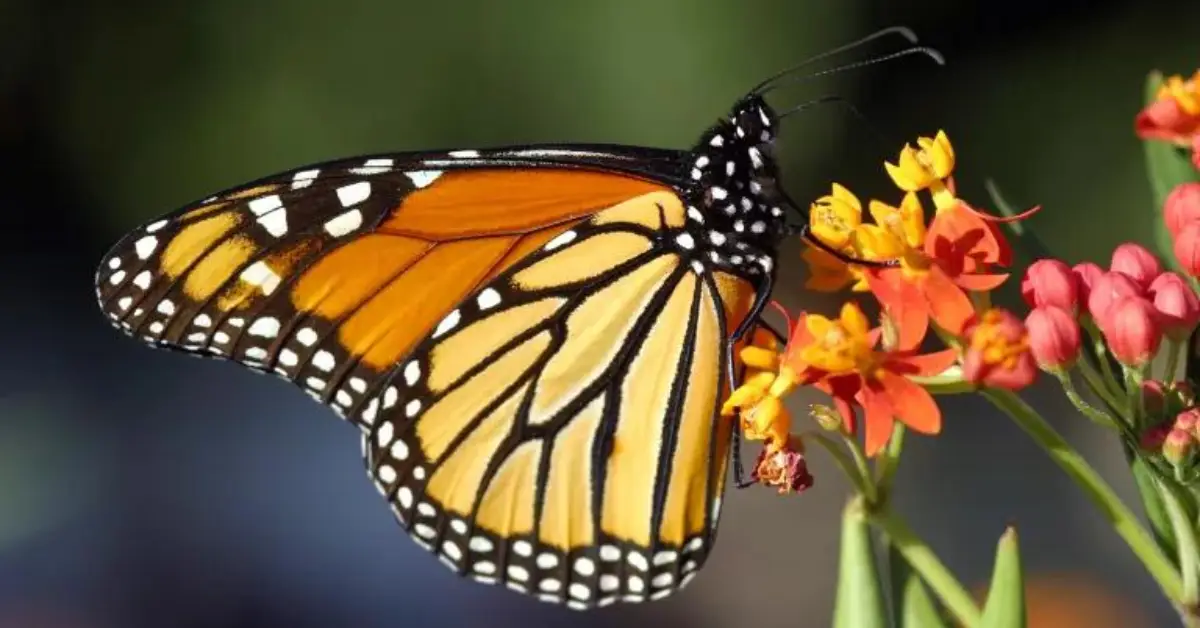
One of the best ways to fall in love with your garden all over again is to start observing it like a scientist. You don’t need any fancy tools — just a bit of curiosity and a closer look at what’s really happening beneath the leaves.
Next time you’re outside, slow down for a few minutes. Kneel near the soil and watch carefully — notice the tiny ants hauling crumbs, worms aerating the soil, and beetles darting under fallen leaves. These small movements are the signs of a living system, quietly recycling nutrients and keeping your plants healthy.
You can make it even more fun by turning it into a habit:
- Track pollinators — note which flowers attract bees or butterflies and when they visit.
- Use a magnifying app or a phone macro lens to observe fungi or micro life on the soil surface.
- Keep a garden journal — take weekly notes or photos of changes in insects, blooms, and soil texture.
I started journaling my garden observations years ago, and it completely changed how I garden. Now, I spot early signs of imbalance before they turn into big problems — and it’s deeply satisfying to see nature’s patterns unfold over time.
Once you start paying attention, your garden becomes more than a space to grow plants — it becomes a story you’re a part of.
Checklist: Building a Thriving Garden Ecosystem
Quick “Do This, Not That” Summary
A healthy garden isn’t about having every corner under control — it’s about supporting the balance that nature already knows how to maintain. Here’s a simple guide you can save or print as a daily reminder:
Do This:
- Add organic mulch to keep the soil cool and alive.
- Grow flowering companions to invite pollinators.
- Keep the soil covered year-round with plants or mulch.
- Observe changes weekly — note what thrives and what struggles.
- Let insects and decomposers do their work before intervening.
Not That:
- Don’t over-clean your garden or remove every fallen leaf.
- Don’t rely on chemical sprays for pest control.
- Don’t disturb the soil too often — fungal networks need stability.
- Don’t ignore biodiversity — one plant type won’t sustain your garden long term.
By following these simple habits, you’re not just growing plants — you’re nurturing an ecosystem that will repay your care for years to come.
The Big Picture: Why Garden Food Chains Matter for the Planet
It’s easy to think that one small garden doesn’t matter, but it does — a lot. Every healthy patch of soil, every buzzing flower, and every compost pile contributes to a larger global network of life. Soil biodiversity plays a vital role in storing carbon, supporting pollinators, and keeping ecosystems resilient in the face of climate change.
When you nurture your garden’s food web, you’re also supporting the planet’s. The carbon your soil stores helps regulate the atmosphere. The insects you protect pollinate not just your plants, but those miles away. Your small garden is a part of something vast — a living, breathing system that connects all of us.
So the next time you compost, skip a spray, or leave a patch wild, remember: you’re helping the Earth heal in small, meaningful ways.
What about you? Have you noticed how your garden’s ecosystem changes with the seasons? Share your experiences in the comments below — and visit Plant Care Dairy for more hands-on gardening guides, nature insights, and simple ways to make your green space thrive naturally.
Disclaimer: The information in this article is for general gardening education and inspiration. Always consider your local climate, soil type, and plant needs before applying any advice. Plant Care Dairy does not provide professional agricultural or pest control guidance.