

When I think back to the first time I tried to explain plants to my niece, I realised how easy it is to oversimplify. We say “roots hold it, leaves feed it, flowers look pretty,” and move on. But the truth is, every part of a plant has a story — one that connects to our food, our medicine, even the air we breathe. The problem is, most guides I’ve seen either get too technical, like a biology textbook, or stay so surface-level that you walk away without really understanding why these parts matter.
Here’s what I want to do differently: break down the parts of plants in a way that’s simple, memorable, and tied to real life. Because once you see how roots, stems, leaves, flowers, fruits, and seeds all work together, you’ll never look at a tree on your street or the spinach on your plate the same way again.
So let me ask you — when you think of a plant, which part stands out most to you: the roots hidden underground, or the flowers that everyone notices first?
Why Knowing Plant Parts Matters?
Have you ever wondered why a flower suddenly blooms in spring or how roots keep a massive tree steady during storms? Plants may look simple, but every part — from the hidden roots to the bright flowers — has a job that keeps both the plant and us alive.
Think about it:
- Food comes straight from plant parts — roots like carrots, stems like sugarcane, leaves like spinach, and fruits like apples.
- Medicine exists because of plant parts — aloe vera gel from leaves, clove buds from flowers.
- The environment we rely on — fresh oxygen, clean soil, and shade — is possible because of the quiet work plants do daily.
When you start noticing these details, plants stop being just “green background” and start looking like nature’s survival toolkit.
Roots: Anchors, Absorbers, and Storage Units
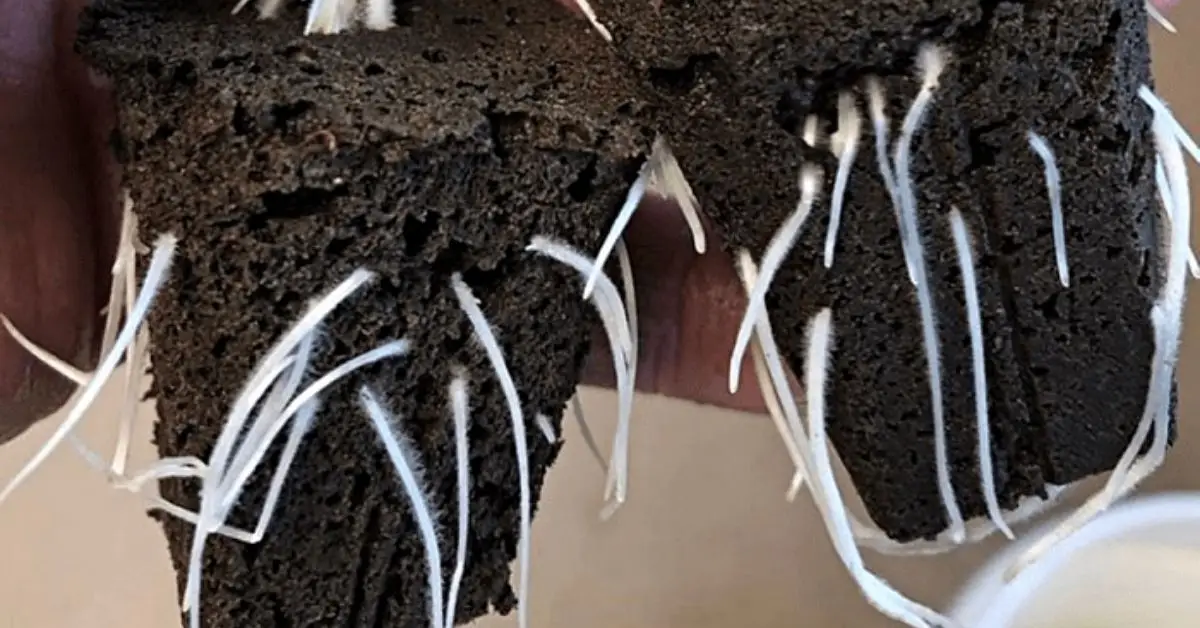
Whenever I pull a weed from my garden, I’m always surprised at how strong the roots are. Roots don’t just hold a plant upright — they’re the lifeline for water and nutrients. Without them, nothing above the ground could survive.
There are two main types you’ll notice:
- Taproots — one strong root that digs deep (carrots, beets).
- Fibrous roots — thin roots spreading wide (grasses).
Here’s the fascinating part: most water absorption happens through tiny root hairs, microscopic threads that massively increase surface area. That’s why even the smallest roots play a huge role in plant survival.
And roots aren’t only for anchoring or drinking water — they also store food. The carrots and sweet potatoes on your plate are proof of how plants keep reserves underground.
Stems: Lifelines Carrying Water and Food
If roots are the hidden workers, stems are the busy highways above ground. Inside every stem are two transport channels:
- Xylem, moving water upward.
- Phloem, carrying sugars and nutrients from leaves to the rest of the plant.
I like to think of stems as “plant plumbing.” Without them, leaves and flowers wouldn’t get what they need to grow.
Take sugarcane for example — when you chew on its stalk, you’re literally tasting the sugar being transported inside the stem. And here’s something I once saw on Reddit: a gardener shared how a pothos stem cutting kept living in a glass of water, eventually growing new roots. That single post says it all — stems don’t just connect parts, they keep life flowing.
Leaves: Factories of Food and Oxygen
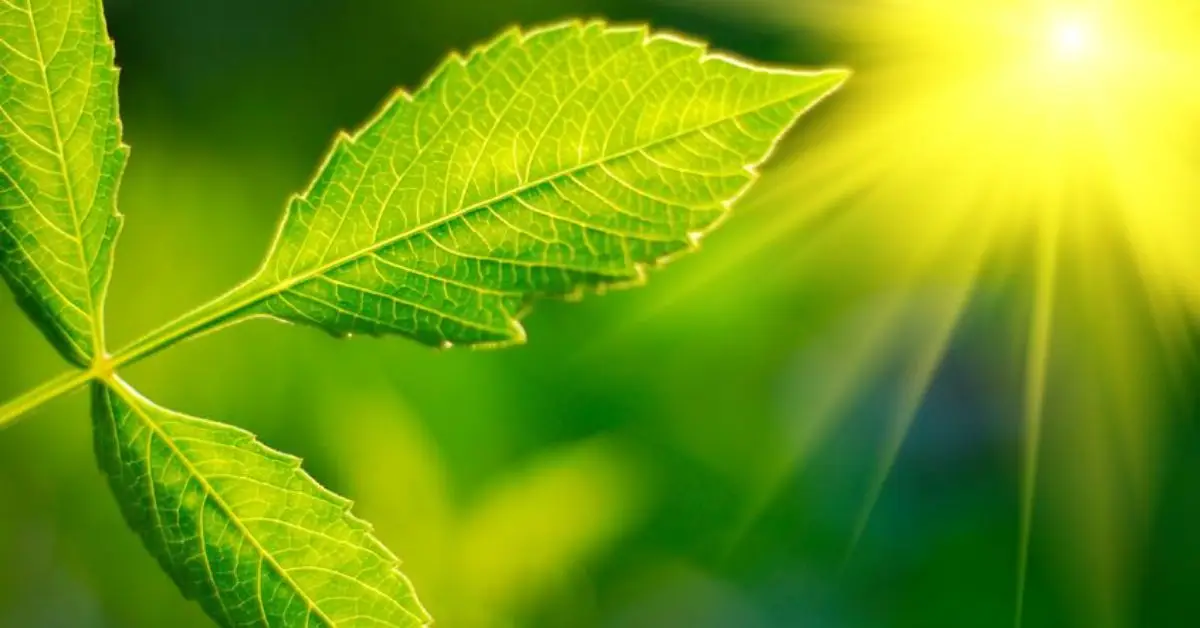
Whenever I sit under a big tree on a hot day, I remind myself that those leaves are doing far more than just giving shade. They’re busy running the most important factory on Earth: photosynthesis. Simply put, leaves take sunlight + water + carbon dioxide and turn it into food + oxygen.
Leaves even have tiny pores called stomata, which I like to think of as the plant’s “little breathers.” They open and close to let gases move in and out, making sure the plant keeps its balance.
Here’s something that often surprises people: according to a detailed report from National Geographic, forests are responsible for nearly 28% of the oxygen we breathe. It’s a reminder that every green canopy we see overhead is part of a much larger life-support system. Leaves don’t just produce food and oxygen — they also respond to changes in temperature. You can read more about how plants know it’s hot through sugar signals in our detailed guide.
And on a lighter note — in many parts of Asia, people still use banana leaves as eco-friendly plates, proving that leaves are useful far beyond the science lab.
Flowers: More Than Just Beauty
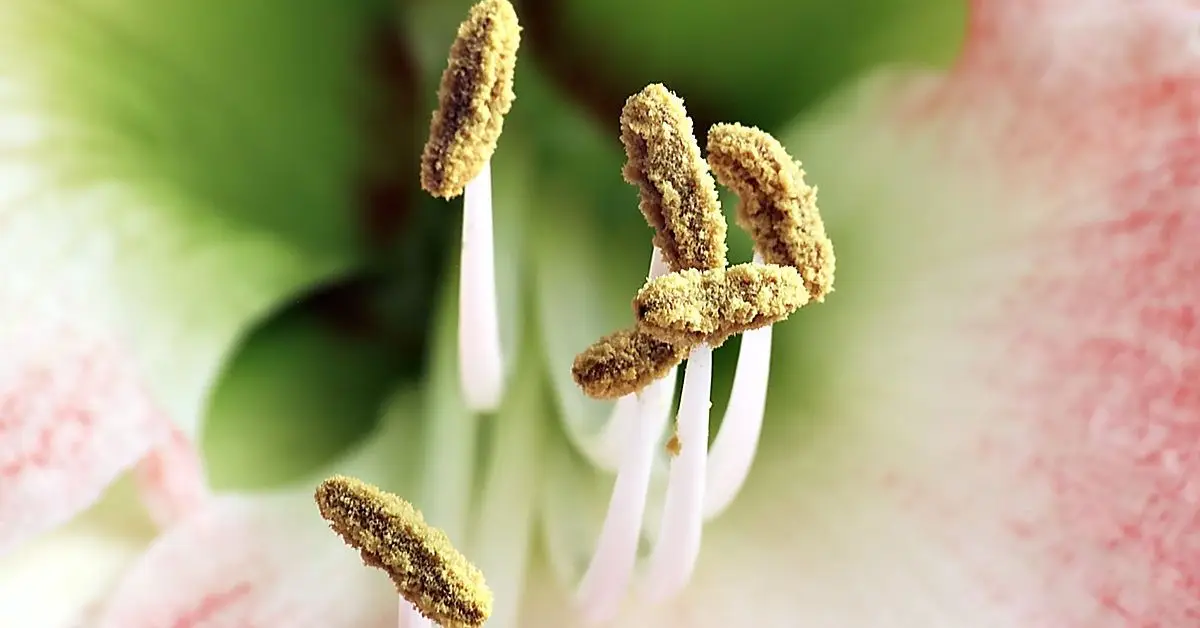
When you see a flower, it’s easy to think of it as just decoration. But flowers are actually the plant’s reproduction experts. Inside each bloom, there are:
- Stamens (the male parts), which produce pollen.
- Carpels (the female parts), which receive pollen and form seeds.
Pollination can happen in many ways — bees buzzing, wind carrying pollen, or even water splashing between plants. And here’s something fascinating: the spice clove that you might have in your kitchen is nothing more than a dried flower bud.
Every year on #WorldBeeDay, social media fills with photos and campaigns reminding us how vital pollinators are. Without them, most flowers would never develop into fruits.
Fruits and Seeds: Nature’s Way of Starting Over
The story doesn’t end with flowers. Once pollination happens, fruits and seeds take over as the next generation of life. Fruits act as protective cases, while seeds are the little blueprints of future plants.
Nature has clever tricks to spread them around:
- Coconuts float across water to find new shores.
- Dandelion seeds ride the wind to drift far from their parent plant.
And here’s a powerful fact — seed banks worldwide now store over 4.5 million seed samples, ensuring we don’t lose vital diversity for the future.
So next time you eat a mango or blow on a dandelion puff, you’re not just enjoying a simple moment — you’re witnessing nature’s survival plan in action.
Beyond Biology: The Daily Life Connection
When I walk through a farmers’ market, I’m always struck by how every stall is basically a celebration of plant parts. We eat them every day without even thinking about it:
- Roots like carrots and beets.
- Stems like crunchy celery.
- Leaves like fresh spinach.
- Flowers like broccoli florets.
- Fruits like juicy mangoes.
But the impact of plants goes far beyond food. In medicine, we’ve relied on plants for centuries — the bark of the cinchona tree gave us quinine to fight malaria, and aloe vera leaves are still a go-to remedy for burns and skin care.
And then there’s the environment. Roots quietly prevent soil erosion, leaves clean the air, and trees help cool entire neighborhoods. I once saw a viral Facebook post showing a city block with two streets side by side: one bare and baking in the sun, the other shaded by trees and up to 10°F cooler. It’s a small but powerful reminder of how plant parts protect us daily.
Even agencies like the Environmental Protection Agency explain how urban trees reduce heat islands and improve air quality. That’s proof this isn’t just biology — it’s about public health and the way we live. Beyond their basic roles, roots, leaves, and stems also play a huge part in plant defense — if you’re curious, we’ve explained how plants protect themselves from pests and predators in detail.
Easy Ways to Remember Plant Parts
If you’ve ever struggled to remember which part does what, you’re not alone. I’ve seen students mix up stems and roots or forget that broccoli is actually a flower. That’s why little memory tricks help.
Here’s a simple one: RSLFFS — Roots, Stems, Leaves, Flowers, Fruits, Seeds. Say it a couple of times, and it sticks.
You can even make it fun by turning it into a quiz with kids or friends:
- Which part stores food underground? (Roots)
- Which part do we eat when we bite into celery? (Stem)
- Which plant part is spinach? (Leaf)
The more playful you make it, the easier it is to recall later. And honestly, that’s the point — learning plant parts shouldn’t feel like dry textbook work, it should feel like everyday knowledge you carry with you. Interestingly, beyond light and water, plants also react to sound — research even shows that can your plants thrive on music, especially classical, is a question with a surprising yes.
Closing Thoughts – From Roots to Flowers
From the hidden roots pulling in water to the flowers that turn into fruits and seeds, every part of a plant tells a story of survival. Roots anchor and store, stems carry life upward, leaves create food and oxygen, flowers reproduce, and fruits and seeds ensure the next generation.
When you pause to think about it, plants aren’t just background greenery — they’re the foundation of our lives. Every bite we eat, every breath we take, and every shade we rest under comes from these essential parts.
That’s why understanding them isn’t just about science, it’s about appreciating the quiet work plants do for us every day.
What do you think — which plant part do you find most fascinating, and why? Share your thoughts in the comments below.
For more guides, tips, and deep dives into the world of plants, visit us at Plant Care Dairy.
Disclaimer: This article is for educational purposes only. Information provided is based on trusted sources, but it should not replace professional advice in gardening, agriculture, or medicine.