
You know that moment when you walk past your favorite houseplant, only to notice the leaves curling, a sticky shine on the surface, or tiny green bugs clustering on new growth? I’ve been there, and trust me—it’s frustrating. Aphids can take over a plant so quickly that by the time you spot them, the damage is already visible. And the first instinct most people have is to grab a chemical spray. But here’s the thing: when your plants live inside your home—around kids, pets, and the air you breathe—dousing them with harsh pesticides isn’t the smartest option.
The good news? You don’t need chemicals to win this battle. There are safe, natural methods that work just as well, if not better, and they keep your home environment healthy. I’ll walk you through how to spot aphids early, why they show up in the first place, and the proven steps you can take to get rid of them without risking your family’s health.
Before we dive in, I want you to think about this: Have you ever lost a plant to pests because you didn’t catch the signs early enough?
Why Aphids Are a Serious Threat to Houseplants
What Aphids Do to Your Plants
If you’ve ever wondered why your plant’s leaves suddenly look weak or start curling, there’s a good chance aphids are the reason. These tiny insects may look harmless at first, but they drain the sap from leaves and stems, leaving plants tired and unable to grow properly. I’ve seen plants go from thriving to nearly lifeless in just a few weeks because of an unnoticed aphid problem.
Here’s what you’ll often notice when aphids are at work:
- Yellowing or curling leaves – your plant looks like it’s missing nutrients even though you’re caring for it.
- Sticky residue (honeydew) – a shiny layer on leaves that attracts dust and even mold.
- Stunted growth – new shoots and buds fail to open or stay weak and deformed.
If you don’t step in quickly, aphids can overwhelm a plant to the point where recovery becomes very difficult. That’s why it’s so important to act as soon as you spot the signs.
Why Chemical Sprays Aren’t the Best Solution Indoors
Now, I know the easy fix everyone talks about—grab a chemical insect spray. But when your plants are indoors, that solution creates more problems than it solves. I don’t want you, your kids, or even your pets breathing in toxic residues just because of a pest you could handle in safer ways.
Think about it:
- The air in your home is recycled, so anything you spray lingers.
- Pets and children often touch plants or soil, which makes exposure a real risk.
- Chemical sprays can harm the plant itself, especially delicate houseplants that react badly to strong formulas.
I remember reading a post in the reddit community where someone shared how their cat got sick after nibbling leaves treated with a store-bought pesticide. That stuck with me—it’s just not worth the risk when we have safer, natural options that work just as well.
How to Identify Aphids on Houseplants
Visual Cues: Tiny Green, White, or Black Insects
Aphids are small, soft-bodied bugs that can be green, black, or even white. If you look closely, they often gather in clusters, so spotting even a few usually means there are many more hiding nearby.
Common Spots: Underside of Leaves, New Growth Tips
I always check the undersides of leaves first—that’s where aphids love to hide. They also crowd around fresh new growth, since those areas are softer and easier to feed on. If your plant has tender shoots or flower buds, that’s often where the first signs appear.
Related Signs: Honeydew and Ants Around Pots
Another sneaky clue is when you notice ants hanging around your plant. Ants are actually attracted to the sugary residue aphids leave behind. That sticky substance, called honeydew, not only invites ants but can also cause black sooty mold on leaves.
Quick tip: This is where a simple infographic or close-up photo of aphids could help you train your eye. Many guides just mention aphids in passing, but when you actually see what they look like, it becomes much easier to catch them before they take over. If you want to take your plant care further, consider adding soil-free options to your collection—here are 7 beautiful plants that thrive indoors without soil.
For more background on how these pests operate and why they’re such a common indoor problem, resources like Gardening Know How provide useful breakdowns you can refer to.
Non-Chemical Immediate Fixes
Strong Water Spray Method
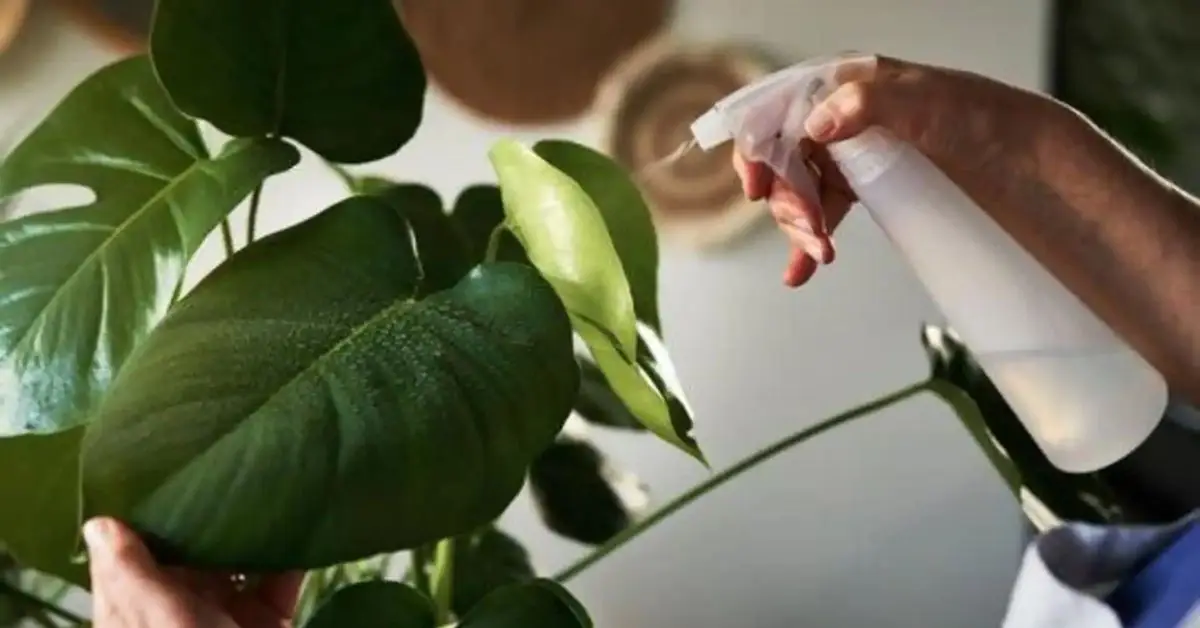
The very first thing I do when I notice aphids is take the plant to the sink or shower and blast it with a steady stream of water. You’d be surprised how many of them get knocked off with this simple step. The plant isn’t harmed, and you get instant relief from the worst of the infestation.
Quick tip:
- Repeat every 2–3 days until you stop seeing new clusters.
- Focus on the undersides of leaves and new growth.
Hand Removal + Soapy Water Dip
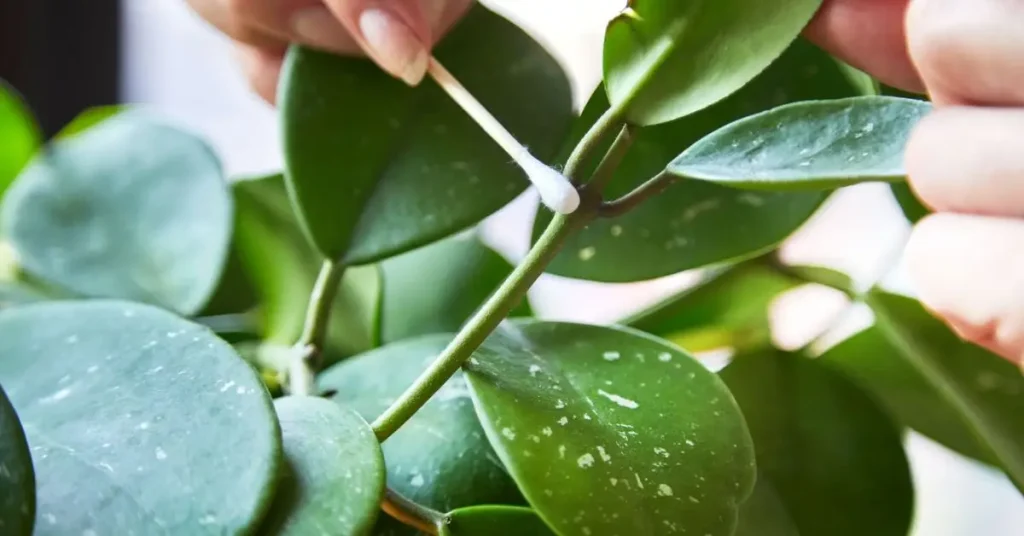
Sometimes, I’ll go in with a soft cloth or my fingers and wipe them off directly. After that, I use a mild soapy water spray—just a couple of drops of plain dish soap mixed into water. Avoid antibacterial or scented soaps; those can damage leaves.
Here’s what works for me:
- 1–2 drops mild liquid dish soap
- 1 cup lukewarm water
- Spray thoroughly, then wipe leaves gently
I once saw a grower share before-and-after pictures online after using this exact method—the plant looked clean and healthy again in less than a week.
Isolating Infected Plants
This step doesn’t get enough attention, but it’s a game-changer. If one plant is covered in aphids, move it away from your other plants right away. I call it “plant quarantine.” It stops the problem from spreading and gives you space to treat the infected one properly.
Natural Remedies That Actually Work
Neem Oil Spray (Safe, Natural Insecticide)
Neem oil is my most reliable tool against aphids. It works by stopping them from feeding and reproducing, and it’s safe for indoor use if applied correctly. The National Center for Biotechnology Information (NCBI) highlights neem’s effectiveness on soft-bodied insects like aphids, making it one of the best natural treatments you can use.
How I mix it:
- 1–2 teaspoons neem oil
- 1 quart water
- A few drops of mild soap (helps it stick)
- Spray every 7 days until the infestation clears
Essential Oils: Peppermint, Rosemary
I’ve also had success with essential oils. Peppermint drives aphids away with its strong scent, and rosemary oil works in a similar way. These don’t kill aphids outright but make your plants less attractive to them.
DIY mix:
- 10 drops peppermint or rosemary oil
- 2 cups water
- Spray lightly once a week
Homemade Garlic/Chili Spray
For a kitchen-based remedy, garlic and chili sprays can be effective. Their natural compounds make leaves less appealing to pests.
Simple recipe:
- Blend 2 garlic cloves + 1 small chili in 1 cup water
- Strain and dilute to about 1 liter
- Spray gently (too strong a mix can burn leaves)
Diatomaceous Earth for Soil-Dwelling Aphids
If aphids are hiding in the soil, I turn to food-grade diatomaceous earth. Sprinkling a light layer over the top of the soil dehydrates the insects without harming your plant. It’s an easy, non-toxic solution for root-zone infestations.
Long-Term Prevention Strategies
Encourage Natural Predators Indoors
You may not think of releasing bugs in your home, but certain beneficial insects like ladybugs or lacewings can actually help. They feed on aphids and keep populations under control. While it’s not always practical indoors, some plant parents release a small batch in a greenhouse or enclosed balcony with great success.
Regular Inspection and Wiping Leaves
The simplest way to stay ahead of pests is just to check your plants regularly. I run my hands over leaves once a week, looking under them and at new shoots. A quick wipe with a damp cloth not only keeps dust off but also makes it harder for pests like aphids to settle in unnoticed. Prevention also changes with the seasons—learn how to protect your indoor plants during winter so they stay healthy year-round.
Myths vs. Reality About Aphid Control
Coffee Grounds, Vinegar, Baking Soda — Do They Really Work?
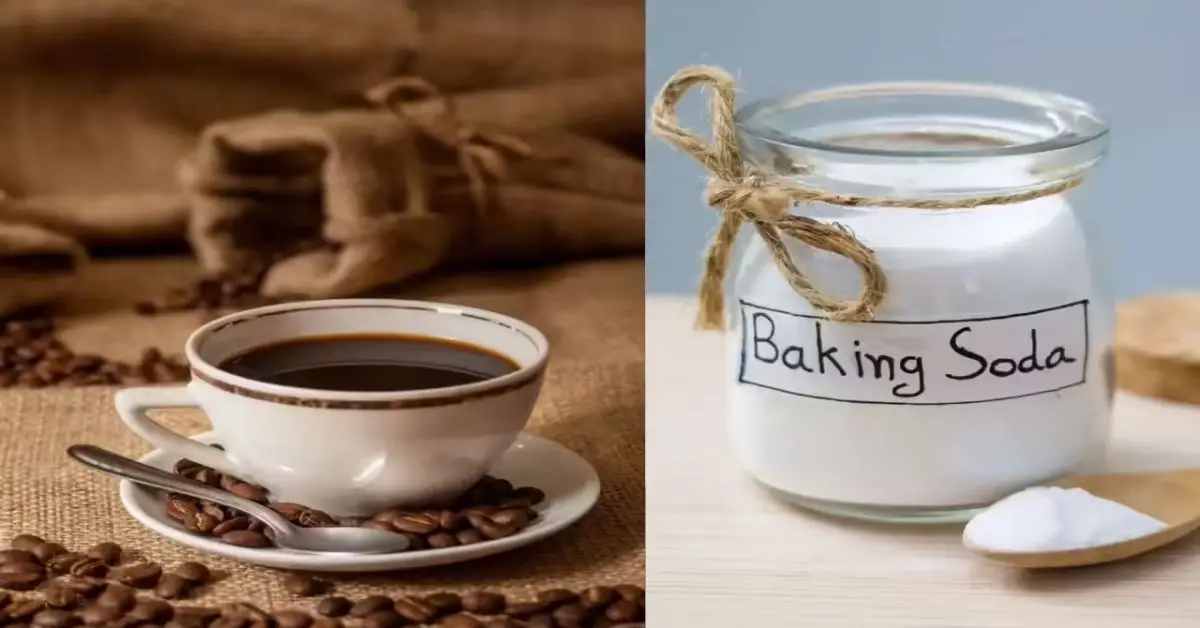
You’ve probably seen DIY tips online that suggest sprinkling coffee grounds, spraying vinegar, or using baking soda to fight aphids. The truth is, these methods don’t have much scientific backing. They might slightly disturb pests, but they don’t solve the root problem. According to a study published on ResearchGate, neem-based treatments have shown reductions of over 70% in aphid populations—real evidence that natural solutions work far better than these popular myths.
What Not to Do Indoors
Some approaches cause more harm than good. I strongly suggest avoiding:
- Bleach or strong chemical cleaners – they can burn leaves and leave harmful fumes.
- Rubbing alcohol in high concentration – while diluted versions may work, heavy use dries out and damages plants.
- Aerosol chemical sprays – especially dangerous in closed rooms with pets and kids.
It’s easy to get caught up in “quick fixes,” but knowing what not to do is just as important as knowing the right solutions.
Quick Aphid Control Checklist
Sometimes it helps to have everything in one place. Here’s a simple checklist you can follow to keep your plants safe and aphid-free:
- Step 1: Inspect leaves weekly — turn them over, look at new shoots, and wipe with a damp cloth.
- Step 2: Quarantine new plants before mixing — keep new plants separate for at least a week before placing them with the rest.
- Step 3: Keep neem oil spray handy — a diluted bottle in a spray mister can save you time when you notice early signs.
This small routine makes a huge difference and takes less than 10 minutes a week.
When to Seek Expert Help
Persistent Infestations Despite DIY Methods
If you’ve tried washing, neem oil, essential oils, and natural sprays but the aphids keep coming back, it may be time to get help. Some infestations get into the soil or spread too fast for home treatments to fully control.
Professional Pest Control Options Safe for Indoor Use
Look for services that specialize in eco-friendly or non-toxic pest control. Many companies now offer natural alternatives that are safe for kids, pets, and your indoor air quality. It’s better to invest in expert care than to risk losing your plant collection altogether.
Final Word — Healthy Plants, Healthy Home
Aphids can be stubborn, but you don’t need harsh chemicals to protect your plants. With simple steps like regular checks, safe natural sprays, and mindful fertilizing, you can keep your houseplants strong and your home safe. The best part? These methods are not only effective but also sustainable and family-friendly.
Taking care of plants is about more than keeping them alive—it’s about creating a healthy space for you and everyone in your home. And if you’re looking to expand your indoor gardening skills, don’t miss these 5 smart tips for growing herbs indoors.
I’d love to hear from you—have you ever tried a natural aphid remedy that worked wonders? Share your experience in the comments, and for more practical plant care tips, visit Plant Care Dairy.