
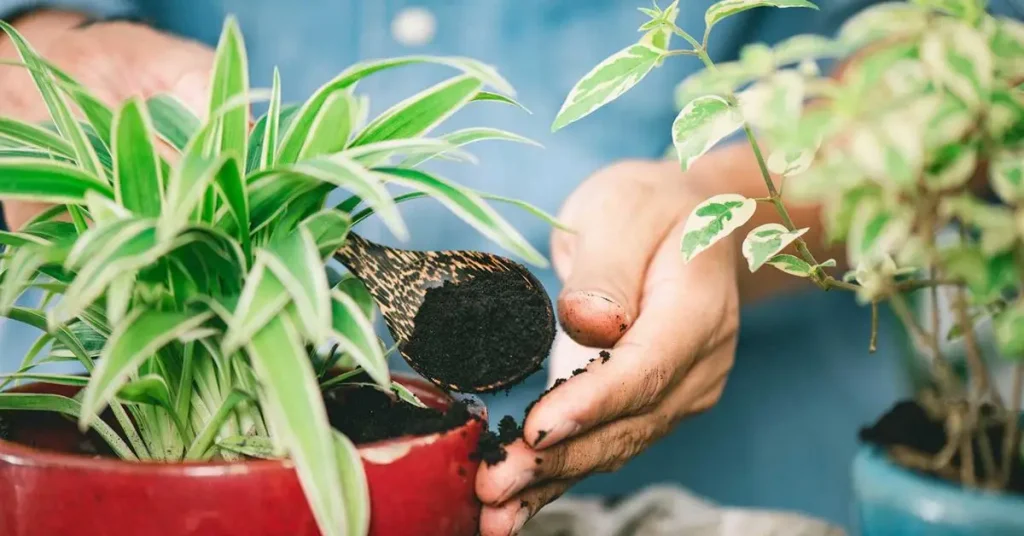
I used to save every scoop of coffee grounds for my garden. “Free fertilizer,” right? Then I watched my lavender sulk, tomatoes grow tall but fruit less, and rosemary stop dead. That’s when I learned the hard way: not every plant wants your morning brew. Some plants hate coffee grounds, and they’ll show it fast.
Here’s what I wish someone told me sooner: grounds can skew soil pH, add too much nitrogen at the wrong time, and even form a tight layer that keeps water and air from getting in. The result? Yellowing, stunted growth, and stressed roots—especially in a few common favorites.
In this guide, I’ll walk you through five plants to avoid, why they react badly, and what to use instead so you don’t lose a season to a simple mistake. Quick, clear, and practical—so you can keep what’s thriving and fix what isn’t.
Before we dive in, which plant are you thinking of adding coffee grounds to—tomato, lavender, or something else?
Why Coffee Grounds Aren’t Always Plant-Friendly
I get it—you brew your coffee, look at those rich dark grounds, and think, “Why waste this? My plants will love it.” I thought the same thing for years. But the truth is, coffee grounds aren’t always the universal garden booster they’re made out to be.
Here’s why they can actually cause more harm than good:
- High acidity – Fresh coffee grounds are acidic. If your soil already leans that way, adding more acidity stresses roots instead of helping them.
- Excess nitrogen – Coffee grounds add nitrogen, which sounds great. But too much of it at the wrong time (like during fruiting) can send plants into leafy overdrive while cutting back on flowers or fruits.
- Caffeine toxicity – Caffeine isn’t just a human pick-me-up. Studies show it can actually suppress seed germination and slow root growth in sensitive plants.
Researchers at Oregon State University explain that while grounds can work in compost, directly adding them to soil can upset pH and even compact the top layer, making it harder for water and air to move through.
So the next time you’re tempted to sprinkle coffee grounds around “just because,” pause and think about your soil first. Sometimes, your plants will thank you more if you keep the coffee for your compost pile instead.
5 Plants That Hate Coffee Grounds
Coffee grounds sound like a free superfood for the garden, but trust me—some plants hate them. Here are five common ones you and I both might be growing, along with the reasons to avoid coffee in their soil.
1. Tomatoes
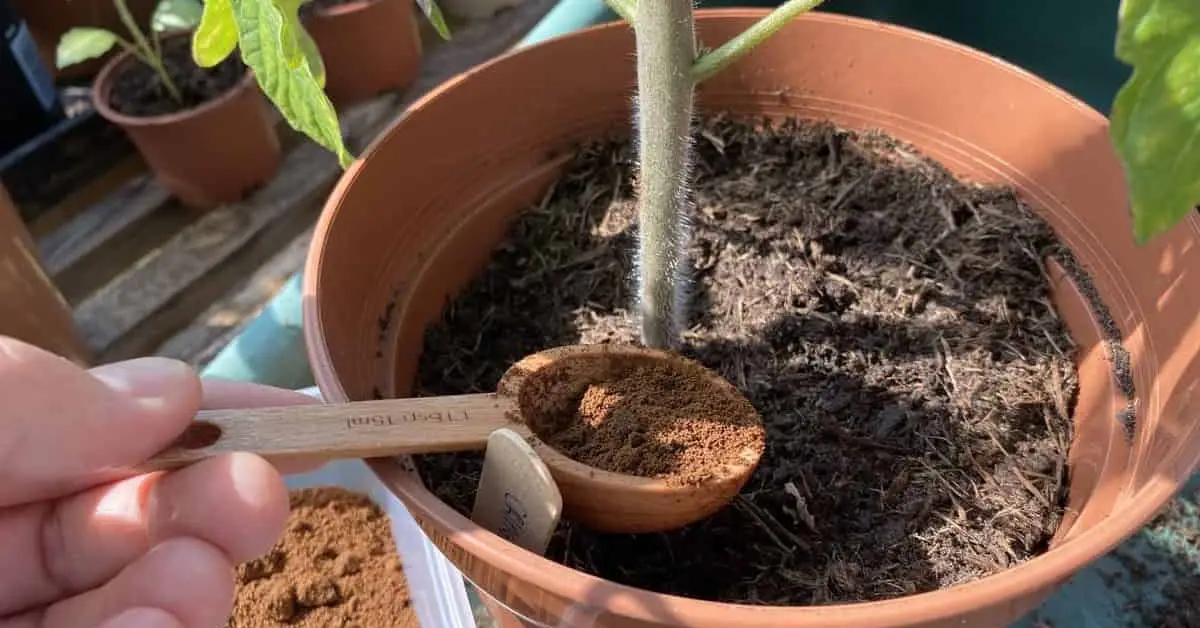
Tomatoes are heavy feeders, but coffee gives them the wrong kind of push.
- Extra nitrogen = lush leaves, very few fruits
- Grounds can form a crust on soil, blocking water and oxygen
- Common symptom: tall, leggy stems with flowers dropping
- Many gardeners online confess, “My tomato plants stopped fruiting after adding coffee.” If your tomato plants are still struggling even without coffee grounds, check for hornworms—these garden pests are notorious for eating through tomato crops and can mimic nutrient stress.
If you want fruit, feed tomatoes with balanced compost—not your coffee habit.
2. Lavender
Lavender is a sun-lover that thrives in alkaline, sandy soil. Coffee flips the soil acidic and damp, creating a mismatch.
- Roots become stressed and prone to rot
- Blooms weaken, fragrance fades, and growth slows
- Key sign: droopy stems even if you’re watering correctly
- The Royal Horticultural Society notes lavender prefers neutral to alkaline soils—coffee disrupts this balance
Stick to gravelly soil and drainage boosters for lavender; skip the coffee.
3. Rosemary
Rosemary shares lavender’s Mediterranean roots and soil needs.
- Suffers when soil is compact and acidic
- Coffee grounds lock in moisture → perfect storm for root stress
- Leaves may lose colour, stems become woody without fresh growth
- Better swap: sprinkle lime or wood ash to gently raise pH
Imagine rosemary on a rocky hillside in Italy—not in soggy, acidic soil.
4. Geraniums
Geraniums are caffeine-sensitive, which makes coffee grounds risky.
- Growth slows down, blooms become fewer
- Leaves may stay green but plants feel “stuck”
- Gardeners online even complain coffee “killed their geraniums”
- Common symptom: buds forming but never opening fully
Keep geraniums blooming with well-balanced feed instead of caffeine shock.
5. Asparagus Fern
This delicate fern pretends to be tough but reacts quickly to acidity.
- Coffee drops pH too low, turning fronds yellow
- Leaf drop increases, plant looks sparse within weeks
- NC State Extension notes asparagus family plants grow best in pH 6.0–6.7, far from coffee’s effect
- Extra warning: once soil shifts acidic, recovery is slow
If your fern turns patchy, don’t blame watering—check the soil pH.
What Happens If You Add Coffee Grounds to the Wrong Plants?
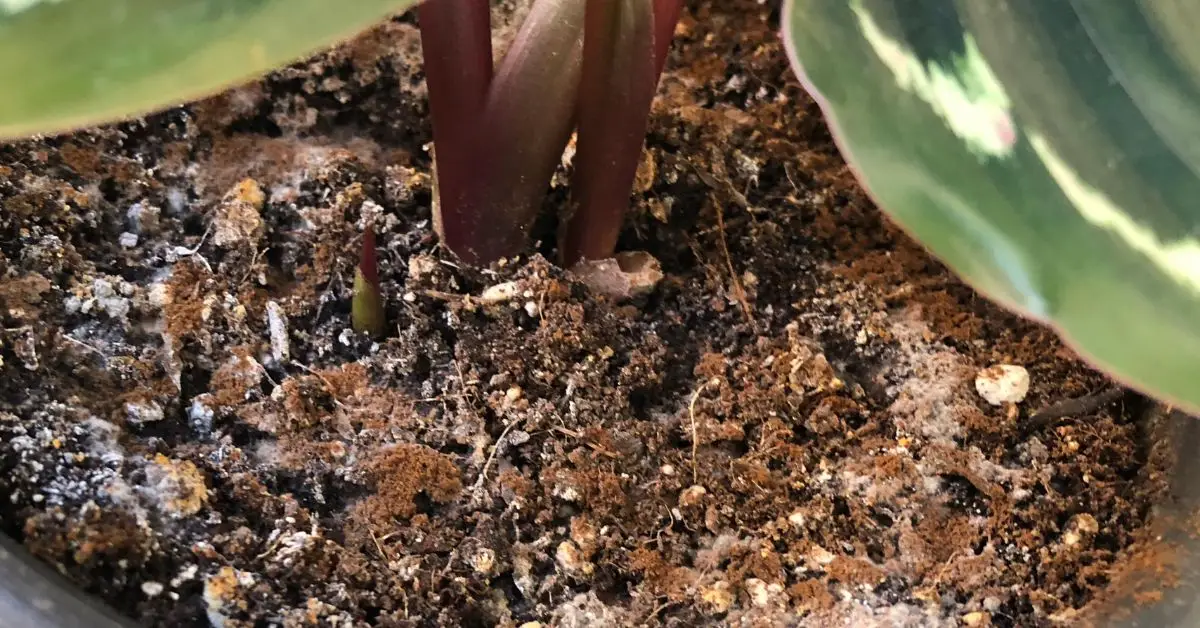
I’ve seen it plenty of times—plants that looked fine suddenly slow down after getting a layer of coffee grounds. The signs usually creep in within a few weeks:
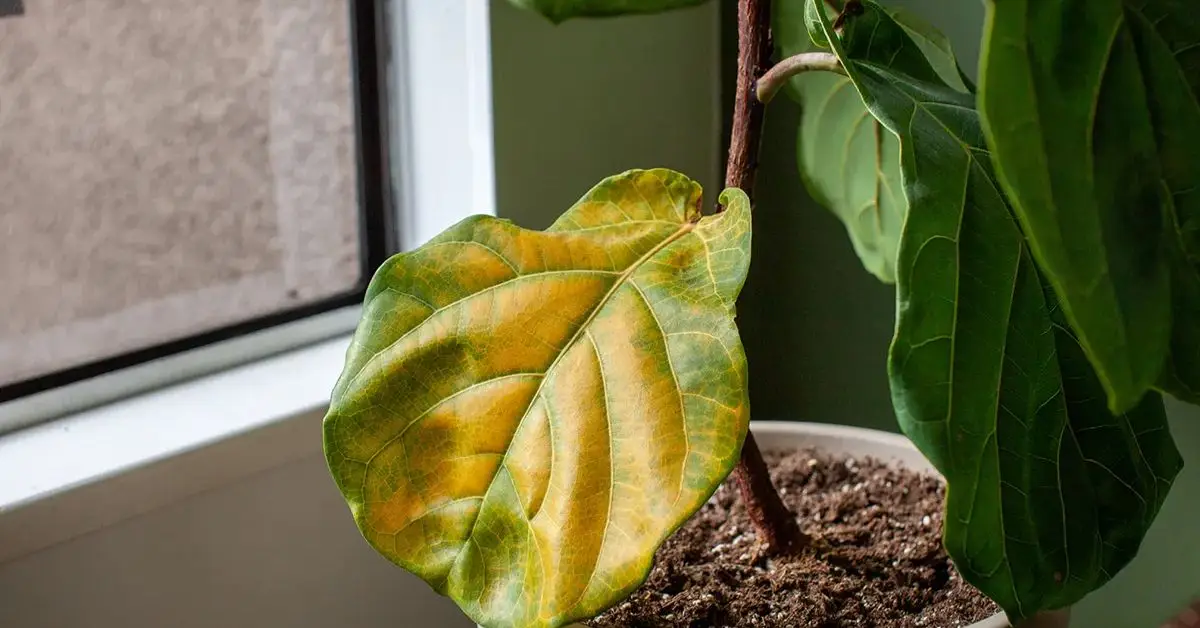
- Yellowing leaves because nutrients get locked up in overly acidic soil. Sometimes yellow leaves aren’t just about soil pH—pests can also attack your plants and cause similar stress, so it helps to rule them out while diagnosing the problem.
- Stunted growth where seedlings fail to take off or mature plants stop producing.
- Root rot from grounds compacting into a dense mat that traps water.
- Leggy stems but no fruit—classic tomato problem after a nitrogen overload.
- Unexpected leaf drop in ferns and geraniums once the soil chemistry shifts.
If you notice two or three of these symptoms at once, it’s a good clue the problem isn’t watering or sunlight—it’s the coffee sitting in the soil.
Safer Alternatives to Coffee Grounds in Gardening
The mistake isn’t using coffee grounds—it’s using them raw and in the wrong place. They can still work for you if you handle them carefully.
- Compost first – As explained by Ecohome, fresh coffee grounds are acidic and may suppress plant growth, but once composted, that acidity neutralises and nutrients become safer.
- Mix with neutral materials – Pair them with leaves, straw, or grass clippings so they don’t form a soggy layer.
- Use only for acid-loving plants – Blueberries, azaleas, and hydrangeas can actually benefit from the lower pH. And if you grow brassicas like cabbage or kale, don’t forget that cabbage worms can wipe out healthy leaves quickly—another reason to keep soil balanced and plants resilient.
- Go light – Think of it like seasoning; a sprinkle is fine, but dumping grounds in bulk almost guarantees trouble.
Used this way, coffee grounds shift from being a hidden risk to a helpful part of your soil mix.
Key Takeaways for Gardeners
Coffee grounds aren’t a one-size-fits-all solution. They bring acidity, extra nitrogen, and even caffeine—all of which can quietly stress certain plants. From tomatoes that grow leaves instead of fruit to lavender and rosemary that sulk in acidic soil, the risks are real if you spread them without thinking.
But the fix is simple:
- Watch for signs like yellowing, stunted growth, or sudden leaf drop.
- Compost grounds first or mix them with neutral materials.
- Save them for acid-loving plants that actually benefit.
Used thoughtfully, coffee grounds can still play a role in your garden. It’s just about knowing when to say yes—and when to keep them out of the soil.
Over to you: Have you ever tried coffee grounds in your garden? Did they help your plants or hurt them? Share your experience in the comments—I’d love to hear what worked (or didn’t) for you.
Conclusion
Coffee grounds may seem like a simple gardening shortcut, but not every plant agrees with them. Tomatoes can stop fruiting, lavender and rosemary struggle with acidic soil, geraniums get hit by caffeine, and even hardy ferns start dropping leaves. The lesson is clear—you and I can’t just assume “coffee = compost = good.” It’s about balance, timing, and knowing which plants will actually thank you for it.
By composting first, mixing with other materials, and saving grounds for acid-loving plants, you’ll avoid the common pitfalls and keep your garden thriving.
Now I want to hear from you: Have coffee grounds ever helped—or hurt—your plants? Drop your story in the comments below, your experience could save another gardener’s season.
Want more practical home and garden insights? Head over to Plant Care Dairy for tips, guides, and smart fixes designed to make your living space stronger, greener, and easier to enjoy.
Disclaimer: This article shares general gardening advice based on expert sources and personal experience. Soil conditions vary, so always test your soil or consult a local extension service before making major changes.