
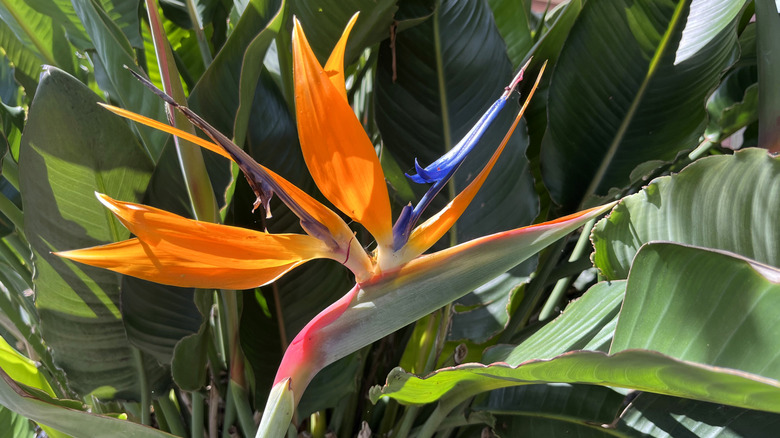
Overwintering Bird of Paradise (Strelitzia reginae) doesn’t have to be confusing or stressful. My goal here is to cut through the noise and show you exactly how to protect your plant from cold, keep it healthy indoors, and set it up for a strong spring bloom cycle. You’ll find practical thresholds, simple routines, and clear fixes for the most common winter problems.
By the end, you’ll know how to match the right light, temperature, watering, and humidity to your Bird of Paradise at home. I’ll also share a concise 9-step plan, a troubleshooting guide, and a quick-reference table so you can skim and act with confidence.
I’ve moved many tropicals indoors for winter, and I’ve learned that timing and consistency are everything. The year I delayed bringing my Bird of Paradise inside, a surprise cold snap singed the leaves overnight. Since then, I track nighttime lows, prep a bright winter spot near a south-facing window, and the plant rewards me with vigorous new growth as soon as days lengthen.
Why Overwintering Bird Of Paradise Matters
What Cold Stress Really Does
Bird of Paradise is native to warm climates and dislikes extended cool nights. When temperatures dip below about 55°F, the plant begins to slow and may show signs of stress. Below that threshold, tissue damage accelerates and roots become vulnerable to rot if the soil stays wet.
- Common symptoms: Leaf curl, drooping petioles, and slow or stalled growth.
- Cold damage clues: Brown, translucent patches on leaves after a chilly night.
- Hidden risk: Cool, wet soil can suffocate roots and invite rot-causing pathogens.
For a detailed step-by-step guide on protecting your Bird of Paradise from cold stress, check out this comprehensive winter care guide by Gardeners’ Path. For tips on frost-tolerant and protective measures for other flowers during cold snaps, see our article on frost-proof flowers.
How Light Drives Bloom Set
These plants are sun lovers, and light is the engine behind strong spring flowering. Outdoors in warm seasons they thrive with bright light and some direct sun. Indoors, you’re aiming to approximate that intensity, even if you can only give it a couple hours of direct sun daily.
- Winter minimum: Target at least 2 hours of direct sun through a window if possible.
- Year-round ideal: About 6 hours of bright light; in summer, partial shade during the hottest part of the day can prevent leaf scorch.
- Reality check: Many indoor plants won’t bloom in winter, but strong light now fuels spring performance.
The Spring Payoff
Smart winter care builds momentum. By protecting leaves and roots, keeping light strong, and watering wisely, you help the plant store energy. That translates to thicker foliage and a more enthusiastic bloom show when light increases.
- Better bud potential: Healthy winter growth improves spring bloom chances.
- Fewer setbacks: Avoiding cold injury means less pruning and faster recovery.
- Stronger roots: Correct watering and drainage now pay off when growth surges.
Caring For Your Bird Of Paradise In Winter
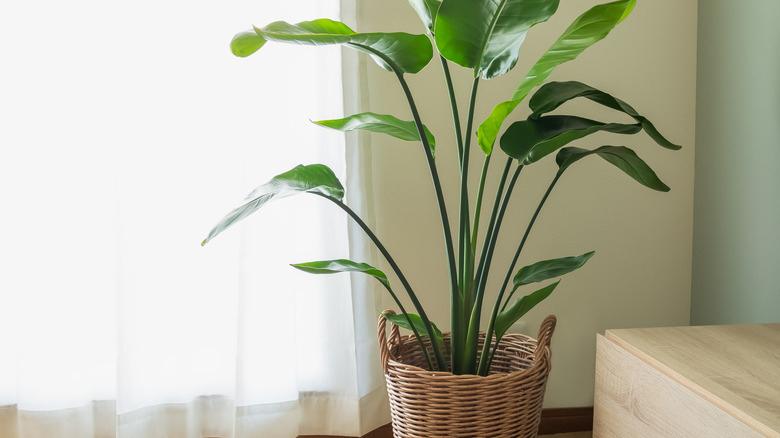
Place It In The Brightest Window
I recommend parking your Bird of Paradise in front of a south- or west-facing window for the most reliable winter sun. East can work if you can supplement with a grow light. North windows usually need supplemental lighting to avoid lanky, pale growth.
- Direct sun goal: Aim for 2+ hours of direct sunlight daily indoors.
- Supplement wisely: A full-spectrum LED positioned 12–18 inches above the canopy bridges shortfall.
- Rotate weekly: Turn the pot 90 degrees to keep growth even and prevent leaning.
Homes & Gardens also has an excellent overview of indoor winter placement and light requirements for Bird of Paradise that can help you pick the brightest spot in your home (read more here).
Keep Temperatures Stable
Bring the plant indoors before nights hit 55°F. Indoors, keep the room between 65–75°F for happy foliage and steady metabolism. Sudden drafts from doors, single-pane windows, or heating vents can stress leaves and dry the plant out.
- Draft defense: Keep 2–3 feet away from exterior doors and heat registers.
- Window buffer: Use insulating curtains at night if glass gets cold.
- Monitor: A small digital thermometer near the pot helps you track microclimates.
Raise Humidity The Easy Way
Indoor winter air runs dry. Instead of misting—which offers only brief relief—use a pebble tray or a small humidifier. Grouping plants can also raise the local humidity a few percentage points.
- Pebble tray basics: Fill a tray with pebbles and water, then set the pot on top so the base stays above the waterline.
- Target range: Keep relative humidity around 40–60% to reduce leaf edge browning.
Watering, Soil, And Container Choices
Water Less, Watch More
In winter, the plant drinks slowly. Overwatering is the fastest route to root rot, so let the top 1–2 inches of soil dry before you water again. I use the finger test, but you can also learn the pot’s “weight” when dry versus watered.
- Top-dry rule: Water only when the surface is dry down to the first knuckle.
- Slow and thorough: Water until it drains from the holes, then empty the saucer.
- Frequency reality: Indoors, that might be every 10–21 days, depending on light, pot size, and mix.
Drainage And Potting Mix That Prevents Rot
Good drainage is non-negotiable. Use a pot with multiple holes and a mix that doesn’t stay soggy. I like an airy blend that keeps roots oxygenated while still holding moisture. If you want to enrich your soil for stronger winter growth, check out our guide on how to compost in winter for indoor and container-friendly techniques.
- My winter mix: 2 parts high-quality potting mix, 1 part perlite or pumice, and 1/2 part pine bark fines.
- Elevate the pot: Pot feet or a plant stand improves airflow and drainage under the container.
- Empty the saucer: Never let the root ball sit in runoff water.
When To Repot Or Divide
Bird of Paradise actually enjoys being slightly pot-bound, which can encourage flowering. If you must repot, wait until late winter or early spring as growth resumes. That timing minimizes stress and helps the plant establish quickly in fresh mix.
- Repot signal: Roots circling heavily or pushing the plant upward.
- Division tip: Divide large clumps in spring, ensuring each division has healthy roots and at least one fan of leaves.
- Size up modestly: Choose a pot only 1–2 inches wider in diameter to avoid excess wet soil.
9 Smart Steps To Overwinter Bird Of Paradise For Brilliant Spring Blooms
Use this concise plan to protect your plant now and prime it for spring. I follow these exact steps each year, and they’ve dramatically reduced winter setbacks.
- Track Night Temperatures And Move Before 55°F: Watch the forecast and bring the plant inside ahead of the first cold snap. Waiting until frost risks leaf damage and slow recovery. For more general winter prep strategies that protect your garden from the cold, check out our smart tips to winterize your garden.
- Inspect, Rinse, And Quarantine For Pests: Before introducing the plant to your indoor collection, hose the foliage, check leaf undersides, and isolate it for 7–10 days. Treat any hitchhikers like spider mites, scale, or mealybugs right away.
- Acclimate To Indoors Over 3–7 Days: Reduce shock by transitioning from outdoor sun to indoor light. Start in bright shade near the window, then move closer to the glass over several days.
- Set Up Strong Light—Window Or Grow Light: Give the plant a south- or west-facing window, or add a full-spectrum LED to reach 2+ hours of direct light daily. Rotate weekly to keep growth even.
- Stabilize Temperatures Between 65–75°F: Keep away from drafts, heat vents, and chilly windows. A small digital thermometer helps you hold that sweet spot.
- Reset Watering: Let Top 1–2 Inches Dry: Indoors, watering slows. Water deeply only when the top inch or two feels dry, then drain the saucer completely.
- Max Out Drainage And Add A Pebble Tray: Use a pot with multiple holes and an airy mix, then boost humidity with a pebble tray. Elevated humidity reduces leaf crisping without overwatering.
- Pause Fertilizer Until Late Winter/Early Spring: Fertilizing during low light can cause weak, lanky growth. Resume with a balanced fertilizer at half strength when days lengthen.
- Observe, Clean, And Rotate Weekly: Wipe dust off leaves so they photosynthesize efficiently, and rotate the pot 90 degrees. Catch problems early by scanning for pests, wilting, or yellowing each week.
For a visual step-by-step care guide with images, PictureThis AI offers a helpful resource on overwintering Strelitzia reginae indoors (view guide here).
Troubleshooting Winter Problems
Leaves Curl, Brown, Or Split
Edge browning and splits usually point to low humidity, direct blasts of hot or cold air, or inconsistent watering. Birds of Paradise naturally develop splits in older leaves, but environmental stress can increase them.
- Increase humidity: Use a pebble tray or humidifier to hold 40–60% RH.
- Relocate from drafts: Keep clear of heat vents, doorways, and leaky windows.
- Smooth watering rhythm: Let the top 1–2 inches dry, then water thoroughly.
No Winter Blooms
Indoors, many Bird of Paradise plants don’t bloom due to lower light intensity. That’s normal. Your aim is to keep the plant strong so it can flower in spring and summer.
- Increase light: Move to a sunnier window or add a grow light.
- Check maturity: Younger plants may need time before they flower reliably.
- Stay patient: Good winter care fuels better bloom performance when days lengthen.
Yellowing Leaves Or Mushy Stems
These are classic signs of overwatering and poor drainage in cool conditions. Act quickly to save the root system and avoid a full decline.
- Audit the pot: Ensure multiple drainage holes and a free-draining mix.
- Dry-down protocol: Let the soil dry further between waterings, and empty the saucer immediately.
- Rescue repot: If stems are mushy, unpot, trim rotten roots, dust cuts with cinnamon, and repot into fresh, airy mix. Keep warm and bright.
Pests After Moving Indoors
Fungus gnats, spider mites, scale, and mealybugs sometimes hitch a ride. Early inspection and quick treatment prevent population explosions.
- Gnats: Let the top inch dry more, use yellow sticky traps, and top-dress with a thin layer of sand or diatomaceous earth.
- Mites: Increase humidity, rinse foliage, and use insecticidal soap or neem oil on repeat cycles.
- Scale/mealybugs: Dab with alcohol on a cotton swab and follow with horticultural oil applications.
Quick Reference: Spring Re-Entry, Summary Table, And Checklist
Ease Back Outdoors In Spring
When nights consistently stay above 55°F and the risk of frost has passed, you can move the plant outside. I harden off over 7–10 days to avoid sun scorch. Start in bright shade, then gradually introduce morning sun and, finally, a few hours of stronger sun if your climate allows.
- Watch the weather: If nights dip again, bring the plant back in temporarily.
- Resume feeding: Begin a balanced fertilizer at half strength as new growth appears.
- Repot/divide: Tackle any potting work now, not in midwinter.
Smart Gardening Mindset
Winter care succeeds when you observe and adjust. Instead of forcing a schedule, respond to the plant—its light, its rate of drying, and your home’s microclimate. A steady routine that respects those cues delivers healthier foliage and a stronger spring bloom.
Summary Table
| Care Aspect | Winter Target | Notes |
|---|---|---|
| Light | Bright, with 2+ hours direct sun | South or west window; add LED if needed |
| Night Temperature | Keep above 55°F | Bring indoors before nights hit 55°F |
| Indoor Temperature | 65–75°F | Avoid drafts and heat vents |
| Watering | Let top 1–2 inches dry | Water thoroughly, then empty saucer |
| Humidity | 40–60% RH | Pebble tray or small humidifier |
| Fertilizer | Pause | Resume at half strength in late winter/early spring |
| Repotting | Wait for spring | Bird of Paradise likes to be slightly pot-bound |
| USDA Zones | 10–11 outdoors year-round | All other zones: overwinter indoors |
Actionable Checklist
- Move indoors before 55°F nights: Prevent cold damage and slowdowns.
- Give the brightest window: South or west exposure, or add a grow light.
- Hold temps at 65–75°F: Avoid drafts; monitor with a small thermometer.
- Let the top 1–2 inches dry: Water deeply, then empty the saucer.
- Use a pebble tray: Raise humidity to 40–60% without overwatering.
- Stop feeding until days lengthen: Resume at half strength in late winter/early spring.
- Rotate and dust leaves weekly: Better photosynthesis, even growth, and early problem detection.
- Delay repotting until spring: Slightly pot-bound plants often flower better.
If you found this guide helpful, I’d love to hear what’s working in your home. Share your questions and winter wins in the comments over on Plant Care Dairy—your tips might help another grower keep their Bird of Paradise thriving.
Disclaimer: The information in this article is for educational purposes only. Always consider your local climate, your home’s specific conditions, and the unique needs of your plant. When in doubt, consult a local horticulture professional or extension service.