

If you love that instant “desert oasis” vibe but feel a little unsure about how to actually plant and care for a California fan palm, you’re not alone. I’ve seen plenty of gardeners plant these majestic trees in the wrong soil, water them like lawns, or panic at the first brown frond.
In this guide, I’ll walk you through exactly how to choose the right spot, plant correctly, and keep your Washingtonia filifera thriving with simple, low-maintenance care. You’ll learn what this palm really needs for light, water, soil, and temperature, plus how to prevent the most common pests and diseases before they become a headache.
When I planted my first California fan palm near a sun-baked patio, I worried it would be fussy. Instead, I learned that with the right start and a few smart habits, this palm is one of the toughest, most forgiving trees you can grow. Let’s make sure yours is, too.
Why California Fan Palms Are Worth Growing
Meet Washingtonia Filifera

The California fan palm (Washingtonia filifera) is the only palm species native to the western United States. It naturally grows in desert oases and canyon springs in southern California, southwestern Arizona, northern Baja, and Sonora, Mexico. For a deeper dive into growing fan palms and landscape ideas, check out this detailed guide on how to grow fan palms.
Botanically, it’s an evergreen tree in the Arecaceae family. In the landscape, it’s all about vertical drama and movement, with tall trunks, arching fronds, and a distinctly wild, desert feel that formal palms just can’t match.
At maturity, this palm typically reaches 40–75+ feet tall with a thick, sturdy gray trunk that can be up to three feet wide. It’s long-lived, often surviving 80–250 years in the wild when conditions are right.
Distinctive Look And Growth Habit
One reason I love this palm is its unmistakable silhouette. The fronds are:
- Large and fan-shaped: Each leaf can be up to six feet across.
- Armed leaf stalks: Petioles are four to six feet long with sharp teeth that get larger closer to the trunk.
- Rounded crown: Mature trees develop a dense, rounded canopy about 15 feet wide.
As the palm grows taller, older fronds die and naturally hang down the trunk, forming a shaggy “skirt.” You can prune this off for a neater look, but if you leave it, that skirt becomes an important mini-ecosystem for wildlife.
Beneath the surface, deep root systems help the tree anchor securely and tap into moisture far below the soil surface, which is a big part of its drought tolerance.
Ecological And Landscape Benefits
The California fan palm is so much more than a pretty backdrop. It’s a workhorse for both wildlife and the garden design.
- Habitat powerhouse: The dense skirt shelters bats, small mammals, and insects, while the wide canopy offers nesting space for birds like orioles, owls, and woodpeckers.
- Pollinator-friendly blooms: In late spring, huge sprays of creamy white flowers emerge between the fronds, feeding pollinators and extending the crown even farther.
- Wildlife food source: Small black fruits ripen in summer, feeding birds and other wildlife. They’re technically edible to humans, though not especially tasty.
- Year-round structure: As an evergreen, it gives you structure and greenery even in winter, but with a distinctly coastal and desert feel.
- Safe for pets and people: No part of the tree is known to be toxic, making it a family- and pet-friendly choice.
Whether you’re framing a pool, lining a driveway, or anchoring a xeric border with cacti and agaves, this palm delivers a strong focal point with surprisingly low fuss.
7 Simple Steps To Plant And Establish California Fan Palms

Your 7-Step Planting Game Plan
Planting a California fan palm is not complicated, but the details really matter in the first year. You can also refer to this step-by-step guide to planting and caring for California fan palms for additional tips and photos. Here are the 7 key steps I recommend following.
- Confirm your climate and available space. California fan palms thrive in USDA zones 8–11 and love heat. Make sure you have room for a 40–75+ foot tree with a broad crown, well away from power lines and building eaves.
- Choose a full-sun planting site. This palm is a true sun-lover and performs best with direct sun all day, just like in its native open canyons. Avoid spots shaded by tall trees or north-facing walls.
- Prepare loose, well-draining soil. Aim for a sandy or loamy soil that drains freely. If your soil is heavy or compacted, mix in coarse sand, small gravel, and compost to create an aerated, fast-draining planting zone.
- Plant in warm seasons for faster rooting. In its native range, the best time is usually late spring through early fall, when soil is warm and the palm is actively growing. Avoid planting in the coldest part of winter.
- Dig a wide hole and set the root ball level. Make the hole about twice as wide as the root ball and just deep enough so the top of the root ball sits level with the surrounding soil. Backfill with your original or amended soil, gently firming to remove air pockets.
- Water deeply and consistently at first. Water the palm thoroughly right after planting to settle the soil. For the first season or two, keep the soil lightly moist (not soggy) so the palm can build a strong root system.
- Transition to low-maintenance, drought-tolerant care. Once established, gradually reduce watering. Mature California fan palms are exceptionally drought-tolerant and will resent sitting in wet soil.
Best Time And Place To Plant
In most warm, arid or semi-arid regions, I suggest planting when temperatures are mild but soil is warm enough to stimulate root growth. That usually means:
- Spring: After the danger of frost has passed and days are consistently warming.
- Early fall: While the soil still holds summer warmth but before serious cold arrives.
Because this palm is native to desert oases, it appreciates locations where underground water is present yet the soil surface isn’t waterlogged. In home gardens, that translates into a sunny spot with good drainage and no standing water after rain.
If you live on the edge of its hardiness range (zone 8), choose a protected microclimate such as a south-facing wall or courtyard where heat reflects and cold winds are reduced.
Transplanting Young Trees Safely
Palms don’t have woody, branching roots like many trees. Instead, they form a dense, fibrous root system that behaves differently when disturbed. Young California fan palms usually handle transplanting well, but older, established trees are harder to move successfully.
If you need to transplant:
- Work while the palm is actively growing, not in winter dormancy. Warm soil helps new roots form quickly.
- Water the palm thoroughly the day before, so it is fully hydrated and under less stress.
- Dig a wide root ball, preserving as many roots as possible, and prepare the new hole ahead of time.
- Replant at the same depth, with the root flare and top of the root ball level with the surrounding ground.
- Water well after transplanting and continue providing consistent moisture until you see new growth.
Avoid cutting or damaging the trunk. Once the trunk is severely injured or the growing tip is compromised, the palm cannot recover.
How To Grow California Fan Palms From Seed

If you’re patient, growing California fan palms from seed is surprisingly rewarding. They germinate quickly in warm, moist conditions and grow faster than many people expect. For a practical look at growing California fan palms from seed, including germination times and care tips, see this resource on MyPlantIn.
- Collect ripe seeds: In late summer to early fall, harvest fruits that are fully black and slightly soft.
- Clean and soak: Remove the fruit pulp to reveal the firm brown seed. Soak in warm water for a day or two to soften the seed coat.
- Sow in a fast-draining mix: Use a well-draining seed or cactus mix and plant seeds about 1/2–1 inch deep.
- Keep warm and evenly moist: Aim for around 85°F (29°C) with bright light. You can cover pots with plastic to hold humidity but vent regularly to prevent mold.
- Move to brighter light after sprouting: Once seedlings emerge, give them bright light and gradually transition them to full sun.
- Transplant at 6–12 inches tall: When seedlings are strong and 6–12 inches high, pot them up or move them into the ground.
Pot-Grown Palms For Patios And Small Spaces
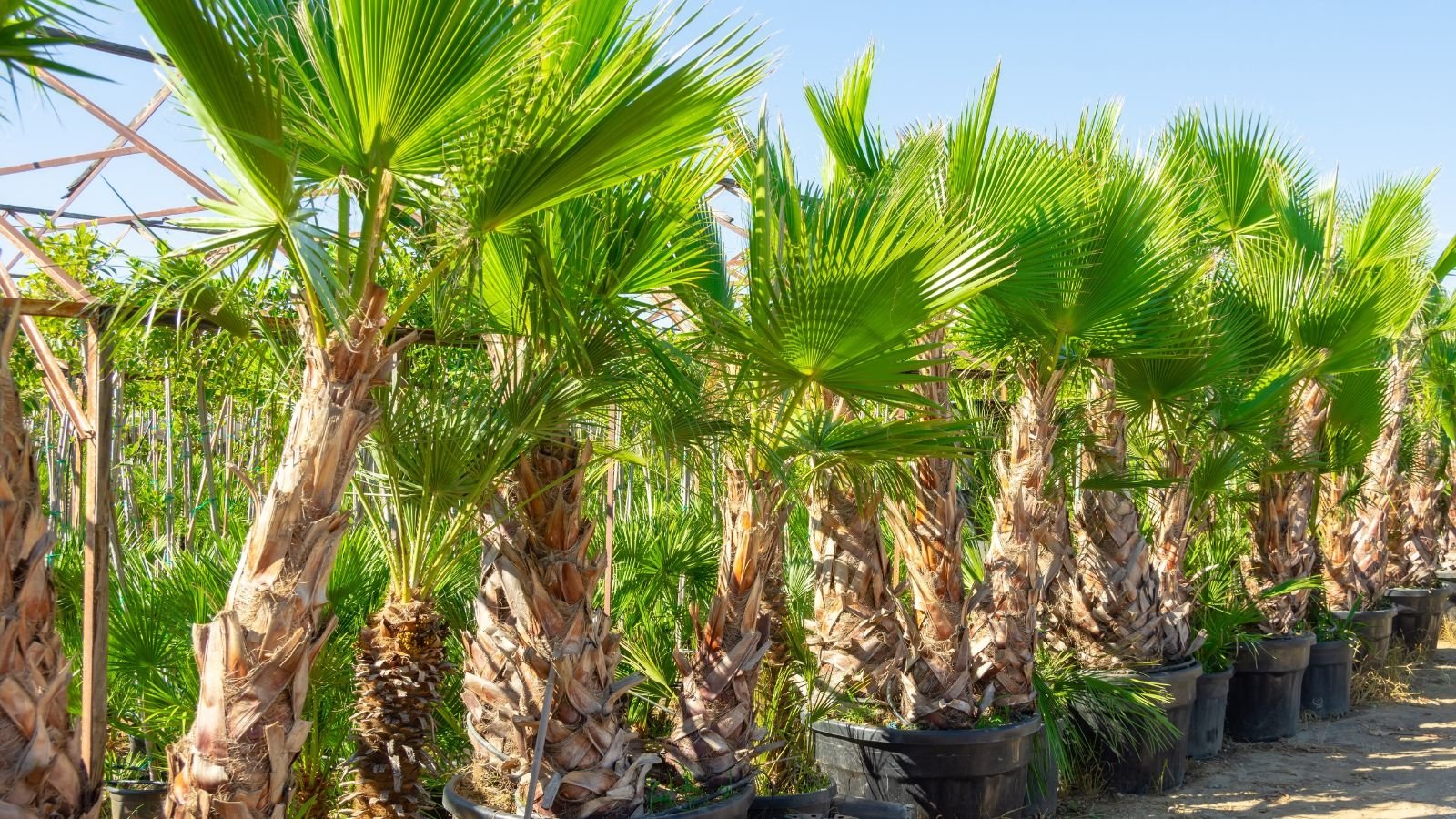
If you’re not ready for a 60-foot giant in the yard, you can keep young California fan palms in containers for years. They make bold, architectural accents for patios and entryways.
- Choose a large, heavy container with ample drainage holes so roots don’t sit in water.
- Use a gritty, well-draining mix (cactus or palm mix plus extra perlite or coarse sand).
- Water more often than in-ground palms, since containers dry out faster, especially in hot weather.
- Repot gradually into larger pots as the root ball fills the container.
Eventually, a container-grown palm will want more root space, but this approach lets you enjoy the look on balconies or rented properties where in-ground planting isn’t an option.
How To Care For California Fan Palms Long Term
Light: Full Sun For A Strong Crown
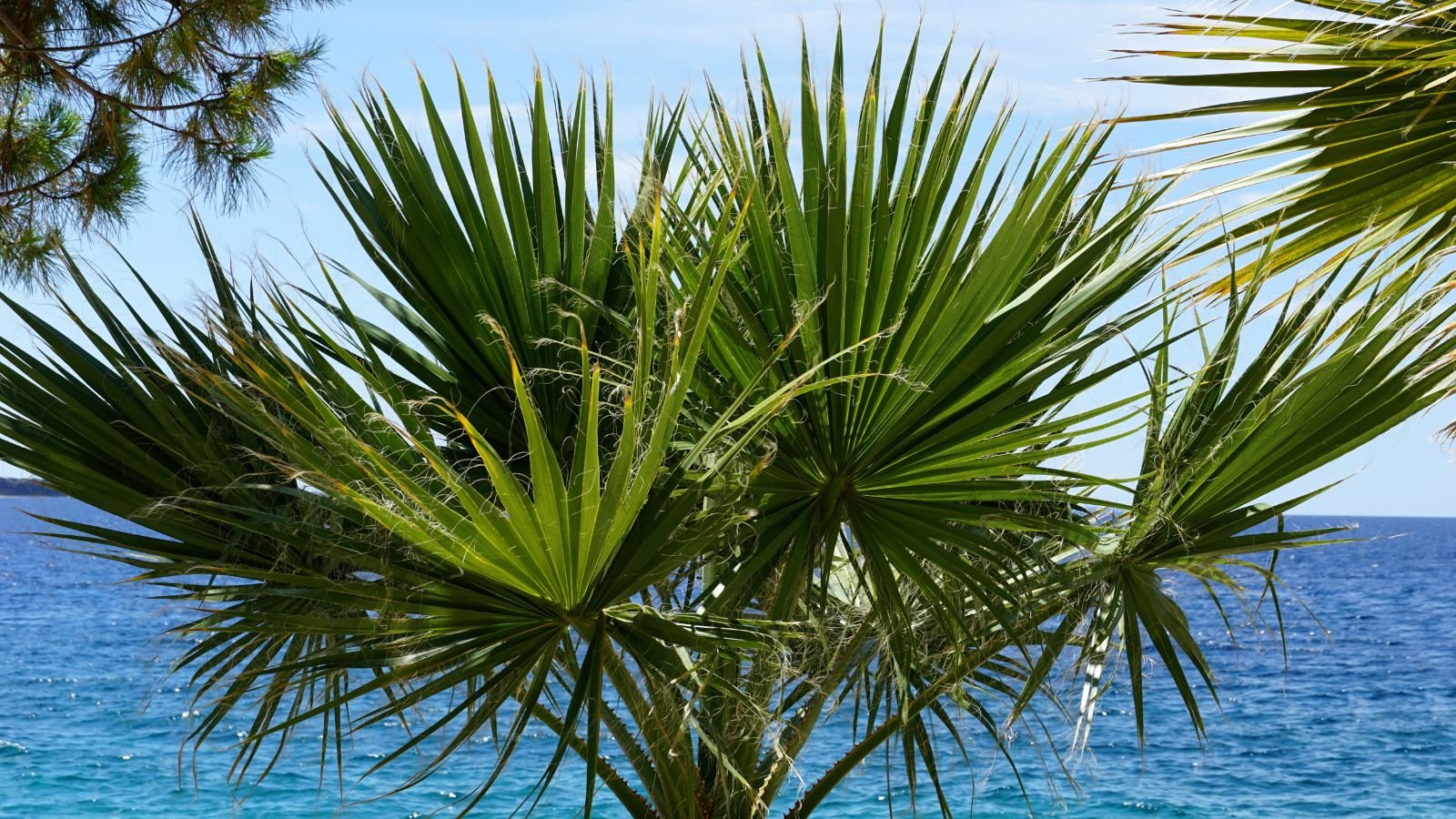
This palm is happiest where many plants would scorch. In nature, California fan palms often grow in open canyons and desert oases with full sun from dawn to dusk.
In the garden, too little light can lead to weak growth and a sparse crown. I aim for:
- At least 6–8 hours of direct sun every day.
- Unobstructed overhead exposure, not tucked under taller trees.
More sun usually means a stronger trunk, denser canopy, and healthier overall appearance.
Watering: From Establishment To Drought-Tough
California fan palms are naturally adapted to dry, desert-like conditions, but young palms still need your help while they’re settling in.
- For new plantings: Keep the root zone evenly moist (not soggy) during the first growing season. Deep, infrequent watering encourages deep roots.
- For established palms: Once roots are deep, you can stretch out watering intervals significantly. Many mature palms need little to no supplemental water in suitable climates.
- Avoid standing water: Constantly wet soil is far more dangerous than brief dry spells.
In containers, check moisture more often. The limited soil volume dries out quickly in sun and wind.
Soil: Why Good Drainage Matters
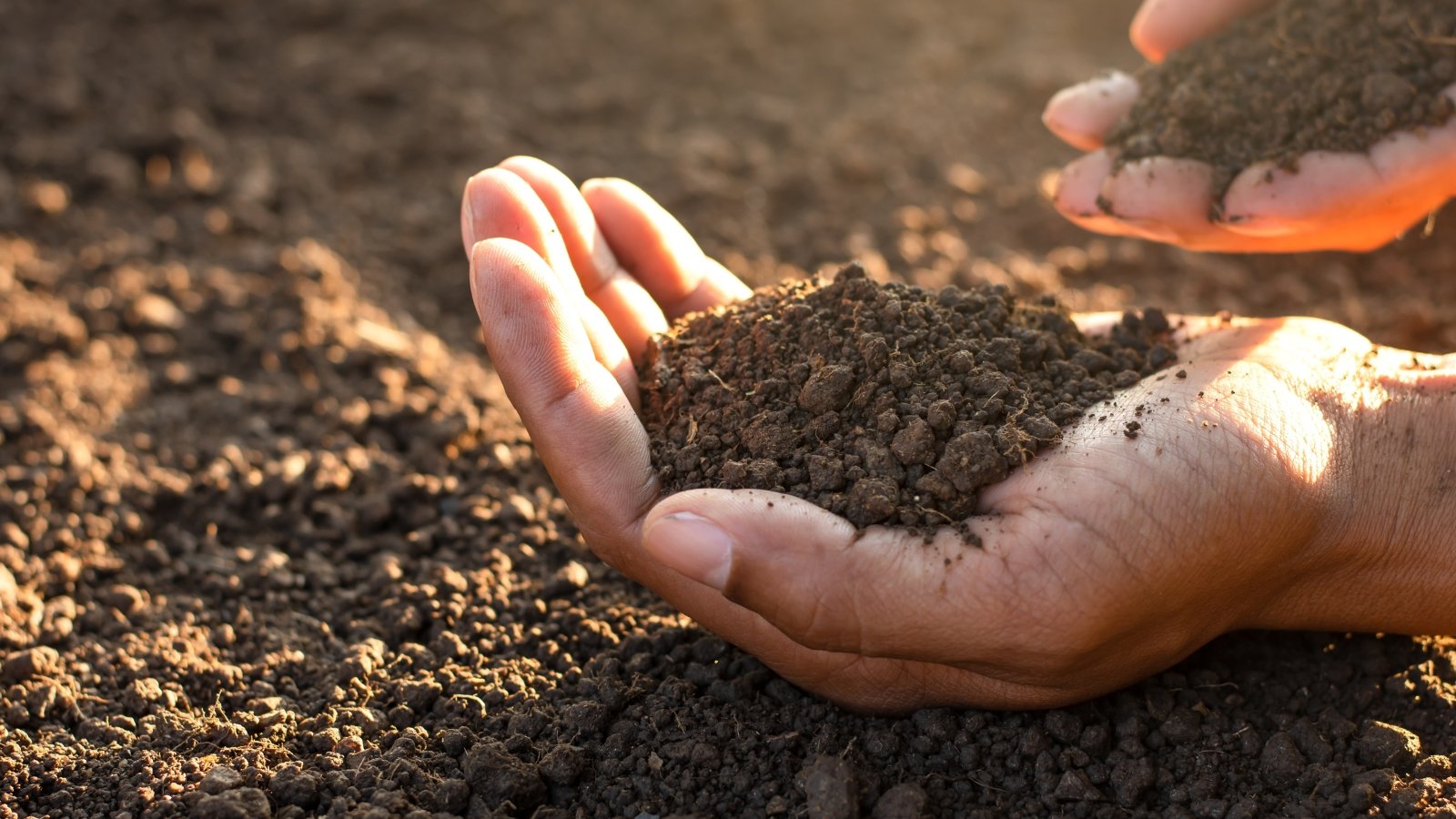
When it comes to soil, this palm is adaptable but has one non-negotiable requirement: no heavy, waterlogged soil. Ideal conditions are a well-draining sandy or loamy soil that stays aerated around the roots.
If your native soil tends to be dense or rich in clay, you can improve it by:
- Mixing in coarse sand or fine gravel to speed drainage.
- Adding compost to improve structure, not just fertility.
- Planting on a slight mound or berm so water naturally runs away from the trunk.
Light clay can work if it’s well amended, but very compacted soil that stays wet will eventually stress or kill the palm.
Temperature, Humidity, And Wind

California fan palms are true heat lovers. Ideal daytime temperatures range from 80–100°F (27–38°C), with nighttime temperatures around 50–70°F (10–21°C). They’re also surprisingly tough in extremes.
- Heat tolerance: Able to withstand temperatures above 110°F (43°C) with adequate soil moisture.
- Cold tolerance: Short dips down to about 15–20°F (-9 to -7°C) can be survived, especially by established trees.
- Humidity: Naturally prefers dry air but can adapt to humid, coastal climates if drainage and air circulation are good.
In zone 8, young palms may need winter protection (more on that below), while zones 9–11 usually have few cold-related issues.
Fertilizing Schedule That Works
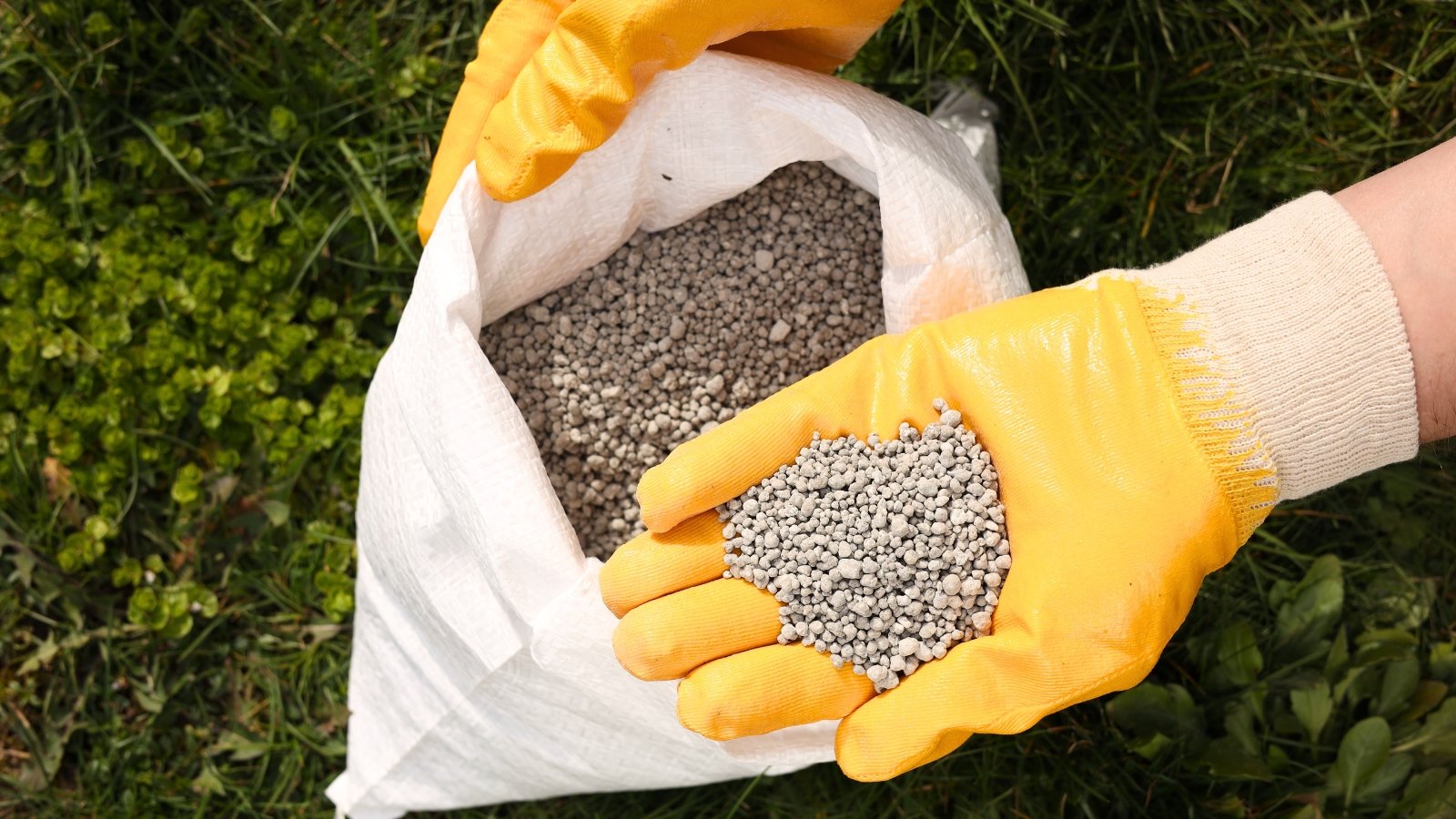
Even though California fan palms can survive in relatively poor desert soils, they look their best with occasional feeding. I like to fertilize only during the active growing season (roughly March through September).
- Use a palm-specific fertilizer: Look for a balanced formula around 10-5-10 with micronutrients like magnesium and manganese.
- Feed 2–3 times per year: Early spring, mid-summer, and early fall are good target windows.
- Apply around the drip line: Spread fertilizer over the root zone, water it in deeply, and avoid piling it against the trunk.
- Organic option: Work in compost or worm castings once or twice a year for a gentle nutrient boost and better soil health.
Avoid fertilizing in winter when growth naturally slows; nutrients are less likely to be used and more likely to leach away.
Low-Maintenance Pruning And Skirt Management

One of the best things about this palm is how little pruning it really needs. In many cases, you can almost ignore it and still have a healthy tree.
- Remove only fully dead, brown fronds: Green or even yellowing fronds are still feeding the tree, so remove them sparingly.
- Decide on skirt or no skirt: Leaving the natural “skirt” provides wildlife habitat and a wilder look. Removing it gives a cleaner, more formal appearance.
- Never cut the growing tip: The apical bud at the top of the trunk is the palm’s life center. Damage it, and the entire tree will die.
- Hire a professional for tall palms: Climbing and cutting high fronds is dangerous without the right training and equipment.
For most home gardeners, a light annual cleanup of dead fronds is all this palm will ever ask for.
Solving Common Problems: Pests, Diseases, And Palm Emergencies
How To Keep Pests Under Control
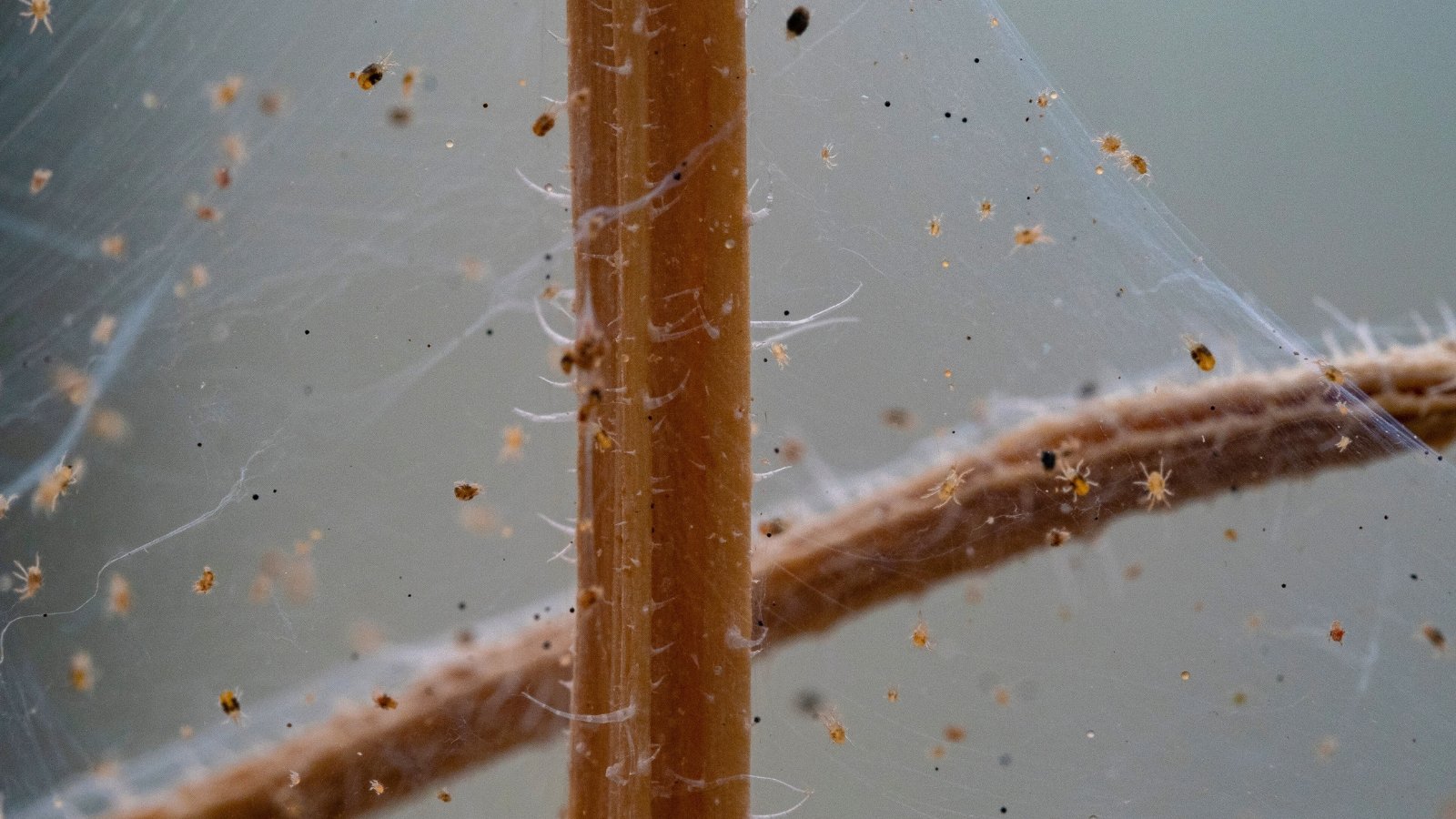
California fan palms are generally tough and not pest magnets, but a few insects can occasionally cause trouble. The key is to catch issues early and keep the tree as healthy as possible.
- Palm aphids: Tiny green or black aphids may cluster on fronds, sucking sap and leaving sticky honeydew that can grow sooty mold. Light infestations can often be blasted off with a strong stream of water; heavier cases respond well to neem oil or insecticidal soap.
- Scale insects and spider mites: These sap-feeding pests are less common but can still stress young palms. Horticultural oils and insecticidal soaps usually handle them well when applied thoroughly to leaf surfaces.
- Palm weevils: Large beetles that bore into the trunk and can cause a wilting crown or sudden collapse of the growing tip. There’s no easy cure once damage is severe, so focus on prevention by keeping your palm vigorous and avoiding unnecessary trunk wounds.
Whenever possible, avoid spraying insecticides while the palm is in bloom, since the flowers are an important food source for pollinators.
Common Diseases In Humid Climates

Because California fan palms are naturally adapted to dry air and well-drained conditions, they’re generally healthy in arid climates. In more humid or poorly drained environments, a handful of diseases are worth watching for.
- Fusarium wilt: A fungal disease that causes gradual decline of the crown, yellowing, and eventual death. It spreads through contaminated soil or tools, and there’s no reliable cure once advanced. Removing the affected tree is often the safest option.
- Ganoderma butt rot: Caused by a fungus attacking the roots and lower trunk. Symptoms include a soft, decaying trunk base, wilting fronds, and sometimes shelf-like mushrooms at the base. There is no chemical treatment; prevention hinges on good drainage and avoiding trunk injuries and overwatering.
- Leaf spot (fungal or bacterial): Shows up as small brown or black spots on fronds. Mild cases are mostly cosmetic; you can remove badly affected leaves. Widespread issues often respond to a copper-based fungicide.
- Bud rot: Often follows cold damage or other stress. New leaves may collapse, and the crown can develop a foul odor. Early intervention with a fungicide drench can sometimes save the palm if the growing point isn’t completely destroyed.
The best defense is to keep the palm in conditions it prefers: dry air, great drainage, no standing water, and minimal trunk damage from tools or mowers.
When To Worry (And When To Relax)
It’s easy to panic the first time you see browning fronds, but not every brown leaf is bad news. I use a simple rule of thumb:
- Older, lower fronds turning brown: Usually normal aging, especially if new growth at the crown looks healthy and green.
- Sudden collapse of new growth or a foul smell at the crown: A red flag for serious issues like bud rot or weevil damage.
- Gradual thinning crown, with yellowing and dieback: Time to investigate water, soil drainage, and potential fungal problems.
When in doubt, inspect the root zone and trunk, review your watering habits, and consider consulting a local arborist for large, valuable specimens.
Smart Design, Companions, And Overwintering Tips
Great Companion Plants For California Fan Palms
Design-wise, California fan palms pair beautifully with other plants that love heat and lean, well-drained soil. Think of building a layered, water-wise planting around your palm.
- Cacti and agaves: Natural companions that share similar water needs and love full sun. If you’re interested in vibrant, low-water succulents, check out our detailed guide on growing a rainbow hedgehog cactus — it thrives in full sun and dry conditions.
- Yucca and dasylirion: Spiky, architectural forms that echo the palm’s bold texture.
- Drought-tolerant grasses: Ornamental grasses add movement and soften the strong vertical lines of the trunk.
- Flowering perennials for pollinators: Salvias, penstemons, and other drought-tolerant bloomers complement the palm’s spring flowers. For gardens near the coast or in slightly salty conditions, see our post on salt‑loving flowers — it highlights pollinator-friendly, salt-tolerant perennials.
By grouping plants with similar needs, you simplify care and make it easier to manage irrigation and soil conditions. If you’re planning a xeric or rock-style border, explore our list of rock garden plants — these species love well-drained soil and full sun.
Pet Safety And Family-Friendly Yards
One big advantage to California fan palms is that they’re considered non-toxic to pets and people. That makes them a great choice for family yards, dog-friendly spaces, and high-traffic gardens.
As always, supervise pets and kids around any large tree. The main hazards here are physical—falling fronds or sharp teeth on the leaf stalks—not chemical toxicity.
Overwintering Young Palms In Cooler Zones
In zones 9–11, established California fan palms usually cruise through winter without any extra help. In zone 8, especially where cold snaps are sharp, young palms benefit from a bit of protection while they’re getting established.
- Mulch the root zone: Apply a thick layer of mulch around (but not against) the trunk to moderate soil temperatures.
- Wrap the trunk and crown for hard freezes: For smaller palms, you can loosely wrap the trunk and upper growth with frost cloth or burlap during extreme cold.
- Water wisely: Avoid waterlogged soil, but don’t let the root zone bone-dry during prolonged winter droughts.
As the palm matures and its trunk thickens, it becomes more resilient to brief cold snaps and typically needs less winter pampering.
Using Palms As Focal Points And Screens
I often think of California fan palms as living exclamation points in the garden. They instantly draw the eye and can help organize the rest of your design.
- Anchor key views: Place a palm to frame a patio, pool, or mountain view.
- Create an alleé: Plant a row along a drive or path for a dramatic, resort-like entrance.
- Soft privacy screen: Use a staggered grouping to break up views of neighboring houses without creating a solid wall.
Because they’re evergreen, these palms provide structure all year long, even when many perennials are dormant.
Quick-Glance Guide And Final Checklist
California Fan Palm Care At A Glance
| Care Factor | Recommendation |
|---|---|
| Plant Type | Evergreen palm tree (Washingtonia filifera) |
| Hardiness Zones | USDA 8–11 (young palms need protection in zone 8) |
| Light | Full sun; 6–8+ hours of direct light daily |
| Soil | Well-draining sandy or loamy soil; avoid waterlogged clay |
| Watering | Consistent moisture while establishing; very drought-tolerant once mature |
| Temperature | Best at 80–100°F (27–38°C); tolerates brief 15–20°F (-9 to -7°C) when established |
| Fertilizing | Palm fertilizer (around 10-5-10) 2–3x per year, March–September |
| Maintenance | Low; prune only dead fronds, avoid cutting the growing tip |
| Pests & Diseases | Occasional aphids, scale, mites, palm weevils; watch for Fusarium wilt, Ganoderma butt rot, leaf spot, bud rot |
Your California Fan Palm Success Checklist
- Choose the right climate: Plant only in zones 8–11, with extra winter care for young trees in zone 8.
- Give it full sun: Avoid shaded locations; this is a true sun-worshipper.
- Prioritize drainage: Amend heavy soil to create a sandy, loamy, well-aerated root zone.
- Water wisely: Keep soil evenly moist while establishing, then ease back to drought-style watering.
- Feed in the growing season: Use palm fertilizer or compost a few times a year, never in winter.
- Prune conservatively: Remove only dead, brown fronds and leave the growing tip untouched.
- Monitor for pests and disease: Check the crown, trunk, and fronds periodically, especially in humid climates.
- Protect young palms from hard freezes: Mulch roots and wrap small trunks when deep cold is forecast.
Bringing It All Together
With the right start and a bit of thoughtful care, a California fan palm can outlive you, your garden plans, and possibly even your house. The key is to think like a smart gardener: match the tree to your climate, give it the sun and drainage it craves, and then step back and let its natural toughness shine.
If you’ve planted or cared for a California fan palm, I’d love to hear how it’s doing and what you’ve learned along the way. Share your questions and experiences in the comments on Plant Care Dairy—your insights might be exactly what another gardener needs.
Disclaimer: The information provided in this article is for educational and general gardening purposes only. Growing conditions can vary widely by region, microclimate, and site. Always consider local regulations, consult qualified arborists or horticulture professionals when dealing with large trees or severe pest and disease issues, and follow label directions for any products you use.