
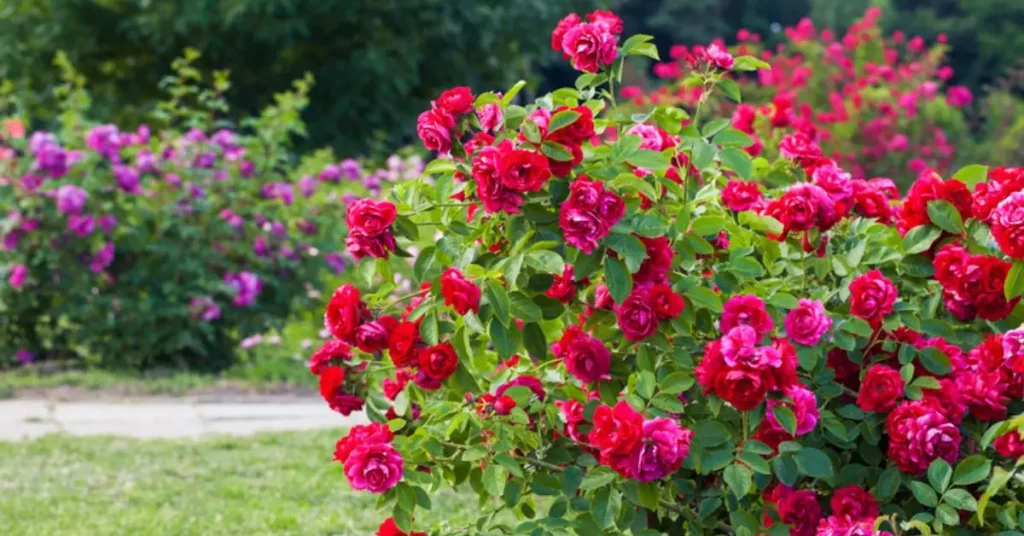
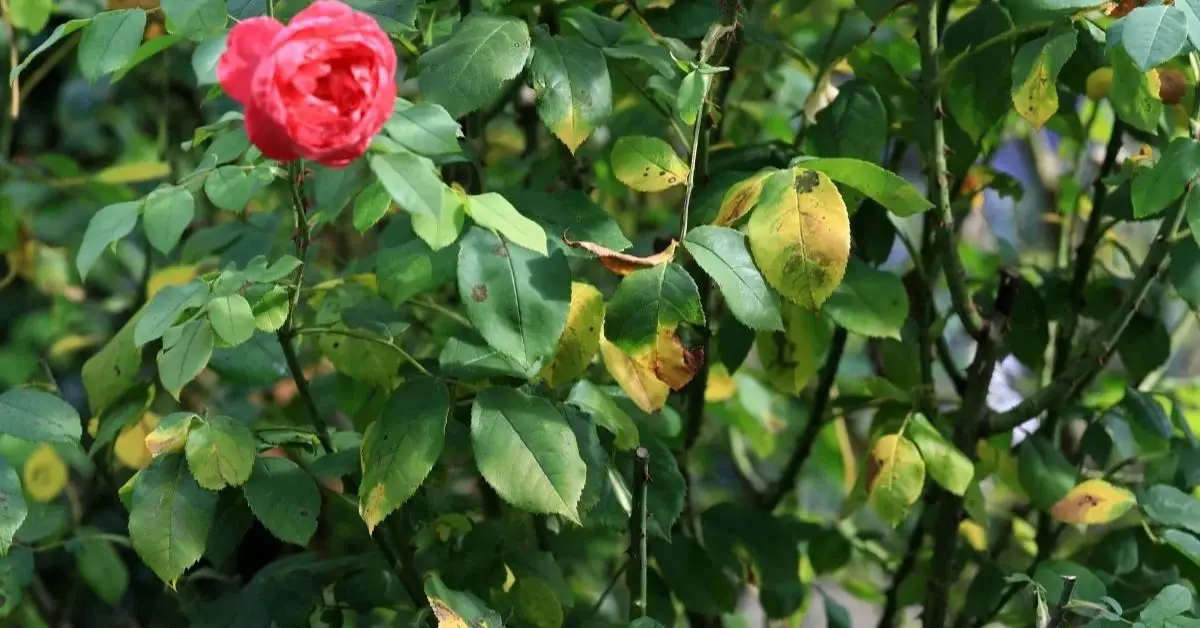
I still remember the first time I saw one of my rose bushes wilting, leaves turning yellow, and buds barely opening. I felt that sinking feeling—like I’d failed my garden.
If you’re staring at a struggling rose bush right now, I get it. Roses can be finicky, and sometimes it feels like no amount of watering or pruning makes a difference.
But here’s the good news: most dying rose bushes can be rescued with the right care and a few smart, targeted steps.
In this guide, I’ll walk you through exactly how to identify what’s going wrong, bring your rose bush back to life, and help it thrive—without guessing or stressing over trial and error.
By the end, you’ll feel confident that your roses aren’t just surviving—they’re ready to bloom beautifully again.
Understanding Why Your Rose Bush is Dying
Before you can save a struggling rose bush, you need to understand why it’s struggling in the first place. I’ve learned over the years that guessing rarely works—roses respond best when you address the root cause directly.
Here are the most common reasons your rose bush might be looking sad or weak:
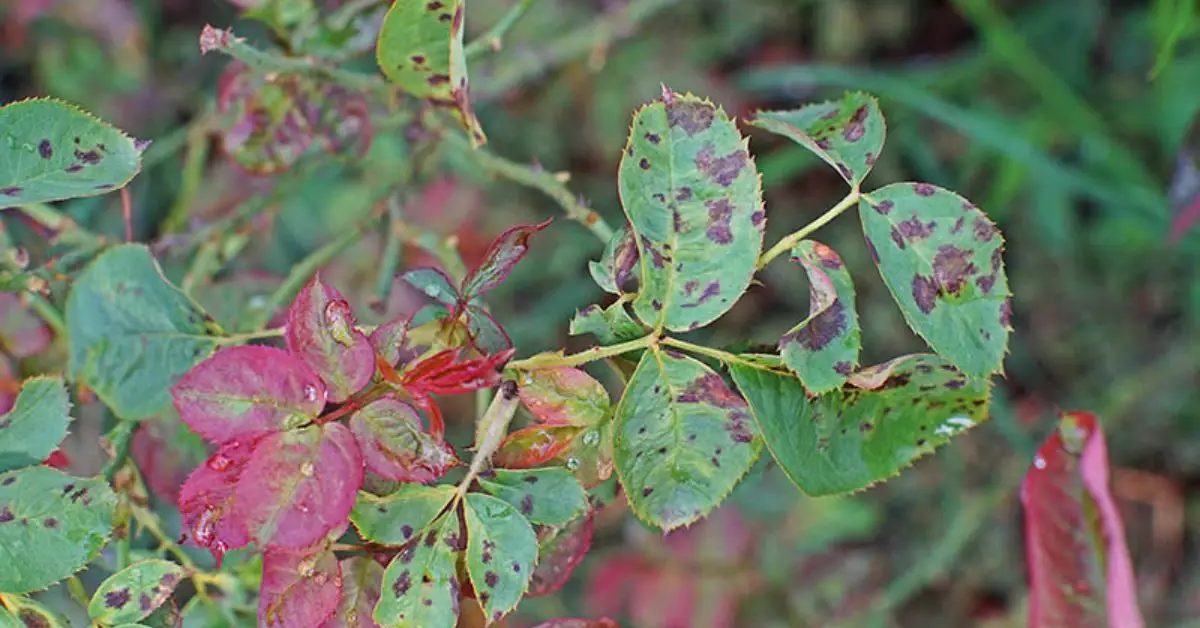
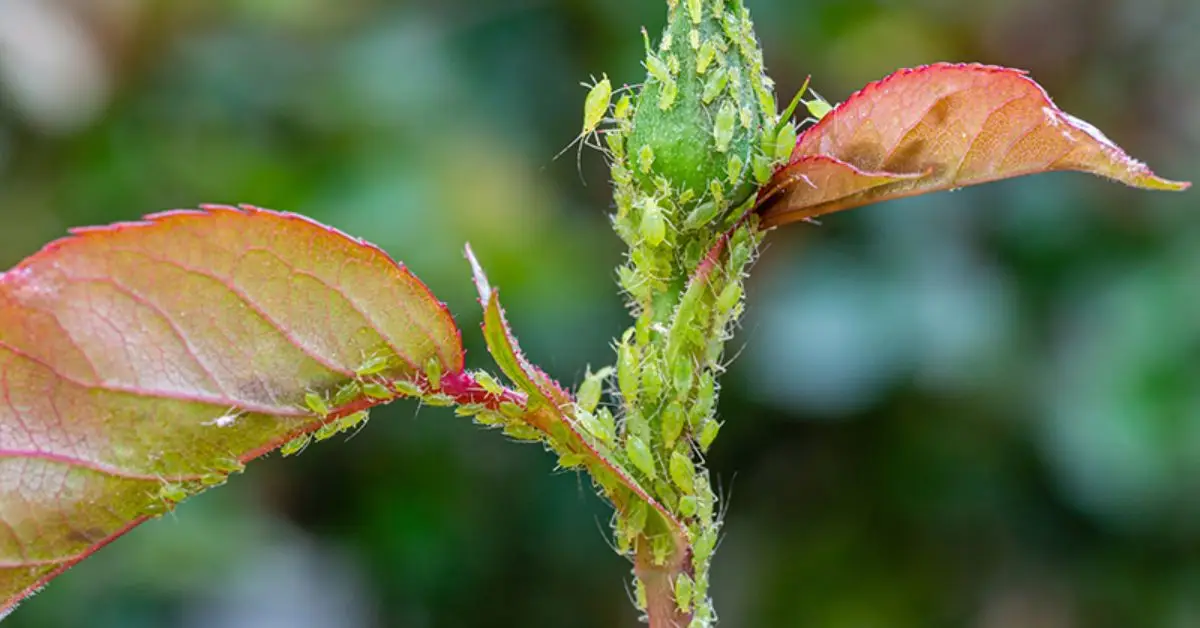
- Pests and Diseases: Tiny invaders like aphids or spider mites can wreak havoc without you noticing. If you’re struggling with aphids or spider mites on your roses, I often turn to safe, plant-based pest solutions that protect the plant without harmful chemicals. Fungal problems such as black spot and powdery mildew also weaken your plant, making it more prone to wilting and poor blooms. I’ve found that spotting these early can make recovery much faster.
- Watering Issues: Both overwatering and underwatering are surprisingly common mistakes. Too little water stresses your rose, while too much can suffocate the roots and invite disease. I usually check soil moisture before deciding how much to water—it saves a lot of headaches.
- Nutrient Deficiencies: Roses are hungry plants. If your bush is showing pale leaves, stunted growth, or fewer blooms, it might be missing essential nutrients like nitrogen, phosphorus, or potassium. A proper feeding schedule can bring it back to life.
- Environmental Stress: Roses need a balance of sunlight, good drainage, and protection from extreme temperatures. I’ve rescued bushes that were dying simply because they were in the wrong spot or had compacted soil.
According to Southern Living, pests, diseases, and environmental factors are the most common reasons rose bushes become unhealthy and eventually die. Knowing this helps you target your solution rather than blindly applying treatments that might not work.
Once you identify the main culprit, the next steps become much clearer—and that’s exactly what we’ll cover in the next section.
Step-by-Step Guide to Reviving Your Rose Bush
Saving a struggling rose bush isn’t magic—it’s about taking methodical, targeted steps. I’ve followed these techniques myself, and they consistently bring roses back to life.
1. Assess the Damage
Before doing anything drastic, I always start by checking if my rose bush is truly dead or just dormant.
- Check for Dormancy vs. Death: Trim a cane gently and look for green tissue inside. Green means life, brown usually means dead.
- Identify Affected Areas: Determine whether the issue is limited to certain canes or affecting the whole bush. This helps you focus your efforts where it’s needed most.
2. Prune Dead or Damaged Canes
Pruning is like giving your bush a fresh start.
- Technique: I always use sterilized pruning shears and cut back to healthy, green tissue.
- Timing: Early spring or right after the bloom cycle works best to avoid shocking your plant.
3. Adjust Watering Practices
Watering seems simple, but roses are picky about it.
- Proper Technique: Water deeply at the base, keeping leaves dry to prevent fungal issues.
- Frequency: Only water when the top 2 inches of soil feel dry.
- Amount: Typically, 2–3 gallons twice a week works well, but adjust based on weather and soil type.
4. Fertilize Appropriately
Feeding your rose the right nutrients is key to a strong comeback. Just like roses need the right nutrients, other plants like aloe vera thrive when you understand their specific feeding needs, ensuring strong growth and vibrant leaves.
- Type of Fertilizer: I recommend a balanced, rose-specific fertilizer.
- Timing: Apply every 4–6 weeks during the growing season.
- Caution: Over-fertilizing can harm the plant, so follow instructions carefully.
5. Improve Soil and Drainage
A rose can only thrive if its roots are happy.
- Soil Quality: Make sure the soil drains well and is rich in organic matter. When improving soil quality for roses, I sometimes consider natural amendments like wood ash, but it’s important to know the benefits and what to avoid to keep your soil healthy.
- Mulching: Add 2–3 inches of mulch to retain moisture and regulate temperature.
6. Monitor for Pests and Diseases
Even after recovery, vigilance is key.
- Inspection: Regularly check for aphids, spider mites, or fungal spots.
- Treatment: Use appropriate organic or chemical treatments as needed.
7. Provide Proper Sunlight and Shelter
Roses love light but dislike stress.
- Sunlight: At least 6 hours of direct sunlight daily keeps your bush strong.
- Protection: Shield your roses from strong winds and extreme temperatures whenever possible.
Following these steps carefully can turn a sad, struggling rose into a thriving, blooming centerpiece in your garden. For extra guidance on watering, fertilizing, and overall rose care, I often check The Spruce—their tips are clear, practical, and easy to follow.
When to Seek Professional Help
Sometimes, despite our best efforts, a rose bush may not recover. Recognizing when to consult a professional can save time and resources.
Signs It’s Time to Consult a Professional:
- Persistent Wilting: If your rose bush remains wilted despite proper care, it may indicate underlying issues that require expert attention.
- Widespread Disease: When signs of disease spread beyond manageable areas, professional intervention may be necessary to prevent further damage.
- Lack of New Growth: If there are no signs of new shoots after several weeks, it could be a sign of a serious problem that needs expert diagnosis.
In such cases, I recommend consulting a local horticulturist or garden center for professional advice.
Preventing Future Rose Bush Decline
Once your rose bush is back to health, it’s essential to maintain its well-being to prevent future issues.
Tips for Ongoing Rose Care:
- Regular Maintenance: Consistent pruning and deadheading encourage healthy growth and blooming.
- Seasonal Care: Adjust care routines according to seasonal changes to meet the plant’s evolving needs.
- Soil Testing: Conduct annual soil tests to monitor nutrient levels and adjust fertilization accordingly.
For more detailed guidance on rose care, I often refer to trusted resources like Better Homes & Gardens. Their expert advice has been invaluable in my gardening journey.
Bringing Your Rose Bush Back to Life
Rescuing a struggling rose bush isn’t just about gardening—it’s about patience, observation, and a little bit of love. I’ve learned that when you understand why your rose bush is struggling and take targeted, consistent steps, the rewards are incredible: vibrant blooms, healthy growth, and a garden that truly feels alive.
Remember, every rose bush tells a story. Some may need pruning, some extra nutrients, and some a watchful eye for pests. By assessing the damage, adjusting care, and preventing future problems, you’re not just saving a plant—you’re creating a thriving corner of nature right in your backyard.
I encourage you to start today. Take a walk to your rose bush, observe it closely, and follow the steps you’ve learned here. Even small actions can make a huge difference.
And I’d love to hear from you: Which step helped your rose bush the most? Share your experience and let’s help each other grow beautiful gardens.
For more gardening tips and detailed plant care guides, visit Plant Care Dairy and give your plants the love they deserve.
Disclaimer: The information provided in this article is for educational purposes only. Results may vary depending on plant type, environment, and care practices. Always consult a gardening expert or horticulturist for specific advice.