
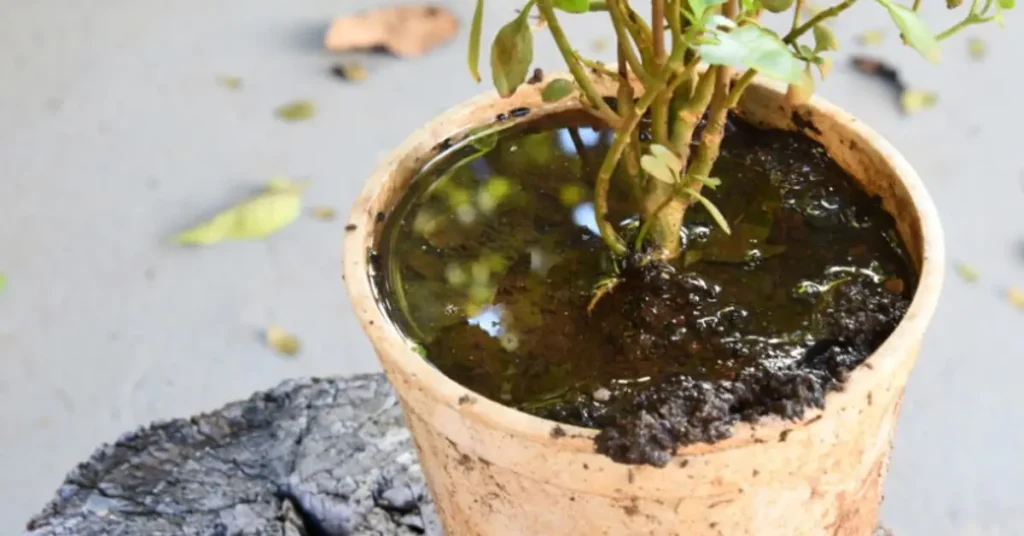
I’ve spent years tending to all kinds of houseplants, and if there’s one thing I’ve learned, it’s that water can be a plant’s best friend—or its silent enemy. Overwatering and underwatering are two of the most common mistakes even seasoned plant parents make, and the tricky part is that the signs often look surprisingly similar. Brown leaves, drooping stems, or soil that seems “off” can leave you second-guessing every watering decision.
In this guide, I’ll walk you through how to tell the difference between overwatered vs underwatered plants, share practical ways to save your greens, and give you tips that actually work in real-life scenarios. By the end, you’ll feel confident spotting the signs early and keeping your plants thriving, without the guesswork.
Understanding Plant Stress: Overwatering vs Underwatering
To educate you on the fundamental differences between overwatering and underwatering, so you can catch issues before they become serious.
I’ve been there—you check your plant, see drooping leaves, and immediately wonder, “Did I water too much or too little?” The truth is, the causes are very different:
- Overwatering:
- Your plant’s roots are sitting in too much water.
- Oxygen in the soil gets depleted, which can lead to root rot and fungal growth.
- Leaves may look yellow, limp, or even develop brown spots.
- Overwatering is sneaky—you might think your plant is thriving because the soil looks moist.
- Underwatering:
- Your plant isn’t getting enough water to sustain itself.
- Leaves start to wilt, curl, or turn dry and crispy.
- Growth slows down, and the soil can pull away from the pot edges.
- Often, you can fix underwatering quickly if you catch it early.
If you want a deeper dive into how underwatering affects your plants, I found this handy guide by Southern Living that explains it in a really practical way.
Spotting the Signs: How to Identify Overwatered Plants
To help you recognize overwatering symptoms early, so you can intervene before it’s too late.
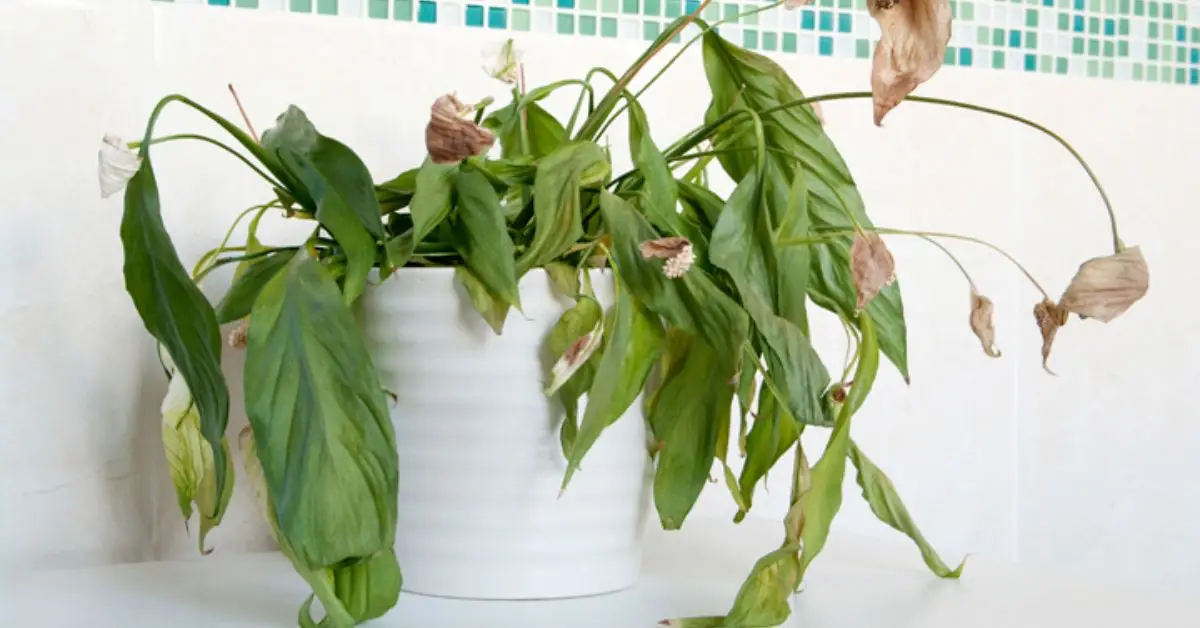
Here’s what I personally check when I inspect my plants:
- Yellowing Leaves:
- Often the first clue something’s wrong.
- Look for leaves that turn pale or blotchy while the soil still feels wet.
- Wilting Despite Wet Soil:
- This is a classic sign of root suffocation.
- Even if the soil is soggy, the roots can’t breathe, so the plant droops.
- Mushy Stems and Roots:
- When I gently tug at the plant, I can sometimes feel soft, mushy areas in the stems or roots—definitely not a good sign.
- Foul Odor from Soil:
- Smell the soil. If it has a sour or rotting smell, the roots are decaying.
- This is a clear red flag that action is needed immediately.
I like to keep this overwatering guide from WallyGrow handy—it has great visuals and tips on spotting early signs.
Recognizing Underwatered Plants: Key Indicators
To help you identify signs of underwatering, which are often mistaken for other plant issues, so you can act before damage becomes serious.
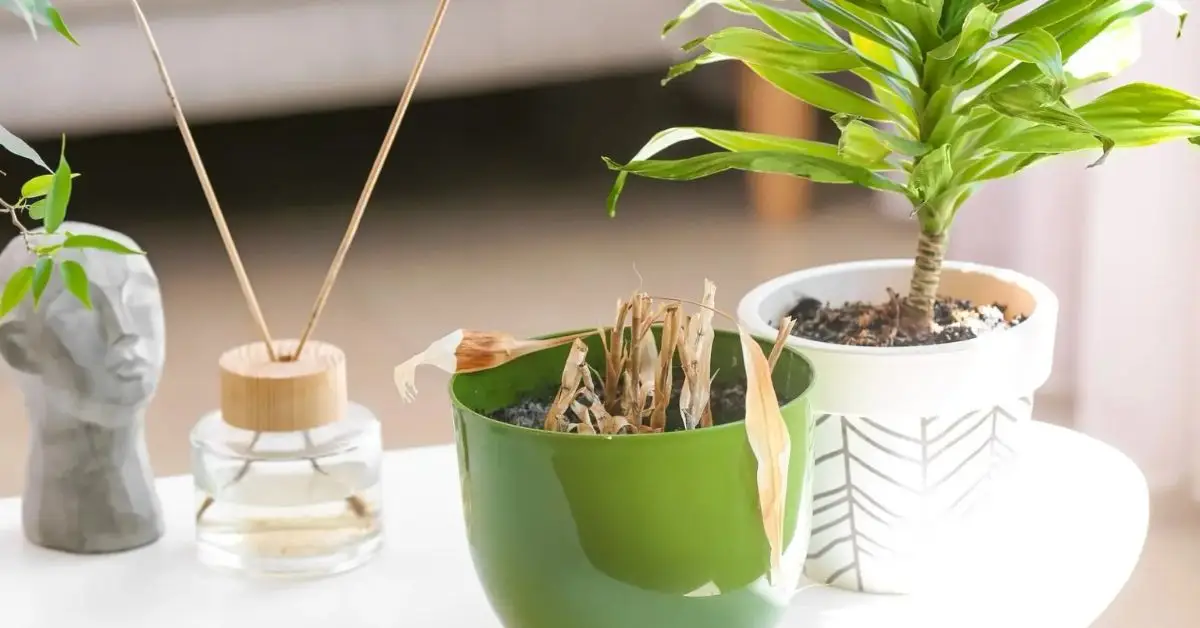
I’ve noticed that underwatering can sneak up on you—sometimes your plant looks fine in the morning, and by evening, it’s drooping or showing stress. Here’s what I personally check for:
- Crispy, Brown Leaf Edges:
- Especially common in soft-leafed plants.
- The tips or edges of the leaves start turning brown and dry, a clear signal that your plant needs more water.
- Dry, Brittle Leaves:
- When I touch the leaves, they feel stiff or crunchy rather than soft and flexible.
- This is a sign that the plant’s cells aren’t getting enough moisture.
- Soil Pulling Away from Pot Edges:
- Check the soil—if it’s shrunken or pulling away from the sides of the pot, it’s extremely dry.
- This usually indicates prolonged underwatering and needs immediate attention.
For a practical guide on spotting these signs and rescuing your plants, I recommend Living Etc’s tips on recognizing underwatered plants—they explain it in a way that’s easy to visualize and apply.
Comparative Analysis: Overwatered vs Underwatered Plants
To give you a clear side-by-side view so you can quickly tell whether your plant is overwatered or underwatered.
Sometimes it’s easier to spot patterns when you compare them directly. Here’s a quick reference I use with my own plants:
| Symptom | Overwatered Plants | Underwatered Plants |
|---|---|---|
| Leaf Texture | Soft, mushy | Dry, crispy |
| Soil Condition | Wet, soggy | Dry, pulling away from edges |
| Leaf Color | Yellowing, then browning | Browning edges, curling |
| Root Health | Blackened, mushy | Dry, brittle |
| Growth Pattern | Stunted, slow | Slow, with leaf drop |
Seeing it laid out like this really helped me stop guessing and start acting quickly. I encourage you to keep this table handy—it’s a lifesaver when you’re troubleshooting your plants.
Rescue Tips: How to Save Overwatered and Underwatered Plants
To give you actionable steps that actually help revive your plants.
For Overwatered Plants:
- Repot with Well-Draining Soil: I usually remove the plant from its pot and use fresh soil that drains well to prevent further root rot.
- Trim Affected Roots: Any blackened or mushy roots need to be carefully cut off—otherwise, the rot spreads.
- Allow Soil to Dry Out: Don’t rush to water again; give the roots time to recover. When I personally rescue plants, I also love sharing specific care guides for popular succulents—if you have an Aloe Vera, check out my detailed guide on how to keep your Aloe Vera healthy and thriving.
For Underwatered Plants:
- Thorough Watering: I make sure water reaches all roots, letting excess drain out to avoid future problems.
- Increase Humidity: A humidity tray or occasional misting can make a big difference for plants that love moisture.
- Regular Watering Schedule: Establishing a routine helps prevent the plant from stressing again.
Trust me—I’ve saved more than a few plants just by following these simple steps consistently. You’ll feel much more confident once you see your plants bouncing back.
Scientific Perspective: How Overwatering and Underwatering Affect Plant Health
To give you a deeper, science-backed understanding of what actually happens inside your plants.
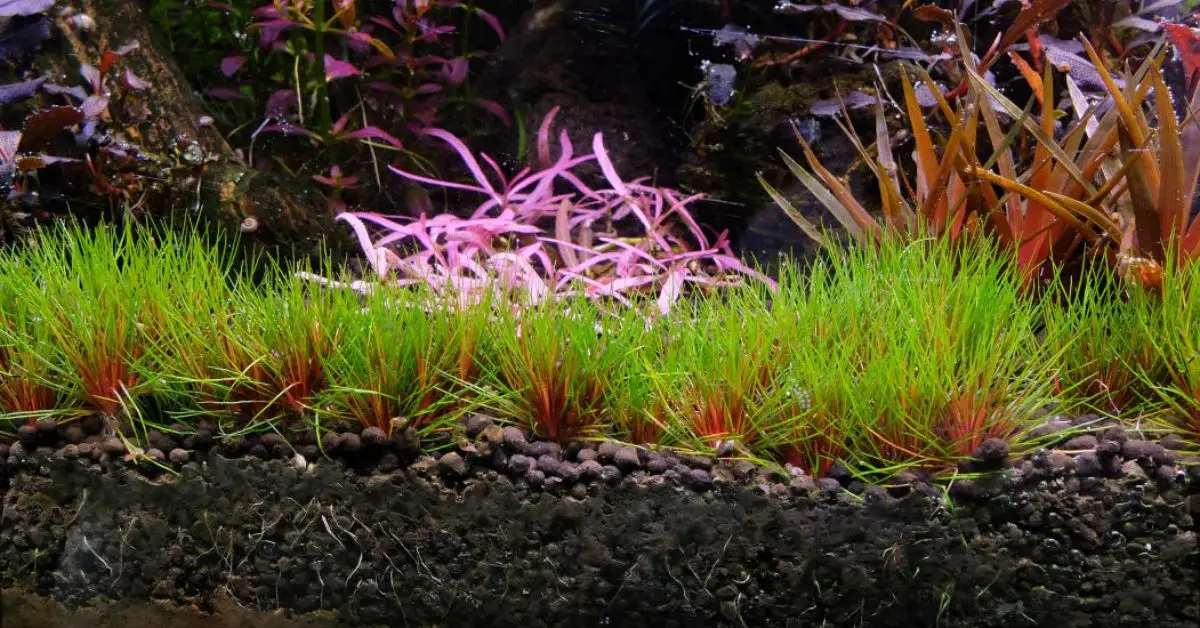
I always like knowing why things happen—it makes it easier to prevent problems before they start.
- Overwatering:
- When soil stays too wet, it creates anaerobic conditions, meaning the roots can’t access oxygen.
- This encourages harmful bacteria and fungi to grow, which can quickly damage your plant’s health.
- Underwatering:
- Lack of water causes dehydration at the cellular level, affecting how your plant absorbs nutrients and performs photosynthesis.
- Leaves may curl or wilt as the plant prioritizes survival over growth.
Understanding what your plant absorbs is just as important as watering; for instance, using amendments like wood ash can help—or harm—depending on the situation. Learn more about the benefits and precautions of wood ash for plants to make smarter care choices.
Understanding the science behind these issues helps you make smarter watering decisions and saves a lot of trial and error.
Recommended Tools for Monitoring Plant Health
To help you maintain optimal plant care with the right tools.
Over the years, I’ve found that having a few simple tools takes away the guesswork:
- Moisture Meters:
- These are small devices that tell you exactly how wet your soil is, so you don’t rely on guesswork.
- Self-Watering Pots:
- Great if you’re forgetful like me—these regulate water supply and prevent over or underwatering.
- Plant Care Apps:
- Apps can remind you when to water, fertilize, or check for pests.
Reader Poll: What’s Your Biggest Plant Care Challenge?
To engage you and understand your real-life challenges so future content is even more helpful.
I love hearing from fellow plant parents, because everyone’s experience is different. Which of these do you struggle with most?
- Overwatering
- Underwatering
- Pest Control(If pests are one of your main struggles, I recommend trying these 7 plant-based pest solutions that are safe, natural, and highly effective.)
- Fertilization
Vote or comment below—I use these insights to make sure my advice actually solves real problems!
Keep Your Plants Thriving: Your Action Plan
Taking care of plants doesn’t have to feel like a mystery. I’ve learned that small, consistent actions make a huge difference. Here’s what I personally do to keep my plants happy:
- Observe Daily: A quick glance at leaves and soil tells me a lot—yellowing, curling, or soggy soil are immediate red flags.
- Water Smartly: I water only when the soil is just the right moisture—never guessing.
- Use the Right Tools: Moisture meters, self-watering pots, and reminder apps make life so much easier.
- Act Quickly: Whether overwatered or underwatered, intervening early saves most plants.
Remember, every plant is different. Pay attention, adjust as needed, and don’t be afraid to experiment a little.
Start today by checking your plants’ soil and leaves—then head over to Plant Care Dairy for more tips, tricks, and detailed guides to keep your greens thriving.