

I still remember the first time I left my plants behind for a week-long vacation—I thought a quick watering before leaving would be enough. When I returned, a couple of my favorite houseplants looked droopy, and one outdoor fern had barely survived the sun and heat. If you’ve ever felt that pang of guilt leaving your green friends behind, you’re not alone.
Vacation plant care isn’t just about keeping your plants alive while you’re away—it’s about helping them thrive, so they’re ready to welcome you back with fresh leaves, vibrant blooms, and zero stress. In this guide, I’ll walk you through simple, practical strategies for both indoor and outdoor plants, whether you’re gone for a weekend or a month. You’ll learn what most guides miss, how to plan ahead, and which smart hacks actually work in real life.
By the end, you’ll feel confident leaving for your holiday, knowing your plants are set up to survive—and even flourish—while you’re soaking up the sun somewhere else.
Understanding what “Vacation Plant Care” really means
I’ve learned the hard way that leaving plants behind isn’t as simple as giving them a quick drink before stepping out. Whether your plants live indoors or outdoors, even a short absence can stress them in ways you might not expect.
1. What happens to plants when you leave (indoors vs outdoors)
When you’re gone, several things start affecting your plants:
- Soil dries out faster than you expect – Especially in pots or containers, the top layer can look moist while roots lower down are parched.
- Temperature swings – Indoors, heat from sunny windows can stress plants; outdoors, they may face hot afternoons or unexpected cold snaps.
- Humidity drops – Many tropical plants rely on steady moisture in the air. Low humidity can make leaves curl or brown.
- Pests and diseases – Unchecked moisture or warmth can invite fungus gnats or aphids.
Understanding these factors is crucial—it’s not just about watering once. Your plants experience real stress when you’re away, and planning ahead makes all the difference.
2. Defining your vacation type: weekend, week, or month
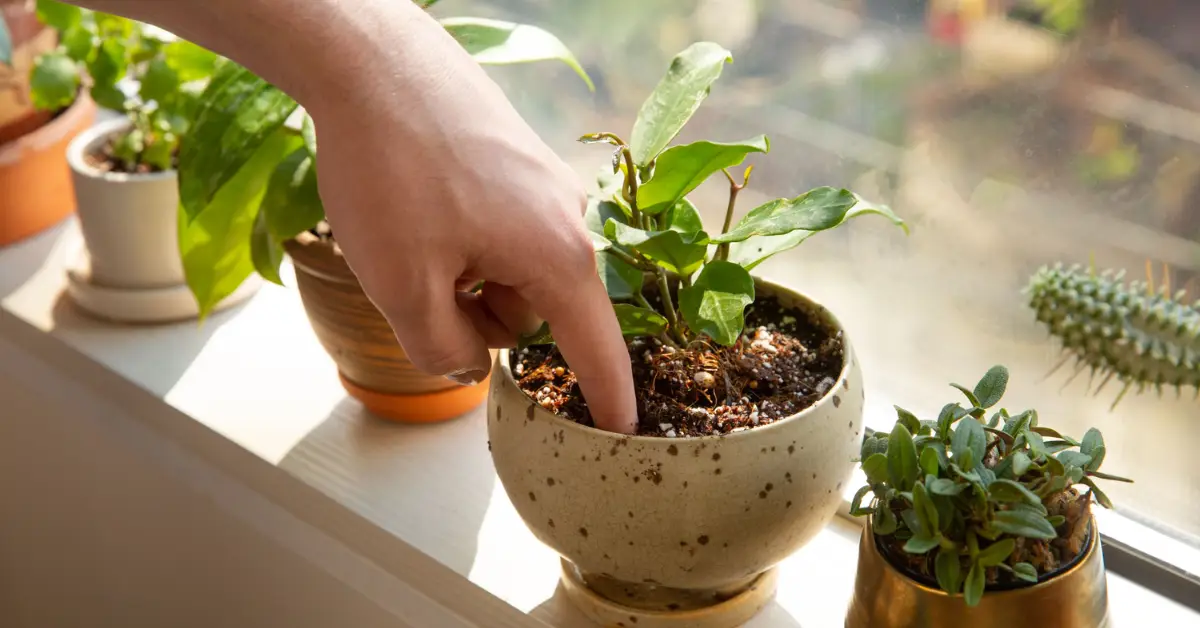
Before you start prepping, ask yourself: How long will I be gone?
- Short trips (1–3 days): Most indoor plants can survive on a single watering if prepared properly.
- Medium trips (4–14 days): You’ll need to combine strategies like self-watering, grouping plants, or using trays.
- Long trips (2+ weeks): Automation, plant-sitters, and deeper preparation become necessary to avoid plant stress.
Knowing your “absence category” helps you choose the right plan, rather than using a one-size-fits-all approach.
3. Key factors affecting plant health in absence
Several variables interact while you’re away. Keep them in mind when planning:
- Watering – Both under- and overwatering can harm your plants.
- Light exposure – Too much or too little light stresses them.
- Temperature – Extreme indoor or outdoor fluctuations can shock roots and leaves.
- Humidity – Low indoor humidity dries leaves quickly.
- Pests – Unattended plants may attract bugs, so inspect before leaving.
Pre‑Departure Prep: What you must do before you head out
I always start my vacation plant prep at least a day or two before leaving. This isn’t about rushing; it’s about creating a system your plants can thrive in while you’re away.
1. Inspect your plant collection (indoors + outdoors)
Take a walk around your home and garden. Look for:
- Weak or dying leaves that can be trimmed
- Signs of pests or fungus
- Plants that might topple in strong winds or if someone moves them
Even a few minutes of inspection can save you from returning to a disaster.
2. Deep watering & mulching
Most guides just say “water your plants,” but here’s what I do:
- Water the soil thoroughly until water drains from the bottom (for containers).
- For garden beds, water deeply to reach the top 12 inches of soil.
- Add a layer of mulch to reduce evaporation and keep roots cool. When preparing your soil and adding mulch, it’s also worth considering whether vermiculite or perlite is better for your plant’s growth, as the right medium can help retain moisture while you’re away.
I often refer to Gardening Solutions, which explains how deep watering and mulching can really help your plants survive while you’re away. Following these steps ensures your plants have enough moisture to last several days.
3. Adjust light & location
Some plants love sunlight, while others prefer shade. I usually:
- Move outdoor pots to a shaded area if the sun is too harsh
- Shift indoor plants slightly away from direct windows to prevent leaf burn
- Rotate plants so all get some light without drying out
4. Group plants and consolidate watering zones
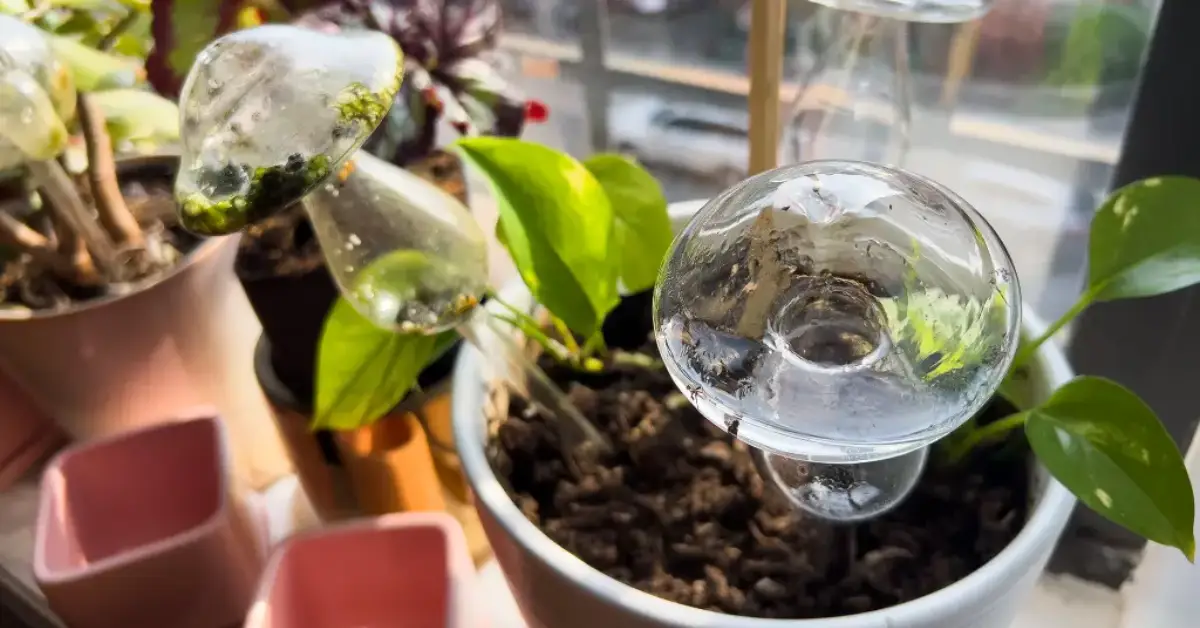
Grouping plants is a simple trick many people overlook. It helps:
- Maintain humidity around sensitive plants
- Reduce evaporation from individual pots
- Make watering or setting up trays easier before leaving
5. Leaving instructions for a helper
If you have a neighbor, friend, or family member helping:
- Give a clear written plan on which plants need water and how often
- Explain watering methods (wick system, trays, or simple hand watering)
- Include tips for emergencies, like spotting pests or drooping leaves
Even with automation, having a human check in adds an extra layer of security. I’ve found that clear instructions prevent small mistakes that can stress your plants.
Indoor Plants: Strategies for Home While You’re Away
When it comes to indoor plants, the preparation really depends on how long you’ll be gone. I’ve experimented with everything from a quick weekend getaway to a month-long trip, and I’ve learned which strategies actually work.
1. Short trips (2–3 days) – what’s enough
Most indoor plants can survive a short absence with minimal fuss:
- Give them a thorough watering the day before you leave.
- Move them slightly away from direct sunlight to prevent leaf stress.
- Make sure pots have proper drainage to avoid soggy roots.
For short trips, simplicity is key. Most houseplants can easily handle a couple of days if they’re properly prepped.
2. Medium trips (4–14 days) – wicking, saucer trays, self-watering pots
If you’re gone longer, you’ll need to get a bit more creative:
- Wicking system: Use a cotton string from a water container to your plant’s soil so it draws water slowly.
- Saucer trays: Fill shallow trays with water and pebbles, then set pots on top—plants can absorb moisture gradually.
- Self-watering pots: These are great if you have several plants in different locations.
These small systems prevent under-watering and are surprisingly easy to set up at home.
3. Long trips (more than 2 weeks) – combining automation or a plant-sitter
For trips over two weeks, you’ll likely need a combination of approaches:
- Set up self-watering systems or wicking for each plant.
- Consider asking a trusted friend or neighbor to check in once or twice.
- Move sensitive plants away from windows that get hot afternoon sun or cold drafts.
Long absences require planning because your plants can’t rely on minimal preparation anymore.
4. Plant types that need special attention
Not all plants are created equal. Some need extra care while you’re away:
- Tropical plants – Require higher humidity; a tray of water or grouping with other plants helps.
- High-humidity plants – Mist them before leaving or use humidity trays.
- Succulents and cacti – Can tolerate longer gaps between watering but dislike soggy soil.
Knowing your plant types helps you tailor the care rather than relying on generic advice.
Outdoor Plants & Containers: Keeping Your Balcony, Garden, or Terrace Plants Thriving
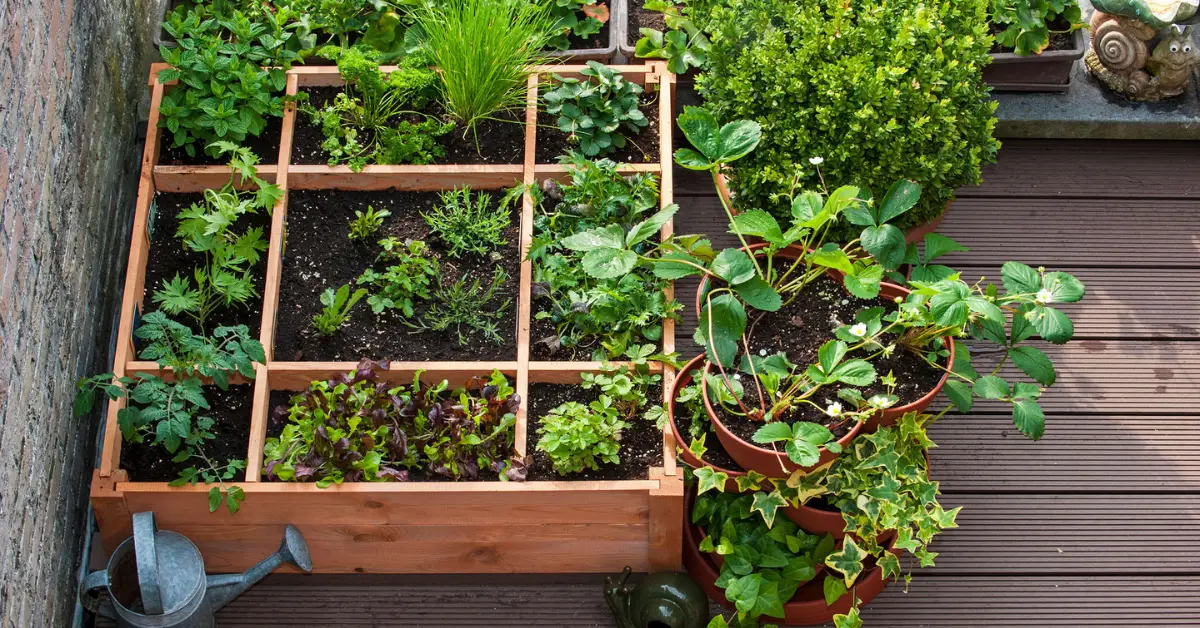
Outdoor plants bring new challenges. Heat, wind, and uneven watering make them more vulnerable while you’re away.
1. Containers vs in-ground: what’s different?
Containers dry out much faster than in-ground plants because they hold less soil. I always check:
- Container size and depth
- Soil type (some drain faster than others)
- Positioning relative to sun and wind
When choosing outdoor plants, also consider which species might inadvertently attract pests; for tips on plants that secretly invite rats into your garden and safer alternatives, see our detailed guide.
2. Grouping, moving to shade, adding mulch, checking irrigation
Practical steps make a big difference:
- Group containers to create microclimates and retain humidity.
- Move pots to shaded areas to prevent scorching.
- Add mulch to keep soil cool and reduce evaporation.
- Check irrigation systems to make sure hoses or drippers aren’t clogged.
3. Setting up timers, drip systems, or soaker hoses for longer trips
For longer absences, automation is your friend. I usually:
- Use a timer on hoses or drip irrigation to maintain consistent watering.
- Set up soaker hoses for multiple containers or garden beds.
- Double-check everything before leaving, because even a small misalignment can leave plants dry.
If you want detailed guidance on these systems, Swanson’s Nursery has a great guide that walks you through drip irrigation setup and vacation plant prep.
4. Lawn, shrubs, and trees: when you’re away longer
Many guides skip large plants, but they need care too:
- Deep-water lawns and shrubs before departure.
- Mulch around trees and larger shrubs to retain moisture.
- Ask a neighbor to keep an eye on stressed plants during extreme heat or dry spells.
By planning ahead for both small containers and larger garden plants, you can enjoy your time away without worrying about a single leaf.
Smart Solutions & DIY Hacks
Over the years, I’ve learned that smart hacks can save both time and stress. Some of these are surprisingly low-cost, while others require a small investment—but all make your vacation plant care much easier.
1. Wicking systems, inverted bottle drip, capillary mats
These DIY methods let plants hydrate themselves while you’re away:
- Wicking system: Place a cotton rope from a water reservoir into the soil. The plant draws moisture slowly.
- Inverted bottle drip: Poke small holes in a bottle filled with water and invert it into the soil.
- Capillary mats: Place pots on mats that wick water from a reservoir beneath.
Even a simple cotton rope can prevent droopy leaves, and these methods are surprisingly effective. Architectural Digest has a guide showing step-by-step DIY hacks like wicking and inverted bottle drips that really work while you’re away.
2. Self-watering pots, reservoir pots, kit recommendations
If you’re willing to invest a little:
- Self-watering or reservoir pots reduce daily maintenance.
- Kits with timers and sensors simplify care for multiple plants.
- Ideal for frequent travelers or those with large indoor collections.
3. Moisture retention: mulch, top-dressing, humidity trays
Even with self-watering, extra moisture retention helps:
- Top-dress soil with peat moss or coconut coir.
- Use humidity trays for tropical plants indoors.
- Mulch small outdoor pots to reduce evaporation.
These small additions can significantly extend the time your plants can safely go without hands-on care.
4. Remote monitoring & weather checks: what to watch out for
Technology can be your backup:
- Check local weather forecasts to anticipate heatwaves or cold snaps.
- Use smart sensors or apps to monitor soil moisture remotely.
- Adjust watering systems in advance if extreme conditions are expected.
Remote monitoring fills a gap many older guides overlook, giving you peace of mind even on longer trips.
What to Do When You Return (Recovery & Monitoring)
Coming back is just as important as preparing to leave. I always treat the first day home as a “plant check-in.”
1. Inspect plants for root rot, pests, stress
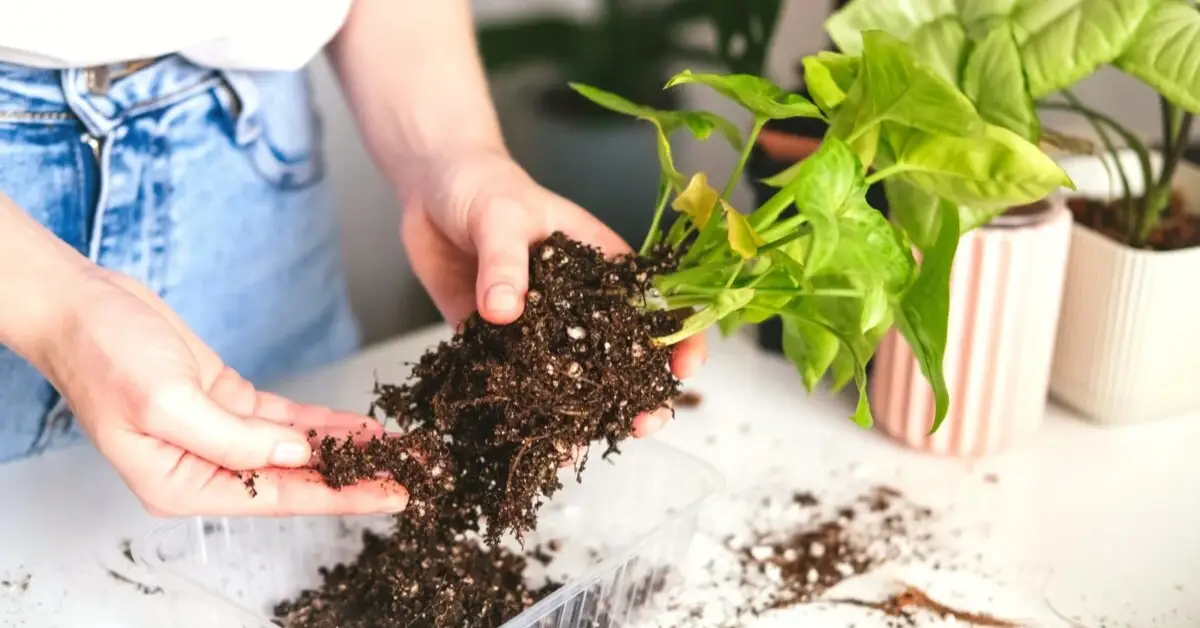
Look for:
- Soft or discolored roots
- Yellowing or drooping leaves
- Signs of pests like aphids or fungus gnats
If you spot signs of fungal infection or pests, it can help to use a safe treatment; learn which remedies are effective and which to avoid in our guide on homemade plant fungicides.
Catching issues early prevents minor stress from becoming permanent damage.
2. Adjust watering, light, and feeding schedule post-holiday
Plants may have paused growth while you were away:
- Gradually return to your regular watering routine.
- Restore their usual light exposure.
- Resume fertilization slowly to avoid shock.
3. Celebrate and document: log what worked, what didn’t
I keep a simple notebook or phone log:
- Record which plants thrived and which struggled.
- Note methods that worked for your setup (DIY, self-watering, automation).
- This makes your next vacation much easier and less stressful.
Bonus: Common Mistakes & How to Avoid Them
Even with planning, it’s easy to make mistakes. Here’s what I see most often:
1. Overwatering before you leave – why it’s riskier than you think
Many believe that giving plants a ton of water is safe, but too much can cause root rot, especially in containers. Joe
2. Leaving plants in full sun while you’re away
High sunlight plus no watering is a recipe for disaster. Move containers to shade if possible.
3. Neglecting to prepare your plant-sitter or automation system
Even the best tech can fail, and helpers need clear instructions. Small oversights can stress plants unnecessarily.
4. Planting new plants just before you leave
New plants require consistent attention. Leaving them alone increases their risk of drying out or wilting—so avoid this timing if possible.
Summary & Invitation to Enjoy Your Holiday with Peace of Mind
After all this planning, preparation, and a few smart hacks, you can finally leave for your holiday knowing your plants are well cared for. From indoor pots to outdoor containers, short trips to long vacations, you now have a clear roadmap to keep every leaf thriving until you return.
I’ve shared everything I’ve learned over the years—what works, what to avoid, and even some DIY solutions that save time and stress. Following these steps, you’ll come back to healthy, happy plants instead of droopy leaves and regrets.
I’d love to hear from you: What’s your favorite vacation plant care tip? Or do you have a hack that I didn’t cover? Drop a comment below and let’s share ideas—you never know who might benefit from your experience.
And if you want more in-depth guides, tips, and real-life plant care advice, visit Plant Care Dairy. Subscribe and join our community of plant enthusiasts so every vacation (and every day) is stress-free for your plants.
Disclaimer: The advice in this article is for general informational purposes and based on personal experience and trusted sources. Results may vary depending on plant type, climate, and individual care. Always monitor your plants and adjust care as needed.