

If you’ve ever wanted to bring a little green into your home but felt overwhelmed by messy soil and constant upkeep, soil-free indoor gardening might just be your new best friend. I’ve been exploring these clean, innovative ways to grow plants without soil for years, and honestly, it’s a game changer. Not only does it cut down on dirt and pests, but it also opens up cool possibilities to grow plants in places you never thought possible—think kitchen counters, small apartments, or even your office desk.
In this article, I’m going to walk you through seven amazing plants that thrive without soil, along with simple tips to get started. Whether you’re a total beginner or just looking to try something new, you’ll find practical advice that actually works. So, ready to make your home greener without the fuss? Let’s dive in.
Understanding Soil-Free Indoor Gardening
What is Soil-Free Gardening?
When we say soil-free gardening, we’re talking about growing plants without the usual dirt you see in pots or gardens. Instead, plants get their nutrients through water or air. The most common methods you’ll hear about are hydroponics and aquaponics. Hydroponics means growing plants directly in a nutrient-rich water solution. Aquaponics mixes that with fish farming—the fish waste provides natural nutrients for the plants. There are also other methods like aeroponics, where roots hang in the air and get sprayed with nutrients.
Why bother with these methods? Because they cut out soil-related problems like pests, weeds, and the mess of dirt. Plus, they let you grow plants in tight spaces, indoors or anywhere without garden soil.
How Does Soil-Free Gardening Work?
At its core, soil-free gardening is about delivering everything a plant needs—water, nutrients, oxygen—without dirt. In hydroponics, plants sit in water that’s enriched with essential nutrients. Sometimes, they rest on inert materials like clay pellets or coco coir to hold them steady. In aeroponics, the roots dangle freely and get misted with nutrient solutions.
There are different ways to set this up. You might use a water culture system where plants float on the water surface, a wick system that pulls nutrient solution up to the roots, or the more technical nutrient film technique (NFT) where a thin stream of nutrients flows over roots constantly.
For beginners, you don’t need fancy gear right away. Start with simple containers, basic nutrient mixes, and a little patience. Knowing the essentials helps you avoid common mistakes and grow healthy plants confidently.
7 Best Plants for Soil-Free Indoor Gardening
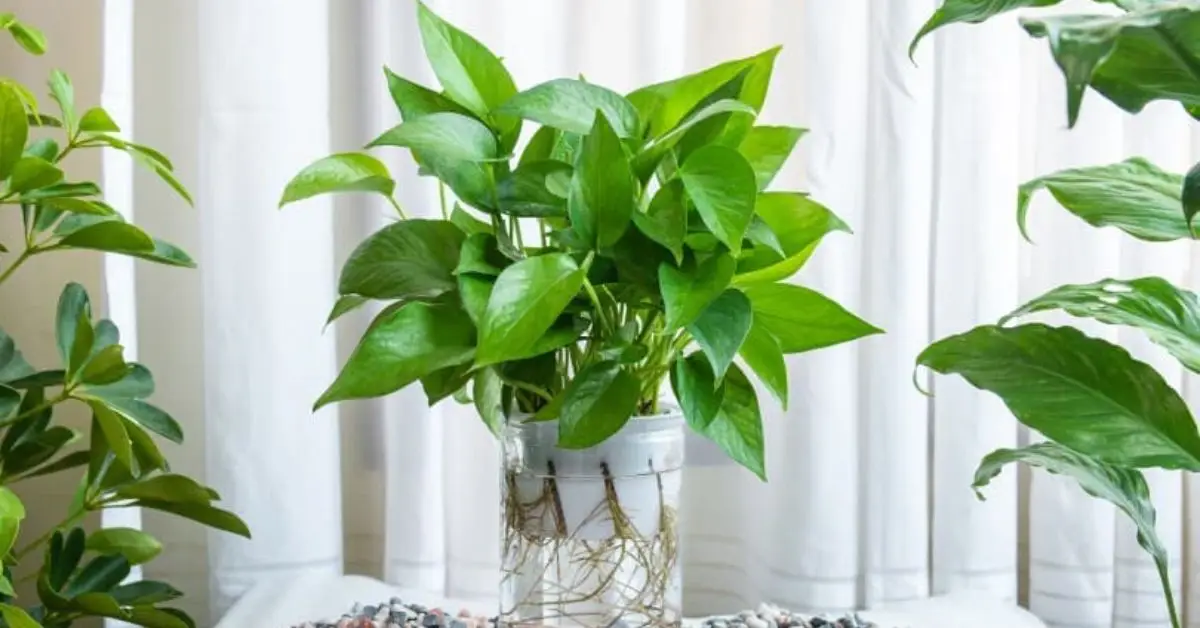
If you’re wondering which plants actually thrive without soil, you’re in the right place. I’ve handpicked seven favorites that not only survive but flourish in water or other soil-free systems. These plants are perfect whether you’re a beginner or looking to level up your indoor garden game. Let’s dive into why these beauties work so well and how you can care for them easily.
1. Spider Plant (Chlorophytum comosum)
Spider plants are like the ultimate low-maintenance buddies of the plant world. They grow fast, look fresh, and are incredibly forgiving if you slip up on watering or light. The best part? They’re excellent at cleaning the air by filtering toxins like formaldehyde and carbon monoxide.
Why Spider Plants Shine in Soil-Free Gardening:
- They absorb nutrients efficiently from water.
- Their roots adapt well to hydroponic conditions.
- They don’t demand direct sunlight—bright indirect light works perfectly.
Care Tips:
- Keep them in a spot with bright, indirect light.
- Change the water every 7–10 days to avoid stagnation.
- Add a mild nutrient solution monthly for best growth.
If you’re interested in plants that not only look good but also purify the air naturally, check out my detailed guide on easy-to-care indoor plants for clean air—perfect companions for your soil-free garden.
If you want to dive deeper into how water-grown plants like Spider Plants thrive, The Botanic Designer’s guide on growing indoor plants in water offers great insights.
2. Pothos (Epipremnum aureum)
Pothos is the hardy, go-anywhere, grow-anyhow plant you want on your team. It’s popular for a reason—this vine looks gorgeous trailing over shelves or hanging in a pot. Plus, it thrives in water and doesn’t fuss about light levels.
Why Pothos Works Without Soil:
- Its roots are excellent at taking up nutrients directly from water.
- It can survive in low-light conditions, making it perfect for almost any room.
- Grows quickly and fills spaces beautifully.
Care Tips:
- Trim roots every month or so to keep them healthy.
- Refresh water and nutrient solution regularly to keep it vibrant.
- Keep it in indirect sunlight or low light; avoid harsh direct sun.
For a full breakdown of different soil-free growing methods including hydroponics and aquaponics, check out Greenkin’s expert guide. It’s a solid resource for beginners and pros alike.
3. Philodendron
Philodendrons bring a lush, tropical vibe to any space and are incredibly adaptable. They flourish in hydroponic systems because their roots soak up nutrients from water really well. Plus, they grow fast, so you get that wow factor sooner.
Why Philodendron Is a Soil-Free Star:
- Thrives in nutrient-rich water environments.
- Prefers indirect, bright light but can tolerate some shade.
- Fast-growing, so you get big, beautiful leaves quickly.
Care Tips:
- Change water every 7–10 days.
- Use a balanced liquid fertilizer to keep nutrients steady.
- Avoid direct sunlight to prevent leaf burn.
4. Peace Lily (Spathiphyllum)
Who doesn’t love a Peace Lily’s elegant white blooms? Beyond looks, these plants are champions at purifying indoor air, removing harmful toxins like benzene and ammonia. And the best news? They do well in water alone, making them perfect for soil-free gardeners.
Why Peace Lilies Thrive Without Soil:
- Tolerate low light, ideal for dimmer rooms.
- Absorb nutrients well from water and hydroponic setups.
- Beautiful flowers add a touch of grace and calm.
Care Tips:
- Keep water fresh and change it weekly.
- Provide indirect light, avoid direct sun.
- Use a diluted nutrient solution monthly to boost blooms.
5. Lucky Bamboo (Dracaena sanderiana)
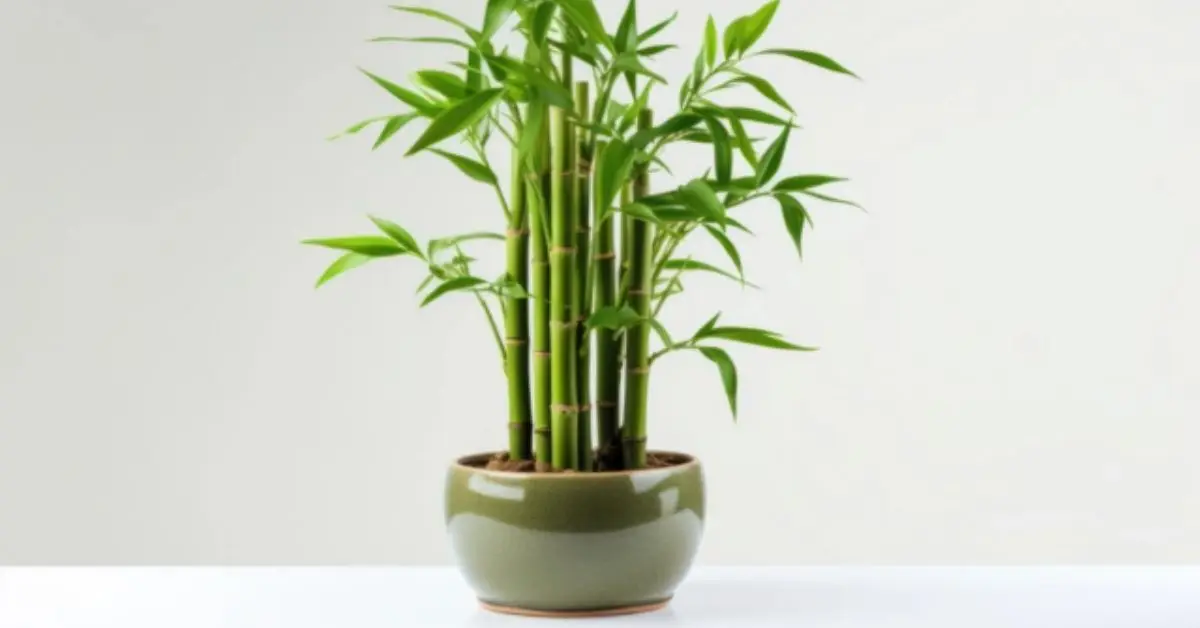
Lucky Bamboo is more than just a pretty plant—it’s believed to bring good luck and positive energy. It grows well in water and doesn’t require soil, making it a classic for desks, bathrooms, or small spaces.
Why Lucky Bamboo Loves Soil-Free:
- Thrives in just water with occasional nutrient boosts.
- Low light tolerant, perfect for indoors.
- Minimal maintenance with high visual appeal.
Care Tips:
- Change water every 2 weeks to prevent algae.
- Place in indirect sunlight or fluorescent light.
- Keep container clean and add liquid fertilizer sparingly.
6. English Ivy (Hedera helix)
If you want to play with vertical gardening indoors, English Ivy is your best friend. This climbing vine grows well in water or hydroponic setups and adds a lush, cascading look to shelves or walls.
Why English Ivy Fits Soil-Free Systems:
- Roots absorb nutrients efficiently from water.
- Grows well under bright or moderate light.
- Great for creating green walls or trailing displays.
Care Tips:
- Keep water fresh and nutrient-rich.
- Provide bright indirect light for best growth.
- Prune regularly to maintain shape.
7. Chinese Evergreen (Aglaonema)
Chinese Evergreen is the low-light champion of indoor plants, making it perfect for rooms that don’t get much sun. It also adapts well to hydroponics, so you can enjoy its variegated leaves without soil hassles.
Why Chinese Evergreen Works So Well:
- Tolerates low light better than most plants.
- Thrives in water or hydroponic mediums.
- Slow-growing but tough and long-lasting.
Care Tips:
- Keep in low to medium light areas.
- Refresh water every 7–10 days.
- Use diluted nutrients monthly.
Now you have a solid list of plants that don’t just survive but truly shine without soil. Plus, with clear care tips and what to expect, you’ll feel confident picking your first few and seeing how easily your indoor garden can grow.
Step-by-Step Guide to Starting Your Soil-Free Indoor Garden
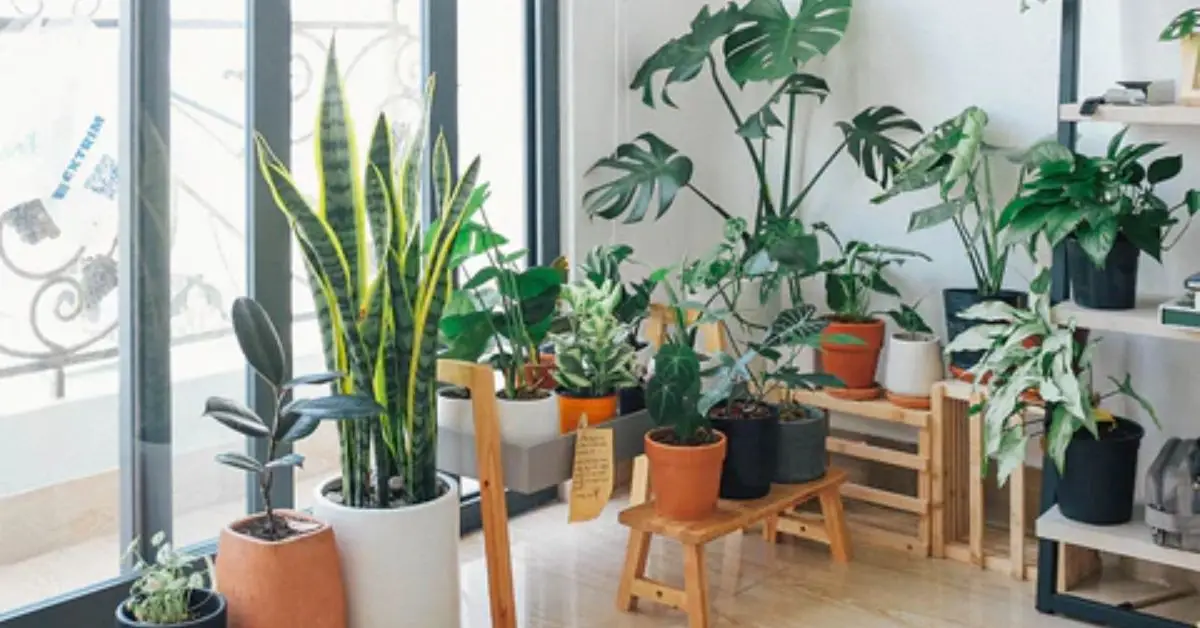
Starting a soil-free indoor garden might seem tricky at first, but with the right setup and a bit of care, it becomes a rewarding and fun hobby. I’ll walk you through the key steps to get your garden thriving without soil.
Choosing the Right Container and Medium
Picking the right container is your first step. You can use anything from simple glass jars to specialized hydroponic kits that come with pumps and grow lights. The container needs to hold water securely and allow roots enough space to grow freely.
Many soil-free gardeners use inert media like:
- Perlite: Lightweight, porous, great for oxygen flow.
- Coco coir: Retains moisture well and supports roots.
- Clay pellets: Provide stable support and good drainage.
These media don’t provide nutrients themselves but support the roots while the nutrient solution does the rest.
Using the right container and medium sets your plants up for success and helps prevent common beginner mistakes like waterlogging or root suffocation. If you want to extend your soil-free gardening to growing herbs indoors, I’ve shared some smart, beginner-friendly tips that will help you get started easily. Check them out here.
Preparing Nutrient Solutions
Since your plants won’t get nutrients from soil, you have to supply them through water. The key nutrients include nitrogen (N), phosphorus (P), potassium (K), along with trace minerals like magnesium, calcium, and iron.
You can buy ready-made hydroponic nutrient mixes online or at gardening stores. If you’re feeling adventurous, some gardeners make their own solutions by mixing fertilizers designed for soil-free systems.
Here’s what to keep in mind:
- Follow the instructions carefully to avoid over- or under-fertilizing.
- Change the nutrient solution every 1-2 weeks to keep it fresh.
- Monitor your plants for signs of nutrient deficiency like yellowing leaves or slow growth.
Proper nutrition is the backbone of healthy, vibrant plants in any soil-free system.
Maintenance Tips for Soil-Free Plants
A healthy soil-free garden needs regular upkeep. Here’s what works best:
- Water changes: Swap out your nutrient water every week or two to prevent stagnation and buildup of harmful substances.
- Algae prevention: Keep containers clean and avoid direct sunlight on the water to reduce algae growth.
- Root health: Watch for root rot, which can happen if roots stay too wet without oxygen. Aerate the water or use oxygenating tools if needed.
- Pest control: Soil pests won’t bother you, but watch out for pests like aphids or spider mites. Use gentle, plant-safe sprays or wipe leaves regularly. Just because you’re gardening without soil doesn’t mean pests won’t show up. But don’t worry—I’ve got some effective, all-natural pest solutions that keep your indoor garden healthy and chemical-free. See how to keep pests away naturally with these plant-based methods.
These maintenance habits keep your plants thriving and reduce the chance of frustration or failure.
Common Challenges and How to Overcome Them
Starting a soil-free garden isn’t always smooth sailing. I’ve faced some hiccups myself, and knowing what to expect can save you time and frustration.
- Yellowing Leaves and Nutrient Deficiencies: If your plant’s leaves start turning yellow or look weak, it’s usually a sign of nutrient imbalance. Make sure your nutrient solution is fresh and balanced — too little nitrogen or iron often causes yellowing. Adjust the solution strength gradually and observe your plants closely.
- Algae Growth in Water Reservoirs: Algae can take over your water containers if exposed to too much light or if water isn’t changed frequently. To prevent this:
- Keep your containers in indirect light.
- Clean them regularly.
- Change the water every week or so.
- Lack of Growth or Wilting Plants: Wilting can be a sign of root rot, oxygen deficiency, or even pests. Ensure your roots get enough oxygen by aerating water or using hydroponic pumps. Check for pests and prune any unhealthy parts promptly.
Benefits Beyond Beauty: Why Soil-Free Indoor Gardening is the Future
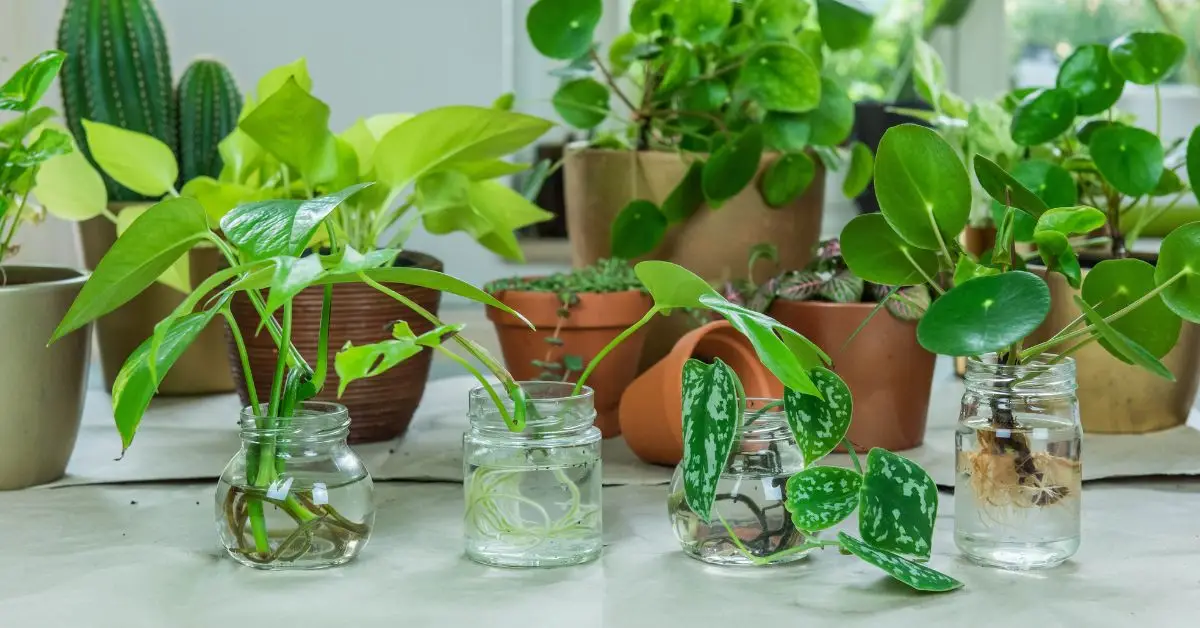
Soil-free indoor gardening isn’t just about having pretty plants on your shelf—it’s a lifestyle choice that benefits your health, the environment, and your living space.
- Health Benefits: Many soil-free indoor plants act as natural air purifiers, removing toxins and improving the air quality around you. Plus, tending to your indoor garden can improve mood and reduce stress—a simple way to boost mental wellness.
- Environmental Benefits: Compared to traditional soil gardening, soil-free methods use significantly less water and avoid soil degradation. This makes hydroponic and aquaponic gardening a more sustainable option, especially in areas facing drought or poor soil quality.
- Space Efficiency for Urban Living: If you live in an apartment or small home, soil-free indoor gardening maximizes your green space. Vertical setups, water-based systems, and compact containers make it easy to have a thriving garden even with limited room.
If you want to explore these benefits further, Acorn Horticulture’s indoor hydroponics guide offers great real-life examples and environmental insights.
Final Note: Your Soil-Free Garden Adventure Starts Now
I know it might seem a bit daunting at first, but soil-free indoor gardening is about starting small, experimenting, and enjoying each step. The beauty lies not just in the plants themselves, but in the process of nurturing life in a new way.
Remember, this method offers a unique blend of aesthetics, health benefits, and environmental mindfulness. Whether you’re brightening up your home or making a sustainable choice, soil-free gardening is a simple yet powerful step you can take today.
So, what plant will you start with? I’d love to hear your thoughts and help you on your journey—let’s grow together!
Ready to start your soil-free indoor garden? Visit Plant Care Dairy for more tips, plant care guides, and expert advice to help your green space thrive!
Disclaimer: The information provided in this article is for educational purposes only. Results may vary depending on plant types, environmental conditions, and care practices. Always research and follow safety guidelines when handling nutrients and equipment. Plant Care Dairy is not responsible for any damage or loss related to indoor gardening activities.