
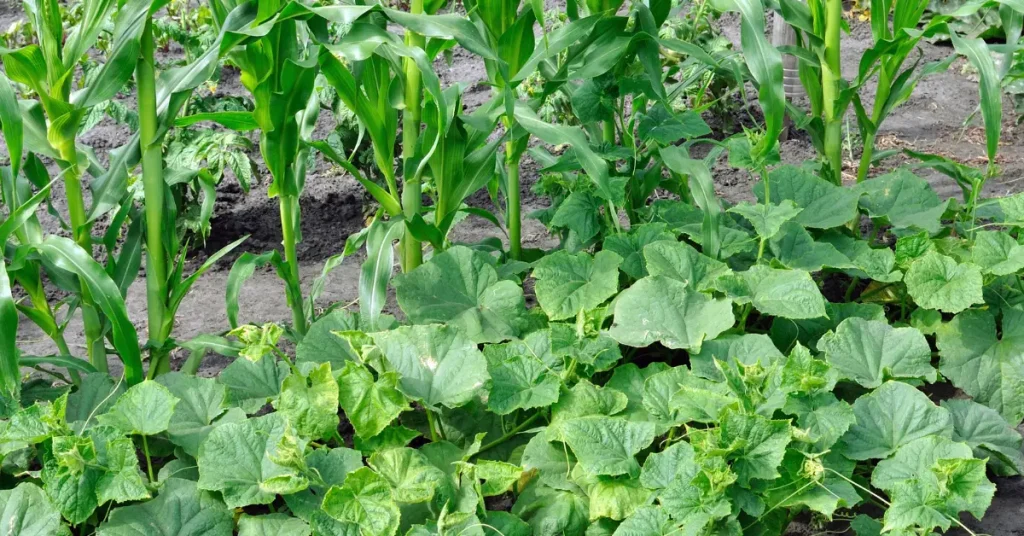
The first time I tried the Three Sisters gardening method, I thought it would be simple — plant corn, beans, and squash together, and nature does the rest. Turns out, that’s only half the story. My first patch looked beautiful for a month, and then chaos hit. The corn leaned, beans tangled in every direction, and the squash leaves took over the path. But that season taught me something no gardening guide had ever explained: the Three Sisters system isn’t just about planting—it’s about balance, timing, and respect for an old way of growing food that still works in our modern backyards.
If you’ve ever looked at your garden and wished it could do more with less space—feed your soil, attract pollinators, and produce real food that feels alive—this method might change how you think about growing. It’s not a trend or a “hack.” It’s a living rhythm passed down through generations of Indigenous farmers across North America, built on cooperation between three crops that literally help one another survive.
In this guide, I’ll show you how to grow corn, beans, and squash the way experienced gardeners do—step by step, without fancy jargon or unrealistic expectations. You’ll learn the science behind the system, how to adapt it to small spaces or raised beds, and what to do when nature doesn’t follow the plan.
By the end, you’ll not only know how to plant a Three Sisters garden, but also why this ancient method still outperforms many modern techniques.
So, before we start digging, tell me—have you ever tried companion planting before, or will this be your first time experimenting with a mixed-crop garden?
Why the Three Sisters Method Works
The Symbiotic Relationship of Corn, Beans, and Squash
When you look at a Three Sisters garden, it might seem like simple companion planting—but the science and history behind it run deep. Each plant in this trio has a job, and together they form one of nature’s most efficient growing systems.
Here’s how it actually works when you plant them right:
- Corn grows tall and acts as the natural trellis. The beans use the sturdy stalks to climb, saving you from setting up poles or wires.
- Beans do something magical underground — they pull nitrogen from the air and feed it back into the soil, giving corn and squash a steady nutrient boost.
- Squash sprawls across the base, its broad leaves creating a living mulch that shades the soil, locks in moisture, and keeps weeds from taking over.
When I first planted them this way, I realized the genius wasn’t in the yield alone—it was in how little extra effort the system demanded once balance was set. You’re not just growing plants; you’re building a self-supporting ecosystem in your backyard.
Historical & Cultural Roots of the Technique

The Three Sisters method didn’t start in a gardening book. It began thousands of years ago with the Indigenous peoples of North America, who called these crops “De-o-ha-ko,” meaning “our sustainers.”
For them, this wasn’t just about food—it was about community, balance, and gratitude. The method reflected a worldview where everything in nature supports something else. When the Iroquois planted their fields, corn stood at the center, beans at her feet, and squash spread to protect them both.
Modern gardeners, including myself, have a lot to learn from that approach. It’s more than sustainable agriculture—it’s a reminder that good gardening starts with respect for the land and for the cycles that have worked long before we added fertilizers and hoses.
If you ever wonder why this ancient practice still holds up, it’s because it was perfected through observation, patience, and generations of lived experience—not just theory.
Benefits for Modern Backyard Gardeners
Now, let’s bring it back to you and your garden. Why should you try this centuries-old method today? Because it makes sense—both ecologically and practically.
Here’s what you’ll notice when you use the Three Sisters approach:
- Less weeding and watering: The squash acts like a natural mulch, reducing how often you need to maintain the bed.
- Better soil over time: Beans improve nitrogen levels naturally, cutting back on the need for fertilizer.
- Smarter use of space: Corn, beans, and squash grow vertically and horizontally together, giving you a dense, productive bed even in small plots.
- A healthier garden ecosystem: This combination attracts pollinators, improves biodiversity, and keeps soil microbes active.
And if you’re working with raised beds or limited space, there are modern adaptations that work beautifully. For example, the “Growing In The Garden” blog explains how to adjust spacing and mound design for compact layouts while keeping the same crop synergy intact.
When you combine old-world wisdom with modern gardening techniques, you get the best of both worlds—less maintenance, richer soil, and a harvest that genuinely feels earned. For even better results, make sure you’re feeding your garden at the right time of year — check out top plants to fertilize in fall for a healthier garden to keep your soil rich and ready for next season.
So, if you’ve ever felt your garden wasn’t pulling its full weight, the Three Sisters might just be the partnership your soil has been waiting for.
Planning Your Three Sisters Garden in the Backyard
Choosing the Right Site, Soil, and Timing
If there’s one mistake I see gardeners make again and again, it’s rushing to plant without checking if their garden is ready. The Three Sisters method thrives when you give the plants exactly what they need from day one — sunlight, warmth, and loose, healthy soil.
Here’s what I’ve learned the hard way:
- Sunlight: Choose a spot that gets at least 6 to 8 hours of direct sun daily. These are warm-season crops, and without enough light, your corn won’t stand strong or tall enough to support the beans.
- Soil: The best soil is rich, loose, and drains well. If yours is heavy clay, loosen it with compost or aged manure before planting. This helps those bean roots breathe and lets squash roots spread wide.
- Temperature: Wait until your soil reaches about 60°F — cold soil can stunt germination. I always tell new gardeners: if you wouldn’t go barefoot comfortably on the soil, your seeds won’t like it either.
- Protection: Choose a spot shielded from strong winds. Young corn stalks are especially vulnerable early on.
If you start with good soil and smart timing, you’ll save yourself from 90% of the problems that frustrate beginners later.
Traditional Mound vs. Raised-Bed vs. Small-Space Layouts
Most guides talk only about the traditional mound layout, but your space and setup might call for something else. The beauty of the Three Sisters method is that it adapts easily to any type of garden — you just have to plan spacing smartly.
Here’s how to decide what works best for you:
- Traditional Mounds: Build low, rounded mounds about 12 inches high and 3–4 feet wide. Plant several hills about 3 feet apart to allow vines to spread naturally. This works best if you have an open ground plot and good drainage.
- Raised Beds: If you garden in raised beds, you can still plant the Sisters together. I like to put corn in the center, beans around each stalk, and squash along the outer edges so their vines drape down. This keeps airflow high and prevents overcrowding.
- Small Spaces or Containers: For patios or tight yards, plant a compact trio—mini corn varieties with bush beans and small squashes. You’ll still get the symbiotic effect without taking up half the yard.
For more practical layout examples and spacing diagrams, see the West Virginia University Extension resource.
Every yard is different, but the principle stays the same: stack your crops vertically and horizontally so they work together, not against each other.
Variety Selection: Corn, Beans & Squash for Gardens

The right varieties make all the difference between a healthy trio and a tangled mess. I always suggest picking locally adapted or heirloom cultivars—those that can handle your regional conditions and mature around the same time.
Here are reliable choices many gardeners swear by:
- Corn: ‘Bloody Butcher’ (for heirloom color), ‘Golden Bantam’, or ‘Sweet Country Gentleman’. Choose a tall, sturdy type so beans can climb easily.
- Beans: Go with climbing pole varieties like ‘Kentucky Wonder’, ‘Rattlesnake’, or ‘Hidatsa Shield Figure’ (a traditional Native type).
- Squash: Select spreading varieties such as ‘Waltham Butternut’ or ‘Early Prolific Straightneck’. In smaller beds, compact types like ‘Bush Delicata’ or ‘Butterbush’ work well.
Match your growing zone and maturity dates so all three crops thrive together. Remember, balance is the secret—choose corn that won’t shade out the beans too early, beans that mature in sync, and squash that spreads but doesn’t smother.
Step-by-Step Planting Sequence & Maintenance
Planting Corn First – Seeds, Spacing & Mounds
Start with the corn because everything else depends on it. Make mounds or rows spaced about 3–4 feet apart, depending on your layout. Plant 4–7 corn seeds per hill, roughly 6 inches apart, and cover them with about an inch of soil.
Once the seedlings reach 4–6 inches tall, thin them to the three or four strongest plants per mound. You’ll want solid stalks — these will act as the living trellis for your beans later.
Pro tip: plant in blocks (not single rows) to ensure proper pollination.
When & How to Plant the Beans Around the Corn
After your corn has grown to about 6 inches tall, it’s time to introduce the beans. Plant them in a circle around each mound, about 3 inches from each corn stalk.
Timing matters here: if you plant the beans too early, they’ll outgrow and pull down your corn. Too late, and they won’t climb well. Give your corn a head start — roughly two to three weeks — and the balance will be perfect.
The beans will naturally twine up the stalks, feeding nitrogen into the soil and keeping your system self-sustaining. If you’re planning a cool-weather follow-up crop, you can also learn how to plant peas and beans in fall for a productive off-season garden.
Planting the Squash (or Pumpkin) as Ground Cover
Once your beans have sprouted, plant squash seeds around the outer edges of the mound or bed. Space them about 2–3 feet apart.
The wide, prickly leaves will soon cover bare soil, creating a “living mulch” that conserves moisture and discourages weeds. Squash roots will also help stabilize the mound, preventing soil erosion after summer rains.
Choose vining varieties if you have room; compact ones if you don’t. The idea is to let the squash sprawl outward, not inward where it can crowd the corn base.
Ongoing Care & Maintenance
Once everything’s in the ground, your main job is to observe and guide.
- Water deeply once or twice a week rather than daily — deep roots keep the plants resilient in dry spells.
- Fertilizing: If you started with compost-rich soil, you won’t need much. Avoid over-fertilizing nitrogen; it can cause lush leaves but poor yields.
- Weed control: Early on, pull weeds by hand. Once the squash spreads, it’ll handle that naturally.
- Support beans if needed: In windy regions, lightly tie bean vines to corn stalks to prevent snapping.
- Watch spacing: If squash vines invade the center too early, prune a few tips to keep airflow open.
With these simple habits, your Three Sisters garden will practically run itself — and you’ll see how effortlessly nature rewards balance.
Troubleshooting & Optimizing Yield
Common Problems (Poor Pollination, Corn Stalks Falling, Bean Climbing Failure, Squash Overrunning)
Even the best-laid Three Sisters gardens don’t always go smoothly. I’ve seen corn topple in storms, beans refuse to climb, and squash take over like a jungle. The good news is — every problem has a fix once you know the signs.
Here are a few common hiccups and how to handle them:
- Poor Corn Pollination: Corn needs cross-pollination from nearby plants, not just one row. Always plant in blocks of at least 4×4 mounds or groupings. If cobs develop missing kernels, lightly shake the tassels over the silks to help nature along.
- Corn Stalks Falling: Usually caused by loose soil or wind exposure. Firm up mounds and keep the area weed-free so roots can anchor deep. You can also gently hill soil around the base as stalks grow taller.
- Beans Not Climbing: If beans aren’t climbing, it’s often timing. Plant them only when the corn is about 6 inches tall — that way, the stalks are sturdy but still soft enough for vines to twine.
- Squash Overrunning the Bed: It’s a good sign your system is thriving, but you’ll need to guide the vines outward or prune a few tips once they reach the corn base. This helps airflow and prevents mildew.
Managing Spacing, Rotation & Succession Planting
Once your harvest wraps up, it’s tempting to just replant in the same spot next year. But soil, like any living thing, needs recovery. Rotating crops helps prevent disease buildup and keeps nutrients balanced.
Here’s what works for me:
- Rotate yearly: After harvesting, plant legumes or greens the following season where the corn and squash were.
- Succession plant: In warmer zones, you can follow an early Three Sisters harvest with fast crops like lettuce or radish.
- Adjust for raised beds: In smaller gardens, stagger plantings by a couple of weeks instead of full rotation to make the most of limited space.
It’s all about keeping your soil lively without overworking it. Remember, the Three Sisters method feeds your soil naturally — your job is just to maintain that rhythm.
Advanced Tips: Adding a “Fourth Sister” or Companion Plants
If you’ve mastered the basics and want to push your garden’s biodiversity further, consider adding what some Indigenous traditions call the “Fourth Sister.”
- Sunflowers: Often planted at the north edge, they act as natural supports, attract pollinators, and draw birds that help with pest control.
- Bee-friendly herbs or flowers: Plants like basil, marigolds, or borage increase pollination rates while keeping pests away.
According to Wikipedia, some Native agricultural systems used sunflowers as part of their companion planting design — not only for beauty but for practical benefits like shade and pollinator attraction. It’s a subtle, rewarding upgrade to the classic trio.
Harvesting, Using & Celebrating Your Three Sisters Crop

When and How to Harvest Corn, Beans & Squash
Timing your harvest right keeps flavor and nutrition at their peak. Here’s a quick guide from my own experience:
- Corn: Harvest when the silks have turned brown and the kernels feel plump when pressed.
- Beans: Pick once pods are firm and before seeds inside bulge. For dry beans, wait until pods turn brown and brittle.
- Squash: Harvest summer types when skins are tender; for winter squash, wait until skins harden and vines start to die back.
Always harvest early in the day when moisture is low — it helps extend storage life and keeps flavors crisp.
Storage, Cooking & Cultural Significance
One reason I love this method is that the harvest feels balanced — corn for carbs, beans for protein, squash for vitamins. Together, they form a nutritionally complete meal. Indigenous communities understood this harmony long before modern nutrition science confirmed it.
You can store dried corn and beans for months, and cured squash can last through winter. Try making traditional dishes like corn and bean stew, roasted squash soups, or even homemade cornbread using your own dried kernels. And if you still have green tomatoes left on the vine as the season ends, here’s how to ripen green tomatoes fast using simple methods that work even after harvest.
When & How the Method Might Not Be Ideal
Limitations (Tiny Raised Beds, Very Wet Soils, Short Growing Seasons)
No method fits every garden perfectly — and being honest about that builds better results. The Three Sisters method shines in open, sunny spots, but struggles in tight or cool conditions.
Here’s when you might need to adapt:
- Small Raised Beds: Corn can shade out smaller companions. Use dwarf corn and bush beans instead.
- Wet Soils: Root rot becomes a risk; consider raised mounds or containers with excellent drainage.
- Short Growing Seasons: Choose fast-maturing corn like ‘Golden Bantam’ and quick beans such as ‘Provider’. Start seeds indoors if needed.
Knowing these limits keeps your garden realistic and productive instead of frustrating.
Modern Alternatives and Hybrids (Instead of Strict Three Sisters)
If your setup doesn’t suit a full Three Sisters planting, that doesn’t mean you miss out on the benefits. You can try modern hybrid versions using the same logic — support, nutrition, and coverage.
A few smart options:
- Corn + Beans only: Great for narrow spaces where squash would crowd.
- Beans + Squash: Works well for raised beds or low-sun areas.
- Companion Planting Charts: Use intercropping combos like tomatoes with basil or carrots with onions — the principle is the same: help plants work together.
The goal isn’t to copy tradition perfectly, but to keep the spirit alive — a system where every plant plays its part, and the garden as a whole becomes more than the sum of its parts.
Get Your Garden Going — Checklist & Next Steps
You’ve learned the roots, rhythm, and rewards of the Three Sisters gardening method — now it’s time to put it into action. Before you grab your seeds, here’s a quick checklist to make sure your plan is solid and your harvest is set up for success.
Quick-Start Checklist
Before You Plant:
- Choose a sunny spot (at least 6–8 hours of direct sunlight daily).
- Test soil temperature — aim for 60°F or warmer before seeding.
- Prepare loose, nutrient-rich soil with compost or aged manure.
- Plan your layout: mound, raised bed, or small-space pattern.
When Planting:
- Sow corn first, 4–7 seeds per mound, spaced 6 inches apart.
- Wait until corn is 6 inches tall, then add beans around the stalks.
- Plant squash at the outer edges 2–3 feet apart to create ground cover.
- Keep spacing consistent — don’t overcrowd one mound.
Ongoing Care:
- Water deeply 1–2 times per week.
- Support bean vines if needed.
- Prune squash tips to keep airflow open.
- Rotate or succession plant after harvest to keep soil balanced.
Harvest Season:
- Pick corn when silks turn brown and kernels are plump.
- Harvest beans before pods dry out or let them mature for storage.
- Cut squash when skins harden and vines start to fade.
Free Tools for Smarter Gardening
If you like working with visuals and planning your garden precisely, includes:
- A seasonal planting timeline (when to start each crop in your zone)
- A spacing and layout table for different bed sizes
- A month-by-month checklist to track growth, watering, and maintenance
Now it’s your turn — are you planning your first Three Sisters garden this season? Share your layout ideas or early results in the comments on Plant Care Dairy. I’d love to hear what’s working for you (and what’s not).
If you found this guide helpful, bookmark it or share it with a fellow gardener who wants to grow more naturally and efficiently. Your next harvest could be your most rewarding one yet.
Disclaimer: The information in this guide is based on personal gardening experience, research from trusted agricultural sources, and publicly available data. Always adapt growing methods to your specific climate, soil type, and regional conditions. Plant Care Dairy is not responsible for individual outcomes or crop performance.