

I’ve built and cared for a few greenhouses over the years — some tiny backyard ones that fed my family, and one stubbornly leaky structure that taught me more than any how-to ever could. If you want a greenhouse that actually works (not just looks nice for a photo), you and I need to think beyond the frame and plastic: site, structure, and the daily habits that keep plants healthy.
In this guide I’ll walk you through every step — from choosing the right spot and choosing materials, to the routine checks and fixes that make a greenhouse last years. I’ll show practical, real-world tips I learned the hard way, plus checklists you can use on day one and every season after.
You won’t get vague theory here. Expect clear actions, honest cost talk, regional pointers where things change (like heavy rain or scorching summers), and simple troubleshooting so you don’t panic when humidity spikes or a pest shows up. Read this like a conversation — I’ll tell you what to do, why it works, and what most guides miss.
Ready? Let’s choose the right greenhouse for what you actually want to grow, and make sure it stays productive long after the first plant goes in.
Understanding Your Purpose & Scope
What kind of greenhouse do you need? (Hobby vs Commercial vs Small Backyard)
Before you start buying materials or sketching designs, pause and ask yourself — why do I need this greenhouse?
Your answer will shape everything: the size, the cost, the structure, even the kind of care it’ll need later.
Here’s how I look at it:
- Hobby greenhouse – Perfect if you just love growing herbs, tomatoes, or a few potted plants year-round. These are smaller, cheaper, and easy to maintain. You can even build one with PVC pipes or reclaimed windows.
- Small backyard greenhouse – Great if you want a bit more space for seedlings, flowers, or veggies. Needs a proper frame (aluminum or wood) and some ventilation.
- Commercial greenhouse – This is business. You’ll need space, permits, electricity, irrigation systems, and serious planning. The upfront cost is higher, but so is the yield.
If you jump into a large setup thinking it’ll “cover everything,” you might end up wasting money and time. It’s smarter to start small, learn the rhythm, and scale later.
Clarify the “build + maintain” path – why ongoing care matters
Building a greenhouse isn’t a one-time project — it’s like bringing a living system to life. Once built, it demands a rhythm: daily checks, seasonal cleaning, pest control, and tweaks as weather shifts.
Most guides stop after the structure stands tall. But here’s the truth: a well-built greenhouse can fail in six months if you neglect it. Condensation, poor airflow, and algae build-up are silent killers.
When you start this project, plan both phases together:
- Build Phase: foundation, frame, materials, and setup.
- Maintain Phase: cleaning, monitoring, replacing, adjusting.
Think of it like setting up and then caring for a pet — the second part is where it truly thrives.
Site Selection, Orientation & Local Considerations

Choosing the right location (sunlight, shade, drainage, wind)
I’ve seen beautiful greenhouses collapse under bad siting choices. The right spot makes your job 10x easier.
Here’s what to look for:
- Sunlight: Aim for at least 6 hours of direct sun, preferably from the south or southeast side.
- Shade: Avoid tall trees nearby; they’ll block light and drop debris.
- Drainage: The ground should be slightly elevated or well-draining — never where water collects after rain.
- Wind: A little wind helps airflow, but strong gusts can tear covers. If you live in a windy area, plant a hedge or set a barrier on the windward side.
You can’t fight nature — so work with your landscape, not against it.
Orientation & size considerations (width, height, footprint)
Greenhouse width and eave height play a big role in airflow and temperature control.
Here’s a simple rule:
- Width: around 20–25 feet for easy temperature management.
- Eave height: 8–10 feet minimum to prevent heat pockets.
- Walkways: at least 2.5–3 feet wide for comfort and maintenance access.
These small design choices will decide how evenly light spreads and how easily you can move inside once plants grow dense.
Local climate and regulations (permits, HOA, zoning)
Before you lift a hammer, check local rules.
Some housing colonies, city councils, or panchayats have specific guidelines about:
- Structure height and placement
- Permanent vs temporary construction
- Water and electricity connections
- Fire and safety codes
If you plan a commercial setup, you might also need agricultural or business permits. One quick call to your local municipal office can save weeks of trouble later.
Structure, Foundation & Materials
Frame and foundation types (wood, aluminium, steel; concrete slab, gravel, pavers)
The frame is your greenhouse’s skeleton — it decides how long it’ll survive.
- Wood: Affordable and easy to build but needs anti-termite treatment.
- Aluminium: Lightweight, rust-free, and low maintenance. Perfect for humid areas.
- Steel: Strongest option; good for large or commercial setups.
As for the foundation:
- Concrete slab gives durability and stability.
- Gravel base helps with drainage.
- Pavers are budget-friendly and allow airflow from below.
According to GreenCitizen, combining a metal frame with a gravel base gives the best balance between cost, durability, and moisture control for home-scale greenhouses.
Glazing/covering options (glass, polycarbonate, polyethylene)
The cover decides how much sunlight and heat stay inside.
- Glass: Long-lasting and elegant but expensive and heavy.
- Polycarbonate: My personal favorite — lightweight, durable, and keeps temperature steady.
- Polyethylene film: Cheap and flexible; good for small or temporary setups but needs replacement every 2–3 years.
Choose your glazing based on weather — not just looks. In hot regions, a single layer with ventilation works better than trapping too much heat.
Size, layout & benches/walkways
When I plan a layout, I visualize myself walking inside — where would I step, turn, and water plants?
- Keep main paths at least 3 feet wide.
- Benches or shelves should be waist height (around 30–36 inches).
- Keep some space between benches and walls for airflow and cleaning.
This isn’t just comfort — it’s productivity. You’ll spend hours in there, and poor layout means constant frustration.
Construction Steps – Building Your Greenhouse
Once your plan is set and the materials are ready, it’s time to build — one careful step at a time. Don’t rush this phase; a solid foundation and thoughtful assembly will save you months of fixing leaks and bent frames later.
Step 1: Site Preparation & Foundation Work
Start by clearing the area of weeds, roots, and stones. The ground should be firm, level, and slightly sloped to allow rainwater to drain away.
Here’s my quick checklist before laying the base:
- Mark out your greenhouse dimensions with string or chalk.
- Ensure the floor drains naturally — water should never pool near the edges.
- Lay a gravel or concrete base depending on your budget and permanence. Gravel is breathable and great for humidity control, while concrete adds long-term stability.
- If you’re in a monsoon-prone region, add side gutters or a shallow trench around the structure for runoff.
A solid foundation keeps everything else in alignment — even during heavy winds or rain.
Step 2: Frame Assembly

This is where your structure takes shape. Start by anchoring the corner posts into the foundation. Make sure they’re perfectly vertical using a level.
- For wood frames, pre-treat all joints against moisture and pests.
- Aluminum or steel frames are lighter and faster to assemble but make sure bolts are rust-resistant.
- Tighten everything gradually — overtightening can warp the frame.
Tip: If you live in a windy zone, fix the frame with anchor bolts or metal brackets embedded into the concrete. It’s a small step that adds huge strength.
Step 3: Installing Covering/Glazing
Once the skeleton stands, it’s time to “skin” the greenhouse. The covering decides how much heat and light stay inside.
- Stretch polycarbonate panels or polyethylene film tightly — no wrinkles.
- Use clips or gasket seals along edges to avoid tearing.
- For glass, always use safety glass and seal with silicone to prevent air leaks.
Make sure the covering overlaps slightly at joints to prevent rainwater from seeping in. A loose cover flaps in wind, weakens joints, and creates hot spots — so take your time here.
Step 4: Doors, Vents, Windows & Sealing
These small components control your entire climate. Position your main door on the side least exposed to strong winds. Add roof vents and side louvers for cross ventilation.
- Use weather strips around doors and vents.
- Apply silicone or foam seals around joints.
- Check hinges and latches — they’ll face constant humidity.
A well-sealed but well-ventilated structure keeps humidity and temperature in balance. Poor sealing leads to mold, pests, and energy loss.
Step 5: Internal Layout – Benches, Shelves, Irrigation & Lighting
Inside, think about how you’ll move, water, and work.
- Keep main aisles 3 feet wide and benches around waist height.
- Plan drip lines or mist systems before you plant anything.
- Install low-power LED grow lights if sunlight dips in winter.
- Keep an accessible corner for tools, compost, and a water source.
Every minute you spend organizing now saves hours of bending and cleaning later.
Checklist Before Planting
Before your first seed goes in, pause and inspect:
- Frame stability and tight joints
- No tears or gaps in the cover
- Smooth door/vent operation
- Proper air circulation and drainage
- Temperature-humidity balance tested for a few days
Your goal is to simulate a “mini climate” that plants will love before they arrive.
Environment Control & Maintenance Basics
Even the best-built greenhouse fails if you can’t control temperature and humidity. Here’s how to keep your environment healthy all year.
Ventilation, Heating & Cooling
Air movement is life inside a greenhouse. Without it, heat and moisture choke plants.
- Install roof vents or exhaust fans to remove hot air.
- Add side vents for cross circulation.
- In hot climates, hang shade cloths (30–50%) during peak sun.
- Use misting fans or evaporative coolers to drop temperature naturally.
Temperature & Humidity Management Throughout the Year
Every season needs a slightly different rhythm:
- Summer: Prioritize shading and ventilation. Keep humidity moderate.
- Monsoon: Watch for condensation — it breeds fungal disease.
- Winter: Seal cracks, insulate with bubble wrap, and monitor minimum temps.
A digital thermometer-hygrometer combo helps you stay one step ahead.
Seasonal Maintenance Tasks
Set a seasonal checklist:
- Clean glazing and remove algae buildup.
- Replace torn plastic sheets or damaged seals.
- Oil hinges, tighten bolts, and recheck anchors.
- Inspect irrigation pipes for blockages.
- Disinfect benches before each planting cycle.
If you’re managing your greenhouse through fall, also read top plants to fertilize in fall for a healthier garden — the same timing and nutrient logic apply to your greenhouse crops too.
It’s routine care, but it keeps your greenhouse young for years.
Tools and Automation You Might Consider
If you love data or simply forget watering days, automation helps.
- Thermostats to trigger fans or heaters.
- Timers for irrigation.
- Sensors to track light, humidity, and CO₂.
- Wi-Fi controllers for remote monitoring.
Automation isn’t luxury anymore — it’s peace of mind, especially if you travel or manage multiple crops.
Planting, Crop Selection & Year-Round Use
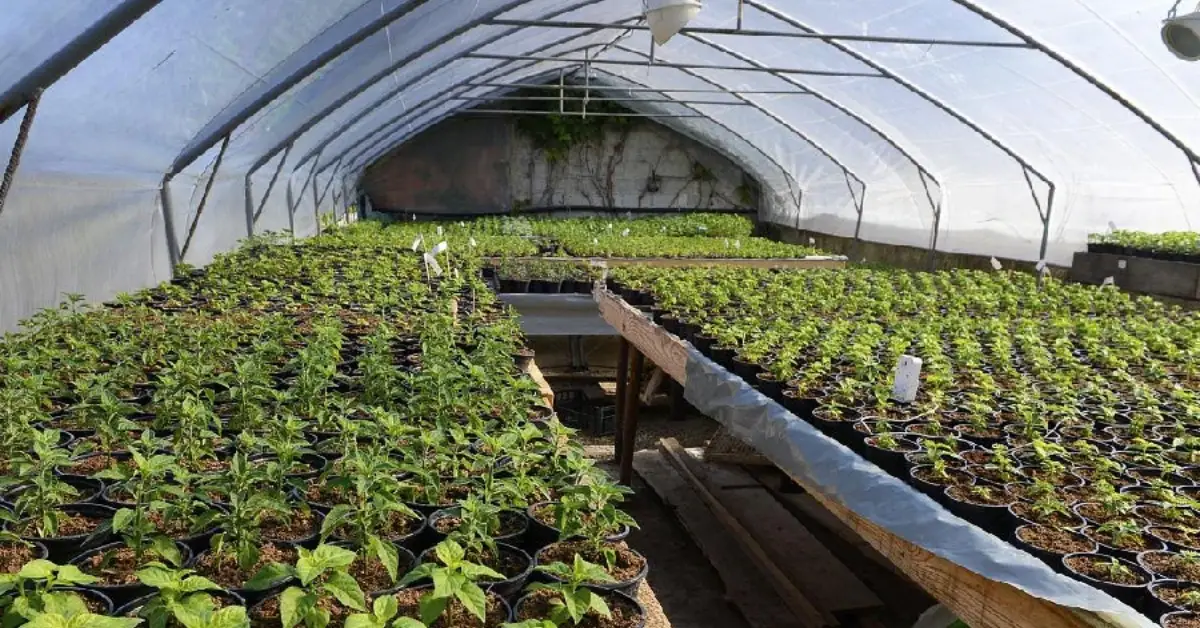
A greenhouse means control — but that doesn’t mean any plant will thrive in any season. Choose smartly.
Matching Plants to Greenhouse Conditions (Climate, Season)
Different crops love different conditions. Pairing plants with seasonal temperature bands boosts yield and reduces maintenance.
Example matchups:
- Warm-season: Tomatoes, peppers, cucumbers, basil.
- Cool-season: Lettuce, spinach, kale, strawberries.
- Herbs year-round: Mint, coriander, parsley.
Don’t overcrowd; group plants with similar needs together. If you enjoy experimenting with tropical-style crops inside your greenhouse, you’ll love my guide on how to grow banana plants at home even without a tropical climate — it walks you through temperature control and soil tricks that fit perfectly with greenhouse growing.
Crop Rotation, Bed Preparation & Soilless Options
If you reuse the same soil every season, pests and diseases build up. Rotate crops: grow fruiting plants one season, leafy greens next.
- Add compost and cocopeat to renew soil.
- Try grow bags or hydroponic trays if you prefer low-soil maintenance.
- Flush soil with mild hydrogen peroxide solution annually to kill pathogens.
Rotation keeps your system naturally balanced.
Establishing a Planting/Harvest Calendar
- Oct–Feb: Leafy greens, peas, broccoli.
- Mar–Jun: Tomatoes, cucumbers, chilies.
- Jul–Sep: Herbs and quick greens during rain.
Keep a diary of sowing and harvest dates — it’ll guide your next year better than any chart. And if you’re already planning your seasonal bloom cycle, check out how to plant evening primroses in autumn for stunning spring blooms — it’s a perfect greenhouse-friendly flower for cooler months.
Maintenance While Plants Grow
Plants inside a greenhouse can’t “breathe” wind or get rain, so you must mimic that balance.
- Open vents daily for a few hours.
- Remove dead leaves weekly to prevent mold.
- Check underside of leaves for pests.
- Water early morning to avoid fungus.
Little habits make a big difference in plant health and taste.
Pests, Diseases & Troubleshooting Common Problems
No greenhouse is perfect — you’ll face pests, mold, or weird temperature spikes. The goal isn’t perfection, it’s response.
Common Greenhouse Pests & Diseases
Watch out for:
- Aphids: Cluster under leaves, sucking sap.
- Spider mites: Leave fine webs in dry heat.
- Whiteflies & thrips: Attack new shoots.
- Fungal issues: Powdery mildew, root rot, damping off.
Catching them early saves entire batches.
Preventive Practices (Sanitation, Spacing, IPM)
Good prevention beats any pesticide. The UbiGro Year-Round Greenhouse Gardening Guide highlights Integrated Pest Management (IPM) — a simple, low-chemical approach.
- Keep space between plants for airflow.
- Sanitize tools after every use.
- Use yellow sticky traps for flying pests.
- Rotate crops and remove debris quickly.
- Introduce natural predators like ladybugs if needed.
These habits build a self-regulating micro-ecosystem.
System Failures & What to Check
When things go wrong, use this checklist:
- Temperature suddenly high → vents blocked or fan off.
- Humidity too high → not enough airflow or overwatering.
- Leaves yellowing → soil nutrients or drainage issue.
- Mold on walls → condensation not drying.
Never panic — systems fail, but with consistent observation, you’ll learn to fix most issues in minutes.
Before you move to the next stage, take a day to walk inside your empty greenhouse and feel its air, light, and flow. That quiet inspection teaches more than any tutorial — and it’s the start of truly knowing your growing space.
Cost, Budgeting & Return on Benefits
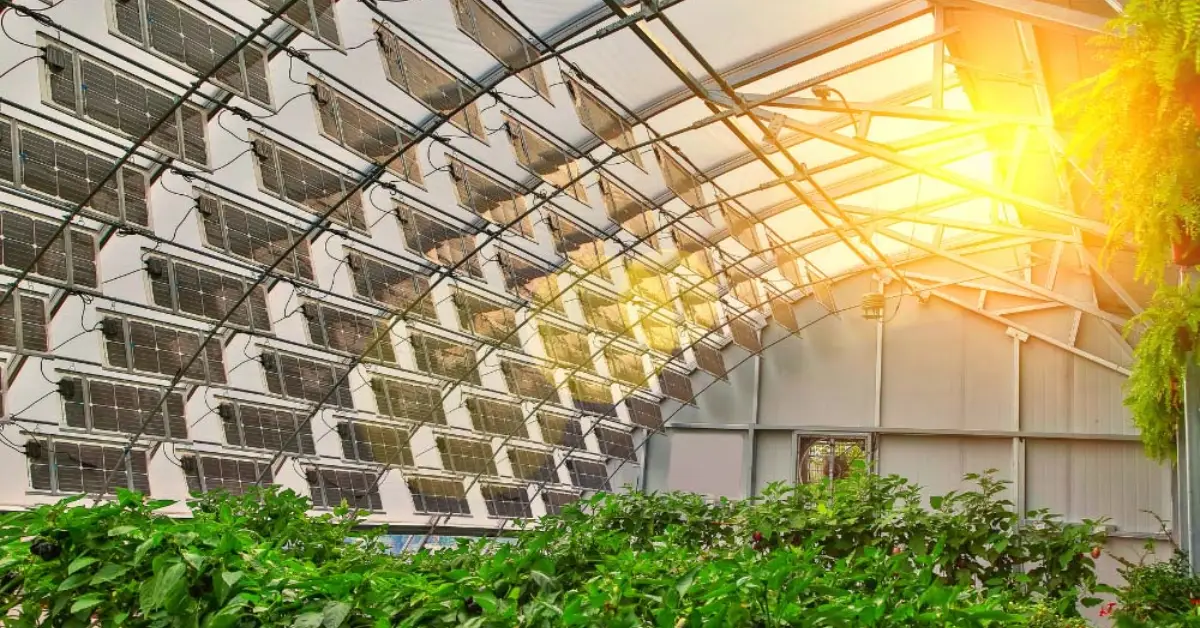
If you’re serious about building a greenhouse, let’s be honest — cost is the first big question. You don’t want a Pinterest dream that drains your savings. You want something functional, sustainable, and worth every dollar.
Estimating Cost: Materials, Foundation, Framing, Glazing & Environment Control
Your total cost will vary depending on size, materials, and how much of it you DIY.
Here’s a realistic breakdown for a small backyard greenhouse (8×12 ft):
- Foundation: $300–$1,000 depending on whether you use gravel, pavers, or concrete.
- Frame: $500–$2,000 (wood is cheaper but needs more care; aluminum lasts longer).
- Glazing/Covering: $300–$800 (polycarbonate or greenhouse-grade polyethylene).
- Ventilation/Fans: $150–$500.
- Irrigation & electricals: $200–$700 for basic wiring, outlets, and drip lines.
So overall, a well-built backyard greenhouse costs between $1,500–$4,000, depending on DIY effort and materials. A medium-sized hobby greenhouse (10×20 ft) can reach $6,000–$10,000.
Maintenance Cost: Power, Replacement Materials, Pest Control
Once your structure is up, expect a small ongoing cost:
- Electricity: $10–$30/month (fans, lights, and heaters).
- Replacement covers: Polyethylene films every 3–5 years.
- Cleaning and sealants: $30–$100 annually.
- Pest management: Sticky traps, insecticidal soaps, neem oil, and biological controls.
If you automate (timers, vents, thermostats), you’ll spend a little more up front but save on power and water over time.
Return on Benefits: Extended Season, Yield, Quality & Possible Income
Here’s where it gets exciting:
- Grow year-round: Keep herbs, greens, and tomatoes alive even through freezing winters.
- Higher yield & less waste: Consistent environment = fewer plant losses.
- Better quality: You control temperature, humidity, and inputs.
- Potential income: Even a small 10×20 greenhouse can yield $500–$1,000 in seasonal produce value if you sell at local markets.
If you track your costs and yields, a well-managed home greenhouse can pay for itself within 2–3 years.
Cost-Saving Tips (DIY Materials, Reclaimed Windows, Simple Ventilation)
- Use reclaimed windows or storm doors from salvage stores like Habitat ReStore.
- Build manual vent panels instead of motorized systems to start.
- Reuse pallet wood for potting benches.
- Use rain barrels for irrigation water.
Greenhouse success isn’t about the fanciest system — it’s about smart use of local materials and energy efficiency.
Local & Climate Adaptation Tips
Growers face different climates — from snow-heavy Michigan to dry Arizona. Your greenhouse has to adapt to your region’s extremes.
Rain & Storm Considerations (Drainage, Roof Pitch, Snow Load)
- In rainier regions (Pacific Northwest, Northeast), make sure your roof pitch is at least 30°–45° to shed water and snow.
- Add gutters with downspouts leading to a rain barrel system.
- In snow zones, choose strong steel or heavy-gauge aluminum frames rated for local snow load.
Avoid flat roofs; heavy snow accumulation can warp or collapse lightweight DIY structures.
High-Temperature & Humid Regions (Shade, Ventilation, Cooling)
If you’re in Texas, Florida, or Southern California, overheating is your biggest battle.
- Use 30–50% shade cloths on south or west-facing sides.
- Add evaporative cooling pads or misting systems for natural cooling.
- Install roof vents + side louvers for cross ventilation.
- White-paint or apply shade compound to polycarbonate during peak summer.
These can reduce inside temperatures by 10°F or more — critical for lettuce, herbs, and leafy greens.
Cold-Winter Adaptation (Insulation, Heat Retention, Backup Heat)
If you’re in the Midwest or Northeast:
- Add double-layer polyethylene film for insulation.
- Place 55-gallon black barrels filled with water along the north wall — they absorb heat by day and release it at night.
- Seal every crack with weatherproof tape or silicone caulk.
- A small space heater or propane heater can keep night temps above freezing.
You don’t need to fully heat the space — just buffer the worst dips.
Regional Materials & Sourcing
- Menards / Home Depot / Tractor Supply — affordable greenhouse frames, polycarbonate panels, and ventilation kits.
- Local farm co-ops or county extension offices — great for soil, pest, and irrigation guidance.
- Facebook Marketplace / Craigslist — used panels, windows, or shelving at half price.
Using local materials reduces cost and ensures replacements are easy to source later.
Long-Term Upkeep & Scaling-Up Your Greenhouse

Once your greenhouse is up and running, the real test is how well it holds up year after year. Think maintenance first — expansion later.
When & How to Replace Coverings, Frame Upkeep, Cleaning
Here’s my rule of thumb:
- Plastic film: Replace every 3–5 years.
- Polycarbonate panels: 8–10 years with UV coating.
- Metal frame: Inspect for rust annually; repaint or seal as needed.
- Deep cleaning: At least twice a year — clear algae, disinfect benches, wash glazing inside and out.
Keep a small maintenance log — it’s easy to forget what was replaced when.
Upgrading: Adding Automation, Irrigation Systems, Lighting, Climate Control
Once you’re comfortable:
- Add smart thermostats and automatic vent openers.
- Use drip irrigation timers or a moisture-sensor system.
- Install LED grow lights to extend daylight hours in winter.
- Try smart Wi-Fi plugs for remote monitoring via phone apps.
Start small — tech should make your life easier, not complicated.
Scaling: Extending Size, Adding a Second Unit, Going Commercial
If your first greenhouse does well, scaling up is natural.
- Add a tunnel extension or second structure for different crops (flowers, herbs, seedlings).
- Look into USDA grants or NRCS High Tunnel programs for cost-sharing support.
- Create a microfarm business plan — local markets love fresh, chemical-free produce.
Scaling up isn’t about going big fast — it’s about building something resilient, efficient, and profitable.
Summary of Key Takeaways & Your First 30-Day Action Plan
You’ve made it this far — and that already puts you ahead of most people who only dream about having their own greenhouse. Let’s quickly recap what matters most and turn it into a clear 30-day plan so you can move from reading → building → growing.
Recap: The Core Lessons You Shouldn’t Forget
If you take nothing else from this guide, remember these essentials:
- Start with purpose. Decide why you’re building — hobby, food, or profit — before you pick materials or size.
- Choose the right site. Sunlight, drainage, and wind direction decide 80% of your success.
- Build smart, not big. A strong frame, good foundation, and the right glazing last longer than fancy add-ons.
- Maintenance = success. Daily checks on humidity, temperature, and ventilation keep your greenhouse alive.
- Adapt to your climate. What works in California may not in Michigan — tweak your design for your local weather.
- Plan long-term. Keep logs, replace parts on time, and upgrade slowly. Greenhouses are living systems — not weekend projects.
If you stay consistent with these, your greenhouse won’t just stand — it’ll thrive season after season.
Your 30-Day Greenhouse Action Plan (Step-by-Step)
A simple timeline to help you go from idea → setup → first seedlings:
Week 1: Research & Planning
- Decide your purpose and greenhouse type (hobby, backyard, or semi-commercial).
- Measure your space and sketch a rough layout.
- Research local zoning rules or HOA restrictions.
- Set a rough budget and material list.
Week 2: Site Preparation & Foundation
- Clear and level the ground.
- Mark your footprint and check sun exposure (at least 6 hours of direct light).
- Lay your foundation (gravel, pavers, or concrete).
- Order your frame and glazing materials.
Week 3: Build & Structure Setup
- Assemble the frame and secure it firmly to the base.
- Install glazing (polycarbonate, polyethylene, or glass).
- Add doors, vents, and basic ventilation fans.
- Run drip irrigation or install manual watering systems.
Week 4: Environment & First Plants
- Install a thermometer/hygrometer combo for daily checks.
- Test ventilation and airflow — adjust vents or fans.
- Add benches or potting tables.
- Start your first batch: herbs, leafy greens, or easy starter crops (like lettuce or basil).
Bonus Tip: Keep a small notebook or Google Sheet to log daily conditions and growth. You’ll learn faster than any tutorial could teach you.
You don’t need a huge budget or engineering degree to grow something beautiful — just patience, planning, and a bit of care each day.
If you’ve built (or are planning) your first greenhouse, share your setup story or questions in the comments below — I’d love to feature real reader projects in future articles!
Visit Plant Care Dairy for free printable checklists, maintenance trackers, and greenhouse layout templates to help you start strong and grow smarter. Let’s build greener spaces together — one greenhouse at a time.
Disclaimer: The information shared in this guide is based on practical experience and research from trusted horticulture and agricultural sources. Greenhouse results can vary depending on climate, materials, and maintenance practices. Always follow local building codes and safety guidelines before construction.