

I’ve been pruning climbing roses for more than two decades, and trust me — it’s not as scary as it looks. The first time I stood in front of a wild tangle of canes, I almost left the secateurs on the ground and walked away. But once you understand why and how pruning works, it becomes one of the most satisfying parts of gardening.
Think of your climbing rose as a living sculpture. Every cut you make shapes how it’ll bloom next season — more flowers, stronger growth, and that graceful arch full of color we all dream of. The trick isn’t in cutting more, it’s in cutting smart.
Most beginners worry they’ll “ruin” the plant. You won’t. Roses are tougher than they look. What matters is timing, a bit of observation, and knowing which stems to train, not chop. In this guide, I’ll walk you through the exact steps I use every winter — tools, timing, pruning cuts, and even what to do if your rose has turned into a small jungle.
By the end, you’ll know exactly how to give your climbing rose the kind of prune that makes it burst with life again.
So, before we start — tell me: what’s the biggest thing that makes you hesitate about pruning? Is it fear of overcutting, or just not knowing where to start?
Why Pruning a Climbing Rose Matters
When I first started growing climbing roses, I thought pruning was just about “keeping them in shape.” But over the years, I’ve realized it’s so much more than that. Pruning decides whether your rose becomes a tangled mess or a showstopper full of blooms.
The Benefits: More Blooms, Better Shape, Healthier Plant
When you prune right, your rose thanks you with:
- More flowers – because energy goes into new, healthy shoots instead of old wood.
- Better air flow – less chance of fungal disease or black spots.
- Stronger framework – canes stay balanced and easier to train.
- Controlled growth – no wild canes poking where they shouldn’t.
It’s a bit like giving your plant a good haircut — it looks neater, feels lighter, and grows stronger afterward.
What Happens If You Don’t Prune
Skip pruning for a few years and you’ll notice your rose starting to look tired. The canes get long and leggy, flowers appear only at the top, and airflow becomes poor.
According to the Royal Horticultural Society (RHS), unpruned climbing roses often suffer from disease and reduced flowering, as energy is wasted on old, unproductive wood.
In short — pruning isn’t punishment. It’s renewal.
How Training Goes Hand-in-Hand With Pruning
If there’s one secret to getting a climbing rose covered in flowers, it’s horizontal training. Every time you tie a cane sideways instead of straight up, you tell the plant to send out more side shoots — and that’s where the blooms come.
And that’s exactly how I approach young plants — gentle training first, pruning later.
When Is the Right Time to Prune Your Climbing Rose
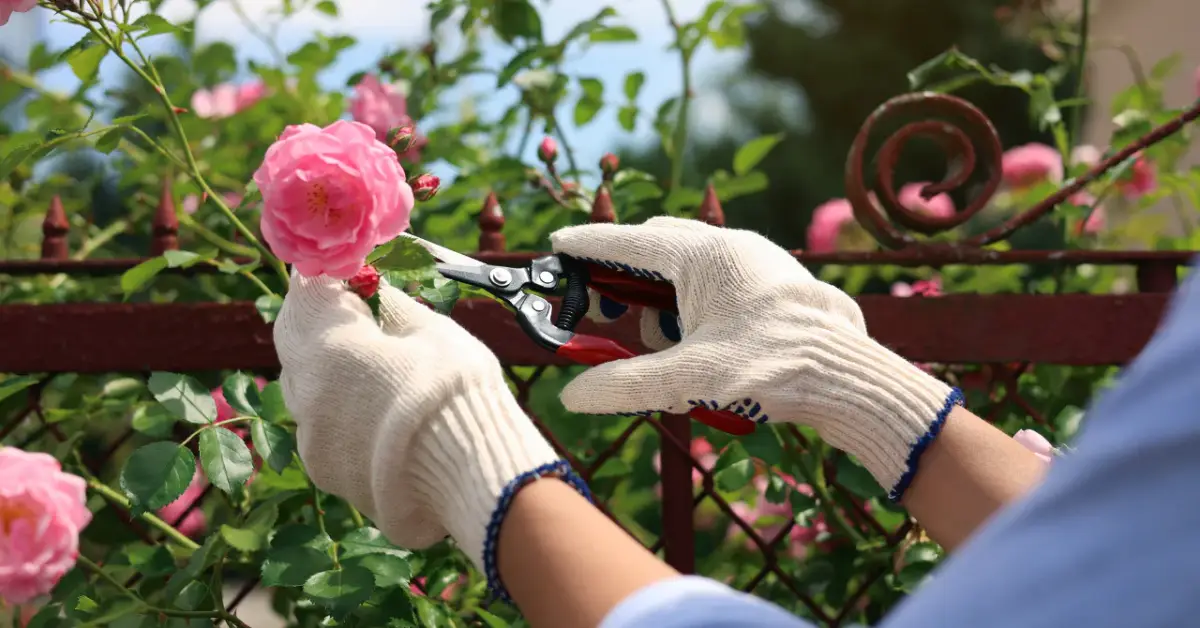
Pruning at the right time can mean the difference between a full bloom season and an empty trellis.
Best Season for Climbers
The best time is late winter to early spring, when your rose is still dormant but the harsh frost has passed. Pruning between December and February, after flowering fades. It’s when sap flow is slow and cuts heal cleanly.
If you’d like a deeper breakdown of seasonal pruning and what makes each phase important, check out our full guide on how and when to prune roses for a lush, flower-filled garden.
What About Local Climate?
If you live in a region with mild winters or early springs, your rose may never go fully dormant. In that case:
- Start pruning around mid-January to early February, before new growth appears.
- Avoid pruning during the monsoon, as high humidity can invite fungal infections.
- Light trimming in September helps manage post-rain growth.
When You Can Prune Lightly Outside the Main Season
There’s no harm in giving your rose a small tidy-up any time of year if you:
- Spot dead or diseased wood — cut it immediately.
- See crossing stems rubbing against each other.
- Need to redirect growth slightly for training.
These little maintenance cuts keep the plant open and healthy.
What Not to Do
Avoid heavy pruning during active growth, especially in April or May when buds are forming. That’s when you accidentally remove future blooms.
In short — when in doubt, wait until after the main bloom or dormant phase.
Tools, Safety & Pre-Pruning Preparation
Before you start snipping away, let’s talk about the prep. The right setup makes pruning easier, cleaner, and safer.
Essential Tools List
Here’s what I keep in my shed every rose season:
- Bypass secateurs – for neat, clean cuts on thin stems.
- Loppers – for thicker, older canes.
- Pruning saw – when you have mature, woody branches.
- Thick gardening gloves – to keep thorns from turning pruning into a battlefield.
- Tie wires or soft plant ties – for securing canes horizontally.
Keep your blades sharp and clean; dull tools crush stems and invite disease.
Safety Tips
I’ve had enough thorn scratches to know — safety matters:
- Always wear long sleeves and gloves.
- Use eye protection if the plant is tall or near a wall.
- Sterilise your tools before and after pruning (a quick wipe with spirit or diluted bleach works).
A few minutes of prep saves you a lot of pain later.
Pre-Pruning Checklist
Before I make the first cut, I always:
- Inspect the plant for dead, diseased, or damaged wood.
- Check the supports – wires, arches, or trellises should be firm and rust-free.
- Remove old leaves or debris from the base – they often harbor disease spores.
Disposing Old Cuttings
Don’t just toss pruned branches into a compost pile — especially if they show black spot, mildew, or rust.
- Burn them safely, or
- Bag and dispose of them separately.
This small step can prevent your next bloom cycle from starting with hidden diseases — something most online guides tend to skip.
How to Prune – Step-by-Step

I know that pruning can feel overwhelming — all those tangled stems, thorns, and decisions to make. But trust me, once you break it down into simple steps, it becomes more like a calm routine than a guessing game. Here’s exactly how I do it every winter.
Step 1: Assess the Plant and Its Structure
Before you even touch the secateurs, take a slow walk around your rose. Look at it from all sides. Identify the main canes (the thick, older stems that form the frame) and the younger, thinner shoots growing off them.
Why this matters: If you start cutting without knowing the structure, you might remove a healthy framework cane — and that can set your rose back for years. Assessment is like reading the plant’s story before editing it.
Quick tip: Tag main canes with a ribbon or soft tie so you don’t accidentally cut them.
Step 2: Remove Dead, Diseased, Weak or Crossing Shoots
Now comes the cleaning stage — this is where your rose starts breathing again.
Cut out anything that looks:
- Dark, shriveled, or dead
- Diseased or black-spotted
- Crossing another stem (friction wounds invite infection)
- Weak or thin like a pencil lead
Think of it as decluttering — once the mess is gone, your rose can focus on what matters: fresh, vibrant growth.
Step 3: Select & Train Main Canes (Tie-In Horizontally, Fan Out)
Here’s where the magic happens. Choose 5–7 of the strongest, healthiest canes to form your main framework. Train them horizontally or in a fan shape along your trellis or wall.
Why this step matters: Roses bloom from side shoots that grow off the main stems. When you tie canes sideways, you encourage more flowering shoots — a simple trick that transforms your plant from a few sparse blooms to a wall of color.
Use soft ties or jute twine; never wire or rope that might cut into the bark.
Step 4: Prune Side Shoots / Laterals
Once your main canes are in place, turn your attention to the side shoots — the smaller stems growing out of the main ones.
Cut each of these just above an outward-facing bud, about 6–8 inches long.
According to BBC Gardeners’ World Magazine, shortening these laterals encourages new flower-bearing shoots and helps maintain a tidy structure.
This is one of the most rewarding moments — you’ll see exactly how the shape of your plant is taking form.
Step 5: Shorten or Remove Old Main Canes (After 3–5 Years)
Even the strongest canes lose their vigor after a few seasons. Every 3–5 years, remove one or two of the oldest main canes right at the base to make room for younger, more energetic ones.
As many gardeners on Reddit point out, climbers constantly renew themselves — and pruning is your way of helping that natural cycle. Think of it as “making space for the next generation.”
Step 6: Clean Up & Support
Once you’ve pruned and trained, it’s time to tidy up:
- Collect and discard all cuttings (don’t compost diseased material).
- Recheck your ties and supports — tighten loose ones, replace rusted wires.
- Apply a layer of mulch around the base to lock in moisture.
- Add a gentle rose fertilizer to boost recovery.
You’ll be surprised how neat and refreshed your rose looks — almost like it’s ready to breathe again.
Special Situations & Troubleshooting

Even experienced gardeners have “oops” moments with climbing roses. Don’t panic — most mistakes can be fixed with a little patience and the right approach.
Newly Planted Climbing Roses (1–2 Years) vs. Established Ones (3+ Years)
For young climbers, your job isn’t to prune — it’s to train. Focus on tying new canes horizontally and removing only dead or weak shoots. Heavy pruning too early can stunt growth.
The experts at David Austin Roses explain that new roses need a few seasons to establish their framework before serious cutting begins.
For older plants, annual pruning keeps the structure strong and rejuvenates old wood.
Overgrown or Neglected Climbers
If your rose has turned into a tangled jungle, take it slow. Don’t hack everything at once.
- Start by removing one-third of the oldest canes this season.
- Next year, remove another third.
- Train the remaining canes into a fan as you go.
Gradual pruning avoids shock and lets the rose rebuild naturally. If your rose looks tired or weak after years of neglect, you’ll love our step-by-step rescue guide on how to revive and strengthen your rose bush for healthy growth.
Climbers on Walls or Fences with Limited Space
In tight spaces like balconies or small patios, train canes in a zig-zag pattern or tie diagonally across the structure. It’s a great way to maximize blooms without overgrowing the area.
Pro tip: Use lightweight supports like nylon-coated wires or bamboo grids — they keep things tidy and flexible.
Common Mistakes to Avoid
Even seasoned gardeners slip up sometimes. Here are the big ones to watch out for:
- Cutting too much at once — weakens the plant.
- Pruning in active growth — leads to fewer blooms.
- Ignoring support ties — canes break easily in wind.
- Leaving diseased wood lying around — spreads infection fast.
If you’ve made one of these mistakes, don’t worry. Roses are incredibly forgiving — they bounce back faster than most plants.
Disease and Pest Checks Post-Pruning
After pruning, always inspect the plant for:
- Black spot on leaves
- Powdery mildew on stems or buds
- Aphid clusters on new shoots
A quick organic spray (neem oil or baking soda mix) can help prevent early infestations. Prevention is always easier than treatment.
Aftercare: What to Do Post-Pruning & Through the Season
Once the pruning shears are down, your real partnership with the plant begins. The weeks after pruning decide how strong your next bloom cycle will be.
Feeding and Fertilising
About two weeks after pruning, feed your rose with a balanced fertilizer or compost mix. A light organic mulch around the base keeps moisture locked in and roots cool.
After the first flush of blooms, feed again — this fuels the next round of flowering.
Tying and Training New Growth
Keep an eye on the new canes through spring and early summer. Train them early while they’re soft and flexible — tie them horizontally or diagonally for maximum flower shoots.
Check ties monthly; loosen or reposition as the stems thicken.
Deadheading and Light Maintenance

Once the flowers fade, snip them off just above a healthy leaf set. This small step keeps the plant focused on new blooms instead of seed production.
If your rose grows vigorously, a quick mid-season tidy-up helps it stay in shape.
Seasonal Care
If you garden in a region with monsoons or hot summers, adapt a bit:
- Avoid pruning or feeding during heavy rains — humidity invites fungal issues.
- During peak heat, water early mornings and add mulch to protect roots.
- In mild winters, a light tidy-up replaces deep pruning.
Your rose will thank you for working with the climate, not against it.
Checklist for Next Year
Here’s a mini roadmap for you to bookmark:
- Inspect ties and supports before winter.
- Prune 1–2 oldest canes to refresh growth.
- Clear dead leaves and debris at base.
- Add compost or mulch for insulation.
- Note flowering patterns — they guide next year’s pruning.
Take it from me — once you start following this rhythm year after year, pruning turns from a chore into a quiet, mindful ritual.
Quick Reference Table (for Busy Gardeners)
| What to Prune | When | How Much | Why |
|---|---|---|---|
| Dead, diseased, or crossing stems | Anytime you spot them | Fully remove | Prevents spread of disease & improves airflow |
| Side shoots (laterals) | Late winter / early spring | Cut back to 6–8 inches | Encourages new flowering shoots |
| Old main canes (3–5 years old) | During winter pruning | Remove 1–2 each year | Refreshes plant and promotes new growth |
| Weak or thin shoots | During assessment | Snip off completely | Strengthens main structure |
| Faded blooms (deadheading) | Throughout bloom season | Just above a leaf set | Promotes more blooms |
Myth-Busting: The 45° Cut Rule
You’ve probably heard “always cut at a 45° angle just above a bud.” There’s no strong evidence that this precise angle affects health or bloom quality. What truly matters is a clean cut above a healthy, outward-facing bud — not the slant.
So relax — your rose won’t mind if your cut isn’t textbook-perfect!
Final Thoughts
I’ve seen plenty of gardeners hesitate with secateurs in hand, afraid they’ll do more harm than good. But here’s the truth — roses are far tougher than we give them credit for.
Consistency beats perfection every single time. Even a slightly uneven prune done regularly is better than leaving the plant untouched for years. Each season teaches you more about your rose — its rhythm, resilience, and character.
When you finally see your climbing rose covered in lush blooms, arching gracefully across the wall or trellis, you’ll know it was worth every careful snip.
And hey, here’s a small tip from me — start a photo diary or quick notes log in your gardening journal. Watching your rose’s progress each year is deeply rewarding (and a great reference when you prune again). And if pruning has you inspired to grow more roses, why not try your hand at propagation? Here’s a simple beginner-friendly guide on growing roses from cuttings at home in 10 easy steps.
I’d love to hear from you — what’s your biggest challenge or fear when it comes to pruning climbing roses? Drop your thoughts in the comments below.
If you found this guide helpful, share it with a fellow gardener or bookmark it for your next pruning session.
For more hands-on rose care and practical gardening wisdom, visit Plant Care Dairy — your cozy corner for real-world plant advice.
Disclaimer: This guide is based on general gardening experience and trusted horticultural sources. Always consider your local climate, rose variety, and seasonal conditions before pruning. The advice shared here is for educational purposes only — use your best judgment or consult a local gardening expert if unsure.