
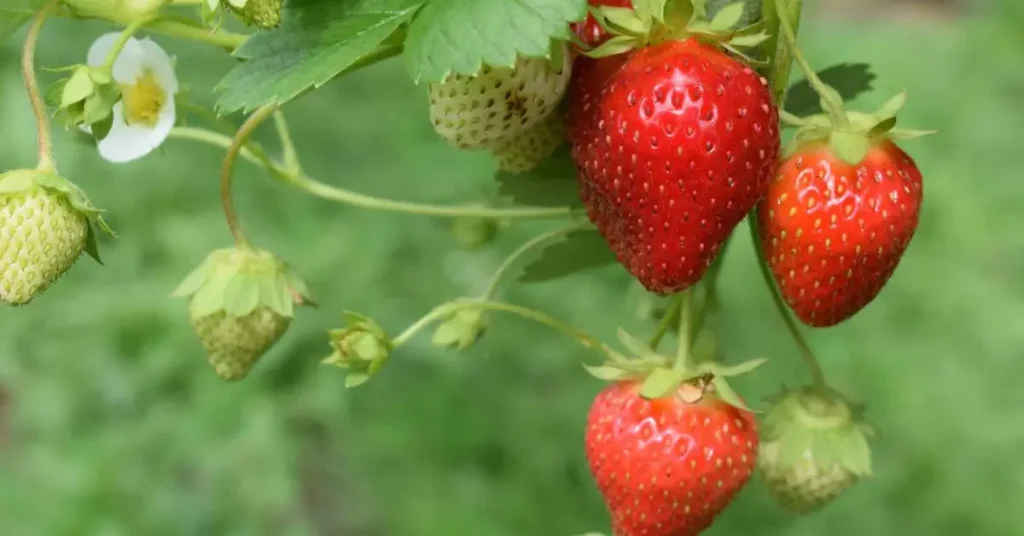
You’ve eaten strawberries all your life. On cakes, in smoothies, straight from the box. They’re sweet, red, juicy, and packed with those little seeds on the outside. Feels obvious—it’s a berry, right?
But here’s where it gets weird. Strawberries aren’t actually berries. Not even close.
Sounds ridiculous at first. But this isn’t one of those useless trivia facts. There’s actual science behind it—and it’s honestly pretty fascinating. Because once you understand why strawberries don’t count as real berries, you start to see a pattern. A lot of the fruits we think we know? They’re not what they seem.
In this article, I’m going to break it all down in simple terms—no boring textbook talk, no over-complication. Just the real reason strawberries don’t make the cut, what does count as a berry, and why this tiny fact messes with everything we’ve been told about fruit.
It’s weird, it’s fun, and it actually makes you think.
Ready to question your fruit bowl? Let’s go.
What Actually Makes a Fruit a “Berry”?
The Botanical Definition (Not What You Think)
Here’s the truth: in botany, a “berry” doesn’t mean what you think it means. It’s not just any small, juicy fruit.
To count as a true berry, a fruit has to meet a few very specific rules:
- It has to come from a single flower with one ovary
- It must have three distinct layers (endocarp, mesocarp, exocarp)
- The entire ovary should develop into edible flesh
This means that fruits like bananas, grapes, and even tomatoes do qualify as berries. Why? Because their structure fits this model exactly.
It’s a bit mind-bending. The fruits we never question—like strawberries and raspberries—actually break all these rules. That’s why botanists don’t include them in the berry club.
According to Live Science, berries must form from a flower’s ovary and contain at least one seed, surrounded by fleshy pulp. Bananas, surprisingly, pass this test with flying colors.
So if strawberries don’t follow this pattern… what are they?
Why Strawberries Don’t Qualify as Berries

Seeds on the Outside: What’s an Achene?
Let’s start with the most obvious thing about strawberries: those tiny seeds all over the outside. They’re actually not seeds in the way we usually think.
Each of those little specks is called an achene—a tiny dry fruit that holds a seed inside. So when you bite into a strawberry, you’re not eating one fruit. You’re technically biting into hundreds of tiny fruits embedded in soft tissue.
Compare that to a banana or grape, where the seeds are tucked safely inside the flesh. That’s a key reason strawberries fail the botanical berry test. Real berries grow their seeds inside, not on the surface.
It’s subtle, but scientifically, it matters.
Not a True Fruit Either? Meet the Accessory Fruit
Here’s the kicker: strawberries aren’t just not berries. They’re not even true fruits in the technical sense.
Instead of forming from just the ovary of the flower, a strawberry develops mostly from the receptacle—the part of the plant that holds the ovary. This makes it what scientists call an accessory fruit.
What you’re actually eating when you eat a strawberry is the swollen tissue that supported the flower, not the fruit itself. The real fruits? Those are the tiny achenes scattered across the surface.
Strange, right? The part we think is the fruit isn’t the fruit at all.
This is exactly why botanists don’t put strawberries in the same category as berries like blueberries or tomatoes. They just don’t grow the same way.
The Great Fruit Identity Crisis
Other “Fake” Berries You Might Be Eating
Strawberries aren’t the only ones caught in this identity crisis. Raspberries and blackberries may look like berries, taste like berries, and sit right next to them in the supermarket, but botanically, they don’t qualify either.
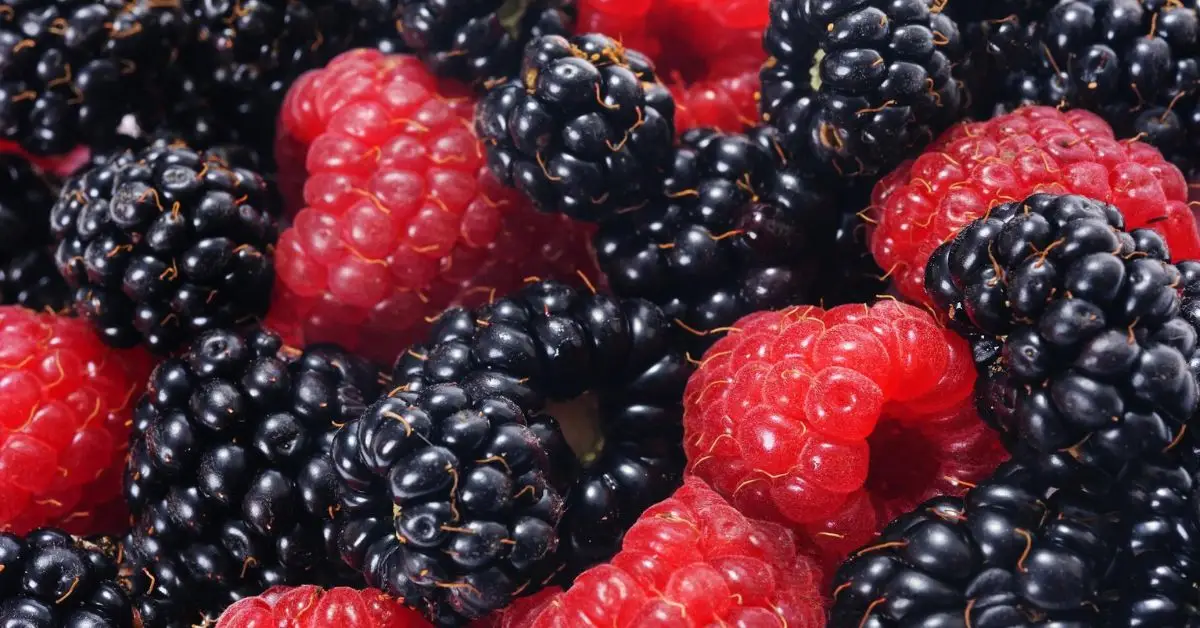
That’s because they’re made up of small individual pieces called drupelets, and each one comes from its own ovary. So instead of being a single fruit from a single ovary, they’re actually aggregate fruits—a collection of tiny fruits clustered together.
In other words, raspberries and blackberries are built very differently from true berries, even if they fool everyone.
True Berries That Surprise People
Now let’s talk about the fruits that are real berries—but don’t look the part.
Fruits like bananas, kiwis, eggplants, and even bell peppers actually meet all the botanical criteria:
- They grow from one ovary
- Their flesh develops from the ovary wall
- They contain seeds inside
Even tomatoes are considered berries under this definition.
Here’s a simple breakdown to make it easier:
| Fruit | Is it a Berry? | Why / Why Not |
|---|---|---|
| Strawberry | No | Grows from receptacle, not ovary |
| Raspberry | No | Made of drupelets, multiple ovaries |
| Banana | Yes | One ovary, fleshy layers, seeds inside |
| Kiwi | Yes | Soft flesh, many seeds, one ovary |
| Eggplant | Yes | Fleshy ovary with internal seeds |
| Bell Pepper | Yes | Single ovary, multiple seeds inside |
This is the kind of chart that flips everything upside down. The names don’t match the science, and that makes it both confusing and interesting.
Why Everyone’s Confused: The Language Gap
Common Language vs. Botanical Science
One of the main reasons this confusion exists is because the word “fruit” means different things in different settings.
In botany, a fruit is based on structure and development—it’s the part of a plant that comes from the ovary after flowering. In everyday language, we call something a fruit based on taste, texture, or how we use it in the kitchen.
Same goes for berries. The average person calls something a berry if it’s small, juicy, and sweet. Botanists, on the other hand, care about layers, seed placement, and floral anatomy.
That gap between science and daily speech is what causes all the myths—like tomatoes being vegetables, or strawberries being berries.
Supermarkets and Food Culture: Misleading Labels
And if the science wasn’t confusing enough, the food industry has added its own twist.
Go to any grocery store, and you’ll find:
- “Berry medley” packs with strawberries and raspberries
- “Mixed berry” smoothies with ingredients that aren’t technically berries
- Yogurts, jams, granola bars labeled as berry-flavored, regardless of what’s inside
These names aren’t about botanical accuracy. They’re about flavor perception and marketing. “Berry” has become a commercial term, used to signal sweetness, freshness, or health—not scientific truth.
To clear it up, Michigan State University Extension explains it well:
“Strawberries are not true berries, like blueberries or grapes. Technically, berries must have seeds on the inside.”
That’s the kind of scientific backing that cuts through all the noise.
So…What Is a Strawberry, Really?
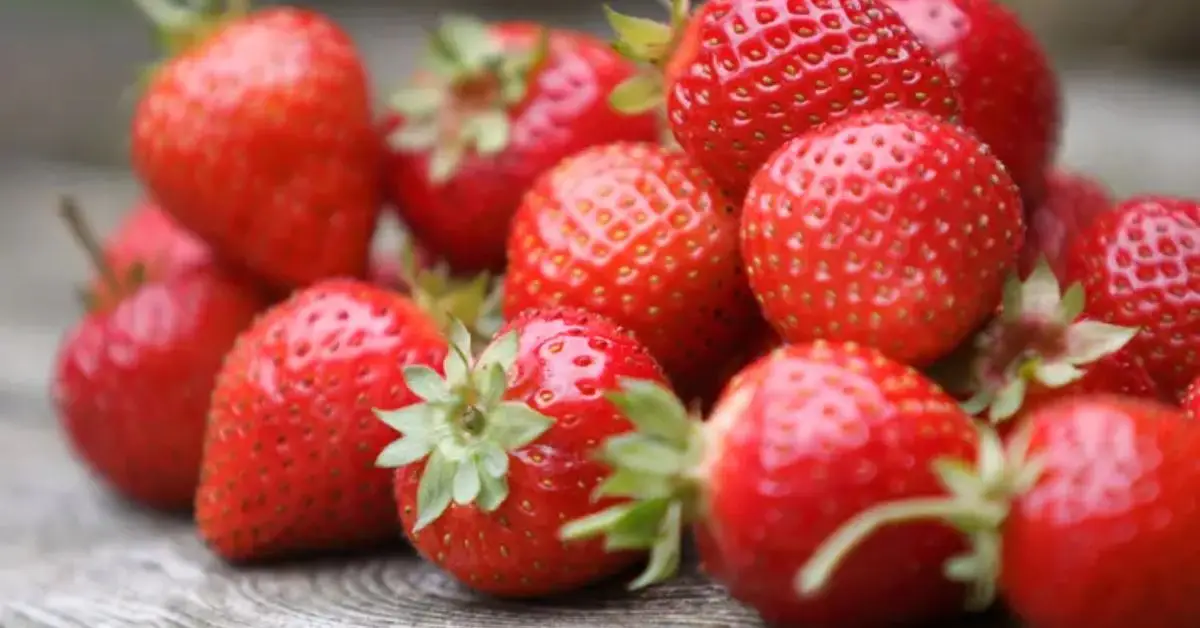
Let’s break it down clearly:
A strawberry is an accessory aggregate fruit. That means it doesn’t develop from the flower’s ovary like true fruits, but from the receptacle—the part that supports the flower. Plus, each little seed-like dot on its skin is actually its own tiny fruit.
In other words, strawberries are fruit, just not the kind you thought.
That’s the core answer you came here for—simple, conclusive, and backed by botany.
Fun Science: More Fruits That Break the Rules
If the strawberry twist blew your mind, there’s more where that came from. Let’s expand the fruit horizon:
- Avocado: Botanically a berry.
- Rhubarb: Technically a vegetable, though we mostly treat it like a fruit.
- Pineapple: Not one fruit—but many fruits fused together, a “multiple fruit.”
Here’s a myth-busting insight: as Food Republic explains, strawberries aren’t technically berries—or even really fruits—in the botanical sense. They’re “accessory fruits” formed from swollen receptacle tissue, not the ovary, and what we see as seeds are actually individual fruits. And if you think fruits are weird, wait until you learn that plants can actually respond to music—especially classical tunes. Science keeps surprising us.
This adds evergreen intrigue and makes your article a go-to for fruit science curiosities.
How This Impacts Cooking, Nutrition, and Gardening
You might wonder—does knowing this classification matter in real life? Absolutely, and here’s why:
- Cooking: It won’t change your taste buds, but understanding the makeup of strawberries can explain texture differences, acidity levels, and how they pair with other ingredients.
- Gardening: Strawberries grow differently than true berries. They form from the receptacle and spread through runners. Knowing this helps with pollination, spacing, and yield expectations. If you’re curious about other surprising ways to boost plant growth, you might want to explore how wood ash can help (or hurt) your garden plants — especially when it comes to pH balance and soil nutrition.
- Nutrition: The classification doesn’t affect health. Strawberries remain rich in vitamin C, fiber, and antioxidants. But knowing the structure can deepen your understanding of how we perceive and categorize food.
Understanding why a strawberry isn’t a berry doesn’t change your dessert—but it does make you a smarter cook, gardener, and food thinker.
Final Takeaway: Never Trust a Name in the Produce Aisle
If there’s one thing we’ve learned, it’s this:
Just because it’s called a berry doesn’t mean it is one.
And just because it is a berry (like a banana) doesn’t mean anyone wants it in a fruit salad.
Fruit names lie. Labels mislead. Science has its own agenda. And strawberries? Well, they’re just doing their own thing—defying categories and tasting amazing while doing it.
Next time you walk through the produce aisle, just remember: What’s sweet, red, seed-studded, and not a berry? That rebel called strawberry.
Want to geek out more on, plant myths, and botanical science? Visit Plant Care Dairy — where we keep it green, real, and always rooted in science.
And hey—share this with someone who’s been living a lie with their “berry” smoothies. They deserve the truth.
Disclaimer: This article is for informational purposes only. For scientific accuracy or personal advice, please consult a qualified expert.