
It’s rough out there right now.
Record-breaking heat, dry air, and gardens that look like they’ve given up. Whether you’re growing tomatoes in raised beds or trying to keep your hydrangeas alive by the porch, a heatwave can fry everything in sight—fast.
I’ve lived through enough Midwest summers to know this: most plant losses during extreme heat are preventable. The problem is, a lot of gardening advice out there is either outdated, too generic, or just not made for this kind of intense weather.
So in this guide, I’ll share 5 practical, proven tips that actually work when the temps hit 90°F and beyond. From when to water, to how to protect roots and leaves without spending a fortune—this is all stuff I’ve tested myself or picked up from expert growers across the U.S.
If you’re already seeing wilted leaves or dry, cracking soil, you’re not too late. But you do need to act fast.
Quick thing before we dig in: what’s your go-to garden move during a heatwave? Share it in the comments—I’m always looking to steal smart ideas.
Understanding the Heat Stress Threat
Let’s not sugarcoat it—heatwaves are more than just hot days. Once temperatures start climbing past 90°F, your plants aren’t just thirsty—they’re in survival mode.
When extreme heat hits, plants begin to shut down. You might see wilting in the middle of the day, even if the soil still feels damp. Leaves can curl or crisp at the edges. Some might develop sunscald—burn-like patches—especially on tender veggies like peppers or tomatoes. These are signs that the plant’s natural cooling systems are overloaded.
What makes things worse is how long the heat sticks around. In many parts of the country, drought conditions are now prolonging heatwaves, keeping soils bone dry and raising surface temps even further. That means plants don’t get a break at night either, and recovery becomes harder each day.
And it’s not just your backyard at risk. Recent studies show that future heatwaves could cause up to 10 times more crop damage than we’re used to seeing. That tells you just how serious the stakes are—not just for farmers, but for every home gardener who’s trying to grow food, flowers, or even just keep the yard alive.
The bottom line? Heat stress isn’t a minor inconvenience—it’s a compounding threat. But once you understand what’s happening at the root (literally), you can work with it instead of fighting a losing battle.
Tip 1 – Water Deeply & Intelligently
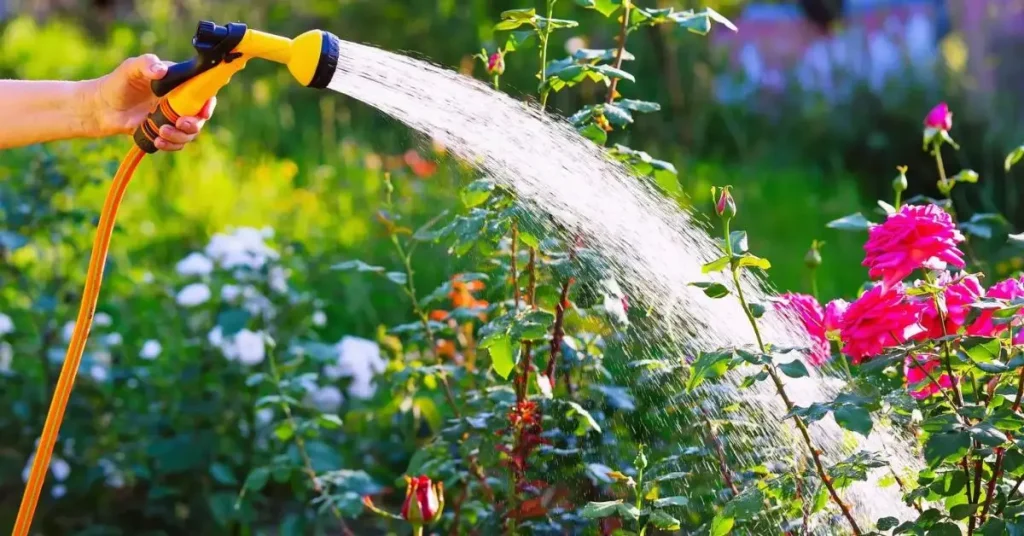
When it’s blazing hot, it’s tempting to just grab the hose and give everything a quick splash. But that kind of surface watering barely helps—and often makes things worse by encouraging shallow roots.

The goal in a heatwave is deep, consistent watering. You want the moisture to reach at least 3–4 inches into the soil, where roots can access it throughout the day. Anything less, and the top layer dries up before the plant even gets a drink.
The best time to water is early morning, before the sun is up and scorching. That gives plants time to absorb moisture and brace themselves for the heat. Evenings can also work, but avoid wetting the foliage overnight if you’re in a humid region—it can invite disease.
If you’re using a sprinkler or watering by hand, slow it down. Give each plant a proper soak. Better yet, switch to soaker hoses or drip irrigation. They’re more efficient, save water, and deliver moisture exactly where it’s needed—right to the roots.
This one shift alone—watering deeper and at the right time—can save most of your garden from the worst heatwave damage.
Tip 2 – Anchor Soil with Mulch
If there’s one thing I never skip during the summer, it’s mulch. Think of it as insulation for your soil—it keeps moisture in, heat out, and roots comfortable.
During a heatwave, bare soil loses water fast. The sun bakes the surface, roots get exposed, and any water you’ve added evaporates before it can help. A layer of 2 to 4 inches of organic mulch—like shredded bark, straw, or compost—makes a world of difference.
It shields the soil from direct sun, keeps the temperature more stable, and slows evaporation. Just make sure you don’t pile it against the stems or trunks—that can trap moisture and lead to rot.
This isn’t just theory. Experts at places like The Morton Arboretum consistently recommend mulching as one of the most effective defenses against heat stress. And in my own experience, the beds I’ve mulched always bounce back faster after heatwaves.
Bottom line: mulch is cheap, easy, and seriously powerful. Don’t skip it. If you’re already using organic mulch, you might also be curious whether wood ash can benefit your garden—here’s what to know before adding it to your soil.
Tip 3 – Shield & Strategically Position Plants
Some days, the sun just feels aggressive—and your plants feel it too. When heatwaves roll in, direct sunlight can scorch leaves, cook the soil, and cause roots to overheat. The solution? Give your plants some shade.

Start with the most vulnerable ones—new transplants, container plants, leafy greens, and anything already looking stressed. If they’re mobile, move them. Even tucking a pot behind a larger shrub or under a patio table helps.
For the rest, get creative. Old bedsheets, patio umbrellas, cardboard panels, even garden chairs—anything that casts shade will do. I’ve seen some gardeners string up white sheets between tomato cages and poles. It’s not pretty, but it works.
For longer-term setups, shade cloth is a great investment. You can get it in different densities and rig it with garden stakes or PVC hoops. And if you’re growing in a tight space, clustering plants together creates natural shade and raises local humidity.
On especially brutal days, I’ll give a light mist spray in the early morning or evening to cool the leaves—especially for grouped potted plants. But go easy: too much moisture + heat = disease risk, especially if airflow is poor.
Your plants don’t need total darkness—just relief. Even a few hours of filtered shade can make a big difference.
Tip 4 – Hold Off on Pruning, Fertilizing & Transplanting
This is a mistake I still see smart gardeners make: treating heat-stressed plants like they’re just “behind” and need a boost.
They don’t.
During a heatwave, your plants are in defense mode. That means no new growth, no flowering push, no root expansion. Just survival. So the last thing you want to do is prune, fertilize, or transplant—it sends mixed signals and adds unnecessary stress.
Fertilizer encourages growth, which requires more water. Pruning exposes more plant tissue to the sun. And transplanting? Total root shock. All of it can lead to stunted plants, leaf burn, or worse—complete collapse.
Even experts like those at Garden Betty recommend a hands-off approach when the temps soar. Give your plants time. Once the weather cools, they’ll tell you when they’re ready to bounce back.
So if you’ve been eyeing that leggy basil or planning to divide your perennials—pause. Survival first, reshaping later.
Tip 5 – Choose the Right Plants & Plan Ahead
Some gardens struggle through every summer no matter how much water, shade, or care they get. Others seem to hold their own—even when the heat’s relentless. The difference often comes down to what you’re planting.

If you want a garden that doesn’t fall apart in July, start thinking long-term. Drought-tolerant and heat-resilient plants are your best friends. I’m talking about varieties like lavender, sedum, ornamental grasses, echinacea, salvia, and succulents—plants that naturally thrive in dry, sunny conditions without demanding constant care.
Native plants are especially powerful here. They’ve evolved to handle your region’s specific weather patterns, and many can go longer without water or protection. Less stress for them = less stress for you.
On the flip side, there are some heat-sensitive divas you’ll want to handle with care—or avoid planting in full sun altogether. Hydrangeas, impatiens, fuchsia, hostas—beautiful, sure, but they wilt fast and don’t bounce back easily. If you love them, plant them where they’ll get afternoon shade or near a water source for easier cooling.
There’s no shame in building a low-maintenance, heat-hardy garden. In fact, it’s smart. Brands like Better Homes & Gardens have long recommended choosing the right plants as the first line of defense against summer damage.
Plan ahead now, and your future self—and your plants—will thank you when the next heatwave hits.
And if outdoor heat has you rethinking where to grow, you can still have fresh herbs year-round—here’s how to grow them smartly indoors.
Bonus Hacks from Gardeners & Experts
Sometimes the best gardening wisdom doesn’t come from textbooks—it comes from fellow gardeners making it work with what they’ve got.
One user on Reddit’s r/vegetablegardening said it best: “Shade cloth, sun shade, white sheets… get something filtering between the harsh sun and your plant babies.” Simple, smart, and it works.
Here are a few more low-cost, high-impact ideas gardeners swear by:
- Use light-colored pots—they reflect sunlight instead of absorbing it.
- Put your containers on rollers or plant caddies so you can shift them to shade in seconds.
- Harvest rainwater in barrels for use during dry spells or watering bans.
- In a pinch, old bedsheets over tomato cages or chairs make surprisingly effective shade setups.
The real secret? You don’t need to spend a fortune to protect your plants—you just need to think like a gardener under pressure.
Conclusion & Reminder
Keeping your plants alive in a heatwave isn’t about perfection—it’s about staying alert, acting early, and working smart. If you water deeply, mulch right, create shade, avoid stressors, and choose heat-ready plants, you’re already ahead of the game.
But don’t wait until leaves are drooping and soil is cracking. Watch the weather like a hawk. The moment a heatwave warning hits your area, prep your garden. A little action today can prevent a lot of damage tomorrow.
What to Do Next – Quick Heatwave Checklist
- Check local forecast – Flag days above 90°F in advance
- Water early in the morning – Deep soak at root level
- Lay down mulch – 2–4 inches, avoiding stems
- Set up shade covers – Cloths, umbrellas, or DIY solutions
- Move containers – Group together or relocate to shade
- Hold off on pruning/fertilizing – No growth stress right now
- Monitor sensitive plants – Hydrangeas, fuchsia, hostas
- Take notes – What worked this time, and what didn’t
Some gardeners also experiment with sound—yes, really. Turns out, music may actually support plant health, especially during stress recovery. Here’s what research says about music and plants.
Your garden’s resilience starts with your attention. Stay consistent, adapt fast—and your plants will push through the heat with you.
Want more smart, seasonal plant care tips? Visit Plant Care Dairy for expert advice, real-world hacks, and garden wisdom that grows with you.
Disclaimer: This content is for informational purposes only and is not a substitute for professional gardening or horticultural advice. Always consider your local climate, plant type, and consult local experts when in doubt.