
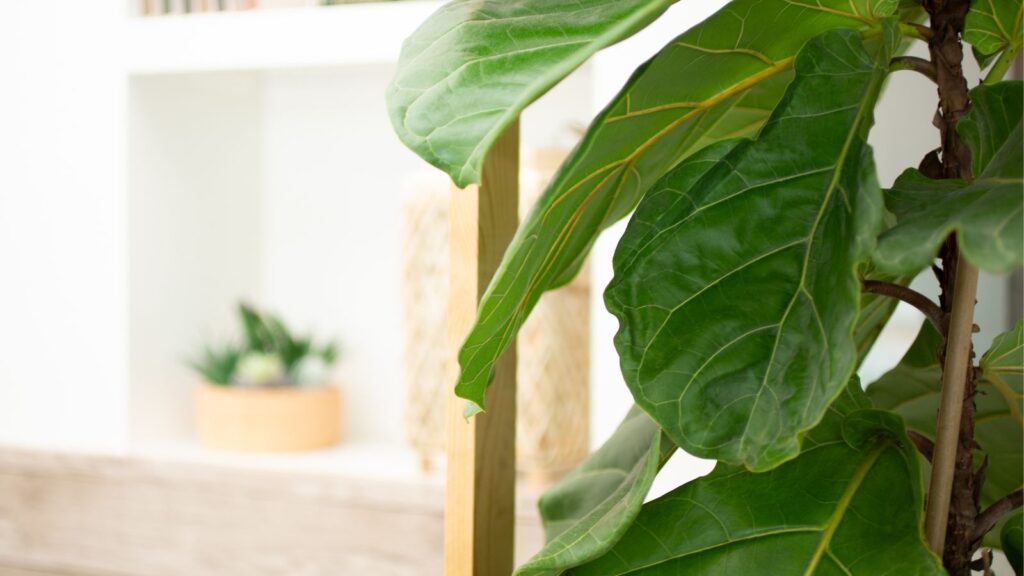
If your fiddle leaf fig is dropping leaves, you’re not alone. These gorgeous plants are famous for their dramatic reactions to even small changes. My goal here is to cut through the confusion and give you clear, actionable guidance you can apply today so your plant stops shedding and starts thriving.
In this guide, you’ll learn how to match the right light, water, and timing to your specific plant, how to tell overwatering from underwatering at a glance, and how to fix pest, pot size, and old soil issues before they spiral. You’ll also get a quick-reference checklist and summary table to make decisions faster.
Real talk: I’ve had a fiddle leaf fig drop five leaves in a week after I slid it just a few feet to “get better light.” It wasn’t my proudest moment, but it taught me how fussy these plants can be—and how quickly they rebound when we dial in the basics. Use my lessons so you don’t have to learn the hard way.
Meet The Drama: Why Fiddle Leaf Figs Drop Leaves

Fiddle leaf figs are sensitive to changes in light, temperature, humidity, and air movement. For expert tips on keeping fiddle leaf figs healthy through seasonal changes, see this Houseplant Clinic guide. When multiple conditions shift at once—like when you move the plant to a new spot—the plant conserves resources by shedding older leaves first. The key is to prevent big swings and respond early when you notice the first signs.
Move Shock: Why Relocating Triggers Leaf Drop
Moving the plant (even a few feet) changes light intensity, direction, airflow, and humidity in one go. The plant often responds by dropping older, lower leaves. If you must move it, try to match the previous conditions closely (distance from window, time of day light hits, and temperature) and avoid moving it again while it acclimates.
- Prevention: Choose a permanent spot that offers stable light and temperature.
- Signs of move shock: Lower leaves yellowing, softening, then falling over 1–3 weeks post-move.
- Recovery tip: Hold steady. Don’t overcorrect with extra water or more moves.
New-Home Leaf Drop Is Normal
After purchase, a fiddle leaf fig goes from greenhouse-perfect conditions to typical home light and humidity. One to two leaves per week dropping is common during the first month. As long as you see new growth at the top and the plant isn’t losing more than a couple leaves weekly, it’s adjusting just fine.
- Watch for new buds: Tiny green nubs or a new leaf unfurling signal recovery.
- Resist the urge: Don’t relocate the plant repeatedly while it’s settling in.
Your 6 Smart Fixes At A Glance
- Stop the shuffle: Pick a bright, stable spot and let the plant acclimate.
- Reset watering: Diagnose over- vs. underwatering and water only when the top inches are dry.
- Tune the light: Bright, indirect light is the sweet spot; diffuse harsh sun.
- Kick out pests: Inspect undersides weekly and treat early with insecticidal soap or neem oil.
- Give roots room: Repot when root-bound into a pot that’s 2–4 inches wider.
- Refresh old soil: Replace compacted, exhausted mix and pause fertilizer for 4 weeks.
Watering Wins: Fix Overwatering And Underwatering
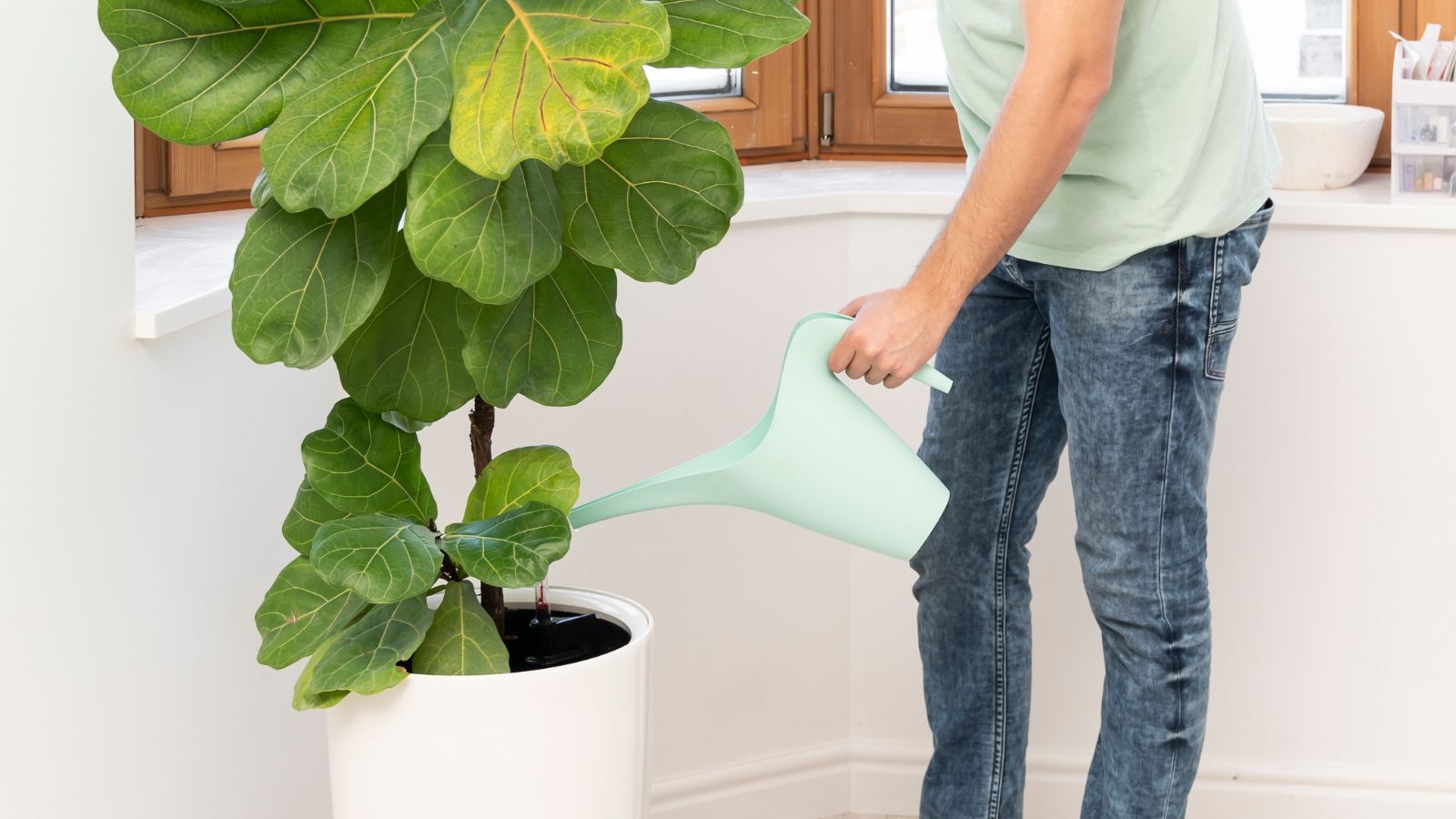
Watering issues are the number one reason fiddle leaf figs drop leaves. Bloomscape offers a helpful guide on troubleshooting common fiddle leaf fig problems if you’re unsure whether water, light, or pests are the culprit. The symptoms for too much vs. too little water can look similar at first, so you need a simple, consistent way to test the soil and respond.
Signs Of Overwatering
- Yellowing starts low: Lower leaves turn yellow before they drop.
- Soft and droopy: Leaves feel limp or mushy; stems may soften at the base.
- Soil stays wet: Potting mix remains wet for days, sometimes with a sour smell.
- First fix: Let the soil dry down deeply before watering again. Empty any saucer.
- Drainage check: Ensure the pot has adequate drainage holes and the mix isn’t compacted.
- Root rot triage: If roots are brown and slimy, repot into fresh, well-draining mix and trim the rot.
Signs Of Underwatering
- Crispy edges: Brown, crispy margins that eventually lead to leaf drop.
- Paper-dry feel: Leaves feel thin and papery; soil pulls away from the pot.
- Too-fast drying: Water runs straight through and the plant wilts again within a day or two.
- First fix: Water thoroughly until excess drains, rehydrating the entire root ball.
- Rewet dry cores: Bottom-water for 20–30 minutes if the middle won’t rehydrate.
- Consistency: Create a rhythm based on your home’s light and humidity rather than a calendar. Learn how to master a reliable watering routine in our guide on perfect watering schedules for indoor plants.
The Right Watering Routine
- Water by feel: Water when the top 2–3 inches feel dry, but before the entire pot goes bone dry.
- Even saturation: Water slowly in circles so the mix absorbs evenly; avoid channeling down the sides.
- Seasonal shifts: In winter, expect less frequent watering; in spring/summer, more.
Test Soil Moisture The Simple Way
- Finger test: Push a finger into the top few inches; water only when this layer is dry.
- Pot weight: Lift the pot after watering and again when dry to learn the weight difference.
- Spot-check deeper: Use a wooden skewer; if it comes out clean and dry, it’s time to water.
Light And Placement: Dial In Bright, Indirect Light

Fiddle leaf figs want bright, indirect light—not low light, and not punishing afternoon sun. Too little light causes weak growth and leaf shed; too much direct sun scorches leaves and triggers drop.
When Light Is Too Low
- Leggy spacing: Long gaps between leaves and spindly new growth.
- Persistent dullness: Leaves look lackluster; older leaves shed to reduce energy demand.
- Slow recovery: New leaves are smaller and take longer to unfurl.
- Fix: Move closer to a bright window or add sheer-filtered sun for more intensity.
- Supplement: Consider a grow light 12–18 inches above the canopy for 6–8 hours if your room is dim.
When Light Is Too Harsh
- Scorch spots: Brown patches or crispy edges on leaves that get the most direct sun.
- One-sided damage: Sun-facing side shows more burn; shaded side looks fine.
- Fix: Pull the plant a few feet back or use sheer curtains to diffuse midday/afternoon sun.
- Rotate gently: Quarter-turn every few weeks to promote even growth without relocating rooms.
Best Spots For A Fiddle Leaf Fig
- East- or west-facing windows: Gentle morning or late afternoon light works well.
- South windows with diffusion: Keep a few feet back or use sheers.
- Avoid deep interior corners: Light drops off dramatically a few feet from windows.
Acclimation After A Move
- Hold steady: After a move, expect some leaf drop; avoid further changes for a few weeks.
- Watch the top: New growth from the crown is the best sign the plant is adjusting.
- Patience pays: Don’t chase symptoms day-to-day; evaluate weekly trends instead.
Unwelcome Guests: Spot And Stop Pests
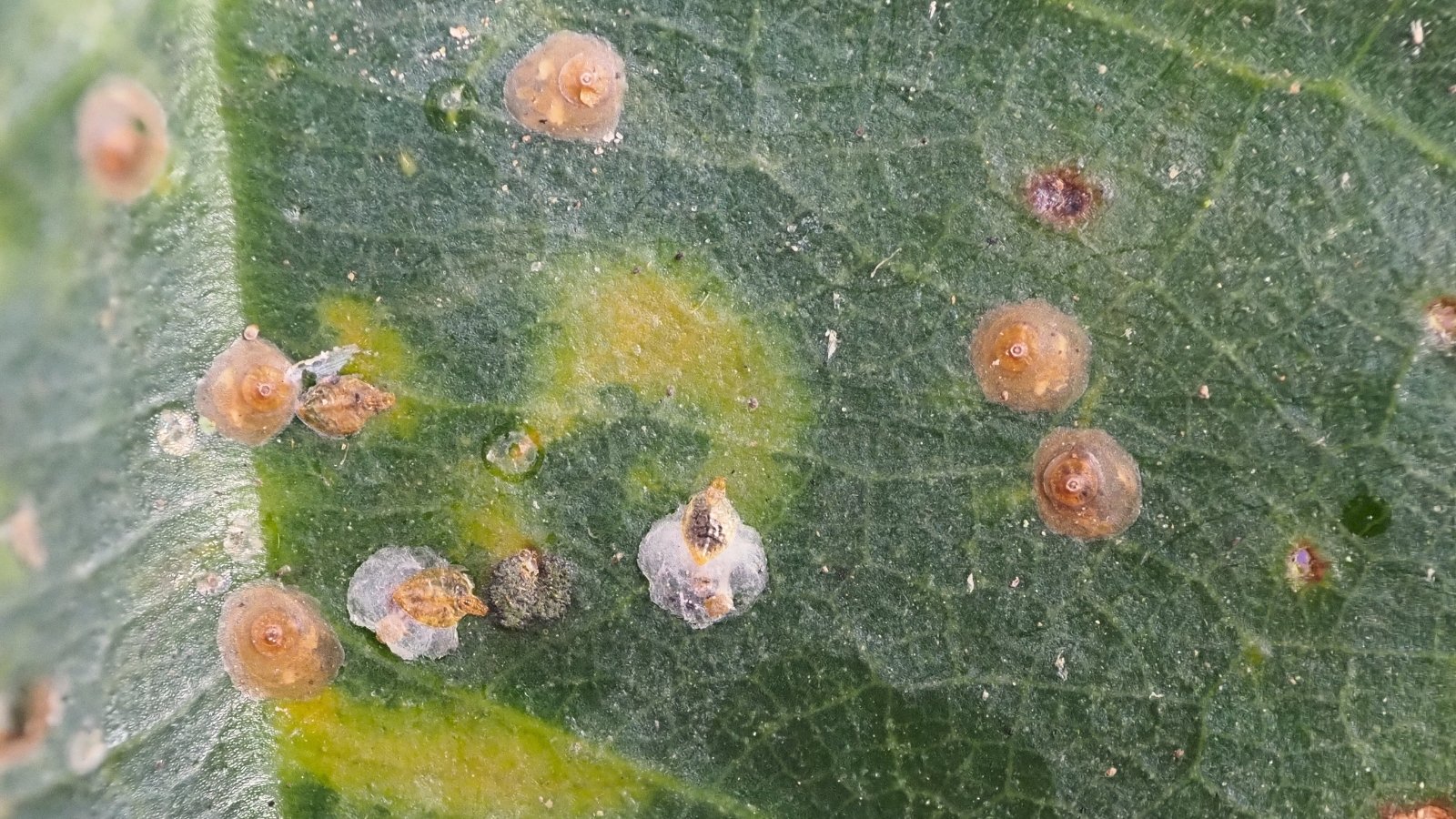
Pests sap energy and often go unnoticed until leaves yellow, stipple, or drop. Rogers Gardens provides an in-depth look at solving common fiddle leaf fig issues including pests, watering, and environmental stressors. Catching them early is the difference between a quick cleanup and weeks of decline.
Spider Mites
- What to look for: Fine webbing between leaves and stems; dusty, stippled leaf surfaces.
- Why they spread: Warm, dry indoor air lets mites multiply quickly.
- First steps: Rinse foliage in the shower and increase humidity slightly (without soaking soil).
Scale Insects
- What to look for: Small, immobile brown or beige bumps along stems and leaf veins.
- Common mistake: Confusing them for natural plant bumps—scale hardly moves.
- First steps: Gently scrape with a fingernail or cotton swab dipped in alcohol before broader treatment.
Mealybugs
- What to look for: White, cotton-like clusters in leaf axils and along stems.
- First steps: Dab with isopropyl alcohol on a cotton swab and wipe off clusters.
Treatment And Isolation Routine
- Isolate immediately: Keep the plant away from others to stop spread.
- Weekly sprays: Use insecticidal soap or neem oil according to the label for 2–3 weeks.
- Inspect undersides: Flip leaves to check the hiding spots where pests congregate.
- Clean environment: Wipe nearby surfaces and reduce dust, which shelters pests.
Roots And Soil: Make Room And Refresh
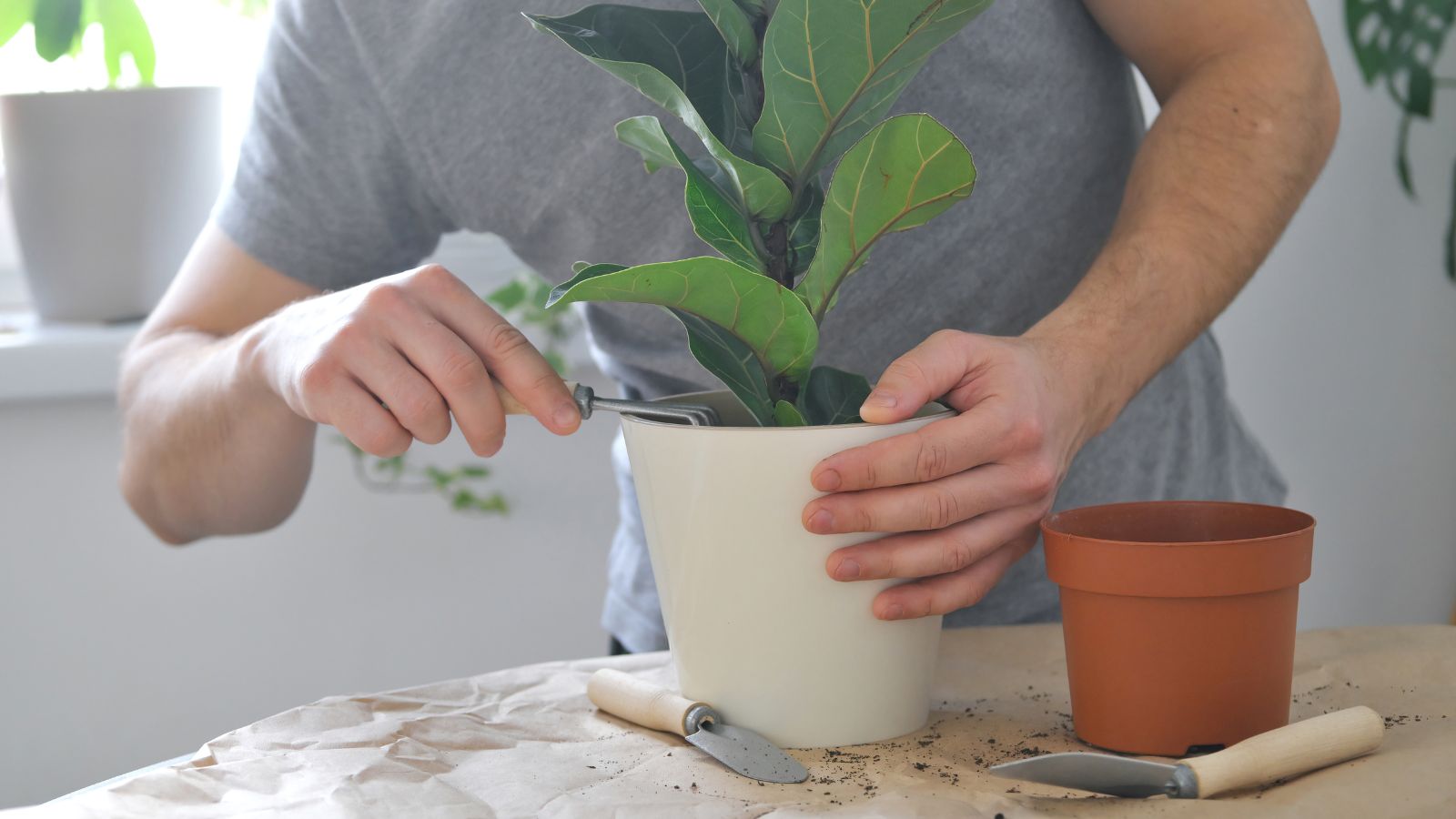
When a fiddle leaf fig outgrows its pot or sits in compacted, exhausted mix, water and nutrients won’t reach the plant reliably. Addressing root space and soil health prevents cascade problems that lead to leaf drop.
Root-Bound Red Flags
- Roots at the drain holes: Thick roots circling or poking out under the pot.
- Water rushes through: Mix doesn’t absorb moisture; the plant dries out too fast.
- Frequent thirst: You’re watering much more often than you used to.
- Fix: Repot into a container that’s 2–4 inches wider than the current one—no bigger. If you want a detailed step-by-step repotting process, check out our guide on how to repot indoor plants safely.
- Mix matters: Use a well-draining houseplant mix, such as potting soil blended with perlite for aeration.
Repotting Without Extra Stress
- Water lightly the day before: Makes the root ball easier to lift without crumbling.
- Loosen the root ball: Gently tease apart circling roots so they can explore new soil. For tips on arranging plants and creating open space indoors, see our guide on filling empty corners with large houseplants.
- Trim only rot: Remove brown, mushy roots; leave healthy white roots intact.
- Set at the same height: Keep the stem at the same soil level in the new pot.
- Fill and firm: Backfill with fresh mix, tapping the pot to settle air pockets.
- Water to settle: Moisten evenly, then let excess drain fully.
- Right timing: Spring is best; the plant rebounds faster during active growth.
- Expect some drop: Repotting counts as a major change; some leaf loss is normal.
Old Soil Creates Hidden Problems
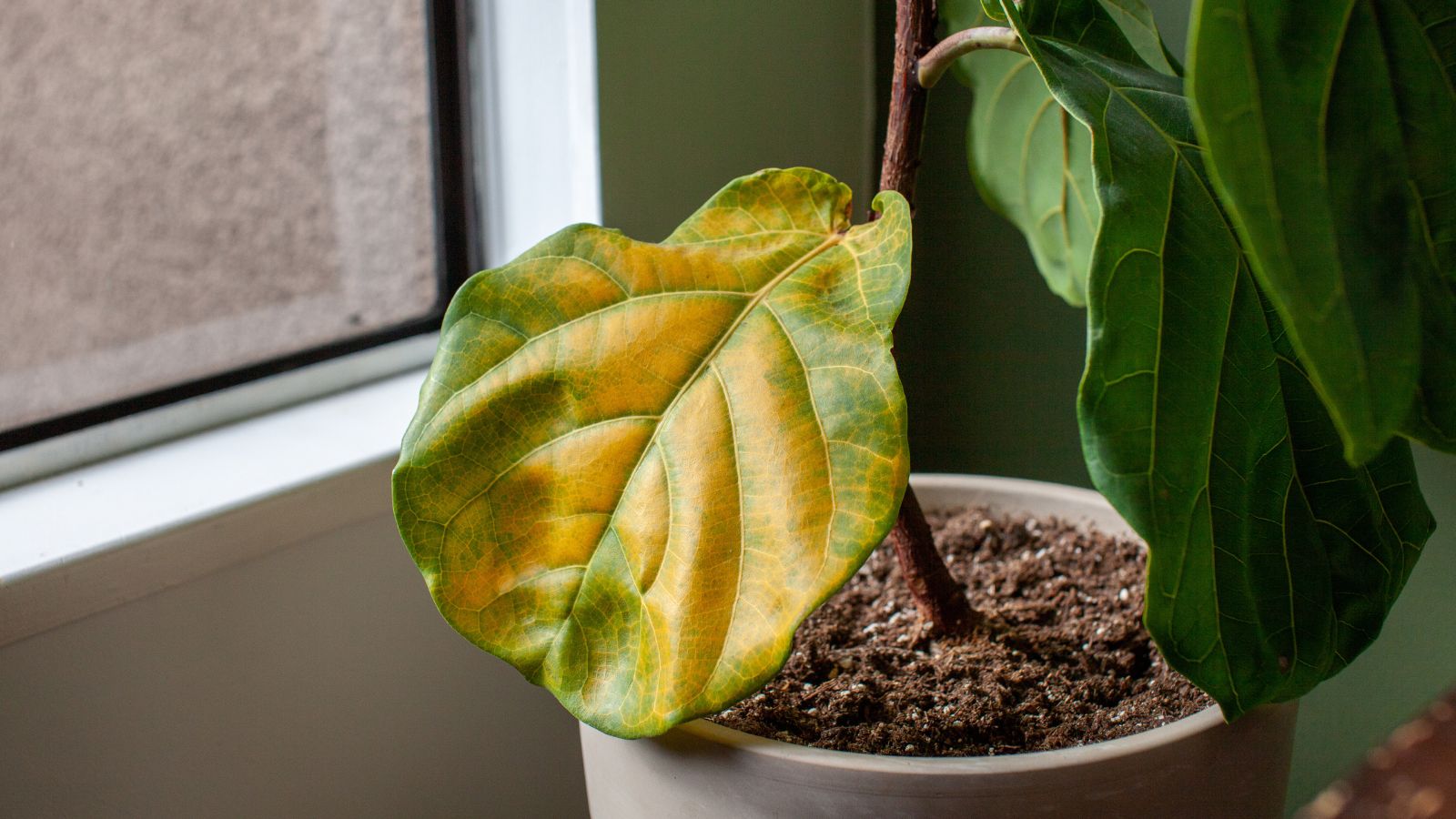
Over time, potting mix breaks down and compacts, reducing drainage and oxygen around roots—even if you water correctly. Old mix also holds and delivers nutrients poorly, so the plant struggles to access what it needs and starts shedding leaves.
- When to refresh: If it’s been 2+ years in the same soil, swap it out—even if the pot size stays the same.
- How to refresh: Gently loosen the root ball to knock off tired mix, then repot with fresh, airy soil.
- Fertilizer pause: New mix has nutrients—wait about a month before feeding again.
Aftercare And Fertilizer Timing
- Hold the feed: Give the plant 3–4 weeks post-repot to settle before resuming fertilizer.
- Monitor moisture: Fresh mix can hold water differently; retune your watering schedule.
- Track new growth: New leaves or buds are your signal the roots are happy again.
Quick Reference: Checklist And Summary Table
Use this section to make fast decisions and keep your fiddle leaf fig on track week after week.
Weekly Checklist
- 1. Light check: Confirm bright, indirect light for most of the day; diffuse harsh sun.
- 2. Moisture test: Water only when the top 2–3 inches are dry.
- 3. Drainage check: Empty saucers; ensure no standing water.
- 4. Pest scan: Inspect undersides of leaves for mites, scale, and mealybugs.
- 5. Leaf audit: Note drop rate; more than 1–2 leaves per week for several weeks signals trouble.
- 6. Air + temp: Keep away from vents and drafts; aim for stable conditions.
- 7. Rotation: Quarter-turn every few weeks for even growth (don’t change rooms).
- 8. Soil health: If soil is compacted or water rushes through, plan a refresh.
- 9. Root watch: Peek at drainage holes every month for circling roots.
- 10. Growth cue: Look for top buds or new leaves as a sign your care is working.
Leaf Drop Troubleshooting Table
| Cause | Typical Signs | Quick Test | First Fix | What To Avoid |
|---|---|---|---|---|
| Move Shock | Lower leaves yellow then drop after relocation | Recent room change or shift toward/away from window | Hold steady; match prior light and conditions | Repeated moves and overwatering to “help” |
| Overwatering | Soft, droopy leaves; yellowing starts low; wet soil | Soil stays wet for days; sour smell | Dry down deeply; improve drainage; treat root rot if present | Watering on a calendar regardless of soil |
| Underwatering | Crispy brown edges; papery leaves; soil pulls from pot | Skewer comes out clean and dry from deep in the pot | Thoroughly rehydrate; bottom-water if core is hydrophobic | Frequent sips that never saturate the root ball |
| Incorrect Light | Leggy growth (too low) or scorch (too harsh) | Check window direction and intensity during midday | Bright, indirect light; diffuse or step back from harsh sun | Deep interior corners or bare south windows at noon |
| Root-Bound | Roots circling; water rushes through; frequent wilting | Roots visible at drainage holes | Repot 2–4 inches wider in airy, well-draining mix | Oversizing pots that stay wet too long |
| Old Soil | Compaction; poor drainage; nutrient depletion | Soil surface hard as a crust; water pools or rushes through | Replace tired mix; loosen roots; pause fertilizer 1 month | Adding heavy fertilizer immediately after repotting |
When To Worry (And When Not To)
- It’s okay if: You see 1–2 leaves drop per week after a move or a new purchase and new top growth appears.
- Take action if: You see rapid drop with no new growth, mushy stems, a foul-smelling pot, or widespread pests.
- Get proactive: Tackle the most likely cause first (water or light) and reassess after 7–10 days.
Smart-gardening mindset: Consistency beats perfection. Small, steady improvements to light, watering, and soil health will always outcompete quick fixes.
Have a question or a success story? Drop a comment on Plant Care Dairy—I read every note and love helping fellow fiddle parents troubleshoot.
Disclaimer: This article is for educational purposes only. Always follow product labels for any pest control, and consider your home’s unique light, temperature, and humidity when applying care tips. Results can vary by environment, cultivar, and season.