
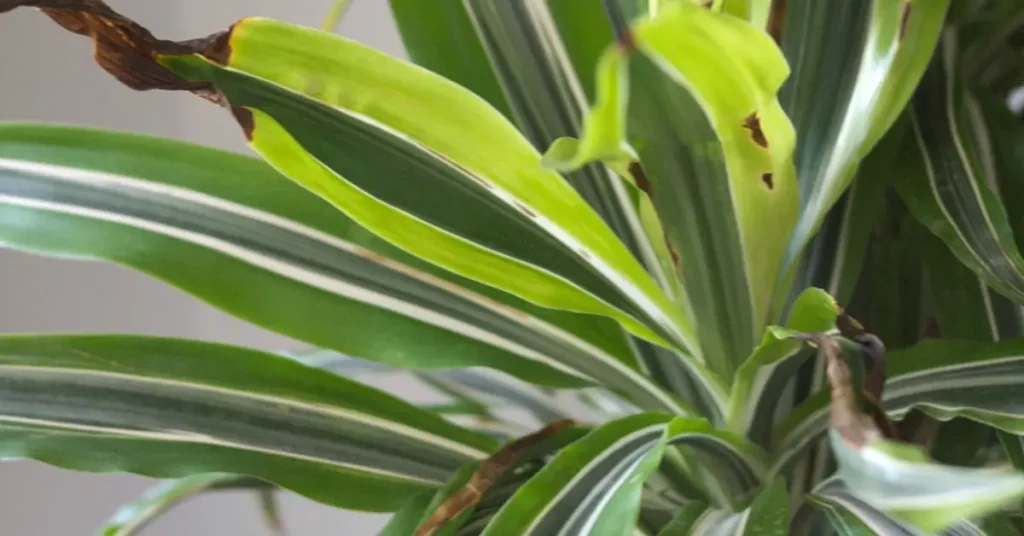
When I first saw the edges of my dracaena turning brown, I’ll admit—I thought the plant was on its last leg. I’d watered it, placed it in what I thought was the right spot, and still those crisp tips kept creeping across the leaves. If you’ve noticed the same thing on your dracaena, you probably know that mix of frustration and worry: Did I do something wrong? Is it the water? The light? Or is this just what happens as the plant ages?
Here’s the truth—browning leaves don’t always mean your dracaena is dying. Sometimes it’s part of the plant’s natural cycle, but more often it’s your plant sending a clear signal that something in its care routine needs tweaking. The real challenge is figuring out what that signal actually means.
In this guide, I’ll break down the common reasons dracaena leaves turn brown, the mistakes most people don’t even realise they’re making, and the fixes that actually work—based on expert advice and what everyday plant owners have seen in their homes. By the end, you’ll know exactly how to bring your dracaena back to glossy green and keep it that way.
Before we dive in, let me ask you: when you spotted the browning—was it just at the tips, in patches, or across the whole leaf?
The Main Reasons Dracaena Leaves Turn Brown
If you’re looking at your dracaena wondering why those once-perfect green leaves are now edged with brown, the answer usually comes down to a few very fixable causes. I’ve been through each of these myself, and once you learn to spot the patterns, you’ll see how quickly the plant tells you what it needs.
Water Stress (Overwatering vs. Underwatering)
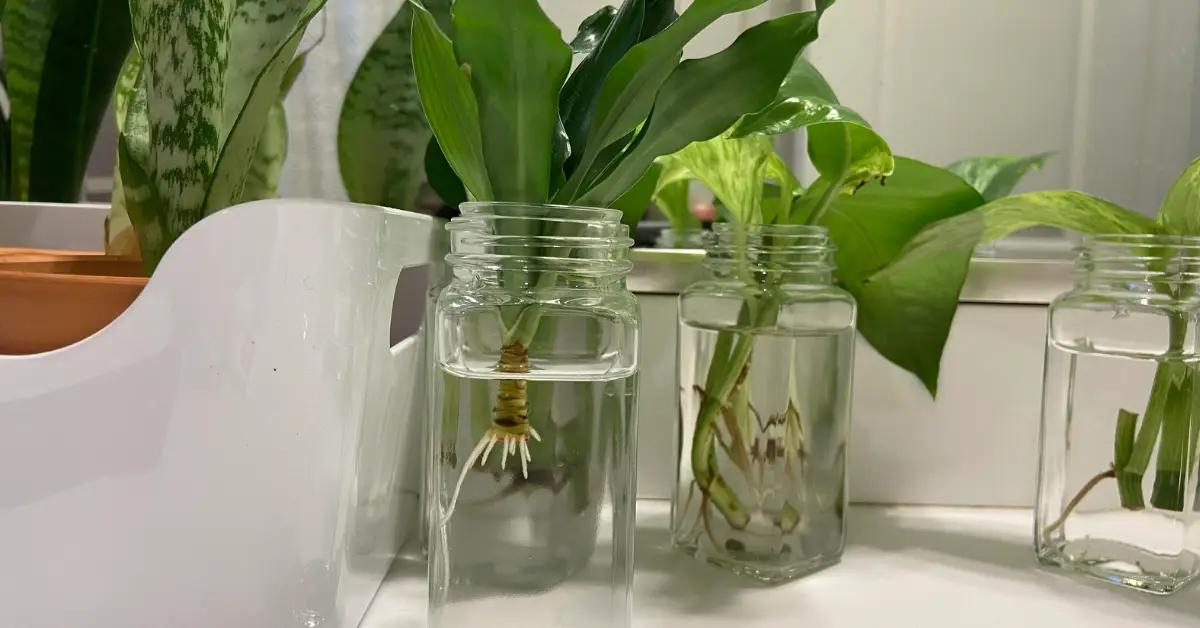
This is by far the most common reason. Dracaenas are picky about water—they don’t want too much, and they definitely don’t want to dry out completely.
- Overwatering signs: Leaves get mushy at the base, soil stays soggy, and browning spreads quickly.
- Underwatering signs: Tips turn crisp and dry, soil pulls away from the pot edges.
What works for me is the “finger test”—stick your finger about two inches into the soil. If it feels damp, wait. If it’s dry, water slowly until it drains out.
Low Humidity & Dry Indoor Air
Dracaenas are tropical plants, so when the indoor air gets dry (especially in winter with heating), the leaf tips protest first.
- Brown, crispy tips are a dead giveaway.
- You may also notice dustier, dull-looking leaves.
A simple fix is placing a tray with pebbles and water under the pot or running a small humidifier nearby. Even grouping plants together boosts humidity around them.
Fluoride or Chemicals in Tap Water
This one is sneaky, because you can do everything else right and still see browning if your tap water is high in fluoride or chlorine. Dracaenas are particularly sensitive to this.
According to the New York Botanical Garden, using distilled or filtered water can make a big difference. Personally, I’ve seen the browning almost stop after switching from tap water to rainwater I collected.
Excess Sunlight or Heat Stress
Too much direct sun can scorch the leaves, while heat from a nearby radiator or heater can dry them out faster than they can recover.
- Sunburn shows up as patches of brown right where the light hits.
- Heat stress leaves the tips crispy even if watering is consistent.
The sweet spot? Bright, indirect light—think a few feet away from a window with sheer curtains.
If you’ve faced similar sun damage on other houseplants, here’s a guide on how to save your plants from sunburn with 5 easy fixes that works for dracaenas too.
Root-Bound or Poor Soil Conditions
If your dracaena has been in the same pot for years, the roots may be circling tightly at the bottom with little room left to breathe. Compacted or old soil can also hold salts from fertiliser, which burn the roots.
- Roots poking out of the drainage holes = clear sign to repot.
- Yellowing leaves along with browning = soil and root stress.
Repotting into fresh, well-draining soil every 2–3 years keeps the plant healthier and reduces browning from the inside out.
How to Fix Brown Leaves on Dracaena (Fast & Safe Methods)
When I first noticed browning on my dracaena, I wanted quick fixes that didn’t involve complicated plant surgery. The good news? There are safe, proven ways to bring the plant back without stressing it further. Here’s what works.
Flush Soil with Distilled or Filtered Water

If your plant has been drinking tap water, salts and fluoride may have built up in the soil. The simplest reset is to flush the pot thoroughly with distilled or filtered water. Pour until water drains freely out the bottom—this helps wash away chemical residues.
- Do this once every few months as a “cleanse.”
- Switch to filtered, rain, or bottled water for regular care.
Prune Brown Leaves Correctly (Without Damaging Growth)
Cutting off brown leaves can make the plant look fresher, but you don’t want to hack off healthy tissue. Use clean, sharp scissors and trim just above the leaf node, or cut away only the brown edges in a neat curve. According to The Spruce, pruning properly won’t harm new growth and helps the plant redirect energy.
Raise Humidity with Pebble Trays or Humidifiers
If you live in a dry climate or run heating in winter, humidity is often the hidden culprit. Try these quick tricks:
- Place a tray of pebbles with water under the pot (don’t let roots sit in water).
- Group plants together to create a “mini jungle” effect.
- Use a small humidifier nearby.
Within weeks, you’ll notice softer, greener tips.
Repot if Roots Are Crowded or Soil Is Compacted
A dracaena sitting in the same soil for years eventually struggles. Roots circle the pot, and old soil holds onto salts. If you see roots poking out of drainage holes, it’s time to repot.
- Choose a pot one size bigger.
- Refresh with a well-draining indoor plant mix.
- Trim off any mushy or rotting roots before replanting.
Adjust Light Position Indoors
Dracaenas thrive in bright, indirect light. Too much sun scorches; too little leaves them weak and pale. If your plant is near a south-facing window, add a sheer curtain. For darker rooms, rotate it closer to a bright corner.
How to Stop Dracaena Leaves from Turning Brown Again
Fixing is one thing—keeping your plant green for the long run is where most people slip up. Prevention is less about constant work and more about small, consistent habits.
Watering Schedule (Soil Moisture Check, Not Calendar-Based)
Instead of watering every “X days,” stick to checking the soil. If the top two inches are dry, water slowly until it drains out. This avoids both overwatering and underwatering.
Fertiliser Caution (Avoid Excess Salts)

Dracaenas don’t need heavy feeding. Over-fertilising causes salts to build up and burn the roots. As Costa Farms explains, using a balanced houseplant fertiliser once a month in spring and summer is enough. Always dilute more than the label suggests to stay safe.
Instead of relying on heavy chemical fertilisers, you can try natural boosters like rice water. Here’s a step-by-step on how to apply rice water to your plants for faster, healthier growth without risking salt build-up in the soil.
Seasonal Adjustments (Winter vs. Summer)
Your plant doesn’t need the same care year-round.
- In summer, it may need more frequent watering as heat dries soil faster.
- In winter, growth slows, so reduce watering and keep it away from heaters or cold drafts.
Following these small habits keeps your dracaena looking lush and prevents the stress that leads to browning. With steady care, you’ll notice fewer crispy tips and more glossy new leaves.
When Brown Leaves Signal a Bigger Problem
Sometimes, brown leaves aren’t just about water or sunlight—they can be a sign of something deeper. These cases aren’t as common, but they’re important to recognise early.
Pest Infestation (Spider Mites or Disease)
Tiny pests like spider mites can suck moisture from the leaves, leaving brown speckles or webbing. Fungal spots may also spread across the foliage. Check the undersides of leaves with a magnifying glass—if you spot pests, isolate the plant and treat with neem oil or an insecticidal soap.
Sometimes pests don’t just attack leaves but also make a home in your soil. If you’ve noticed tiny ants around your dracaena, you’ll find this guide on preventing ants from nesting in your plant pots with eco-friendly tips especially useful.
Old Leaves Naturally Dying Off (Normal Aging)
Not all browning is bad. As dracaenas grow, older leaves near the base naturally turn brown and fall away. If new growth at the top looks healthy, there’s no need to worry—this is just part of the plant’s cycle.
Root Rot (Requires Full Repot + Root Trimming)
If browning spreads fast and leaves feel limp, check the roots. Mushy, dark roots mean root rot from overwatering or poor drainage. The fix is a full repot—remove damaged roots, replace the soil, and start fresh with a well-draining mix.
Simple Tools to Keep Your Dracaena Green & Glossy

You don’t need a greenhouse or fancy setup to keep dracaenas happy. A few small tools can make care easier and prevent browning from coming back.
- Moisture Meter ($10–15): No more guessing—tells you exactly when the soil needs water.
- Humidifier ($30–50): Keeps indoor air comfortable for tropical plants, especially in winter.
- Filtered/Distilled Water (~$1/gallon): Prevents fluoride and chlorine buildup that dracaenas dislike.
- Pruning Shears: Sharp, clean cuts reduce stress on the plant when removing brown leaves.
Bringing Your Dracaena Back to Life
At the end of the day, bringing your dracaena back to its glossy, healthy look doesn’t take complicated tricks—it’s about staying consistent with the basics.
- Check water: Avoid soggy or bone-dry soil.
- Fix humidity: Keep air moisture steady and avoid harsh dry heat.
- Prune & reset routine: Remove damaged leaves and refresh the plant’s care cycle.
Your dracaena isn’t just another houseplant—it’s a living reminder of how small, steady adjustments can bring life back into focus.
What about you? Have you tried switching to filtered water or adjusting your light setup to fight browning? Share your personal fixes in the comments below—I’d love to hear what worked for you.
And if you want more practical plant-care tips that actually work (without fluff), check out our full library at Plant Care Dairy.
Disclaimer: The information in this article is for general plant care guidance only. Always consider your specific growing conditions, and consult a local gardening expert if problems persist.