

When cabin fever hits and the seed packets start calling your name, it’s tempting to start everything indoors. I get it—starting seeds feels like gardening progress when the outdoor beds are still chilly. But here’s the truth: some seeds simply don’t reward the effort indoors. I’ve learned (sometimes the hard way) that smart gardeners save precious shelf space for the plants that truly need it and sow the rest directly outside at the right time.
This guide cuts through the confusion and gives you actionable, no-nonsense advice on which seeds to skip indoors during the late-winter-to-early-spring transition months. You’ll learn why certain crops don’t transplant well, how cool-loving seeds germinate better outdoors, and exactly when and how to direct-sow for strong, resilient seedlings.
Personal note: I once filled an entire shelf with pea starts, only to transplant leggy, unhappy vines that sulked for weeks. The following season, I direct-sowed as soon as the soil was workable and had the best harvest I’d ever seen. Since then, I’ve followed a simple rule—start indoors only when there’s a real advantage.
Why Some Seeds Should Skip Indoor Starts
The Science: Roots, Heat, and Timing
- Transplant-Averse Roots: Crops with long taproots (or delicate root hairs) hate disturbance. Even careful handling can stunt or fork roots, weakening yields later.
- Cool-Weather Germinators: Some seeds germinate best in cool soil—cooler than your average indoor environment. Starting them inside can actually reduce vigor.
- Space–Time Trade-Off: Big, fast-growing seedlings gobble up light and space indoors. There’s no advantage to starting them early if they establish quickly outside.
- Energy Costs and Complexity: Extra gear—fans, lights, heat mats, humidity domes—adds cost and complexity. If a seed thrives outside with minimal fuss, do that.
- Transplant Shock: Some seedlings are fine indoors but stall after transplanting. That lost momentum cancels the “head start.”
The Quick-Glance 12 to Direct-Sow Instead
- Carrots: Taproots deform when transplanted; sow as soon as soil hits about 45°F. For a detailed list of seeds that shouldn’t be started indoors, see Gardenary’s guide.
- Beets: Root development slows with disturbance; plant early in workable soil.
- Spinach: Loves cold; bolts in heat. Start outside very early.
- Peas: Germinate fast and dislike root disturbance; direct-sow for sturdy vines.
- Sunflowers: Grow fast and dislike cramped roots; sow after frost in warming soil.
- Butterfly Weed (Milkweed): Long taproot; best sown where it will live.
- Delphinium: Fussy stratification and long indoor grow time; not worth the real estate for most home growers.
- Poppies: Hate transplanting; scatter and barely cover.
- Lavender: Slow, stratification-heavy; cuttings are easier and faster.
- Blue Flax: Taprooted; broadcast in place for easy, natural stands.
- Columbine: Long stratification; direct-sow and let self-sowing do the rest.
- Lupine: Dislikes transplanting; sow in fall or winter for cold stratification.
When You Can Bend the Rules Indoors
- Use Biodegradable Cells or Soil Blocks: If you must start a tricky crop, plant it in a block or peat/coir pot that goes straight into the ground to minimize root disturbance. Learn more about indoor vs outdoor sowing strategies in this Whole New Mom article.
- Chill Out (Literally): For seeds that need cold exposure (stratification), a refrigerator period can work—just plan for weeks to months. See our guide on starting seeds under grow lights for tips on controlled indoor germination.
- Leverage Raised Beds: Raised beds warm earlier than ground-level soil, letting you direct-sow weeks sooner in late winter or early spring.
- Mind Soil Temperature: An instant-read soil thermometer beats the calendar. Plant when temps are right for the seed, not just when you’re eager.
- Prioritize Indoor Space: Save lights and shelves for slow, heat-loving crops that truly need a head start—tomatoes, peppers, brassicas, and melons. For example, here’s a guide on starting hot pepper seeds in December.
Root Crops That Resent Transplanting

Carrots (Daucus carota subsp. sativus)
Carrots are all about the taproot. Any jostling during transplanting can fork, stunt, or twist that root—and no one wants a gnarled harvest. That’s why I always direct-sow carrots once the soil reaches about 45°F.
- When to Sow: Early spring as soon as the soil can be worked and has warmed slightly.
- How to Sow: Prepare a loose, clump-free bed. Sow shallowly, cover with 1/4–1/2 inch of fine soil, and keep evenly moist for 2–3 weeks until germination.
- Zones: Generally reliable in USDA 2–11.
- Pro Tip: Mix seeds with sand for easier even spacing; thin promptly to prevent crowding.
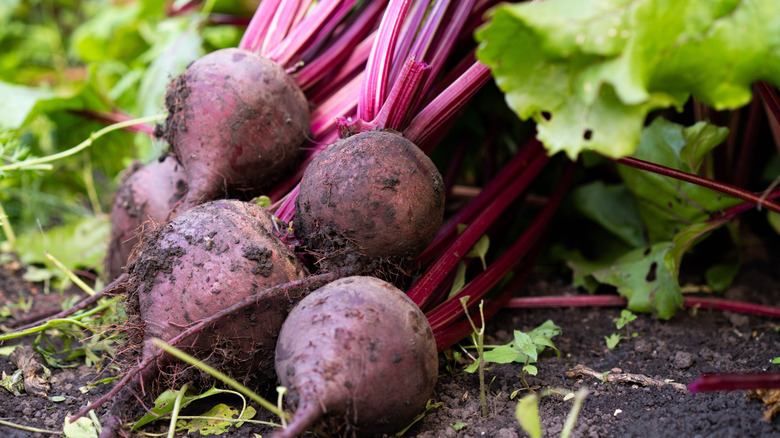
Beets (Beta vulgaris, Garden Beet Group)
Beets are often called the cousin of carrots for a reason—root quality takes a hit if you disturb them. They’re cool-season champs and reward early direct-sowing.
- When to Sow: As soon as soil is workable in early spring.
- How to Sow: Plant seeds 1/2 inch deep, 3 inches apart in rich, organic soil; keep moist through emergence.
- Zones: Performs across USDA 2–11.
- Pro Tip: Beet seeds are actually seed clusters; thin to a single plant per station for better roots.
Cool-Season Sprinters Better Sown Cold

Spinach (Spinacia oleracea)
Spinach loves cold and laughs at light frosts—sometimes even thriving when nights dip near 20°F. Indoors, it gets leggy fast and then bolts when the indoor-to-outdoor transition meets spring heat.
- When to Sow: Very early spring, as soon as the soil is workable; the earlier, the better.
- How to Sow: Direct-sow seeds 1/2 inch deep and roughly 2 inches apart; cover with another 1/2 inch of soil and keep evenly moist.
- Zones: Widely adaptable in USDA 2–11.
- Pro Tip: Choose bolt-resistant varieties for longer harvests as temperatures warm.

Peas (Garden Peas, Snap, and Snow)
Peas germinate quickly in cool soils and hate root disturbance. Indoor starts often stretch for light, then sulk after transplant. Direct-sowing delivers sturdier plants and earlier flowers.
- When to Sow: 4–6 weeks before last frost in many regions, as soon as the soil can be worked.
- How to Sow: Plant 1 inch deep in rich, well-drained soil; trellis immediately to prevent breakage.
- Zones: Well-suited across USDA 2–11.
- Pro Tip: In tight spaces, sow a new short row every 10–14 days for a longer picking window.
Big Annuals and Self-Sowers That Prefer Direct Sun and Soil

Sunflowers (Helianthus annuus)
Sunflowers are vigorous, fast growers with roots that like room to run. Indoors, they outgrow cells quickly and resent transplanting. Outside, they rocket upward once the soil warms.
- When to Sow: After danger of frost when soil is at least 50°F.
- How to Sow: Plant seeds 1–1 1/2 inches deep, spacing 6 inches (more for tall giants). Stake tall varieties early.
- Zones: Widely grown in USDA 2–11.
- Pro Tip: Succession-sow every 2–3 weeks for continuous blooms into late summer.

Poppies (Papaver spp. and Eschscholzia californica)
Poppies dislike transplanting and perform best when scattered where they’ll grow. Depending on type—corn poppies, oriental poppies, or California poppies—you’ll find them remarkably easy once you stop potting them up inside.
- When to Sow: Direct-sow in late winter or early spring; some regions can surface-sow in late fall for natural stratification.
- How to Sow: Press seeds onto the surface and barely cover, or simply firm them into the soil; ensure sharp drainage.
- Zones: Varies by species (commonly 3–10 for annual corn poppies, 3–7 for oriental, 6–10 for California poppies).
- Pro Tip: Allow seed heads to mature and self-sow for care-free, naturalized drifts year after year.
Taprooted Natives and Perennials That Hate Disturbance

Butterfly Weed (Asclepias tuberosa)
Butterfly weed—a type of milkweed—has a long, brittle taproot that loathes transplanting. It’s a pollinator magnet for monarchs, bees, and hummingbirds, so plant it where it can settle in and stay.
- When to Sow: Direct-sow in fall or very early spring; light chill can improve germination.
- How to Sow: Sow on top of moist, well-draining soil and cover with about 1/4 inch of soil.
- Zones: Hardy in USDA 3–9.
- Pro Tip: Let plants self-sow to form a natural patch; choose a sunny, open site.

Blue Flax (Linum lewisii)
Blue flax also grows a deep taproot and detests being moved. Fortunately, it’s one of the easiest natives to establish by direct sowing.
- When to Sow: Early spring—even before last frost in many areas.
- How to Sow: Rake a patch of average, well-drained soil; broadcast seed; lightly rake again; then press seeds in by walking the area and water well.
- Zones: Hardy in USDA 4–8.
- Pro Tip: Let established plants self-sow for a soft, meadowy look with minimal upkeep.

Lupine (Lupinus perennis)
Lupine is a short-lived perennial that self-sows generously from mature stands. Since it also dislikes transplanting, your best bet is to let the plant do the work.
- When to Sow: Fall or winter to naturally cold-stratify the seed outdoors.
- How to Sow: Cast onto loose, well-drained soil and cover with about 1/8 inch of soil.
- Zones: Hardy in USDA 3–8.
- Pro Tip: If starting from saved seed, scarify gently (nick the coat) to speed uniform germination.
Fussy or Slow Indoors: Save Your Shelf Space

Delphinium (Delphinium elatum)
Delphiniums can be grown indoors, but they’re high-maintenance: a cold chill (about a week of stratification), then 8–10 weeks under lights before hardening off. For more seeds that don’t reward indoor starting, check The Spruce guide. I’ve done it, and unless you love a challenge, nursery starts are the stress-free route.
- When to Sow: If trying at home, late winter with refrigeration first; otherwise purchase young plants in spring.
- How to Sow: Start in a cool room; maintain even moisture and strong light, then harden off gradually.
- Zones: Short-lived perennials for USDA 3–7.
- Pro Tip: Stake early and protect from wind; keep crowns cool and well-drained.

Lavender (Lavandula spp.)
Lavender is a long-lived perennial that’s painfully slow from seed. Expect 3–4 weeks of refrigerator time, then up to 3 months from sowing to transplant-ready seedlings—only to find that cuttings are faster and more reliable.
- When to Sow: Late winter to early spring if starting from seed; otherwise, take softwood cuttings in late spring or summer.
- How to Sow: Provide strong light and excellent drainage; transplant after last frost.
- Zones: Typically hardy in USDA 5–9 depending on species.
- Pro Tip: To multiply a favorite plant, root cuttings in a gritty mix—quicker and true-to-type.
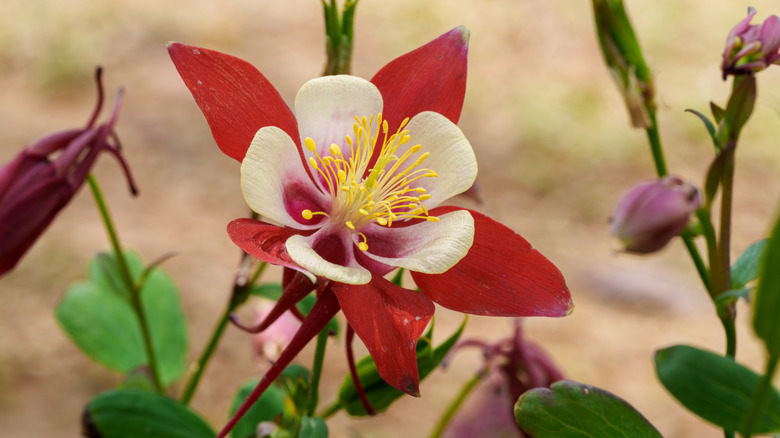
Columbine (Aquilegia canadensis)
Columbine is wonderfully easy once established, but getting there from seed indoors involves four months of cold stratification, then 3–4 weeks of germination under lights, plus another few weeks of growth. I’d rather let nature handle that timeline outside.
- When to Sow: Direct-sow in fall or very early spring.
- How to Sow: Surface-sow or barely cover in a partly shaded area with well-drained soil; keep moist until established.
- Zones: Hardy in USDA 3–8.
- Pro Tip: Allow self-sowing to create a natural, woodland look—thin seedlings if they crowd pathways.
Summary, Next Steps, and Smart Gardening Mindset
Quick Reference Table
| Plant | Start Indoors? | Best Move | Target Timing | Notes |
|---|---|---|---|---|
| Carrots | No | Direct-sow | Soil ~45°F | Loose soil; keep moist 2–3 weeks |
| Beets | No | Direct-sow | As soon as soil is workable | 1/2″ deep; thin clusters |
| Spinach | No | Direct-sow | Very early spring | Tolerates ~20°F; bolts in heat |
| Peas | No | Direct-sow | 4–6 weeks before last frost | 1″ deep; trellis early |
| Sunflowers | No | Direct-sow | After frost, soil ≥50°F | Stake tall types; fast growers |
| Butterfly Weed | No | Direct-sow | Fall or very early spring | 1/4″ cover; taprooted |
| Delphinium | Rarely worth it | Buy starts or chill + long indoor grow | Late winter if from seed | 8–10 weeks under lights |
| Poppies | No | Direct-sow | Late winter to early spring | Barely cover; self-sows |
| Lavender | Not ideal | Propagate by cuttings | Cuttings in late spring/summer | Seed is slow; needs chilling |
| Blue Flax | No | Direct-sow | Early spring | Broadcast; press in; easy self-sower |
| Columbine | Not worth indoor space | Direct-sow and let self-sow | Fall or very early spring | Long stratification if indoors |
| Lupine | No | Direct-sow | Fall/winter | Hates transplanting; scarify seed |
Actionable Checklist
- 1. Sort Your Seeds: Prioritize indoor space for true heat-lovers (tomatoes, peppers, brassicas, melons). Set aside the 12 crops above for direct sowing. For step-by-step instructions, check out how to start vegetable seeds in December.
- 2. Check Soil Temperature: Use a soil thermometer. Don’t sow by calendar alone—aim for the specific temps listed above.
- 3. Prep Beds Early: Rake out clumps, amend with compost, and ensure excellent drainage for early sowings.
- 4. Use Raised Beds: They warm faster, letting you safely sow cool-season seeds earlier in late winter to early spring.
- 5. Sow Shallow and Keep Moist: Early seeds need consistent surface moisture until germination—mulch with a thin layer of vermiculite or use row cover to hold humidity.
- 6. Thin Promptly: For carrots and beets, thin seedlings to prevent crowding and ensure straight, healthy roots.
- 7. Let the Self-Sowers Self-Sow: Poppies, columbine, blue flax, and lupine reward a hands-off approach—just mark the spots and avoid over-mulching.
- 8. Save Time with Cuttings: For lavender, take softwood cuttings instead of fussing with slow seed.
Final Thought
I’ve found that the smartest gardeners aren’t doing more indoors—they’re doing the right things at the right time. Skip starting these 12 seeds inside, sow them outdoors with intention, and you’ll gain stronger plants, better harvests, and more space under your grow lights for the crops that truly benefit.
Have questions or a success story to share? Join the conversation at Plant Care Dairy—I’d love to hear what you’re sowing and when. Drop your tips and trials in the comments so we can learn together.
Disclaimer: This article is for educational purposes only. Always consider your local climate, microclimate, and USDA hardiness zone, and follow all applicable guidelines. Growing conditions vary widely; consult your local extension service or a trusted nursery for region-specific advice.