

If you’ve heard that the cloudy liquid left after rinsing or boiling rice can supercharge pepper plants, you’re not alone. There’s a lot of buzz—and a lot of confusion—around rice water. My goal here is to cut through the noise and give you clear, actionable guidance so you can decide when and how to use it without risking your plants.
By the end, you’ll know which type of rice water to try, how to dilute and apply it, how often to use it, and what to avoid. I’ll also share a practical checklist and a quick-reference table so you can move from curiosity to confident action in just a few minutes.
I’ll be honest: the first time I tried rice water, I poured it (undiluted!) on a container jalapeño. It looked cheerful for a week, then the soil crusted over, and fungus gnats threw a party. Lesson learned. Since then, I’ve refined a simple, safe routine that keeps peppers happy without attracting pests or creating soggy, sour soil.
Why Rice Water Works For Pepper Plants
Small Doses Of NPK That Support Growth
Rice water isn’t a full-strength fertilizer, but it does contain trace amounts of nitrogen, phosphorus, and potassium (N-P-K). These nutrients help peppers push healthy foliage, build robust roots, and set more blooms. Think of rice water as a gentle supplement—useful, but not a replacement for a balanced pepper fertilizer during peak growth and fruiting. For a deeper dive into how rice water can act as a gentle nutrient boost for various plants, check out this detailed guide on rice water for plants.
- Nitrogen (N): Supports leafy growth so plants can photosynthesize efficiently.
- Phosphorus (P): Encourages root development and flower formation—key for strong fruit set.
- Potassium (K): Improves stress tolerance and overall plant vigor.
Starch As Microbial Fuel And Soil Loosener
The cloudiness you see in rice water is largely starch, a complex carbohydrate that feeds beneficial soil microbes. As microbes digest starch, they help loosen compacted soil, improving aeration and water uptake. This can translate into perkier leaves and steadier growth, especially in container-grown peppers where soil can pack down over time.
- Microbial boost: More microbe activity can make nutrients more available to pepper roots.
- Improved texture: Looser media helps roots expand and prevents waterlogging.
- Gentle energy source: As starch breaks down, it can be absorbed in small amounts by roots.
Micronutrients That Boost Resilience
Beyond N-P-K, rice water can carry micronutrients like iron, magnesium, and calcium. Peppers rely on these for chlorophyll production, strong cell walls, and enzyme function. Micronutrient support often shows up as richer leaf color and steadier flowering when other conditions (light, warmth, moisture) are already optimized.
- Iron: Helps prevent interveinal chlorosis in new leaves.
- Magnesium: Central to chlorophyll—vital for deep green foliage.
- Calcium: Reinforces cell walls and can support blossom-end integrity.
Types Of Rice Water To Use On Pepper Plants

Washed Rice Water: Quick And Easy
This is the first rinse (or two) when you wash raw rice to remove surface starch, dust, and residues. It’s the fastest option and typically the most gentle, making it a smart choice for beginners or sensitive, container-grown peppers. According to experts, rice water can be a safe and effective kitchen fertilizer for peppers when properly prepared and diluted.
- How to make: Rinse uncooked rice with clean water, swish 20–30 seconds, and collect the cloudy liquid.
- Best use: Light soil drench around the drip line, or a fine foliar mist on lackluster leaves.
- Caution: Always avoid highly chlorinated water and never use rice water that touched soap.
Boiled Rice Water: Slightly Richer, No Salt
Boiling rice pulls a bit more nutrients and starch into the water. It’s still mild but richer than the rinse water. Do not add salt, oil, or seasonings—those can harm roots and soil life.
- How to make: Simmer rice in roughly 2 cups water per 1/2 cup rice. When the water turns cloudy, strain and cool completely.
- Dilution: Start 1:1 with clean water for soil drench; avoid undiluted use on small containers.
- Caution: Let it cool to room temp; hot liquids can shock or damage roots.
Fermented Rice Water: Microbe-Rich, Use Diluted
Fermented rice water can harbor beneficial bacteria and yeasts that further support soil biology. It’s potent, so reserve it for established plants and apply sparingly.
- How to make: Add a tablespoon or two of cooked or raw rice to a jar of water, cover loosely, and store in a dark spot for 7–14 days.
- Signs it’s ready: Slightly sour, yeasty aroma; gentle fizz is normal. Strong rotten odors mean discard. If you’re curious about the science behind fermented rice water and its microbial benefits, this article explains how and why it works on plants.
- Dilution: Mix at least 1 part fermented rice water to 2 parts clean water before use.
- Caution: Avoid foliar spraying fermented batches—use as a soil-only drench to limit leaf issues.
How To Use Rice Water As A Natural Liquid Fertilizer
Soil Drench Vs. Foliar Mist
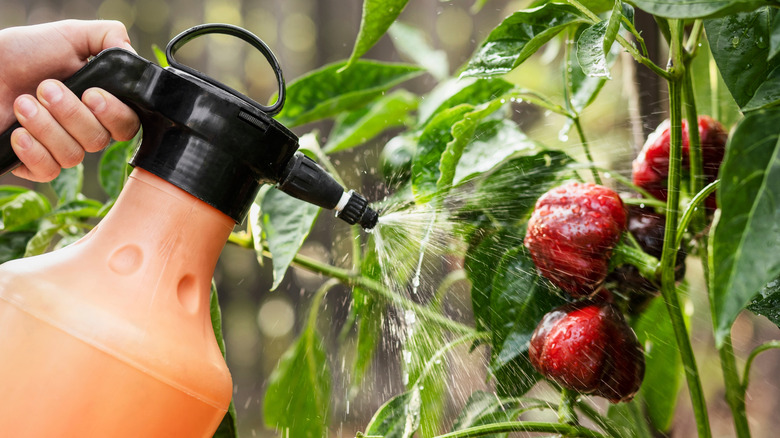
In most cases, I prefer a soil drench—it feeds microbes and delivers nutrients at the root zone, where peppers need them most. Foliar misting is optional and more cosmetic; if you do it, strain thoroughly and test on a few leaves first.
- Soil drench: Slowly pour around the base until the top 2–3 inches are evenly moist, avoiding standing water.
- Foliar mist: Use a fine spray, early morning, and keep leaves out of harsh sun until dry to prevent spotting.
- Container note: Ensure excess liquid can drain freely to prevent root rot.
Dilution And Frequency That Keep Plants Safe
Because starch can build up, it’s smarter to start light and adjust as your peppers respond. A conservative schedule keeps soil sweet and pest pressure low.
- Washed water: Often fine at full strength for soil drench; dilute 1:1 for foliar use.
- Boiled water: Dilute 1:1 with clean water to reduce starch load.
- Fermented water: Dilute at least 1:2 (one part fermented to two parts clean water).
- Frequency: Begin with once per month; increase to every 2–3 weeks only if plants look vigorous and soil stays fresh-smelling.
Timing And Conditions For Best Results
Peppers reward consistency. The right timing and conditions help rice water shine without side effects. If you’re looking for advice on how to manage light conditions for indoor plants, you can explore how to keep peperomia happy on low-light bookshelves.
- When to apply: Early morning on a mild day; avoid heat waves and waterlogged soil.
- Before you pour: If soil is bone dry, pre-water lightly so the solution spreads evenly instead of channeling.
- During bloom/fruit set: Keep rice water supplemental—use a balanced fertilizer as your main feed.
7 Essential Tips For Pepper-Perfect Rice Water Use
Before You Start
Do a quick plant check: Are the leaves firm, the soil fresh-smelling, and drainage good? If anything seems off, fix those basics first; rice water won’t compensate for poor light, compacted soil, or chronic overwatering. For tips on avoiding incompatible plant pairings in containers, see our guide on why you shouldn’t plant rosemary with cucumbers.
The 7 Essential Tips
- Use Unsalted, Unseasoned Water Only: Salt, oil, butter, and spices can burn roots and disrupt soil microbes. Collect rice water only before you season the pot.
- Strain Thoroughly To Prevent Clogging: Run the liquid through a fine sieve or coffee filter so starch clumps don’t seal the soil surface in containers.
- Always Dilute Fermented Batches: A 1:2 dilution (fermented:water) is a safe starting point for established peppers. Too strong can sour the soil and invite gnats.
- Start Monthly And Observe: Apply once per month, then watch for greener foliage, steady bud formation, and a healthy, earthy soil smell before increasing frequency.
- Alternate With Plain Water And Balanced Feed: Rice water is a supplement. Rotate with your regular watering and a complete fertilizer to cover all macro- and micronutrient needs.
- Keep It Fresh—Store Briefly: Use within 24 hours (refrigerated up to 48). If it smells rotten or looks slimy, discard it—it’s not worth the risk.
- Stop At The First Sign Of Trouble: If you notice sour odors, sticky soil, gnat activity, or yellowing leaves, pause rice water and flush the pot with clean water.
Aftercare And Monitoring
Healthy peppers have upright, turgid leaves, a faintly earthy soil aroma, and new growth at the tips. If the surface looks crusty or you see algae, scrape gently, aerate with a chopstick, and top-dress with fresh mix or compost before resuming.
- Visual cues: Look for steady flower buds, shiny foliage, and firm fruit set.
- Soil health: Keep media airy with coarse perlite or pine bark; rice water performs best in well-drained mixes. For additional guidance on growing small plants indoors in containers, check out our step-by-step tips on how to grow cress indoors.
- Recordkeeping: Jot dates and plant responses so you can fine-tune timing for your climate and variety.
Troubleshooting And Safety
Signs Of Overuse Or Imbalance
Rice water is mild, but overuse can cause headaches. The most common issues are anaerobic smells and a sticky soil surface that repels water.
- What you’ll see: Sour or rotten odors, fungus gnats, wilting despite moist soil, or a pale, crusty film.
- Quick fix: Flush thoroughly with clean water, let the pot drain fully, and allow the top inch to dry before the next watering.
- Reset strategy: Gently loosen the top layer, add fresh mix, and resume with washed rice water only, less often.
Pest And Microbe Management
Because starch is food, it can draw opportunistic organisms if conditions are too wet. Good hygiene prevents most problems.
- Dry-down rhythm: Let the top inch dry between waterings to discourage gnats.
- Physical controls: Use yellow sticky traps, a thin sand or diatomaceous earth top-dress, and bottom watering when possible.
- Biological aids: Consider Bacillus thuringiensis israelensis (BTI) for larvae if gnats persist.
When To Skip Rice Water
Sometimes, it’s better to wait or choose a different approach. Rice water shines when plants are already set up for success.
- Young seedlings: Hold off until peppers have 3–4 true leaves and are established.
- Waterlogged or compacted soil: Fix drainage first; rice water won’t solve oxygen issues.
- Active disease or pest outbreaks: Prioritize treatment; avoid foliar sprays during bacterial or fungal leaf problems.
- Heavily salted cooking water: Never use rice water that contains salt or flavorings.
Conclusion, Checklist, And Summary
Key Takeaways
Rice water can be a helpful, low-cost supplement for pepper plants when used thoughtfully. It offers small amounts of N-P-K, a starch-fueled microbial nudge, and useful micronutrients. Start light, dilute wisely—especially with fermented batches—and watch your plants and soil for feedback. That “listen and adjust” mindset is the heart of smart gardening.
Quick Checklist
- Choose your type: Washed (gentle), boiled (richer, dilute 1:1), fermented (microbial, dilute 1:2).
- Keep it clean: No salt, oil, soap, or seasoning—ever.
- Apply correctly: Prefer soil drenches; use fine foliar mists sparingly and only with strained, diluted liquid.
- Schedule: Begin monthly; increase only if plants thrive and soil stays fresh.
- Store short-term: Use within 24–48 hours; discard if odors turn sour.
- Stop at warning signs: Gnats, sour smell, crusty surface, or yellowing leaves.
Summary Table
| Rice Water Type | How To Make | Dilution | Best For | Frequency | Watch Outs |
|---|---|---|---|---|---|
| Washed | Rinse raw rice 20–30 sec; collect cloudy water | Full strength soil; 1:1 for foliar | Beginners, containers, routine boosts | Monthly to every 3 weeks | Avoid soap residue; strain for misters |
| Boiled | Simmer rice in 2:0.5 water:rice; strain, cool | 1:1 with clean water | Established peppers needing a richer nudge | Monthly | Never salted; avoid hot application |
| Fermented | Rice + water in jar; 7–14 days in the dark | 1:2 (fermented:water) minimum | Soil biology boost for mature plants | Every 4–6 weeks | Soil-only; discard if rotten smell develops |
Join The Conversation
I’d love to hear how your peppers respond. Share your results and tweaks in the comments over at Plant Care Dairy—your experience could help another gardener nail their next harvest.
Disclaimer: This article is for educational purposes only. Results vary with variables like variety, climate, potting mix, and watering habits. Always test new practices on a small scale first, and consult local extension resources or a horticulture professional for region-specific advice.