
The first time I heard someone complain about ragweed, I thought they were exaggerating. “It’s just a weed,” I remember saying. But then August rolled around, and I learned the hard way. My nose wouldn’t stop running, my eyes itched like crazy, and every walk outside felt like stepping into a pollen storm. That’s when I realized ragweed isn’t just another plant in the background—it’s one of the biggest culprits behind seasonal allergies.
If you’ve ever wondered why late summer makes you sneeze nonstop, ragweed could be the reason. The tricky part is that it doesn’t look dramatic. It hides in plain sight along roadsides, empty lots, and even backyard corners. By the time you notice those tiny green flowers, the air is already thick with pollen.
In this guide, I’ll show you how to spot ragweed before it takes over your season. You’ll learn the features that set it apart from other plants, the times of year when it’s at its worst, and a few tricks to keep it from wrecking your days.
Have you ever noticed your allergies spike right around August?
Why Ragweed Matters for Allergy Sufferers?
If you live in North America or parts of Europe, chances are you’ve crossed paths with ragweed—even if you didn’t realise it at the time. For millions of people, this plant is the number one trigger of late-summer allergies. I still remember the first time I connected my constant sneezing to ragweed pollen—it felt like the missing piece of a puzzle I’d been struggling with for years.
The problem is that ragweed doesn’t just release a little pollen. A single plant can produce up to a billion grains in one season, and because the particles are so light, they can travel for miles on the wind. That means even if you don’t see ragweed in your yard, you could still be breathing it in every day. According to the Asthma and Allergy Foundation of America, nearly 23 million Americans deal with ragweed-related symptoms each year.
What does this mean for you? If you start sneezing, coughing, or waking up with itchy eyes every August or September, ragweed might be the culprit. Recognizing the plant is the first step to protecting yourself.
Key Features of Common Ragweed (Ambrosia artemisiifolia)
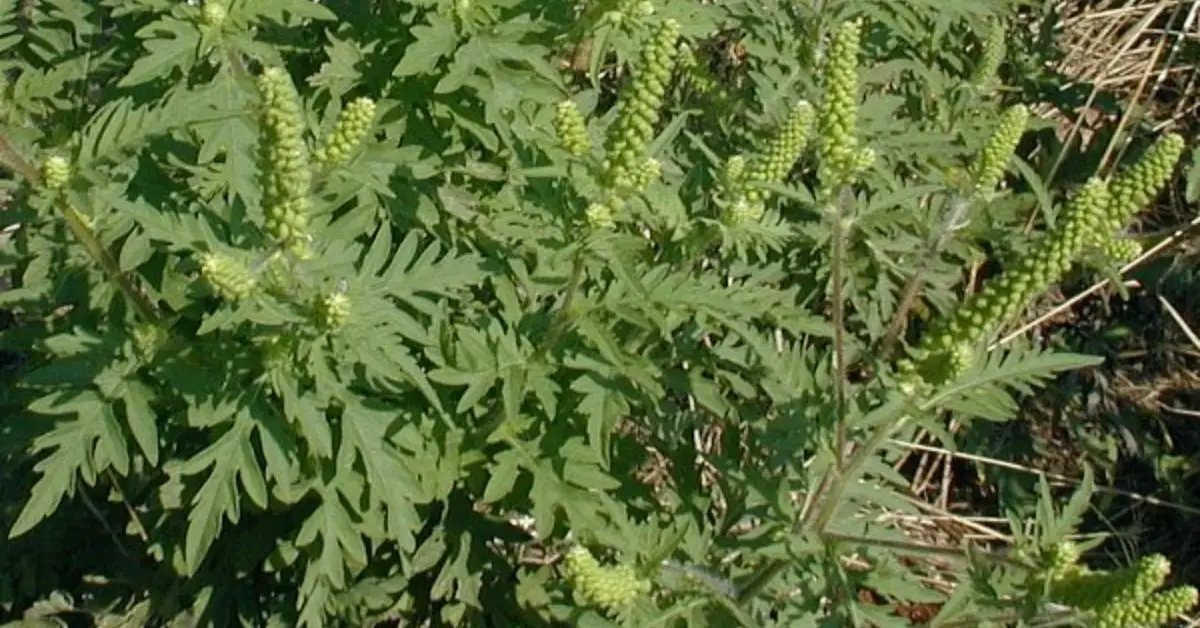
Now let’s break down how to actually spot this plant. Once you know what to look for, you’ll start noticing it everywhere.
Leaf Shape and Texture
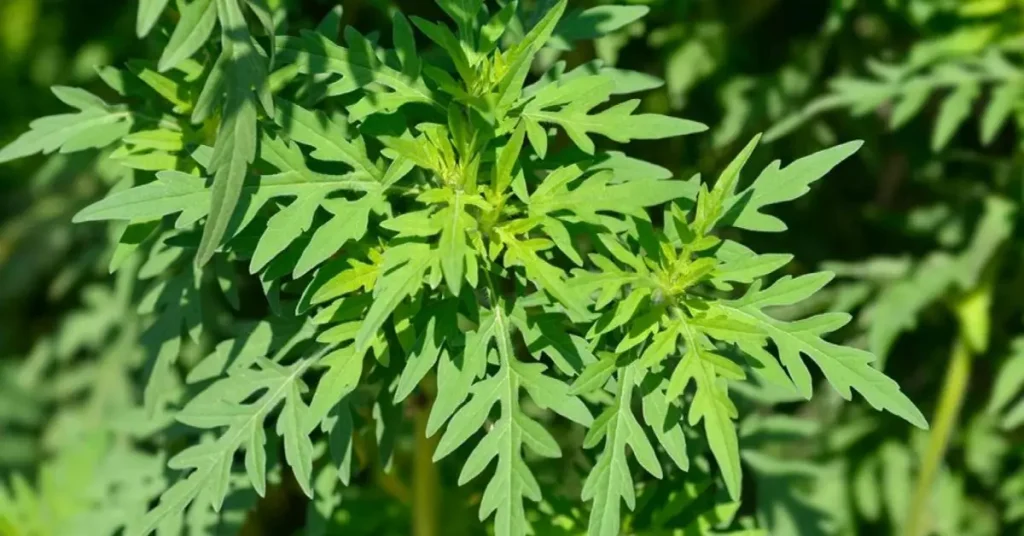
- Deeply lobed and fern-like, almost delicate in appearance.
- Bright to medium green, sometimes with a slightly fuzzy feel.
- Grows in alternating patterns along the stem.
If you’ve ever mistaken ragweed for a harmless wildflower, the leaves are your biggest clue—they look feathery and divided, unlike smooth-edged plants.
Stems and Height
- Typically rough and hairy to the touch.
- Can grow anywhere between 1 to 5 feet tall, depending on soil and conditions.
- Often appears in clusters, giving the impression of a patch rather than a single plant.
When you brush past it, the stem doesn’t feel smooth—it’s almost gritty. That’s another easy way to tell.
Flowers and Pollen Release
- Tiny greenish-yellow clusters that don’t look like typical “flowers.”
- Found at the tops of stems and branches.
- Late summer peak (August–October), when pollen is at its highest.
Don’t expect bright petals—ragweed flowers are modest, almost invisible. But by the time they appear, the air is already thick with pollen.
How to Tell Ragweed Apart from Similar Plants?
One of the biggest challenges I faced when trying to identify ragweed was that it often gets confused with other plants. At first glance, goldenrod, mugwort, and giant ragweed can look similar, but there are clear differences once you know what to look for. If you’ve ever wondered why your allergies flare up when you’re sure you only saw “pretty yellow flowers,” this is where the confusion starts.
Here’s a side-by-side breakdown that makes it easier to tell them apart:
| Plant | Key Features | How It Differs from Common Ragweed |
|---|---|---|
| Common Ragweed | Green, deeply lobed leaves; rough, hairy stems; small, greenish-yellow flower clusters | Doesn’t have bright flowers; pollen is invisible but highly allergenic |
| Goldenrod | Tall with bright yellow flowers in clusters; smooth-edged leaves | Looks dramatic, but not a major allergy trigger; often wrongly blamed for ragweed symptoms |
| Mugwort | Gray-green leaves, white underside, strong herbal smell when crushed | Leaves less divided than ragweed; flowers more elongated |
| Giant Ragweed | Grows 6–12 feet tall, leaves with 3–5 large lobes | Much taller than common ragweed, but still produces large amounts of pollen |
Goldenrod often steals the blame because of its showy yellow flowers, but the truth is ragweed does the real damage. Spotting these differences makes it easier for you to manage allergies effectively.
Where Ragweed Usually Grows
Once you learn how to recognize ragweed, the next step is knowing where it tends to thrive. This plant loves disturbed soil, which is why you’ll often spot it:
- Along roadsides and highways
- In vacant lots and construction sites
- Around farm edges and open fields
- In yards that aren’t well-maintained
Geographically, ragweed is widespread across the United States, Canada, and much of Europe. Even if you live in a city, don’t assume you’re safe. Ragweed has a way of finding little cracks in sidewalks, railway tracks, or any bare patch of earth to grow.
The takeaway is simple: if you know where to look, you’ll catch it before it flowers and floods the air with pollen.
Seasonal Timeline of Ragweed Growth
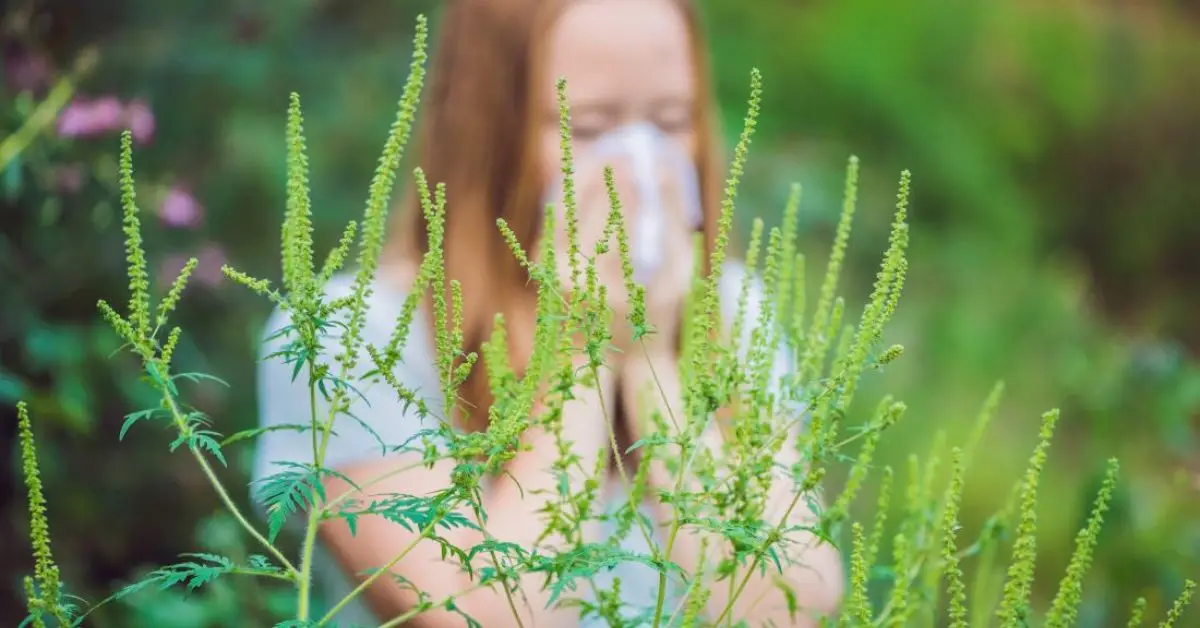
Timing is everything when it comes to ragweed. If you understand its life cycle, you can predict when your symptoms are most likely to flare up.
- Spring: Seeds germinate when soil warms.
- Summer: Plants grow quickly, reaching full height by mid-summer.
- Late Summer to Early Fall (August–October): Flowering begins, pollen levels peak.
- First Frost: Plants die back, ending the pollen season.
According to the American College of Allergy, Asthma & Immunology, ragweed pollen season usually peaks in mid-September and affects about 25 million people in the U.S. each year.
For you, that means if late August rolls in and your allergies suddenly get worse, you’re probably dealing with ragweed. Knowing the timeline helps you prepare with medication, air filters, or simply planning outdoor activities more carefully.
Allergic Reactions and Health Risks
If you’ve ever woken up in late summer with watery eyes, a scratchy throat, or that endless cycle of sneezing, ragweed could be the culprit. For many people, it’s not just a mild nuisance—it’s a serious trigger that can throw off daily life.
The most common symptoms include:
- Constant sneezing and runny nose
- Itchy or watery eyes
- Scratchy throat and coughing
- Worsening of asthma symptoms, like wheezing or shortness of breath
What makes ragweed particularly challenging is how widespread it is. According to the Centers for Disease Control and Prevention, ragweed pollen affects nearly 23 million Americans every year. Even if you don’t see the plant nearby, its lightweight pollen can drift for miles, which explains why people feel miserable even in urban areas with little greenery.
For you, that means the symptoms aren’t “just allergies”—they’re a predictable reaction to one of the most common seasonal triggers in the U.S. and Europe.
Tips for Managing Ragweed Around Your Home
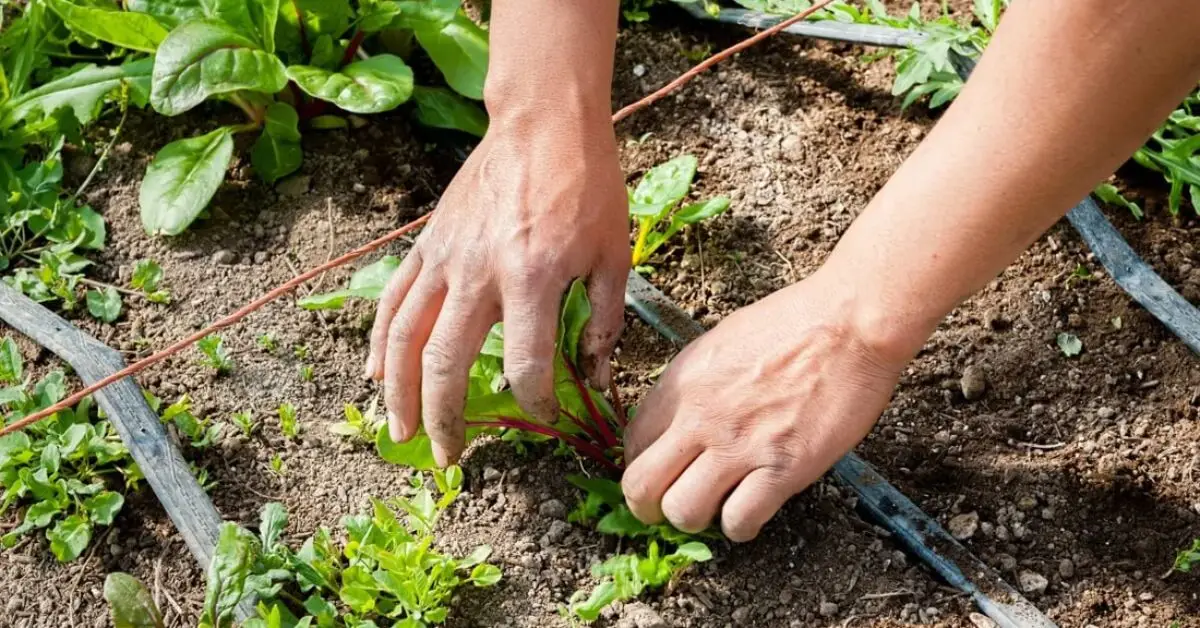
Knowing how to identify ragweed is only half the battle. The next step is keeping it under control so it doesn’t overtake your yard or contribute to your allergy flare-ups. From my own experience, a few simple steps make a huge difference.
- Remove it early: The best time to pull ragweed is before it flowers, ideally in late spring or early summer. Once it starts producing pollen, it’s much harder to control. Just like ragweed, other pests can quietly take over your garden if you don’t act early. For example, here’s how you can get rid of fungus gnats without harming your plants or pets.
- Wear protection: Always use gloves and a mask when handling ragweed. This protects your skin and keeps you from inhaling pollen during removal.
- Mow regularly: Cutting down ragweed before it sets seeds helps prevent it from spreading across your yard or nearby spaces.
- Think preventive landscaping: Planting dense ground cover or maintaining a healthy lawn makes it harder for ragweed to take root in the first place. If you’re dealing with garden pests along with ragweed, you may also want to learn how to effectively get rid of spider mites without chemicals.
These steps may sound small, but they go a long way toward reducing how much ragweed pollen ends up in your environment. And if you’re already struggling with allergies, every bit of prevention counts.
Key Takeaways for Quick Ragweed Identification
When it comes to spotting ragweed quickly, here are the main points to keep in mind:
- Leaves: Deeply lobed, fern-like, and medium green.
- Stems: Rough, hairy, and often clustered together.
- Flowers: Small greenish-yellow clusters, not showy or colorful.
- Height: Typically 1–5 feet tall, though giant ragweed can reach much higher.
- Season: Germinates in spring, flowers in late summer, pollen season peaks from August to October.
If you stay alert to these signs, especially during late summer, you’ll be better prepared to spot ragweed before it impacts your health. And if you want an extra layer of protection in your garden, check out how to use hydrogen peroxide on plants for pest-free gardens.
What about you—have you noticed ragweed growing near your home or affecting your allergies? Share your experience in the comments below, and for more practical plant care guides, tips, and seasonal advice, visit Plant Care Dairy.
Disclaimer: This guide is for educational purposes only. It should not be taken as medical advice. If you’re experiencing severe allergy symptoms or asthma flare-ups, consult a qualified healthcare professional for proper diagnosis and treatment.