

I knew I had a rat problem the morning I saw a neat little tunnel opening beside my beans. The soil was hollowed, the stems were nibbled, and my compost bin suddenly felt like an open buffet. I tried the usual “quick fixes” — a spray here, a gadget there — and the rats simply adjusted their route.
What finally worked wasn’t a single trick. It was a simple, layered plan: clean up what attracts them, block how they enter, use proven smells and placements to push them out, and only then deploy traps safely and precisely. No panic. No guesswork. Just steps that build on each other.
In this guide, I’ll show you how to read the signs, remove food and water sources you don’t realise you’re offering, seal the gaps they love, and use deterrents that have real backing — not just garden lore. If traps are needed, we’ll do it in a way that protects kids, pets, birds, and your soil.
You’ll also get a short weekly routine so the problem stays gone, not just quiet for a week. And because rats don’t respect fences, I’ll share how to get results even if your neighbours aren’t perfect.
By the end, you’ll have a plan you can start today — clear, safe, and realistic. No poison-as-default. No wasting money on gimmicks. Just a garden that’s yours again.
What’s the one sign you’re seeing right now — fresh holes, droppings, or chewed stems?
Why Rats Invade Your Garden (and Why You Must Act Fast)
If you’ve spotted chewed leaves, small tunnels, or droppings near your compost, you’re not alone. Rats move into gardens quietly, and by the time you notice the first sign, they’ve already built a network underneath. I learned this the hard way one summer — a small hole by the fence turned into nightly rustling near my tomatoes within a week.
Rats don’t appear overnight. They’re there because we unknowingly roll out the red carpet for them — food, water, and shelter all within a few feet. Once they settle, they multiply fast and spread into sheds, patios, and even inside homes. That’s why waiting or “hoping they’ll leave” never works. You have to understand why they came before you can make them leave.
What Rats Need — Food, Water & Shelter
If you think your garden is too tidy to attract rats, think again. Even the neatest beds and compost piles can offer everything they need to survive. Here’s what draws them in:
- Food sources: Fallen fruit, birdseed, compost scraps, pet food, and leftover grains. Rats can smell food from over 50 feet away and won’t hesitate to dig for it.
- Water access: Leaky hoses, birdbaths, and even small puddles under pots are enough to keep them hydrated.
- Shelter: Dense shrubs, wood piles, mulch heaps, or stacked containers give them dark, quiet places to nest.
When you see the garden through their perspective, it becomes clear — we often build perfect rat resorts without realising it. If you start by removing these three essentials, you’ll already make your space far less inviting.
According to a detailed guide from the Royal Horticultural Society (RHS), rats thrive wherever food waste and shelter overlap — meaning compost bins and cluttered corners are often their favorite spots.
The Damage They Cause — From Soil to Seeds to Health Risks
I’ve seen what a small infestation can do — seedlings gone overnight, tunnels that collapse plant roots, and gnawed irrigation pipes that waste gallons of water. But the bigger concern isn’t just the mess; it’s the health risk.
- Garden damage: Rats dig burrows that loosen soil and expose roots, making plants unstable.
- Crop loss: They eat bulbs, grains, fruits, and even bark.
- Health hazards: Their droppings can carry diseases like leptospirosis, salmonella, and hantavirus.
- Pet safety: Curious pets might chase or eat contaminated soil or droppings.
The longer you wait, the worse it gets. Rats don’t just stay outside — once they find warmth and food, they’ll explore sheds, garages, and crawl spaces. Acting early is easier than reclaiming your garden later.
Signs You Have Rats (Burrows, Droppings, Gnaw Marks, Noises)
Before you grab traps or sprays, confirm what you’re dealing with. Mice and voles can look similar but behave differently. Here’s how to spot rat activity:
- Burrows: Holes about 2–4 inches wide near compost bins, fences, or sheds.
- Droppings: Dark, spindle-shaped pellets, often found in corners or along walls.
- Gnaw marks: Rough chew lines on wooden edges, hoses, or containers.
- Tracks or greasy smears: From repeated paths they take along fences or walls.
- Sounds at night: Scratching, rustling, or faint squeaks near compost or decking.
If you spot even two or three of these, don’t wait. Rats rarely live alone — where there’s one, there’s usually a family.
Initial Assessment — Map Your Rat Problem
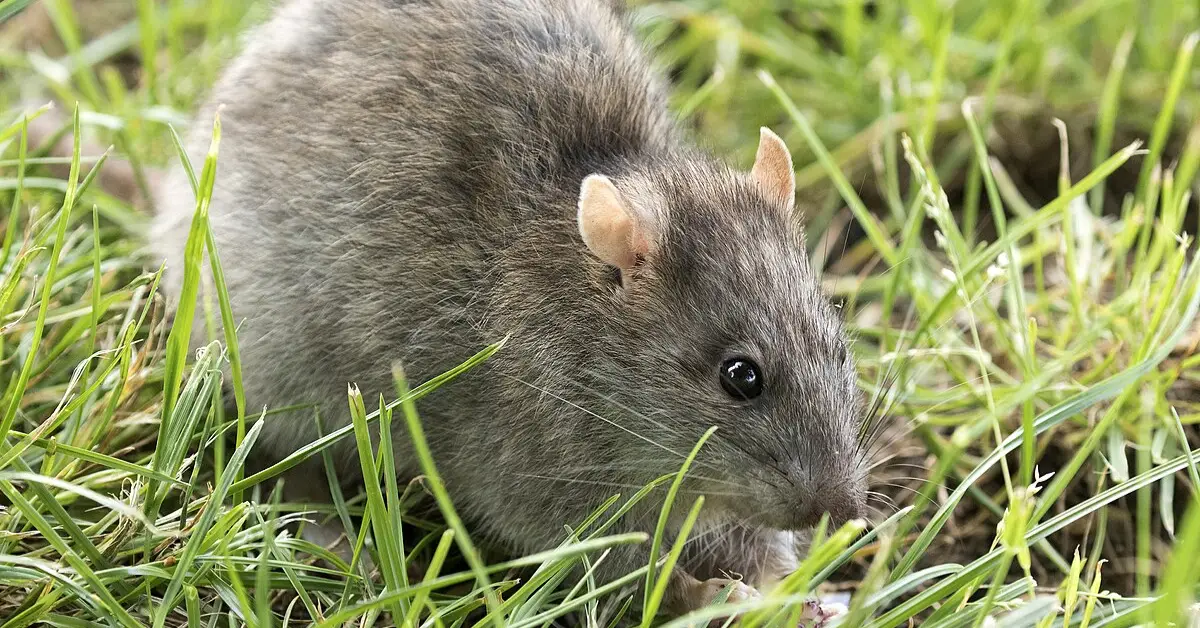
Wikipedia, the free encyclopedia
Before any control plan works, you need to see the full picture. Think of this as creating your battle map — where the food is, where they hide, and how they move. Without that, you’ll only fix part of the issue.
Walk the Garden with the “Rat’s Eye View”
I like to crouch low and slowly scan my garden once the sun starts setting. That’s when you can spot:
- Tiny openings under fences or between boards.
- Piles of leaves or debris that could hide burrows.
- Dripping taps, saucers under pots, or puddles near compost.
Seeing your garden from a rat’s perspective helps you find what they see as opportunities. Every gap, dark corner, or water source tells you where to act first.
Create a Simple Sketch or Plan of Garden Zones
Grab a notebook or even a scrap of paper — it doesn’t have to be fancy. Mark out zones like:
- Vegetable beds
- Compost or bin area
- Tool shed or fence line
- Patio or deck
Then note any burrows, droppings, or damage signs you’ve seen. Mapping like this helps you apply remedies where they matter most — instead of spreading traps or repellents randomly.
Estimate Severity (One Pair? Multiple Tunnels? Seasonality?)
A single burrow might not mean a full colony. Watch and note:
- How many holes you see — more than three means multiple nests.
- Fresh vs old droppings — fresh ones are shiny, older ones are dull and dry.
- Seasonal trends — activity rises in cooler months when they seek warmth.
If you’re seeing daily movement or new burrows appearing, it’s time for a stronger, layered approach — starting with hygiene, then sealing, then deterrents.
Once you understand where and why they’re thriving, the next steps become obvious. You won’t just be reacting — you’ll be outsmarting them.
So, when you look around your garden now, what’s the first spot you suspect they’ve claimed — the compost bin, the fence line, or under your shed?
Layer 1 — Garden Hygiene & Exclusion (Foundation)
Every smart pest control plan starts with hygiene. You can try oils, sprays, or traps, but if your garden keeps offering food, water, and shelter, rats will always come back. I learned this after spending weeks setting up fancy deterrents—only to realise my bird feeder and compost bin were doing half the inviting.
The good news? Once you clean and seal properly, most of the problem fades without ever touching poison.
Remove Food Sources (Birdseed, Fallen Fruit, Pet Food, Trash)
Rats are survivors—they’ll eat anything remotely edible. To stop the endless buffet, start with these small habits:
- Clean up fallen fruits and nuts daily during harvest seasons.
- Sweep under bird feeders, or use seed catchers to stop scatter. If squirrels also raid your feeders, it helps to manage them too — I shared a few tested tricks in my guide on keeping grey squirrels away from bird feeders and plants, which fits perfectly alongside rat prevention.
- Store pet food and chicken feed in sealed metal bins—plastic isn’t enough.
- Empty outdoor trash bins often and secure lids tightly.
I like to imagine every spilled seed as a neon “open” sign for rodents. The moment you remove their meal, they have no reason to stick around.
Fix Water & Moisture Issues (Drainage, Leaks, Empty Trays)
Rats can live weeks without food but not long without water. That’s why even the smallest moisture sources can sustain a colony. Check for:
- Leaky garden hoses or taps.
- Standing water in saucers or trays.
- Clogged drains or birdbaths that don’t dry out.
Make it a routine to empty trays after watering and ensure your soil drains properly. A dry garden is far less inviting than a damp one.
Clear Cover & Nesting Materials (Mulch Depth, Debris, Dense Shrubs)
Even a single corner of clutter gives rats what they crave—cover. They rarely cross open ground unless desperate. You can cut their hiding options by:
- Trimming dense shrubs close to the ground so air can circulate.
- Keeping mulch under 2 inches deep—thicker mulch gives them tunnels.
- Removing wood or cardboard piles, old pots, and unused equipment.
- Storing firewood above ground instead of flat on soil. While cleaning up hiding spots, don’t forget that damp mulch also attracts slugs — I’ve shared safe, non-chemical methods in this slug control guide that pairs well with your rat prevention routine.
When your garden looks “open” from a rat’s level, they feel exposed—and that’s half the battle won.
Seal / Block Access Points (Footing Mesh, Hardware Cloth, Burying Mesh)

Once they’re in, rats can tunnel, squeeze, and gnaw their way through almost anything softer than metal. Prevention means physical barriers:
- Use hardware cloth (¼ inch mesh) around raised beds and compost bins.
- Bury mesh at least 12 inches deep along fence lines and sheds.
- Patch holes in fences, vents, and floorboards immediately.
- Cover pipe gaps with fine wire mesh or sealant.
Think of it as “rat-proofing” your home from the outside in. It’s tedious once—but worth it for years.
Secure Compost & Structures (Rat-Proof Bins, Elevated Platforms)
Compost bins are like free apartments for rats—warm, hidden, and full of food. A few small adjustments make a big difference:
- Use metal or heavy-duty plastic bins with tight lids.
- Place compost bins on mesh or concrete, not bare soil.
- Avoid adding meat, bones, or cooked food—that’s an open invitation.
- If possible, elevate small bins on bricks to break direct contact with the ground.
Compost is for soil health, not rodent housing. Make it work for you, not them.
Layer 2 — Natural Repellents & Biological Deterrents
Once your garden is clean and sealed, natural repellents can help push out the remaining stragglers. These don’t harm pets or pollinators when used wisely—they simply make your garden uncomfortable for rats. The trick is using evidence-backed methods instead of myths.
Essential Oils & Smells That Rats Hate (Peppermint, Eucalyptus, Clove, Chili)
Rats rely heavily on smell, and certain oils disrupt their scent-based navigation. A study from the National Center for Biotechnology Information (NCBI) found that eucalyptus oil significantly repels Rattus rattus, especially when applied consistently.
Here’s how to apply it effectively:
- Mix 10–15 drops of eucalyptus or peppermint oil in a spray bottle with water.
- Spray around burrows, compost bins, and pathways weekly. If you like using natural scents for pest control, you’ll probably enjoy my DIY fungus gnat removal guide, where I use similar essential oils safely indoors for long-term results.
- Refresh after rain or heavy watering.
It doesn’t kill rats—it tells them, “you’re not welcome here.”
Repellent Plants (Mint, Lavender, Garlic, Marigolds)
You can also plant your defense. Certain strong-scented herbs naturally discourage rodents:
- Mint: Excellent border plant, but contain it—it spreads fast.
- Lavender: Adds fragrance while masking food odors rats follow.
- Garlic and marigolds: Their sulfur compounds deter both insects and rodents.
For best effect, cluster these near compost bins or fences, where rats tend to enter.
Natural Extract Combinations (Chili + Bergamot & More)
Recent experiments show that combinations like chili and bergamot oils produce stronger avoidance than single oils. The heat and scent overwhelm a rat’s sense of smell, forcing them to relocate. You can make a DIY spray by combining crushed chili flakes, bergamot oil, and water—just avoid oversaturating soil near roots.
Attracting Predators / Nature’s Helpers (Owls, Cats, Birds of Prey)
Nature has its own pest control team. Encourage them to move in:
- Install owl boxes or tall perches. Owls can eat several rats in a single night.
- Avoid rodenticides—poisoned rats kill predators too.
- Keep small outdoor lights dim, since bright lights deter nocturnal hunters.
If you have cats or even snakes naturally in your area, let them do what they do best—maintain balance.
Non-Smart Devices / Low-Tech Deterrents (Ultrasonic, Reflective Surfaces, etc.)
Not every gadget is a gimmick. Some simple, low-tech options can make a difference:
- Ultrasonic devices may reduce nesting if placed strategically, though results vary.
- Reflective tape or CDs can scare off cautious newcomers.
- Solar-powered vibration stakes disturb burrow zones subtly over time.
These won’t replace hygiene, but they’re a useful final layer when combined with the basics.
You don’t need to fight rats with chemicals or cruelty. A clean, sealed, and strategically scented garden already does most of the work. Try one step today—remove one attraction, add one deterrent—and you’ll notice how quickly your garden feels alive again, not invaded.
What’s one easy fix you can start with right now—tightening that compost lid, trimming shrubs, or mixing your first natural spray?
Layer 3 — Traps, Baits & Targeted Control (Use Cautiously)

Once you’ve cleaned up and blocked entry points, some stubborn rats might still stick around. That’s where traps and baits come in—but only with care. This stage isn’t about revenge; it’s about strategy. You want to remove what’s left without harming pets, wildlife, or your soil ecosystem. Every action here should be deliberate, contained, and smart.
Types of Traps (Snap, Live-Catch, Electronic) & Best Baiting Practices
There’s no one-size-fits-all trap. Each works best in different situations:
- Snap traps: Quick and effective when placed along walls or behind objects. Use boxes or covers to keep pets safe.
- Live-catch traps: Humane, but you must release rats far away—at least half a mile from your property.
- Electronic traps: Deliver an instant, clean result with minimal handling.
For bait, skip cheese—it’s a myth. Peanut butter, dried fruit, or oats work far better. To build trust, try “pre-feeding”: leave bait without setting the trap for a few nights. Once the rats stop being cautious, arm it. This small step makes all the difference.
Safe Use of Baits / Rodenticides — Bait Stations & Regulations
Poison baits can work, but only under strict control. When misused, they risk harming pets, birds, and even beneficial wildlife. That’s why enclosed bait boxes are essential. They keep the poison accessible only to rats, not anything else.
A practical guide from the University of Missouri Extension explains how bait stations reduce risks to pets and non-target species while improving effectiveness. Their key takeaway: never scatter poison freely and always use tamper-resistant boxes.
If you have children or animals around, consider non-toxic bait blocks made with corn gluten or salt—these are safer alternatives that still disrupt rat digestion.
Placement Strategy (Along Rat Runways, Burrow Entrances)
Rats rarely wander randomly. They follow the same tracks daily, guided by memory and smell. You’ll find their routes:
- Along fence lines or building edges
- Behind compost bins or garden sheds
- Near burrow openings or under decks
Place traps perpendicular to these paths, with the trigger side facing the wall. This ensures they step directly onto it. Always wear gloves to avoid transferring human scent—it can make rats suspicious.
Monitoring & Replacement Schedule
Trapping isn’t a “set it and forget it” process. Check traps daily and reset or replace bait weekly. Remove caught rats promptly, then disinfect the area using vinegar or diluted bleach. This not only keeps hygiene in check but also prevents odor trails that attract others.
After 2–3 weeks of consistent trapping, reassess activity. If new droppings or tunnels stop appearing, it’s time to scale down rather than stop suddenly.
When to Call Professionals / Exterminators
If you’ve tried everything—sealed, cleaned, and trapped—and still see activity, it’s time to bring in experts. Signs that call for help include:
- Strong ammonia smell (indicating a large nest nearby)
- Visible damage to insulation, wiring, or stored goods
- Rats reappearing after multiple control rounds
Licensed exterminators can use advanced baiting systems or thermal detection to locate nests you can’t see. Always check reviews and ask about non-toxic or eco-friendly methods before hiring.
Seasonal & Long-Term Strategy — Maintenance & Monitoring
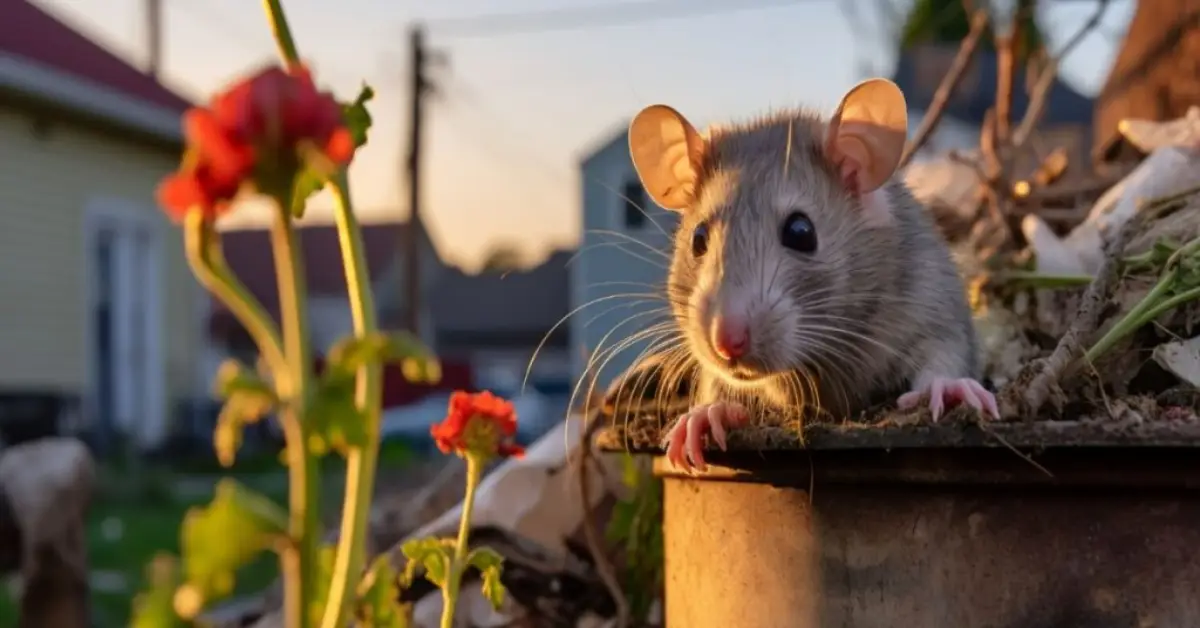
Rats are resourceful and seasonal. Even when they disappear, it doesn’t mean they’re gone forever. Keeping your garden rat-free means thinking long-term and acting with rhythm.
Seasonal Actions (Pre-Monsoon, Autumn, Dry Season)
Each season brings a new risk:
- Pre-monsoon: Seal burrows and elevate compost before rains flood tunnels.
- Autumn: Check for nesting activity as temperatures drop.
- Dry season: Inspect irrigation areas and birdbaths—they become key water points.
Setting a reminder before every seasonal shift helps keep you a step ahead.
Monthly / Quarterly Checks (Traps, Smell, Fresh Repellent, Sealing)
Consistency is everything. Each month:
- Reapply natural sprays or oils around problem zones.
- Inspect fences and vents for new gaps.
- Replace any damaged mesh or trap covers.
- Sniff for that faint musky odor—often the first sign they’re back.
A five-minute check now can save weeks of clean-up later.
Gradual Scaling Down — Phased Reduction Once Population Drops
Once no new signs appear, don’t abandon control completely. Gradually remove traps over a few weeks while keeping repellents active. This prevents surviving rats from repopulating suddenly. Think of it as easing out of a defense mode—not switching it off.
Community / Neighborhood Coordination (Rats Cross Borders)
You can do everything right and still see new rats if your neighbors don’t act. Share what’s working, suggest sealing shared fences, and coordinate compost management. A single neglected bin next door can undo your effort. Building awareness together creates a stronger barrier than any trap alone.
Recordkeeping — Track What Worked, Failings, Adjustments
Keep a simple notebook or phone note:
- Dates of sightings or noises
- What bait or trap worked best
- Seasonal patterns of return
Over time, your notes turn into a personal playbook. You’ll spot trends before they become infestations.
Rats may be persistent, but they’re predictable. With discipline and data, you can outsmart them completely. Start today—review your traps, check that one damp corner, and make sure your garden stays your space, not theirs.
What’s your next move—setting a trap tonight or sealing that forgotten gap under the shed?
Common Myths, Mistakes
When I first tried to deal with rats, I believed half the things I’d heard online — and most of them were useless. The truth is, some “hacks” don’t just fail; they can make the problem worse or put your garden’s ecosystem at risk. Let’s clear a few of those up before you waste time or harm the space you’ve worked so hard to grow.
Myth: “Peppermint Alone Will Solve It”
Peppermint oil can help — but only as one layer in a bigger plan. It might repel rats for a few days, but they adapt quickly. Think of it like air freshener: it hides the smell but doesn’t remove the source. Without cleaning food scraps, sealing gaps, and managing moisture, peppermint will do little more than make your garden smell nice.
If you want it to work, pair peppermint with eucalyptus or chili oil, reapply weekly, and focus on prevention first. The scent should support your efforts, not carry them.
Mistake: Using Poison Carelessly, Harming Pets or Soil
This is the one that breaks my heart to see. Many gardeners scatter bait pellets thinking it’s a shortcut, but poisons don’t stay where you put them. Rain spreads them, pets can eat them, and poisoned rats can harm owls, cats, or birds of prey.
If you ever use rodenticides, keep them inside secure bait boxes and off the soil. Better yet, try traps, oils, and physical barriers first. You’ll control the rats and protect the rest of your ecosystem — something toxic shortcuts can never do.
Final Thoughts & Encouragement
Keeping rats out of your garden isn’t about perfection — it’s about steady, smart progress. You don’t have to do it all today. Start small: fix one leak, clean one corner, or seal one hole. Every step you take shifts the balance back in your favor.
Over time, you’ll notice fewer droppings, healthier plants, and a calmer garden that feels alive again, not invaded. Watch what works, tweak what doesn’t, and keep notes for next season. Your garden’s rhythm will teach you more than any quick tip ever could.
If you’ve tried some of these steps already, I’d love to hear your results — share your experience in the comments below. And for more practical, real-world gardening advice like this, visit Plant Care Dairy — where every green space deserves to thrive, pest-free and full of life.
Disclaimer: The information in this article is for general educational purposes only. Always follow local pest control regulations and safety guidelines before using traps, repellents, or baits. Plant Care Dairy is not responsible for any misuse of products or harm resulting from improper application.