
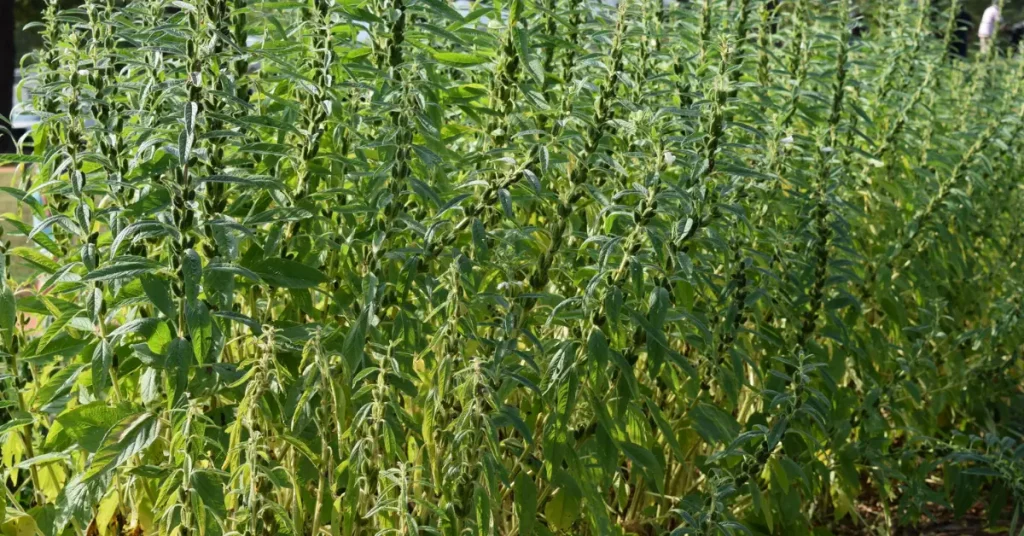
Growing sesame plants in your garden is more than just a fun gardening project — it’s a rewarding journey that brings both beauty and culinary delight into your life. Whether you’re looking to enhance your meals with fresh, homegrown sesame or simply enjoy the unique look of this plant, sesame is a fantastic choice for gardeners who want to grow something a little different.
You might be wondering if sesame can actually thrive in your backyard. The good news? It’s entirely possible, even for beginners. With the right care, a bit of patience, and a bit of warmth, sesame can grow beautifully in your garden, providing you with seeds that can be used in everything from salads to snacks, dressings, and even homemade tahini.
In this guide, I’ll walk you through each step of growing sesame plants from start to finish. From selecting the right variety to harvesting your own seeds, I’m here to make sure you feel confident and ready to get your hands in the dirt. Let’s dive in and explore how you can bring this ancient, nutritious plant to your garden!
What are you most excited about growing in your garden this year? Let me know in the comments below!
Why Grow Sesame in Your Garden?
You might be asking, “Why should I grow sesame in my garden?” Well, sesame isn’t just another pretty plant; it’s a powerhouse packed with benefits that make it a worthy addition to any garden. Let me walk you through a few key reasons why sesame could be the perfect plant to add to your space.
- Nutritional Powerhouse: Sesame seeds are loaded with calcium, iron, and healthy fats. They’re a great source of plant-based protein and contain antioxidants that support heart health. By growing sesame at home, you can easily incorporate this superfood into your meals—whether it’s sprinkled on salads, added to smoothies, or used to make tahini. Imagine having fresh, nutrient-packed sesame seeds right at your fingertips.
- Versatile Culinary Uses: Beyond the health benefits, sesame has so many culinary uses. From being a delicious topping on bread and salad to creating your own sesame oil, the possibilities are endless. Sesame seeds are also a staple in many traditional cuisines, making them the perfect ingredient for home chefs who want to experiment with new flavors.
- Attracts Beneficial Pollinators: If you love encouraging pollinators in your garden, sesame is a fantastic plant to include. Bees and other beneficial insects are drawn to its flowers, helping to support the local ecosystem. It’s a beautiful win-win—adding to the diversity of your garden while helping pollinators thrive.
- Ideal Growing Conditions: Sesame thrives in warm climates and loves the sun. If you live in an area with a long, hot growing season, sesame will flourish in your garden. It’s also relatively drought-tolerant, making it a hardy option for regions that may not see a lot of rainfall.
Understanding the Ideal Growing Conditions for Sesame

Now that we’ve established why sesame is a great choice for your garden, let’s dive into what sesame needs to truly thrive. While it’s a hardy plant, sesame does have specific growing conditions that will help you get the best results. This section will give you the details on exactly what you need to create an environment where your sesame plants will flourish.
- Heat-Loving Plant: Sesame loves the heat. It grows best in temperatures between 20-30°C (68-86°F), so make sure you’re planting it during the warmer months. If your region has a mild summer, sesame will appreciate the long, hot days.
- Well-Drained, Sandy Soil: Sesame thrives in well-drained soil, ideally with a sandy texture. The soil’s pH should be between 6.0–7.0, which is slightly acidic to neutral. If your soil doesn’t naturally have these qualities, you can improve drainage by mixing in sand or compost to enhance its texture. This helps prevent waterlogging, which sesame hates.
- Full Sunlight: Sesame requires full sunlight to grow strong and healthy. Aim for 6–8 hours of direct sunlight per day. If you live in a cooler climate, make sure your sesame plants are placed in the sunniest spot in your garden, as this will help them grow to their full potential.
- Moderate Watering Needs: While sesame isn’t a water-hungry plant, it does need regular watering—especially during dry periods. However, be cautious of overwatering. Sesame prefers its soil to be moist but well-drained, so avoid waterlogging that can lead to root rot.
- Soil Preparation and Nutrient Balance: Preparing your soil is crucial for sesame’s success. Sesame plants are nutrient-hungry, so ensuring a balanced mix of organic matter will set the foundation for healthy growth. Make sure to till the soil before planting to allow the roots to establish and spread. Additionally, using a balanced fertilizer before planting can give sesame the necessary nutrients to get started.
If you’re looking for more in-depth insights into how soil preparation impacts plant growth, I highly recommend checking out this guide from Gardening solutions. Their research-backed advice on soil types and plant nutrients will give you a deeper understanding of the role soil plays in sesame cultivation.
By giving your sesame plants the right growing conditions, you’ll be setting them up for success from the very start. It’s all about providing the warmth, sunlight, and soil they need to grow strong, healthy, and ready for harvest.
Step-by-Step Guide to Planting Sesame
Planting sesame is straightforward, but it requires careful attention to detail to ensure you get the best results. In this section, I’ll break down each step for you, from selecting the right sesame variety to sowing the seeds and starting them off in your garden. These easy-to-follow steps will help you create the perfect environment for your sesame plants to grow strong.
- Step 1: Choosing the Right Sesame Variety: There are different types of sesame, but the two most common are white sesame and black sesame. White sesame is generally easier to grow, while black sesame is more aromatic and often used in specific cuisines. Think about what you want to use your sesame for — white sesame is perfect for making tahini, while black sesame has a more intense flavor, great for cooking and garnishing.
- Step 2: Preparing the Soil: Sesame plants love well-drained, sandy soil. Start by tilling your soil to break it up and ensure good root penetration. If your soil is clay-heavy, amend it with sand or organic matter like compost. Testing the pH of your soil is also important — aim for a pH level between 6.0 and 7.0, which is slightly acidic to neutral. If the pH is off, you can add lime to raise it or sulfur to lower it. Good soil preparation gives your sesame plants a strong foundation. If you’re also looking to grow other nutritious plants, check out our guide on how to grow cabbage for easy-to-follow instructions on starting another healthy addition to your garden.
- Step 3: When and How to Sow Sesame Seeds: Sesame seeds should be sown once the soil has warmed (at least 21°C or 70°F). You can either sow them directly into the soil or start them indoors and transplant them later. If you start them indoors, use seed trays and transplant the seedlings once they are around 3 inches tall. If sowing directly, make sure the soil is loose and warm for best germination.
- Step 4: Planting Depth: Plant your sesame seeds at a depth of about 1/4 inch. They don’t need to be buried deeply. This ensures they get enough light to break through the soil easily.
- Step 5: Spacing the Seeds: Sesame plants need space to grow, so space your seeds about 12 to 18 inches apart in rows. This allows the plants to have plenty of room for airflow and prevents overcrowding, which can lead to disease and weak growth.
- Step 6: Initial Watering and Mulching Tips: Water your sesame seeds gently after planting, keeping the soil moist but not soaked. Mulch around the plants to retain moisture and suppress weeds. Make sure to mulch lightly, so the seedlings can still break through the surface.
For a more detailed planting guide with expert tips, check out this detailed resource from The Spruce here.
Caring for Sesame Plants as They Grow

Once your sesame plants are in the ground, the real work begins. While sesame is relatively low-maintenance, there are a few key things you’ll need to do to ensure your plants stay healthy and grow well. This section dives into the care required to keep your sesame plants strong, from watering to pest management.
- Watering Schedule: Sesame plants don’t like wet feet, meaning they don’t like to sit in waterlogged soil. Over-watering can lead to root rot, so it’s important to strike the right balance. Water the plants regularly, but make sure the soil is well-drained. A deep watering once or twice a week should be enough, depending on the weather and soil moisture levels. If you’re new to gardening and want more tips on growing low-maintenance plants, you might find our article on the easiest vegetables and fruits to grow with zero effort helpful. During dry spells, you may need to water more frequently, but always check the soil to avoid sogginess.
- Fertilization: While sesame doesn’t require heavy fertilization, a balanced approach works best. Apply a balanced fertilizer (10-10-10) during the growing season to provide essential nutrients. Apply the fertilizer lightly every 4-6 weeks to ensure steady growth. Too much fertilizer can result in lush foliage but fewer seeds, so keep the feeding moderate.
- Pest Management: Sesame plants are relatively pest-resistant, but common garden pests like aphids can still be a problem. To manage pests organically, you can use insecticidal soap or introduce natural predators like ladybugs. Regularly inspect your plants for pests, especially the undersides of leaves, and remove them by hand or with a gentle spray of water. This helps keep your sesame plants healthy without relying on harsh chemicals.
- Thinning Out Seedlings: If you’ve planted multiple seeds in a row, thin out the seedlings as they grow. Leave the strongest plants and remove weaker ones to allow the remaining plants to have plenty of space to grow. This also helps improve air circulation and reduces the risk of fungal infections.
For more expert gardening tips and advice on how to care for sesame, check out this Sesame Growing Guide from Epic Gardening.
Harvesting Your Sesame Plants
Harvesting sesame is one of the most rewarding parts of the growing process. However, knowing when and how to harvest is key to ensuring that you get the best seeds for culinary use. It’s a step that often gets skipped in many guides, but don’t worry—this section will give you all the details on how to do it right.
- Timing of Harvest: The best time to harvest sesame is when the plant’s pods begin to dry and split open. This usually happens late in the growing season, when the sesame plant has reached maturity and the pods have started to turn brown. If you wait too long, the seeds might start falling out of the pods, so make sure you’re monitoring your plants closely as the pods dry out.
- How to Harvest: When the pods are ready, you’ll need to cut the stalks just above the ground. Carefully bundle them together and hang them upside down to continue drying. You can also lay the stalks out on a flat surface or in a well-ventilated area to dry fully. After drying for a week or so, the pods should be brittle enough for you to break them open and collect the seeds.
- What to Do After Harvesting: Once the seeds are collected, the next step is to ensure they’re properly dried and stored to preserve freshness. Place the seeds in a dry, well-ventilated area and allow them to fully air-dry for 2-3 days. Afterward, shell the seeds by hand or using a seed sheller if you have one. Store your sesame seeds in an airtight container in a cool, dark place to keep them fresh for months. For longer storage, you can also refrigerate or freeze the seeds.
Once you’re comfortable with harvesting your sesame, you might want to explore growing flowers like daffodils, which are also rewarding and easy to care for. Check out our guide to growing daffodils for tips on adding vibrant colors to your garden.
Common Problems While Growing Sesame
While sesame is a hardy plant, it’s not immune to challenges. This section will highlight some common problems you might face as you grow sesame and provide practical solutions to tackle them. By understanding these issues early, you’ll be better equipped to handle them when they arise.
- Overwatering and Poor Drainage: Overwatering is one of the most common issues when growing sesame. If the soil doesn’t drain properly, the roots can become waterlogged, leading to root rot. To avoid this, make sure your soil is well-drained and only water when necessary. A simple test is to feel the soil—if it’s moist 2 inches down, you don’t need to water.
- Pest Infestations: Pests like aphids and spider mites can be a problem for sesame plants. These pests suck the sap from the plant, weakening it over time. To manage pest problems organically, use insecticidal soap or encourage natural predators like ladybugs. Regularly inspect your plants, especially the undersides of leaves, to catch infestations early.
- Nutrient Deficiencies: If you notice yellowing leaves, your sesame plants might be suffering from a nutrient deficiency. This can be caused by a lack of nitrogen or iron in the soil. Applying a balanced fertilizer or supplementing with compost can help restore the plant’s health. Also, make sure your soil is balanced and pH is in the optimal range.
- Heat Stress or Drought: Sesame is a heat-loving plant, but too much heat or prolonged dry spells can stress the plant. To mitigate this, ensure your sesame plants are well-watered during dry periods, and provide mulch to retain moisture around the roots. If you live in a region prone to heatwaves, try providing some temporary shade during the hottest parts of the day.
For more expert advice on how to manage these issues, visit Baylor Agrilife’s detailed planting guides.
How to Use Your Homegrown Sesame

Once you’ve harvested your sesame, the next step is to transform those seeds into something you can use. Sesame has a wealth of applications, both in the kitchen and beyond, so let’s explore how you can make the most of your homegrown seeds.
- Culinary Applications: Sesame seeds are incredibly versatile in the kitchen. You can use them as a topping for salads, bread, and pastries, or grind them into sesame paste for dips and dressings. Sesame oil is another fantastic product you can make from your seeds—it’s perfect for stir-frying, drizzling over salads, or even making your own homemade marinades.
- Tahini and Sesame Butter: Sesame is the base ingredient for tahini, a creamy paste often used in Middle Eastern and Mediterranean dishes. You can make it by simply blending your sesame seeds with a bit of olive oil until smooth. Alternatively, you can also make sesame butter to spread on toast, use in smoothies, or even add to baked goods for a rich, nutty flavor.
- Health Benefits: Aside from their culinary uses, sesame seeds are a powerhouse of healthy fats, fiber, and antioxidants. They’re also known for their heart-healthy properties, helping to lower cholesterol and support overall cardiovascular health. By incorporating fresh sesame seeds into your diet, you’re adding a nutritional boost to your meals.
- Uses in Homemade Skin and Hair Treatments: Sesame oil is not only great for cooking but also excellent for skin and hair care. It’s often used in DIY face masks for hydration, as a hair oil to promote shine, and even as a soothing body lotion for dry skin. It’s rich in vitamin E and other nutrients that can benefit both your skin and hair.
Conclusion
Growing sesame in your garden is a simple yet rewarding process. Here’s a quick recap of the steps:
- Choose the right sesame variety (white or black sesame) that suits your needs.
- Prepare the soil by ensuring it’s well-drained and nutrient-rich with the proper pH level.
- Sow your seeds when the temperature is warm and the soil is ready.
- Plant at the correct depth and space the seeds to allow them to grow freely.
- Care for your plants by monitoring their water, sunlight, and nutrition needs.
- Harvest your sesame when the pods begin to dry and split, then properly store the seeds for later use.
Now that you know exactly how to plant, care for, and harvest sesame, why not give it a try in your own garden? It’s a fun and valuable plant to grow, and you’ll love reaping the benefits—from fresh sesame oil to delicious seeds.
Ready to grow your own sesame? Start your garden today! Share your experience with growing sesame in the comments below, and feel free to ask any questions you may have. And don’t forget to visit Plant Care Dairy for more gardening tips, guides, and inspiration for your green thumb.
Disclaimer: The information provided in this guide is for informational purposes only. Results may vary depending on your local climate, soil conditions, and growing environment. Always consider consulting a gardening expert or local agricultural extension for advice tailored to your specific location.