
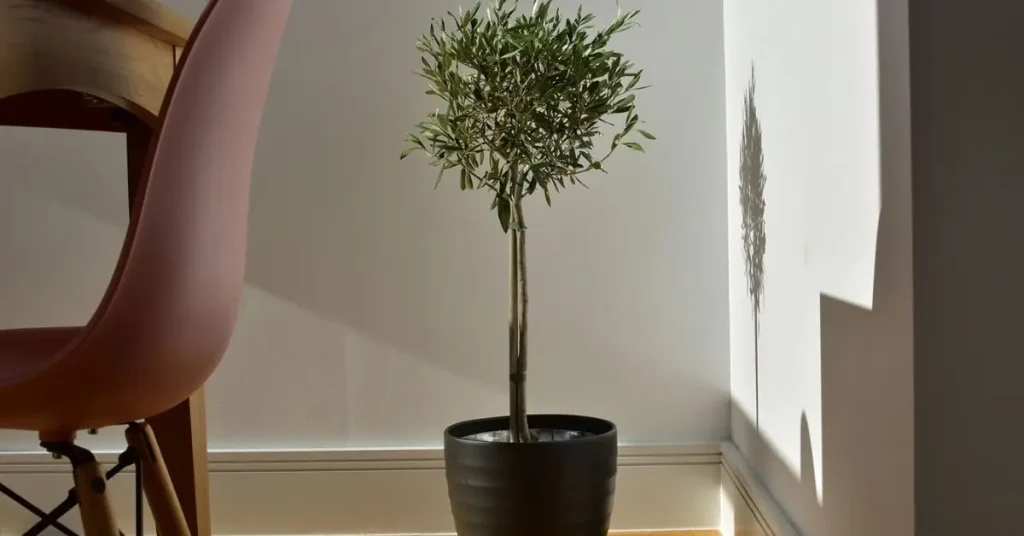
Every time I’ve seen an olive tree up close, I’ve been struck by how timeless it feels. These aren’t just plants—they’re living symbols of resilience, grown for thousands of years in tough, dry landscapes where most things struggle. And yet, here’s the surprise: you don’t need a Mediterranean hillside to enjoy one. With the right approach, you can grow an olive tree at home—whether that’s in a sunny garden corner, on a balcony in a pot, or even indoors near a bright window.
I know the idea sounds a little ambitious. After all, most guides make it seem like you’ll need perfect soil, endless sun, and years of patience before you see results. But the truth is, even in less-than-ideal conditions, olive trees can thrive if you set them up properly. The real challenge isn’t just “Can I grow one?”—it’s figuring out what kind of setup will work best for your space and climate.
So let me ask you this: when you picture having your own olive tree, is it about picking your own fruit someday, or simply enjoying the look and feel of that silvery green foliage at home?
Why Grow an Olive Tree?
I’ll be honest with you—an olive tree isn’t just another houseplant. It carries a kind of history and beauty that few plants can match. When you bring one home, you’re not only adding greenery; you’re adding a living story.
Here’s why it’s worth considering:
- Health value: Olives and olive oil are known for heart-friendly fats and antioxidants. Even if your tree never fruits indoors, just growing it keeps you closer to healthier living.
- Ornamental beauty: The silvery-green leaves catch light in a way that makes any space feel calmer, more Mediterranean.
- Fragrance: Mature trees sometimes give off a subtle, earthy scent that reminds you of warm, dry landscapes.
- Legacy plant: Olive trees can live for decades—even centuries—when cared for properly, becoming something you pass on.
- Resilient nature: Once established, they’re drought-tolerant and don’t demand constant fussing. Martha Stewart even notes that their low water needs make them surprisingly easy to maintain.
If you’ve ever wanted a plant that feels both practical and symbolic, an olive tree checks every box.
Indoor vs Outdoor Growth – Key Differences
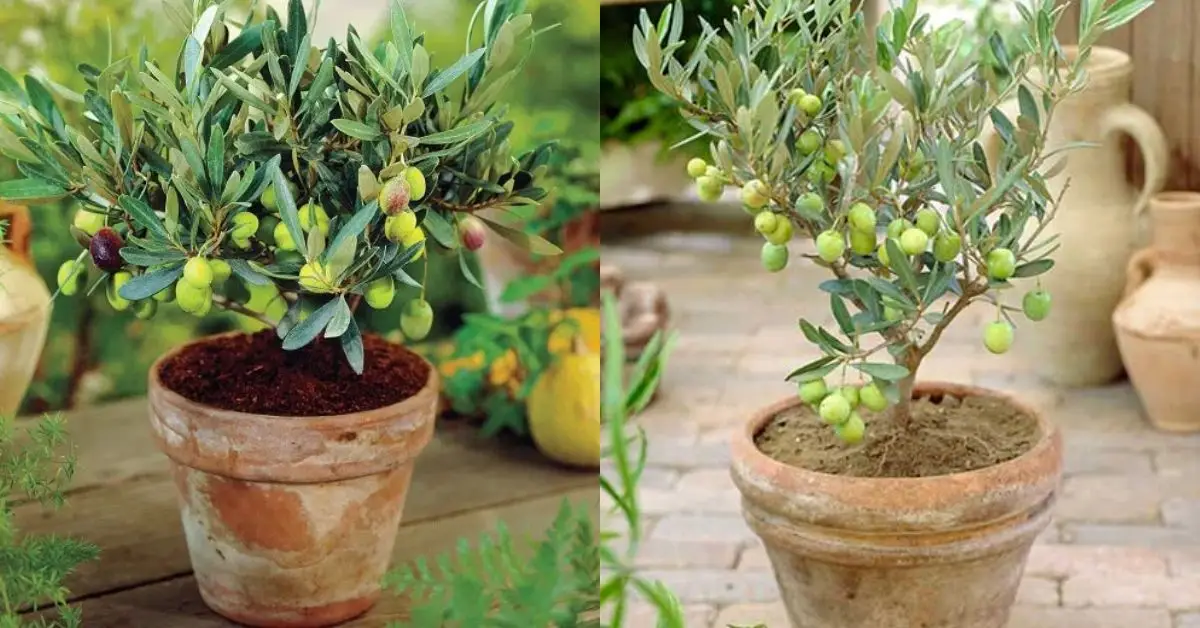
Now, before you run to the nursery, it’s important to set the right expectations. Growing an olive tree indoors is a very different experience from growing one outside. I’ve seen people get disappointed simply because they didn’t know what to expect.
- Light exposure: Outdoors, your tree basks in full sun for hours. Indoors, you’ll need the brightest window or even a grow light.
- Temperature swings: Outside, the natural seasonal shifts help the tree flower and fruit. Indoors, the climate stays stable, which means less chance of fruit but a healthier-looking plant.
- Space needs: Outdoor trees can stretch and spread. Indoors, you’ll need to manage growth with pruning and a suitably sized pot.
- Soil and pots: In the ground, roots explore deeply. In containers, drainage holes and good soil mix are non-negotiable.
- Fruit expectations: Here’s the honest part—indoors, your olive tree is unlikely to give you a big harvest. It becomes more of an ornamental companion, while outdoors it has a real chance to bear fruit.
Think of it this way: indoors, you get beauty and atmosphere; outdoors, you get the potential for olives too.
Choosing the Right Olive Tree Variety (for Your Home/Climate)
Olive Tree Varieties and Hardiness Zones
Not every olive tree is right for every home. The variety you choose makes or breaks your success.
- Cold climates: Go for hardier varieties that can tolerate brief frost. These are often grown in northern regions.
- Hot, dry climates: Mediterranean-style varieties thrive in long summers and minimal water.
- Indoor or patio growers: Dwarf and compact cultivars are your best bet. They stay manageable in containers, making them perfect for apartments or balconies.
If limited space is holding you back, remember that even small balconies can host thriving greenery—just like growing edible flowers in compact spaces, olive trees too can adapt beautifully to container life with the right variety.
If you know your hardiness zone and match it with the right variety, your job becomes ten times easier.
What to Look for When Buying a Seedling or Young Tree
I always tell beginners: don’t just grab the first olive tree you see at a garden centre. The early choices you make here will echo for years.
When buying, check for:
- Certified nursery stock: Guarantees better genetics and disease-free plants.
- Healthy roots: Avoid trees with circling or rotting roots; look for firm, well-spread roots.
- Balanced size vs pot: A very tall tree crammed in a tiny pot is a red flag.
- Purpose-fit variety: Some are bred mainly for fruiting, others for ornamental looks. Farming experts at Wikifarmer often stress how matching purpose with variety prevents costly mistakes.
It’s like picking a puppy—you want one with good health and the right temperament, not just the cutest face.
Ideal Conditions – Light, Temperature, Soil & Airflow
Light Requirements: If there’s one thing an olive tree can’t compromise on, it’s sunlight. Outdoors, it needs at least six hours of direct light every day—more if you want consistent growth and the possibility of fruit. Indoors, you’ll want to place your tree by the brightest south-facing window you have. If natural light falls short, a grow light can fill the gap, but nothing beats real sunshine.
Temperature & Humidity Olive trees love warmth. They do best in daytime temperatures of 65–80°F and can tolerate cooler nights. What they don’t enjoy is frost. Even a short cold snap can damage young growth, so protection is a must in colder regions. Indoors, keep humidity moderate—too much and you’ll risk fungal issues, too little and leaves may crisp at the tips. When shifting your plant from inside to outside in spring, do it gradually to avoid shock. Give it a few hours outside at first, then increase exposure over a week until it adjusts comfortably.
Soil Type, Pot & Drainage: Soil makes or breaks an olive tree. Think loose, sandy, and quick-draining. Add grit or perlite if your mix feels heavy, and aim for a neutral to slightly alkaline pH. For container trees, always use pots with good drainage holes. Clay or terracotta pots help wick away moisture, which prevents root rot. If you’re planting outdoors, choose a spot where water doesn’t pool—soggy roots are the fastest way to kill an olive tree.
Airflow & Location: Whether indoors or outdoors, air circulation is a hidden factor that keeps your olive tree healthy. Indoors, place it where air doesn’t sit stagnant—avoid cramped corners. Outdoors, a light breeze helps strengthen branches and reduces pests, but constant strong winds can dry the tree out or strip leaves. Balance is key: aim for fresh air, not harsh exposure.
Placement can make or break a plant’s health; it’s the same principle you’d follow when avoiding common errors like bird bath placement mistakes in the garden.
Planting & Early Growth
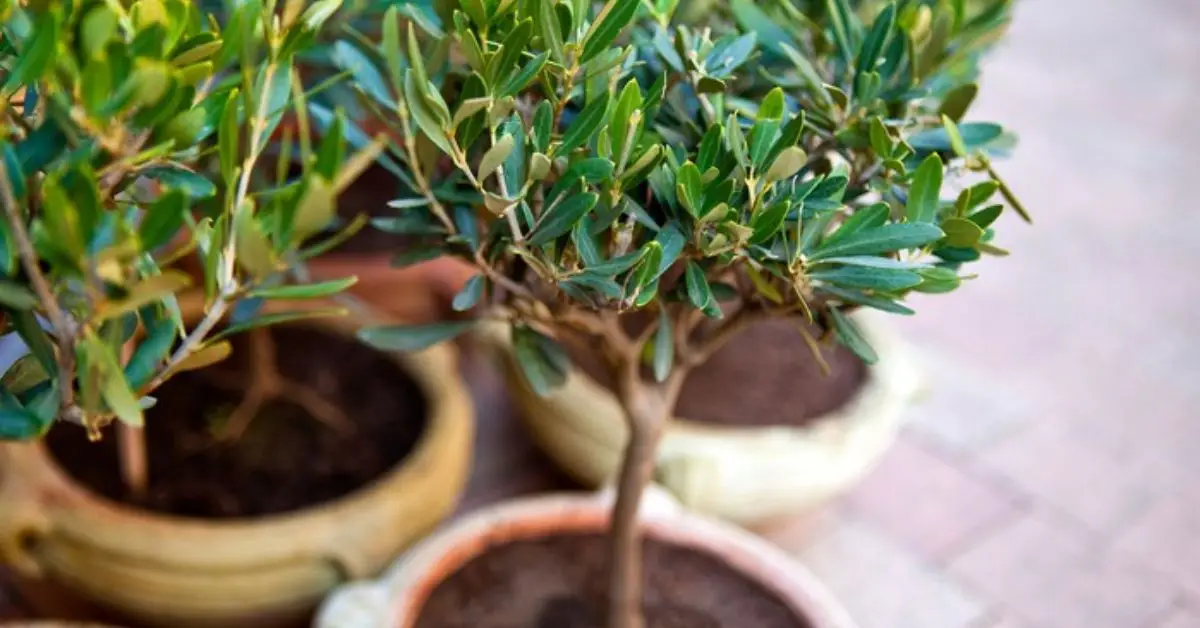
How to Plant Outdoors: Spring, just after the last frost, is the sweet spot. Dig a hole twice as wide as the root ball but no deeper. Place your tree gently, backfill with soil, and press firmly so no air pockets remain. Young trees may need staking to stay upright until roots establish.
How to Plant / Setup in Containers: Pick a container that’s at least a third wider than the root ball, leaving space for growth. Use a gritty, well-draining mix, and water thoroughly after planting. As the tree grows, prune lightly to train the main branches so it doesn’t get leggy. A resource like Food Garden Life explains how slow, steady training helps your olive tree stay balanced in a container without stressing the roots.
Watering Strategies (Young Trees / Established Trees): For young trees, water deeply once or twice a week, letting the soil dry slightly in between. As the tree matures, reduce frequency—overwatering is a bigger danger than neglect. In hot summers or rainy seasons, adjust based on soil moisture. During winter dormancy, cut back drastically to avoid root problems.
Fertilization / Nutrients: A balanced fertilizer once or twice during the growing season is usually enough. Too much nitrogen pushes leafy growth but delays flowering and fruiting. Think moderation—you want steady, not explosive growth.
Maintenance & Long-Term Care
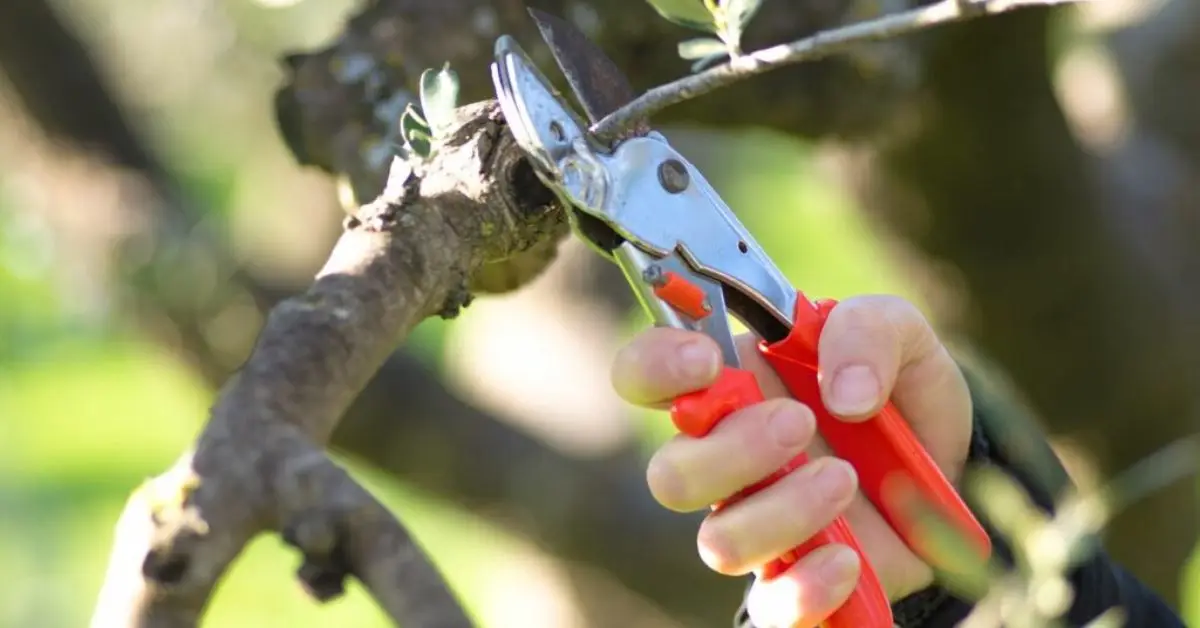
Pruning and Shaping: Pruning isn’t just cosmetic—it’s essential. Removing crowded branches improves airflow, lets sunlight reach all parts of the tree, and keeps the structure strong. The best time to prune is late winter or early spring before new growth begins. Use sharp, clean shears and avoid cutting more than a third of the tree at once.
Dealing with Pests & Diseases: While olive trees are hardy, they’re not invincible. Watch for scale insects or the notorious olive fruit fly if you’re in a fruiting region. Root rot and verticillium wilt are other risks if soil stays too wet. Regular inspection, good airflow, and prompt action go a long way toward prevention.
Overwintering / Seasonal Transitions: If you live where winters are harsh, bring your container tree indoors before the first frost. Keep it in a bright, cool room to mimic its natural dormancy. For outdoor trees in borderline climates, wrap trunks with burlap or mulch heavily around the base. Transitioning slowly between indoor and outdoor life each season prevents stress and leaf drop.
Fruit Formation & Harvest (if applicable): Flowering and fruiting depend on plenty of sunlight, seasonal temperature swings, and sometimes cross-pollination. If your tree does set fruit, expect it to ripen in late summer to fall. Harvest timing depends on whether you want table olives (picked green) or oil (picked ripe and black). After harvest, prune lightly to encourage next year’s growth and fruiting cycle.
Common Mistakes & Troubleshooting
Top Mistakes New Growers Make
I’ve seen beginners make the same handful of mistakes again and again, and they’re often easy to avoid once you know what to watch for.
- Overwatering: Olive roots hate sitting in soggy soil—it almost always leads to root rot.
- Wrong pot size: A huge pot for a tiny tree holds too much water; a cramped pot strangles the roots.
- Improper light: Even indoors, your tree needs the sunniest spot you can offer. Without enough light, growth slows and leaves start dropping.
- Choosing the wrong variety: Not every olive tree can handle frost or humidity. Planting one unsuited to your climate is setting yourself up for disappointment. Wikifarmer highlights how climate mismatch is one of the biggest reasons olive projects fail.
Signs of Stress & What They Mean
Your tree usually tells you when it’s unhappy—you just have to read the signs.
- Yellowing leaves: Often caused by too much water or poor drainage.
- Leaf drop: A common reaction to sudden temperature changes or low light.
- Poor growth: Could be nutrient deficiency or lack of sunlight.
- Pest infestation: Sticky leaves or tiny moving dots usually mean scale insects or mites.
Quick Fixes for Common Problems
The good news is that most issues can be corrected if you act early.
- Fix soil problems: Repot into a lighter, well-draining mix with added grit or perlite.
- Adjust light and water: Move the tree to brighter conditions and water less often but more deeply.
- Repotting: If roots are circling or pot-bound, move up one container size.
- Pest control: Wipe leaves with a damp cloth, use neem oil, or introduce beneficial insects if outdoors.
Bonus Tips & Tools
Tools & Supplies You’ll Need
Having the right kit makes everything smoother.
- A sharp pair of pruning shears for clean cuts
- Quality potting mix with grit or perlite for drainage
- Grow lights or heat mats if your home lacks sun or stays too cold in winter
- Mulch for outdoor trees to protect roots
- A balanced fertilizer to keep growth steady without overfeeding
Adding the right type of mulch around your olive tree—especially if it’s outdoors—helps protect the roots, lock in moisture, and support long-term health.
Templates & Checklists
If you’re serious about long-term success, a few simple checklists will keep you on track:
- Pre-planting checklist: Confirm variety, pot/soil setup, and placement before you start
- Seasonal care calendar: A month-by-month reminder of watering, pruning, and feeding tasks
- Pruning schedule chart: Notes on when and how much to trim without stressing the tree
What It Takes to Succeed Growing Olive Trees at Home
If you’ve followed along this far, you know olive trees aren’t complicated—but they do demand the right setup. Give them plenty of sunlight, keep their roots in well-draining soil, and don’t drown them with water. Prune for airflow, protect them from frost, and be patient—these trees reward steady care, not shortcuts.
Is Olive Tree Growth Right for You?
At the end of the day, you’ll need to ask yourself a few questions:
- Do you have enough space—a sunny corner, a balcony, or a patch in the garden?
- Does your climate support warmth, or are you ready to move your plant in and out with the seasons?
- Are you willing to give it patience—because olives grow slow, and fruit (if it comes) takes years?
- Does the cost vs benefit make sense for you—beauty and greenery now, possible olives later?
If your answer is yes to most of these, then you’re ready to welcome one of the world’s oldest and most symbolic trees into your home.
What do you think—would you grow an olive tree for the beauty alone, or are you dreaming of harvesting your own olives one day? Share your thoughts in the comments below.
For more plant care guides and practical gardening advice, visit Plant Care Dairy—your space for smarter, hands-on plant knowledge.
Disclaimer: The information in this guide is for general gardening purposes only. Growing conditions vary by region, climate, and plant variety, so results may differ. Always consult local experts or nurseries for advice specific to your area.