
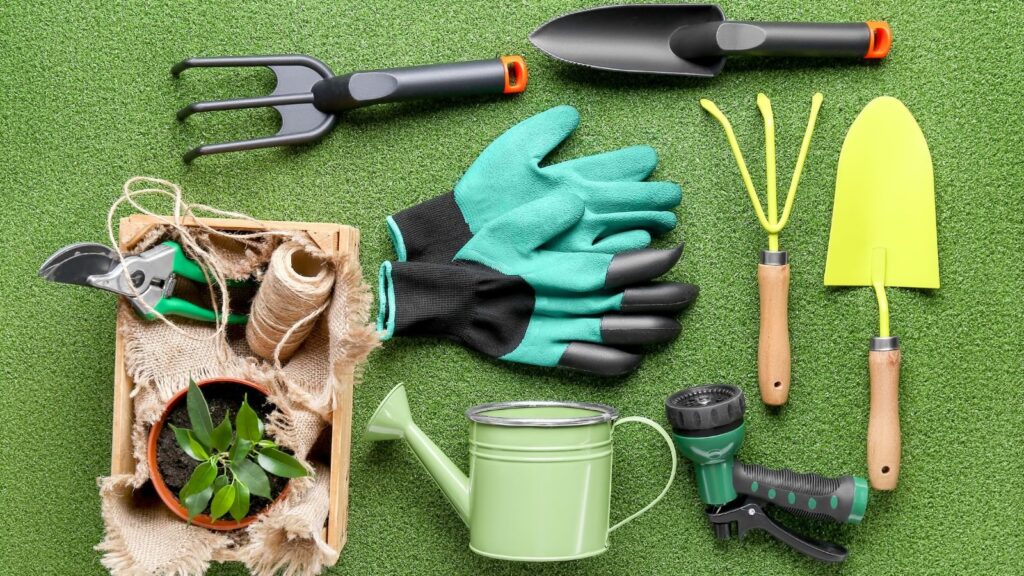
If you’ve ever wondered whether premium garden gear is really worth the price, this guide cuts through the noise and gives you clear, actionable answers. I’ll show you exactly which upgrades solve real problems, last for years, and make everyday growing simpler and more joyful.
By the end, you’ll know how to match the right upgrade to your space and goals—whether that’s getting stronger seedlings, stretching your season, conserving water, or harvesting with less hassle. Think of this as your smart shortcut to choosing gifts that keep giving—season after season.
I remember the year I finally splurged on a metal raised bed after replacing the same wooden frame for the third time. The difference was immediate: sturdier structure, better drainage, and a garden that actually looked finished. That one upgrade changed how I grow—and I haven’t looked back.
Build A Better Bed And Backbone
1. Metal Raised Beds
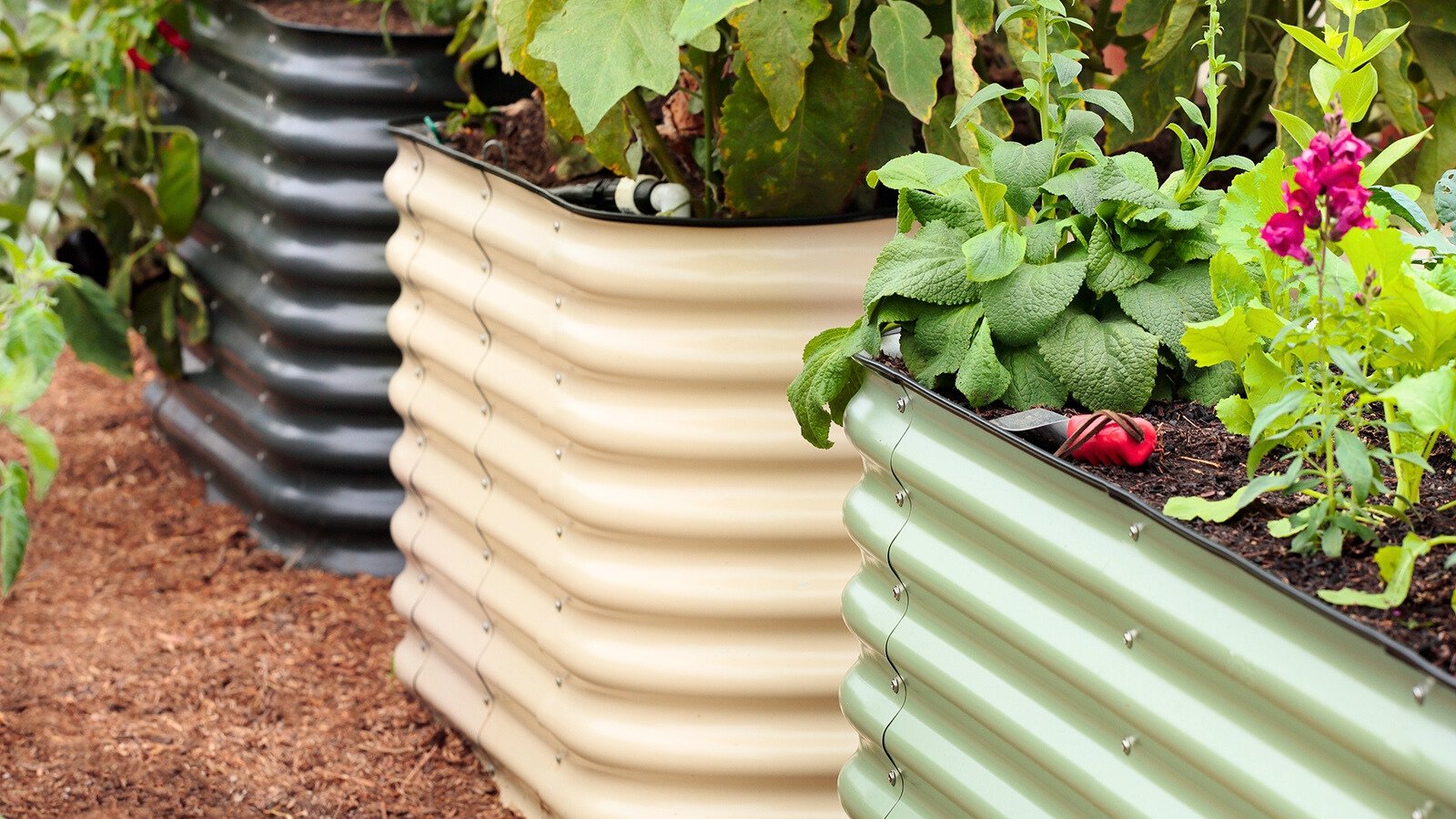
Metal raised beds are a bigger upfront investment than wood, but they pay you back in longevity and performance. Raised beds are perfect for grains too—learn how to grow sorghum at home for a bountiful gluten-free harvest. Quality beds made from Aluzinc or galvanized steel resist rot, warping, and weather for decades, and they require almost zero maintenance beyond an occasional rinse.
They warm up faster in spring, which jump-starts cool-climate gardens, and their clean lines give any space an instant design upgrade. If you’ve ever rebuilt a wooden bed after only a few seasons, you’ll immediately understand why this is the more economical choice long-term.
- Why it’s worth it: Decades-long lifespan, better drainage, and tidier edges that keep soil where it belongs.
- What to look for: Aluzinc/galvanized steel, rolled safe edges, and a tall profile (e.g., 29 inches) to ease bending and improve root depth.
- Best for: Food gardeners, mobility-conscious growers, and anyone redesigning a garden for structure and longevity.
- Pro tip: Line the bottom with hardware cloth to deter burrowing pests and add a layer of coarse material for drainage.
2. Garden Arbor
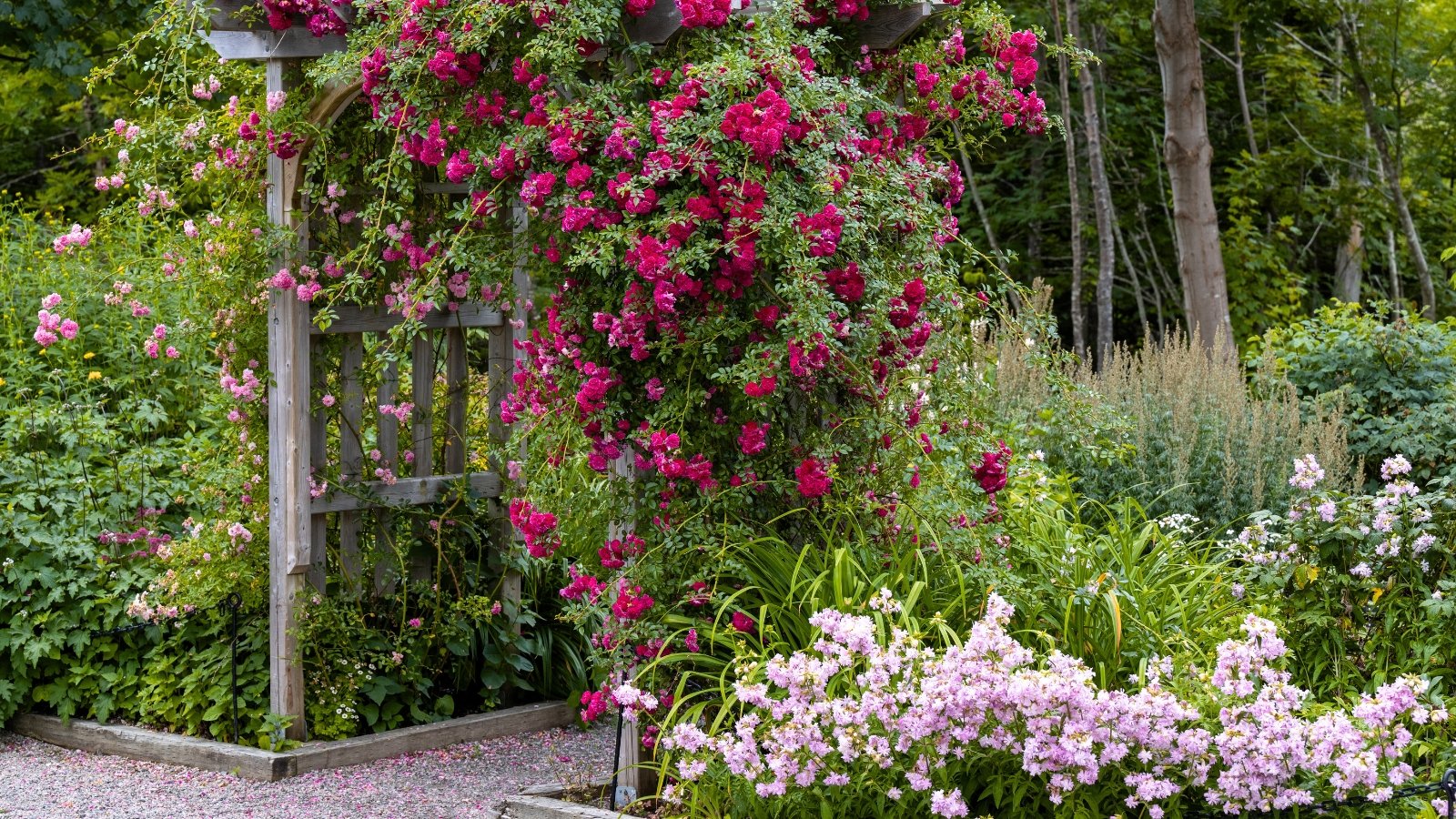
An arbor doubles as a sturdy plant support and a striking focal point, turning pathways into destinations and framing views. It elevates climbing roses, clematis, or productive vines like passion fruit, while giving your garden architecture that feels thoughtful and complete.
Sturdier models bolt to hardscape or stake invisibly into soil, and many break down into sections for off-season storage. If you want an instant “finished” look with lots of vertical growing room, this is a gorgeous, functional upgrade.
- Why it’s worth it: Long-term structure plus living sculpture—beauty and utility in one piece.
- What to look for: Powder-coated steel or weather-resistant wood, anchoring plates, and generous width/height for mature vines.
- Best for: Pollinator-friendly displays, edible landscaping, and gardens that need a bold anchor.
- Pro tip: Plant a spring bloomer on one side and a late-summer performer on the other for season-long color.
Grow More In Less Space
3. GreenStalk Vertical Planter
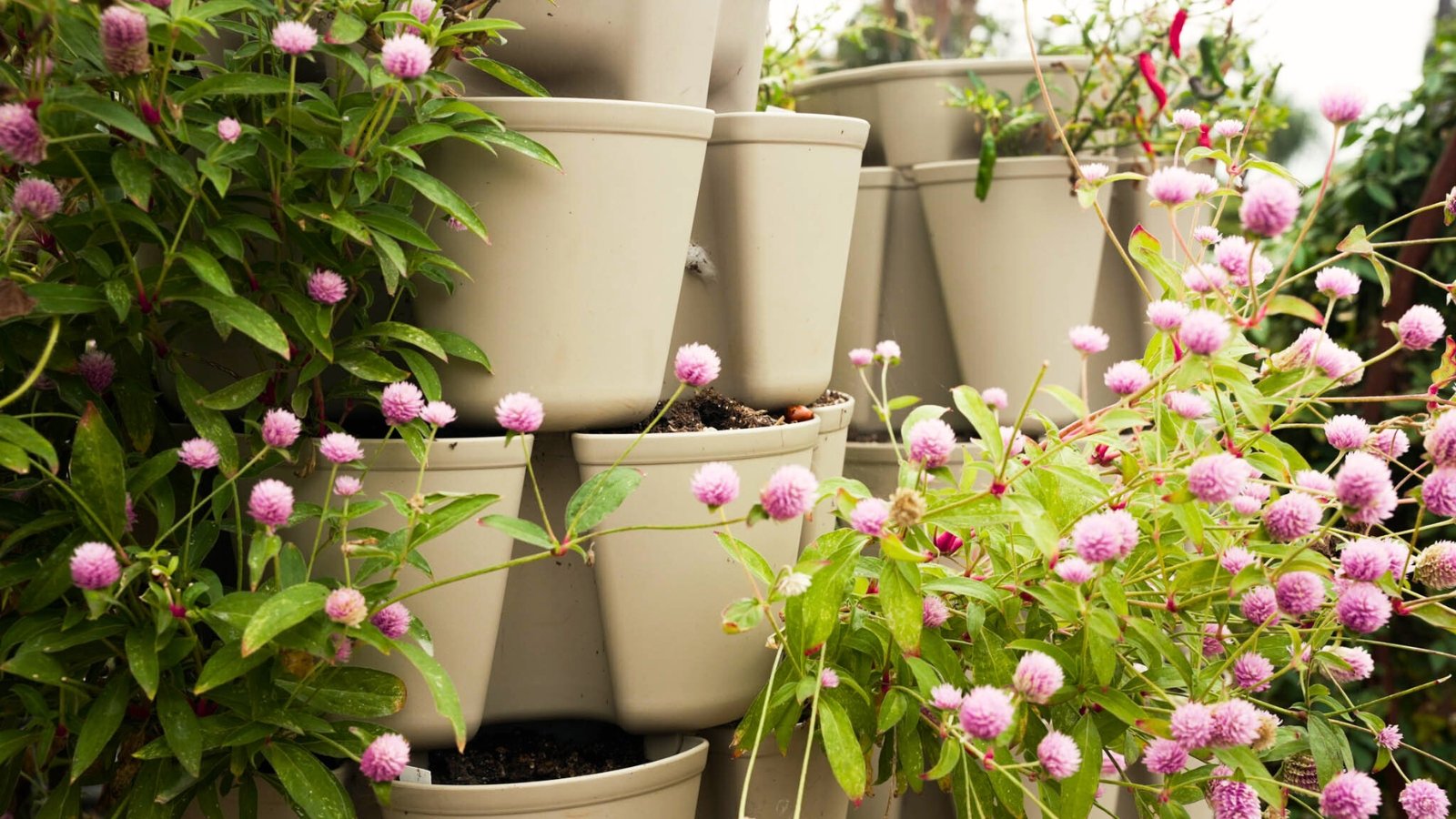
GreenStalk’s stacked tiers let you grow dozens of plants in the footprint of a single large container. If you’re looking for more luxury garden tools or themed setups, check out Worm UK’s 12 luxury garden gift themes. The built-in watering reservoir channels moisture evenly through each level, so every pocket gets water without oversaturating your soil.
It’s a dream for patios, balconies, or small yards where you want maximum harvest per square foot. Herbs, strawberries, lettuces, flowers, and compact veggies thrive with minimal fuss.
- Why it’s worth it: Efficient watering and space use means less time with a hose and more plants per square foot.
- What to look for: Food-safe, UV-stable materials, easy-to-rotate tiers, and a stable base for wind-prone sites.
- Best for: Small-space gardeners, renters, or anyone who wants to “grow up” instead of out.
- Pro tip: Plant thirstier crops in the lowest tiers and drought-tolerant herbs in the top tiers.
4. A-Frame Trellis
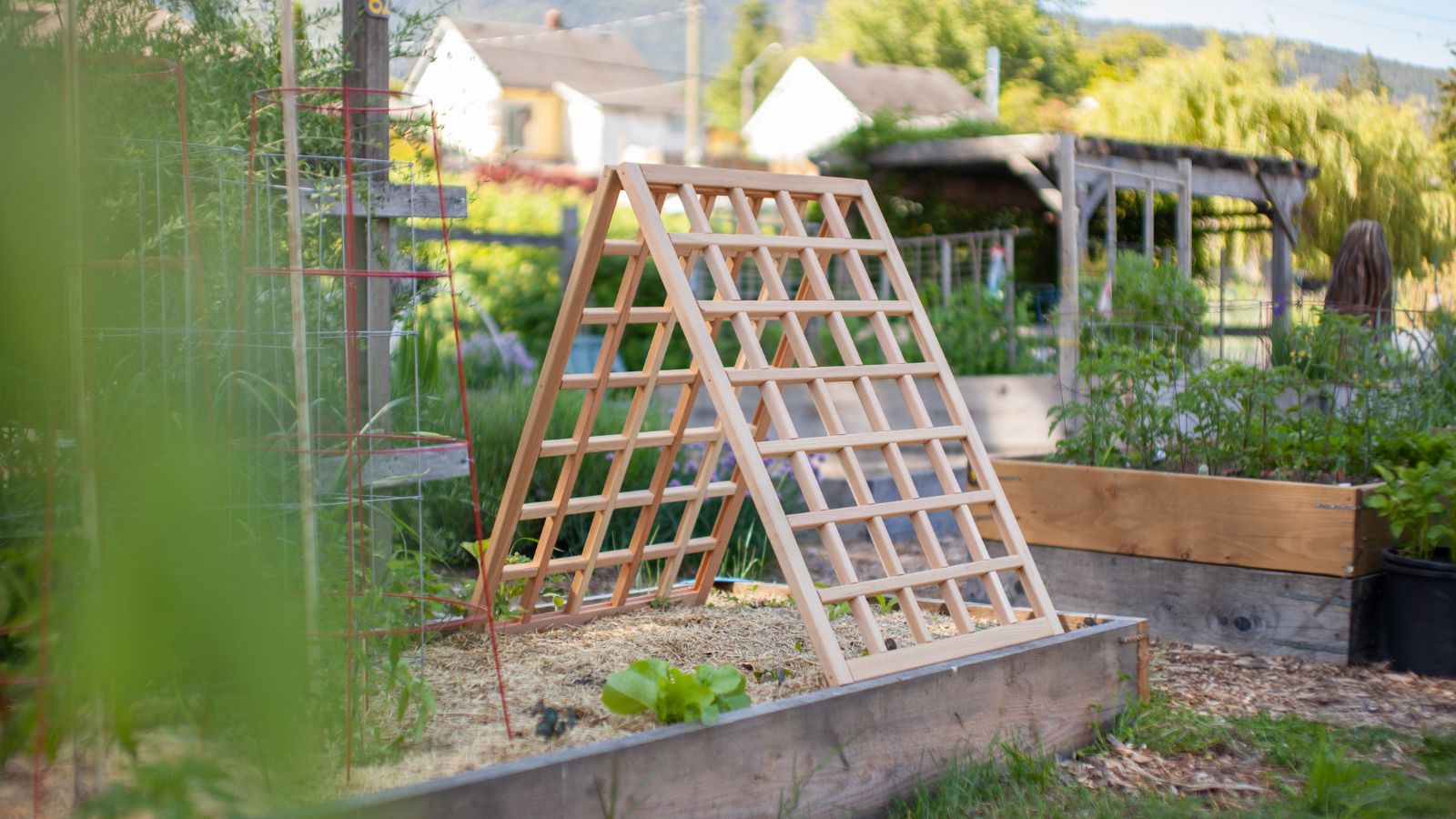
A well-made A-frame trellis turns vertical space into prime real estate for beans, peas, cucumbers, squash, and even vining flowers. Unlike flimsy versions that sag or topple, sturdy models are engineered to handle heavy loads and tough weather without budging.
Look for self-standing designs that drop into raised beds or sit in-ground, with crossbars or mesh that plants can easily grab. This is one of the easiest ways to expand your planting capacity without increasing your footprint.
- Why it’s worth it: Doubles your planting area and improves airflow, reducing disease pressure.
- What to look for: Powder-coated metal or rot-resistant wood, locking hinges, and optional stringing for finer tendrils.
- Best for: Small gardens, succession planting, and tidy harvests that don’t hide under leaves.
- Pro tip: Train vines early with soft ties; harvest from both sides to prevent uneven loading.
Outsmart The Seasons And Watering
5. Easy Cold Frame
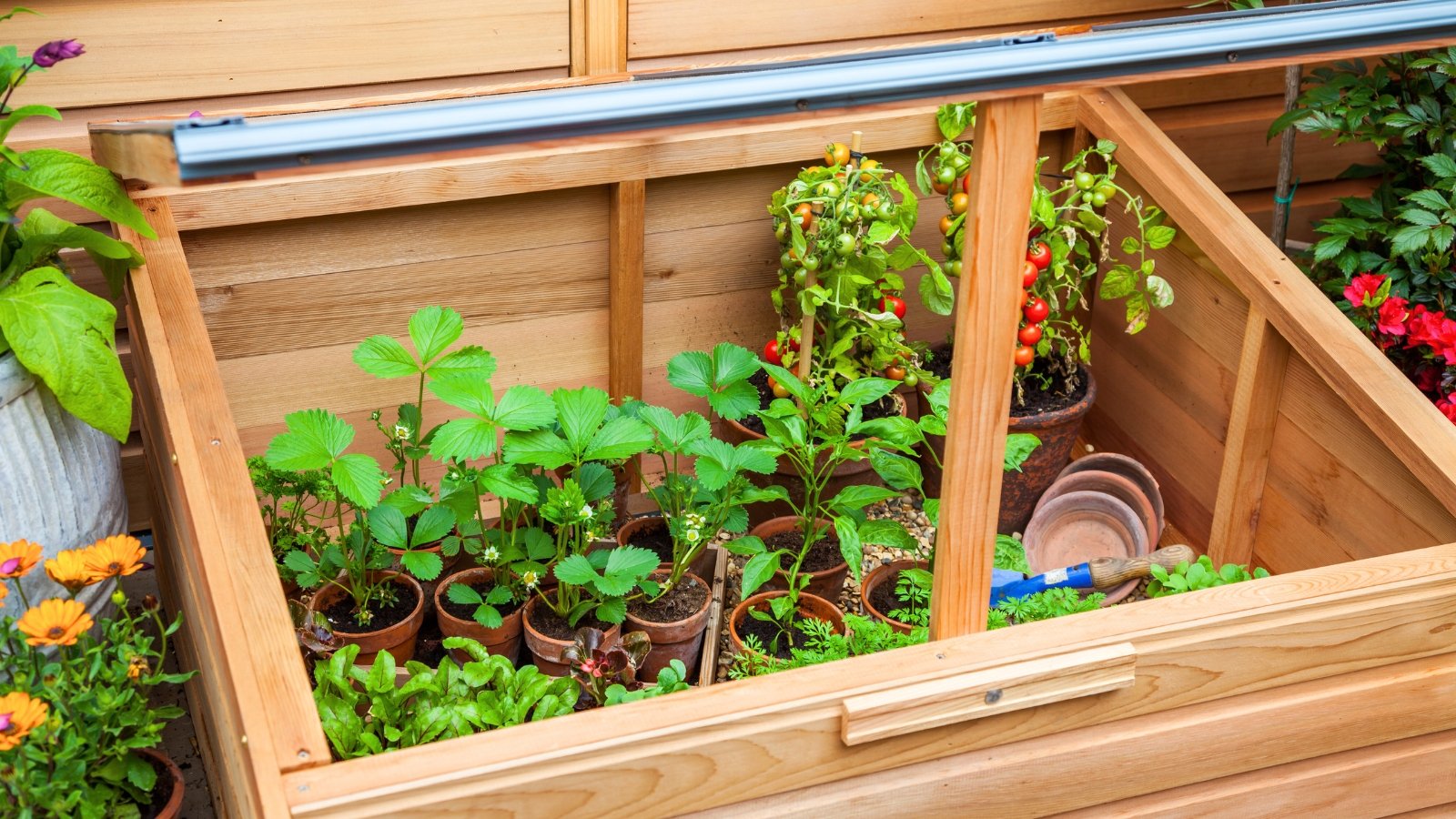
Cold frames let you push your season earlier in spring and later into fall by buffering plants from frost and wind. Quality models feature hinged or prop-up lids for ventilation so tender greens don’t overheat on sunny days, even when it’s chilly outside.
Skip flimsy builds that buckle under snow or blow over in gusts. A well-designed, portable unit becomes a four-season workhorse for hardening off seedlings and protecting cut-and-come-again greens.
- Why it’s worth it: Adds weeks (or months) to your harvest window with minimal energy use.
- What to look for: Rigid glazing (polycarbonate or tempered glass), sturdy frames, and adjustable vents.
- Best for: Salad greens, hardy herbs, brassicas, and hardening off transplants.
- Pro tip: Use a simple max–min thermometer inside to learn how your cold frame behaves in your microclimate.
6. Olla Watering Kits
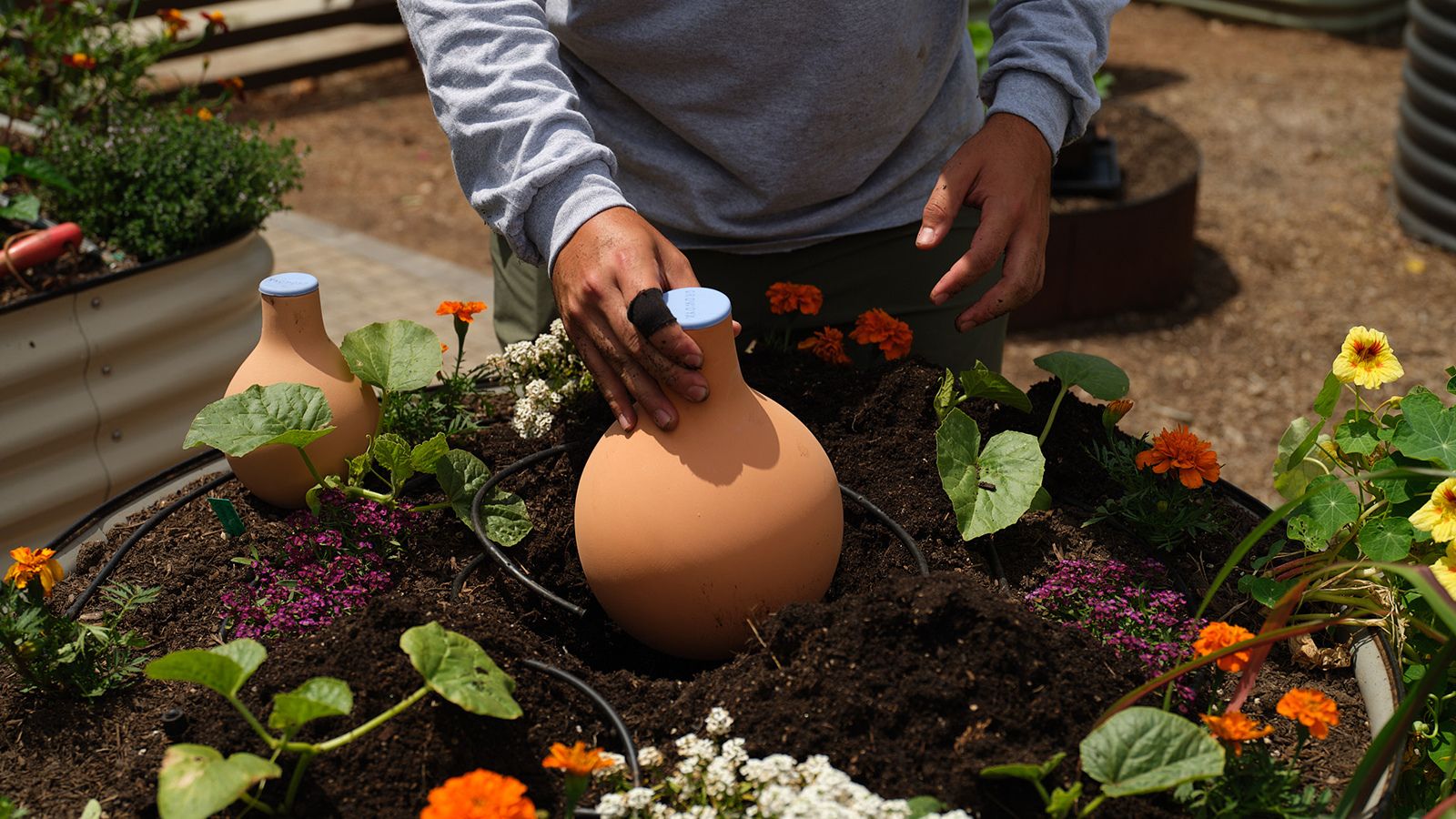
Ollas are porous clay vessels you bury near plant roots. They release water only when the surrounding soil dries, delivering deep, efficient moisture with virtually no evaporation.
This ancient technique shines in hot climates, during vacations, and for thirsty crops like tomatoes and squash. The best modern kits are beautiful enough to display and rugged enough for daily use.
- Why it’s worth it: Significant water savings, fewer stressed plants, and less time tethered to a hose.
- What to look for: High-fired, unglazed clay, snug lids to prevent debris, and sizes matched to bed dimensions.
- Best for: Raised beds, in-ground tomatoes, peppers, squash, and drought-prone sites.
- Pro tip: Group crops with similar water needs around each olla; top off during heat waves.
Seed Starting That Actually Works
7. Seed Starting Grow Light
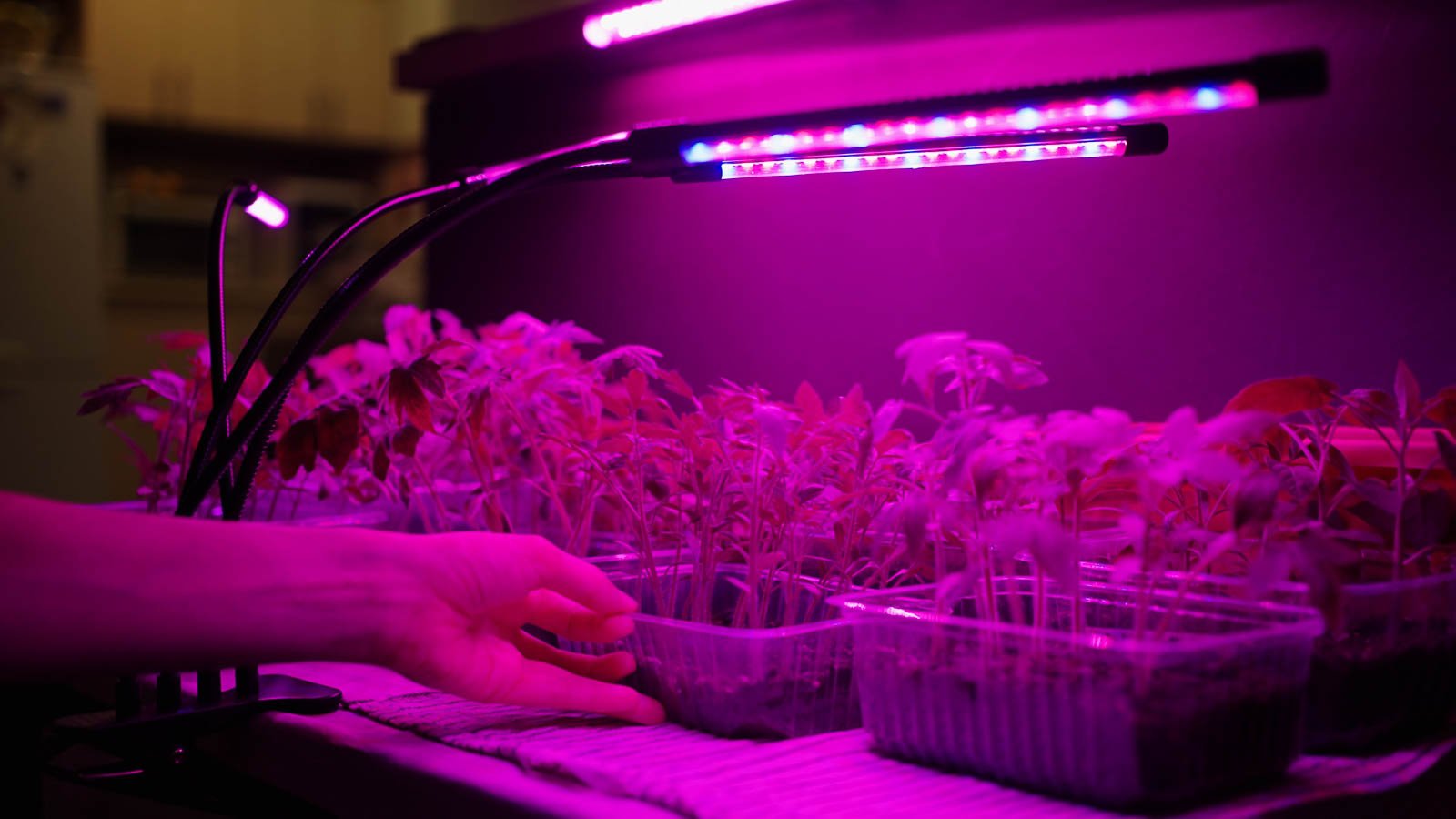
Windowsill seedlings often stretch, weaken, and falter after transplant. why you shouldn’t prune first-year Japanese maplesWhile caring for new seedlings, check to avoid stunting growth. For gardeners looking for tools and upgrades that really make a difference, see NYT’s list of the best gifts for gardeners. A quality, full-spectrum LED grow light produces dense, compact growth with sturdy stems and strong roots—exactly what you want before plants face outdoor stress.
Modern fixtures are efficient and cool-running, with adjustable heights, timers, and dimmers that take the guesswork out of seed starting. Once you’ve seen the difference, you won’t go back.
- Why it’s worth it: Predictable, high-quality seedlings and fewer losses after transplanting.
- What to look for: Balanced spectrum (around 400–700 nm), high efficiency, and easy height adjustment.
- Best for: Gardeners starting dozens of plants or anyone battling low-light winters.
- Pro tip: Keep lights 2–4 inches above seedlings and run 14–16 hours daily for sturdy growth.
8. Complete Seed Starting Kit
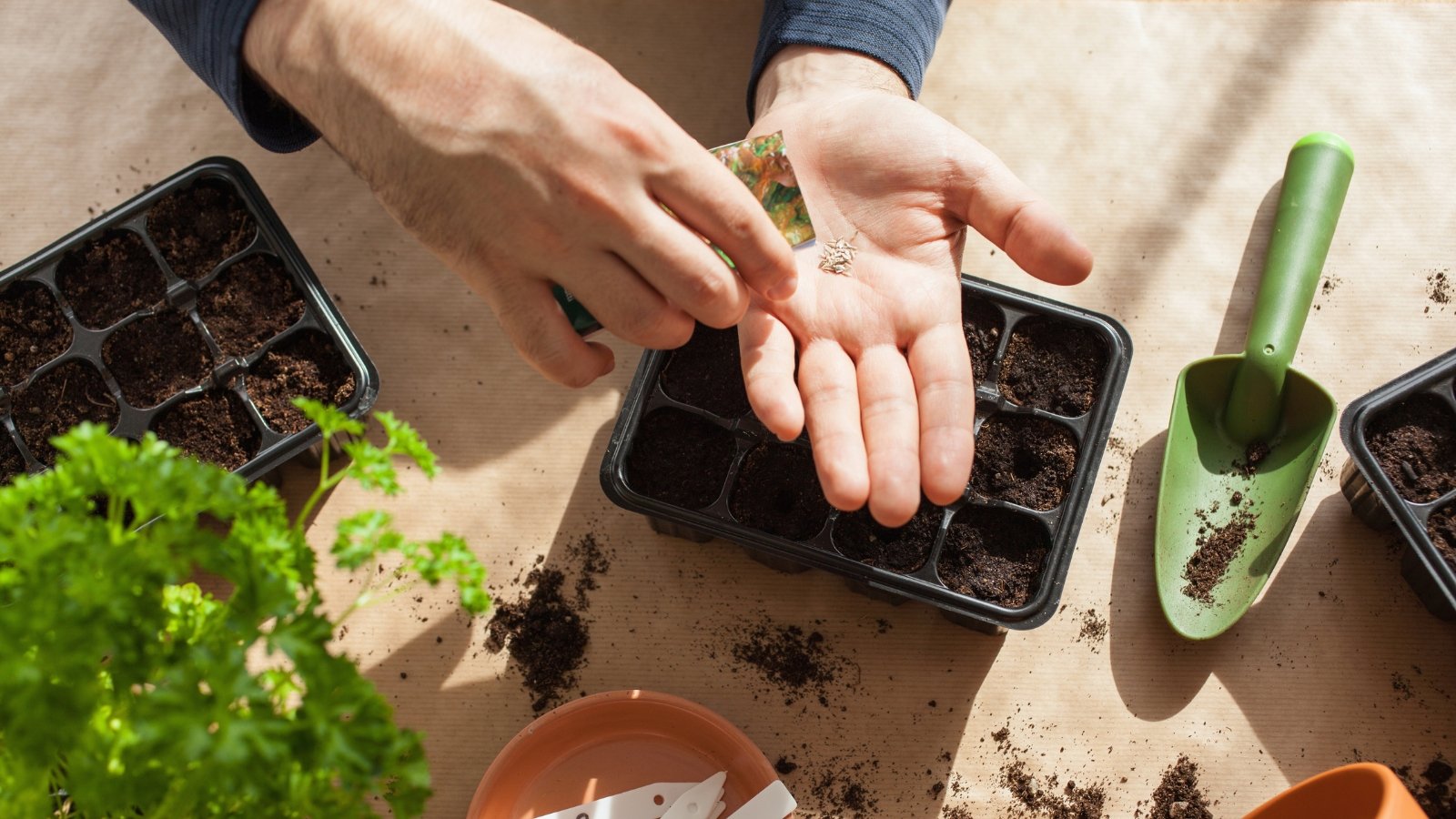
A comprehensive kit bundles bottom trays, cell trays, and lighting into a ready-to-grow system. The pieces fit perfectly and are designed to work together, so you’re not piecing together mismatched parts from multiple sources.
For beginners, it removes the intimidation factor. For experienced growers, it’s about reliability and speed—set it up once and start sowing.
- Why it’s worth it: No guesswork, faster setup, and higher germination and survival rates.
- What to look for: Rigid, reusable cell trays, leak-proof bottom trays, and a matched light sized to your trays.
- Best for: Anyone who wants a clean, repeatable seed-starting workflow.
- Pro tip: Label every row and bottom-water to reduce damping-off and algae.
Harvest Faster, Work Smarter
9. Specialized Harvest Basket
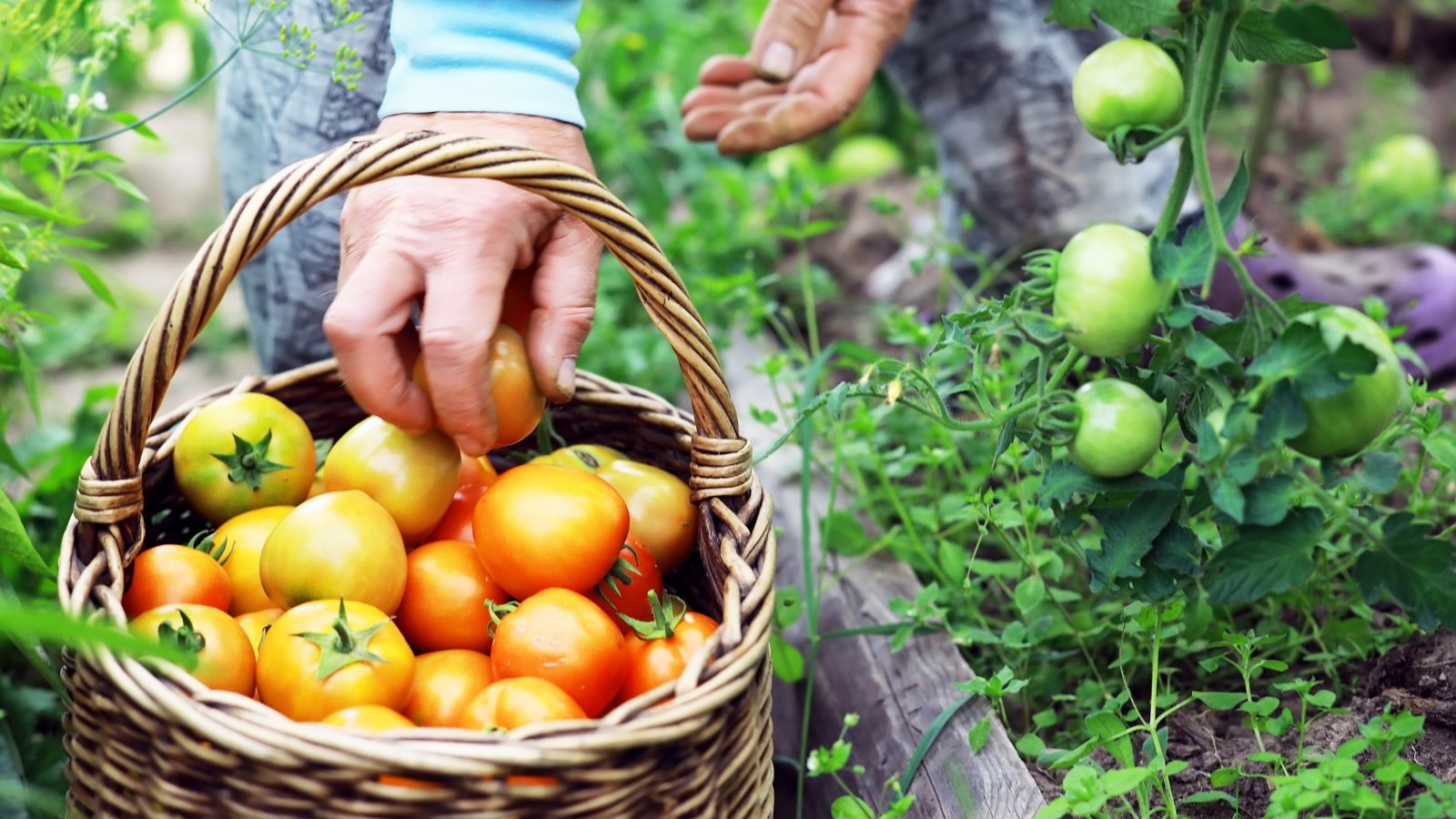
A purpose-built harvest basket turns gathering produce into a small daily joy. Large capacity, easy rinsing, and heirloom-quality craftsmanship make it more than a container—it’s a tool you reach for every single day.
Look for designs styled after clamming or market baskets with smooth, comfortable handles and coated wire that lets you wash veggies right inside.
- Why it’s worth it: Faster harvests, cleaner kitchens, and a tool you’ll proudly hang in plain sight.
- What to look for: Weather-resistant finish, food-safe wire, and reinforced handles for heavy loads.
- Best for: Daily pickers, CSA gardeners, and anyone gathering bulky crops like squash or greens.
- Pro tip: Keep a soft brush clipped to the handle to knock off soil before rinsing.
10. Auger Attachment
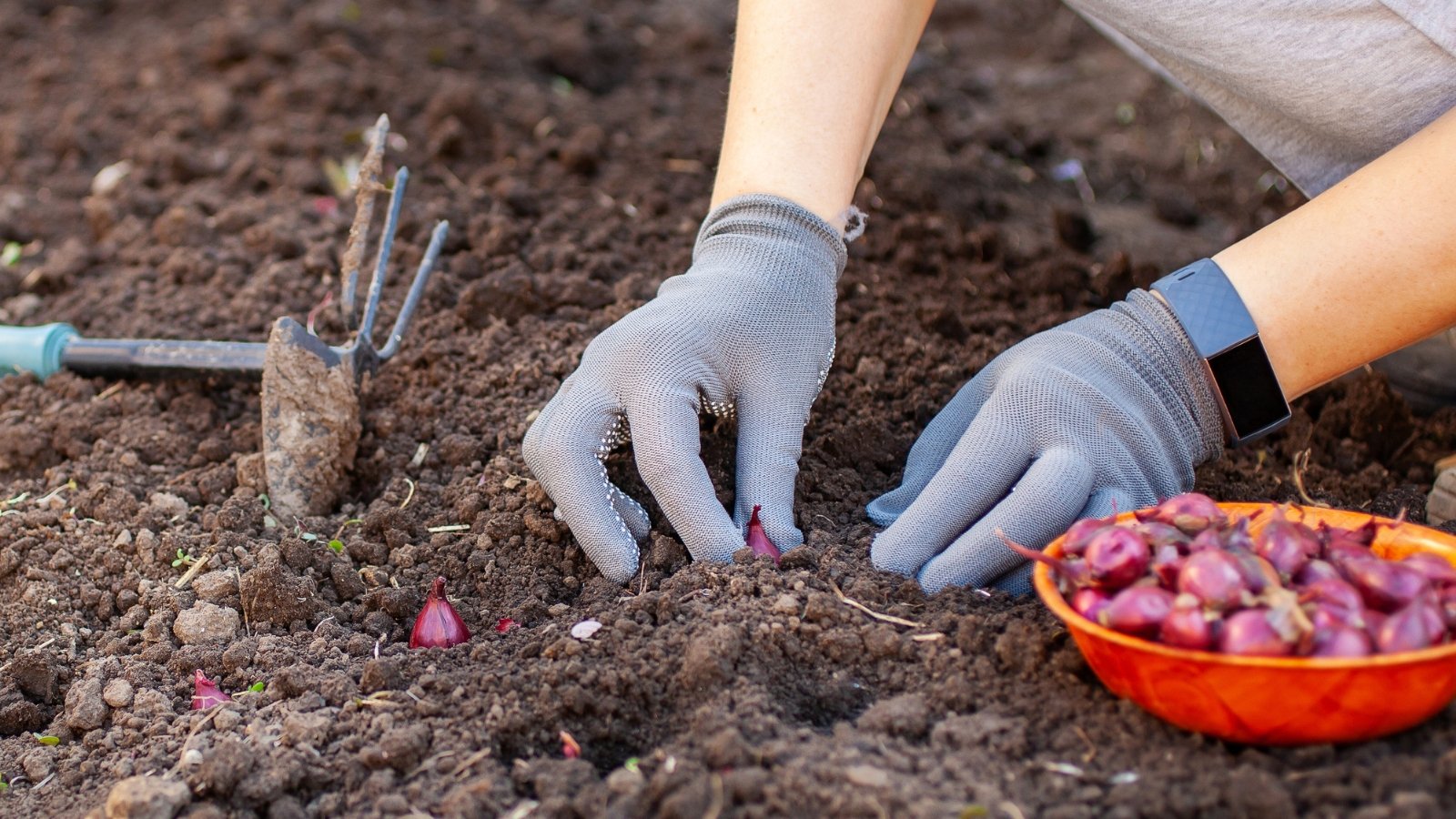
Attach an auger to your cordless drill and you’ll plant bulbs, perennials, and small shrubs in a fraction of the time. It bores consistent holes to the same depth, saving your back and knees from repetitive digging.
Beyond planting, augers mix soil amendments or even small batches of potting mix. It’s the tool gardeners never think to buy for themselves—and then use constantly.
- Why it’s worth it: Rapid, uniform holes and huge time savings on big planting days.
- What to look for: 3–4 inch diameter for bulbs and perennials, 12+ inch length, and a hex shaft to prevent chuck slipping.
- Best for: Bulb marathons, hedge or trellis post pilot holes, and amending compacted spots.
- Pro tip: Mark depth with tape on the bit; run at moderate speed and clear soil frequently.
Quick-Glance Summary: 10 Upgrades At A Glance
| Upgrade | Best For | Why It’s Worth It | Quick Tip |
|---|---|---|---|
| Metal Raised Beds | Long-term beds, better drainage | Decades of use and a cleaner layout | Add hardware cloth to block burrowers |
| Garden Arbor | Focal points and vertical crops | Beauty plus structure | Anchor securely to prevent sway |
| GreenStalk Vertical Planter | Small spaces and patios | More plants per square foot | Place thirstier plants lower |
| A-Frame Trellis | Climbing veggies and flowers | Better airflow and tidy harvests | Train vines early with soft ties |
| Easy Cold Frame | Season extension and hardening off | Weeks of extra harvests | Vent on sunny winter days |
| Olla Watering Kits | Hot, dry climates and raised beds | Deep, efficient watering | Cluster similar crops around each olla |
| Seed Starting Grow Light | Sturdy indoor seedlings | Compact, resilient growth | Keep lights 2–4 inches above tops |
| Complete Seed Starting Kit | Beginner-friendly setups | No guesswork, higher success | Label rows and bottom-water |
| Specialized Harvest Basket | Daily produce gathering | Fast rinsing and big capacity | Hang to dry after rinsing |
| Auger Attachment | Mass planting and soil mixing | Huge time and effort savings | Use a hex shaft to prevent slipping |
Actionable Checklist: Pick The Right Upgrade For Your Garden
- Define your bottleneck: Is it space, time, water, or plant health? Choose tools that erase your biggest pain first.
- Match to your microclimate: Cold frames and metal beds favor cool climates; ollas shine in heat and drought. Protect your investments further by following plant-safe winter deicing tips.
- Think vertical: Use arbors, A-frames, and GreenStalks to multiply space without expanding your footprint.
- Invest where it compounds: Grow lights and seed-starting kits pay back every season you start from seed.
- Prioritize durability: Powder-coated steel, Aluzinc, and high-fired clay outlast bargain materials many times over.
- Ease your body: Taller beds, augers, and harvest baskets reduce bending, digging strain, and extra trips.
- Start small, scale smart: Choose one upgrade, use it hard for a season, then add the next most impactful tool.
Wrap-Up: Invest Once, Enjoy For Years
Luxury gardening gifts are only “luxury” until you use them weekly. The smartest upgrades save time, protect your body, stretch your seasons, or produce measurably better plants—and then they keep doing it for years.
That’s the core smart-gardening mindset: invest in tools that remove friction from your routine and expand what’s possible in your space. Whether you pick a single upgrade or all 10, choose intentionally and let your garden (and your future self) reap the rewards.
Have a question or a favorite upgrade you swear by? Share it in the comments on Plant Care Dairy—we love learning from your wins and lessons. You might also enjoy real gardener stories on Reddit, where enthusiasts share their gift-inspired wins. Your ideas might spark someone else’s best season yet.
Disclaimer: The information in this article is for educational purposes only and is not a substitute for professional advice. Always follow manufacturer instructions and consider local conditions, codes, and safety practices when installing or using garden products.