
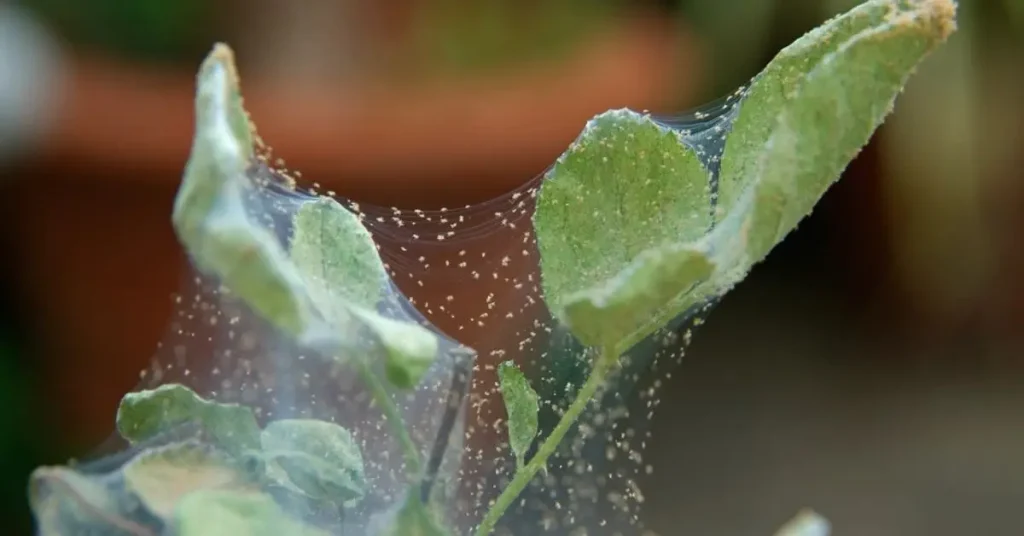
If you’re dealing with spider mites in your garden or on your indoor plants, you know how frustrating these tiny pests can be. Their webbing, yellowing leaves, and rapid spread can take a toll on your plants, leaving you wondering if you need to reach for harsh chemicals to fix the problem. But what if I told you there’s a better way? A natural way.
In this guide, I’ll share how to get rid of spider mites without chemicals — because yes, you can protect your plants and the environment at the same time. Not only will I walk you through simple, safe methods, but I’ll also explain why non-chemical solutions are a game changer for both your plants’ health and your peace of mind. Let’s dive in and get your garden back to thriving.
Understanding Spider Mites: What They Are and Why They’re Problematic
Spider mites are among the most common pests that gardeners face, yet they’re often overlooked because of their tiny size. These microscopic creatures are actually arachnids, closely related to spiders, and thrive in warm, dry environments. They can quickly infest a variety of plants, both indoors and outdoors, causing significant damage if not caught early.
Why are spider mites such a problem? The main issue is that they suck the nutrients from your plants’ leaves. By piercing the plant’s cell walls with their needle-like mouthparts, they drain the plant’s fluids, leading to yellowing, wilting, and even premature leaf drop. Over time, the damage can weaken the plant, making it more susceptible to disease. What makes spider mites even trickier is that they reproduce rapidly — a single female can lay hundreds of eggs, leading to an infestation in just a matter of days.
Visible signs of a spider mite infestation include:
- Yellow spots on leaves: As the mites feed on the plant, they cause discoloration and speckling.
- Webbing: Look for fine, silken webs in between leaves, particularly on the underside.
- Deformity: Leaves might start curling or wilting as the mites continue to drain nutrients.
Understanding what spider mites are and the damage they cause is crucial in identifying them early. If you don’t act fast, these pests can ruin your plants in no time. For a more in-depth look at spider mites and their biology, check out expert insights from TheSpruce.
How to Identify a Spider Mite Infestation: Early Signs to Watch For
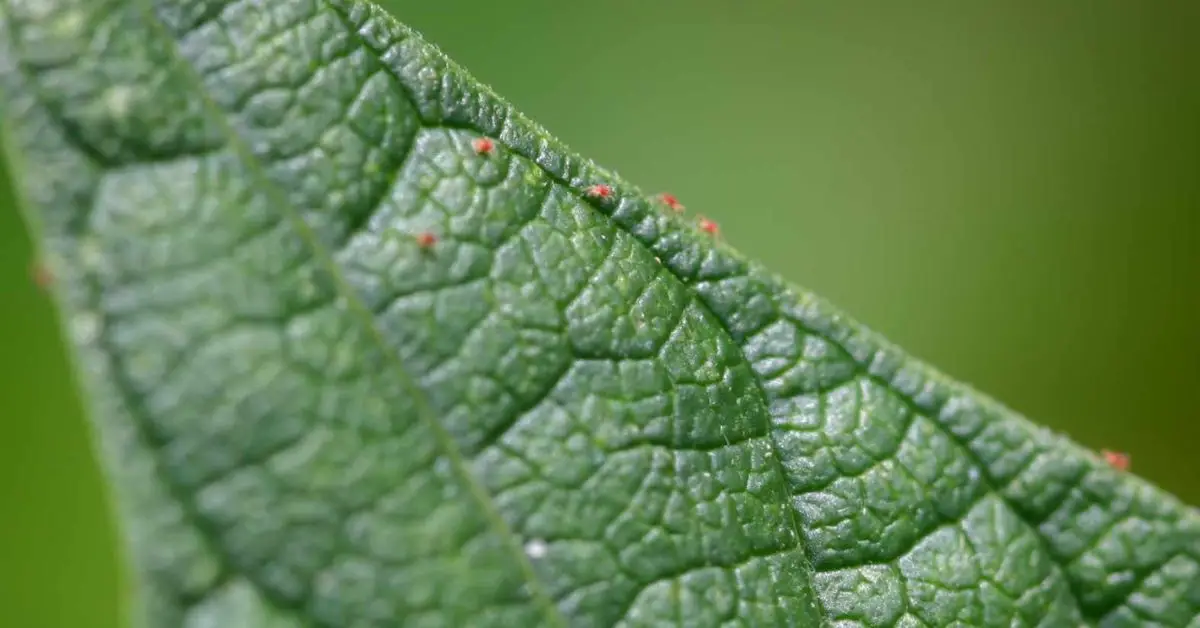
Identifying spider mites early is key to preventing major damage to your plants. The earlier you catch the infestation, the easier it will be to treat. So, how do you know if your plants are being attacked by spider mites? Look for these telltale signs:
- Small yellow or white speckles on leaves: The first sign of damage from spider mites is tiny, pale dots on the surface of the leaves. These speckles are the result of the mites piercing the plant’s cells to feed. Over time, these spots can expand and become more noticeable.
- Silken webs in between leaves: As the infestation grows, you’ll notice thin, web-like threads forming around the affected areas, especially between the leaves and stems. This webbing is produced by the mites and is often a clear sign of a more advanced infestation.
- Premature leaf drop and deformed leaves: As the mites continue to feed, they weaken the plant, causing leaves to fall prematurely. You might also see deformed leaves that are curled or stunted in growth.
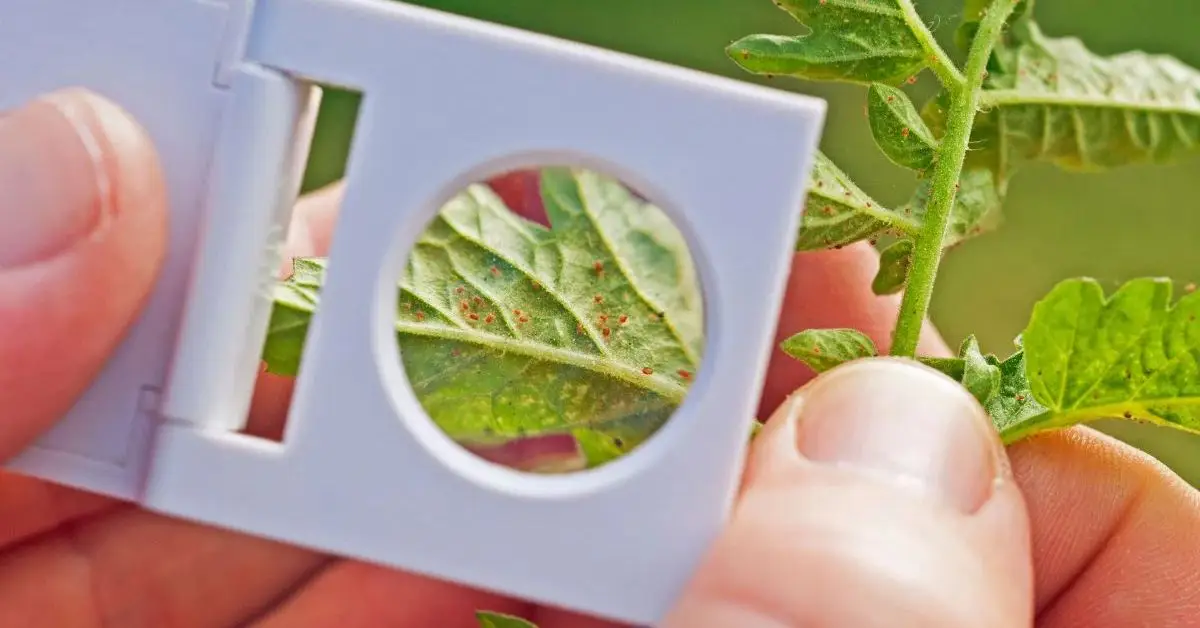
- Visible mites (under magnification): Spider mites are incredibly small, making them hard to see with the naked eye. But if you look closely under a magnifying glass or microscope, you might spot the tiny red or greenish mites crawling on the undersides of the leaves.
By recognizing these signs early on, you can take action before the mites completely damage your plants. Keep an eye out for these early warning signs and inspect your plants regularly to stay ahead of the problem.
Natural Ways to Control Spider Mites: Top Non-Chemical Solutions
If you’re looking to get rid of spider mites without turning to harsh chemicals, you’re in luck. There are plenty of natural methods that are effective, easy to use, and kind to the environment. Here are some top solutions that you can try:
Water Spray
- A strong water spray can knock spider mites off your plants. Simply use a hose or spray bottle with a strong jet of water to target the undersides of leaves where the mites like to hide.
- Water doesn’t just remove the mites—it also helps wash away the webbing they leave behind. This method is especially helpful for small or early infestations.
Neem Oil
- Neem oil is a natural pesticide that’s both safe and effective against spider mites. It works by disrupting the feeding and reproduction of the mites, gradually reducing their population.
- It’s gentle on your plants, pets, and beneficial insects, making it a go-to for organic gardening. If you’re looking for a natural solution to boost your plant’s health, applying rice water is a great option. This simple DIY method can help your plants grow faster and healthier, reducing their vulnerability to pests like spider mites. Learn more about it in our article on How to Apply Rice Water to Your Plants for Faster, Healthier Growth.
Insecticidal Soap
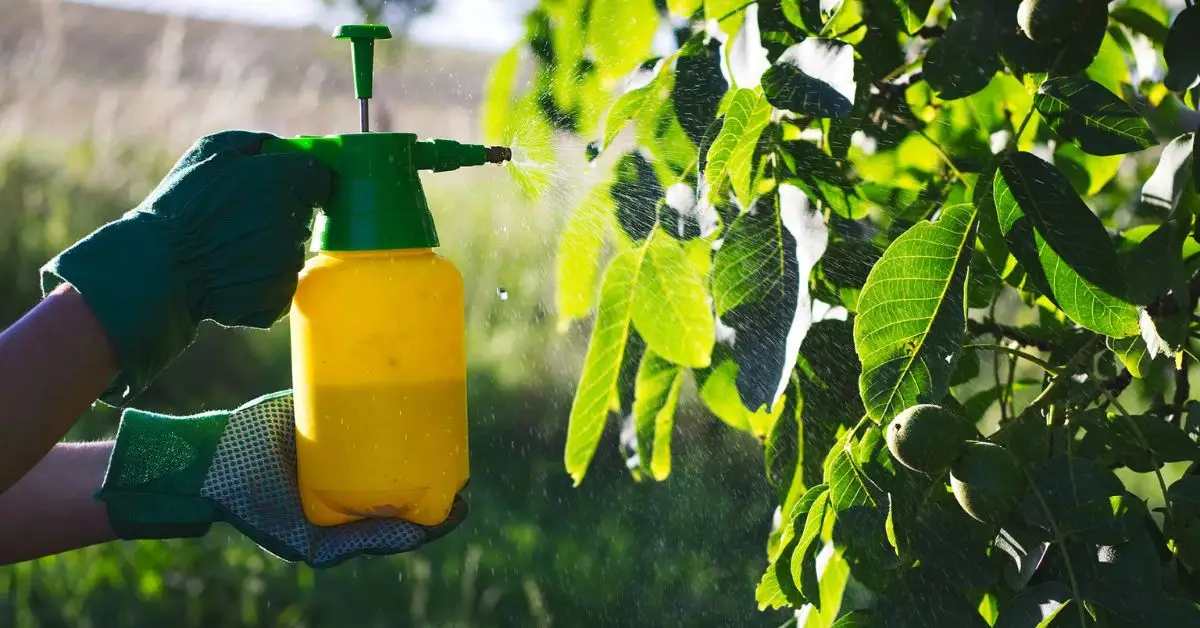
- Insecticidal soap works by suffocating spider mites. It’s an easy-to-find, safe option that’s great for treating plants without chemicals. You can buy it pre-made or create a simple DIY version using mild liquid soap mixed with water.
- It’s particularly effective when applied directly to the affected areas, killing spider mites on contact.
Predatory Mites
- If you prefer a hands-off approach, consider using predatory mites. These tiny natural predators feed on spider mites, helping to control their population without any extra effort from you.
- Predatory mites are a great option for those who want to create a balanced ecosystem in their garden, allowing nature to take care of the problem.
Essential Oils (e.g., Rosemary, Peppermint)
- Essential oils like rosemary and peppermint can also help repel spider mites. Mix a few drops with water and spray it on your plants. The strong scent is unpleasant to spider mites, encouraging them to move elsewhere.
- Not only do these oils smell great, but they also act as a natural deterrent without harming your plants.
For more detailed insights on how to tackle spider mites naturally, you can check out Garden Design.
How to Prevent Spider Mite Infestations in the Future
Once you’ve managed to rid your plants of spider mites, the real challenge is preventing them from coming back. Here are some simple, effective steps to protect your plants from future infestations:
- Regularly inspect plants, especially during warm, dry weather: Spider mites thrive in hot and dry conditions, so keep an eye on your plants during these times. Regularly check the undersides of leaves and around the stems for any signs of mites. Regularly inspecting your plants not only helps you catch spider mites early, but it also keeps other pests, like squash bugs, in check. For tips on how to prevent squash bugs from returning, check out our article on 5 Simple DIY Tricks to Stop Squash Bugs from Returning.
- Use mulch to reduce dust: Spider mites prefer dry environments, so mulching can help maintain moisture around your plants. It also helps to reduce dust, which creates an ideal habitat for mites.
- Avoid over-fertilizing plants: Over-fertilization can stress plants, making them more vulnerable to pests, including spider mites. Stick to a balanced fertilization routine to keep your plants healthy and strong.
- Keep humidity levels high: Spider mites thrive in dry, low-humidity environments. Increasing the humidity around your plants can discourage them from settling in. If you’re growing plants indoors, try placing a humidifier nearby or regularly misting your plants with water.
By taking these preventive measures, you can make your plants less inviting to spider mites, reducing the chances of future infestations. For more information on spider mite prevention, you can check out this detailed guide from Ohio State University.
Common Mistakes to Avoid When Dealing with Spider Mites
When it comes to spider mites, there are a few common mistakes that can make the situation worse. Here’s what to avoid:
- Over-relying on water spray and not addressing the source of infestation: While water spray is effective for dislodging spider mites, it doesn’t address the root cause of the problem. If your plants are infested, it’s important to combine water spray with other solutions like neem oil or insecticidal soap to fully control the issue.
- Using too much neem oil, which can stress plants: Neem oil is effective, but it’s important to use it properly. Too much neem oil can harm your plants, causing leaf burn or stunting their growth. Always follow the recommended dilution instructions. One common mistake gardeners make when using neem oil is applying it to plants that can’t handle it, which may lead to leaf burn or stress. To avoid this, it’s crucial to know which plants should never be treated with neem oil. Check out our article on Plants Not to Use Neem Oil On: Which Plants Can’t Handle It for a full list.
- Ignoring small infestations until they become larger: Spider mites reproduce quickly, and what starts as a small infestation can escalate into a major problem. Don’t wait for visible damage to show up before acting. Addressing the problem early on can save your plants.
By avoiding these common mistakes, you’ll be able to deal with spider mites effectively and keep your plants healthy.
Conclusion: Empowering You to Protect Your Plants Naturally
In the battle against spider mites, going chemical-free is not just effective but also better for your plants and the environment. Whether it’s using simple water sprays, neem oil, or even introducing natural predators, these solutions offer a safer and sustainable way to protect your garden. By choosing natural methods, you not only safeguard your plants but also contribute to a healthier, eco-friendly environment.
Now it’s your turn! Have you tried any of these natural spider mite solutions? Share your experiences in the comments below — I’d love to hear what’s worked for you. And if you want more gardening tips and advice, be sure to visit Plant Care Dairy for all the latest guides and solutions for healthy, thriving plants!
Disclaimer: Results may vary depending on the severity of the infestation and the specific plant species. While these natural methods are effective for many gardeners, persistence and consistent care are key to successfully managing spider mites. Always test any solution on a small area of the plant before full application.