
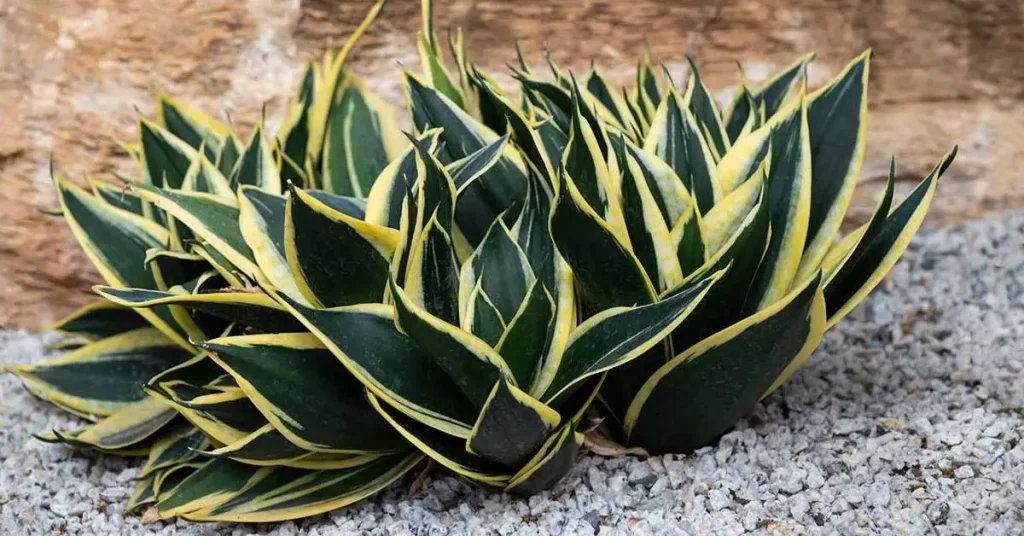
I used to think snake plants were strictly indoor—park them by a window and forget it. Then I saw how many people move them to porches and patios and either watch them explode with new growth… or crash after a week. So can snake plants thrive outdoors? Yes—but only if you match their needs to your weather, light, and soil.
Outdoors, they’re tougher than most give them credit for. The catch is simple: too much afternoon sun scorches leaves, trapped rainwater rots roots, and one cold snap can wipe out a plant you’ve grown for years. Get those three things right—light, drainage, temperature—and a snake plant outside can look better than it ever did indoors.
Here’s how I’ll help you do it the right way: we’ll check your local lows, pick a spot that’s bright but not blasting, set up fast-draining soil, water with rainfall in mind, ease the plant into the sun, and make a clean plan for the first frost. No fluff—just what keeps the leaves upright and the roots safe.
Quick gut-check before we dive in: where do you live, what’s your coldest winter night, and how many hours of direct sun does your outdoor spot get?
Why Snake Plants Are Popular Beyond Indoors
I’ll be honest with you—most of us first meet snake plants as a living-room accessory. They sit in a corner, clean the air, and don’t complain when you forget to water them for weeks. That’s what makes them so appealing:
- Air-purifying benefits that make indoor spaces feel fresher
- Low maintenance—they forgive neglect better than almost any other houseplant
- Modern décor appeal, with those upright leaves fitting perfectly in minimalist or cozy homes
But here’s the thing: while everyone sees them as “indoor plants,” their potential outdoors is just as strong. Imagine your patio lined with tall snake plants, soaking up morning sun and adding that same modern touch to your garden. If you’ve only kept them inside, you might be underestimating what they can do outside.
Can Snake Plants Really Grow Outdoors? The Straight Answer
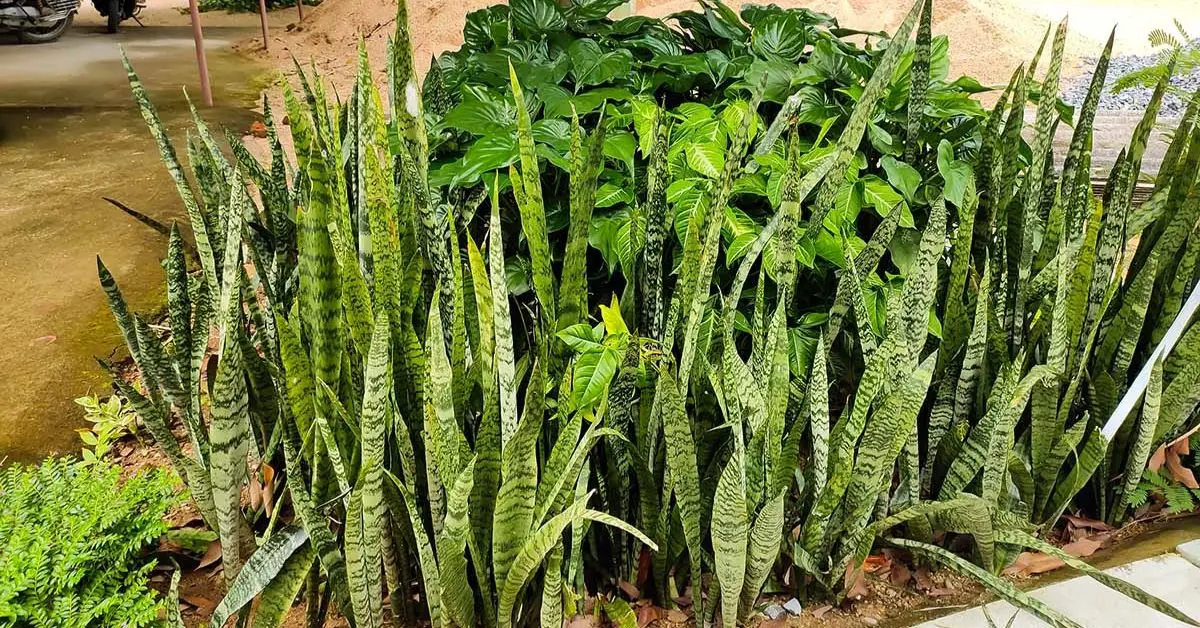
So let’s cut to the chase: yes, snake plants can thrive outdoors—but only if your climate gives them the right support. They’re naturally built for warmth and don’t appreciate frost or soggy soil. According to The Spruce’s guide on growing snake plants outdoors, these plants perform best in USDA zones 9–11, where winters stay mild and temperatures rarely dip below 50°F.
If you live in a cooler zone, that doesn’t mean you’re out of luck. It just means you’ll need to treat your snake plant as a seasonal outdoor guest—bring it outside in spring and summer, then tuck it back indoors before the cold sets in.
To make it super clear, here’s how they stack up indoors versus outdoors:
- Indoors: Stable temperature, limited pests, slower growth, less sun stress
- Outdoors: Faster growth, brighter colors, natural rainfall—but risk of sunburn, root rot, or frost damage
Think of it this way: keeping a snake plant outside can give you that bold, lush look faster, but it also asks you to pay more attention to light, rain, and seasonal changes.
My advice? If your nights stay mild and your summers aren’t brutally dry, give it a shot outdoors. You might be surprised at how much bigger and healthier your plant gets.
Ideal Outdoor Conditions for Snake Plants
Getting snake plants to flourish outdoors isn’t rocket science—it’s about matching them with the right conditions. Indoors they survive almost anything, but once outside, a little extra care makes the difference between thriving leaves and a plant that looks stressed.
Sunlight & Shade Balance
Snake plants love light, but they don’t want to bake. The best spot is one with bright, indirect sun or morning light followed by afternoon shade. If you leave them in harsh afternoon rays, the leaves can burn and turn yellow or crispy. I’ve seen plenty of gardeners on Reddit share photos of scorched plants after moving them outdoors too quickly—proof that even a hardy plant has limits.
Tip: If you’re shifting your snake plant outdoors for the first time, do it gradually. Start with a shaded patio or porch, then slowly give it more light over a week or two.
Temperature & Seasonal Concerns
These plants do best in 55–85°F (13–29°C). Anything cooler than 50°F is risky—frost can damage or even kill them. That’s why if you live somewhere with cold winters, you should always bring your snake plant indoors before the first frost. In warm regions, however, they’ll happily sit outside year-round and even push out more growth than they do indoors.
Think of them as fair-weather friends—they’ll thrive outdoors when nights are mild, but they won’t forgive a sudden freeze.
Soil & Drainage Requirements
Outdoors, soil is just as important as sunlight. Snake plants hate sitting in water, so use a well-draining sandy or loamy mix. If you’re planting in the ground, make sure the area doesn’t pool water after rain. In containers, always use pots with drainage holes and consider lifting them slightly off the ground to help water escape. And if you’re curious about experimenting indoors, you can also explore soil-free indoor gardening with plants that beautify your home as an alternative.
According to Gardenia’s detailed guide on snake plant care, the right soil mix can make the difference between strong, upright leaves and root rot. That’s why outdoor setups need extra attention compared to indoor pots.
Common Problems Snake Plants Face Outdoors
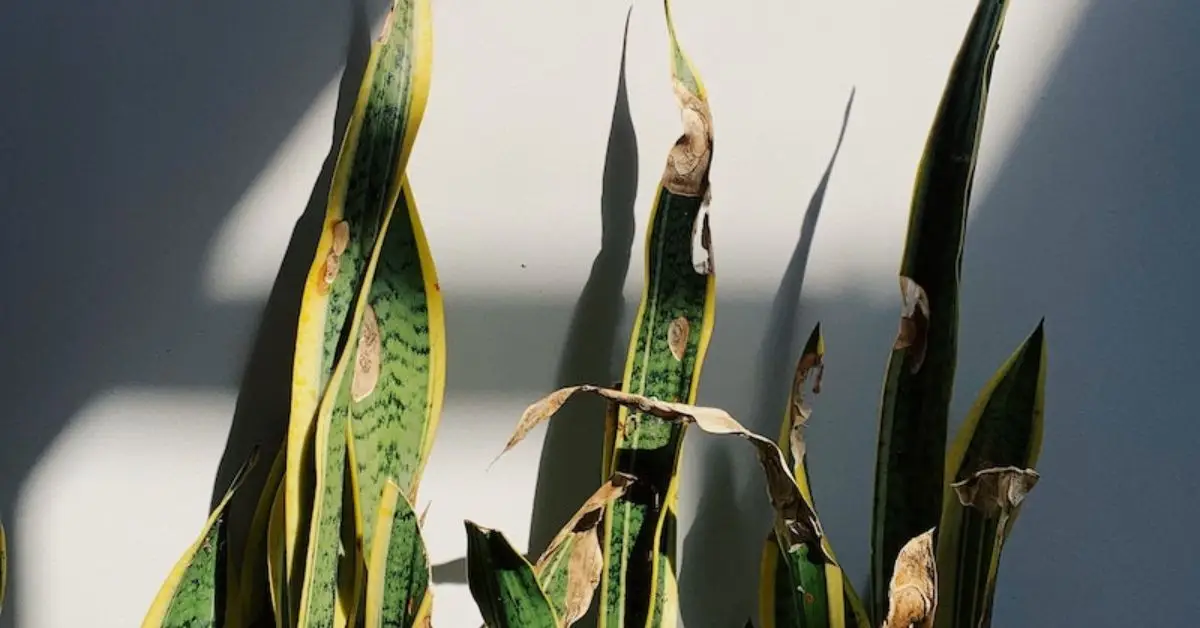
Even though snake plants are tough, outdoor life comes with its own set of challenges:
- Leaf burn: Too much direct sun, especially in the afternoon, causes brown patches and drooping leaves.
- Root rot: Heavy rains or poor soil drainage can drown the roots.
- Pest exposure: Outdoors, they’re more likely to attract mealybugs, spider mites, and aphids. If you ever notice aphids clustering on your plants, here’s a guide on how to get rid of aphids on houseplants without chemicals that walks you through safe, effective fixes.
- Snails & slugs: A unique outdoor problem—these critters chew on tender leaves, something indoor owners rarely deal with.
Knowing these issues upfront helps you prevent them, instead of reacting after your plant is already suffering.
Outdoor Care Tips for Healthy Growth
Once your snake plant is outside, the real secret to keeping it healthy is in the daily care you give. It doesn’t need constant fussing, but a few smart habits will make all the difference.
Smart Watering Schedule
Outdoors, rainfall often does some of the work for you. But that doesn’t mean you should ignore watering completely. Always check the top inch of soil—if it feels dry, give the plant a drink. If it’s damp, hold back. Overwatering is still the fastest way to kill a snake plant, especially when pots are exposed to rain.
Pro tip: After heavy showers, tilt the pot slightly to let any standing water drain out.
Fertilising Outdoors
A little fertiliser goes a long way. Use a mild, balanced feed once a month during the growing season (spring and summer). Too much fertiliser outdoors can make the leaves long and weak instead of sturdy and upright. Less really is more with this plant.
Container Gardening with Snake Plants
Keeping snake plants in pots outside is often the best move:
- Mobility: You can shift them quickly if the weather changes or frost threatens
- Frost protection: Easier to bring them indoors before winter bites
- Décor flexibility: Looks great on patios, balconies, and porches
Costa Farms often suggests containers for outdoor snake plants because of their design value, but the bigger win is how much control you get when the weather flips suddenly.
Seasonal Maintenance Guide
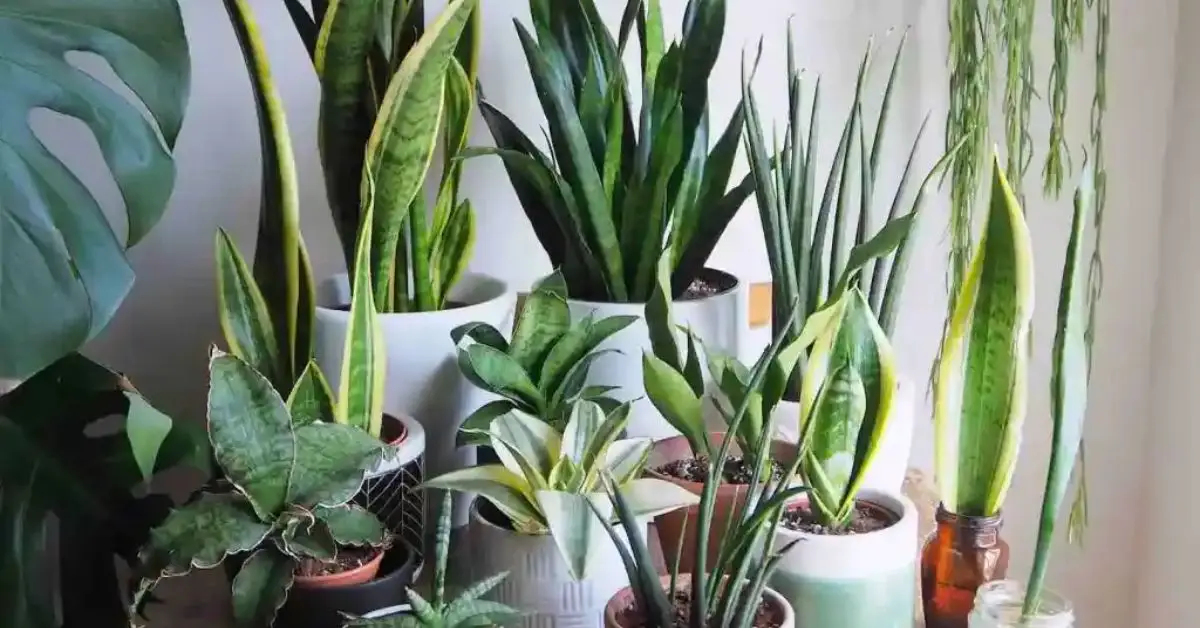
Snake plants respond differently as the seasons shift, so adjusting your care keeps them safe:
- Summer: Place in partial shade to avoid scorching; water slightly more as heat dries the soil faster.
- Monsoon/Rainy season: Protect from overwatering by raising pots off the ground and ensuring drainage holes stay clear.
- Winter: Bring indoors if temps drop below 50°F, or insulate outdoor pots with burlap or covers. Once your snake plant is safe inside, it’s the perfect time to try other greenery—check out our tips on how to grow herbs indoors with smart, beginner-friendly methods.
By tailoring care season by season, you prevent most of the problems people complain about online.
Can Snake Plants Spread Outdoors Like Ground Cover?
Here’s something many gardeners don’t realise: snake plants can spread aggressively in warm regions. Their rhizomes creep underground, producing new shoots until they form dense clumps. In some areas, this naturalising habit even borders on being invasive.
According to Nurserykart’s guide on snake plants outdoors, the safest way to enjoy them without letting them take over is to keep them in containers or trim rhizomes regularly.
If you love the idea of snake plants as outdoor décor, pots will give you that bold look while keeping growth under control.
Key Takeaways for Outdoor Snake Plant Success
Snake plants can absolutely thrive outdoors—but only when the basics are right. They love warm climates, respond beautifully to good drainage and balanced care, and reward you with faster growth and striking leaves. Just remember to:
- Avoid frost by bringing them in before cold nights
- Protect from overwatering during rainy spells
- Shield from harsh afternoon sun to prevent leaf burn
- Use pots or containers for flexibility and easy protection when the weather turns
With these steps, your snake plant won’t just survive—it’ll look better outside than it ever did indoors.
What about you—have you tried moving your snake plant outdoors yet? Share your experience in the comments below, I’d love to hear how it worked for you.
For more practical guides and plant care tips, don’t forget to visit Plant Care Dairy and explore our latest articles tailored for gardeners like you.
Disclaimer: The advice shared in this article is for general informational purposes only. Growing conditions can vary depending on your local climate and environment. Always consider your specific weather, soil, and plant needs before making care decisions.