
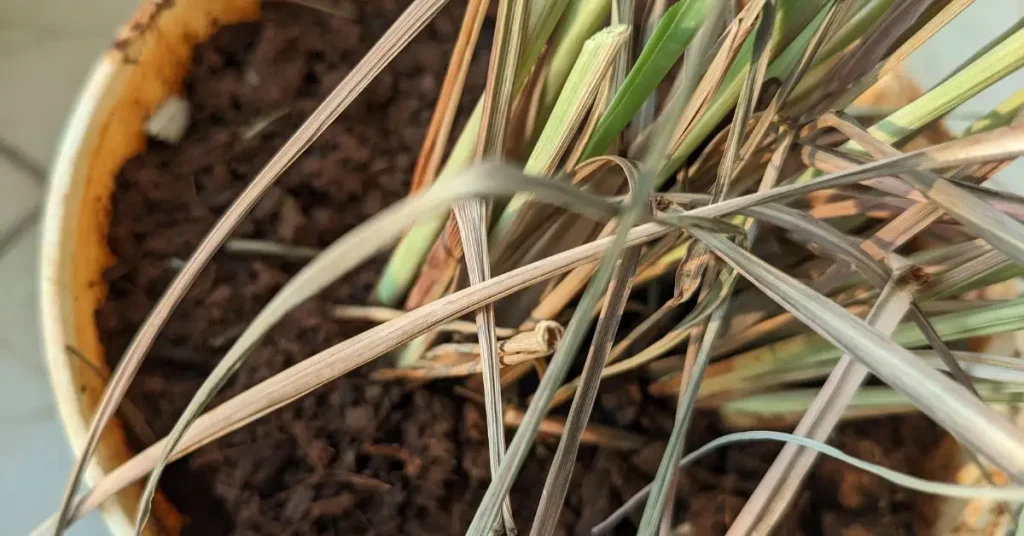
We’ve all been there—watching your lemongrass start to wilt or noticing the leaves turning a dull brown. You pour love and care into your plants, but sometimes things just don’t go as planned. Whether you’ve had your lemongrass for a few weeks or it’s been thriving for months, there are several reasons why this fragrant herb can suddenly start to show signs of distress.
But don’t panic—there’s good news. Most of the issues are fixable, and with a few simple adjustments, you can bring your lemongrass back to life. I’ll walk you through what might be going wrong and how you can turn things around before it’s too late. Trust me, with the right steps, your lemongrass can be thriving again in no time.
Common Causes of Lemongrass Decline
If your lemongrass is struggling, it can be tough to figure out what’s causing the problem. But don’t worry—once you identify the root cause, you’ll know exactly how to bring it back to life. Let’s break down some of the most common reasons why your lemongrass might be on the decline and how you can fix them.
Watering Issues: The Fine Line Between Too Much and Too Little
One of the most common mistakes people make with lemongrass is getting the watering schedule wrong. Both overwatering and underwatering can lead to the same frustrating results: yellowing leaves, wilting, or even the plant dying.
- Overwatering: When you water too much, the roots can suffocate and rot. If the soil is constantly wet, your lemongrass won’t be able to breathe, leading to poor growth and eventual decline.
- Underwatering: On the other hand, if you let the soil dry out completely, your plant won’t get the hydration it needs. This can cause the tips of the leaves to turn brown and the whole plant to look weak and sad.
How to fix it: Aim to water your lemongrass when the top inch of the soil feels dry. Ensure the pot or garden bed has good drainage to prevent water from sitting at the bottom.
If you’re unsure, it’s better to slightly under-water than to overdo it. Your lemongrass will thank you for it! If you’re noticing your plants are wilting due to both sun and water issues, it might be worth checking out our guide on how to save your plants from sunburn to make sure they’re not being overexposed to harsh sunlight.
Environmental Factors: Finding the Right Spot for Your Lemongrass
Lemongrass is a tropical plant that loves warmth and sunlight, and it’s not as adaptable to changes in temperature as you might think. When your plant is exposed to the wrong environmental conditions, like drafts or low light, it can struggle to thrive.
- Lighting: Lemongrass needs at least 6 hours of direct sunlight each day. Without enough light, it will start to show signs of stress—usually through weak, leggy growth.
- Temperature Fluctuations: Your lemongrass prefers a stable environment. It thrives in temperatures between 70°F to 85°F (21°C to 29°C). Any drastic changes in temperature can cause stress and stunt growth.
- Humidity: Lemongrass enjoys humidity, so if your home or garden is too dry, you might see the plant’s leaves curling or drying out.
How to fix it: Place your lemongrass in a sunny spot and avoid areas with temperature fluctuations, like near air conditioners or drafty windows. If you’re growing it indoors, consider using a humidifier or placing a shallow dish of water nearby to increase moisture in the air.
Soil Problems: The Importance of Well-Drained Soil

Soil quality is critical to the health of your lemongrass. If your soil isn’t draining properly or lacks the right nutrients, it will be difficult for the plant to thrive.
- Drainage Issues: Poorly draining soil leads to waterlogged roots, which can cause root rot. Lemongrass likes slightly acidic, loamy soil with good drainage.
- Nutrient Deficiency: If the soil is lacking key nutrients like nitrogen or potassium, your lemongrass might not be able to grow properly. Yellowing leaves or stunted growth are often signs of nutrient deficiencies. Understanding your soil’s nutrient content can help you address issues like yellowing leaves. Our soil test guide for gardeners can help you identify and improve nutrient deficiencies in your soil.
How to fix it: Use a well-draining potting mix for container-grown lemongrass or amend your garden soil with organic compost to improve texture and fertility. If you’re unsure about the nutrient levels, consider adding a balanced fertilizer to give your plant the boost it needs.
Houzz forum discussions highlight the importance of proper soil for lemongrass growth.
Pests or Diseases: A Silent Threat to Your Lemongrass
Lemongrass can be susceptible to a variety of pests and diseases, and they can slowly damage your plant without you realizing it. Common culprits include aphids, spider mites, and fungal infections.
- Aphids and Spider Mites: These tiny pests feed on the sap of the plant, leading to weakened growth and yellowing leaves.
- Fungal Infections: In humid conditions, lemongrass can develop fungal diseases that cause rot or mold on the leaves or stems.
How to fix it: Inspect your plant regularly for signs of pests or fungal infections. If you find any, treat the plant with an organic insecticide or use natural remedies like neem oil to keep pests at bay. Make sure to remove any affected leaves to prevent the disease from spreading.
By addressing these common issues—water, environment, soil, and pests—you’ll be on the right track to restoring your lemongrass to its vibrant, thriving self. Keep an eye on the symptoms, adjust your care routine, and your plant will thank you with healthy growth in no time.
How to Diagnose if Your Lemongrass is Truly Dying
Before you start making changes to your lemongrass care routine, it’s important to assess just how serious the situation is. Sometimes, the signs can be subtle, and other times, they scream for attention. Here’s how you can determine if your lemongrass is still salvageable or if it’s beyond repair.
Signs of Serious Decline: Yellowing Leaves, Wilting, and Stunted Growth
If you’re seeing yellowing leaves that seem to spread rapidly, wilting, or stunted growth, these are clear signs that your lemongrass is struggling. These symptoms could indicate stress from overwatering, poor soil, or pest infestations.
- Yellowing Leaves: If the yellowing starts at the tips and moves inward, it often points to an issue with water quality, soil health, or nutrient imbalance. Yellowing leaves can also be a sign of sunburn, especially if your plant has been exposed to intense sunlight. Learn more about saving your plants from sunburn and preventing further damage.
- Wilting: If your lemongrass wilts even when the soil is moist, it could be a sign of root rot caused by overwatering or a fungal infection.
- Stunted Growth: When your plant stops growing or only grows weak, leggy shoots, it suggests that it’s not getting enough nutrients or sunlight.
What to do: Act quickly by checking your watering habits, soil conditions, and light exposure. The sooner you address the problem, the higher the chance of recovery.
Is the Root System Still Healthy?
One of the most important aspects of diagnosing your lemongrass’ health is checking its root system. The roots are the lifeline of the plant, and if they’re damaged or diseased, no amount of water or sunlight will help.
- How to check: Gently remove your lemongrass from its pot or dig around the root zone. Look for dark, mushy, or rotten roots, which are a sign of root rot.
- Healthy Roots: Healthy roots should be firm, white or light tan in color, and spread throughout the soil, looking vibrant and plump.
What to do: If you find any unhealthy roots, trim them off with sterile scissors. If most of the roots are healthy, you can replant your lemongrass in fresh soil to give it a new start.
Questions from Gardening Know-How discusses how to identify and address root problems in lemongrass plants.
Early Warning Signs: Brown Tips or Yellow Leaves—What to Do at the First Sign
If you notice brown tips or yellowing leaves, these are early warning signs that your lemongrass is under stress. While these may not always be fatal, ignoring them could lead to more severe issues down the line.
- Brown Tips: Often a sign of underwatering, high temperatures, or inconsistent watering.
- Yellowing Leaves: This could be from nutrient deficiencies, especially nitrogen, or environmental stress.
What to do: As soon as you notice these signs, adjust your watering schedule and check the plant’s environment. It’s much easier to correct these early symptoms than to wait until they spread.
Step-by-Step Guide to Reviving Your Lemongrass
Now that you know how to diagnose the issues, let’s talk about how to bring your lemongrass back to life. Whether it’s underwatered, overwatered, or just a little neglected, these steps will help restore your plant to its healthy state.
Step 1: Correct Your Watering Routine

The first step in reviving your lemongrass is getting the watering right. Lemongrass doesn’t like to be either too dry or waterlogged, so finding the right balance is key.
- How much to water: Water deeply but infrequently. Aim for once a week, or when the top inch of soil feels dry.
- How often to water: In warmer climates, you may need to water more frequently, but in cooler areas, once every 10-14 days might suffice.
What to do: Avoid letting the plant sit in water. Ensure your pot has proper drainage to avoid root rot.
Step 2: Find the Right Location
Lemongrass needs plenty of sunlight and warmth to grow strong. Without the right placement, it will continue to struggle.
- Sunlight: Place your lemongrass in a location where it receives at least 6-8 hours of direct sunlight daily.
- Temperature: Ensure the temperature stays between 70°F to 85°F (21°C to 29°C). Avoid placing your plant near drafty windows or air conditioners.
What to do: If you’re growing it indoors, a south-facing window is ideal. Outdoors, plant it in a sunny spot with plenty of space to grow.
Step 3: Soil and Fertilization Tips
Soil health is crucial to the overall wellbeing of your lemongrass. Make sure the soil has proper drainage and the right balance of nutrients.
- Soil: Use well-draining soil, preferably a mix of loamy and slightly acidic soil.
- Fertilization: Use a balanced fertilizer to provide your lemongrass with the nutrients it needs, but avoid over-fertilizing, as this can burn the roots.
What to do: Amend the soil with compost if needed, and fertilize your lemongrass every 6-8 weeks during the growing season.
Step 4: Pruning and Maintenance
Pruning is an essential part of lemongrass care. Trimming off dead or damaged leaves will help the plant focus its energy on new growth.
- When to prune: Prune lemongrass in the early spring or after harvesting. Remove any yellowing or damaged leaves regularly.
- How to prune: Use clean, sharp scissors to cut off dead or damaged sections of the plant.
What to do: Regular maintenance helps promote healthy growth and keeps the plant looking neat.
Step 5: Troubleshooting Pests and Diseases
Finally, keep an eye on pests and diseases. Aphids, spider mites, and fungal infections can take a toll on your lemongrass if not addressed promptly.
- Pests: Look for signs of pests like small bugs on the leaves or sticky residue on the plant.
- Diseases: Fungal infections usually cause discolored or moldy patches on the leaves.
What to do: Use an organic insecticide like neem oil or remove pests by gently wiping them off with a damp cloth. For fungal infections, trim the affected leaves and consider using a fungicide.
Lemongrass Care Tips to Prevent Future Problems
Now that your lemongrass is on the mend, it’s time to think about how to keep it healthy for the long term. Preventing future problems is easier than you might think, and with a little consistent care, your lemongrass will thrive year after year. Here are some practical tips to help you maintain a healthy plant, no matter the season.
Routine Maintenance: Regular Check-Ups and How Often to Fertilize

Consistency is key when it comes to lemongrass care. Once your plant is healthy again, regular check-ups will keep it that way.
- Check for signs of pests or disease: Inspect your lemongrass regularly for any new pests or diseases. Early detection is the key to preventing larger issues.
- Fertilizing: Lemongrass needs a nutrient boost during the growing season. Use a balanced, water-soluble fertilizer once every 6-8 weeks, or follow the recommendations on your fertilizer packaging.
- Watering: Ensure the plant is getting the right amount of water. Check the soil moisture regularly and adjust your watering schedule as needed.
What to do: Keep a calendar or reminder to perform these regular checks. If your lemongrass is growing in a container, repot it every 1-2 years to refresh the soil.
Seasonal Adjustments: How to Care for Lemongrass in Different Seasons
Lemongrass care can vary depending on the season, so it’s important to adjust your routine throughout the year to match the plant’s needs.
- Spring/Summer: During warmer months, lemongrass thrives in full sunlight and warm temperatures. This is the time to fertilize regularly, prune any dead leaves, and water more frequently as the plant grows rapidly.
- Fall/Winter: When temperatures drop, lemongrass slows down. If you’re growing it in a container, bring it indoors to protect it from frost. Reduce watering and stop fertilizing as the plant enters dormancy. In cooler climates, lemongrass may die back during the winter, but it often comes back strong in the spring.
What to do: If you live in a cold climate, consider growing your lemongrass indoors during the winter to avoid frost damage. Keep it in a warm, sunny spot indoors.
Garden Betty shares helpful seasonal care tips for lemongrass, including how to handle it during different times of the year.
Container vs. Ground Planting: Which One is Best for Your Area?
Deciding whether to grow your lemongrass in a container or directly in the ground can have a big impact on its health. Here’s what you should consider:
- Container Planting: Growing lemongrass in a container is a great option if you have limited space or live in an area with harsh winters. It also makes it easier to control the plant’s environment, including soil quality and watering.
- Ground Planting: If you have the space and live in a warm, sunny area, planting lemongrass directly in the ground allows it to grow freely and reach its full potential. Ground planting also helps avoid root-bound issues that can occur in containers.
What to do: Consider your local climate and space availability when deciding where to plant. Containers are ideal for colder climates or smaller spaces, while ground planting is great for warmer regions.
Conclusion: A Thriving Lemongrass Plant Is Just a Few Steps Away!
By now, you’ve learned that reviving a struggling lemongrass plant isn’t as difficult as it seems. With a little patience and the right care, your lemongrass can go from drooping and sad to lush and thriving. The key is consistency—regular watering, the right environment, and routine check-ups will ensure your plant stays healthy for the long haul.
Remember, lemongrass thrives when given the attention it needs. By paying attention to the details—whether it’s correcting your watering routine, adjusting for the seasons, or addressing any pests or diseases—you’ll help your lemongrass live up to its full potential.
Now that you know how to revive and maintain your lemongrass, I’d love to hear how your plant is doing! Have you faced any challenges or have some tips of your own? Share your experiences in the comments below.
For more plant care tips, make sure to visit Plant Care Dairy for expert advice and helpful guides on keeping your plants happy and healthy!
Disclaimer: The information provided in this article is for general plant care guidance. While every effort is made to offer accurate and reliable advice, results may vary depending on specific conditions. Always consider consulting with a professional if your plant’s issues persist.