

You notice it in passing—a leaf turning pale, a curl at the edge, a sticky sheen that wasn’t there yesterday. I’ve stood over a fiddle leaf, coffee in hand, wondering if it’s me or the plant.
Here’s the good news: signs your indoor plants are stressed aren’t a verdict. They’re messages. Once you learn the language—yellowing vs. crisping, droop vs. curl—you can fix most issues fast.
I’ll show you how to read ten clear signals and match each one to a simple action. No guesswork, no expensive gear—just smart tweaks to light, water, soil, and airflow.
You’ll also learn how to stop problems before they start, so you’re not firefighting the same stress every month.
Ready to decode what your plants have been trying to say? Tell me the first sign you’re seeing—yellow leaves, drooping, brown tips, or something else?
Understanding Plant Stress Before the Signs Show
Most people only notice their plant is “sick” once leaves drop or turn yellow. But by then, the stress has been building quietly. If you and I learn to spot why stress happens in the first place, we can prevent most of the common problems before they even start.
What Stress Means in Plant Biology
When plants are stressed, something in their basic needs has slipped out of balance. It’s not so different from us—skip meals or sleep, and you feel it. Plants show their struggle too.
- Light stress
- Too much: scorched, bleached, or curled leaves.
- Too little: weak stems, faded colour, slow growth.
- Water stress
- Overwatering suffocates roots, turning leaves yellow and mushy.
- Underwatering dries out cells, leaving foliage limp or crispy.
- Nutrient stress
- Deficiencies show up as pale leaves, weak stems, or lack of blooms.
- Over-fertilising burns roots, leaving brown tips.
- Pest and disease pressure
- Insects like aphids drain sap and energy.
- Fungal spores cause spotting, blotches, and decay.
Because plants can’t move away from poor conditions, they use these physical changes as signals.
Factors Unique to Indoor Environments
You’d think bringing plants indoors keeps them safe. In reality, our homes introduce new stress triggers that outdoor plants don’t face:
- Low humidity – heaters and AC dry the air, causing brown tips and leaf drop.
- Poor airflow – stagnant air encourages pests and mold.
- Artificial or filtered light – regular bulbs don’t match the full spectrum of sunlight, leaving high-light plants starved.
- Temperature swings – drafts from vents or windows stress plants into dropping leaves.
- Pot and soil limits – decorative pots without drainage trap water; compacted soil chokes roots. Decorative pots and poor soil mixes often cause stress, but you can also explore alternatives like soil-free indoor gardening to grow healthy plants without worrying about drainage or compacted soil.
Research also shows how indoor air quality affects overall health, not just for us but for plants too. Stale, dry air makes life harder on everyone indoors.
By tackling these environmental issues first, you’re already doing more than most plant owners. This is where real plant care starts—before the first yellow leaf appears.
Spot These Warning Signs Early
Plants rarely collapse overnight. They whisper first—through colour shifts, droops, or tiny blemishes—and if you and I don’t notice, that whisper becomes a shout. The secret is to catch the early signs and act quickly.
Yellowing Leaves

- Cause: Too much water or a nutrient shortage.
- Fix: Test the soil before watering. If soggy, let it dry out. Feed with a balanced liquid fertiliser during growth season.
Drooping or Wilting
- Cause: Watering issues or lack of light.
- Fix: If the soil is dry, water deeply. If wet, improve drainage. Move closer to a bright window.
Brown Tips or Crispy Edges
- Cause: Low humidity or fertiliser build-up.
- Fix: Boost moisture with pebble trays or plant grouping. Flush soil to clear salts.
Stunted Growth
- Cause: Rootbound plant or depleted nutrients.
- Fix: Repot if roots circle the pot. Refresh soil and add slow-release feed.
Leaf Drop
- Cause: Sudden shifts in light or temperature.
- Fix: Keep away from vents and drafts. Transition gradually when moving plants.
Curling Leaves
- Cause: Pests or heat/light stress.
- Fix: Inspect undersides of leaves. Treat pests with neem oil. Move from harsh sun if overheated.
Faded Leaf Colour
- Cause: Not enough sunlight.
- Fix: Relocate to a brighter spot or add a grow light for support.
Spots or Blotches
- Cause: Fungal disease or pest damage.
- Fix: Remove affected leaves, improve airflow, and avoid wetting foliage.
Slow or No Flowering
- Cause: Low nutrients or seasonal dormancy.
- Fix: Use bloom fertiliser high in phosphorus. If dormant, wait until the plant’s natural cycle restarts.
Sticky Residue or Webbing
- Cause: Sap-sucking pests like aphids or spider mites.
- Fix: Wipe leaves with soapy water, then spray with insecticidal soap. Raise humidity to deter mites.
Every sign tells a story. Instead of panicking, think of it as your plant sending a message. Catch it early, and you’ll usually fix the problem with small, simple changes.
Simple Remedies for Each Stress Sign
You don’t need fancy gear or a horticulture degree to fix most plant problems. Small tweaks to your daily care can make the biggest difference. Here are fixes you can start today:
Adjusting Watering Schedules
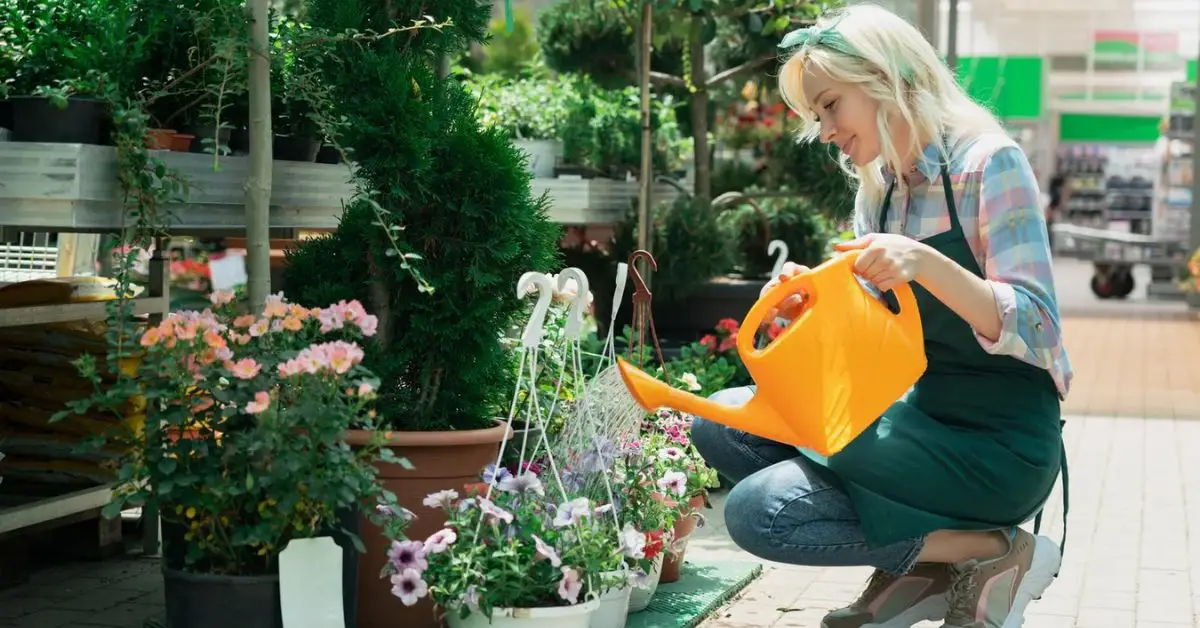
- Use the finger test—poke an inch into the soil. If it feels dry, water; if damp, wait.
- Try bottom watering: set the pot in a tray of water for 15 minutes so roots drink only what they need.
- Avoid overcompensating—alternating drought and flood is worse than a steady routine.
Light Hacks
- Rotate plants a quarter-turn weekly so they grow evenly.
- Place high-light plants like succulents in the sunniest windows, while shade lovers can sit back from direct light.
- In darker rooms, use a full-spectrum grow light for 6–8 hours daily.
Humidity Boosters
- Group plants together to create a mini “humidity pocket.”
- Use pebble trays—a shallow dish with stones and water beneath the pot.
- Don’t rely on daily misting—it dries too quickly and can cause fungal issues.
Nutrient Balance
- Add a slow-release fertiliser for steady nutrition.
- During active growth, supplement with a gentle liquid feed every few weeks.
- Stick to directions—extra fertiliser doesn’t mean faster growth; it risks root burn.
Pest Control
- Wipe leaves with soapy water to remove insects.
- Spray with neem oil or insecticidal soap for ongoing infestations.
- Place yellow sticky traps near the soil surface to catch fungus gnats.
What Research Says About Indoor Plant Stress
Good plant care isn’t just about avoiding droopy leaves—it’s about creating the right environment so plants can thrive long-term. Reliable sources back this up.
- Balanced care matters: According to Better Homes & Gardens, the basics—consistent watering, proper light, and occasional feeding—are the foundation of healthy indoor plants. Small changes in these areas often prevent stress before it shows up.
- Mental and physical benefits: Trusted outlets like Healthline and Forbes report that healthy houseplants lower stress, boost concentration, and improve indoor comfort. By fixing plant stress, you’re also improving your own daily environment.
- Preventive focus: Data consistently shows that well-cared-for plants regulate moisture, absorb toxins, and even improve the feel of a space. That means the effort you put into your plants pays off in more ways than one.
Competitors usually stop at quick symptom lists, but bringing in this research-backed perspective shows why your care choices matter—not just for plants, but for you.
Keep Your Houseplants Happy Long-Term
Fixing problems is one thing—making sure they don’t come back is even better. The smartest plant parents I know treat care like prevention, not repair. Here’s how you can do the same.
Seasonal Plant Checkups
- Winter: Shorter days mean less light and slower growth. Ease up on watering and fertiliser. You can also follow these extra tips on protecting indoor plants during the winter months to help them handle drafts, dry air, and low light conditions.
- Summer: Stronger sun can scorch leaves. Shift plants back from south-facing windows or add sheer curtains.
- Spring/Fall: These are growth transitions—perfect times for repotting and refreshing soil.
Rotation Schedule for Light Balance
- Plants bend toward their light source over time. To avoid lopsided growth, rotate your pots by a quarter-turn once a week.
- On Reddit, one plant owner shared how simply rotating and staking corrected a leaning plant that had lost balance. Small habits like this keep plants upright and strong.
Smart Tools: Moisture Meters & Hygrometers
- Moisture meters take the guesswork out of watering—especially useful for deeper pots where the surface soil looks dry but roots are still wet.
- Hygrometers track humidity levels so you know if your air is too dry. This is key for tropical plants like ferns and calatheas.
- A simple thermometer-hygrometer combo can save you from repeated stress cycles.
Stop Doing These 5 Things Now
Sometimes it’s not what you do—it’s what you stop doing—that makes the biggest difference. Many plant problems trace back to the same bad habits.
Overwatering Habit

- The #1 plant killer. Constant soggy soil suffocates roots and leads to rot.
- Solution: Always check soil moisture before watering.
Ignoring Repotting
- Roots circling inside the pot can strangle growth.
- Solution: Refresh soil and repot every 1–2 years, depending on plant size and growth rate.
Using Decorative Pots Without Drainage
- Water collects at the bottom, drowning roots.
- Solution: Either drill drainage holes or keep plants in nursery pots and slip them inside decorative covers.
Placing Plants Near Vents/Heaters
- Hot or cold blasts shock plants, causing leaf drop and stress.
- Solution: Keep plants away from direct airflow zones.
“Fertiliser Dumping” When Leaves Yellow
- Pouring in more feed won’t solve underlying issues and often burns roots.
- Solution: Diagnose first—yellowing could mean overwatering, light problems, or natural ageing. Fertilise only during active growth.
Trust the Signs, Act Early
Your plant isn’t dying—it’s talking to you. Those yellow leaves, drooping stems, or crispy edges aren’t failures on your part, they’re signals. Once you know how to read them, the fixes are usually simple and fast.
Don’t wait for things to spiral. Try just one small adjustment today—move a pot closer to the window, bottom-water instead of pouring from above, or flush out old fertiliser salts. Within a week, you’ll see signs of recovery, and that progress will keep you motivated.
Every plant has its own rhythm, and as you get better at noticing the early whispers, you’ll spend less time firefighting and more time enjoying lush, healthy growth. And if you’re ready to expand your collection, try starting with herbs—here’s a simple guide on how to grow herbs indoors that adds both greenery and fresh flavour to your space.
Share your plant rescue stories in the comments, and explore more hands-on guides at Plant Care Dairy. Your experience might just be the tip another plant lover needs.
Disclaimer: The information in this guide is for general houseplant care only. Always research the specific needs of your plant species before making changes. If using sprays or treatments, test on a small area first and keep them away from pets and children.