

When winter hangs on and sunlight feels scarce, it’s easy to stall on garden plans. But starting seeds under grow lights in December can turn those quiet weeks into the most productive part of your season. My goal here is to cut through the confusion and give you actionable, step‑by‑step guidance so you can match the right timing, light, and heat to the right plants—without guesswork.
By the end of this guide, you’ll know which crops to start now, exactly how much time they need indoors, the heat and light they prefer, and when to pot up and transplant for maximum harvests. I’ll also share a quick reference table and a ready-to-use checklist to make setup and timing painless.
Here’s my quick anecdote: As winter wanes, I always start daydreaming about spring beds. A few years ago, I waited too long to start tomatoes and peppers. The plants looked fine, but the first frost of fall arrived before I got the big harvest I wanted. Since then, I’ve scheduled a December seed‑starting day and set up a simple grow‑light station—I’ve never looked back.
Early Birds: Cool‑Season Starts
Before we dive into details, here’s the 7‑crop lineup I start in December to hit the ground running in spring. If you’re curious about which seeds to start slightly later in the season, check out this guide on what seeds to start in January to plan your winter-to-spring sowing schedule.
- Tomatoes (Solanum lycopersicum)
- Peppers (Capsicum spp.)
- Onions (Allium cepa)
- Kale (Brassica oleracea var. sabellica)
- Oregano (Origanum vulgare)
- Basil (Ocimum basilicum)
- Rosemary (Salvia rosmarinus)
For enthusiasts looking to experiment with winter sowing techniques, Joe Gardener’s podcast on winter sowing offers practical insights and success stories.
Onions: Day‑Length Matters More Than You Think
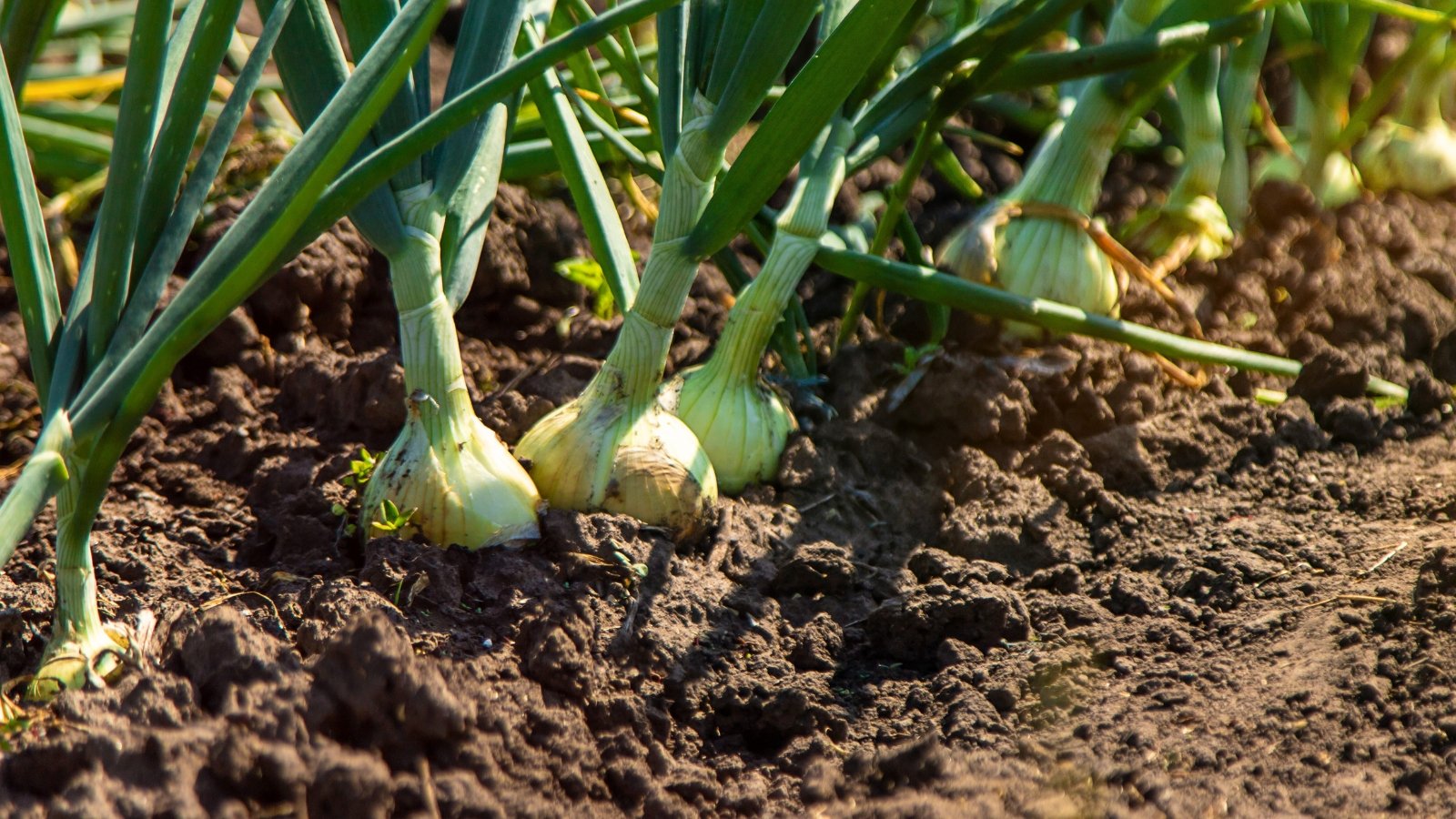
Botanical Name: Allium cepa | Sun: Full Sun to Partial Shade | Height: 6–12” | Zones: 3–11
Onions are deceptively advanced because day length determines bulbing. Choose correctly and you’ll be thrilled; choose wrong and you’ll get scallions. Larger onions can take up to 130 days from seed, so a December start is a huge win.
- Variety matching: Grow long‑day types (e.g., ‘Yellow Sweet Spanish Utah’) in northern latitudes; short‑day types (e.g., ‘Yellow Granex PRR’) in southern areas; intermediate‑day (e.g., ‘Walla Walla’) suit many regions but favor the South.
- Sow and grow: Start in plug trays, keep evenly moist, and provide 12–16 hours of light. Trim tops to 4–5” to prevent flopping.
- Transplant timing: Move outdoors when soil is workable and temps are staying above freezing. Space generously for big bulbs.
Kale: Fast, Forgiving, And Frost‑Friendly

Botanical Name: Brassica oleracea var. sabellica | Sun: Full Sun to Partial Shade | Height: 12–48” | Zones: 2–11
Kale is one of the easiest December starts. You can harvest baby leaves in weeks or let plants mature for hearty greens. Kale tolerates cold well and can go out as soon as soil hits 50°F (10°C).
- Varieties I love: ‘Redbor’ and ‘Dwarf Blue’ for frilly texture; ‘White Russian’ for flat leaves with striking white ribs.
- Indoor timing: 3–4 weeks under lights often yields ready-to-plant seedlings.
- Harvest rhythm: Cut outer leaves first and the plant keeps producing through spring—and again in fall.
Oregano: Slow To Size Up, Big On Flavor

Botanical Name: Origanum vulgare | Sun: Full Sun to Partial Shade | Height: 18–36” | Zones: 4–8
Oregano takes its time but pays you back for years. December sowing gives it a head start so you can harvest full‑grown sprigs by early summer.
- Why I grow it: It’s delicious fresh or dried, and the blooms attract pollinators.
- Variety picks: Classic oregano is great; Greek oregano is gorgeous with white‑pink blooms; for ornamental looks, try ‘Kirigami’ in hanging baskets.
- Care tip: Start small seeds on the surface, keep moist, and be patient—they’re slow but steady.
Heat Lovers: Warm‑Season Starts
Tomatoes: Four To Six Weeks Before Transplant Pays Off
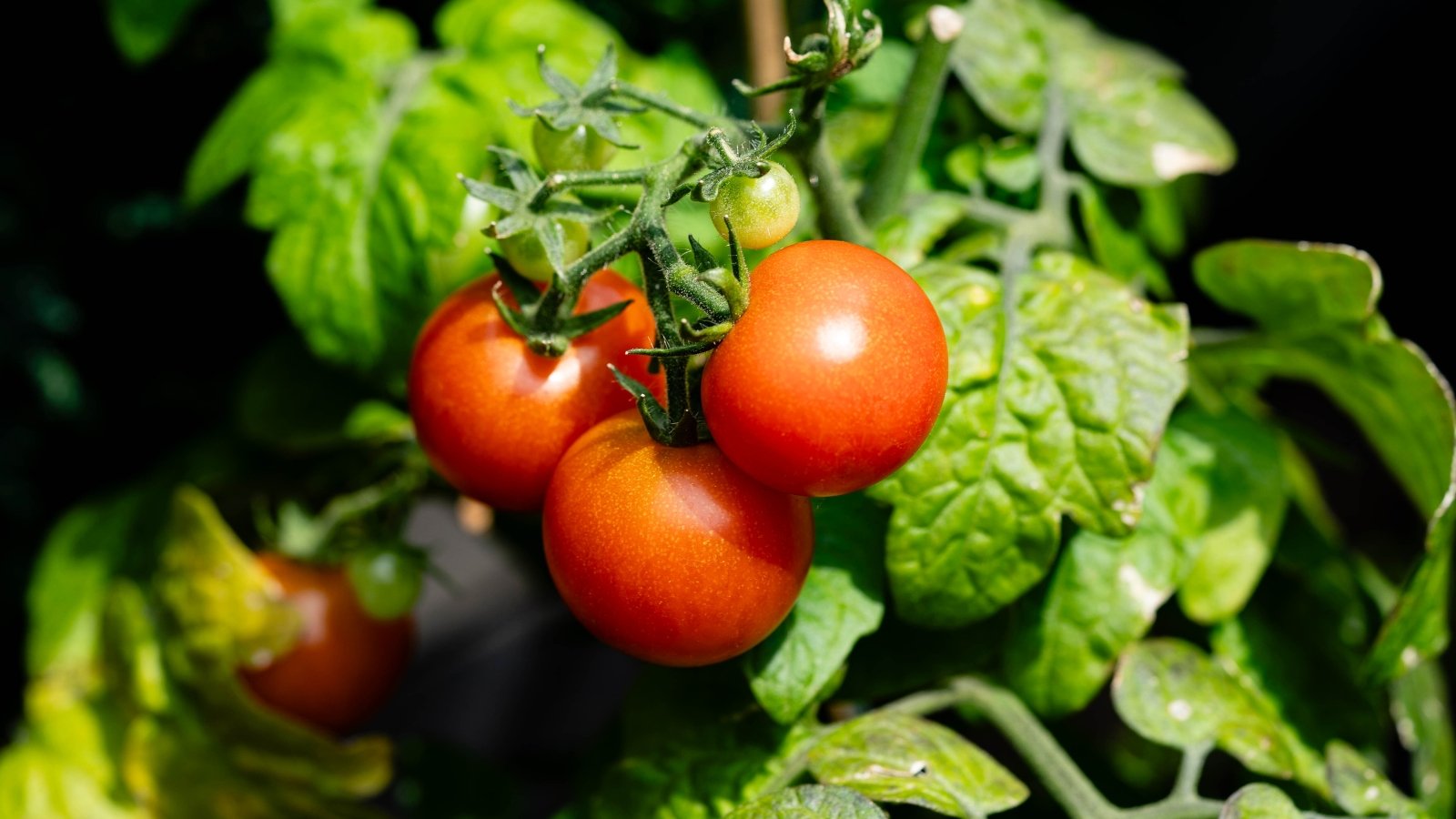
Botanical Name: Solanum lycopersicum | Sun: Full Sun to Partial Shade | Height: 12–72” | Zones: 3–11
Tomatoes reward an early start. Most take at least 70 days from transplant and up to 100 days for larger slicers. Seed in December if you want sturdy, ready-to-go transplants when frost ends.
- Timing: Aim for 4–6 weeks under lights before your target transplant date.
- Types to try: For small spaces, I love ‘Cherry Falls’ in hanging baskets. With long seasons, ‘Cherokee Carbon’ delivers hefty slicers.
- Growth habit: Determinates finish fast (great for short seasons). Indeterminates produce steadily with support until heat or cold shuts them down.
Peppers: Give Them 8–10 Weeks And Gentle Heat
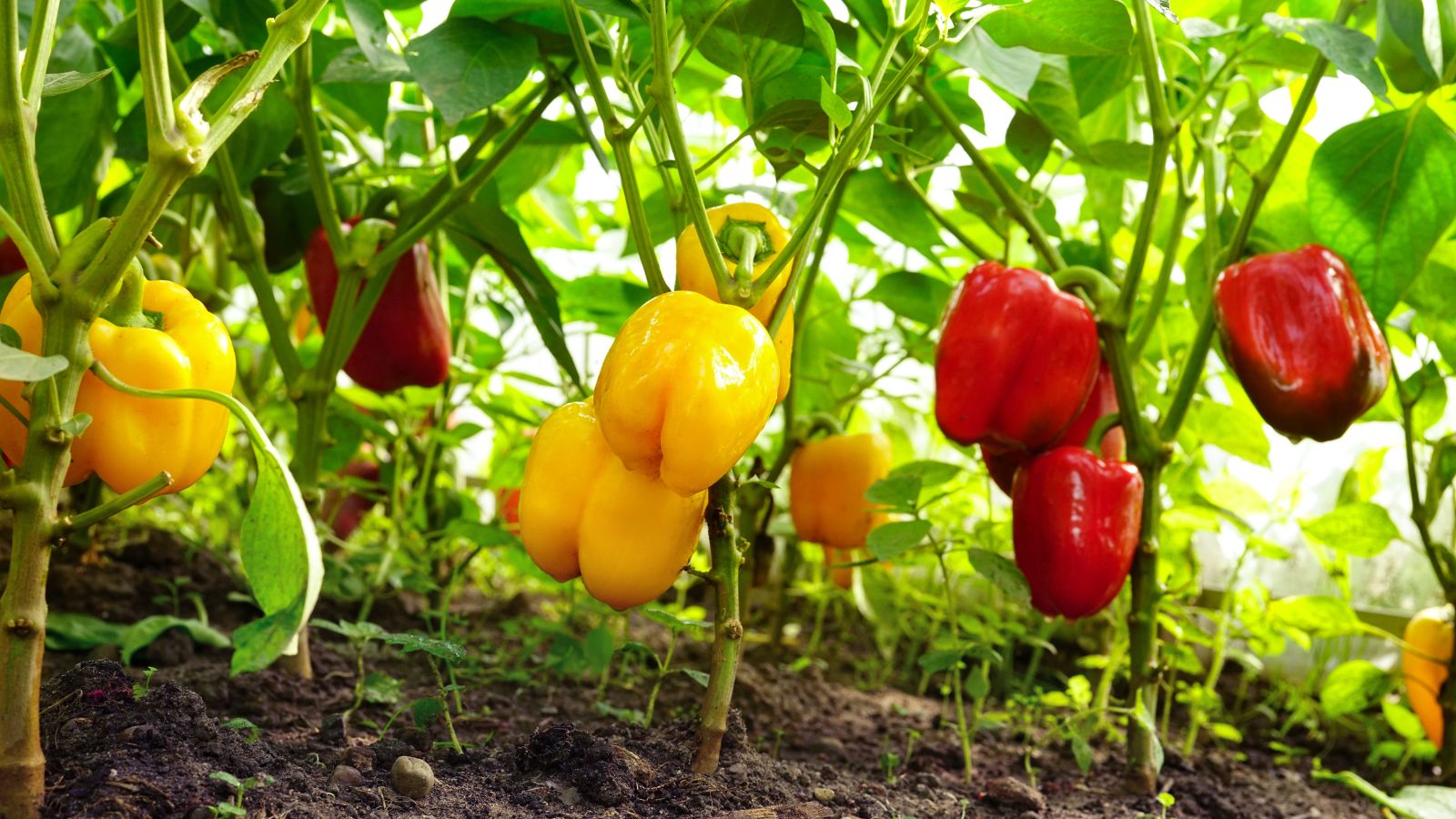
Botanical Name: Capsicum spp. | Sun: Full Sun to Partial Shade | Height: 12–48” | Zones: 3–11
Peppers mature more slowly than tomatoes and appreciate 8–10 weeks indoors. They sprout best with bottom heat and reward you with steady harvests in warm weather.
- Favorite picks: ‘Shishito’ is prolific and mild. If bells feel too slow, try ‘Mini Red Bell’—often ready in about two months after transplant.
- Heat for germination: Use a heat mat for consistent sprouting. Move under lights at first true leaves.
- Light schedule: Provide 12–16 hours daily for strong, compact plants.
Basil: Heat, Light, And Flower Control
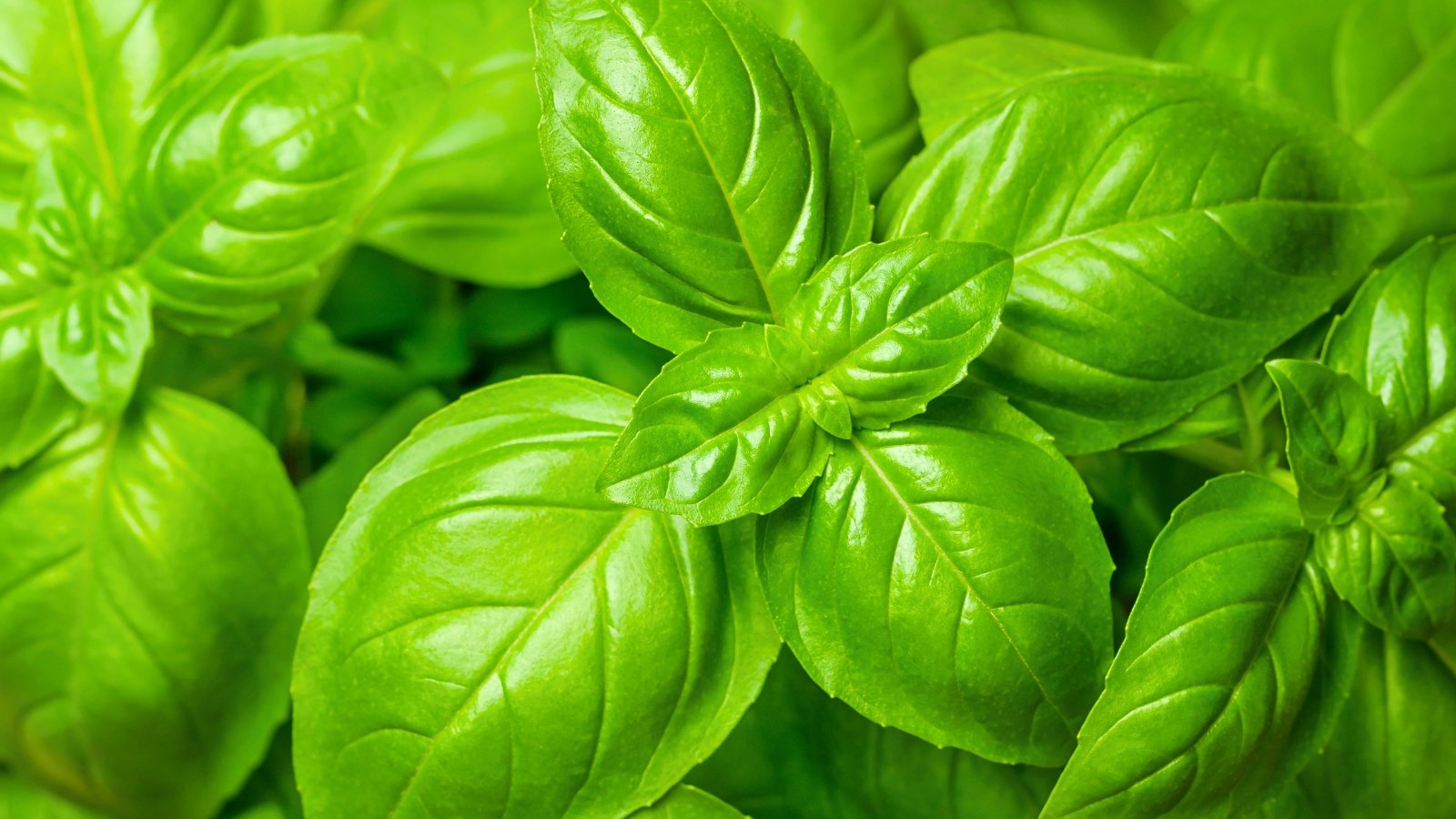
Botanical Name: Ocimum basilicum | Sun: Full Sun to Partial Shade | Height: 12–36” | Zones: 10
Basil thrives with warmth but can bolt in intense summer heat. Indoors, keep the soil at least 50°F (10°C) for germination and deliver strong light.
- Go‑to types: Classic Genovese for pesto takes a couple of months to mature. Tulsi (Holy Basil) shines in teas and sweet dishes.
- Pinch to prevent bolting: Remove flower buds regularly for bushy growth and longer harvests.
- Potting up: Basil appreciates a roomier pot sooner than you’d think; don’t let it get rootbound.
Rosemary: Slow And Steady, But So Worth It

Botanical Name: Salvia rosmarinus | Sun: Full Sun to Partial Shade | Height: 24–48” | Zones: 8–10
Woody herbs like rosemary are naturally slow. Give seedlings 10+ weeks before transplant. Use a heat mat set to 65–75°F (18–24°C) and expect a long-lived plant with proper care.
- Climate cue: In zones 8–10, rosemary can stay outdoors through winter. Colder zones? Grow in containers and bring indoors before freezes.
- Watering: Keep evenly moist but never soggy; rosemary resents wet feet.
- Light: Aim for bright, direct light indoors; supplement with 12–16 hours under LEDs.
Your Indoor Seed‑Starting Setup
Light: Intensity, Duration, And Distance
Good lighting prevents leggy seedlings. I run lights for 12–16 hours daily with a timer and adjust height to keep fixtures 2–4 inches above the canopy.
- LEDs do the job: Full-spectrum shop lights or dedicated grow lights both work well when placed close. For more detailed tips on planting seeds under grow lights, including fixture placement and intensity, check this step-by-step guide.
- Move the light: Raise the fixture as seedlings grow; keep leaves from touching to avoid leaf scorch.
- Airflow helps: A small fan strengthens stems and reduces damping‑off disease.
Heat & Germination: Warm Bottoms, Cooler Tops
Many warm‑season crops germinate faster with bottom heat. I keep trays on a heat mat until the first true leaves emerge, then lower temps slightly and focus on light.
- Tomatoes/peppers: Steady warmth speeds sprouting and produces sturdier seedlings.
- Cool‑season crops: Kale and onions don’t need as much heat but appreciate stable temperatures.
- Moisture management: Use a humidity dome only until germination, then vent/remove to prevent fungal issues.
Potting Mix & Containers: Start Sterile, Feed Lightly
A fine, sterile seed‑starting mix improves germination and reduces disease. Bottom‑water to keep media evenly moist without splashing stems.
- Start small, then up‑pot: Begin in 72–128‑cell trays. Move to 3–4” pots when roots fill the cells. If you’re new to indoor seed starting, check out our guide on avoiding common beginner mistakes to save time and protect your seedlings.
- Fertilize gently: After true leaves form, feed with a half‑strength, balanced liquid fertilizer every 1–2 weeks.
- Label everything: A grease pencil or paint pen won’t fade under watering and light.
Timing, Transplanting, And Troubleshooting
When To Start & When To Up‑Pot
Count backward from your last frost date and the plant’s indoor lead time. If you’re unsure about starting early, see our guide on sowing seeds before it snows for tips on timing seeds according to your local climate. Tomatoes need 4–6 weeks; peppers and rosemary 8–10+; onions up to 10–12 for robust transplants; kale 3–4; basil 4–6; oregano 8–10.
- Root check: If roots circle the cell or growth stalls, it’s time to up‑pot.
- Plant spacing: Give each seedling breathing room under the lights to prevent stretch.
- Practical cadence: I set a weekly “inspection day” to water, fertilize, and raise lights.
Hardening Off & Planting Out
Transition seedlings outdoors over 7–10 days to prevent shock. The same careful approach applies to larger seeds—see our step-by-step guide on planting pumpkin seeds for ideas on spacing and transplanting. Start in bright shade, then gradually increase sun and wind exposure.
- Soil temperature targets: Kale goes out when soil hits 50°F (10°C). Warm lovers (tomatoes, peppers, basil, rosemary) go out after frost danger passes and soil warms.
- Support: Install tomato cages or stakes at planting time; it’s easier now than later.
- Mulch matters: A 2–3” layer conserves moisture and keeps soil temperatures stable.
Common Problems Under Lights
- Leggy seedlings: Light is too weak or too far away; lower the fixture and increase hours.
- Damping‑off: Stems pinch at the soil line; improve airflow, avoid overwatering, and remove humidity domes post‑germination.
- Slow germination: Warm‑season seeds need heat; use a heat mat and keep media evenly moist.
- Nutrient deficiency: Pale leaves signal it’s time for a light feeding.
Smart Gardening Wrap‑Up + Checklist
Key Takeaways
- Start smarter, not later: December sowing sets you up for on‑time transplants and bigger harvest windows.
- Match crop to conditions: Cool lovers (kale, onions, oregano) can go out earlier; heat lovers (tomatoes, peppers, basil, rosemary) need warmth and patience.
- Control your variables: Give seedlings strong light, gentle bottom heat where needed, and steady moisture.
- Plan to up‑pot: Healthy roots and right‑sized containers make all the difference.
Quick Reference Table
| Crop | Indoor Lead Time | Germination Heat | Light (Daily) | Transplant Cue | Zones |
|---|---|---|---|---|---|
| Tomato (Solanum lycopersicum) | 4–6 weeks | Warm (heat mat helpful) | 12–16 hrs | After last frost; soil warming | 3–11 |
| Pepper (Capsicum spp.) | 8–10 weeks | Warm (heat mat recommended) | 12–16 hrs | After last frost; consistent warmth | 3–11 |
| Onion (Allium cepa) | 10–12 weeks | Moderate | 12–16 hrs | As soon as soil is workable | 3–11 |
| Kale (B. oleracea var. sabellica) | 3–4 weeks | Low–Moderate | 12–16 hrs | Soil at 50°F (10°C) and up | 2–11 |
| Oregano (Origanum vulgare) | 8–10 weeks | Moderate | 12–16 hrs | After frost in mild areas; containers elsewhere | 4–8 |
| Basil (Ocimum basilicum) | 4–6 weeks | Warm | 12–16 hrs | After frost; soil ≥ 50°F (10°C) | 10 |
| Rosemary (Salvia rosmarinus) | 10+ weeks | Warm (65–75°F) | 12–16 hrs | Zones 8–10 outdoors; containers in cold zones | 8–10 |
December Seed‑Starting Checklist
- 1. Pick your seven: Tomatoes, peppers, onions, kale, oregano, basil, rosemary.
- 2. Match timing: Count back from last frost; give warm lovers the longer runway.
- 3. Set lights: 12–16 hours/day; keep fixtures 2–4” above the canopy.
- 4. Add gentle heat: Use heat mats for tomatoes, peppers, basil, rosemary.
- 5. Start sterile: Use seed‑starting mix; bottom‑water to avoid damping‑off.
- 6. Feed lightly: Half‑strength fertilizer after true leaves appear.
- 7. Up‑pot on time: Move to 3–4” pots once roots fill the cells.
- 8. Harden off: Gradual outdoor exposure for 7–10 days before transplanting.
- 9. Plant with purpose: Support tomatoes, mulch beds, and watch soil temps.
Ready to build your best spring yet? I’d love to hear which seeds you’re starting and how your setup is going. Drop your questions in the comments on Plant Care Dairy—let’s swap tips and celebrate those first sprouts!
Disclaimer: The information in this article is for educational purposes only. Always consider your local climate, microclimate, and current weather conditions before sowing or transplanting. Follow seed packet instructions and consult local extension resources for region‑specific guidance.